GOQii

Blog

  • HOME
  • HEALTHY LIVING
  • FITNESS
  • HEALTHY RECIPES
  • USER STORIES
  • KARMA
  • BUY GOQii

August 4, 2025 By GOQii Leave a Comment

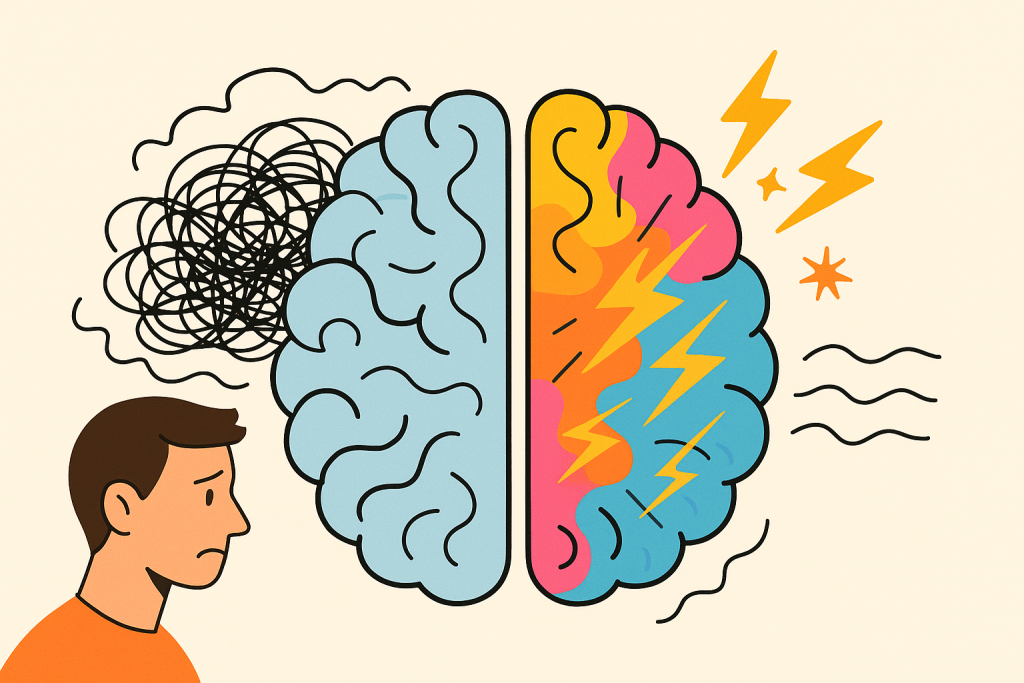
ADHD Brain Basics: Not Broken, Just Brilliantly Wired

Ever felt like your mind is ten steps ahead of the world, and sometimes even ten steps ahead of you? Thoughts racing, ideas bursting at the seams, yet the simplest task feels like trying to climb a mountain in flip-flops?

If that sounds familiar, you’re not alone. And no, your brain is not broken. You may just have an ADHD brain one that is wired differently, not defectively.

The ADHD Brain: A Race Car with Unpredictable Brakes

Here’s a metaphor that often hits home: think of the ADHD brain as a high-performance race car. The engine roars with power, the design is sleek, and the potential is immense. But the brakes? They can be a bit unreliable.

That’s ADHD in a nutshell. The spark, creativity, and momentum are all there in abundance. The challenge appears when it’s time to pause, shift gears, or tune into something that isn’t immediately engaging. This isn’t about laziness or a lack of discipline; it’s about the brain’s executive functions like planning, organisation, and impulse control which simply operate on a different system and require different kinds of support.

Why This Understanding Changes Everything

Many people say that when they first understand this concept, it reframes their entire life. ADHD isn’t about having less ability; it’s about having a different kind of ability.

The core issue isn’t an inability to focus. It’s that focus doesn’t always turn up on cue or for the “right” things. The same brain that can’t recall where it left the house keys can dive into hours of intense, joyful hyperfocus on something it finds meaningful, urgent, or exciting.

That’s not dysfunction. That’s divergence. And with the right approach, it’s a gift that can be channelled into incredible things.

Start with Understanding, Not Shame

When ADHD is met with curiosity instead of judgment, something powerful begins to unfold. The behaviours that once felt like personal flaws start to make perfect sense.

  • Struggling to get started? That’s not laziness; it’s often executive dysfunction causing a feeling of being overwhelmed.
  • Chronic lateness? It’s rarely rudeness; it’s more likely a different internal sense of time, sometimes called “time blindness.”
  • Forgetting things often? It’s probably not carelessness; it’s an overloaded working memory struggling to hold onto too many details at once.

The more we understand the “why” behind the behaviour, the more compassion we can build for ourselves and for the people around us who live with ADHD.

The Superpowers: Real, Tangible Strengths

Brains with ADHD can be:

  • Intensely creative and innovative problem-solvers.
  • Emotionally intuitive and empathetic.
  • Unusually perceptive, noticing things others miss.
  • Fiercely passionate and driven when engaged.

The goal isn’t to “fix” someone. It’s to help them understand their unique wiring so they can partner with their brain, not battle against it.

Not Alone, Just Wired Differently

ADHD doesn’t define you, but understanding it can be life-changing. Your brain is full of power, insight, and potential. The journey ahead isn’t about becoming someone new it’s about learning how to become more authentically you.

So stay curious. Be gentle with yourself. And know this: a whole world of insight, support, and possibility is waiting for you.

#BeTheForce

Disclaimer: This blog is for informational purposes only and is not a substitute for professional medical advice, diagnosis, or treatment. Please consult a doctor for personalised guidance and recommendations related to ADHD.

May 26, 2025 By GOQii Leave a Comment

The Power of Breaks: Working with Energy Rather than Pushing Concentration

Taking a mindful break to improve focus and productivity — especially helpful for ADHDWhether you’re dealing with ADHD or just feeling overwhelmed, we’re surrounded by a culture that glorifies constant hustle — endless Zoom calls, long to-do lists, and the pressure to keep going even when we’re drained. But what if the key to better work, clearer thinking, and better wellbeing lies in stepping away instead of pushing through?

Welcome to the world of breaks — the quiet heroes of modern work-life balance.

Why Taking Breaks Isn’t Lazy — It’s Smart

Many people think taking a break means you’re being unproductive. The truth is the opposite. Research shows our brains aren’t built to focus for long periods without rest. After about 90 minutes of deep work, our focus fades, we make more mistakes, and decision-making gets harder.

For those with ADHD, this happens even faster. Taking breaks can help bring focus back and stop you from feeling overloaded.

That’s the power of breaks. Whether it’s five minutes, a walk outside, or a proper lunch away from your screen — taking time to rest helps your mind reset and come back stronger.

Manage Your Energy, Not Your Time

We often plan our days by the hour — a 10 AM meeting, 11 AM emails, 3 PM deadline. But what if we planned around our energy instead?

Everyone has natural energy patterns. You might be more focused in the morning and more creative later in the day. Instead of forcing yourself to power through with another coffee, take a break when your energy dips. You’ll likely come back refreshed and full of better ideas.

Breaks Increase Both Creativity and Problem-Solving

Ever had a great idea while in the shower or taking a walk? That’s not a coincidence.

When you stop thinking about a problem, your brain switches to something called the default mode network — the part that helps you reflect, daydream, and connect ideas. This is especially useful for ADHD minds, where stepping away can actually help ideas come together more clearly.

Microbreaks Count Too

You don’t need a fancy holiday to feel better. Even a 30-second break helps reduce mental tiredness. A quick stretch, a few deep breaths, looking out the window, or enjoying a quiet tea can refresh your brain.

For people with ADHD, these small breaks are helpful in managing attention and preventing mental overload.

Rethinking Hustle Culture

It’s time to stop thinking that working more hours means working better. What really matters is the quality of your output, your ideas, and your wellbeing.

Taking a break isn’t being lazy. It’s a smart and respectful way to take care of yourself — and it helps you stay focused in the long run. For neurodiverse people, it can make all the difference in staying balanced.

Rest is Not a Reward. It’s a Right.

In a world that constantly tells you to do more, go faster, and never stop — it’s powerful to take a pause. The next time you feel stuck, tired, or overwhelmed, remember:

The best thing you can do might be nothing at all.

So give yourself a break. Your brain — especially if it works a little differently — will thank you for it.

#BeTheForce

Disclaimer: This blog is for informational purposes only and is not a substitute for professional medical advice, diagnosis, or treatment. Please consult a doctor for personalised guidance and recommendations related to ADHD. Images shown are for representation purposes only and may not depict the exact recommendations or outcomes.

May 8, 2025 By GOQii Leave a Comment

Finding Inner Strength: 12 Ways to Manage Health and Stress

Managing a medical condition such as diabetes or hypertension can be both mentally and physically taxing. Whether you’re navigating daily health challenges or recovering post-surgery, it’s essential to find ways to support your overall well-being. Embracing these practices is about nurturing both body and spirit.

Incorporating relaxation techniques into your daily routine can significantly enhance your quality of life and empower you to manage your health more effectively. Here are some practical strategies to help you feel stronger and more in control:

  1. Tailor Your Diet to Your Mood: When you’re feeling low, it’s tempting to reach for sugary snacks. Instead, opt for protein-rich foods like lean meats, eggs, cheese, and seeds. These have a minimal impact on blood sugar and aid in producing dopamine and serotonin—chemicals in the brain that promote well-being.
  2. Embrace ‘Good Enough’: Striving for perfection can lead to burnout. Recognise that doing your best is sufficient. Allowing yourself to accept ‘good enough’ frees up mental energy, enabling you to focus more on self-care. This aligns with the value of approaching life’s challenges with balance and patience (Sabr).

  3. Prioritise Quality Sleep: Restorative sleep is crucial for healing. Aim for 7-9 hours of quality sleep each night to help your body repair, reduce inflammation, and strengthen your immune system.
  4. Soak Up Some Sunlight: Exposure to natural light, especially in the morning, can boost your mood and provide a healthy dose of vitamin D. A gentle stroll can also help regulate your body clock, leading to better sleep.
  5. Incorporate Physical Activity: Engaging in activities like yoga or deep-breathing exercises can reduce stress hormones and increase endorphins, enhancing both physical healing and mental well-being.
  6. Dedicate Time to Relaxation Daily: Set aside moments each day for activities that relax you, such as engaging in prayer or Dhikr (remembrance), listening to calming sounds, practising mindfulness, or meditating. These practices can alleviate anxiety and improve concentration.
  7. Combine Music with Movement: Dancing or moving to your favourite tunes can make exercise enjoyable. Whether it’s stretching at home or walking to a lively playlist, combining music with movement can enhance your exercise experience.
  8. Plan Enjoyable Activities: Having events to look forward to can provide motivation. Arrange coffee catch-ups with friends or plan a movie night to break the routine and uplift your spirits.
  9. Laugh Often: Laughter is a natural stress reliever. It reduces stress hormones, strengthens the immune system, and fosters connections with others. Share a joke or watch a comedy.
  10. Explore New Hobbies: Trying something new can stimulate your mind and boost confidence. Whether it’s learning a skill or experimenting with a new recipe, novelty can elevate your mood.
  11. Consider Pet Companionship: If circumstances allow, having a pet can offer companionship, structure, and unconditional love—all of which can reduce stress and enhance emotional well-being.
  12. Practise Gratitude: Each day, reflect on three things you’re grateful for. This practice is at the heart of the powerful Islamic concept of Shukr, which deepens our connection to blessings. This simple exercise can shift your focus from challenges to positives, fostering a more hopeful outlook.

No matter the medical condition you’re facing, managing stress can profoundly impact your health. These strategies are about thriving, finding joy, and empowering yourself to live fully. Take small steps, cultivate supportive habits, and remember: you’re not alone on this journey. Find strength in your faith, your community, and your own resilience.

Disclaimer: The information provided in this blog is for general awareness and educational purposes only. It is not intended to replace professional medical advice, diagnosis, or treatment. Always consult a qualified healthcare provider for personalised medical guidance.

May 7, 2025 By GOQii Leave a Comment

Good Carbohydrates for Managing Diabetes

good carbohydratesDiabetes may be a lifelong condition, but with the right lifestyle changes, it can be managed and in some cases, even reversed. One of the most powerful changes you can make is to your diet.



Many people believe carbohydrates are the enemy and should be avoided completely. But that’s not true. Carbohydrates are an essential part of your diet it’s about choosing the right kind.

Two Types of Carbohydrates You Should Know

Type Description Impact
Simple Carbs Found in white bread, sugary drinks, sweets, and juices Broken down quickly, causing a rapid rise in blood sugar
Complex Carbs Found in whole grains, beans, vegetables, and fruits Digested slowly, causing a steady and gentle rise in blood sugar

The key is not to cut out carbs, but to choose complex, fibre-rich carbohydrates that support stable blood sugar and better health.

Diabetes-Friendly Carbohydrates to Include

You can confidently enjoy the following in moderate portions:

  • Fruits – Prefer whole fruits like apples, guavas, pears, cherries, and berries
  • Vegetables – Especially non-starchy types like spinach, cucumbers, okra, zucchini
  • Whole Grains – Brown rice, oats, whole wheat, barley, Jareesh, and Bulgur
  • Beans & Pulses – Lentils, Chickpeas, Fava Beans
  • Nuts & Seeds – Almonds, walnuts, flaxseeds, sunflower seeds

How to Add Good Carbs to Your Day

Here are some practical swaps and additions that fit right into Saudi meals:

Tip What to Do
Swap Your Bread Replace white khubz with whole wheat or multigrain varieties
Switch Up Your Rice Choose brown rice or mix with quinoa or Jareesh for better fibre
Bulk Up Your Stews Add more vegetables to dishes like salona or edam
Enjoy Traditional Salads Include Tabbouleh or a fresh green salad daily
Boost Your Salads Add boiled chickpeas, lentils, nuts, or mixed seeds for added fibre and protein
Snack Smart A small portion of dates with nuts, or fruit with a spoon of yoghurt, can be balanced snacks

It’s Not Just About Diet

Managing diabetes involves a full lifestyle approach:

  • 🏃 Stay physically active – even 30 minutes of walking helps
  • 🧘 Manage stress – through prayer, reflection, or breathing exercises
  • 🚭 Avoid smoking – it worsens insulin resistance
  • 🛏️ Prioritise good sleep – it’s essential for blood sugar control

If you’ve completely cut out carbs, it’s time to reintroduce the right ones in healthy, controlled portions.

Before making any dietary changes, consult your doctor or a licensed dietitian. Everyone’s body responds differently, and personalised guidance is essential.

If this article helped you, share it with your family and friends. Good health is better when shared.

#BeTheForce

Disclaimer: The information provided in this blog is for general awareness and educational purposes only. It is not intended to replace professional medical advice, diagnosis, or treatment. Always consult a qualified healthcare provider for personalised medical guidance or concerns related to your health. Images shown are for representation purposes only and may not depict the exact recommendations or outcomes.

  • « Previous Page
  • 1
  • 2
  • 3
  • 4
  • 5
  • …
  • 7
  • Next Page »

Search

Recent Posts

  • Earth Day 2026: How Healing Yourself Heals the Planet
  • The New Annual Health Check: Tests That Actually Matter After 35
  • 10 Tips for a Blissful Night Sleep
  • World Liver Day 2026: Solid Habits, Strong Liver
  • Prebiotics and Probiotics: What’s the Difference?

Stay Updated

Archives

  • April 2026 (17)
  • March 2026 (18)
  • February 2026 (14)
  • January 2026 (14)
  • December 2025 (19)
  • November 2025 (15)
  • October 2025 (20)
  • September 2025 (6)
  • August 2025 (6)
  • July 2025 (12)
  • June 2025 (18)
  • May 2025 (16)
  • April 2025 (22)
  • March 2025 (28)
  • February 2025 (22)
  • January 2025 (25)
  • December 2024 (22)
  • November 2024 (23)
  • October 2024 (21)
  • September 2024 (23)
  • August 2024 (30)
  • July 2024 (21)
  • June 2024 (25)
  • May 2024 (29)
  • April 2024 (27)
  • March 2024 (27)
  • February 2024 (24)
  • January 2024 (21)
  • December 2023 (14)
  • November 2023 (10)
  • October 2023 (19)
  • September 2023 (22)
  • August 2023 (18)
  • July 2023 (22)
  • June 2023 (23)
  • May 2023 (24)
  • April 2023 (20)
  • March 2023 (23)
  • February 2023 (19)
  • January 2023 (15)
  • December 2022 (11)
  • November 2022 (15)
  • October 2022 (15)
  • September 2022 (12)
  • August 2022 (10)
  • July 2022 (17)
  • June 2022 (11)
  • May 2022 (10)
  • April 2022 (6)
  • March 2022 (6)
  • February 2022 (13)
  • January 2022 (11)
  • December 2021 (7)
  • November 2021 (3)
  • October 2021 (6)
  • September 2021 (3)
  • August 2021 (8)
  • July 2021 (7)
  • June 2021 (15)
  • May 2021 (16)
  • April 2021 (10)
  • March 2021 (7)
  • February 2021 (4)
  • January 2021 (4)
  • December 2020 (3)
  • November 2020 (4)
  • October 2020 (10)
  • September 2020 (3)
  • August 2020 (3)
  • July 2020 (2)
  • June 2020 (4)
  • May 2020 (10)
  • April 2020 (12)
  • March 2020 (10)
  • February 2020 (4)
  • January 2020 (4)
  • December 2019 (3)
  • November 2019 (7)
  • October 2019 (5)
  • September 2019 (4)
  • August 2019 (9)
  • July 2019 (9)
  • June 2019 (11)
  • May 2019 (4)
  • April 2019 (8)
  • March 2019 (8)
  • February 2019 (9)
  • January 2019 (8)
  • December 2018 (9)
  • November 2018 (3)
  • October 2018 (3)
  • September 2018 (5)
  • August 2018 (10)
  • July 2018 (6)
  • June 2018 (13)
  • May 2018 (8)
  • April 2018 (18)
  • March 2018 (9)
  • February 2018 (8)
  • January 2018 (15)
  • December 2017 (12)
  • November 2017 (19)
  • October 2017 (13)
  • September 2017 (15)
  • August 2017 (4)
  • July 2017 (8)
  • June 2017 (7)
  • May 2017 (6)
  • April 2017 (8)
  • March 2017 (6)
  • February 2017 (7)
  • January 2017 (9)
  • December 2016 (10)
  • November 2016 (7)
  • October 2016 (7)
  • September 2016 (7)
  • August 2016 (11)
  • July 2016 (9)
  • June 2016 (9)
  • May 2016 (12)
  • April 2016 (17)
  • March 2016 (17)
  • February 2016 (8)
  • January 2016 (6)
  • December 2015 (2)
  • November 2015 (9)
  • October 2015 (7)
  • September 2015 (9)
  • August 2015 (11)
  • July 2015 (9)
  • June 2015 (11)
  • May 2015 (9)
  • April 2015 (13)
  • March 2015 (8)
  • February 2015 (5)
  • January 2015 (12)
  • December 2014 (14)
  • November 2014 (11)
  • October 2014 (6)
  • September 2014 (13)
  • August 2014 (12)
  • July 2014 (6)
  • June 2014 (2)
  • May 2014 (7)
  • April 2014 (4)

From “Laddu Nawin” to Fit and Fierce: How a 25-Year-Old Insurance Advisor Shed 20 Kilos and Gained His Life Back

When 25-year-old Nawin Yadav from Hyderabad walked into his office every morning, he carried more than just his files and policy papers. He had the weight of fatigue, sluggish energy, and an ever-growing belly that was becoming the butt of jokes. “People … [Read More...]

“I’ve Challenged Myself to Live 100 Years” – The Story of Chandubhai Savani’s Second Chance at Life

At 67, most people start slowing down. Not Chandubhai Savani. A resident of Surat, Chandubhai, thought life was on track. “My life was going well till I had my bypass surgery,” he says. That surgery, back in 2021, was a wake-up call.  Medication was routine, but exercise wasn’t. His diet? What he calls ‘normal.’ “I […]

From Shimla’s Slopes to Chandigarh’s Sidewalks: Surinder Kaur Bhalla’s Journey from Chaos to Control

Some journeys start with a plan. Others begin with a stumble literally. Surinder Bhalla, a government professional, born and raised in the scenic hill town of Shimla, had always lived a life of movement. “In Shimla, you walked everywhere,” she reflects. “Walking was never an exercise. It was just life.” But after shifting to Chandigarh, […]

Ananda Mukherjee Health Story

From Terminal Illness To Complete Wellness! Ananda Mukherjee Health Story

As we observe World Cancer Day under the powerful theme ‘United by Unique’ (2025-2027)**, we are reminded that every individual’s journey with cancer is distinct, yet united by shared resilience, hope, and the collective fight against this disease. This theme places people at the centre of care and their stories at the heart of the […]

  • HOME
  • HEALTHY LIVING
  • FITNESS
  • HEALTHY RECIPES
  • USER STORIES
  • KARMA
  • BUY GOQii

Copyright ©2016 GOQii
