GOQii

Blog

  • HOME
  • HEALTHY LIVING
  • FITNESS
  • HEALTHY RECIPES
  • USER STORIES
  • KARMA
  • BUY GOQii

December 9, 2021 By Trishala Chopra 1 Comment

Why Does Sweat Smell Bad After Certain Activities?

sweat

We all sweat. Sometimes, your sweat has a horrific stench post-workout as compared to your sweat during normal hours. Have you ever experienced this and wondered why? Truth be told, your sweat has no smell. So where does the smell come from? Well, there is a scientific reason behind it!

The horrific stench after a workout comes from bacteria that live on your skin. These bacteria break down the components of sweat resulting in smell.

What is the Smell About?

Your sweat comprises of water in large amounts along with trace minerals, fatty acids and skin cells that your body sheds. Your bacteria break these down further causing odour.

There is an endorphin (This is a hormone which is produced during exercise to ease your pain and make you calm and happy!) rush when you exercise which leads to a lot of perspiration or sweating. When you work out, your body produces cortisol along with endorphins which are hormones that affect the sweat glands on our skin.

There are two types of sweat glands which are eccrine glands and apocrine glands. Sweat glands in the armpits, groin and other smelly areas are called apocrine glands which produces a pheromone-like substance that provides energy for skin bacteria and leads to the horrific stench. Whereas eccrine glands are all over the body and don’t cause extreme sweating as compared to apocrine glands.

Why Does Everybody Sweat Differently?

You might have noticed that sweating levels are different for everybody. Why does this happen?

Factors which affect the rate of sweating:

  1. Environment/Weather/Climate: Our body needs to maintain the normal temperature irrespective of climatic conditions. Body, has its own thermostat and how much you sweat completely depends on how your body is trying to cope with the weather change.
  2. Your Fitness Levels Matter: The more you workout, the more you sweat. Your body tries to cool your body temperature so that you are ready to make the workout more intense!
  3. Genes: Apart from the temperature regulation, some people tend to sweat more than others due to their genetics (somethings cannot be changed).
  4. Could be a Medical Condition: Hyperhidrosis is a medical condition in which a person sweats excessively. Body tends to work hard to maintain the usual thermostat

5 Ways to Deal with Smelly Sweat: 

  1. Maintain Hygiene: It is important to wash the smelly areas frequently especially post-exercise. Washing these areas will help you in removing the dead cells from the skin, keep the skin healthy and reduce the smell eventually.
  2. Use deodorants and antiperspirants to keep underarms stench free!
  3. Wear Proper Clothes During Workout: Prefer sweat-absorbing workout clothes. Go for material which lets the body breathe rather than trapping the sweat instead leading to excessive sweat
  4. If the sweating is excessive, see a dermatologist.
  5. Work on your Diet: Certain food items are responsible for smelly sweat. Onions, garlic, cauliflower, alcohol, and coffee can lead to excessive sweating. Cutting back on these can help you with the reduced smell from the sweat

Home Remedies to Manage Smelly Sweat 

  1. Wheatgrass Juice: It works as an excellent detoxifier. Try 1 tbsp of wheatgrass juice with water early in the morning on an empty stomach for 2 weeks and then once every alternate day for 3 months.
  2. Baking Soda: It works as a natural water-absorbing agent. Mix 2 tbsp of baking soda with water and apply it on the underarms for 30 minutes. Please do not keep it beyond 30 mins. It might act as an irritant for your skin. Wash it with ice cold water and apply 2 drops of glycerin as a natural toner.
  3. Potato/Potato Juice: It acts as a quick water-absorbing agent which works as an antiperspirant. Cut Potato into thin slices, keep it in the refrigerator for 10 minutes and rub it on armpits. This will work as a quick antiperspirant.
  4. Apple Cider Vinegar: It has astringent properties. If you suffer from excessive sweating, take 1 tsp of apple cider vinegar with mother culture early in the morning on an empty stomach.
  5. Lemon: Citrus fruits work as natural deodorants. You can apply fresh lemon juice on your armpits and wash it after 45 minutes. You can try doing this every day to get best results.
  6. Black Cohosh: Research has shown that supplementing your diet with 80mg of Black Cohosh helps in reducing overall excessive sweating and hot flashes.

Now that you know everything you need to about sweat and body odour, you can take the necessary measures and be odour-free!

Was this article helpful? Would you like to know more? Let us know in the comments below! For more articles like this, check out Healthy Reads or get advice from certified GOQii experts by subscribing for personalized coaching here: https://goqiiapp.page.link/bsr

#BeTheForce 

July 17, 2019 By Trishala Chopra 5 Comments

Tips to protect yourself from allergic conjunctivitis this monsoon

conjunctivitis this monsoon

I guess I am late! Rains are already here and we can’t just ignore getting drenched in heavy rains. But, getting drenched in the rains might not be a good thing for your body. Monsoon not only brings with it rains but it brings along with it an army of infections. Viral infections are the most common ones. They are at its peak during monsoon season because of the sudden increase in the moisture levels in the climate. Among all infection, eyes are the worst affected part of the human body.

You might have suffered from itchy eyes which turns red the moment you rub it? Do not ignore it as it could be conjunctivitis. Conjunctivitis in literal terms means inflammation of conjunctiva (thin protective membrane of the eyes) Conjunctivitis is of two types: – acute allergic conjunctivitis and chronic acute conjunctivitis. Acute allergic conjunctivitis includes the seasonal allergy which turns up during monsoons. Conjunctivitis spreads through direct contact. Hand to eye touch can cause conjunctivitis, as this disease is highly contagious. It can last for minimum 3 days up to 7 days.

Redness always doesn’t mean conjunctivitis, there are various other reasons that can cause redness or itchy eyes. It might be dust or too much strain on the eyes or insomnia which might cause redness of the eyes. Do not confuse yourself between these reasons and conjunctivitis. It is always advisable that if you face redness, itchiness, watery eyes, swelling, difficulty in blinking, dry eyes for more than 2 days then visit your ophthalmologists as soon as possible. It might be allergic conjunctivitis or some other disease, it is always better to get it checked from the expert.

Here are few tips to protect yourself from conjunctivitis this monsoon!

  • Maintaining personal hygiene is most important precaution which one needs to take.
  • Avoid touching your eyes without washing your hands properly.
  • Wash your eyes with cold water whenever you come from outside.
  • If you feel that there is slightest pain in your eyes or you have been in contact with the person who has conjunctivitis, give your eyes cold compressions immediately after you come home. It is always better if you visit a doctor before the diseases aggravate.
  • If someone at home is down with conjunctivitis make sure that whenever you are putting drops in their eyes or giving them cold water compressions, you wash your hands thoroughly before and after you get in contact with the person.
  • Put 2 drops of rose water every time before you go to bed.
  • If you wear contact lenses, avoid using them during monsoons as the chances of infection is higher with lenses.
  • Do not share cosmetics. Risk of infection doubles when you share them.
  • Avoid swimming, visiting water parks during monsoon, not only conjunctivitis, body gets prone to other diseases too!
  • Avoid touching public taps, handles and if you get in contact with them, always keep a sanitizer and use them frequently.
  • Wear glasses to keep your eyes protected.
  • Avoid self-medication. You do not know about the action of drugs.
  • Never use steroid eye drops. Always consult your doctor.
  • If in case doctor is not available, choose antibiotic drops over steroid eye drops.

Conjunctivitis is not a one-time disease, chances of getting conjunctivitis is endless. So as it is rightly said, Prevention is better than cure!

October 23, 2018 By Trishala Chopra Leave a Comment

Do you really need a multivitamin?                  


Multivitamins

The topmost questions on the mind of all my patients are “I am getting so tired these days, doctor do you think that I should take a multivitamin?” and “I am taking these multivitamins which I got from the US, do you think it’s good enough for me to have?”

These are just 2 such questions but trust me, I get loads of such questions on Multivitamins. Based on these questions, I decided I should talk about it in my blog and present the facts on the matter.

Let us first understand

What is multivitamin?

If I just try to understand the word in literal terms, a multivitamin is a supplement that contains more than one vitamin. But is it just vitamins? Certainly not. Multivitamin is a supplement that contains many vitamins and essential minerals which helps you fight against different nutritional deficiencies and their symptoms.

Who actually needs a multivitamin?

  1. You need a multivitamin if you are not able to get adequate nutrition from your diet.
  2. You need a multivitamin if you are severely deficient in different nutrients as detected in your blood reports
  3. You need a multivitamin if you are looking for micronutrients for specific symptoms.

Apart from this, there are other population groups as well which might need a multivitamin in addition to a variety of foods in their diet.

  1. Pregnant women
  • During pregnancy, consumption of multivitamins reduces the risk of birth defects in the foetus.
  • There are different kinds of research which are done taking multivitamins into consideration but since multivitamins consist of various vitamins and minerals, we don’t exactly know which nutrient is giving the maximum benefits.
  • Folic acid perhaps is the most important micronutrient but doctors anyways give it in a completely separate form so talk to your healthcare professional before starting on any multivitamin.
  1. Senior citizens
  • People over the age of 65 are generally low on B- vitamins, vitamin D, iron and magnesium.
  • Supplementing senior citizens with a multivitamin can definitely help in reducing their nutritional deficiencies to a great extent.
  1. People who are on different food restrictions
  • People who are on a gluten-free diet are usually low on calcium, iron, magnesium, zinc, folate, vitamin B12 and vitamin D.
  • Vegan people are usually low in calcium, iron, zinc and vitamin B12.
  • People who are on low carb diet are usually low in calcium, copper, magnesium, potassium and vitamin E

Multivitamin in these cases will help in overcoming these nutritional deficiencies.

  1. People who have undergone bariatric surgery
  • During bariatric surgery, size of the stomach is reduced which reduces nutrient absorption which can further lead to nutritional deficiencies.
  • Even after taking a multivitamin, nutrient absorption is not very high but this will be much better than not taking a supplement and remain extremely nutritionally deficient

The above is related specifically for people with some health issues. Let us now look at the general population! Does the general population need a multivitamin and what can be the possible benefits?

  1. Multivitamins can help in increasing the quality of life
  2. Multivitamins can help in reducing mood swings
  3. Multivitamins can help in reducing complications related to eyes

These are some points which researches have come up with however nothing is claimed so far.

Normally what I have seen is that when people are taking multivitamin they are okay to substitute it for a balanced diet but a multivitamin is a SUPPLEMENT and not a SUBSTITUTE.

Let’s understand about how to select a multivitamin for you.

Your healthcare professional can suggest you one but, you should always know how to pick up one for yourself!

Consider the following points when you buy a multivitamin

  1. Choose a multivitamin that contains close to your recommended dietary allowance (RDA) of vitamins and minerals. Sometimes a particular multivitamin crosses much more than your RDA per day.

For example:

  • Excess of potassium at one go on an empty stomach can lead to elevated potassium levels in the body which can affect your heart rhythm that is why your potassium in a multivitamin should always be limited to 99 mg.
  • Magnesium in your multivitamin should be limited to 350 mg because higher doses of magnesium in the body can lead to diarrhoea and other stomach issues.
  • Excess of calcium in your multivitamin might increase the risk of kidney stones, and too much total calcium can result in hypercalcemia in the body.

B. If a multivitamin supplement is only having vitamins and minerals then its fine to pick it up but usually this doesn’t happen. A single multivitamin is full of special ingredients which can put a body into negative balance hence avoid taking multivitamins which has too many extra ingredients.

C. I have seen my patients doing this a lot that they get confused between the pill and serving.

For example: A multivitamin pack might mention that it contains 300 mg of vitamin C per serving. When it is said so, please understand that a serving does not necessarily mean that 1 pill equals 1 serving. Serving completely depends upon how the company is depicting it. It could mean a whole pack is 300 mg.

D. I have seen this quite often that many people are usually only deficient in one or 2 nutrients in such cases taking a multivitamin is not a very good option. Pick up those nutritional supplements only which are on the lower side.

Hence, it is always good to take Vitamins after you speak to your doctor. Do not indulge in self- medication.

You might need a multivitamin but, it is not necessary that everyone might need it.


June 14, 2018 By Trishala Chopra 7 Comments

8 healthy food pairings to boost your health

Milk-And-Yolk

This must have happened many times that some food products taste horrible when eaten alone and tastes too good when combined with some other food products?

That’s the way nature has designed it for us. Nature has pre-planned the best food combination for us, it just takes the right time to know it! Well, it’s not just about the taste but, it is also about the nutrients which you get out of those food combinations!

Have you heard of food synergy? Different components in a single food can work together to benefit our health, and so can components in different foods that are eaten together. David Jacobs, PhD, a researcher from the University of Minnesota, loosely defines food synergy as the idea that food influences our health in complex and highly interactive ways. Simply put, Food synergy is nothing but nutrients that work together better.

It reminds us of how a variety of foods in our diet will help us live a healthy life! At GOQii we are celebrating Food Synergy….Let me take you through some food synergies that you adopt in your daily life.

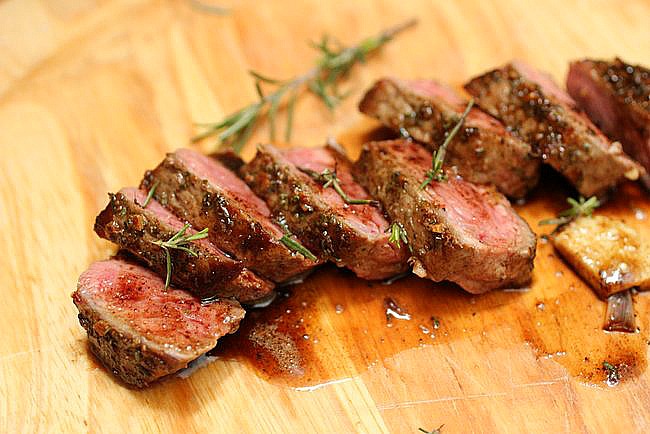
(1)   Rosemary and meat

Rosemary-STEAK

Not many people must have heard about rosemary but, it is a very useful herb which is an excellent antioxidant having a good amount of carnosol and carnosic content. This herb is native to Mediterranean. People who cook non-veg might have no idea about what happens to the meat when it is cooked at a very high temperature. Well, when meat gets exposed to high temperature, carcinogenic compounds such as heterocyclic amine is formed which is very dangerous. If meat is marinated with rosemary herb, these carcinogenic compounds will be neutralized because of its antioxidant properties.

A study by Dr. J. Scott Smith of Kansas State University in Manhattan further endorses the above statements. He studied Heterocyclic Amines (HCA’s), which are carcinogenic compounds that form when meat is cooked at high temperatures. He found that adding rosemary extract to ground meat reduced the amount of cancer-causing compounds created during grilling. He attributed this to the antioxidants found in the rosemary extract.

(2)  Green tea and lemon drop

green-tea-with-lemon

Green Tea is a great elixir and did you know that by adding lemon to your cup of Green Tea you can reap a lot of benefits. Various studies have also proved this to be right. Catechins, the main health compound in tea tied to reduced risk of cancer, heart attack, and other diseases, unfortunately, isn’t absorbed very well in the intestines. After digestion, less than 20 percent of catechins remain.

In two studies, by Purdue University, researchers found that adding lemon juice, other citrus juice, or vitamin C helped the body absorb as much as 13 times the healthy catechins than normal. The addition of lemon juice caused 80 percent of the catechins to remain. The studies tested the effects of absorption with both rats and a human digestive model.

Lemon is rich in vitamin c (water soluble vitamin) and green tea is rich in antioxidant compounds such as catechin. When both of these are combined, lemon will increase the absorption of antioxidants making this combination the most widely used combination among people!

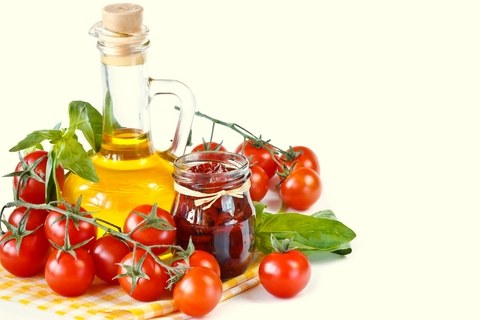
 (3)  Virgin Olive oil and tomatoes

tomatoes-and-olive-oil

How many of you are aware of the benefits of mixing Olive oil and tomatoes? I have seen many people using this combination mostly as their salad option. Why and how is it healthy we shall find out?

The bioavailability of olive oil and tomatoes is very high. These two Super Foods protect, energize and satiate; together, they amplify each other’s already extraordinary benefits. Tomatoes are rich in lycopene which is a phytochemical/phytonutrient which will help in maintain heart health and can reduce the risk of having prostate cancer drastically. Tomatoes basically have carotenoids which are fat soluble and only with fat, these carotenoids would be available in the body. Virgin Olive oil is very rich in good fatty acids and there is nothing better than choosing olive oil as a support for better absorption of fat soluble vitamins.

Merritt Rosen who holds a Masters in Health and Consumer Psychology from New York University calls Extra Virgin Olive Oil and Tomatoes- the hottest power couple. According to her pairing virgin olive, oil and tomatoes are the best thing one can do. Not only does heart healthy EVOO protect cells against damage and inflammation and promote healthy skin from the inside out, it also helps ensure the absorption of these fat-soluble carotenoids.

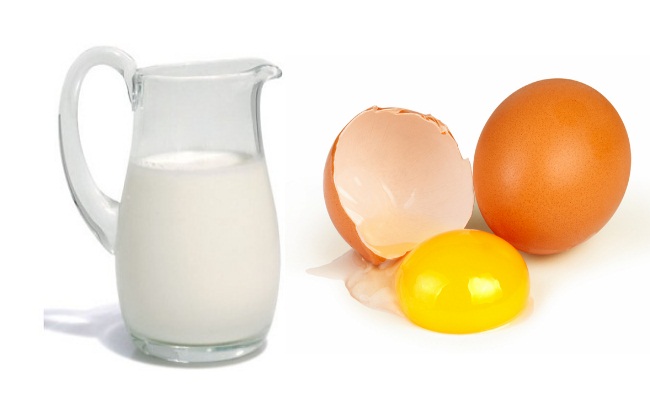
 (4)   Milk and eggs

Milk-And-Yolk

Did you know that Marilyn Monroe’s daily diet consisted of two raw eggs whipped in warm milk for breakfast? Rebecca Harrington, in an article in ‘The Cut’ magazine, quoted an old interview of Marilyn Monroe in 1952 to the now defunct Pageant Magazine in which Monroe describing her daily diet said, “I doubt any doctor could recommend a more nourishing breakfast for a working girl in a hurry.”

Milk and eggs are so far the best examples of perfect food synergy! There is nothing like having a glass of milk and boiled egg for your breakfast. Egg yolk is very rich in vitamin D and milk is rich in calcium. Vitamin D helps in increasing the calcium absorption which will keep your bones healthy and thus it reduces the risk of osteoporosis and osteoarthritis in the body.

(5)  Garlic and Fish

garlic-fish

Facing cholesterol issues? You must give this food synergy a try. For all non-vegetarians, this food synergy is a boon. Here is why it is a boon?

Garlic is rich in sulphur compounds which help in fighting diseases and fights against the inflammation in the body. Fish is a very rich source of protein. If these 2 super foods are combined together, their power of fighting diseases drastically increases.

Adding garlic to fish will help in lowering bad cholesterol and also maintain your triglyceride levels!

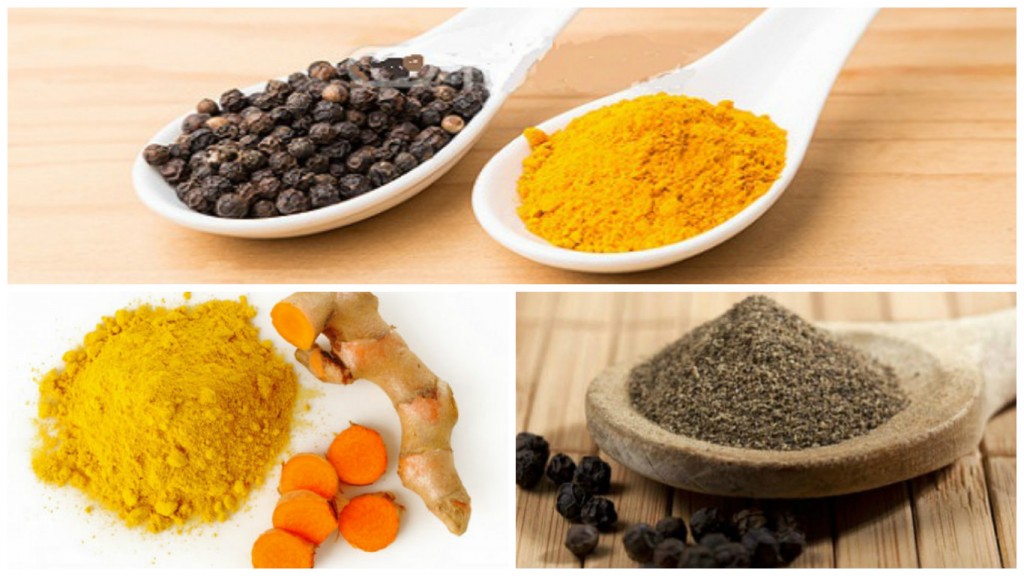
 (6)  Curcuma longa (turmeric) and pepper

turmeric and pepper

There are many types of research and articles which are being published on benefits of turmeric. Although the therapeutic use of Curcuma was recorded as early as 1748, the first article referring to the use of curcumin in human disease was published in 1937 by Oppenheimer. In this study, the author examined the effects of “curcumin” or “curcunat” containing 0.1 g to 0.25 g sodium curcumin and 0.1 g calcium cholate in human biliary diseases.

Curcumin has various properties like lowering bad cholesterol, prevents cancer, boosting liver function and more. But, when it comes to its absorption, only curcumin might not benefit. Adding pepper to it will boost the absorption of curcumin ( the active ingredient in turmeric) and bring out major benefits to the body.

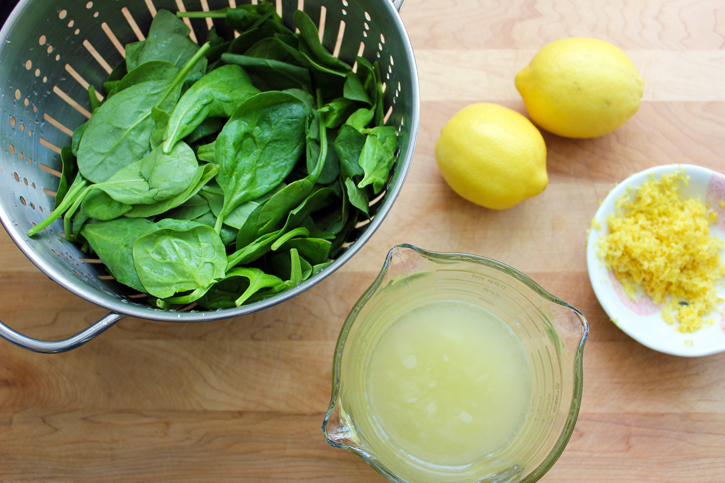
 (7)  Spinach and lemon drops

spinach & lemon drop

We might have heard about spinach being rich in iron and we should include it in our daily diet but we might not know that iron is spinach is not readily absorbed in the body. Absorption of iron is very poor but, if you add lemon drops to it, iron absorption will be increased. Vitamin c helps in increasing the absorption of iron in the food.

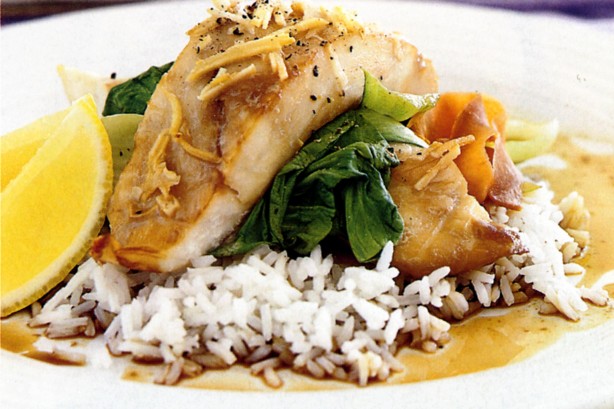
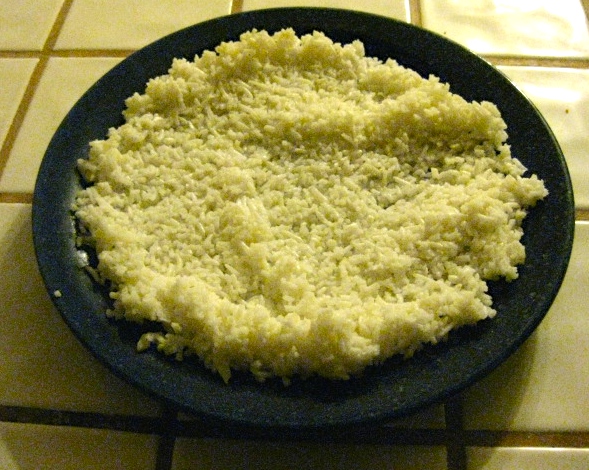
 (8)  Rice and vinegar

rice & vinegar

There are many myths about rice and one of them is that a diabetic should avoid taking rice. It is said that rice spikes up the sugar levels. Adding, vinegar to your rice will slow the blood sugar spike. So, diabetics can take rice to some extent and this is also good for people looking for weight loss and loves eating rice!

Conclusion:

It is always good to know about food combinations which will help in boosting your health! Vitamin D & calcium and Iron and vitamin C combination must be taken care off. There are food combinations which should be avoided which will be covered up in my next blog. Until then stay tuned!

  • « Previous Page
  • 1
  • 2
  • 3
  • 4
  • 5
  • 6
  • Next Page »

Search

Recent Posts

  • Millet recipes: bajra, jowar, ragi and more
  • Role of Glycemic index in day to day life
  • Milk and dairy: how much you need, alternatives and lactose intolerance
  • Vegetarian protein guide
  • Warming winter soups: 3 protein-rich recipes

Stay Updated

Archives

  • November 2026 (26)
  • October 2026 (23)
  • September 2026 (5)
  • August 2026 (8)
  • July 2026 (24)
  • June 2026 (22)
  • May 2026 (20)
  • April 2026 (24)
  • March 2026 (18)
  • February 2026 (14)
  • January 2026 (14)
  • December 2025 (19)
  • November 2025 (14)
  • October 2025 (17)
  • September 2025 (6)
  • August 2025 (5)
  • July 2025 (9)
  • June 2025 (18)
  • May 2025 (16)
  • April 2025 (22)
  • March 2025 (25)
  • February 2025 (21)
  • January 2025 (25)
  • December 2024 (21)
  • November 2024 (21)
  • October 2024 (15)
  • September 2024 (22)
  • August 2024 (27)
  • July 2024 (14)
  • June 2024 (23)
  • May 2024 (26)
  • April 2024 (27)
  • March 2024 (27)
  • February 2024 (22)
  • January 2024 (21)
  • December 2023 (14)
  • November 2023 (10)
  • October 2023 (18)
  • September 2023 (20)
  • August 2023 (16)
  • July 2023 (16)
  • June 2023 (21)
  • May 2023 (20)
  • April 2023 (19)
  • March 2023 (23)
  • February 2023 (19)
  • January 2023 (15)
  • December 2022 (11)
  • November 2022 (15)
  • October 2022 (15)
  • September 2022 (12)
  • August 2022 (9)
  • July 2022 (17)
  • June 2022 (11)
  • May 2022 (10)
  • April 2022 (6)
  • March 2022 (6)
  • February 2022 (13)
  • January 2022 (11)
  • December 2021 (7)
  • November 2021 (3)
  • October 2021 (6)
  • September 2021 (3)
  • August 2021 (8)
  • July 2021 (7)
  • June 2021 (15)
  • May 2021 (16)
  • April 2021 (10)
  • March 2021 (7)
  • February 2021 (4)
  • January 2021 (4)
  • December 2020 (3)
  • November 2020 (4)
  • October 2020 (10)
  • September 2020 (3)
  • August 2020 (3)
  • July 2020 (2)
  • June 2020 (4)
  • May 2020 (10)
  • April 2020 (12)
  • March 2020 (10)
  • February 2020 (4)
  • January 2020 (4)
  • December 2019 (3)
  • November 2019 (7)
  • October 2019 (5)
  • September 2019 (4)
  • August 2019 (9)
  • July 2019 (9)
  • June 2019 (11)
  • May 2019 (4)
  • April 2019 (8)
  • March 2019 (8)
  • February 2019 (9)
  • January 2019 (8)
  • December 2018 (9)
  • November 2018 (3)
  • October 2018 (3)
  • September 2018 (5)
  • August 2018 (10)
  • July 2018 (6)
  • June 2018 (13)
  • May 2018 (8)
  • April 2018 (17)
  • March 2018 (9)
  • February 2018 (8)
  • January 2018 (15)
  • December 2017 (12)
  • November 2017 (19)
  • October 2017 (13)
  • September 2017 (15)
  • August 2017 (4)
  • July 2017 (8)
  • June 2017 (7)
  • May 2017 (6)
  • April 2017 (8)
  • March 2017 (6)
  • February 2017 (7)
  • January 2017 (9)
  • December 2016 (10)
  • November 2016 (7)
  • October 2016 (7)
  • September 2016 (7)
  • August 2016 (11)
  • July 2016 (9)
  • June 2016 (9)
  • May 2016 (12)
  • April 2016 (17)
  • March 2016 (17)
  • February 2016 (8)
  • January 2016 (6)
  • December 2015 (2)
  • November 2015 (9)
  • October 2015 (7)
  • September 2015 (9)
  • August 2015 (11)
  • July 2015 (9)
  • June 2015 (11)
  • May 2015 (9)
  • April 2015 (13)
  • March 2015 (8)
  • February 2015 (5)
  • January 2015 (12)
  • December 2014 (13)
  • November 2014 (11)
  • October 2014 (6)
  • September 2014 (13)
  • August 2014 (12)
  • July 2014 (6)
  • June 2014 (2)
  • May 2014 (7)
  • April 2014 (4)

From Burnout to Balance: How Dr. Ranjit Reclaimed His Health

Dr Ranjit Bhatt has spent years tending to others. A practising doctor in Odisha, his days were packed with patients, surgeries, and emergencies. From the outside, it looked like a life lived in service. But on the inside, something wasn’t right. “I had no … [Read More...]

From Shimla’s Slopes to Chandigarh’s Sidewalks: Surinder Kaur Bhalla’s Journey from Chaos to Control

Some journeys start with a plan. Others begin with a stumble literally. Surinder Bhalla, a government professional, born and raised in the scenic hill town of Shimla, had always lived a life of movement. “In Shimla, you walked everywhere,” she reflects. “Walking was never an exercise. It was just life.” But after shifting to Chandigarh, […]

“I’ve Challenged Myself to Live 100 Years” – The Story of Chandubhai Savani’s Second Chance at Life

At 67, most people start slowing down. Not Chandubhai Savani. A resident of Surat, Chandubhai, thought life was on track. “My life was going well till I had my bypass surgery,” he says. That surgery, back in 2021, was a wake-up call.  Medication was routine, but exercise wasn’t. His diet? What he calls ‘normal.’ “I […]

Ananda Mukherjee Health Story

From Terminal Illness To Complete Wellness! Ananda Mukherjee Health Story

As we observe World Cancer Day under the powerful theme ‘United by Unique’ (2025-2027)**, we are reminded that every individual’s journey with cancer is distinct, yet united by shared resilience, hope, and the collective fight against this disease. This theme places people at the centre of care and their stories at the heart of the […]

  • HOME
  • HEALTHY LIVING
  • FITNESS
  • HEALTHY RECIPES
  • USER STORIES
  • KARMA
  • BUY GOQii

Copyright ©2016 GOQii