 Strengthening exercises, as the name suggests, often bring to mind big muscles and heavy weights, but that’s far from the complete picture. Strengthening exercises have different aspects depending on the goal, and they are beneficial for people of all fitness levels.
These exercises involve complex movements that work on major muscle groups as well as secondary muscles. Any activity that makes the muscles work harder than usual improves muscle strength, maintains bone density, and enhances overall endurance. In addition, they also improve balance, reduce joint pain, and support weight management.
Contrary to popular belief, you don’t need expensive equipment or a gym membership to incorporate strength training into your routine. A strong body allows you to perform daily activities efficiently and minimises the risk of injuries. Let’s explore some simple yet effective exercises you can do anywhere!
Few Exercises You Can Practice
If you haven’t had time for the gym or a structured workout today, try these simple yet effective strengthening exercises:
- Squats – A great way to improve quadriceps, hamstrings, glutes, abdominals, and calves.
- Lunges & Reverse Lunges – Work primarily on quadriceps, gluteus maximus, knee joints, and core muscles.
- Push-ups – Target chest muscles, shoulders (deltoids), triceps, and abdominals.
- Triceps Dips & Pull-ups – Engage supportive upper body muscles.
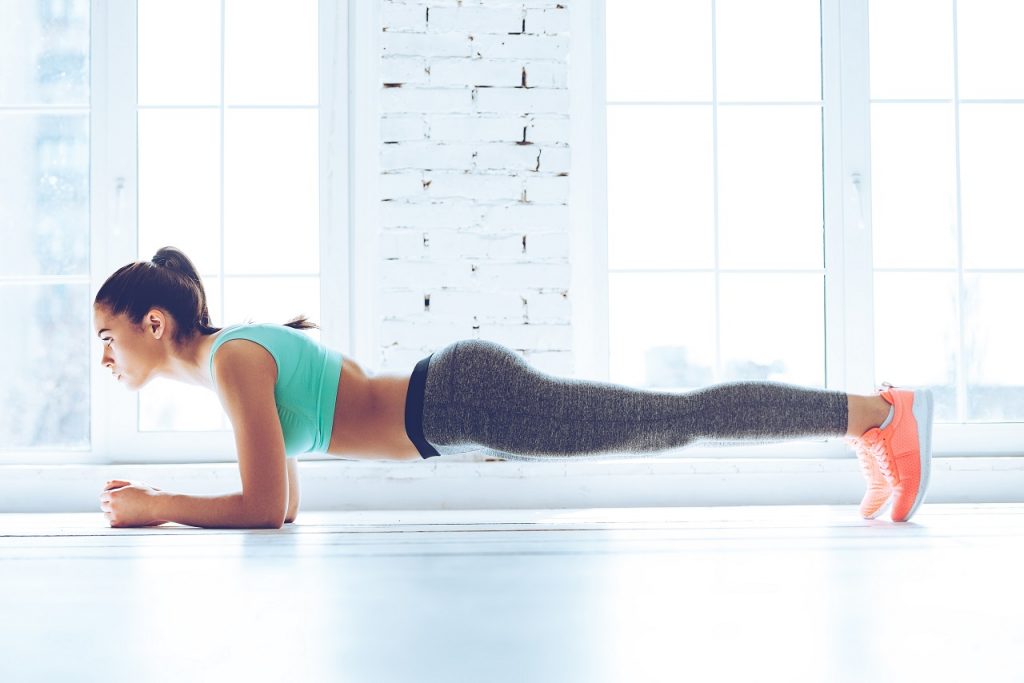
- Planks, Crunches, Reverse Crunches, Leg Raises, and Russian Twists – Strengthen core muscles, obliques, abdominals, spinal erectors, and scapular stabilisers.
- Mountain Climbers & Burpees – Work the upper and lower body together, engaging core muscles.
- Balancing Workouts – Exercises like standing on a single leg, balancing a stick on your fingers, and walking on a single line help improve stability and prevent injuries.
- Flexibility Workouts – Cobra Pose (Bhujangasana), Front Bending Pigeon Pose, Glute Stretch, and Warrior Pose enhance flexibility, prevent injuries, and improve posture.
Benefits of Strengthening Exercises
- Makes you stronger – Helps perform daily tasks more efficiently, especially as you age.
- Protects bone health & muscle mass – Prevents loss of lean muscle mass after 30.
- Helps with weight management – Increases resting metabolism, even on non-workout days.
- Improves body mechanics – Enhances balance, coordination, and posture.
- Supports lifestyle disease management – Aids in managing diabetes, cardiovascular disease, and arthritis.
- Boosts energy & mood – Releases endorphins, reducing stress and promoting mental well-being.
Incorporating strengthening exercises into your daily routine improves overall health, reduces injury risks, and enhances longevity. Whether you are working out at home or at the gym, these exercises will help you build strength and resilience.
Which strengthening exercise is your favourite? Share your thoughts in the comments!
#BeTheForce
Disclaimer: The information provided in this blog is for general awareness and educational purposes only. It is not intended to replace professional medical advice, diagnosis, or treatment. Always consult a qualified healthcare provider for personalised medical guidance or concerns related to your health.
 With 2 weeks in to the new year, it is a good time to gauge how many of us are actually sticking to our New Year’s Resolution of being fit and are regularly visiting the gym. Most people who invest in a gym membership at the start of the year as a part of their resolution are often irregular towards the end of January due to lack of motivation or due to certain issues they may have with the gym and the environment there.
 Should women workout during their menstrual cycle? It’s a question asked by most women who have either started working out, have been in sports or trekking, etc. How can a woman or girl stop working out for a span of 4-6 days, especially the ones who are active? There could be varied opinions on the same.
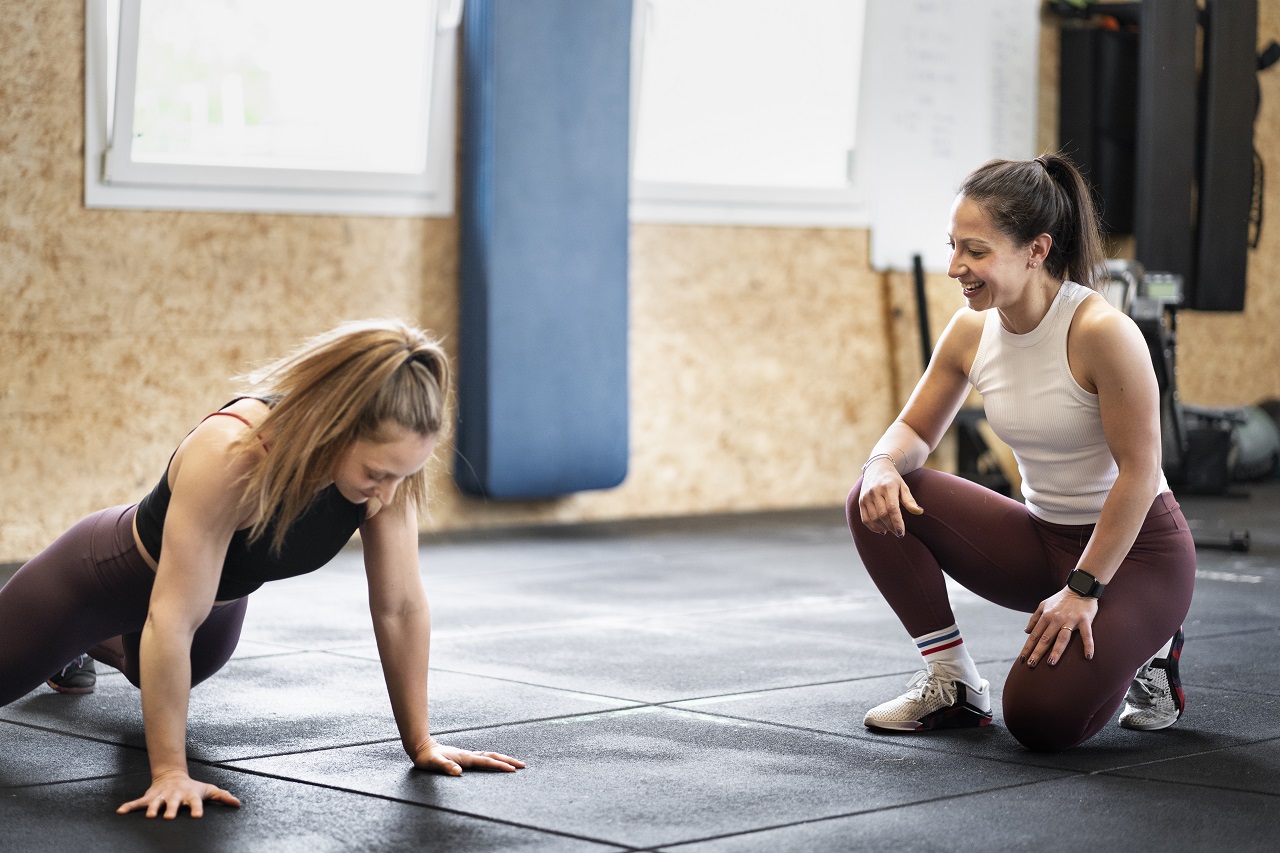 Having said this, the intensity of workouts should not be very high, it should be low to moderate. Before starting off, you may not feel like doing so but, as you start with a light warm-up such as a slow walk, followed by some stretching, it will make you feel better and thus, take the workout forward slowly and steadily. In fact, light stretching will even help you get rid of congestion in the pelvic area.