GOQii

Blog

  • HOME
  • HEALTHY LIVING
  • FITNESS
  • HEALTHY RECIPES
  • USER STORIES
  • KARMA
  • BUY GOQii

April 15, 2026 By Sunita Arora Leave a Comment

Top 10 Foods For Diabetics: What to Eat to Manage Blood Sugar

Foods For DiabeticsYour food choices matter a lot when you are managing diabetes. While it is difficult to find single foods that completely prevent diabetes complications like heart disease, kidney issues, or sudden sugar spikes, there are powerful, nutrient-dense foods that can help you reduce your overall carbohydrate intake and keep your blood sugar in check.

Let’s take a look at the top 10 dietary additions that can make a massive difference in your daily diabetes management.

Top 10 Foods For Diabetics 

  1. Cinnamon
    This fragrant golden spice helps in controlling sugar, cholesterol, and triglyceride levels in Type 2 Diabetes. It adds a natural, warm flavour to food and can easily be sprinkled on tea, coffee, oatmeal, and smoothies. Studies have shown that just ¼ teaspoon of cinnamon daily can improve fasting blood sugar and boost insulin sensitivity.
  2. Extra Virgin Olive OilExtra-virgin olive oil contains antioxidants called polyphenols which are extremely beneficial for heart health. Olive oil is one of the best sources of MUFA (Monounsaturated Fatty Acids) when it comes to managing diabetes. Several studies have shown that MUFAs help keep blood sugar in check by lowering insulin resistance. It also keeps you full, minimizes spikes, and aids in the absorption of vital nutrients. A healthy daily intake is about 1-2 tsp (5ml-10 ml).
  3. Nuts
    Nuts are the ultimate snacking food for managing diabetes because they are delicious, satisfying, and highly nutritious. Nuts like walnuts, almonds, cashews, and pistachios are a boon because they are low in digestible carbohydrates but high in protein and healthy fats. This unique macronutrient profile helps stabilize blood sugar and reduce LDL (bad) cholesterol. Aim for a small handful (approx. 20-30 gm) daily, but be sure to avoid heavily salted or roasted-in-oil varieties.
  4. Beans
    Beans are complex carbohydrates loaded with fiber and rich in protein, which gives you a prolonged feeling of satiety. They are inexpensive, easily available, and incredibly versatile. Having beans in your diet regularly can control blood sugar and lower blood pressure. You can add approximately one bowl (25-30 gm raw) daily to your salads, soups, or vegetable curries to help regulate your levels.
  5. Quinoa
    Quinoa is considered a complete protein because it contains all nine essential amino acids needed to build muscle, and it is rich in minerals such as iron and magnesium. This protein-rich whole grain is a fantastic substitute for white rice. Because it is rich in fiber, it digests slowly, preventing sudden blood sugar spikes. Taking 20-30 gm of quinoa daily whether in a salad or mixed with vegetables is highly effective for both sugar control and weight loss.
  6. Fenugreek Seeds
    Fenugreek seeds are widely known for their effectiveness in traditional diabetes management. They are incredibly rich in soluble fiber, which lowers blood sugar levels by slowing down the digestion and absorption of carbohydrates. Studies suggest a daily dose of about 10 gm of fenugreek seeds, soaked overnight in water, helps significantly in controlling Type 2 Diabetes.
  7. Oatmeal
    Oatmeal is one of the best breakfast foods as it easily fits into any healthy meal plan. Oats have a low glycemic index and are packed with fiber, doing a miraculous job of regulating blood sugar while providing steady energy. Steel-cut or rolled oats (approx. 20-30 gm daily) made with low-fat milk or cooked with vegetables are the best choice, as they are the least processed.
  8. Garlic
    Garlic is a potent herb that helps reduce inflammation, blood sugar, and LDL cholesterol in people living with Type 2 Diabetes. It is also known to reduce blood pressure and boost overall immunity. You can crush 1-2 cloves of raw garlic and consume them with water early in the morning, or simply use them generously in your daily cooking.
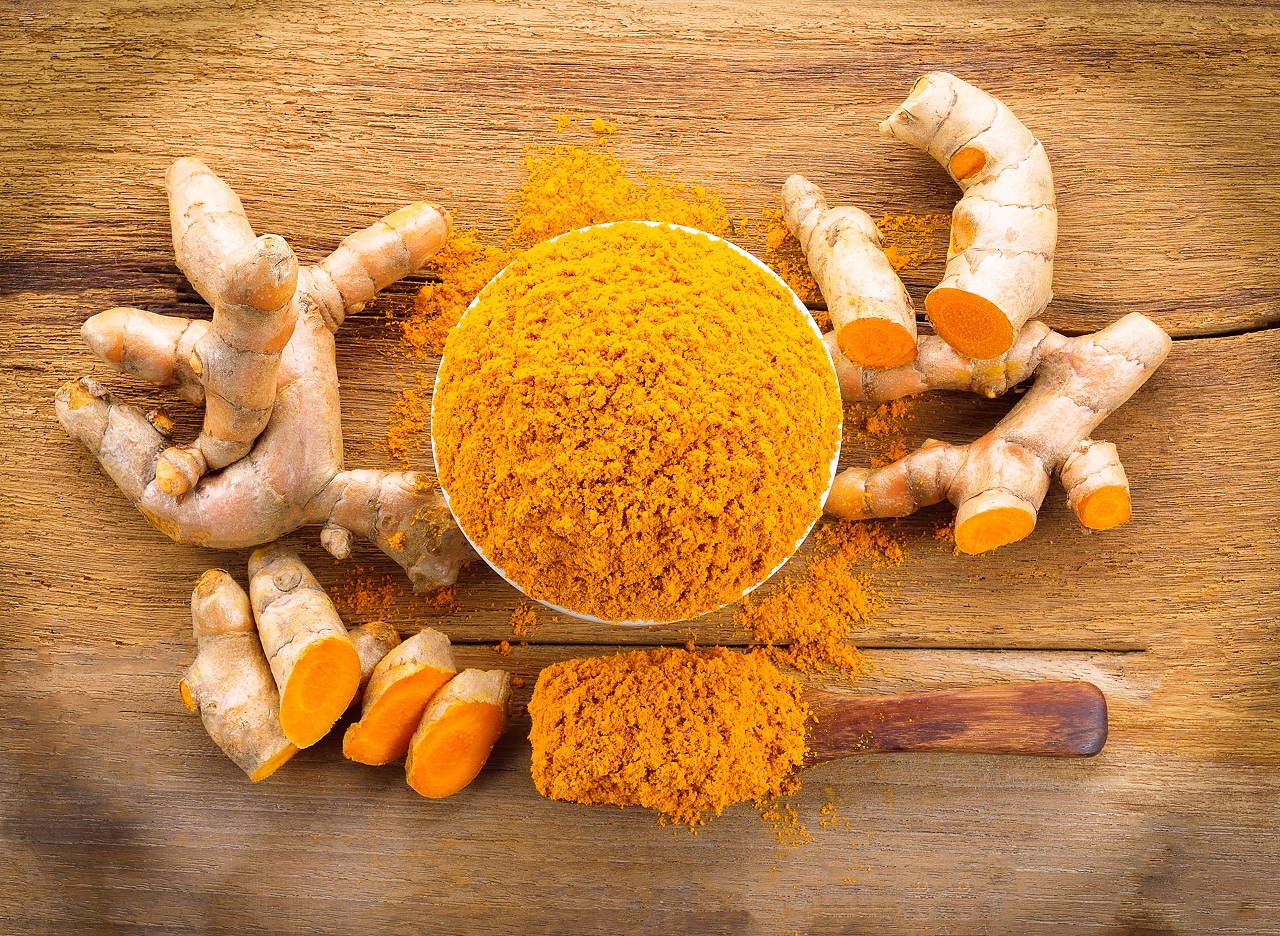
  9. Turmeric
    Turmeric is a powerful spice with numerous health benefits. It contains an active compound called curcumin, which lowers inflammation, reduces blood sugar, and specifically benefits kidney and heart health in diabetics. As a staple in Indian cuisine, it is easy to include. Adding ¼ to ½ tsp in warm water or milk can boost immunity and help regulate your levels.
  10. Chia seeds
    Chia seeds are a powerhouse of nutrients and an absolutely wonderful food for managing diabetes. They are exceptionally high in viscous fiber, which lowers blood sugar and helps maintain a healthy weight by keeping you full for hours. They also decrease blood pressure and systemic inflammation. Try adding 10 gm of soaked chia seeds daily to your smoothies, shakes, or a bowl of fresh curd.

Frequently Asked Questions (FAQs)

1. Can I eat all 10 of these foods every day?
While all these foods are excellent for managing diabetes, portion control is key. You don’t need to eat all 10 every single day. Instead, focus on incorporating a variety of them into a balanced weekly diet plan to get a wide range of nutrients without exceeding your daily caloric limits.

2. Are oats good for diabetes, and does the type of oat matter?
Yes, oats are great for diabetes, but the type matters significantly. Steel-cut oats and rolled oats are complex carbohydrates that digest slowly. Avoid highly processed, sugary instant oatmeal packets, as these will cause rapid spikes in your blood sugar.

3. Should I consult a doctor before adding supplements like fenugreek or cinnamon?
Absolutely. If you are already on diabetes medication or insulin, adding potent natural remedies like fenugreek or high doses of cinnamon can sometimes cause your blood sugar to drop too low (hypoglycemia). Always consult your doctor or health coach before making concentrated dietary changes.

We hope incorporating these 10 foods helps you make a wonderful and positive shift toward a healthier life. (Note: Always consult with your doctor, nutritionist, or dietitian before drastically altering your diet.)

For more articles on managing your health, check out our Healthy Reads on Diabetes.

Managing diabetes is easier when you don’t have to do it alone. For the right guidance and daily motivation from certified experts, subscribe to GOQii’s Personalised Health Coaching here.

#BeTheForce 

Disclaimer: The information provided in this article is for educational and general informational purposes only. It is not intended to serve as professional medical advice, diagnosis, or treatment. Always consult with your physician or a certified GOQii health professional before making any drastic changes to your diet, especially if you are on diabetes medication.
February 8, 2024 By CHARMI GOGRI 1 Comment

Why should we eat more turmeric?

Curcumin

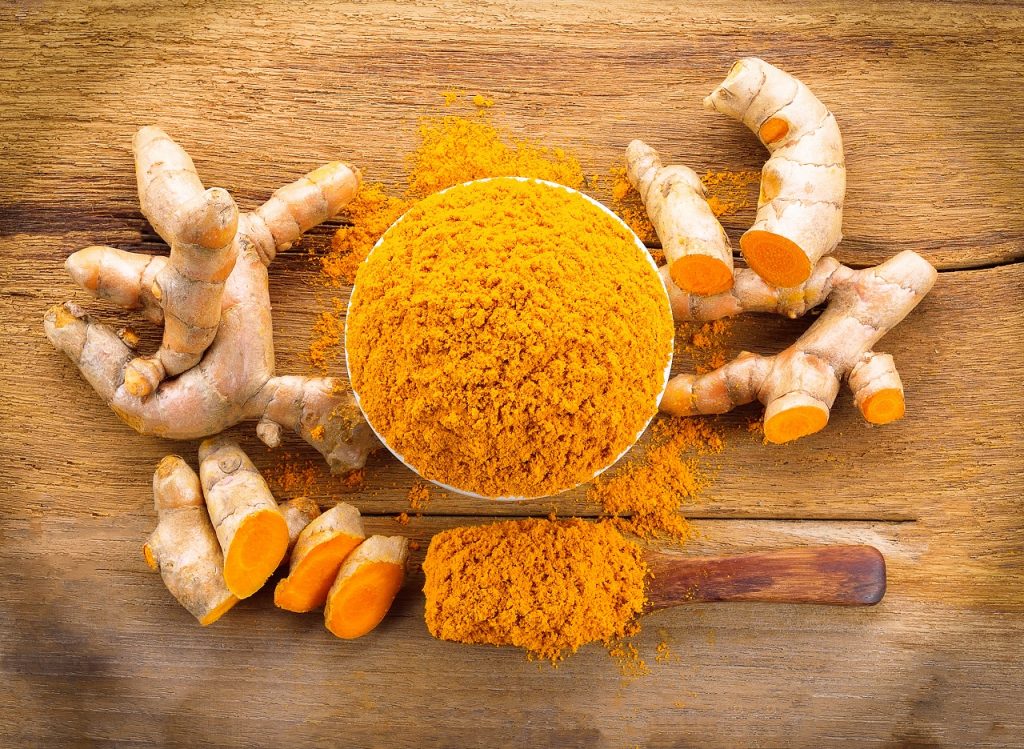
Turmeric is traditionally named as “Indian Saffron” because of its deep yellow-orange colour and has been used throughout the ancient Vedic culture of India as a condiment, healing remedy and textile dye. It is one of the most researched condiment and is used in almost all Indian curries, this spice has almost no calories and zeroes cholesterol. It is rich in dietary fibre, iron, potassium, magnesium and vitamin B6. The wide range of turmeric health benefits come mainly from its main ingredient, curcumin. Turmeric is used for arthritis, heartburn, stomach pain, diarrhoea, intestinal gas, stomach bloating, loss of appetite, jaundice, liver problems and gallbladder disorders. It is also used for headaches, bronchitis, colds, lung infections, fever, menstrual problems, and cancer. Some people apply turmeric to the skin for pain relief, ringworm, bruises, leech bites, inflammatory skin conditions and infected wounds. In short, Turmeric provides a wide variety of benefits, but there are seven standouts. Once you know about these seven benefits you’ll be eager to add the spice to your diet.

  • Potent Antioxidant

Curcumin has a huge therapeutic value as boosting immunity is one of its most important properties. Curcumin exerts powerful antioxidant effects by neutralizing free radicals, chemicals that can travel through the body and cause great amounts of damage to healthy cells and cell membranes. This is important in many diseases, such as arthritis, where free radicals are responsible for the painful joint inflammation and eventual damage to the joints.The high antioxidant power of turmeric also helps to put the brakes on aging process.

  • Maintains Healthy Heart

Oxidized cholesterol damages blood vessels and promotes plaques formation that can lead to heart attack or stroke. Curcumin not only prevents the oxidation of cholesterol in the body but is also beneficial in reducing bad cholesterol and improving good cholesterol. In addition, turmeric is a good source of vitamin B6, which keeps homocysteine levels under control and thereby protects direct damage to blood vessels caused by elevated levels of homocysteine.

  • Cancer Prevention

The most promising quality of turmeric is its ability to prevent cancer. Turmeric can be beneficial for preventing breast, prostate, skin and colon cancer. This super spice  helps the body to destroy mutated cancer cells and prevents its spreading into other organs. Moreover, It causes cancer cells to commit suicide. Turmeric prevents cancer progression by 2 ways: first, by enhancing liver function and second by preventing blood supply to cancer cells which may be necessary for their growth.

  • A Potent, Yet Safe Anti-Inflammatory

Curcumin is thought to be the primary pharmacological agent in turmeric. This makes it effective for fighting heart disease, osteoarthritis pain and other health problems related to inflammation. Curcumin is believed to reduce certain enzymes in the body known to trigger inflammation. Curcumin’s anti-inflammatory effects are comparable to the potent drugs like hydrocortisone and phenylbutazone as well as over-the-counter anti-inflammatory agents such as Motrin. Unlike the drugs, which are associated with significant toxic effects (ulcer formation, decreased white blood cell count, intestinal bleeding), curcumin produces no toxicity.

  • Promotes Weight Loss

Curcumin promotes weight loss and reduce the incidence of obesity-related diseases. Turmeric stimulates the production of bile which helps to break down fatty foods, which in turn, may help you lose weight. Taking one teaspoon of Turmeric powder with every meal may help in losing weight. This of course doesn’t cancel the fact that you need to eat healthy and exercise.

  • Slows the progression of Alzheimer’s Disease

Curcumin in turmeric has a potential role in the prevention and treatment of Alzheimer’s disease. Alzheimer’s disease is a neurodegenerative disease characterized by progressive cognitive deterioration together with declining activities of daily living and behavioral changes. Various effects of curcumin, including anti-inflammatory, and antioxidant property, improves overall memory in Alzheimer’s patients.

  • Natural Painkiller

Turmeric can be considered as an instant painkiller option. Turmeric is capable of fighting a variety of pain that would otherwise be rated with over-the-counter pain medication which just suppresses the pain unlike turmeric which attempts to heal the pain as well.

A Few Quick Serving Ideas to include turmeric in meals:

  • Add turmeric to egg salad to give it an even bolder yellow colour.
  • Give salad dressings an orange-yellow hue by adding some turmeric powder to them.
  • Season rice, vegetables and curries with turmeric.
  • Turmeric is a great spice to complement recipes that feature lentils.
  • Include the spice as an ingredient in your regular meals.
  • You can make a tea out of turmeric. Boil about four cups of water with a spoonful of turmeric for about ten to fifteen minutes. Strain and drink. The best remedy for a sore throat.
  • Add turmeric into your daily smoothies
  • Add turmeric to a glass of organic warm milk which helps fight cold and flu and a remedy for better sleep

Thus, turmeric is safe and offers a variety of general health benefits, you have nothing to lose by adding it to your daily diet in moderate amounts. We hope this article helps you. For further information or guidance, reach out to our certified experts by subscribing to GOQii’s Personalised Health Coaching here.

#BeTheForce

January 16, 2024 By Dr. Viral Thakkar 5 Comments

Turmeric- ‘Haldi’- for Health

Curcumin

Bablu disliked ‘Haldi Dhoodh’ (Turmeric Milk) to no extent. He could endure anything but turmeric powder in his milk. But alas, his mother insisted and as a child he could not do much about it. Bablu’s mother believed that turmeric is a wonder ‘drug’ for numerous ailments. As he got a bit older he also got aware and realised during winters he never succumbed to common ailments like cough and cold. His immune system was stronger than many of his friends. He enjoyed his health! But, always   wondered how!

Turmeric is derived from the rhizomes of the plant Curcuma longa, which is a member of the ginger family. It has the compounds with medicinal properties which is Curcumin. Even though Curcumin is 3% of turmeric, the use of turmeric is not lessened in anyway. Curcumin is the most active component of turmeric and has powerful antioxidant and anti-inflammatory properties. This is precisely the reason that ‘Haldi’(turmeric) finds a special place in India (Ayurveda) for many ailments.

Turmeric is Anti- inflammatory

  • Turmeric contains more than two dozen anti-inflammatory compounds including six different COX-2-inhibitors (the COX-2 enzyme promotes pain, swelling and inflammation).
  • External application of turmeric is beneficial for sprains and swellings because of the Curcumin compound.
  • Due to its anti-inflammatory properties and pain relieving properties, Curcumin and turmeric is used for arthritic pain.
  • Because inflammation is closely linked to tumor promotion, Curcumin with its potent anti-inflammatory property is anticipated to exert chemopreventive effects on carcinogenesis. Hence, the past few decades have witnessed intense research devoted to the antioxidant and anti-inflammatory properties of Curcumin.

Turmeric Prevents

The antibacterial and anti-viral action of curcumin makes it the best remedy to treat cough and cold naturally. The anti-inflammatory action of curcumin aids in relieving the chest congestion that develops in people suffering with chronic cough. It is advised to include turmeric in a daily diet during winters to prevent viral and bacterial infection. The dosage could be –one tsp turmeric with a glass of warm milk.One can also have a 1-2 tsps of turmeric powder without mixing it for the same effect.

Turmeric Prevents

Turmeric Heals

  • Curcuma has natural antiseptic and antibacterial properties and can be used as effective disinfectant in case of cuts and minor burns. Turmeric also helps repair damaged skin and may be used to treat psoriasis and other inflammatory skin conditions.
  • Turmeric with other constituents has a great effect- Having haldi (Turmeric) mixed with mustard oil and onion juice every hour stops rectal bleeding in piles in most of the cases.
  • As a rich source of iron, turmeric is valuable for anemia.
  • Curcuma has protective action on intestinal flora. Curcuma is beneficial in Crohn’s disease (an ailment that affects the digestive tract) and ulcerative colitis.

Turmeric Boosts General Health

  • Curcumin Detoxifies the liver- It helps in stimulating bile production in the liver and encouraging excretion of bile via the gallbladder, which improves the body’s ability to digest fats.
  • It balances cholesterol levels, fights allergies, stimulates digestion, boosts immunity and enhances the complexion.
  • Studies suggest that curcumin has several properties that could make it effective at preventing Alzheimer’s disease.

Turmeric is Anti- cancer

  • Curcumin powder mixed with pure cow’s ghee(Clarified Butter) might wade away cancer cells in most cases and also regenerates new cells in the body.
  • Curcuma has been demonstrated to inhibit tumor growth and stimulate apoptosis, an intracellular mechanism for cells of all types to “kill” themselves. It neutralizes those substances and conditions which can cause cancer.
  • It directly helps a cell retain its integrity if threatened by carcinogens.

Turmeric is an Effective Cosmetic

  • Turmeric paste mixed with aloe vera, water and milk will clear your skin as well. Turmeric mixed with gram flour (besan) is an effective & cheap scrub, and is known to clear tan. 

So if you say yes to your health, haldi  (Turmeric) has to find some space in your scheme of affairs! 

If you’ve found these turmeric health benefits valuable and have more questions or thoughts to share, drop a comment below! For further insights into maintaining a healthy lifestyle, explore more on Healthy Reads. If you’re seeking personalised guidance, reach out to our certified experts by subscribing to GOQii’s Personalised Health Coaching here.

#BeTheForce

February 14, 2023 By Sunita Arora 4 Comments

10 Inflammation Fighting Winter Foods You Must Include In Your Diet

inflammation remedyInflammation is linked with so many serious illnesses such as diabetes, heart diseases, asthma, arthritis, etc. The use of anti-inflammatory drugs is very common and sometimes with no alternative as well. As they say, prevention is always better than cure! Eating anti-inflammatory food is a natural solution without any side effects.  During winter, there’s less flow of blood which makes the joints colder and stiffer – leading to inflammation. The pain receptors become more sensitive in winters which result in pain, swelling in joints and other parts of the body.



Fight Inflammation with a Healthy Diet

Here’s a list of foods that should be included in your diet during winter to prevent inflammation.

  1. Turmeric: This spice is also known as “Yellow Gold” in western countries. The Indian cuisine is incomplete without this spice.  It’s a food enhancer with great health values. It has curcumin which is a very powerful anti-inflammatory substance. Turmeric works great in treating rheumatoid arthritis and fighting inflammation.
  2. Ginger: is a great valuable cooking spice in our kitchen. It has powerful anti-inflammatory properties. It helps in lessen inflammation as well in treating allergic infections, especially during the winter season.  We normally use this spice while making tea, soup, curries, etc.
  3. Walnuts: are always my favourite healthy snacking option during winter. It contains phytonutrients which reduce the risk of heart diseases and diabetes. It has omega 3 fatty acids which reduce inflammation in the body.
  4. Beets: are highly rich in antioxidants and they do a good job in reducing inflammation. It’s a valuable vegetable loaded with magnesium. We should not forget beets in our daily diet (in salads, curd, smoothies) during winter.
  5. Green Leafy Vegetables: like spinach, kale, mustard and fenugreek grow best in winter. Due to the richness of antioxidants, omega3 fatty acids, Vit-C, etc. we should include them regularly in winter months.
  6. Pineapple: It contains a substance called bromelain that reduces the infections during winter and lessens the risk of strokes and even heart diseases. It works as a great remedy for people who have high uric acid (Gout). Bromelain also helps reduce inflammation.
  7. Blueberries: are my favorite! It has an antioxidant substance named quercetin which is generally found in citrus fruits. Quercetin is very effective in decreasing many types of infections and fighting cancer.
  8. Broccoli: is a very nutritious cruciferous vegetable that is rich in antioxidants. It has high amounts of potassium and magnesium with anti-inflammatory properties. It reduces stress and the risk of cancer. A disclaimer here: If you have thyroid, avoid eating cruciferous vegetables 
  9. Tomatoes: are a nutritional powerhouse. It’s packed with antioxidants and anti-inflammatory properties. Tomatoes are an excellent source of lycopene which reduces inflammation in the body and helps protect the body against cancer as well.  
  10. Salmon: As we have already discussed so many anti-inflammatory fruits and vegetables, Salmon is a non-vegetarian option. It’s great anti-inflammatory food with essential omega 3 fatty acid alpha-linolenic acid. Omega 3 gives relief in inflammation and can reduce the need for anti-inflammatory drugs. 

Apart from above you can:

  • Dress warmly depending on the weather
  • Stay hydrated and active
  • Exercise regularly to strengthen your muscles
  • Get out under the sun to maintain vitamin D levels
  • Eat a balanced diet and maintain a healthy weight

Include the above foods to your diet to enjoy an inflammation-free winter! If you feel extreme discomfort or inflammation in your body, consult a Doctor.

For more winter tips and remedies, click here or speak to a GOQii Coach by subscribing for Personalised Health Coaching here: https://goqiiapp.page.link/bsr 

Do leave your thoughts in the comments below! 

#BeTheForce 

  • 1
  • 2
  • Next Page »

Search

Recent Posts

  • Healthy Oats & Besan Pancake Recipe for a Nutritious Breakfast
  • Why Small Misunderstandings Become Big Fights – And How Couples Can Handle Them Better
  • The Benefits of Micro-Workouts: Why Small Exercise Snacks Lower Sedentary Risk
  • Train Hard, Sleep Well: The Recovery Secret Most People Ignore
  • World Blood Donor Day: The Lifesaving Gift That Science Still Cannot Create

Stay Updated

Archives

  • June 2026 (17)
  • May 2026 (20)
  • April 2026 (24)
  • March 2026 (18)
  • February 2026 (14)
  • January 2026 (14)
  • December 2025 (19)
  • November 2025 (15)
  • October 2025 (20)
  • September 2025 (6)
  • August 2025 (6)
  • July 2025 (11)
  • June 2025 (18)
  • May 2025 (16)
  • April 2025 (22)
  • March 2025 (27)
  • February 2025 (21)
  • January 2025 (25)
  • December 2024 (22)
  • November 2024 (23)
  • October 2024 (20)
  • September 2024 (23)
  • August 2024 (29)
  • July 2024 (20)
  • June 2024 (25)
  • May 2024 (27)
  • April 2024 (27)
  • March 2024 (27)
  • February 2024 (23)
  • January 2024 (21)
  • December 2023 (14)
  • November 2023 (10)
  • October 2023 (19)
  • September 2023 (22)
  • August 2023 (18)
  • July 2023 (22)
  • June 2023 (23)
  • May 2023 (20)
  • April 2023 (19)
  • March 2023 (23)
  • February 2023 (19)
  • January 2023 (15)
  • December 2022 (11)
  • November 2022 (15)
  • October 2022 (15)
  • September 2022 (12)
  • August 2022 (10)
  • July 2022 (17)
  • June 2022 (11)
  • May 2022 (10)
  • April 2022 (6)
  • March 2022 (6)
  • February 2022 (13)
  • January 2022 (11)
  • December 2021 (7)
  • November 2021 (3)
  • October 2021 (6)
  • September 2021 (3)
  • August 2021 (8)
  • July 2021 (7)
  • June 2021 (15)
  • May 2021 (16)
  • April 2021 (10)
  • March 2021 (7)
  • February 2021 (4)
  • January 2021 (4)
  • December 2020 (3)
  • November 2020 (4)
  • October 2020 (10)
  • September 2020 (3)
  • August 2020 (3)
  • July 2020 (2)
  • June 2020 (4)
  • May 2020 (10)
  • April 2020 (12)
  • March 2020 (10)
  • February 2020 (4)
  • January 2020 (4)
  • December 2019 (3)
  • November 2019 (7)
  • October 2019 (5)
  • September 2019 (4)
  • August 2019 (9)
  • July 2019 (9)
  • June 2019 (11)
  • May 2019 (4)
  • April 2019 (8)
  • March 2019 (8)
  • February 2019 (9)
  • January 2019 (8)
  • December 2018 (9)
  • November 2018 (3)
  • October 2018 (3)
  • September 2018 (5)
  • August 2018 (10)
  • July 2018 (6)
  • June 2018 (13)
  • May 2018 (8)
  • April 2018 (18)
  • March 2018 (9)
  • February 2018 (8)
  • January 2018 (15)
  • December 2017 (12)
  • November 2017 (19)
  • October 2017 (13)
  • September 2017 (15)
  • August 2017 (4)
  • July 2017 (8)
  • June 2017 (7)
  • May 2017 (6)
  • April 2017 (8)
  • March 2017 (6)
  • February 2017 (7)
  • January 2017 (9)
  • December 2016 (10)
  • November 2016 (7)
  • October 2016 (7)
  • September 2016 (7)
  • August 2016 (11)
  • July 2016 (9)
  • June 2016 (9)
  • May 2016 (12)
  • April 2016 (17)
  • March 2016 (17)
  • February 2016 (8)
  • January 2016 (6)
  • December 2015 (2)
  • November 2015 (9)
  • October 2015 (7)
  • September 2015 (9)
  • August 2015 (11)
  • July 2015 (9)
  • June 2015 (11)
  • May 2015 (9)
  • April 2015 (13)
  • March 2015 (8)
  • February 2015 (5)
  • January 2015 (12)
  • December 2014 (14)
  • November 2014 (11)
  • October 2014 (6)
  • September 2014 (13)
  • August 2014 (12)
  • July 2014 (6)
  • June 2014 (2)
  • May 2014 (7)
  • April 2014 (4)

From Shimla’s Slopes to Chandigarh’s Sidewalks: Surinder Kaur Bhalla’s Journey from Chaos to Control

Some journeys start with a plan. Others begin with a stumble literally. Surinder Bhalla, a government professional, born and raised in the scenic hill town of Shimla, had always lived a life of movement. “In Shimla, you walked everywhere,” she reflects. … [Read More...]

From “Laddu Nawin” to Fit and Fierce: How a 25-Year-Old Insurance Advisor Shed 20 Kilos and Gained His Life Back

When 25-year-old Nawin Yadav from Hyderabad walked into his office every morning, he carried more than just his files and policy papers. He had the weight of fatigue, sluggish energy, and an ever-growing belly that was becoming the butt of jokes. “People had even started calling me Laddu Nawin,” he says with a laugh, but […]

From Burnout to Balance: How Dr. Ranjit Reclaimed His Health

Dr Ranjit Bhatt has spent years tending to others. A practising doctor in Odisha, his days were packed with patients, surgeries, and emergencies. From the outside, it looked like a life lived in service. But on the inside, something wasn’t right. “I had no control over my schedule. I’d sleep late, eat at odd hours, […]

Ananda Mukherjee Health Story

From Terminal Illness To Complete Wellness! Ananda Mukherjee Health Story

As we observe World Cancer Day under the powerful theme ‘United by Unique’ (2025-2027)**, we are reminded that every individual’s journey with cancer is distinct, yet united by shared resilience, hope, and the collective fight against this disease. This theme places people at the centre of care and their stories at the heart of the […]

  • HOME
  • HEALTHY LIVING
  • FITNESS
  • HEALTHY RECIPES
  • USER STORIES
  • KARMA
  • BUY GOQii

Copyright ©2016 GOQii