GOQii

Blog

  • HOME
  • HEALTHY LIVING
  • FITNESS
  • HEALTHY RECIPES
  • USER STORIES
  • KARMA
  • BUY GOQii

January 18, 2024 By Deepanshu Sharma 2 Comments

Carbo-Loading: All You Need To Know!

Carbo LoadingAt some point or the other, we have come across the term Carbo-Loading. While there are some people who know what it is, there are people who are unaware about this helpful hack. Carbo-Loading is the process of ‘loading’ your body’s muscles with excess glycogen. Glycogen is the energy source derived from eating carbohydrates and Carbo-Loading when done well, can lead to improvement in performance of endurance athletes.

What is Carbo-Loading?

In detail, Carbo-Loading means eating excess carbohydrates to fill the muscles with glycogen while also lowering your activity levels 3-4 days before the event.

Glycogen is the fuel which powers our body when we exercise. The carbohydrates that we eat are broken down to make glycogen, which is stored in the muscles to provide energy while exercising. The main aim of Carbo-Loading is to ensure that muscles have larger energy stores so that they don’t tire easily. Just like a car with a full tank would run longer, similarly, glycogen loaded muscles will perform longer.

Who needs Carbo-Loading?

Carbo-Loading helps athletes who compete in endurance events such as running over 10 kms, triathlons, treks, etc. Since the body already has enough glycogen stored in the muscles, it can perform short exercises with like weight training or jogging at sustained energy levels. It is the endurance runs which makes us use all our resources. This is where the extra glycogen can help to avoid cramps, prevent fatigue and keep one going till the finish line.

How to Carbo-Load?

Now this is the most important part. If done correctly, you will surely reap the benefits. If done incorrectly, it won’t help you much. It may even lead to feeling heavy before the marathon and even vomiting. You usually start 3-4 days before the event. It is recommended to start with 5 gm carbohydrates per kg body weight. You can increase it to 7-8 gm from your second attempt at Carbo-Loading.

4 Days Before the Event: You are eat the same number of calories as before but 60-70% of it should come from carbohydrates. Mostly complex carbs.

3 & 2 Days Before the Event: Eat more of simple carbs. They will provide instant energy! It is important to avoid processed forms of these simple carbs (like biscuits, rusk).

1 Day Before the Event: Almost all the carbohydrate calories should come from simple carbs one day before the event. Your last dinner before the event should be at least 12 hours prior to the race. The dinner should be heavy, made entirely of simple carbs, with little fats and proteins.

Before the Event: 2-3 hours before the event, eat a light and easy simple carb snack and also keep it for eating during the race.

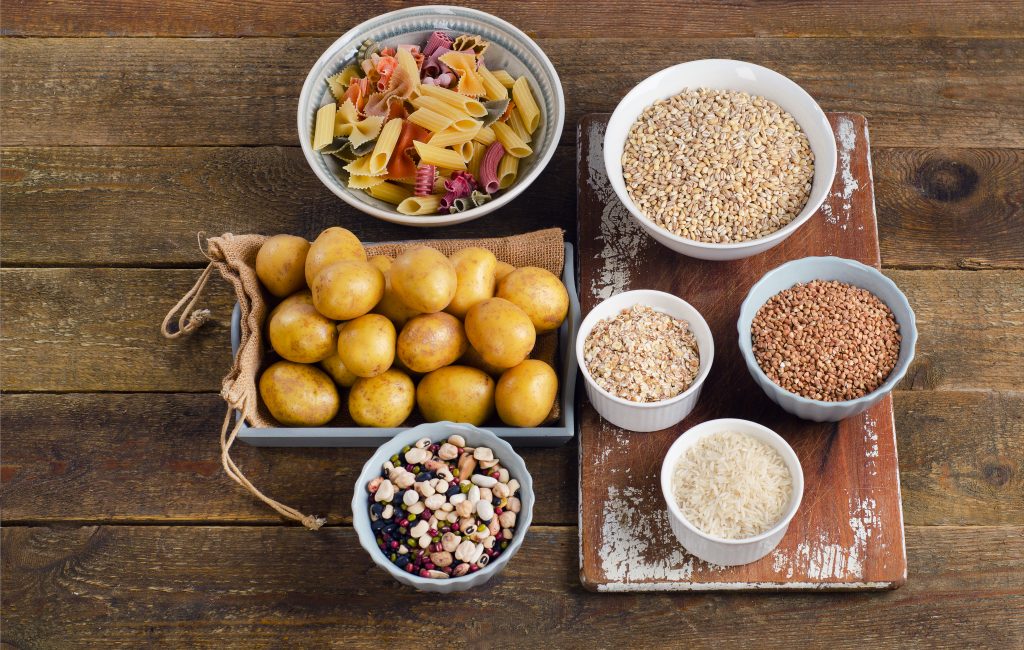
Some Simple Carbs: Banana, milk, curd, honey, white bread, white rice, potato

Some Complex Carbs: Chapati, pulses, brown rice, sweet potato, green leafy vegetables, apples

Few Tips to Remember During Carbo-Loading

  • As it involves eating a high carb diet, people with diabetes and other medical problems which restrict the consumption of carbohydrates should consult their doctors before starting
  • Perform only light exercise when starting Carbo-Loading and rest the entire day before the event
  • Avoid adding new foods to your routine
  • Avoid eating fiber rich foods as they will give a feeling of satiety
  • Eat a moderate amount of fats and proteins
  • On all days of Carbo-Loading, eat 5-6 meals instead of eating only three to avoid a feeling of heaviness
  • After the event, have a carb-only meal to replenish the glycogen stores
  • Eat some salty snacks after the event (preferably salted nuts)
  • Drink lots of water during and after Carbo-Loading

Effects of Carbo-Loading

  • You will see a slight weight gain but it will only be due to the body retaining excess water. This weight will be gone in 1-2 days after the event
  • Expect a little stomach discomfort in this phase. It will not bother you much if you divide the total calories into 5-6 meals for the day

Have any questions about Carbo-Loading? Ask a GOQii Coach by subscribing for Personalised Health Coaching here.

#BeTheForce
January 11, 2024 By Farhat Khan 2 Comments

What is Resting Heart Rate & How Can You Improve It?

Resting Heart Rate

If you want to know more about heart health, your Resting Heart Rate can tell you a lot! As we all know, our heart is responsible for providing blood and oxygen to each and every organ in the body and if there is any trouble in the heart, automatically the rest of the body will be impacted too.

What is Resting Heart Rate?

Resting heart rate (RHR) is known as your base or lowest heart rate. It can be defined as the number of times your heart beats per minute while you’re resting or not active. The normal resting heart rate reading should be in between 60 to 100 beats per minute (BPM). The term use for a heart rate below 60 bpm is called Bradycardia while a heart rate above 100 bpm is called Tachycardia. Usually, children tend to have a higher heart rate than adults. It is because of their faster metabolism. For a newborn, resting heart rate around 100 to 150 bpm is considered normal.

How Can You Measure It? 

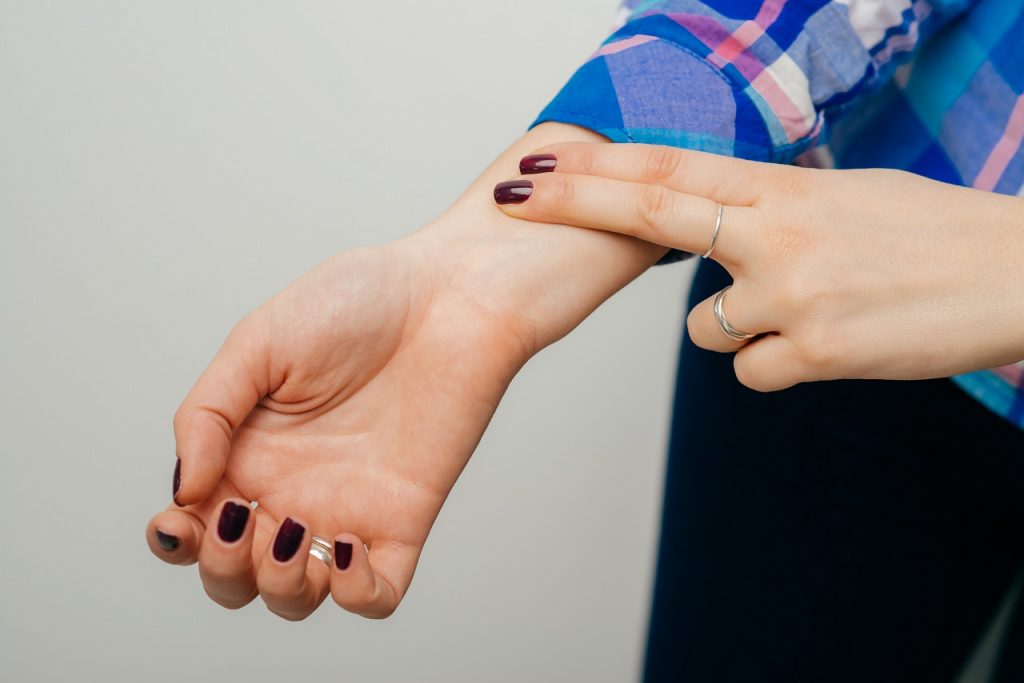
Measuring heart rate is the same as checking your pulse. Currently, there are different ways to measure it – you can even measure it using your fitness tracker or band. You can also use the ancient method wherein, you place your index and middle finger on your wrist just below the thumb, or along either side of your neck, so you can feel your pulse. Remember not to use your thumb to take this measurement as it has its own pulse so you might not get the accurate measurement. Use a watch to count the number of beats for 30 seconds and double it so you will get the reading for per minute. Repeat it twice or thrice to make sure you get the accurate measurements. 

To get the proper readings, it is advised to check your resting heart rate as soon as you wake up before carrying out any other work or activity. 

Factors That Affect RHR 

Daily activities such as walking or drinking a cup of coffee, medications, hormones, body size, stress and activity level can change your resting heart rate. Some major factors include: 

  • Age
  • Lack of sleep
  • Dehydration
  • Stress
  • Obesity
  • Health conditions, lung disease and diabetes
  • Some medications like Beta blockers & calcium channels
  • Temperature
  • Exercise

Generally, lower heart rates are considered better as it shows your heart is working well with no extra effort. On the other side, a higher resting heart rate shows your heart has to work extra hard to pump blood.

Ways to Improve or Lower Heart Rate

  1. One of the reasons for increased RHR as one ages, is the lack of or less physical activity. As aging is a natural process, we can improve its impact on heart health by adding 30 minutes of walking or any other low impact exercise like cycling, swimming and dancing. Of course, your heart will beat fast during the activity and for a short time after that, but practicing it every day will automatically help in reducing your elevated resting heart rate.
  2. Guided breathing practices, yoga, tai chi, meditation, long walks and reading are all great ways to calm your mind and body, which will help in controlling your heart rate.
  3. Always try to get at least seven hours of sleep every night so your body gets sufficient time to recover from stress.
  4. Keeping yourself well hydrated helps blood flow through the body and makes the functioning of the heart easy as well. 
  5. Those who smoke have a higher RHR. Quitting brings it back down. 
  6. Keep a watch on body weight. The larger the body, the more the heart has to work to supply it with blood. Losing body weight helps in lowering elevated RHR.

It’s important to maintain an active lifestyle with regular aerobic exercise, a balanced diet, quality sleep and hydration. By measuring your resting heart rate regularly, you can see both your long-term progress and daily fluctuations in it. When your resting heart rate decreases as a result of training, it’s a sign that your cardiovascular health is improving.

We hope this article helps you make heart-healthy choices! Do let us know your thoughts in the comments below. For more on heart health, check out Healthy Reads or reach out to our certified experts by subscribing to GOQii’s Personalised Health Coaching here.

#BeTheForce 
January 8, 2024 By Seema Mukund 11 Comments

Does Exercising In Cold Weather Have Any Special Benefits?

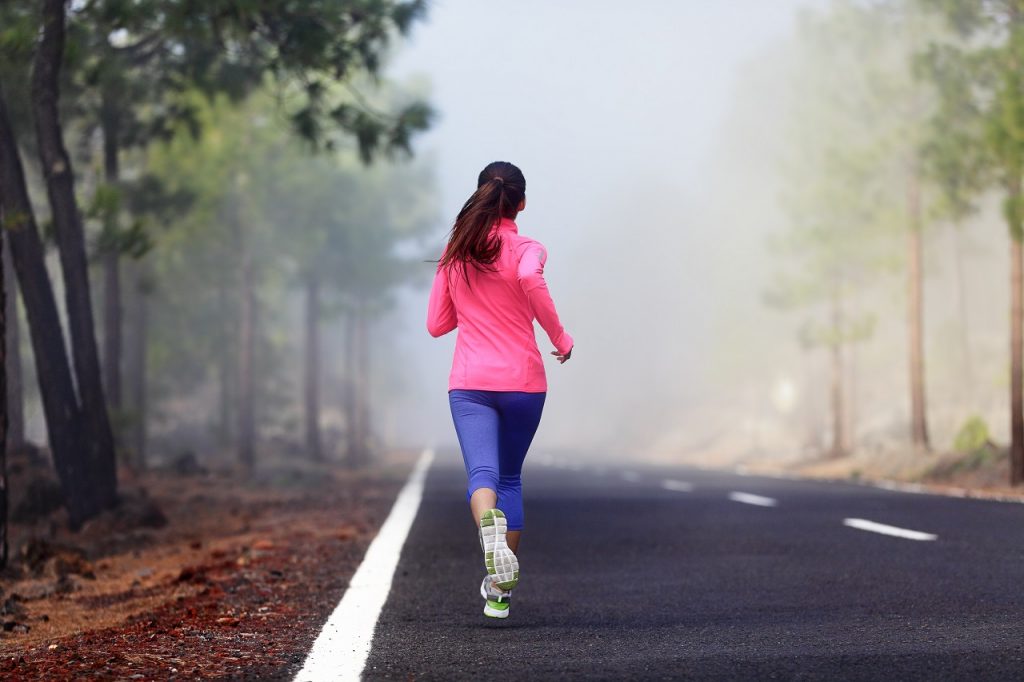
exercising in cold weatherWinter months are usually chilly and these months create some form of physiological stress to the body. A healthy person can cope up with this kind of stress more easily than an unhealthy one. Even if your new year’s resolution is to get active, it can be tough to find the motivation to get out of bed on a cold and chilly morning. But, is there any difference between exercising in cold weather compared to other seasons? 
Benefits of Exercising in Cold Weather 

  • Burns more calories: Your body tries to keep warm and keep up the core temperature. In cold weather, the body needs to push itself harder to maintain the inside temperature to balance with the outer environment temperature.
  • Boosts immunity: Boosting immunity during the cold weather helps to ward off common viruses causing cold and flu. Exercise helps in the production of WBC (white blood cells) that help fight infections in our body.
  • Improves endurance: Exercising in cold weather increases the efficiency of the workout as the heart has to pump harder to maintain the normal blood flow to all organs effectively. 
  • Staying slim: Brown fat, also called brown adipose tissue, helps produce more energy compared to white fat. Brown fat production happens in cold weather. Brown fat keeps up the heat production through cold weather and temperature regulation within the body.
  • Stronger bones: Warm sunlight on a cold morning is an experience in itself. It indirectly helps in getting doses of Vitamin D as you tend to exercise in sunlight during cold months. More Vitamin D = stronger bones! 
  • Improves mood: Exercising in cold weather elevates the release of endorphins. Positive feeling is usually triggered by endorphins which stay active for a span of 20-30 mins. During winter, cortisol or stress hormones are higher. Exercising in cold weather helps reduce the cortisol in the body.

If you’re exercising in cold weather, dress in comfortable, dry clothes to stabilize core temperatures. Keep your feet warm and stay hydrated! Cold weather can leave you more dehydrated due to increased urine production and drying nature of the cold weather. Keep your motivation up and get out of bed on a cold morning to get your daily dose of exercise without fail. People on the heavier side can benefit more from this! 

We hope this article on exercising in cold weather helps you. Do leave your thoughts in the comments below. For more on fitness, check out Healthy Reads or subscribe for LIVE interactive sessions with our experts on GOQii Pro within the GOQii App.

#BeTheForce 

November 18, 2023 By GOQii Leave a Comment

What’s Your Excuse?

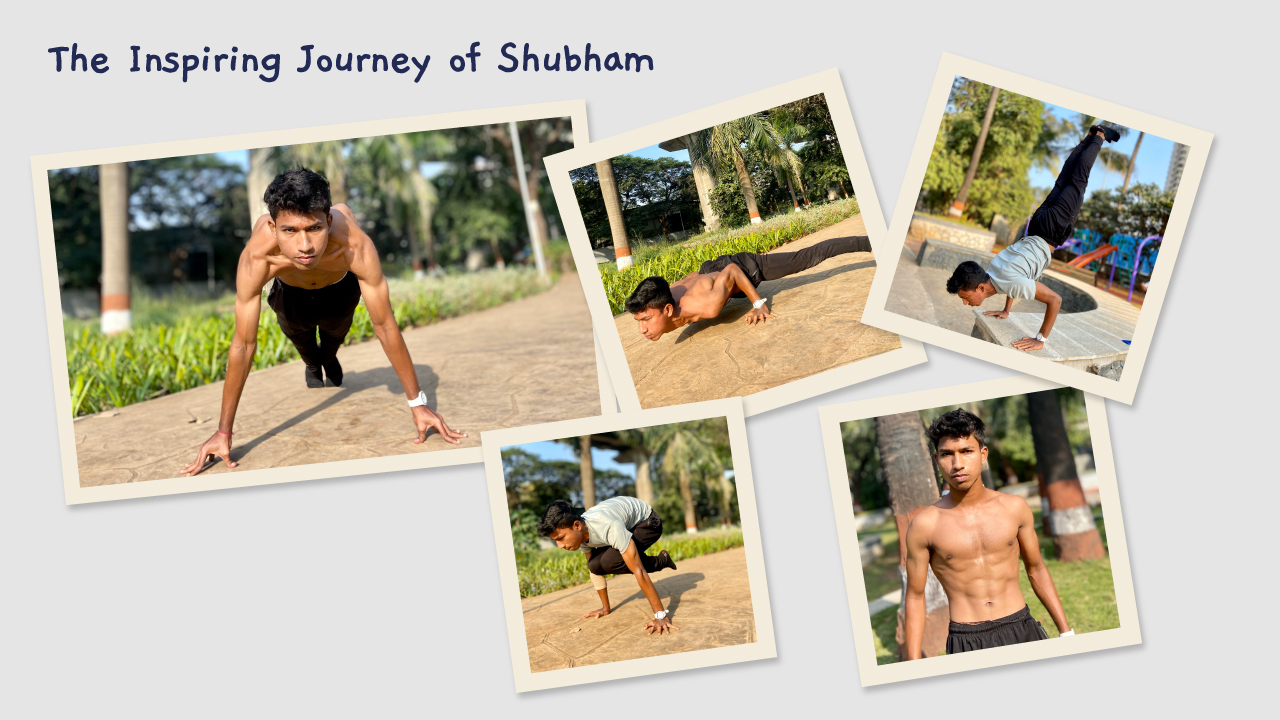
In a world filled with excuses, Shubham’s story stands as a testament to the power of perseverance, passion, and an unwavering commitment to one’s dreams. His journey is a reminder that circumstances may create hurdles, but they can never define the limits of one’s potential.

In the bustling suburbs of Mumbai, amidst the challenges of an underprivileged background, Shubham, 20, stands as an inspiring example of determination and resilience. Self-taught and passionate about health and fitness, he embarked on a transformative journey towards health and fitness 2 years ago when COVID struck the world. What was until then just an idea of being healthy and fit, became an increasing passion and internal call from within that led him to take up fitness more seriously.

Hailing from an underprivileged background in the bustling city of Mumbai, Shubham’s life was a stark contrast to the glossy fitness magazines and high-end gyms that often portray the world of health and wellness. Born into a family where every rupee counted, the idea of pursuing a career in fitness seemed like a distant dream. However, Shubham was not one to be deterred by circumstances.

The Spark of Transformation

At the tender age of 18, Shubham experienced a transformative moment that changed the course of his life forever. He chose to embrace a plant-based lifestyle, turning vegan. For Shubham, veganism was not just about a dietary choice; it was a conscious decision rooted in a deep understanding of animal cruelty and a burning desire to contribute to the well-being of our planet. A student of 2nd year Bachelor of Science, Shubham, can actually explain – What veganism is all about?  According to Shubham, “Veganism is all about clean eating avoiding meat, dairy, eggs etc. It’s about having lots of vegetables, nuts and grains. Veganism has helped me follow a lifestyle for health, ethical, and environmental reasons.”

He further explains, “I have been able to convert 7-8 people into Vegan. Imagine these 7 or 8 people consuming at least around 70kgs of meat in a month which means around 800kgs of meat annually. If we completely eliminate all meat from our diet, we can avoid consuming several hundred kilograms of meat in a year”.

Initially, Shubham faced lots of resistance from his home folks, but when he explained to them his mother and sister were convinced and they are also now vegan along with a few of his friends.

The Rocky Road to Dreams

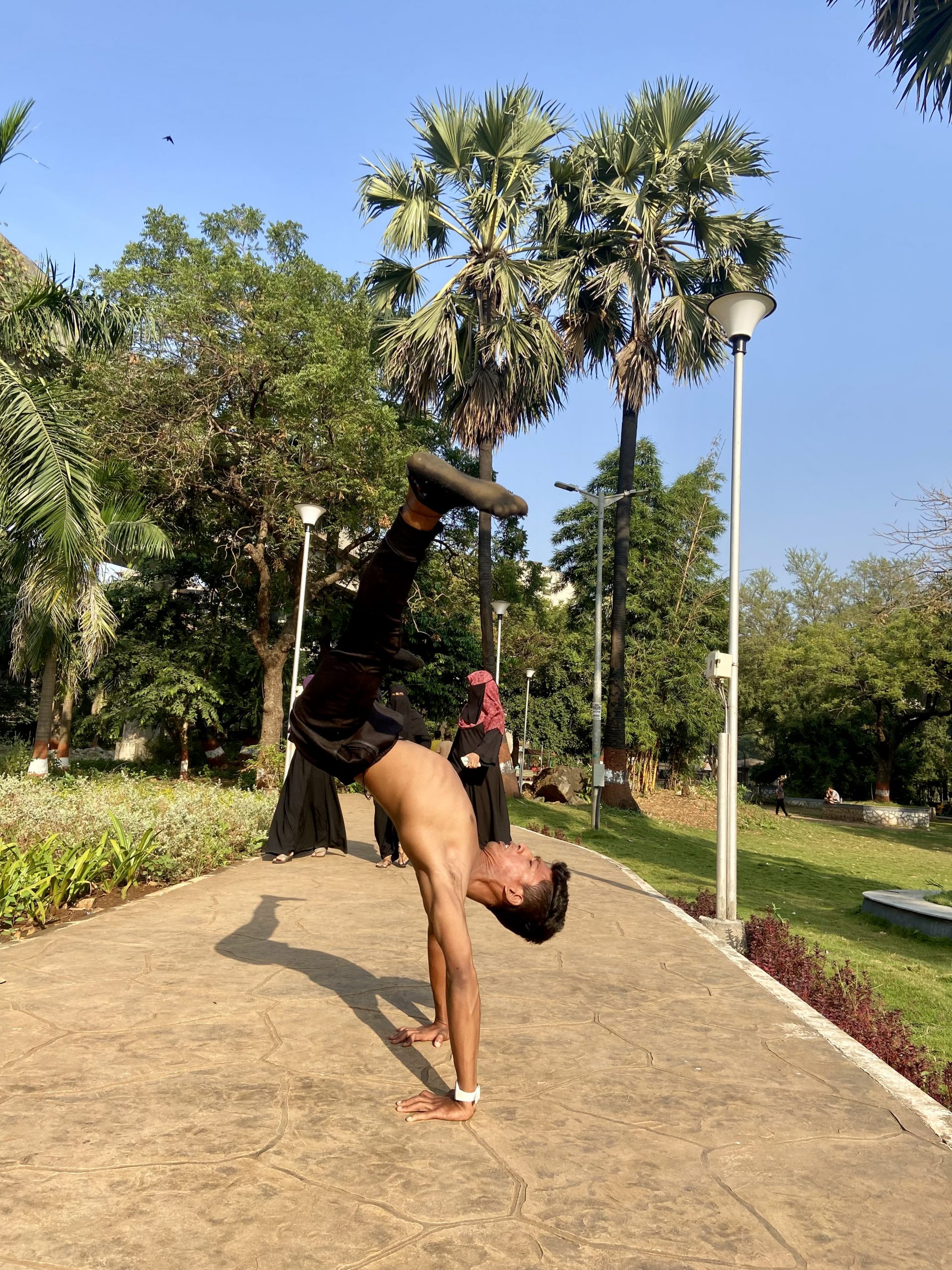
Despite his newfound passion, life was not a bed of roses for Shubham. He faced the tough decision of leaving his studies midway to help support his family. The weight of responsibilities grew heavy, but his determination remained unshaken. Shubham had his sights set on becoming a beboing star or better known as breakdance, and nothing was going to stand in his way.

The Open-Air Outdoor Gym of Dreams

Financial constraints meant that joining a conventional gym was not an option for Shubham. But he didn’t let this deter him. Instead, he turned the open spaces of BMC (Brihanmumbai Municipal Corporation) gardens in the suburbs of Mumbai into his training ground. Here, amid the rustling leaves and under the open sky, Shubham embarked on his fitness journey. He trains daily. Shubham’s routine is a blend of callisthenics and exercise. With the BMC garden as his canvas, he sculpted his body through bodyweight exercises, proving that one doesn’t need a fancy gym to chase their dreams. Every pull-up, every push-up, and every leap was a testament to his unwavering spirit.

Inspiration in Action

Shubham’s journey is a reminder that excuses are merely obstacles we place in our own path. It’s easy to blame circumstances for our shortcomings, but it takes true grit to defy them. He is living proof that passion and purpose can propel you forward, no matter where you start.

The Heart of the Matter

What sets Shubham apart is not just his dedication to fitness but also his compassionate heart. His choice to go vegan was not just about personal health but about extending his compassion to all living beings and the planet we call home. It’s a reminder that our choices have the power to create ripples of change far beyond ourselves.

A Beacon of Hope

Shubham’s story serves as a beacon of hope for all those who dare to dream against the odds. It reminds us that the pursuit of our passions is not limited by circumstances, and the most incredible transformations often begin with a single, conscious choice.

So, the next time you find yourself making excuses, think of Shubham. Think of the young man who turned a BMC garden into his gym, who embraced a compassionate lifestyle, and who refused to let circumstances dictate his destiny. Ask yourself, “What’s my excuse?” Shubham’s story is not just about defying odds; it’s a testament to the transformative power of passion and perseverance. Let his journey inspire you to break free from limitations, embrace a healthier lifestyle, and chase your dreams with unrelenting zeal. For personalized guidance and support in your journey, subscribe to GOQii’s Personalised Health Coaching here. Your dreams are within reach with the right guidance!

#BeTheForce

  • « Previous Page
  • 1
  • …
  • 8
  • 9
  • 10
  • 11
  • 12
  • …
  • 44
  • Next Page »

Search

Recent Posts

  • Immunity-Boosting Kadhas: Why Natural Defense Matters During the Monsoon
  • Healthy Eating: Crispy Monsoon Corn Tikkis
  • Antenatal Exercises: Your Guide to a Fit and Healthy Pregnancy
  • Managing Type 2 Diabetes: Dietary Choices and Lifestyle Adjustments for Better Blood Sugar Control
  • Hormones and Longevity: Why Midlife Health Depends on Hormonal Balance

Stay Updated

Archives

  • July 2026 (22)
  • June 2026 (22)
  • May 2026 (20)
  • April 2026 (24)
  • March 2026 (18)
  • February 2026 (14)
  • January 2026 (14)
  • December 2025 (19)
  • November 2025 (15)
  • October 2025 (20)
  • September 2025 (6)
  • August 2025 (6)
  • July 2025 (10)
  • June 2025 (18)
  • May 2025 (16)
  • April 2025 (22)
  • March 2025 (26)
  • February 2025 (21)
  • January 2025 (25)
  • December 2024 (22)
  • November 2024 (22)
  • October 2024 (20)
  • September 2024 (22)
  • August 2024 (28)
  • July 2024 (16)
  • June 2024 (23)
  • May 2024 (26)
  • April 2024 (27)
  • March 2024 (27)
  • February 2024 (23)
  • January 2024 (21)
  • December 2023 (14)
  • November 2023 (10)
  • October 2023 (19)
  • September 2023 (22)
  • August 2023 (16)
  • July 2023 (18)
  • June 2023 (21)
  • May 2023 (20)
  • April 2023 (19)
  • March 2023 (23)
  • February 2023 (19)
  • January 2023 (15)
  • December 2022 (11)
  • November 2022 (15)
  • October 2022 (15)
  • September 2022 (12)
  • August 2022 (9)
  • July 2022 (17)
  • June 2022 (11)
  • May 2022 (10)
  • April 2022 (6)
  • March 2022 (6)
  • February 2022 (13)
  • January 2022 (11)
  • December 2021 (7)
  • November 2021 (3)
  • October 2021 (6)
  • September 2021 (3)
  • August 2021 (8)
  • July 2021 (7)
  • June 2021 (15)
  • May 2021 (16)
  • April 2021 (10)
  • March 2021 (7)
  • February 2021 (4)
  • January 2021 (4)
  • December 2020 (3)
  • November 2020 (4)
  • October 2020 (10)
  • September 2020 (3)
  • August 2020 (3)
  • July 2020 (2)
  • June 2020 (4)
  • May 2020 (10)
  • April 2020 (12)
  • March 2020 (10)
  • February 2020 (4)
  • January 2020 (4)
  • December 2019 (3)
  • November 2019 (7)
  • October 2019 (5)
  • September 2019 (4)
  • August 2019 (9)
  • July 2019 (9)
  • June 2019 (11)
  • May 2019 (4)
  • April 2019 (8)
  • March 2019 (8)
  • February 2019 (9)
  • January 2019 (8)
  • December 2018 (9)
  • November 2018 (3)
  • October 2018 (3)
  • September 2018 (5)
  • August 2018 (10)
  • July 2018 (6)
  • June 2018 (13)
  • May 2018 (8)
  • April 2018 (18)
  • March 2018 (9)
  • February 2018 (8)
  • January 2018 (15)
  • December 2017 (12)
  • November 2017 (19)
  • October 2017 (13)
  • September 2017 (15)
  • August 2017 (4)
  • July 2017 (8)
  • June 2017 (7)
  • May 2017 (6)
  • April 2017 (8)
  • March 2017 (6)
  • February 2017 (7)
  • January 2017 (9)
  • December 2016 (10)
  • November 2016 (7)
  • October 2016 (7)
  • September 2016 (7)
  • August 2016 (11)
  • July 2016 (9)
  • June 2016 (9)
  • May 2016 (12)
  • April 2016 (17)
  • March 2016 (17)
  • February 2016 (8)
  • January 2016 (6)
  • December 2015 (2)
  • November 2015 (9)
  • October 2015 (7)
  • September 2015 (9)
  • August 2015 (11)
  • July 2015 (9)
  • June 2015 (11)
  • May 2015 (9)
  • April 2015 (13)
  • March 2015 (8)
  • February 2015 (5)
  • January 2015 (12)
  • December 2014 (14)
  • November 2014 (11)
  • October 2014 (6)
  • September 2014 (13)
  • August 2014 (12)
  • July 2014 (6)
  • June 2014 (2)
  • May 2014 (7)
  • April 2014 (4)

From Burnout to Balance: How Dr. Ranjit Reclaimed His Health

Dr Ranjit Bhatt has spent years tending to others. A practising doctor in Odisha, his days were packed with patients, surgeries, and emergencies. From the outside, it looked like a life lived in service. But on the inside, something wasn’t right. “I had no … [Read More...]

From Shimla’s Slopes to Chandigarh’s Sidewalks: Surinder Kaur Bhalla’s Journey from Chaos to Control

Some journeys start with a plan. Others begin with a stumble literally. Surinder Bhalla, a government professional, born and raised in the scenic hill town of Shimla, had always lived a life of movement. “In Shimla, you walked everywhere,” she reflects. “Walking was never an exercise. It was just life.” But after shifting to Chandigarh, […]

“I’ve Challenged Myself to Live 100 Years” – The Story of Chandubhai Savani’s Second Chance at Life

At 67, most people start slowing down. Not Chandubhai Savani. A resident of Surat, Chandubhai, thought life was on track. “My life was going well till I had my bypass surgery,” he says. That surgery, back in 2021, was a wake-up call.  Medication was routine, but exercise wasn’t. His diet? What he calls ‘normal.’ “I […]

Ananda Mukherjee Health Story

From Terminal Illness To Complete Wellness! Ananda Mukherjee Health Story

As we observe World Cancer Day under the powerful theme ‘United by Unique’ (2025-2027)**, we are reminded that every individual’s journey with cancer is distinct, yet united by shared resilience, hope, and the collective fight against this disease. This theme places people at the centre of care and their stories at the heart of the […]

  • HOME
  • HEALTHY LIVING
  • FITNESS
  • HEALTHY RECIPES
  • USER STORIES
  • KARMA
  • BUY GOQii

Copyright ©2016 GOQii