GOQii

Blog

  • HOME
  • HEALTHY LIVING
  • FITNESS
  • HEALTHY RECIPES
  • USER STORIES
  • KARMA
  • BUY GOQii

April 14, 2024 By Komilla Pareek 26 Comments

Simple guide to Protein – Uric Acid Connection

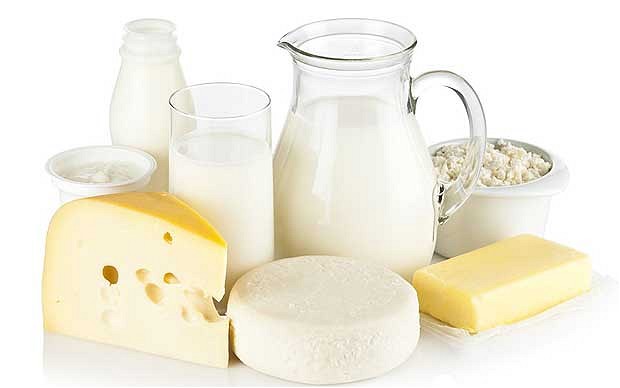
dairy-products

When Rohit came to me for consultation, he was suffering from hyperuricemia- a condition which is associated with high levels of uric acid in the blood. Increased levels of blood uric acid predispose to gouts and very high levels may lead to kidney failure. Uric acid is produced from the natural breakdown of body’s cells and from the foods rich in purines. Thus, in hyperuricemia, purine rich foods are avoided.

Though purines are present in all living things (and food) as they provide part of the chemical structure of our genes, some foods contain concentrated amounts of purines. For the most part, these high-purine foods are also high-protein foods and thus purine restriction gets wrongly translated as protein restriction in most cases.

A detailed discussion around Rohit’s food intake revealed that his diet was very low in protein. He was avoiding all pulses, milk and milk products and meat & eggs. In addition, to that, he was doing one hour of intense workout to reduce weight. He reported muscle soreness, weakness, and cramping which I could easily relate to his visible signs of protein deficiency – sparse hair, pot belly, and swollen hands.

Contrary to the notion that protein is necessary only in growing age, we need protein at every age for normal wear and tear of tissues. Most of the enzymes involved in important metabolic processes are proteins. Thus, like everyone, hyperuricemia patients too need this nutrient in adequate quantities.

Let’s make this complex protein -uric acid connection simpler through this guide on what to include and what not – 

Dairy products – Not only do they provide good quality proteins, scientific studies have demonstrated that milk when taken in moderate quantities actually help in reducing and managing gouts. However, fermented milk products such as yogurt, buttermilk, curds and aged cheese have purines from the nucleic acids of the bacterial cells that proliferate during fermentation. They should be avoided. Non-fermented milk products such as cottage cheese, paneer, whey protein can be taken.

Eggs– The yolk of an egg contains the nucleic acids, but the egg white is pure protein without purines.

Nuts – Nuts are naturally low in purines and can be eaten daily by those on a low purine diet.  Good sources of low-purine nuts and seeds include walnuts, almonds, flaxseeds and cashew nuts. Keep in mind that nuts are rich in calories, so eating too many of them could cause you to gain weight.

Pulses– Beans and pulses contain low to moderate amount of purines. However, researchers prove that purine from plant sources are less likely to harm and one serving of pulses per day can be safely taken by gout patients.

Meat – Meats including bacon, beef, pork, and lamb; Organ meats, such as brains, heart, kidney, liver, and sweetbreads; anchovies, sardines, herring, mackerel, and scallops are high in purine and should be avoided.

Epidemiological research has demonstrated that all purine-containing foods are not the same, and that plant purines are far safer than meat and fish purines in terms of gout risk.

Hope this information helps you meet protein requirements and lead a normal active healthy life on a low purine diet. For further information or guidance, reach out to our certified experts by subscribing to GOQii’s Personalised Health Coaching here.

#BeTheForce
March 31, 2024 By Madhu Soni 2 Comments

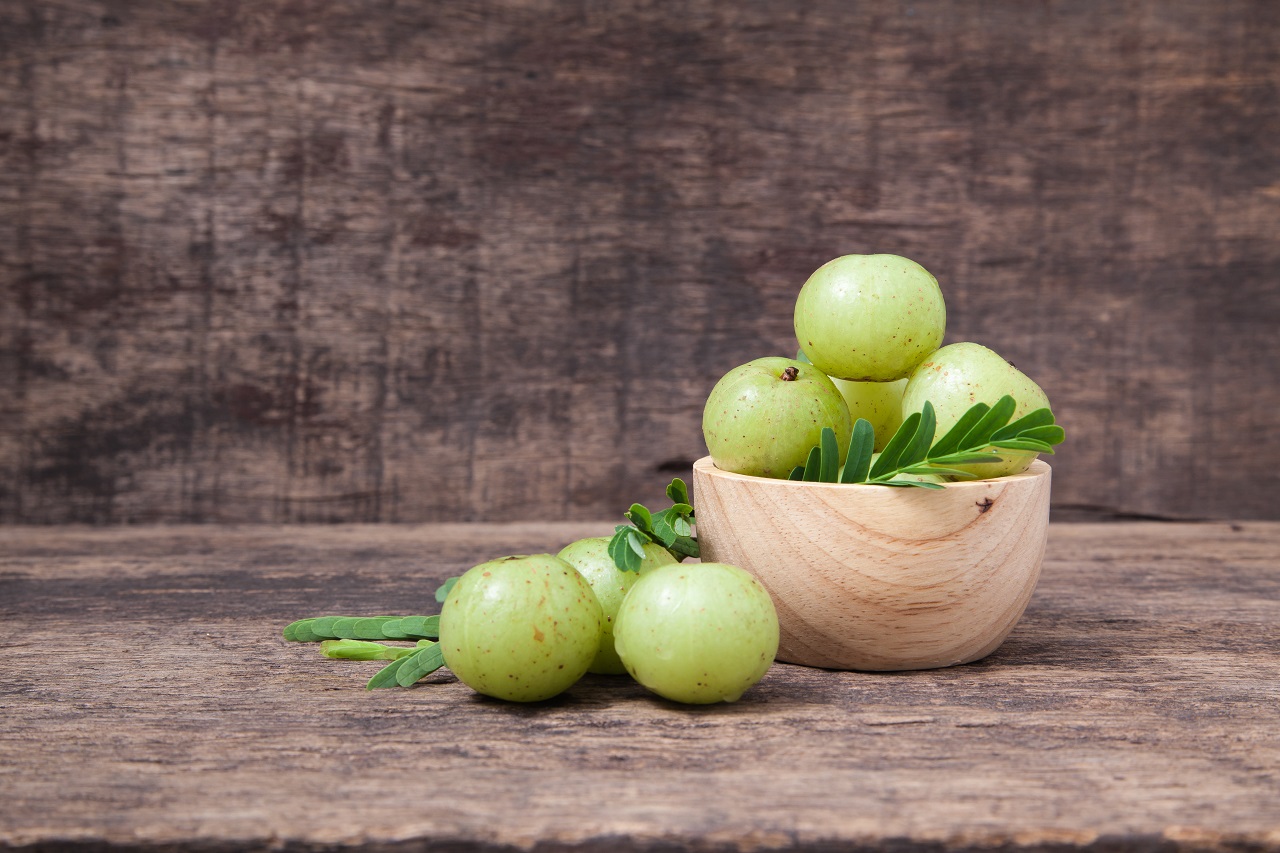
The Power of the Indian Gooseberry

Indian Gooseberry Benefits

In a fast-paced world that rapidly drains us of energy, it is extremely important to be in the best of shape! In that pursuit, we are constantly searching for an elixir that will give us good health with least efforts.

What if we told you that you can have more energy, focus and overall good health? What if that magic elixir exists? More so, what if it is a fruit that you already know?

If you haven’t guessed it already, we are talking about the Indian Gooseberry or as it is popularly known – “Amla”. Since ancient times, it is used to cure various ailments, even if it is something as simple as aiding digestion to something as complex as fighting Diabetes and Heart Disease.

The Indian Gooseberry (Emblica officinalis or phyllanthus emblica) derives its name from the Sanskrit word “Amalaki”. This tree is a native of India and the neighboring South East Asian countries. The fruit is sour in taste but leaves a sweet aftertaste.

Let’s take a look at how it impacts health!

  • Boost Immunity: The Indian Gooseberry is a powerhouse of Vitamin C and A. It greatly increases white blood cells in our body and is an excellent antioxidant, anti-inflammatory and anti-carcinogenic. It is like a powerful soldier that shields our body against various foreign toxins.
  • Fights Cancer: It has the potential to restrict the growth of cancer cells by keeping harmful free radicals at bay. The Indian Gooseberry also counter-attacks the side effects of anti-cancer drugs, radiation and chemotherapy.
  • Keeps Diabetes in Check: It helps regulate blood sugar levels in many ways. The chromium present in it is responsible for the pancreas to produce sufficient insulin and the polyphenol keeps the oxidative stress low, thus making the body more responsive to insulin.
  • Good for the Heart: The cardio protective properties of the Indian Gooseberry due to the presence of Vitamin A and C, the chromium and iron help reduce cholesterol, increase HDL (Good cholesterol) and reduce LDL (bad cholesterol) and strengthen the heart muscles.
  • Protects the Eyes: Regular use of the Indian Gooseberry can protect our eyes from cataract and short-sightedness. The impressive carotene content in it can keep night blindness away.
  • Promotes a Healthy Liver: It is diuretic in nature, which means that it increases the volume and frequency of urine and fosters regular bowel movement. It also helps in eliminating toxic metals and the ill effects of excessive medication. Thus, it protects the liver. It also provides relief in the case of urinary tract infection.
  • Fountain of Youth: The Indian Gooseberry supports longevity, helps smoothen wrinkles, fortifies the skin, prevents hair loss and greying and provides lustrous hair. Besides beauty, it is also a brain tonic which promotes clarity of thought and boosts memory.

The Not So Good Part of the Indian Gooseberry! 

Since it is high in ascorbic acid, taking excessive quantities at night may erode the enamel in the teeth just like any other citrus fruit. Since it reduces Diabetes, sugar levels may drop, so keep your doctor informed about it. He may change your medication. Being diuretic, excess amla consumption may cause constipation to a few.

How to Eat the Indian Gooseberry

  • The best way to have it would be raw. You can add rock salt and pepper to kill the sourness
  • Powder and tablets are a convenient way to have it, but to be taken under medical supervision
  • Indian Gooseberry juice either freshly made at home or store bought are great options
  • Chawanprash: a healthy way to include it. 1-2 tsp can be taken daily
  • Amla Murabba: Since it has a good amount of sugar, which acts as a preservative, you can wash off the excess sugar syrup just before eating
  • Eat it as a chutney, pickle or you can even opt for Amla Candies

To put it all in a nutshell, taken in any form, it is a simple yet effective way to good health. It is worth its weight in gold and this information shouldn’t be ignored but passed on to the next generation!

Want to know more about the Indian Gooseberry? Let us know in the comments below! For further information or guidance, reach out to our certified experts by subscribing to GOQii’s Personalised Health Coaching here.

#BeTheForce
January 18, 2024 By Deepanshu Sharma 2 Comments

Carbo-Loading: All You Need To Know!

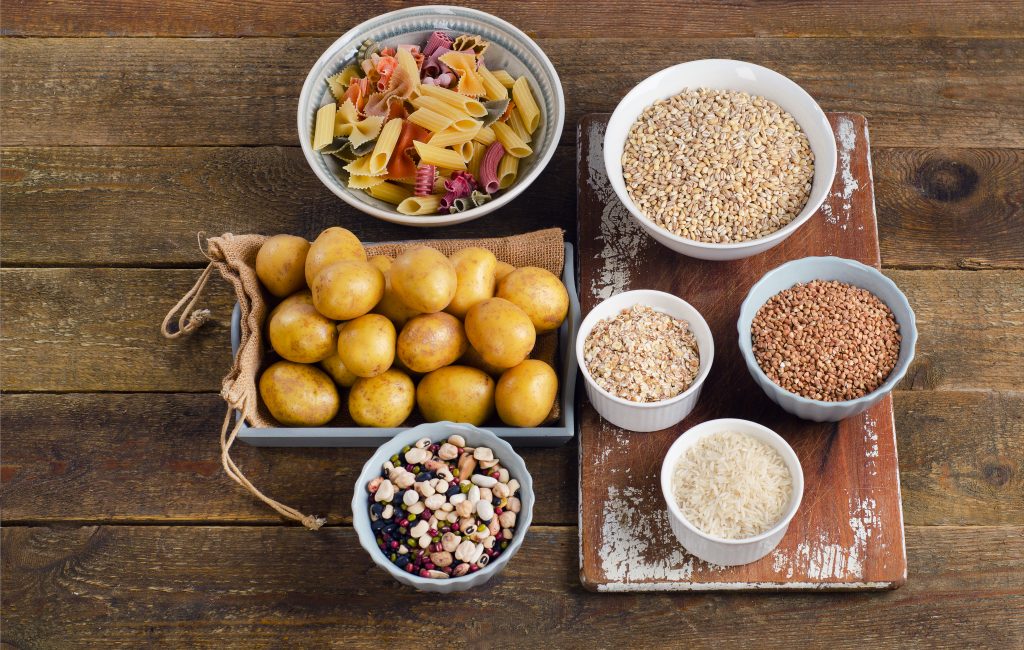
Carbo LoadingAt some point or the other, we have come across the term Carbo-Loading. While there are some people who know what it is, there are people who are unaware about this helpful hack. Carbo-Loading is the process of ‘loading’ your body’s muscles with excess glycogen. Glycogen is the energy source derived from eating carbohydrates and Carbo-Loading when done well, can lead to improvement in performance of endurance athletes.
What is Carbo-Loading?

In detail, Carbo-Loading means eating excess carbohydrates to fill the muscles with glycogen while also lowering your activity levels 3-4 days before the event.

Glycogen is the fuel which powers our body when we exercise. The carbohydrates that we eat are broken down to make glycogen, which is stored in the muscles to provide energy while exercising. The main aim of Carbo-Loading is to ensure that muscles have larger energy stores so that they don’t tire easily. Just like a car with a full tank would run longer, similarly, glycogen loaded muscles will perform longer.

Who needs Carbo-Loading?

Carbo-Loading helps athletes who compete in endurance events such as running over 10 kms, triathlons, treks, etc. Since the body already has enough glycogen stored in the muscles, it can perform short exercises with like weight training or jogging at sustained energy levels. It is the endurance runs which makes us use all our resources. This is where the extra glycogen can help to avoid cramps, prevent fatigue and keep one going till the finish line.

How to Carbo-Load?

Now this is the most important part. If done correctly, you will surely reap the benefits. If done incorrectly, it won’t help you much. It may even lead to feeling heavy before the marathon and even vomiting. You usually start 3-4 days before the event. It is recommended to start with 5 gm carbohydrates per kg body weight. You can increase it to 7-8 gm from your second attempt at Carbo-Loading.

4 Days Before the Event: You are eat the same number of calories as before but 60-70% of it should come from carbohydrates. Mostly complex carbs.

3 & 2 Days Before the Event: Eat more of simple carbs. They will provide instant energy! It is important to avoid processed forms of these simple carbs (like biscuits, rusk).

1 Day Before the Event: Almost all the carbohydrate calories should come from simple carbs one day before the event. Your last dinner before the event should be at least 12 hours prior to the race. The dinner should be heavy, made entirely of simple carbs, with little fats and proteins.

Before the Event: 2-3 hours before the event, eat a light and easy simple carb snack and also keep it for eating during the race.

Some Simple Carbs: Banana, milk, curd, honey, white bread, white rice, potato

Some Complex Carbs: Chapati, pulses, brown rice, sweet potato, green leafy vegetables, apples

Few Tips to Remember During Carbo-Loading

  • As it involves eating a high carb diet, people with diabetes and other medical problems which restrict the consumption of carbohydrates should consult their doctors before starting
  • Perform only light exercise when starting Carbo-Loading and rest the entire day before the event
  • Avoid adding new foods to your routine
  • Avoid eating fiber rich foods as they will give a feeling of satiety
  • Eat a moderate amount of fats and proteins
  • On all days of Carbo-Loading, eat 5-6 meals instead of eating only three to avoid a feeling of heaviness
  • After the event, have a carb-only meal to replenish the glycogen stores
  • Eat some salty snacks after the event (preferably salted nuts)
  • Drink lots of water during and after Carbo-Loading

Effects of Carbo-Loading

  • You will see a slight weight gain but it will only be due to the body retaining excess water. This weight will be gone in 1-2 days after the event
  • Expect a little stomach discomfort in this phase. It will not bother you much if you divide the total calories into 5-6 meals for the day

Have any questions about Carbo-Loading? Ask a GOQii Coach by subscribing for Personalised Health Coaching here.

#BeTheForce

July 16, 2023 By Neha Kapoor 6 Comments

The Right Way To Include Superfoods In Your Soup

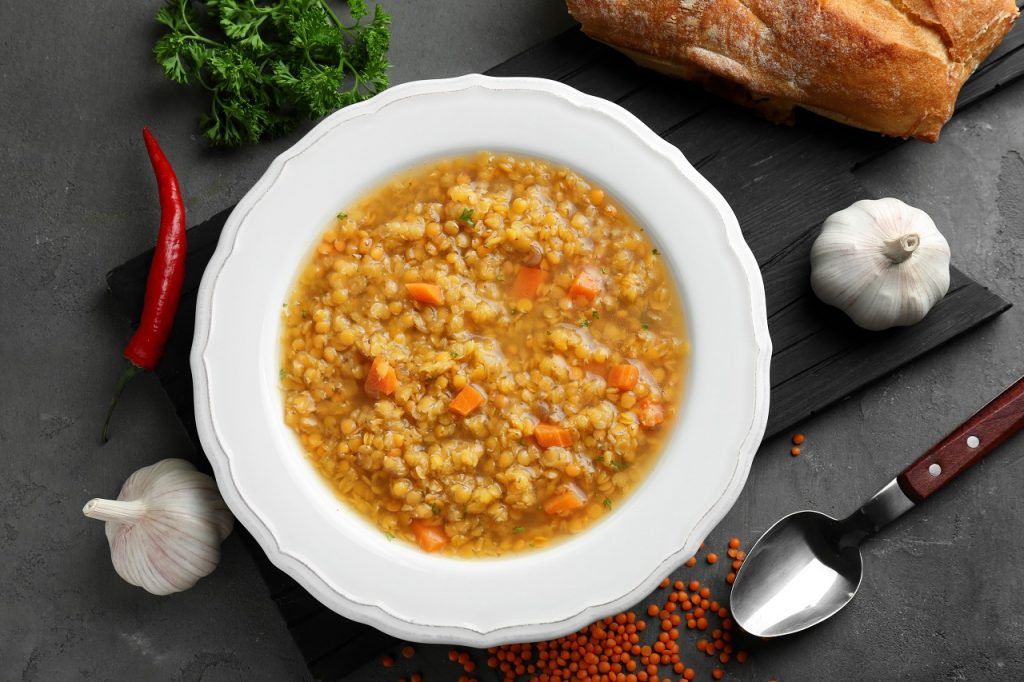
soupWhether you’re a confident cook or a kitchen newbie, a little advice is always helpful. So, here I am with these need-to-know soup-making tips and techniques to make your soup healthy and nutritious. Soups make an excellent choice for snacking, a light dinner recipe or post workout meal. You can easily fit it in your meals in various ways.



Homemade Soup vs Packed Soups

Canned or dried instant soups contain lots of salt, hidden sugars, fillers, and preservatives to increase shelf life of the product. As with almost anything, home-made is better. Making your own soup takes time, but it gives you complete control over the ingredients and how you prepare them.

Know Your “Superfoods”

Superfoods are all around us but we seldom take note of them. Incorporating superfoods into your bowl of soup can load your meals with nutrition, antioxidant properties and low amount of calories. Some of the popular choices of super foods to consider are Moringa, Drumstick, Pumpkin, Barley, Bell pepper, Sprouted legumes and pulses, Broccoli, Mushroom, Spinach, Sweet Potato and all herbs and spices. Cinnamon, Cayenne peppers, Pepper, Rosemary, Oregano, Lemon grass, Basil, Thyme, Parsley are a boon for our digestive and Immune system.

How Do You Use Superfoods? 

  • Garlic is used widely as a flavouring in cooking soups, but also has been used as a medicine to treat various ailments. Add 5-6 peeled, cracked garlic cloves and cook, tossing them around occasionally, until they are golden brown.
  • Basil is well known for its medicinal properties. The most commonly known pairing of basil is with tomato, broccoli, parsley, oregano, rosemary and thyme. The best way is to puree it into the soup.
  • Oregano is an effective natural antibiotic and antifungal. It may also help you lose weight and lower your cholesterol levels. Half teaspoon is good to go.
  • Rosemary/Thyme is traditionally used to help alleviate muscle pain, improve memory, boost the immune and circulatory system, and promote digestive health. 1 teaspoon is enough to avail its benefits.
  • Cinnamon is one of the most delicious and healthiest spices on the planet. It can lower blood sugar levels, reduce heart disease risk factors and has a plethora of other impressive health benefits. Add ½ teaspoon depending on the quantity of soup. Ceylon cinnamon is better quality.
  • Vegetables are packed with fibre, vitamins, minerals and antioxidants. The recommended daily amount of vegetables for men is at least 3 cups a day and for women at least 2 1/2 cups.  Adding them to soups increases the serving of vegetables in a diet. Steaming and boiling caused a 22% to 34 % loss of vitamin C. Pressure-cooked vegetables retain 90% of their vitamin C.

 NOTE: Add fresh herbs towards the end as the flavour diminishes with heat.

Tips To Choose Your Ingredients

  1. Include seasonal Superfoods that are readily available in the market and your own kitchen. Refer to the above list.
  2. Good Fats: Choose fats that your body needs such as Virgin Coconut oil, homemade pure ghee and olive oil are preferable options to add taste and enhance absorption of fat soluble Vitamins from your vegetables.
  3. Right Base: In order to cut saturated fats like cream, you can replace your creamy base with vegetable broth, tomato puree, coconut milk, tomato puree or vegetable puree.
  4. Pick Seasonal Veggies: Pumpkin, tomato, spinach, onion, beetroot, moringa, mushroom, sweet potato, or mixing three or four vegetables not only enhances the taste but also increases the nutritive value. Garlic is common. Use whatever you like from what is available.
  5. Herbs & Spices: Sea salt and black peppers are your two most basic spices. You can experiment with various herbs as all are beneficial for your gut health. Popular flavour combinations are Basil and oregano pair well with tomato-based soups, Parsley, and rosemary go well with potato-based soups, Parsley and thyme are a nice addition to cream soups.
  6. New Age Superfoods: Handful of boiled barley, quinoa, oats, microgreens, boiled sprouts, Tofu, cooked lentils and legumes adds proteins as well as increases the satiety value and health quotient of the soup. They are perfect because it thickens the soup as it cooks; creating an irresistible, slightly sticky broth that coats your spoon beautifully.

Simple Technique To Cook Any Type Of Soup 

  1. Take vegetables of your choice. Wash it and chop in big pieces.
  2. Take a pressure cooker and add 1 teaspoon of extra virgin or unrefined coconut oil/ olive oil. Add chopped vegetables and mix well.
  3. Add 1 glass of water and give a whistle.
  4. After cooling, separate vegetables from water (vegetable broth) and grind them with a handful of boiled quinoa/ sprouted dal or any other protein source to get a thick paste.
  5. Mix it again in the same vegetable broth and give it a boil adding sea salt and herbs at the end. 
  6. Optional: add coconut milk to give a nice colour, pieces of tofu or beans/ bell peppers for crunchiness.
  7. Serve it hot! Your healthy protein rich, immunity boosting soup is ready!

That’s it!  You can make any soup using the ingredients you have at hand with the flavours you prefer, without any recipe. Some examples of healthy soups are tomato basil soup, bell pepper soup, red pumpkin soup, broccoli soup, moringa soup and sprouted soup.

Do try your own variation and let us know your recipe in the comments below. You can find more articles on nutrition and superfoods here. You can also get these tips or recipes directly from a GOQii Coach by subscribing to Personalised Health Coaching here.

#BeTheForce 

  • « Previous Page
  • 1
  • 2
  • 3
  • 4
  • 5
  • …
  • 9
  • Next Page »

Search

Recent Posts

  • Foods to Manage Blood Sugar Naturally: A Complete Guide to Better Blood Sugar Control
  • The Lazy Person’s Guide to Staying Healthy: 5 Micro-Habits That Take Less Than 2 Minutes
  • Healthy Eating: Comforting Chilli Bean Soup Recipe for the Monsoon
  • The Truth About the ‘Beer Belly’: What Alcohol Really Does to Your Metabolism
  • Benefits of Meditation: How One Daily Habit Can Transform Your Mental Wellbeing

Stay Updated

Archives

  • August 2026 (7)
  • July 2026 (25)
  • June 2026 (22)
  • May 2026 (20)
  • April 2026 (24)
  • March 2026 (18)
  • February 2026 (14)
  • January 2026 (14)
  • December 2025 (19)
  • November 2025 (15)
  • October 2025 (20)
  • September 2025 (6)
  • August 2025 (6)
  • July 2025 (9)
  • June 2025 (18)
  • May 2025 (16)
  • April 2025 (22)
  • March 2025 (26)
  • February 2025 (21)
  • January 2025 (25)
  • December 2024 (22)
  • November 2024 (22)
  • October 2024 (20)
  • September 2024 (22)
  • August 2024 (28)
  • July 2024 (15)
  • June 2024 (23)
  • May 2024 (26)
  • April 2024 (27)
  • March 2024 (27)
  • February 2024 (23)
  • January 2024 (21)
  • December 2023 (14)
  • November 2023 (10)
  • October 2023 (19)
  • September 2023 (21)
  • August 2023 (16)
  • July 2023 (16)
  • June 2023 (21)
  • May 2023 (20)
  • April 2023 (19)
  • March 2023 (23)
  • February 2023 (19)
  • January 2023 (15)
  • December 2022 (11)
  • November 2022 (15)
  • October 2022 (15)
  • September 2022 (12)
  • August 2022 (9)
  • July 2022 (17)
  • June 2022 (11)
  • May 2022 (10)
  • April 2022 (6)
  • March 2022 (6)
  • February 2022 (13)
  • January 2022 (11)
  • December 2021 (7)
  • November 2021 (3)
  • October 2021 (6)
  • September 2021 (3)
  • August 2021 (8)
  • July 2021 (7)
  • June 2021 (15)
  • May 2021 (16)
  • April 2021 (10)
  • March 2021 (7)
  • February 2021 (4)
  • January 2021 (4)
  • December 2020 (3)
  • November 2020 (4)
  • October 2020 (10)
  • September 2020 (3)
  • August 2020 (3)
  • July 2020 (2)
  • June 2020 (4)
  • May 2020 (10)
  • April 2020 (12)
  • March 2020 (10)
  • February 2020 (4)
  • January 2020 (4)
  • December 2019 (3)
  • November 2019 (7)
  • October 2019 (5)
  • September 2019 (4)
  • August 2019 (9)
  • July 2019 (9)
  • June 2019 (11)
  • May 2019 (4)
  • April 2019 (8)
  • March 2019 (8)
  • February 2019 (9)
  • January 2019 (8)
  • December 2018 (9)
  • November 2018 (3)
  • October 2018 (3)
  • September 2018 (5)
  • August 2018 (10)
  • July 2018 (6)
  • June 2018 (13)
  • May 2018 (8)
  • April 2018 (18)
  • March 2018 (9)
  • February 2018 (8)
  • January 2018 (15)
  • December 2017 (12)
  • November 2017 (19)
  • October 2017 (13)
  • September 2017 (15)
  • August 2017 (4)
  • July 2017 (8)
  • June 2017 (7)
  • May 2017 (6)
  • April 2017 (8)
  • March 2017 (6)
  • February 2017 (7)
  • January 2017 (9)
  • December 2016 (10)
  • November 2016 (7)
  • October 2016 (7)
  • September 2016 (7)
  • August 2016 (11)
  • July 2016 (9)
  • June 2016 (9)
  • May 2016 (12)
  • April 2016 (17)
  • March 2016 (17)
  • February 2016 (8)
  • January 2016 (6)
  • December 2015 (2)
  • November 2015 (9)
  • October 2015 (7)
  • September 2015 (9)
  • August 2015 (11)
  • July 2015 (9)
  • June 2015 (11)
  • May 2015 (9)
  • April 2015 (13)
  • March 2015 (8)
  • February 2015 (5)
  • January 2015 (12)
  • December 2014 (14)
  • November 2014 (11)
  • October 2014 (6)
  • September 2014 (13)
  • August 2014 (12)
  • July 2014 (6)
  • June 2014 (2)
  • May 2014 (7)
  • April 2014 (4)

From Burnout to Balance: How Dr. Ranjit Reclaimed His Health

Dr Ranjit Bhatt has spent years tending to others. A practising doctor in Odisha, his days were packed with patients, surgeries, and emergencies. From the outside, it looked like a life lived in service. But on the inside, something wasn’t right. “I had no … [Read More...]

From Shimla’s Slopes to Chandigarh’s Sidewalks: Surinder Kaur Bhalla’s Journey from Chaos to Control

Some journeys start with a plan. Others begin with a stumble literally. Surinder Bhalla, a government professional, born and raised in the scenic hill town of Shimla, had always lived a life of movement. “In Shimla, you walked everywhere,” she reflects. “Walking was never an exercise. It was just life.” But after shifting to Chandigarh, […]

“I’ve Challenged Myself to Live 100 Years” – The Story of Chandubhai Savani’s Second Chance at Life

At 67, most people start slowing down. Not Chandubhai Savani. A resident of Surat, Chandubhai, thought life was on track. “My life was going well till I had my bypass surgery,” he says. That surgery, back in 2021, was a wake-up call.  Medication was routine, but exercise wasn’t. His diet? What he calls ‘normal.’ “I […]

Ananda Mukherjee Health Story

From Terminal Illness To Complete Wellness! Ananda Mukherjee Health Story

As we observe World Cancer Day under the powerful theme ‘United by Unique’ (2025-2027)**, we are reminded that every individual’s journey with cancer is distinct, yet united by shared resilience, hope, and the collective fight against this disease. This theme places people at the centre of care and their stories at the heart of the […]

  • HOME
  • HEALTHY LIVING
  • FITNESS
  • HEALTHY RECIPES
  • USER STORIES
  • KARMA
  • BUY GOQii

Copyright ©2016 GOQii
