
GOQii

Blog

  • HOME
  • HEALTHY LIVING
  • FITNESS
  • HEALTHY RECIPES
  • USER STORIES
  • KARMA
  • BUY GOQii

July 20, 2026 By Bhumi Mehta 3 Comments

Yoga for Seasonal Viral Infections: A 5-Level Approach to Supporting Recovery

yoga therapyThe Big Question: When seasonal changes leave you with a cold, sore throat, or mild viral illness, can yoga help you feel better while your body recovers?
Seasonal weather changes—especially during the monsoon and winter months—often bring an increase in viral infections such as the common cold and other upper respiratory illnesses. While adequate rest, hydration, good nutrition, and medical care remain the cornerstones of recovery, gentle yoga practices may help ease discomfort, reduce stress, and support overall wellbeing during the healing process.

Rather than viewing recovery as purely physical, yoga takes a holistic approach by nurturing the body, breath, mind, and emotional wellbeing. This five-level framework offers simple practices that may help you feel more comfortable while your immune system does what it is naturally designed to do.

Important: If you have a high fever, severe weakness, chest pain, or difficulty breathing, avoid yoga entirely and seek medical advice promptly.

Level 1: Supporting the Physical Body

When you’re recovering from a viral illness, stiffness, fatigue, and nasal congestion can make even simple movements uncomfortable. Gentle yoga postures may help improve mobility, encourage comfortable breathing, and relieve muscular tension.

A. Uttanasana (Standing Forward Bend)yoga therapyThis gentle forward bend may temporarily ease the feeling of nasal congestion for some people while stretching the back of the body. Move slowly and avoid the pose if you feel dizzy.

B. Setu Bandhaasana (Bridge Pose)Bridge Pose gently opens the chest and stretches the front of the body, which some people find helps them breathe more comfortably. Support your hips with a yoga block or cushion if needed.

C. Viparita Karani (Legs-Up-the-Wall Pose)One of the most restorative yoga poses, this encourages deep relaxation and may help reduce feelings of tiredness after a prolonged illness. It also provides gentle relief for tired legs after long periods of inactivity.

D. Adho Mukha Svanasana (Downward-Facing Dog)If your energy levels allow, this pose stretches the spine and shoulders while encouraging gentle chest expansion. Skip this pose if you feel weak, light-headed, or feverish.

E. Ustrasana This asana opens up the chest and clears out all the passages. It is essential to try and breathe as much as you can while you are in this pose. This will help open up all the blocked areas that are causing the cold.

F. Matsyasana (Fish Pose)A supported version of Fish Pose using a cushion or yoga bolster beneath the upper back can encourage gentle chest opening and comfortable breathing.

Level 2: Supporting the Breath

Breathing exercises can help calm the nervous system and encourage slow, comfortable breathing during recovery. The goal here is relaxation—not force.

  • Gentle Diaphragmatic Breathing: Place one hand on your abdomen and breathe slowly through your nose, allowing your belly to rise and fall naturally. Practise for 5–10 minutes.
  • Nadi Shodhana (Alternate Nostril Breathing): If your nose isn’t completely blocked, gentle alternate nostril breathing may promote relaxation and reduce stress. Avoid forcing the breath if you are heavily congested.
  • Ujjayi Breathing: Soft Ujjayi breathing may create a soothing sensation in the throat while encouraging slow, controlled breathing. Keep the breath gentle and comfortable.

Avoid During Acute Illness: Practices such as Kapalabhati and Bhastrika involve forceful breathing and may not be appropriate during an active viral infection, fever, or significant respiratory symptoms. Consider returning to these techniques only after you have fully recovered and under the guidance of a qualified yoga instructor.

Level 3: Supporting the Mind

Being unwell can affect more than just your body. Fatigue, disrupted sleep, and frustration often increase stress, which can make recovery feel even more difficult. Simple meditation practices may help reduce stress and promote emotional wellbeing.

  • Spend 5–10 minutes sitting or lying down comfortably.
  • Focus purely on your breathing without trying to change its rhythm.
  • If your mind wanders, gently and without judgment bring your attention back to your breath.

Level 4: Prioritising Rest and Recovery

One of the biggest mistakes people make is returning to their normal routine too quickly. Recovery requires massive amounts of internal energy.

  • Shavasana (Corpse Pose): Although it appears simple, Shavasana encourages deep physical relaxation and allows your body to rest without unnecessary muscular effort. Even 10–15 minutes of intentional rest can help you feel refreshed during recovery.

Listen to your body and allow yourself ample time to recover fully before returning to intense physical activity.

Level 5: Building Emotional Resilience

Illness can leave you feeling discouraged, especially if symptoms linger longer than expected. Yoga encourages self-awareness and self-compassion.

Whether through quiet reflection, gratitude, gentle chanting, or prayer, taking a few moments to cultivate emotional resilience can help you cope with the temporary challenges of illness. While these practices don’t treat infections directly, they heavily support your overall sense of wellbeing during recovery.

When Should You Avoid Yoga?

Rest is often the best medicine. Stop any physical practice and seek medical advice if you experience:

  • High fever
  • Difficulty breathing or shortness of breath
  • Chest pain
  • Persistent dizziness
  • Severe fatigue
  • Significant dehydration
  • Worsening symptoms or symptoms lasting longer than expected

Resume physical activity gradually only once you begin feeling significantly better.

Yoga cannot cure viral infections, but it can be a highly valuable complementary practice during recovery. Gentle movement, breathing exercises, meditation, and adequate rest may help reduce stress, improve comfort, and support overall wellbeing while your body heals naturally. The key is to practise with strict self-awareness, respect your energy levels, and allow yourself the time you need to recover fully.

Pro Tip: Recovering from an illness is the perfect time to slow down and listen to your body. The GOQii App offers guided yoga sessions suitable for different fitness levels, and your GOQii Personalised Health Coach can help you choose appropriate practices based on your exact recovery stage.

Frequently Asked Questions (FAQs)

  1. Is it safe to practise yoga during a cold?

If your symptoms are mild and you don’t have a fever, gentle restorative yoga may help you relax and ease physical stiffness. Avoid strenuous or heated practice until you feel completely better.

  1. Can yoga boost immunity?

Regular physical activity, including yoga, contributes to overall health and stress management, which are vital components of a healthy immune system. However, yoga should not be considered a direct treatment for viral infections or a replacement for proper medical care.

  1. Which yoga poses are best during recovery?

Restorative poses such as Viparita Karani (Legs-Up-the-Wall), supported Matsyasana (Fish Pose), and Shavasana (Corpse Pose) are generally much better suited to recovery than vigorous, standing Vinyasa sequences.

  1. Should I do Kapalabhati if I have a cold?

No. Forceful breathing exercises such as Kapalabhati and Bhastrika are generally best avoided during an active illness, especially if you have a fever or significant respiratory symptoms, as they can cause dizziness and irritate inflamed airways.

#BeTheForce  

Disclaimer: This article is intended for educational purposes only and should not replace professional medical advice, diagnosis, or treatment. Consult a qualified healthcare provider if your symptoms are severe, worsen, or are accompanied by high fever, chest pain, or difficulty breathing. Yoga should be practised within your comfort level and, where appropriate, under the guidance of a qualified instructor.

July 10, 2026 By Luke Coutinho 8 Comments

Heal Naturally From Monsoon Illnesses: A Scientific Guide to Seasonal Recovery

heal naturally The Big Question: Why does a sudden change in seasonal weather trigger a wave of respiratory virals, and how can we use our body’s built-in immune mechanics to heal rapidly without over-relying on antibiotics?

With the monsoons here in full swing, most of us worry about catching an infection. As the weather shifts, atmospheric humidity spikes, creating an ideal environment for airborne viruses to stabilize and replicate. The resulting wave of colds, fevers, virals, and sore throats becomes widespread.

A strong, highly responsive immune system is your primary defense line, allowing you to recover quickly and often without the need for heavy suppressive medications. The lower your baseline immunity, the longer the internal healing process stalls, frequently forcing you to resort to antibiotics for secondary bacterial infections. Understanding how to support your biology naturally can accelerate your recovery and strengthen your long-term immune resilience.

The Biology of Seasonal Sickness and Healing

When an airborne viral pathogen enters your respiratory tract, your immune system initiates a highly coordinated defense response. Your body deliberately elevates its core temperature—resulting in a fever—to create an environment where viruses cannot easily replicate, while simultaneously ramping up the production of white blood cells.

During this active immune phase, your body undergoes an acute shift in energy allocation. If you work with these natural defense mechanisms rather than suppressing them immediately with over-the-counter medications, your body can clear the infection cleanly and build robust, long-term immune memory.

6 Proactive Natural Remedies to Accelerate Recovery

  1. The Anti-Inflammatory Phytonutrient Concoction

Nature provides incredibly powerful antiviral and antibacterial compounds within common spices. When compiled correctly, these bio-active ingredients work together to soothe irritated mucous membranes, thin out thick mucus, and block viral replication pathways.

  • The Pathogen-Defense Pathway: Spiced Concoction ⇒ Suppresses Viral Pathogens ⇒ Thins Stubborn Mucus ⇒ Soothes Irritated Respiratory Tract.
  • The Healing-Energy Pathway: Mindful Appetite Rest ⇒ Lowers Digestive Demands ⇒ Redirects Cellular Energy ⇒ Accelerates Immune Recovery.
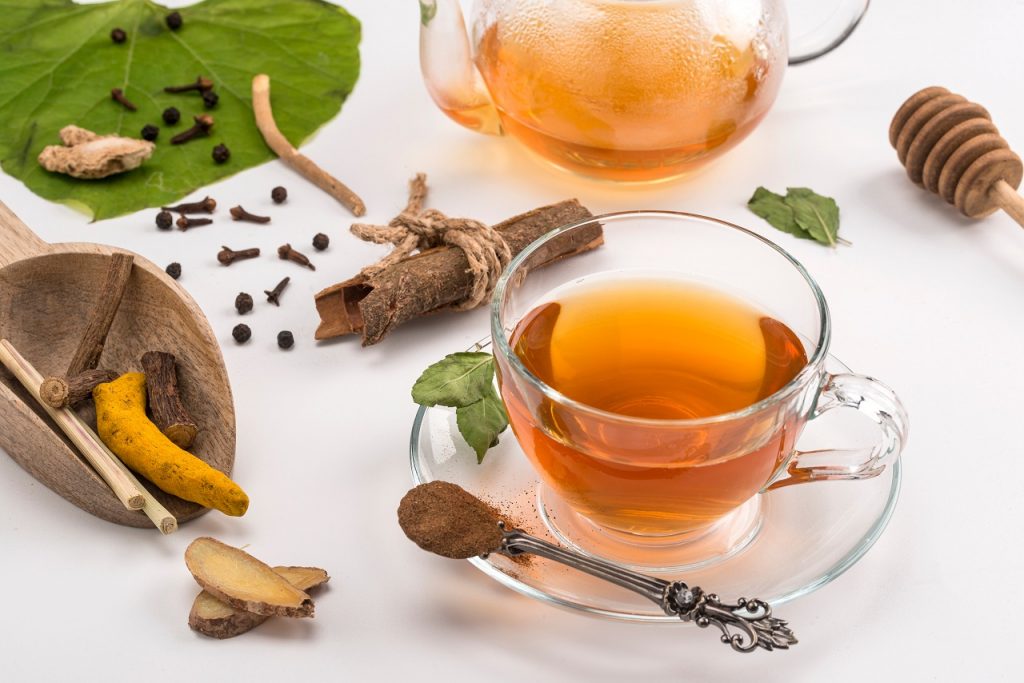
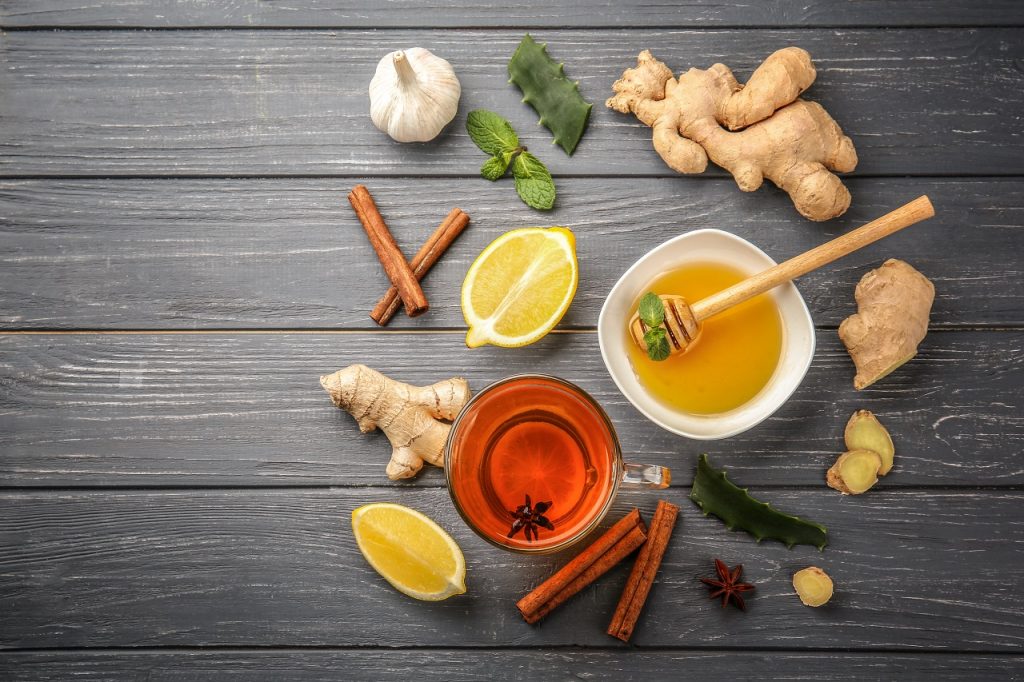
  • The Herbal Recipe: Take a 1-inch piece of fresh mashed ginger, 1 crushed garlic clove, 3 whole black peppercorns, 2 cloves, 2 cardamoms, and a small cinnamon stick. Boil these ingredients in filtered water until the liquid reduces to half. Strain the mixture into a cup and stir in a teaspoon of raw organic honey once it cools slightly. Drink this warm concoction two to three times a day during acute symptoms.
  1. Respect Your Body’s Natural Fasting Signals

When you fall sick, you will often notice a sudden, sharp decline in your appetite. This is a deliberate, protective biological response. Digesting complex, solid food requires an immense amount of cellular energy.

By naturally lowering your appetite, your brain’s hypothalamus redirects that vital energy away from your digestive tract and routes it entirely toward your immune system to repair cells and fight off pathogens. Listen to your body: avoid forcing heavy meals if you do not feel hungry, and wait until your appetite naturally begins to return.

  1. Maintain Core Body Temperature and Block Thermal Shocks

Vascular constriction occurs when your skin is exposed to sudden cold drops or damp drafts, which can reduce the circulation of protective white blood cells to your upper respiratory tract.

  • The Healthier Habit: Keep your body consistently warm by wearing dry clothing and putting on cotton socks, even while resting in bed. When stepping out into the damp evening air, ensure your head and chest are well covered to prevent sudden changes in body temperature from chilling your airways.
  1. Continuous Warm Hydration

Sipping on hot liquids throughout the day serves as a highly effective mechanical therapy for a congested respiratory system. Warm fluids—whether plain boiled water, herbal teas, or clear vegetable broths—help thin out stubborn mucus blockages, keep your throat tissues hydrated, and flush cellular waste smoothly out of your system.

  1. Maximize Deep Oxygenation Through Breathwork

Most seasonal viruses and anaerobic germs thrive in stagnant, low-oxygen cellular environments. Deep, deliberate diaphragmatic breathing is an excellent natural way to alter your internal chemistry.

By consciously expanding your lung capacity through structured deep breathing exercises multiple times a day, you significantly increase oxygen delivery to your cells, creating an unfavorable environment for multiplying germs.

  1. Protect Absolute Physical Rest

Deep, uninterrupted rest is the ultimate natural cure. When your body is completely at rest, your system can optimize its production of cytokines—specialized signaling proteins that target and destroy viral infections. True cellular healing cannot occur if you try to push through seasonal exhaustion. Honor your body’s call to slow down and sleep.

The Seasonal Illness Recovery Matrix

Active Symptom Profile The Subconscious Lifestyle Mistake The Targeted Natural Alternative
Acute Sore Throat & Congestion Drinking iced water; ignoring environmental drafts. Phytonutrient Decoction: Warm ginger, garlic, and peppercorn infusion to clear pathways.
Loss of Appetite & Nausea Forcing heavy, calorie-dense meals during a fever. Mindful Fasting: Rest the digestive tract; prioritize warm broths until hunger returns.
Chills & Body Aches Staying in damp clothes; exposing extremities to cold. Thermal Protection: Wear warm socks and keep your head covered during damp evenings.

Sickness as an Immune Reboot

It can actually be beneficial to experience a mild seasonal illness once in a while. A minor viral challenge serves as a necessary workout for your immune system. It prompts your bone marrow to replenish its supply of red and white blood cells, updates your antibody library, and sharpens your overall immune response.

Stay positive, keep your spirits high, and trust that your body is executing the exact internal protocols it needs to recover and grow stronger.

True wellness is built by listening to and supporting your body’s natural healing design, rather than forcing it to adapt to a hectic schedule. Seasonal monsoon illnesses are highly treatable when approached with patience, thermal care, targeted botanical infusions, and deep physical rest. By avoiding the immediate use of unprescribed antibiotics and allowing your immune system to do its job naturally, you build a foundation of true, lasting health. Protect your body, rest deeply, and let your natural defenses thrive!

Pro Tip: Navigating seasonal recovery is much easier when you can track your health parameters in real-time. Use the GOQii App to log your symptoms, monitor your daily water intake, and track your restorative sleep cycles. You can seamlessly share this health profile with your GOQii Personalised Health Coach to receive customized lifestyle guidance, recovery meal plans, and immune-support protocols tailored perfectly to your unique body composition!

Frequently Asked Questions (FAQs)

  1. Why does my appetite naturally drop when I catch a monsoon viral fever?

Your appetite decreases during a viral infection because your immune system releases inflammatory signaling proteins called cytokines. These proteins signal your brain to downregulate hunger, shifting your body’s energy consumption away from the energy-heavy process of digestion and redirecting it entirely toward fighting off the virus.

  1. How do the ingredients in the ginger-garlic concoction help treat a sore throat?

Ginger contains gingerol, a powerful compound that reduces tissue inflammation and eases throat pain, while garlic contains allicin, a potent antimicrobial that helps fight respiratory pathogens. Together with the warming effects of black pepper and cloves, this infusion helps break down thick mucus, increases local blood circulation, and forms a protective soothe over irritated airways.

  1. Is it safe to take antibiotics immediately when a monsoon cold or fever starts?

No, taking antibiotics at the immediate onset of a cold or flu is ineffective and can be counterproductive. Colds, flu, and typical monsoon fevers are caused by viral pathogens, and antibiotics are designed to target bacteria exclusively. Misusing antibiotics kills off your beneficial gut microbes—which make up 70% of your immune system—and can contribute to global antibiotic resistance.

  1. Why is keeping my feet warm with socks emphasized during a viral recovery?

Keeping your feet warm helps maintain your core body temperature and prevents sudden, reflexive blood vessel constriction in your upper respiratory tract. Protecting your body from temperature drops ensures that your blood circulation remains active, allowing white blood cells to travel efficiently to your respiratory tissues to fight the infection.

#BeTheForce

Disclaimer: This article is intended for educational and informational purposes only. It is not intended to replace professional medical advice, clinical diagnosis, or personalized treatment plans. Always consult a qualified healthcare provider immediately if your fever remains exceptionally high, if symptoms worsen after 5 days, or if you experience severe difficulty breathing.

July 24, 2025 By GOQii 3 Comments

Homemade Remedy For Monsoon Illnesses – Decoction Syrup or Kadha Recipe

Homemade Remedy For Monsoon Illnesses - Decoction Syrup or Kadha Recipe
Amidst the joy of rain-soaked moments and the pleasant ambiance, monsoons also bring along their unwelcome companions: fever, cough, cold, infections, and stomach disorders. While antibiotics may offer a quick fix, they can compromise our immunity, leading to relapses. Thankfully, our ancestors bequeathed us with a timeless solution – a Decoction syrup or Kadha!

Incorporating this age-old elixir into your routine can alleviate cough, cold, fever, and stomach pain, providing relief when you need it most. With its simple preparation, delightful taste, and appeal to kids, the Decoction Syrup or Kadha, saves you from chasing after them with medicines.

So, get ready to unlock the secret of Grandma’s healing elixir and discover the natural way to combat monsoon illnesses. Let’s dive into the world of this magical remedy passed down through generations, bringing you the best of traditional wisdom and holistic wellness.

What You Will Need 

  • Garlic – 1 clove, crushed or sliced. It contains a sulfur compound known as Allicin which is anti-viral, antibiotic, and antiseptic.
  • Ginger – 1 inch, washed, peeled and lightly crushed. It is an excellent anti-microbial and anti-inflammatory herb known for suppressing nausea and vomiting, reducing fever and coughing, treating inflammation, congestion, cold, diarrhea, indigestion, and flatulence.
  • Cardamom – 2 to 3. It stimulates digestion. It also helps to reduce body temperature and congestion of lungs.
  • Black Pepper – 3 whole or crushed. It is loaded with antioxidants and relieves many pains including headaches.
  • Jeshtimadh/Jyeshtamadhu (Liquorice Root) – 1 small stick. It is an excellent herb for getting relief from cough.
  • Cloves – 2. It contains an anti-inflammatory chemical called Eugenol. The combination of anti-inflammatory and antioxidant properties spells heaps of health benefits.
  • Black Tulsi (Basil) – 4 to 5 leaves. Black Tulsi or Basil leaves have excellent anti-fungicidal, anti-bacterial and anti-biotic properties which fight fever. It is also known to reduce fever.
  • Raw Honey/Jaggery – 1 teaspoon. Honey is antibacterial, antimicrobial, and antiseptic.
  • Lemon – Half lemon. High in vitamin C, lemon may help decrease the strength of the cold and flu virus in the body and reduce phlegm.

How To Prepare The Decoction Syrup or Kadha 

  1. Take 2 cups of water in a vessel
  2. Add all the above ingredients (except honey/jaggery and lemon) to the water
  3. Let the mixture boil, till the amount of water reduces to half
  4. Switch the gas off and now, add honey/jaggery and squeeze the lemon
  5. Strain it and sip it hot

Note: In case of severe illness, please visit a doctor. If you feel things are under control, try managing them with natural sources. Your body is designed to heal by itself.

We hope you try this Decoction Syrup or Kadha to help you fight monsoon illnesses and build your immunity! Let us know your experience in the comments below.

You can find more healthy recipes here. If you’re looking for more information to fight monsoon illnesses naturally or to simply build your immunity, speak to a GOQii Coach by subscribing for Personalised Health Coaching here.

#BeTheForce

Disclaimer: The information provided in this blog is for general awareness and educational purposes only. It is not intended to replace professional medical advice, diagnosis, or treatment. Always consult a qualified healthcare provider for personalised medical guidance or concerns related to your health. Images shown are for representation purposes only and may not depict the exact recommendations or outcomes.

August 24, 2024 By Shaeba Shaikh 2 Comments

5 Simple and Effective Home Remedies For Common Cold

common cold home remedies

The common cold season is here, where common cold is not that common! Symptoms such as congestion, a runny/stuffy nose, sore throat, coughing, sneezing, body aches, low-grade fever and Malaise (general unwell feeling) run rampant! The Common Cold is an Upper Respiratory Tract Infection (URTI) mostly caused by the Rhinovirus. It is very common during this time of the year but can be managed well with these 5 simple home remedies!

5 Simple Remedies To Fight Common Cold Naturally

  1. Ginger Ale: Simply boil water, switch off the flame, add a crushed (inch sized) piece of Ginger to it, half tsp turmeric powder, a pinch of black pepper, and cover it for 3-5 minutes. Strain and have it with a tsp of raw organic honey. It works very well for clearing congestion, improve runny nose and also to relieve headaches and a sore throat.
  2. Chicken/Veg Broth: Boil chicken or any veggies of your choice with 1 onion, few pods of garlic, 1 inch piece of ginger, salt and black pepper. Once boiled, remove the onions, ginger, garlic, blend them and add them back to the broth. The anti-inflammatory properties in them will help reduce congestion, can open up a blocked nose, will give a soothing effect to the body and help in reducing any aches/pains.
  3. Lukewarm Water Gargles: Gargling with Lukewarm salt water works wonders to clear any throat itching/congestion, as salt has a tendency to absorb the water and along with it the infection causing Microbiota. Best time to do this is early in the morning after waking up.
  4. Honey-Pepper Mix: Mix 1 tsp of raw organic honey with a pinch of black pepper and half tsp fresh ginger juice. It is a good remedy to reduce dry cough. Works very well on an empty stomach.
  5. Hot Water Steam: Boil water in an open vessel, add a tsp of turmeric powder or Eucalyptus oil (1-2 drops) in it. Cover your head with a towel while covering the vessel. Take this hot water steam in the morning and evening for 10-15 mins to cure blocked/stuffy nose and/or Chest congestion.

A simple Tulsi leaf decoction will also work wonders in reducing the effects of Common Cold. If this article helped you, let us know in the comments below! Find more articles on staying healthy during the monsoon season here or speak to an expert by subscribing for GOQii’s Personalised Health Coaching here.

#BeTheForce 

  • 1
  • 2
  • Next Page »

Search

Recent Posts

  • Immunity-Boosting Kadhas: Why Natural Defense Matters During the Monsoon
  • Healthy Eating: Crispy Monsoon Corn Tikkis
  • Antenatal Exercises: Your Guide to a Fit and Healthy Pregnancy
  • Managing Type 2 Diabetes: Dietary Choices and Lifestyle Adjustments for Better Blood Sugar Control
  • Hormones and Longevity: Why Midlife Health Depends on Hormonal Balance

Stay Updated

Archives

  • July 2026 (22)
  • June 2026 (22)
  • May 2026 (20)
  • April 2026 (24)
  • March 2026 (18)
  • February 2026 (14)
  • January 2026 (14)
  • December 2025 (19)
  • November 2025 (15)
  • October 2025 (20)
  • September 2025 (6)
  • August 2025 (6)
  • July 2025 (10)
  • June 2025 (18)
  • May 2025 (16)
  • April 2025 (22)
  • March 2025 (26)
  • February 2025 (21)
  • January 2025 (25)
  • December 2024 (22)
  • November 2024 (22)
  • October 2024 (20)
  • September 2024 (22)
  • August 2024 (28)
  • July 2024 (16)
  • June 2024 (23)
  • May 2024 (26)
  • April 2024 (27)
  • March 2024 (27)
  • February 2024 (23)
  • January 2024 (21)
  • December 2023 (14)
  • November 2023 (10)
  • October 2023 (19)
  • September 2023 (22)
  • August 2023 (16)
  • July 2023 (18)
  • June 2023 (21)
  • May 2023 (20)
  • April 2023 (19)
  • March 2023 (23)
  • February 2023 (19)
  • January 2023 (15)
  • December 2022 (11)
  • November 2022 (15)
  • October 2022 (15)
  • September 2022 (12)
  • August 2022 (9)
  • July 2022 (17)
  • June 2022 (11)
  • May 2022 (10)
  • April 2022 (6)
  • March 2022 (6)
  • February 2022 (13)
  • January 2022 (11)
  • December 2021 (7)
  • November 2021 (3)
  • October 2021 (6)
  • September 2021 (3)
  • August 2021 (8)
  • July 2021 (7)
  • June 2021 (15)
  • May 2021 (16)
  • April 2021 (10)
  • March 2021 (7)
  • February 2021 (4)
  • January 2021 (4)
  • December 2020 (3)
  • November 2020 (4)
  • October 2020 (10)
  • September 2020 (3)
  • August 2020 (3)
  • July 2020 (2)
  • June 2020 (4)
  • May 2020 (10)
  • April 2020 (12)
  • March 2020 (10)
  • February 2020 (4)
  • January 2020 (4)
  • December 2019 (3)
  • November 2019 (7)
  • October 2019 (5)
  • September 2019 (4)
  • August 2019 (9)
  • July 2019 (9)
  • June 2019 (11)
  • May 2019 (4)
  • April 2019 (8)
  • March 2019 (8)
  • February 2019 (9)
  • January 2019 (8)
  • December 2018 (9)
  • November 2018 (3)
  • October 2018 (3)
  • September 2018 (5)
  • August 2018 (10)
  • July 2018 (6)
  • June 2018 (13)
  • May 2018 (8)
  • April 2018 (18)
  • March 2018 (9)
  • February 2018 (8)
  • January 2018 (15)
  • December 2017 (12)
  • November 2017 (19)
  • October 2017 (13)
  • September 2017 (15)
  • August 2017 (4)
  • July 2017 (8)
  • June 2017 (7)
  • May 2017 (6)
  • April 2017 (8)
  • March 2017 (6)
  • February 2017 (7)
  • January 2017 (9)
  • December 2016 (10)
  • November 2016 (7)
  • October 2016 (7)
  • September 2016 (7)
  • August 2016 (11)
  • July 2016 (9)
  • June 2016 (9)
  • May 2016 (12)
  • April 2016 (17)
  • March 2016 (17)
  • February 2016 (8)
  • January 2016 (6)
  • December 2015 (2)
  • November 2015 (9)
  • October 2015 (7)
  • September 2015 (9)
  • August 2015 (11)
  • July 2015 (9)
  • June 2015 (11)
  • May 2015 (9)
  • April 2015 (13)
  • March 2015 (8)
  • February 2015 (5)
  • January 2015 (12)
  • December 2014 (14)
  • November 2014 (11)
  • October 2014 (6)
  • September 2014 (13)
  • August 2014 (12)
  • July 2014 (6)
  • June 2014 (2)
  • May 2014 (7)
  • April 2014 (4)

From Burnout to Balance: How Dr. Ranjit Reclaimed His Health

Dr Ranjit Bhatt has spent years tending to others. A practising doctor in Odisha, his days were packed with patients, surgeries, and emergencies. From the outside, it looked like a life lived in service. But on the inside, something wasn’t right. “I had no … [Read More...]

From Shimla’s Slopes to Chandigarh’s Sidewalks: Surinder Kaur Bhalla’s Journey from Chaos to Control

Some journeys start with a plan. Others begin with a stumble literally. Surinder Bhalla, a government professional, born and raised in the scenic hill town of Shimla, had always lived a life of movement. “In Shimla, you walked everywhere,” she reflects. “Walking was never an exercise. It was just life.” But after shifting to Chandigarh, […]

“I’ve Challenged Myself to Live 100 Years” – The Story of Chandubhai Savani’s Second Chance at Life

At 67, most people start slowing down. Not Chandubhai Savani. A resident of Surat, Chandubhai, thought life was on track. “My life was going well till I had my bypass surgery,” he says. That surgery, back in 2021, was a wake-up call.  Medication was routine, but exercise wasn’t. His diet? What he calls ‘normal.’ “I […]

Ananda Mukherjee Health Story

From Terminal Illness To Complete Wellness! Ananda Mukherjee Health Story

As we observe World Cancer Day under the powerful theme ‘United by Unique’ (2025-2027)**, we are reminded that every individual’s journey with cancer is distinct, yet united by shared resilience, hope, and the collective fight against this disease. This theme places people at the centre of care and their stories at the heart of the […]

  • HOME
  • HEALTHY LIVING
  • FITNESS
  • HEALTHY RECIPES
  • USER STORIES
  • KARMA
  • BUY GOQii

Copyright ©2016 GOQii


