 I know many women, especially adolescents, who don’t like ‘being a woman’ because of the pain during menstruation. If you are one of those or know such women, this article is for you.
Primary dysmenorrhea (menstrual pain) is a normal part of menstruation. It affects girls during adolescence and eases as they mature. It may be painful, but it is not harmful.
Prostaglandins (hormones that causes your uterus to contract during menstruation and childbirth) are responsible for the pain. This pain results from contractions of your uterus that occur when the blood supply to its lining (endometrium) is reduced. (But hey! It is a part of you, and it is important, so blame it, but accept it and get on with it).
Other factors include a uterus that tilts backward instead of forward, lack of exercise, psychological or social stress, smoking, drinking alcohol or being overweight.
Secondary dysmenorrhea is generally related to some kind of gynecological disorder. It is most likely to affect women during adulthood.
Causes
- Fibroids that develop within the uterine wall or are attached to it cause inflammation leading to pain.
- Adenomyosis – the tissue that lines the uterus (called the endometrium) begins to grow within its muscular walls. This makes the uterine walls thicker. It may lead to heavy or longer-than-usual menstrual bleeding, as well as pain during menstrual cycle or intercourse.
- A sexually transmitted infection.
- Endometriosis – fragments of the endometrial lining that are found on other pelvic organs.
- Pelvic inflammatory disease, primarily an infection of the fallopian tubes, but it can also affect the ovaries, uterus, and cervix. It is caused primarily by sexually transmitted infections that spread up from the opening of the uterus to these organs.
- An ovarian cyst or tumor is a sac filled with fluid that forms on or inside of an ovary, causing pain.
- The use of an intrauterine device (IUD), a birth control method, leads to painful menstruation, which decreases over time.
‘Pain’ is the body telling us that something is not right. So listen to what your body is telling you. While you must seek medical advice for secondary dysmenorrhea, consider the following as well.
Be comfortable with your body. Negative messaging at times can become part of the subconscious mind, which rejects the female body. So anything that reminds the body of being a ‘woman’ can hurt.
Have a balanced diet. Ensure your diet includes foods rich in Vitamin B12, D, omega-3 fatty acids and calcium. As an extra tip, ginger is a wonder herb that can effectively ease menstrual cramps as it lowers the levels of pain-causing prostaglandins.
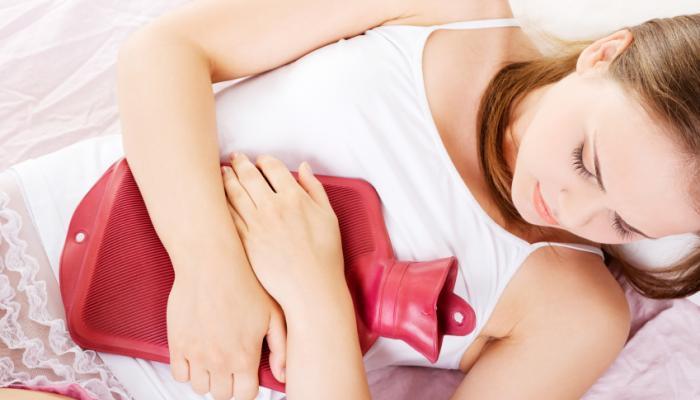
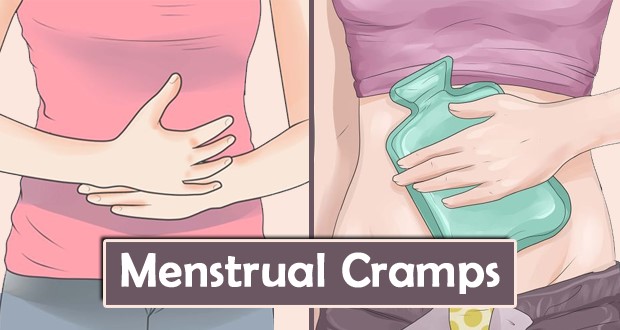
A hot water bag relaxes the contracting muscles in your uterus.
Make sure your hemoglobin level is within the normal range by including iron rich foods along with foods high in Vitamin C in your everyday diet.
An orgasm can help relieve all kinds of pains. Before an orgasm, the uterus is more relaxed, and during climax, blood flow increases, helping to relieve the cramps. The endorphins released after sex will make you feel better instantly.
Eat 2tbs of flaxseeds every day during periods reduces prostaglandin levels in the body.
Keep yourself hydrated during your period (and otherwise too!).
Exercise increases the blood flow, which calms the pain naturally.
Be happy, and you will feel your body responding better and dealing better with pain during your period.
Yoga Postures to relieve menstrual pain
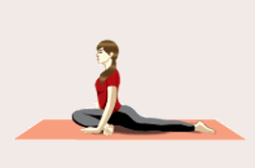
One Legged Pigeon Pose stretches the entire lower part of the body and stimulates the abdominal organs.
Matsyasana (Fish pose) is a backbend that stretches and stimulates the belly muscles.
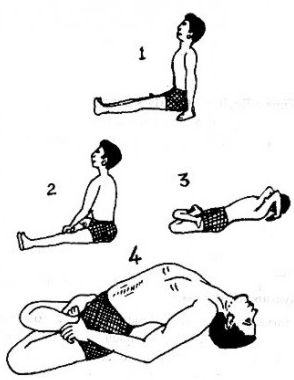
JanuShirasana (One-legged Forward bend) massages the abdominal organs.
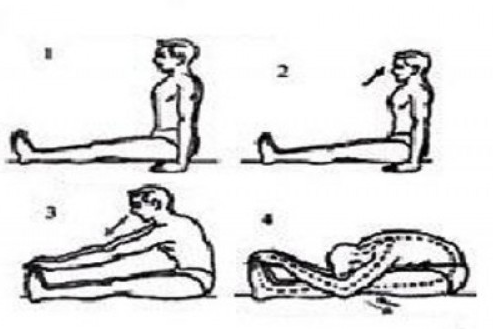
Dhanurasana (Bow pose) strengthens the abdominal muscles and stimulates the reproductive organs.
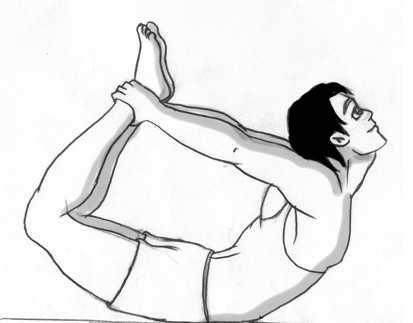
Bhujangasana (Cobra pose) stretches and tones the abdomen.
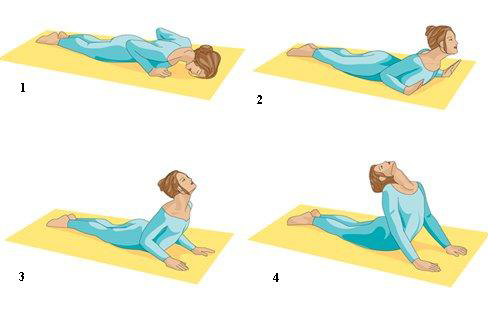
Ustrasana (Camel pose) stretches and opens the front of the body.
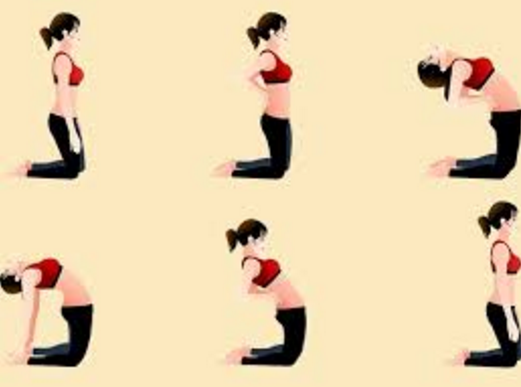
Yoga is one of the means to reach your goal of painless menstruation. Don’t forget to respect your body and give it time to overcome the pain.
We hope this article provides valuable insights into managing menstrual pain and helps you feel more empowered during your menstrual cycle. Remember, it’s essential to listen to your body and seek professional advice when needed. Do you have your own tips or experiences to share? Let us know in the comments below! For further information or guidance, reach out to our certified experts by subscribing to GOQii’s Personalised Health Coaching here.
#BeTheForce
Disclaimer: The information provided in this blog is for general awareness and educational purposes only. It is not intended to replace professional medical advice, diagnosis, or treatment. Always consult a qualified healthcare provider for personalised medical guidance or concerns related to your health.
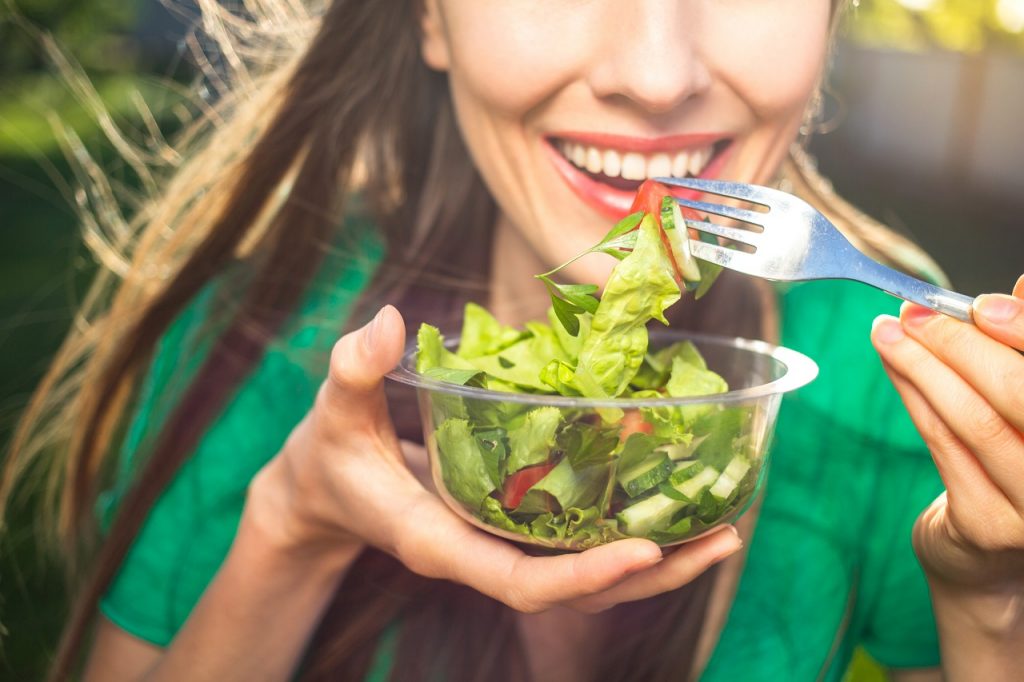 They say real beauty comes from within. Well, people may have different perspectives over this quote but in the opinion of a Nutritionist, what food you put inside your body, is what reflects on your skin! Ageing is a normal physiological phenomenon which starts from the inside out. This makes it imperative to take care of your diet to prevent the effects of ageing. With advancing age, the proteins and pigments of our skin start to deteriorate. However, with a healthy lifestyle and good nutrition, in the absence of disease, one can still manage to have a plump skin. Just like our emotional troubles can be seen on the face by the way of our expressions, the internal troubles of our body show up on the skin. If you feed your body with the right kind of food, it radiates right on the skin. Let’s look at some foods to get that younger looking skin you’ve always wanted!
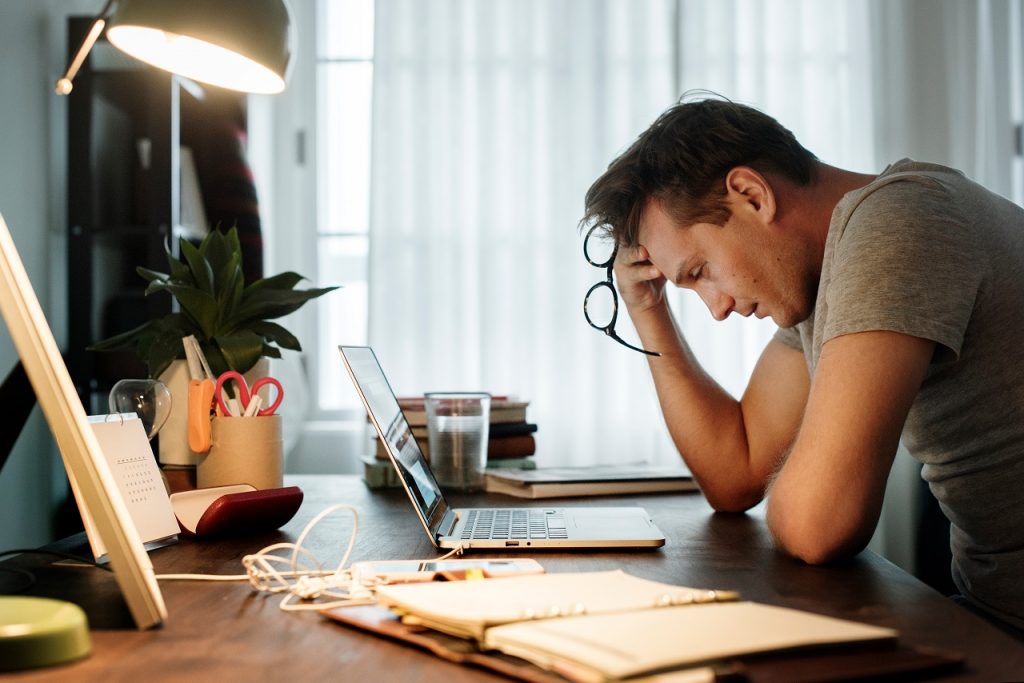 When it comes to stress, we often talk about work pressure, personal issues or chronic disease. But there are other elements that influence stress as well. For instance, in your experience, have there been times when you constantly feel tired but can’t explain why? You feel overwhelmed by situations you could handle easily? Do you find yourself drained of energy you may have enjoyed once upon a time? Have you struggled to get out of bed in the mornings even after sleeping for long hours? If this sounds familiar, there is a chance that you are suffering from something called ‘Adrenal stress” or “Adrenal Fatigue”. Simply put, your adrenal glands may be under-performing. All that chronic stress you have been masterfully coping with has finally caught up! Your adrenal glands are responsible for supporting you and sustaining a level of vigilance. Adrenal Stress happens when they show signs of strain.
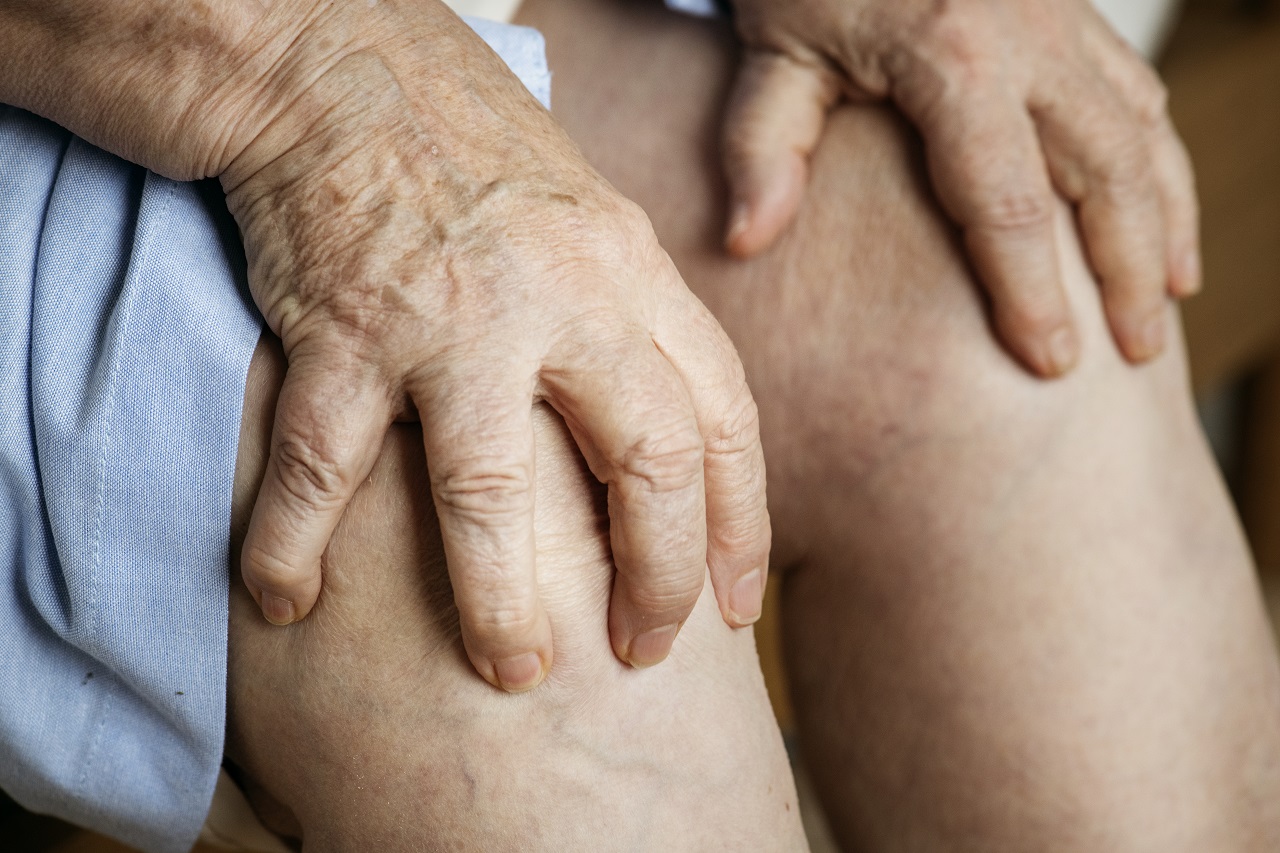 Arthritis is common and most people are aware of this medical condition. Among all types of Arthritis, Osteoarthritis is the most common form. It is a non-inflammatory degenerative condition of joints, characterized by degeneration of articular cartilage and formation of new bone that is called Osteophytes.