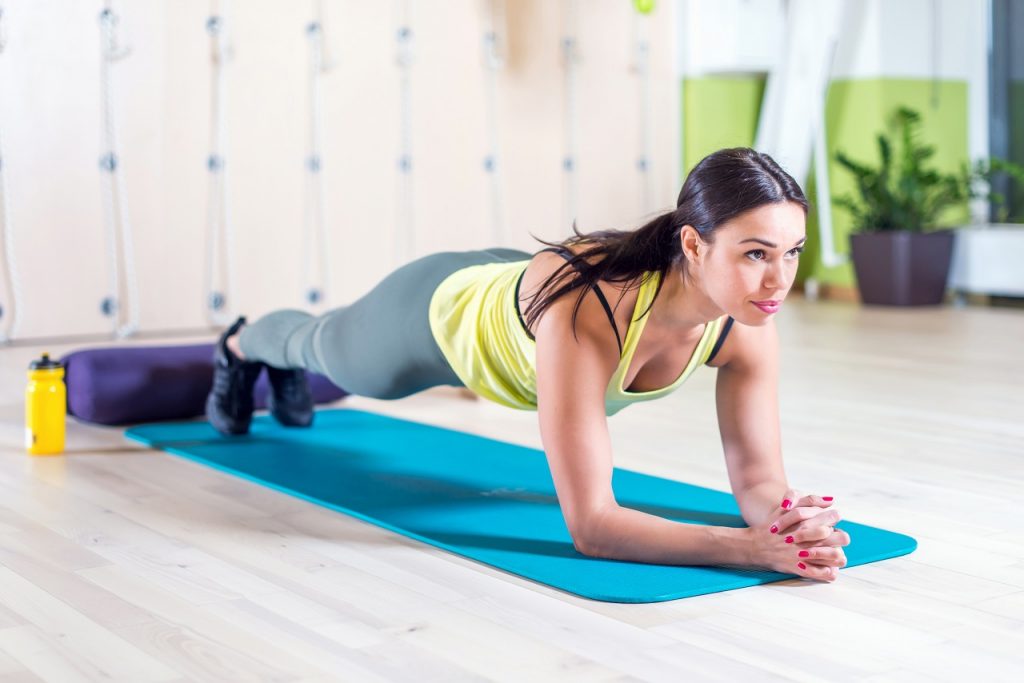
 The Big Question – Has the rainy season disrupted your workout routine?
Monsoon weather often makes it difficult to head outdoors. Waterlogged roads, cancelled gym sessions, slippery parks and unpredictable showers can quickly derail even the most consistent fitness habits.
The good news? You don’t need a gym or any equipment to stay active.
A short bodyweight workout performed at home can elevate your heart rate, strengthen your muscles and help you maintain your fitness until the weather clears.
Whether you’re a beginner or already exercise regularly, this quick indoor workout can help you stay on track throughout the rainy season.
Quick Answer – What is the best indoor workout without equipment?
A simple 15–20 minute bodyweight HIIT (High-Intensity Interval Training) workout combining movements like jumping jacks, squats, planks, mountain climbers and high knees can improve cardiovascular fitness, build muscular endurance and burn calories all without leaving your living room.
Why Indoor Workouts Matter During the Monsoon
Rain shouldn’t become an excuse to stop moving.
Indoor workouts help you:
- Stay consistent with your fitness routine
- Avoid slippery roads and outdoor injuries
- Reduce exposure to mosquitoes and waterborne infections
- Maintain cardiovascular fitness
- Improve mood and energy on gloomy days
Remember, consistency beats perfection.
Even 20 minutes of movement is far better than doing nothing.
What Is HIIT?
HIIT (High-Intensity Interval Training) alternates short bursts of higher-intensity exercise with brief recovery periods.
This style of training can help:
- Improve cardiovascular fitness
- Increase calorie expenditure
- Build muscular endurance
- Save time compared to longer workouts
The best part?
HIIT can easily be adapted for beginners by reducing speed, intensity or impact.
Before You Begin
A few minutes of preparation can reduce your risk of injury and improve workout quality.
Warm Up (3–5 Minutes)
Spend a few minutes preparing your muscles and joints with:
- Neck rolls
- Shoulder circles
- Hip rotations
- Ankle mobility exercises
- Marching in place
- Bodyweight squats
- Arm swings
A proper warm-up gradually increases your heart rate and prepares your body for exercise.
Wear Proper Footwear
Supportive training shoes help absorb impact and reduce stress on your ankles and knees, especially during jumping exercises.
Prioritise Good Technique
Move with control.
Proper form is always more important than speed or repetitions.
Choose Your Workout Level
The workout takes approximately 15–20 minutes, depending on your chosen level and rest periods.
|
Level |
Workout Time |
Sets |
Rest Between Sets |
|
Beginner |
10–15 min |
3–4 |
Up to 1 minute |
| Intermediate |
15–20 min |
2–3 |
Up to 2 minutes |
|
Advanced |
15–20 min |
2–3 |
Up to 2 minutes |
Beginner Workout
Focus on learning proper movement patterns and maintaining steady breathing.
| Exercise | Duration | Coaching Tip |
| Jumping Jacks | 20 sec | Land softly and keep your core engaged. |
| Marching in Place | 20 sec | Lift your knees comfortably without rushing. |
| Spot Jogging | 20 sec | Stay light on your feet. |
| Wide Squats | 20 sec | Keep your chest lifted and knees aligned with your toes. |
| Jumping Jacks | 20 sec | Maintain a comfortable rhythm. |
Rest: Up to 1 minute
Repeat: 3–4 rounds
Intermediate Workout
Increase intensity while improving core stability.
| Exercise | Duration | Coaching Tip |
| Jumping Jacks | 20 sec | Maintain steady breathing. |
| Plank | 20 sec | Keep your body in a straight line from head to heels. |
| Jumping Jacks | 20 sec | Stay light on your feet. |
| Plank | 20 sec | Avoid letting your hips sag. |
| High Knees | 20 sec | Lift knees toward hip height while pumping your arms. |
| Plank | 20 sec | Keep shoulders directly above wrists. |
| Mountain Climbers | 20 sec | Drive your knees forward without bouncing your hips. |
| Plank | 20 sec | Engage your core throughout. |
| Mountain Climbers | 20 sec | Maintain a controlled pace. |
Rest: Up to 2 minutes
Repeat: 2–3 rounds
Advanced Workout
Challenge your strength, endurance and coordination.
| Exercise | Duration | Coaching Tip |
| Jump Squats | 20 sec | Land softly with bent knees. |
| Shadow Boxing | 20 sec | Rotate through your torso rather than only your arms. |
| Jump Squats | 20 sec | Drive through your heels. |
| Burpees | 20 sec | Maintain control throughout each repetition. |
| Plank Crunches | 20 sec | Keep your hips level. |
| Burpees | 20 sec | Move smoothly without rushing. |
| High Knees | 20 sec | Maintain quick but controlled steps. |
| Shadow Boxing | 20 sec | Keep your core engaged. |
| High Knees | 20 sec | Finish strong while maintaining good posture. |
Rest: Up to 2 minutes
Repeat: 2–3 rounds
Cool Down (5 Minutes)
Recovery is just as important as the workout itself.
Spend 5 minutes:
- Walking slowly around the room
- Stretching your calves
- Stretching your hamstrings
- Stretching your quadriceps
- Stretching your chest and shoulders
- Practising slow, deep breathing
Cooling down helps your heart rate gradually return to normal and reduces muscle stiffness.
Recovery Tips
To maximise the benefits of your workout:
- Drink water after exercising.
- Eat a balanced meal containing protein and complex carbohydrates within a couple of hours.
- Aim for 7–9 hours of quality sleep each night.
- Allow your muscles time to recover between HIIT sessions.
Recovery is where your body adapts and becomes stronger.
Who Should Modify or Avoid HIIT?
HIIT may not be suitable for everyone.
Speak with your healthcare provider before starting if you:
- Are pregnant
- Have uncontrolled high blood pressure
- Have severe arthritis
- Have a recent injury or surgery
- Have uncontrolled heart disease
- Experience dizziness during exercise
If any movement causes pain, stop immediately and choose a lower-impact alternative.
Rainy weather doesn’t have to interrupt your fitness journey.
A quick indoor bodyweight workout can help maintain your strength, improve cardiovascular fitness and keep your momentum going even when stepping outside isn’t an option.
Remember, fitness isn’t built through occasional intense workouts it’s built through consistency.
Move a little every day, and your body will thank you.
Pro Tip: Want expert guidance without leaving home? Join live GOQii PRO fitness classes through the GOQii App and work out alongside certified trainers who can help you improve your technique, stay motivated and safely progress your fitness journey.
Frequently Asked Questions (FAQs)
- How often should I do HIIT?
Most adults benefit from 2–3 HIIT sessions per week, allowing at least one recovery day between sessions.
- Can beginners do HIIT?
Yes. Beginners should start with shorter sessions, lower-impact modifications and focus on proper technique rather than speed.
- Does sweating more mean I’m burning more fat?
No. Sweat is your body’s cooling mechanism and does not accurately reflect calorie or fat burn.
- Which burns more calories walking or HIIT?
HIIT generally burns more calories per minute due to its higher intensity. However, both walking and HIIT contribute to overall health, and the best exercise is the one you can perform consistently.
- Can I combine this workout with other activities?
Absolutely. On non-HIIT days, consider walking, yoga, mobility exercises or strength training to maintain an active lifestyle.
#BeTheForce!
Disclaimer: This workout is intended for educational purposes only and should not replace personalised medical or fitness advice. Consult your healthcare provider before starting a new exercise programme, particularly if you have an underlying medical condition, are pregnant or are recovering from an injury. Stop exercising immediately if you experience chest pain, dizziness, severe breathlessness or sharp pain.




I am getting fit because I don’t want to feel insecure about my body. I want to feel confident.
Very informative and knowledgeable post , Thanks for sharing this .