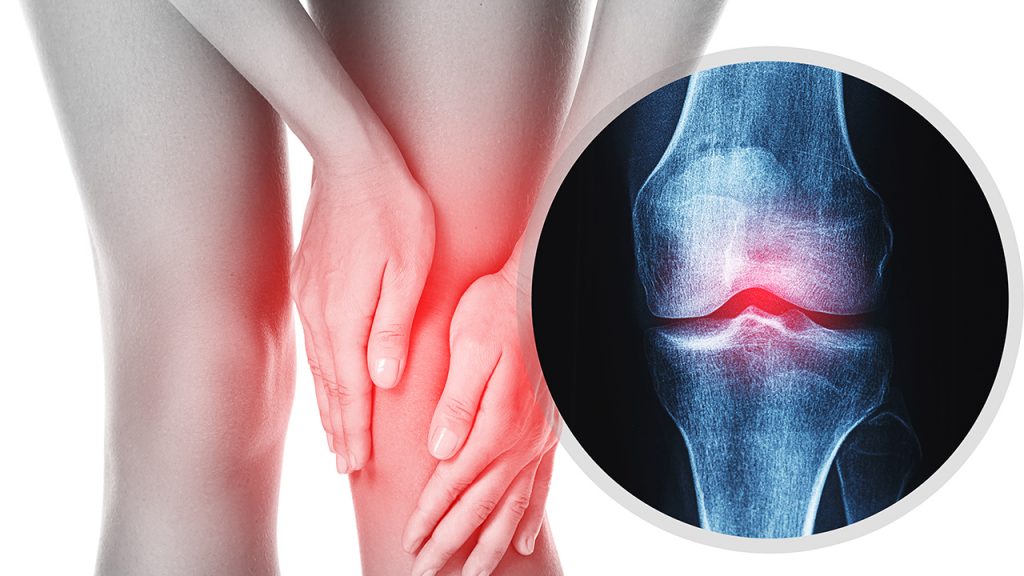
The Big Question: Why does menopause cause women to lose bone density so rapidly, and how can it be stopped?
Menopause is one of the most critical risk factors for rapid skeletal degradation in women. As estrogen levels plunge, the delicate biological balance between bone breakdown and bone rebuilding is severely disrupted. Estrogen naturally keeps osteoclasts (the cells that dissolve bone) in check while supporting osteoblasts (the cells that build bone matrix). Without this hormonal shield, bone breakdown outpaces rebuilding, leading to a swift drop in bone mineral density. Over time, this shifts the skeleton into states of osteopenia, osteoporosis, and high fracture risks. However, early intervention through progressive strength training, targeted nutrition, and regular tracking can preserve skeletal integrity and mobility for life.
A few months ago, one of my patients in her 60s slipped while walking and suffered a serious hip fracture. When I asked her what she thought caused the injury, she automatically replied, “It’s just old age.” I then asked her a completely different question: “If you had fallen exactly the same way 30 years ago, do you think you would have broken your hip?” She paused for a moment and said, “Probably not.”
That brief conversation highlights a profound medical truth. While ageing naturally impacts the human skeleton, menopause represents a sharp, aggressive turning point in a woman’s bone structure. Millions of women do not realize their bones are losing their internal scaffolding until they experience a sudden, agonizing fracture. This silent progression is exactly why osteoporosis is universally referred to as “the silent disease.”
Why Menopause Accelerates Bone Loss
Your bones are not static, dead structures. Throughout your life, they undergo a continuous, highly dynamic process of living renewal called bone remodelling. In a healthy body, old or micro-damaged bone tissue is systematically removed and replaced with fresh, mineral-rich bone tissue.
Estrogen plays an absolutely vital role in maintaining this skeletal equilibrium. It essentially regulates the lifespan of your bone-remodeling cells, slowing down excessive bone breakdown. As estrogen levels sharply decline during menopause, bone breakdown begins to drastically outpace bone rebuilding. Over time, this structural imbalance leads to a severe reduction in bone mineral density (BMD).
When Does Bone Loss Begin?
Skeletal thinning does not start overnight. Clinical research suggests that bone loss actually begins silently during perimenopause—the transition years leading up to menopause—and accelerates at an alarming rate during the first five to seven years after the final menstrual period. During this particular window, women can lose up to 20% of their total bone mass. The exact rate of degradation varies, dictated by factors like genetics, lifestyle habits, metabolic health, and past physical activity.
Major Factors That Compound Your Osteoporosis Risk
While the menopausal transition is the primary driver of bone thinning, several secondary risk factors can push your skeletal health into dangerous territory:
- Low Peak Bone Mass: Think of your skeleton as a retirement account. The stronger and denser you build your bones during early adulthood through proper loading and nutrition, the greater your reserve later in life. Women who entered their 30s with inadequate bone mass are much more vulnerable to osteoporosis later on.
- Early Menopause: Women who experience menopause naturally or surgically before the age of 45 face a significantly higher risk due to a prolonged, premature deficiency of estrogen.
- Certain Medications: The chronic, long-term use of oral corticosteroids (like prednisone), certain anti-seizure drugs, or specific cancer therapies can severely impair bone cell synthesis.
- Lifestyle Aggressors: Chronic physical inactivity, poor sleep quality, smoking, and high alcohol intake heavily hinder the body’s natural cellular repair mechanisms.
The 4 Pillars of Bone Health During Menopause
To successfully defend your skeletal independence, you must transition your daily routine toward four science-backed pillars of prevention.
-
Discuss Bone Density Screening With Your Doctor
Because osteoporosis develops completely behind the scenes without a single ache or pain, proactive clinical screening is your best line of defense. A DEXA (Dual-Energy X-ray Absorptiometry) scan is a quick, non-invasive imaging test that measures your exact bone mineral density and calculates your future fracture risk.
You should prioritize speaking with your healthcare provider about a diagnostic DEXA scan if you are postmenopausal, have a maternal family history of osteoporosis, experienced early menopause, or have previously broken a bone from a minor fall. Early detection allows your doctor to discuss preventative medical interventions, such as Hormone Replacement Therapy (HRT) or bone-building therapies, before an injury occurs.
-
Prioritize Strength Training and Weight-Bearing Exercise
Exercise is a highly potent biological stimulus for bone preservation. When you engage in weight-bearing activities, the mechanical stress traveling through your muscles forces your bones to adapt by drawing in more minerals to thicken their walls.
Excellent everyday weight-bearing options include brisk walking, climbing stairs, hiking, and controlled dancing. However, to maximize protection, you must pair these with progressive strength training. Lifting weights or working with resistance bands pulls directly on the bone matrix, which preserves both bone density and lean muscle mass.
Aim for at least 30 minutes of weight-bearing activity most days of the week, coupled with two to three dedicated strength-training sessions weekly to secure long-term mobility and healthy ageing.
-
Maximize Your Calcium and Vitamin D Synergy
Calcium is the structural building block of your skeleton, but it cannot do its job alone. Your body requires adequate levels of Vitamin D to actively absorb calcium from your gut and deposit it into your bones.
| Clean Calcium Sources | Active Vitamin D Sources |
| Milk, curd, and paneer | Safe, midday sun exposure (primary source) |
| Calcium-rich grains like Ragi | Fatty fish (salmon, mackerel, tuna) |
| Sesame seeds and almonds | Whole egg yolks |
| Dark green leafy vegetables | Quality, fortified foods |
Most postmenopausal women require approximately 1,200 mg of calcium daily. If you suspect you are falling short, look into correcting a potential vitamin D deficiency first through food and sunlight, and consult your doctor to see if targeted supplementation is necessary.
- Optimize Protein Intake and Balance Training
Dietary protein is frequently left out of the bone health conversation, which is a major nutritional mistake. Over 50% of your bone volume is made of a protein matrix (mostly collagen). Ensuring an optimal protein intake during and after menopause is absolutely vital for maintaining the structural framework of your bones, preserving muscle strength, and accelerating tissue recovery.
Simultaneously, you must actively train your nervous system to prevent falls in the first place. Incorporating balance-focused movements into your weekly routine significantly improves your stability, spatial awareness, and confidence. Excellent options include:
- Yoga and Tai Chi (which improve joint proprioception)
- Unilateral strength movements (like single-leg stands or lunges)
- Core stabilization exercises
Additional Lifestyle Adjustments to Protect Your Bones
- Quit Smoking Immediately: Nicotine is a direct cellular toxin to osteoblasts (bone-building cells) and speeds up estrogen breakdown in the body.
- Moderate Alcohol Intake: Excessive alcohol consumption disrupts calcium absorption in the gut and impairs the liver’s ability to activate Vitamin D.
- Maintain a Stable, Healthy Weight: Being chronically underweight severely starves your bones of nutrients and deprives your skeleton of the healthy mechanical loading it needs to stay dense.
Menopause will naturally alter your hormonal profile, but severe bone thinning and fractures are not an inevitable cost of growing older. By taking command of the four foundational pillars—clinical screening, progressive strength training, mineral-protein synergy, and proactive balance work—you send a powerful signal to your body to keep your skeleton strong, resilient, and independent for decades to come.
Pro Tip: Building a bone-safe lifestyle requires consistency. Use the GOQii App to log your daily physical activity, track your calcium-heavy meals, and monitor your restorative sleep habits. You can share this comprehensive data with your GOQii Personalised Health Coach to design a customized, joint-safe strength and nutrition plan built exactly for your needs!
Frequently Asked Questions (FAQs)
- Is bone loss during menopause reversible?
While you cannot entirely reverse the natural, age-related structural changes of an aging skeleton, you can absolutely halt or dramatically slow down the progression of bone loss. Through a dedicated combination of resistance training, optimal nutritional synergy, and medical treatments (such as HRT or bone-density medications) when clinically indicated, you can noticeably improve your bone mineral density.
- How much calcium do women need after menopause?
Most postmenopausal women over the age of 50 require roughly 1,200 mg of calcium per day. It is highly recommended to meet this target through whole food sources like dairy, ragi, and leafy greens first, as dietary calcium is absorbed much more efficiently by the body than pill supplements.
- What is the single best exercise for preventing osteoporosis?
There isn’t just one; the gold standard is a combination of progressive resistance training (lifting weights) and high-impact or weight-bearing aerobic exercise (like brisk walking or stair climbing). Resistance training creates localized muscle pull that thickens the bone, while weight-bearing movement stimulates global skeletal remodeling.
- Why are hip fractures considered so serious in older adults?
Hip fractures almost always require major emergency surgery followed by prolonged periods of forced bed rest. This sudden immobility can cause rapid, severe muscle wasting, a drastic drop in cardiovascular fitness, and heavily increases the vulnerability to secondary, life-threatening complications like deep vein thrombosis (blood clots) or pneumonia.
#BeTheForce
Disclaimer: This article is intended for educational and informational purposes only. It is not intended to replace professional medical advice, diagnosis, or treatment. Always consult a qualified healthcare provider for personalised medical guidance or concerns related to your skeletal health.
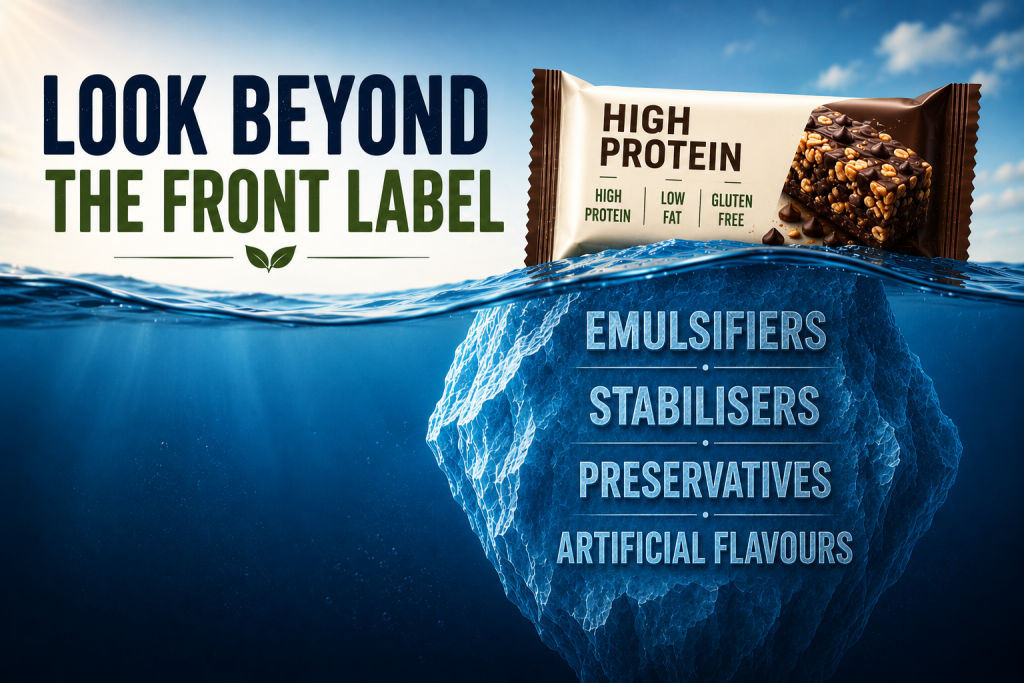 The Big Question: How do highly processed foods and hidden additives affect long-term gut health?
 The Big Question: How does cycling benefit both the environment and human longevity?
 Getting out of the house has been a task because of the heat. Venturing out means sweating profusely or being dehydrated due to lack of drinking water at continuous intervals. Want to take some extra precautions to keep your body cool and healthy? Try these healthy and refreshing summer coolers to keep you cool and ward off the heat!


