GOQii

Blog

  • HOME
  • HEALTHY LIVING
  • FITNESS
  • HEALTHY RECIPES
  • USER STORIES
  • KARMA
  • BUY GOQii

Search Results for: tea

January 4, 2024 By Trishala Chopra 3 Comments

How much cardio should you do?


cardio exercise


CARDIO- The only form of exercise which has grabbed everybody’s attention and why not, almost all the common activities are a form of cardiovascular exercise.

Whenever I ask someone about what exercise you do throughout the day- their reply is mostly WALKING. Hours of walking sometimes.

So, what does cardio include?

  • Walking (As already mentioned above)
  • Running
  • Swimming
  • Cycling
  • Aqua-aerobics
  • Aerobics
  • Zumba
  • Rowing
  • Boxing

I have seen people concentrating only on cardio exercises for years without any change in their routine. Some people consider themselves to be fit with simply walking.

Fitness is measured by different things and not just your overall structure.

As a part of your fitness routine, these 3 components are very important which is as follows: –

  • Cardiovascular exercises
  • Strength training exercises
  • Flexibility exercises

None of the components can be skipped.

All these 3 components are very important for a proper fitness regime.

The question which I always get is (which also became an idea to write this article) how much cardio should I do?

And my answer is (Always), you should actually ask how much of these 3 components I should do?

Well, I will be covering all these 3 components in 3 separate articles so for now, I will be concentrating on cardio.

So, going back to the question which I always get, I wish I had an answer to that which could be as simple as

Do 60 minutes a day or maybe 150 minutes a week!

But being a healthcare professional, I cannot give a generic answer.

In fact, that question has no specific answer.

The amount of cardio which should be done completely depends upon these 4 factors: – (Ps: – Please read all the factors before you come to a conclusion for yourself)

cardio ex1

(1) It depends on what you are aiming at.

Well, not everybody needs weight loss! Some people might be looking for muscle gain while someone else might need to run a marathon.

So, does that mean all of them will be doing 150 minutes of cardio per week?

Definitely not!

Along with the aim, you also need to know about your metabolism.

Metabolism is the rate at which your body needs calories while resting.

So, for a person who wants to lose weight will probably be needing a lot of cardio but for someone who wants to build muscle- the amount of cardio which you require completely depends on your metabolism. If you have a fast metabolism then you don’t need any cardio but if your metabolism is slow then you need to do some amount of cardio.

Someone who is into different sports like shot put or powerlifting or sprinting might require very little cardio.

Why am I targeting these 2 categories first?

It is because losing weight and gaining muscles are totally different things to talk about. For your body as well, it becomes a very confusing state because the body cannot do 2 things simultaneously. However, with proper training, it does become possible sometimes.

Then, what about fat loss? How much cardio should one do?

If losing weight is your only goal then it is okay to put your focus more on cardio and neglect the muscle gain part.

You just work on not losing muscles while you are losing your fat.

This can be achieved by 2 times a week strength training and adequate proteins in your diet.

What If someone is a marathoner? How much cardio should one do?

It also includes a good amount of cardio and minimum strength training but flexibility here is very important. It can all be divided throughout the week with a focus more on cardio and other endurance sports.

Although I don’t like putting anything in a restricted way I guess I can do with sharing some guidelines about the first factor which I have discussed in brief above so that it becomes easier for everyone to understand.

  • Building muscle + Fast metabolism = No cardio
  • Building muscle + Slow metabolism = 2-4 days per week with about 20-30 minutes every day.
  • Losing fat = 5-6 times per week with about 45-60 minutes every day
  • Marathoner= 4-6 times per week with about 30-60 minutes every day

*This is very generic; the requirement might differ in each person but this can be used as a guideline to work upon.

(2) State of your hormones

Well, the most common problem which most of us are facing is WEIGHT GAIN or UNABLE TO LOSE THE EXISTING WEIGHT which ultimately makes you hit the gym and your trainer will suggest you do cardio. He or she will decide the plan and everyone blindly follows that plan. But, do you think everybody needs exactly the same amount of cardio?

When your weight becomes a problem the hormone which comes into the picture is CORTISOL.

Cortisol is a hormone which is released all the time in the body but most commonly it reaches its peak under extreme stress. When the stress is often short-term like some assignment to complete or some exams to give then the graph of cortisol keeps fluctuating but when the stress becomes long term which goes on for months and years then the gland which produces cortisol is adrenal glands that starts burning out which means there won’t be enough cortisol which is produced. Well, none of this is good. Neither LOW nor HIGH. Everything goes well in balance.

So now that was about the theory, let’s understand how to practically apply it.

Symptoms of cortisol imbalance: –

  • Rapid weight gain
  • Muscle weakness
  • Chronic fatigue
  • Mood swings
  • Anxiety
  • Depression
  • Confusion
  • Insomnia
  • Fluctuating sugar levels


How to know about your cortisol imbalance?

  • It is important to do a stress test first and then go for the lab reports and get your 8 am cortisol checked.
  • Visit an endocrinologist with your reports.

 How much cardio should you do if your cortisol levels are not up to the mark?

  • Under 60% of your maximal heart rate.

How to calculate your maximal heart rate?

  • 220 – your age= maximal heart rate

For example: –

Person who is 40 years of age,

220-40= 180 (Maximal heart rate)

60% of 180 = 108 beats per minute.

  • You should not cross 108 beats per minute while doing cardio in any case.
  • You must strictly monitor it and get yourself a personal trainer/coach who can help you understand this.

Why are we discussing cortisol imbalance and what is the reason behind reducing your cardio activities in such cases?

treadmill-2581437_640

  • All the exercise puts the body into some stress. This stress can affect stimulation of different hormones.
  • When you do steady cardio like a treadmill or cycling your body increases cortisol and reduces other hormones like growth hormone.
  • When you do interval training your body increases cortisol and growth hormone
  • When you do strength training with moderate repetition and sets your body increases growth hormone and cortisol by a small margin.
  • When you do strength training with heavy repetition and sets your body increases testosterone (Which is mostly seen in bodybuilders)

I have given you an in-depth reason here so that you can understand that doing cardio under any stress will increase the complication even more and will do no good to your body.

So before getting into intense workouts, check your cortisol levels.

If everything is okay then you can do the cardio as discussed above.

(3) Depends on your intensity

Whenever I try getting the history about exercises, I get to hear this very often: –

” I do cardio for about 1 and half hours in the gym but I am not getting any results “

” I walk for about 2 hours a day, one hour in the morning and one hour in the evening but I don’t think it is helping”

Well, the basic point to this is,

YOUR DURATION DOESN’T MATTER.

WHAT MATTERS IS- YOUR INTENSITY.

You can work out for just like 15 minutes and still get the same effect as you might get it from longer duration.

Since a couple of months, I often see people talking about high-intensity workouts, low-intensity workouts. I was actually very curious to know their definition of these workouts. I was actually very surprised to know that out of 10 people not even 2 of them knew what exactly it is. They were talking about it because they read it on the internet or their trainer told or something else. You don’t need to be a doctor or personal trainer or a certified health expert. You as a common man to have the rights to know, after all, you are the one who is actually, going to follow that advice. Well, writing this article in this depth is just for everyone to understand the basics behind all the theories which are coming up.

So, coming back to the theory behind intensity.

What is a low-intensity workout?

  • Under 60% of your maximal heart rate (How to calculate it is mentioned above) is a low-intensity workout.
  • These intensity workouts will not increase the endurance but do have relaxation benefits.

What is moderate intensity workout?

  • In between 60-85% of your maximal heart rate is moderate intensity workout.
  • This is a basic workout if your goal is to lose fats.
  • Start with 3-4 times per week and for 30-45 minutes
  • This is just about cardio however in this routine strength training is also required which will be covered in the upcoming article.

What is a high-intensity workout?

  • Anything above 85% of your maximal heart rate is high-intensity workout
  • This can be maintained only for about 1-4 minutes before your speed drops and then gradually goes ahead.
  • Start with 2-3 times per week for about 20 minutes.
  • This course will include proper strength training also which will be covered in upcoming article

Note: – High-intensity workout is not suggested for anybody who has not done any cardio exercises for past 4 months, for someone who has serious cardiac issues. Please consult your doctor before getting into these kinds of workout. Inform your coach and coaches too can take this as a basic part of history taking.

(4) Depends upon how well your response to cardio exercises.

  • As I mentioned in the beginning of the article, every individual is different and there is no same answer to HOW MUCH CARDIO YOU SHOULD DO?
  • It all depends on your responses which can vary from person to person
  • I can simply guess that maybe you require this much workout but I am never sure about it unless I check the response for minimum 15 days.

My players always ask me that why do I give the workouts for 15 days and then think so much for the next set of workouts. Sometimes it so happens that I refuse to change the workout and make then repeat it for 15 days. I know it’s annoying, like very annoying but it is better than any serious injury. Unless I am sure about the responses and progress I do not go ahead in case of workouts.

This article only gives you insights about CARDIO but your workout routine is incomplete with strength training and flexibility.

My next blog is HOW MUCH STRENGTH TRAINING YOU NEED TO DO?.

We hope this article helps you. For further information or guidance, reach out to our certified experts by subscribing to GOQii’s Personalised Health Coaching here.

#BeTheForce

December 30, 2023 By Mubasheera Chaiwala Leave a Comment

24 things to do in 2024

As the dawn of 2024 approaches, it’s time to embrace a year of transformation with open arms and an open heart. This is not just another lap around the sun but a fresh canvas awaiting our colorful strokes of change. It’s a call to action, a challenge to ourselves to make the most of every moment with 24 enriching activities that promise to enhance our well-being, expand our horizons, and enrich our lives. From the simplicity of saving a few rupees to the grandeur of exploring uncharted territories, each task is a step towards a more fulfilling year. So, let’s embark on this journey of self-improvement and make 2024 a testament to growth, health, and happiness.

  1. Save money – even if it is just Rs. 50 daily but get a piggy bank, start saving from 1st day of 2024.
  2. Try different foods – there are so many varieties – Indian as well as exotic that we haven’t even heard or seen before. Do give them a try!
  3. Leave 1 bad habit – Changing unhygienic habits, Shouting / yelling at anyone or something more challenging.
  4. Plant a seed – Lazy ones should try, as it makes you responsible, you learn something new and are a part of making an ecofriendly surrounding.
  5. Feed any animal – If you can’t pet an animal, try doing this. Get a packet of biscuits every evening to feed the stray dogs outside your colony. Feeding milk to cat or water and grains to the birds also can be done.
  6. Gift your self – treat yourself with something you have been wanting since weeks.
  7. Self-Health Care – we don’t even bother to go for a checkup unless and until we have a problem. This year we are going to make a difference.
  8. 1 hour no phone – this 1 hour is your “me time” in this hour you can revise your whole day / meditate / prepare yourself for the upcoming day / do whatever you like.
  9. Start reading again – And I mean paper back books, not a Kindle.
  10. Some healthy intake – chamomile / green tea / moringa powder / ACV / 1 tsp ghee – trust me you will not regret this decision !
  11. Do what you have not done before – I am going to try aerial yoga this year. You can do anything that you have never done before.
  12. Walk – I don’t have to brief the benefits here, you do it and you will see a change in your overall health !
  13. Weekend activity – I am going to learn driving this year on weekends, why don’t you try swimming, cooking or dancing ??
  14. Go on a vacation – 2024 demands growth, so lets decide to explore a new city or country this year !
  15. Develop 1 spiritual habit – This way you are going to sync your health and energy with the universe.
  16. Family Time – try to have atleast 1 meal with your family daily with talks and no electronics around.
  17. Call that long lost friend or cousin of yours and bond again over a cup of Chai and Charcha!!
  18. Learn a new language/ word daily – send your brain to the gym.
  19. Keep yourself well hydrated – I mean by water, not caffeine or alcohol!
  20. Revise your diet before you enter 2024 – see where you are going wrong and do not repeat that mistake again in 2024. take baby steps to correct your plate and palate
  21. Do nothing for the whole day!
  22. Do not buy this – Check your list of things you’ve bought frequently this year and avoid buying them next year completely.
  23. Get sunlight – Investing 10 mins daily to get a sun bath.
  24. If you are procrastinating something – 2024 is the right time to do it!

As we bid adieu to a year spent well, committing to 24 life-affirming activities, we reflect on the progress we’ve made. Each small change, from the coins clinking in our piggy banks to the new languages that now dance on our tongues, has contributed to a larger metamorphosis. Our endeavors in 2024 have not just been tasks ticked off a list but milestones on a journey of personal evolution.

We stand at the threshold of the future, not as the people we were, but as the sum of our experiences, our learned habits, and our savored moments. Let’s carry forward this spirit of proactive living and make every year better than the last. Here’s to a 2024 well-lived, and to the many more years that will echo the positive changes we’ve embraced!

#BeTheForce

December 14, 2023 By Vandana Juneja 8 Comments

8 Simple and Effective Winter Skincare Tips

winter skincare tipsWith winter around the corner, we all look forward to the beautiful, exciting days ahead! Despite the cold weather, winters bring a warm feeling that compels us to spend time with friends, family, outdoor picnics, get-togethers coupled with good food and warm drinks! Ah! You get the picture. As with all good things, there’s a flip side to this weather as well. It can be really harsh on your skin, hair and overall health. Ideally, you need to change the way you take care of yourself during this season and that’s why we’re here! We’ll be focusing on a few simple winter skincare tips to help you take care of your skin and keep it moist and supple all season long.

1. Moisturize Your Skin Well

The atmospheric humidity drops drastically during winter and so does the water content in our skin. We need to protect it well with a heavy moisturizer and use it more frequently. Be cautious while picking a moisturizer as you may need to seek advice from a dermatologist to ensure it suits your skin type. For instance, if you have dry or combination skin, you might want to use an oil-based moisturizer instead of a water-based one. 

Moisturizers with ingredients such as safflower oil, soybean oil, sweet almond oil, carrot oil, Shea butter will provide sufficient moisture and nourishment to the skin. Moisturize often, at least twice a day. You can even apply oils such as coconut oil, olive oil and mustard oil 10 or 15 minutes before bathing. This will give your skin a protective layer and not let the hot water remove moisture from the skin.

In case you have oily skin, you may not feel the need to moisturize your skin but when the tightness, dryness and itchiness are apparent, start moisturizing! Your hands will need extra care, especially after each wash. Use a hand cream and massage your hands well. Wearing waterproof gloves when washing dishes or cleaning around the house will also keep them in good health.

2. Apply Sunscreen

winter skincare tipsUsing Sunscreen during winter! What? Well, even in winters, the UV Rays are powerful enough to damage and age your skin. Before you step outside, apply a moisturizing, broad-spectrum sunscreen with an SPF of 15 or higher to all exposed areas of your body. To know which sunscreen you should pick, click here. 

3. Keep Yourself Well Hydrated

Water is essential to keep your cells full and hydrated, reducing the risk of skin conditions like chapping, peeling, irritation, itchiness etc. Water also helps remove toxins or impurities from our body giving a smooth and flawless texture to the skin. Dull skin is another common winter issue, due to dry air, in-room heating and lack of hydration. Keep your skin glowing by drinking at least 8-10 glasses spaced out through the day at regular intervals even if you don’t feel thirsty.

4. Eat Good Food

Skincare means nourishing the body from the inside too. Foods rich in Vitamin A, C and E, plus Omega-3 Fatty Acids are especially beneficial to keep the skin healthy, acquire and retain moisture. Foods you should include in your daily diet are Citrus fruits like oranges, grapefruit, Indian gooseberry (Amla), broccoli, carrots, avocados, spinach, blueberries, nuts and seeds, olive oil, and coconut oil. Green tea is also rich in antioxidants which eliminate free radicals and reduces flaky skin. Dark chocolate is also one of the best foods to keep your skin glowing during harsh winters.

5. Get Active!

Shrug off the winter chills by keeping your energy levels up by staying active! Exercising regularly improves blood circulation and removes toxins from our system. This helps keep the skin healthy, beside other numerous health benefits. Don’t wait till New Years to join a gym. Start now!

6. Use Warm and not Hot Water to Bathe

Avoid bathing with steaming hot water. Instead, use lukewarm water and reduce the time spent to bathe. Hot water dehydrates your skin and strips it off the natural protective oils. Whereas lukewarm water seals the moisture inside the skin. You can even add a few drops of oil, honey or milk to the water.

7. Cover Yourself Well

winter skincare tipsRemember to cover yourself up well before moving out to avoid overexposure to the cold air. Use scarves, hats, gloves, etc. to cover your head, neck and hands. If your skin is already irritated, avoid synthetic woolens and use soft, comfortable and loose-fitting clothes instead.

8. Comfort is Everything

Many winter fabrics cause skin irritation, making it dry and itchy. Try and avoid direct contact with the skin. Wear comfortable, breathable fabrics underneath and then layer it with heavy, warm clothes to avoid irritation to the skin.

Even after following the above tips, if you still experience irritation, redness and dryness on your skin, seek medical advice immediately. Most importantly, don’t forget to enjoy the winters!

We hope this article helps you. For further information or guidance, reach out to our certified experts by subscribing to GOQii’s Personalised Health Coaching here.

#BeTheForce 

December 11, 2023 By Kusum Soni Leave a Comment

Can You Reverse NAFLD With Dietary Changes

NAFLD

Liver is the largest gland in the human body and is also known as the Chemical Factory of the body. More than 500 vital functions have been identified with the liver, ranging from fighting infection, breakdown of fats, filtering blood of toxins, storing vitamins, iron, to manufacturing proteins and hormones, and helping clot your blood. Like any other organ in the body, this busy organ can also have issues, which is a condition called Non-alcoholic fatty liver disease (NAFLD). Normally, the liver stores some fat. However, in some cases when the liver stores more than healthy fat, that extra fat causes inflammation, which is known as NAFLD. 

Usually, there are no symptoms of NAFLD in the early stages. When it does, they may include, enlarged liver, fatigue or pain in the upper right abdomen. In most cases, fatty liver disease is diagnosed after blood tests show elevated levels of liver enzymes released from damaged liver cells, namely Alanine aminotransferase test (ALT) and aspartate aminotransferase test (AST).

Luckily, lifestyle changes such as dietary intervention and increased physical activity are the first-line treatment and support not only for NAFLD but also associated diseases such as obesity, insulin resistance, diabetes and dyslipidemia. And, gradual weight loss can take the pressure off the liver, allowing it to regenerate itself.

Dietary Changes To Reverse NAFLD

1. Complex Carbs
Complex Carbohydrates are packed with dietary fibre and micronutrients which help in appetite regulation as it takes longer to digest plus DF prevents absorption of fats in the intestine, thereby helping you lose weight, and also lowering the amount of fat in your liver.

  • Include Whole Grains in the form of chapati, upma, dosa, idli, porridge, khichdi, etc.
  • Include sprouted or boiled whole pulses.
  • Seasonal vegetables and Fruits.
  • Reduce sugar intake as it stimulates de novo lipogenesis and finally development of nonalcoholic fatty liver disease (NAFLD) & nonalcoholic steatohepatitis (NASH). So, replace packaged drinks with fresh coconut water/lime water; biscuits with nuts/roasted chana; reduce tea quantity to half cup every time you drink and no sauce/jam /salad dressing .
  • Soluble fiber Supplementation 

2. Fats
Increased fat intake has been linked to insulin resistance, impaired postprandial lipid metabolism and the development or progression of NAFLD. So, reduce intake  of ‘Visible fat’, & try to limit oil/fat intake to less than 500 ml/person/month. Choose Extra Virgin/Filtered /kachhi ghani oils (mustard, sesame, groundnut, Olive oil, Canola oil etc.) in place of refined oils to have anti-inflammatory and insulin sensitizing effects.

  • Complete No for Trans fatty acids and saturated fats . So, no fried or gravy foods/eating out /packaged food.
  • Choose healthy Invisible Fats rich in Omega 3 fatty acids such as nuts, avacado, flaxseeds, chia seeds, sabja seeds, etc.

3. Protein Source
A fair increase in protein intake combined with a low-GI diet, is associated with improved weight-loss maintenance due to its satiating effect and increased thermogenic effect of protein metabolism. So, include options like nuts, low-fat dairy, beans, whole pulses, fish, and poultry, sprouts/roasted chana/nuts/ Sattu drink, nuts smoothie (without sugar), etc. Cut meat intake to once a week. Prefer white/lean meats such as fish/poultry. And completely avoid Red meats as they are high in cholesterol & saturated fats because many studies have associated it with increased risk of liver related diseases and cancer, whereas white meat has been associated with reduced risk.

4. Herbs and supplements
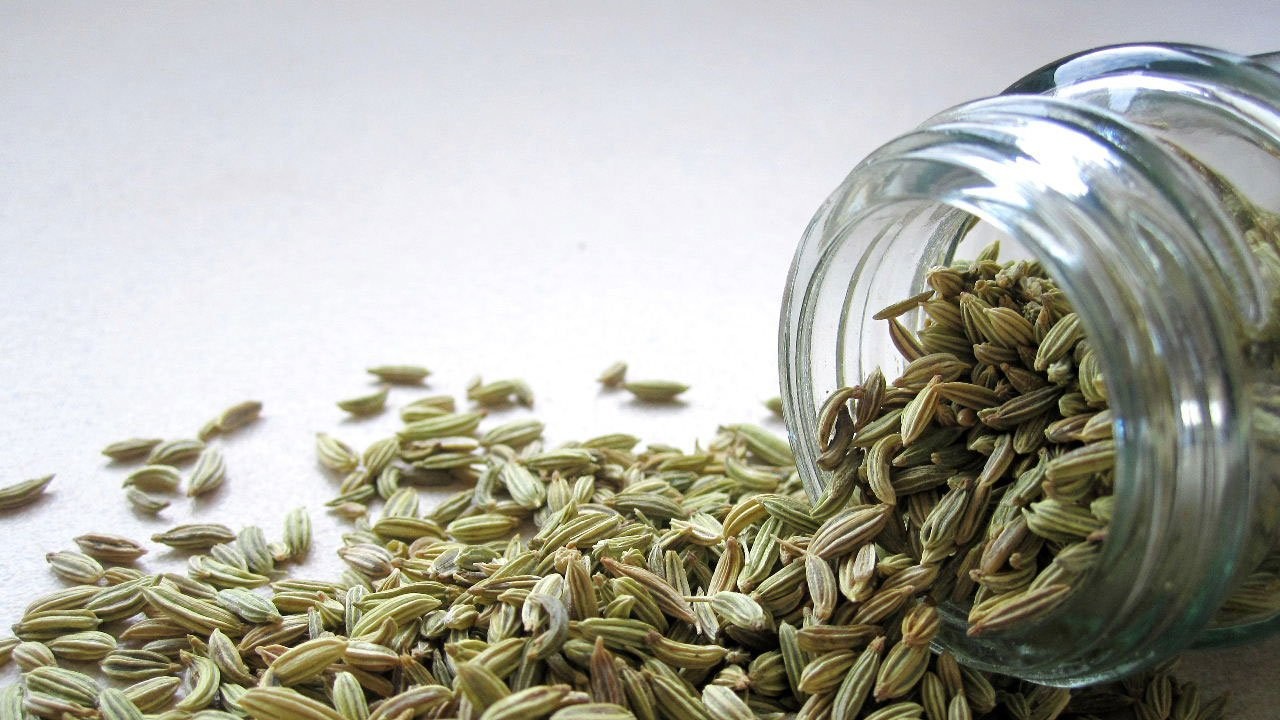
Certain herbs and supplements have shown to play a key role in glucose and fat metabolism, insulin signalling, and energy balance, thereby helping in reversing the fatty liver condition. This may include Apple Cider Vinegar, Fenugreek Seeds, Flaxseed, Nigella Seeds, Milk Thistle, Coffee, Quercetin, Resveratrol etc. 

Having discussed the dietary changes, this journey is incomplete without the inclusion of at least 30 mins of physical Activity, 4-5 days a week, management of  Sleep and Stress issues. Do consult your dietitian/nutritionist to help fine-tune your diet so you are not aggravating your condition.

We hope this article helps you reverse NAFLD. Do leave your thoughts in the comments below. For more information to help you reverse NAFLD, check out Healthy Reads or speak to a certified expert by subscribing to GOQii’s Personalised Health Coaching here. 

#BeTheForce 

  • « Previous Page
  • 1
  • …
  • 81
  • 82
  • 83
  • 84
  • 85
  • …
  • 210
  • Next Page »

Search

Recent Posts

  • 10 Everyday Habits That Could Be Hurting Your Health
  • Why Good Nutrition Matters: Benefits of Healthy Eating for a Healthy Life
  • Monsoon Health Tips: How to Boost Your Immunity During Seasonal Changes
  • Yoga for Healthy Ageing: Simple Practices to Add Life to Your Years
  • Calming Your Mind: Breathing Techniques for ADHD

Stay Updated

Archives

  • June 2026 (22)
  • May 2026 (20)
  • April 2026 (24)
  • March 2026 (18)
  • February 2026 (14)
  • January 2026 (14)
  • December 2025 (19)
  • November 2025 (15)
  • October 2025 (20)
  • September 2025 (6)
  • August 2025 (6)
  • July 2025 (11)
  • June 2025 (18)
  • May 2025 (16)
  • April 2025 (22)
  • March 2025 (27)
  • February 2025 (21)
  • January 2025 (25)
  • December 2024 (22)
  • November 2024 (23)
  • October 2024 (20)
  • September 2024 (23)
  • August 2024 (29)
  • July 2024 (20)
  • June 2024 (25)
  • May 2024 (26)
  • April 2024 (27)
  • March 2024 (27)
  • February 2024 (23)
  • January 2024 (21)
  • December 2023 (14)
  • November 2023 (10)
  • October 2023 (19)
  • September 2023 (22)
  • August 2023 (18)
  • July 2023 (21)
  • June 2023 (23)
  • May 2023 (20)
  • April 2023 (19)
  • March 2023 (23)
  • February 2023 (19)
  • January 2023 (15)
  • December 2022 (11)
  • November 2022 (15)
  • October 2022 (15)
  • September 2022 (12)
  • August 2022 (10)
  • July 2022 (17)
  • June 2022 (11)
  • May 2022 (10)
  • April 2022 (6)
  • March 2022 (6)
  • February 2022 (13)
  • January 2022 (11)
  • December 2021 (7)
  • November 2021 (3)
  • October 2021 (6)
  • September 2021 (3)
  • August 2021 (8)
  • July 2021 (7)
  • June 2021 (15)
  • May 2021 (16)
  • April 2021 (10)
  • March 2021 (7)
  • February 2021 (4)
  • January 2021 (4)
  • December 2020 (3)
  • November 2020 (4)
  • October 2020 (10)
  • September 2020 (3)
  • August 2020 (3)
  • July 2020 (2)
  • June 2020 (4)
  • May 2020 (10)
  • April 2020 (12)
  • March 2020 (10)
  • February 2020 (4)
  • January 2020 (4)
  • December 2019 (3)
  • November 2019 (7)
  • October 2019 (5)
  • September 2019 (4)
  • August 2019 (9)
  • July 2019 (9)
  • June 2019 (11)
  • May 2019 (4)
  • April 2019 (8)
  • March 2019 (8)
  • February 2019 (9)
  • January 2019 (8)
  • December 2018 (9)
  • November 2018 (3)
  • October 2018 (3)
  • September 2018 (5)
  • August 2018 (10)
  • July 2018 (6)
  • June 2018 (13)
  • May 2018 (8)
  • April 2018 (18)
  • March 2018 (9)
  • February 2018 (8)
  • January 2018 (15)
  • December 2017 (12)
  • November 2017 (19)
  • October 2017 (13)
  • September 2017 (15)
  • August 2017 (4)
  • July 2017 (8)
  • June 2017 (7)
  • May 2017 (6)
  • April 2017 (8)
  • March 2017 (6)
  • February 2017 (7)
  • January 2017 (9)
  • December 2016 (10)
  • November 2016 (7)
  • October 2016 (7)
  • September 2016 (7)
  • August 2016 (11)
  • July 2016 (9)
  • June 2016 (9)
  • May 2016 (12)
  • April 2016 (17)
  • March 2016 (17)
  • February 2016 (8)
  • January 2016 (6)
  • December 2015 (2)
  • November 2015 (9)
  • October 2015 (7)
  • September 2015 (9)
  • August 2015 (11)
  • July 2015 (9)
  • June 2015 (11)
  • May 2015 (9)
  • April 2015 (13)
  • March 2015 (8)
  • February 2015 (5)
  • January 2015 (12)
  • December 2014 (14)
  • November 2014 (11)
  • October 2014 (6)
  • September 2014 (13)
  • August 2014 (12)
  • July 2014 (6)
  • June 2014 (2)
  • May 2014 (7)
  • April 2014 (4)

From Shimla’s Slopes to Chandigarh’s Sidewalks: Surinder Kaur Bhalla’s Journey from Chaos to Control

Some journeys start with a plan. Others begin with a stumble literally. Surinder Bhalla, a government professional, born and raised in the scenic hill town of Shimla, had always lived a life of movement. “In Shimla, you walked everywhere,” she reflects. … [Read More...]

From “Laddu Nawin” to Fit and Fierce: How a 25-Year-Old Insurance Advisor Shed 20 Kilos and Gained His Life Back

When 25-year-old Nawin Yadav from Hyderabad walked into his office every morning, he carried more than just his files and policy papers. He had the weight of fatigue, sluggish energy, and an ever-growing belly that was becoming the butt of jokes. “People had even started calling me Laddu Nawin,” he says with a laugh, but […]

From Burnout to Balance: How Dr. Ranjit Reclaimed His Health

Dr Ranjit Bhatt has spent years tending to others. A practising doctor in Odisha, his days were packed with patients, surgeries, and emergencies. From the outside, it looked like a life lived in service. But on the inside, something wasn’t right. “I had no control over my schedule. I’d sleep late, eat at odd hours, […]

Ananda Mukherjee Health Story

From Terminal Illness To Complete Wellness! Ananda Mukherjee Health Story

As we observe World Cancer Day under the powerful theme ‘United by Unique’ (2025-2027)**, we are reminded that every individual’s journey with cancer is distinct, yet united by shared resilience, hope, and the collective fight against this disease. This theme places people at the centre of care and their stories at the heart of the […]

  • HOME
  • HEALTHY LIVING
  • FITNESS
  • HEALTHY RECIPES
  • USER STORIES
  • KARMA
  • BUY GOQii

Copyright ©2016 GOQii