GOQii

Blog

  • HOME
  • HEALTHY LIVING
  • FITNESS
  • HEALTHY RECIPES
  • USER STORIES
  • KARMA
  • BUY GOQii

Search Results for: superfood

October 17, 2026 By GOQii Leave a Comment

Meal Prepping for Work: Healthy Lunch Ideas That Keep You Energised

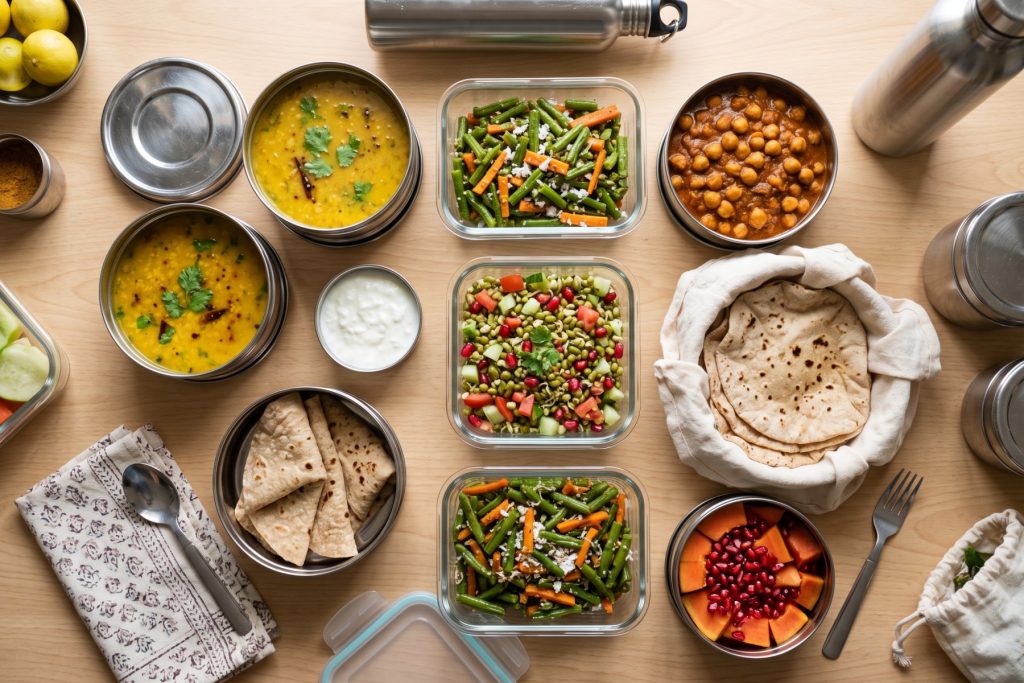
A packed lunch built around vegetables, protein and whole grains is one of the easiest ways to eat well on a workday. With an hour or so of prep at the weekend, you can have healthy lunches ready for most of the week.

For many people, workday lunch is whatever is quickest: a canteen thali heavy on rice and fried sides, a delivery order, or biscuits and chai at the desk. Then comes the 3 pm slump. Some of that afternoon dip is down to your body clock, but what and how much you eat at lunch can make it better or worse.

This guide covers what a balanced lunchbox looks like, how to prep a week of lunches without spending your whole Sunday in the kitchen, practical Indian lunch ideas, and how to keep packed food safe.

Meal prep at a glance

  • Fill half your box with vegetables. Then add a quarter protein (dal, paneer, eggs, chicken) and a quarter whole grains or millets.
  • A heavy, carb-led lunch can deepen the afternoon slump. Balance and portion size matter more than any single “superfood”.
  • Prep components, not complete meals. Cook a grain, a dal or protein, and chop vegetables once; mix and match through the week.
  • Keep it safe. Cool food quickly, refrigerate it, and eat cooked rice within a day and most other dishes within 2–3 days.
  • Lunch is only part of it. Drinking water and taking a short walk after eating also help you stay alert.

Why lunch affects your afternoon energy

The afternoon slump is real, but food is only part of the story. Research on the “post-lunch dip” shows it happens even when people skip lunch. It is partly built into the body clock and is worse when you have slept badly. The same review notes that a high-carbohydrate lunch can make it worse.

That gives you a few things you can actually control:

  • A meal that is mostly white rice, roti or bread, with little vegetable or protein, is digested quickly. Adding vegetables, dal, curd or another protein slows things down and keeps you fuller for longer.
  • Portion size. A very large lunch is more likely to leave you sluggish than a moderate one. Packing your own box makes portions easier to judge than a buffet or a large delivery order.
  • Vegetables, pulses and whole grains or millets add fibre, which helps you stay satisfied until evening, so you’re less likely to reach for biscuits or namkeen at 4 pm.
  • Sleep and water. A packed lunch can’t make up for a short night, and poor sleep affects appetite and food choices Being slightly dehydrated can also leave you feeling tired.

The balanced lunchbox formula

The ICMR–National Institute of Nutrition’s “My Plate for the Day” recommends that vegetables and fruits make up about half of what you eat, with cereals or millets, pulses or other protein, and some curd or milk, nuts and oil making up the rest. It also suggests eating from a range of food groups each day. Translated into a lunchbox, that looks like this:

Part of your box How much Indian examples
Vegetables About half Sabzi, salad, kosambari, stir-fried greens, vegetable raita
Protein About a quarter Dal, chana, rajma, sprouts, paneer, tofu, eggs, chicken, fish
Whole grains or millets About a quarter 1–2 whole wheat, jowar or bajra rotis; brown, red or hand-pounded rice; millet pulao
Extras A little Curd or buttermilk, a few nuts or seeds, a piece of fruit

Easy upgrades

  • Swap some of the grain for vegetables. If you usually pack three rotis, try two rotis and an extra serving of sabzi.
  • Add protein you can see. Many vegetarian lunches are low in protein. A bowl of dal, a handful of chana or a cube of paneer makes a real difference.
  • Pack curd or buttermilk. Both add protein and are easy to carry in a small steel box.
  • Go easy on oil and salt. Pickles, papad and fried sides add up quickly. The NIN suggests limiting added sugar to about 25–30 g a day.

How to meal prep in 60–90 minutes a week

Meal prep doesn’t mean eating the same dull box five days running. The trick is to prepare components you can combine in different ways, and to leave anything that spoils quickly for a short top-up mid-week.

1. Plan (10 minutes)

Pick two or three lunches for the week. Choose dishes that share ingredients, so one batch of chopped onions, tomatoes and greens covers several meals.

2. Batch-cook the base (45–60 minutes)

  • One protein: a pot of dal, chole or rajma, or grilled chicken or paneer.
  • Two vegetables: one dry sabzi (beans, cabbage or bhindi) and one gravy or roasted tray of mixed vegetables.
  • Raw prep: wash and chop salad vegetables, soak and sprout moong, boil eggs.
  • Grains: make roti or millet dough to keep in the fridge, and cook rice fresh on the day or the night before rather than for the whole week (see food safety below).

3. Store smart (10 minutes)

  • Portion straight away into individual boxes, so mornings are grab-and-go.
  • Keep wet and dry apart. Store dressings, chutney and raita separately so salads and rotis don’t go soggy.
  • Freeze what you won’t eat by Wednesday. Dal, chole, rajma and most cooked sabzis freeze well. Move a box to the fridge the night before.

4. Mid-week top-up (15–20 minutes)

On Wednesday evening, cook a fresh vegetable or protein and make fresh rice if you need it. This keeps Thursday and Friday lunches safe and tasting fresh.

Kit that helps

Steel or glass containers with tight lids, a compartment tiffin, a small leak-proof pot for curd or dressing, and an insulated lunch bag with an ice pack if you have no fridge at work.

10 healthy lunch ideas for work

Each of these follows the balanced lunchbox formula. Swap the protein to suit how you eat.

Lunch What’s in it Prep ahead Good for
Rajma or chole bowl Rajma or chole, a small portion of brown rice or 1–2 rotis, onion–cucumber salad Cook the rajma or chole at the weekend; it freezes well Vegetarian, high fibre
Dal, sabzi and millet roti Any dal, a dry sabzi, 2 jowar or bajra rotis, curd Dal and sabzi on Sunday; make rotis fresh or the night before Vegetarian, classic tiffin
Sprouts chaat box Moong sprouts, tomato, onion, cucumber, roasted peanuts, lemon, chaat masala Sprout moong over 2 days; pack the lemon separately Vegetarian, no reheating
Paneer or tofu tikka wrap Grilled paneer or tofu, peppers and onions, mint chutney in a whole wheat roti Marinate and grill in a batch; assemble in the morning Vegetarian, eat cold or warm
Vegetable millet pulao Foxtail or little millet cooked with mixed vegetables and peas, with raita Cook the night before; keep the raita separate Vegetarian, one-box meal
Besan chilla rolls Besan chillas filled with grated vegetables or paneer, green chutney Make the batter the night before; cook in the morning Vegetarian, high protein
Egg bhurji and veg roti Egg bhurji with onion, tomato and spinach, 2 whole wheat rotis, salad Boil or scramble eggs fresh; chop vegetables ahead Eggetarian
Chicken and vegetable stir-fry Chicken strips with beans, carrot, capsicum and cabbage, with a small portion of rice Cook the chicken in a batch; stir-fry vegetables fresh Non-vegetarian
Fish curry box Light fish curry, rice, a dry vegetable such as beans thoran Cook the curry once; eat within 2 days Non-vegetarian, omega-3
Curd rice with a twist Curd rice with grated carrot, cucumber and pomegranate, with a side of kosambari or chana Cook rice fresh the night before; mix with curd in the morning Vegetarian, cooling for hot days

Tips for variety

  • Change the cuisine, keep the formula. A rajma bowl, a paneer wrap and a millet pulao feel very different but share the same balance.
  • Rotate your grains. Alternate wheat roti with jowar, bajra, ragi, brown rice or millets across the week.
  • Keep a no-cook backup. Sprouts, boiled eggs, roasted chana and fruit cover you on days when the plan falls apart.

Keeping your lunch safe

Cooked food left warm for hours is a common cause of food poisoning, and India’s heat makes it a bigger risk. A few rules keep meal prep safe.

What Guidance
Cooling Cool cooked food and get it into the fridge within 2 hours. Spread large batches into smaller boxes so they cool faster.
Most cooked dishes Eat within about 3 days from the fridge, or freeze for up to 3 months.
Cooked rice Cool it quickly, ideally within 1 hour, refrigerate, and eat within 24 hours.
Reheating Reheat until steaming hot all the way through, and reheat rice only once.
Out of the fridge Food kept between 5°C and 60°C for more than 4 hours in total should be thrown away.

Why rice needs extra care

Raw rice can carry spores of a bacterium called Bacillus cereus that survive cooking. If cooked rice sits at room temperature, the bacteria can produce a toxin that makes it unsafe to eat. This is why rice is the one thing not to cook for the whole week. Make it fresh, or the night before, and cool it quickly.

No fridge at work?

  • Pack your lunch straight from the fridge into an insulated bag with an ice pack.
  • Choose foods that travel well, such as rotis with dry sabzi, chillas or roasted chana, over creamy gravies, rice or curd on very hot days.
  • If you have no way of keeping it cool, eat your lunch within about 4 hours of taking it out of the fridge.
  • If you use a hot-food flask, fill it with food that is already piping hot, and keep it closed until lunch.

Sprouts and salads

Rinse sprouts well and keep them chilled. Raw sprouts carry a small risk of food poisoning, so if you are pregnant, older or have a weakened immune system, steam or lightly cook them first. Add cut fruit and salad dressings on the day.

Beyond the lunchbox: other habits that help your afternoon

  • Step away from your desk. Eating while working makes it easy to overeat without noticing. Even 15 minutes away from the screen helps you notice when you’re full.
  • Take a short walk after eating. A 10-minute walk after lunch is an easy way to break up a long sitting day. Pair it with a few simple office workouts through the afternoon.
  • Keep water at your desk. Refill a bottle a couple of times through the day, especially in hot weather or air-conditioned offices, which can make you forget you’re thirsty.
  • Plan a 4 pm snack. A small, planned snack such as fruit, roasted chana, a handful of nuts, or buttermilk is better than whatever is in the office pantry.
  • Watch the extra chai. Two or three cups of sweetened tea in the afternoon add up in sugar, and caffeine late in the day can affect your sleep that night.

The bottom line

A healthy work lunch doesn’t need special ingredients or hours in the kitchen. Fill half your box with vegetables, add a good portion of protein and a moderate serving of whole grains or millets, and keep the portion sensible. An hour of batch-cooking at the weekend and a short top-up mid-week will cover most of your lunches. Store food safely, take a short walk after eating, and keep water close by.

Pro Tip: Use the GOQii App to log your lunches and see how your meals, water, steps and sleep line up with how you feel in the afternoon. Your GOQii Personalised Health Coach can help you build a weekly meal-prep plan around your food preferences, budget and work schedule.

Frequently Asked Questions (FAQs)

  1. How long does meal-prepped food last in the fridge?

Most cooked dishes, such as dal, sabzi and curries, are best eaten within about 3 days. Cooked rice should be eaten within 24 hours. Freeze anything you won’t eat in time.

  1. Is it safe to cook rice for the whole week?

No. Cooked rice can carry bacteria that produce a toxin if the rice cools slowly or is kept too long. Cook rice fresh or the night before, cool it quickly, refrigerate it, and eat it within a day.

  1. Why do I feel sleepy after lunch?

A dip in alertness in the early afternoon is partly natural and linked to your body clock. A heavy lunch that is mostly rice or bread can make it worse, and so can poor sleep. A balanced, moderate lunch and a short walk afterwards can help.

  1. How do I get enough protein in a vegetarian lunch?

Include a proper serving of dal, chana, rajma, sprouts, paneer or tofu, and add curd or buttermilk. If you eat eggs, a couple of boiled eggs or a bhurji add good-quality protein easily.

  1. What can I pack if there’s no fridge at work?

Pack your lunch straight from the fridge into an insulated bag with an ice pack. Choose foods that travel well, such as rotis with dry sabzi, chillas, sprouts kept chilled, or roasted chana, and eat within about 4 hours.

  1. Can I freeze Indian food for meal prep?

Yes. Dal, rajma, chole and most cooked sabzis freeze well for up to 3 months. Thaw them in the fridge overnight and reheat until steaming hot.

  1. How much time does meal prep take?

Around 60–90 minutes at the weekend for the main batch, plus a 15–20 minute top-up mid-week. Even prepping just one dal and chopping vegetables saves time every morning.

#BeTheForce

Disclaimer: The information provided in this blog is for general awareness and educational purposes only. It is not intended to replace professional medical advice, diagnosis, or treatment. Always consult a qualified healthcare provider for personalised medical guidance or concerns related to your health.
August 14, 2026 By Rashmi Deshpande Leave a Comment

Foods to Manage Blood Sugar Naturally: A Complete Guide to Better Blood Sugar Control

The Big Question – Can the foods you eat every day help improve your blood sugar levels naturally?

If you’ve been diagnosed with prediabetes or Type 2 diabetes—or you’re simply trying to prevent blood sugar spikes you’ve probably wondered whether changing your diet can really make a difference.

The answer is yes.

While food alone isn’t a cure for diabetes, the right dietary choices, combined with regular physical activity, quality sleep, stress management and medical guidance when needed, can significantly improve blood sugar control and support long-term metabolic health.

The good news? You don’t need a restrictive diet or expensive superfoods. Simple, everyday ingredients can help your body manage blood sugar more effectively.

Quick Answer – Which foods help manage blood sugar naturally?

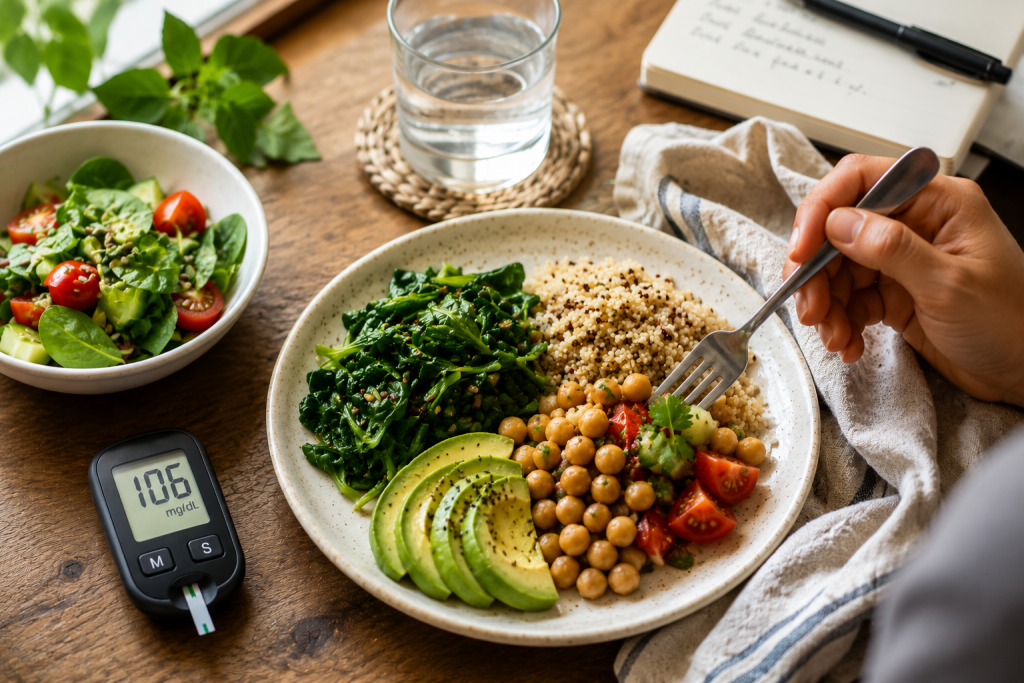
Foods rich in dietary fibre, lean protein, healthy fats and complex carbohydrates help slow digestion and reduce rapid blood sugar spikes. Leafy green vegetables, whole grains, legumes, nuts, seeds, healthy fats and low-glycaemic fruits can all support better blood sugar management when eaten as part of a balanced lifestyle.

Why Blood Sugar Management Matters

Every time you eat, carbohydrates are broken down into glucose, which enters your bloodstream.

Insulin a hormone produced by the pancreas helps move this glucose into your cells where it is used for energy.

In people with insulin resistance or diabetes, this process becomes less efficient, causing glucose to remain in the bloodstream for longer.

Over time, consistently high blood sugar can increase the risk of:

  • Heart disease
  • Kidney disease
  • Vision problems
  • Nerve damage
  • Poor wound healing

Managing blood sugar isn’t just about avoiding sugar it’s about building meals that keep glucose levels steady throughout the day.

8 Foods That Help Manage Blood Sugar Naturally

  1. Leafy Green Vegetables

Spinach, fenugreek (methi), amaranth, kale and other leafy greens are packed with vitamins, minerals, antioxidants and fibre while being naturally low in digestible carbohydrates.

These vegetables also provide vitamin C and antioxidants such as lutein and zeaxanthin, which support eye health particularly important for people living with diabetes.

Easy ways to include them:

  • Vegetable sabzi
  • Soups
  • Salads
  • Stuffed rotis
  • Smoothies
  • Chutneys
  1. Whole Grains and Millets

Refined grains digest quickly and can cause larger blood sugar spikes.

Instead, choose fibre-rich whole grains such as:

  • Oats
  • Brown rice
  • Quinoa
  • Jowar
  • Bajra
  • Ragi
  • Barley

These release glucose more gradually, helping maintain steady energy levels.

  1. Legumes and Pulses

Beans, lentils, chickpeas and rajma are rich in plant protein and fibre.

They digest slowly, improve satiety and support better blood sugar control.

Aim to include legumes several times each week.

  1. Nuts

Nuts provide healthy fats, protein and fibre that slow digestion and help reduce post-meal glucose spikes.

Choose unsalted varieties such as:

  • Almonds
  • Walnuts
  • Pistachios
  • Pecans
  • Hazelnuts

A small handful makes an excellent snack.

  1. Seeds

Seeds are nutritional powerhouses rich in omega-3 fats, fibre and plant protein.

Include:

  • Flaxseeds
  • Chia seeds
  • Pumpkin seeds
  • Sunflower seeds
  • Sesame seeds

They can be sprinkled over oats, yoghurt, salads or smoothies.

  1. Lean Protein

Protein helps keep you fuller for longer while slowing carbohydrate absorption.

Good choices include:

  • Eggs
  • Fish
  • Chicken
  • Paneer
  • Greek yoghurt
  • Tofu
  • Lentils

Try including a protein source in every meal.

  1. Healthy Fats

Healthy fats improve satiety and help slow digestion.

Choose:

  • Avocados
  • Olive oil
  • Groundnuts
  • Walnuts
  • Seeds

Remember that healthy fats are still calorie-dense, so portion control matters.

  1. Low-Glycaemic Fruits

Fruit can absolutely be part of a diabetes-friendly diet.

Choose whole fruits such as:

  • Apples
  • Pears
  • Berries
  • Guava
  • Oranges

Avoid fruit juices, which remove fibre and cause faster blood sugar rises.

Foods to Limit

No food needs to be completely banned, but these are best enjoyed occasionally:

  • Sugary drinks
  • Packaged fruit juices
  • Sweets
  • Cakes and pastries
  • White bread
  • Refined flour products
  • Sugary breakfast cereals
  • Highly processed snacks
  • Deep-fried foods

Small, consistent changes often produce better long-term results than extreme restrictions.

Smart Eating Habits That Help

It’s not only what you eat but how you eat.

Build a Balanced Plate

Aim for:

  • Half your plate: Non-starchy vegetables
  • One-quarter: Lean protein
  • One-quarter: Whole grains or complex carbohydrates

Eat Slowly

Eating slowly gives your body time to recognise fullness, helping prevent overeating.

Don’t Skip Meals

Skipping meals can lead to larger blood sugar fluctuations later in the day.

Regular, balanced meals are generally more effective than long periods without food.

Watch Portion Sizes

Even healthy carbohydrates can raise blood sugar when consumed in excessive amounts.

Moderation remains important.

Lifestyle Habits That Support Blood Sugar Control

Nutrition is only one part of the equation.

Other habits matter just as much.

Stay Active

A 20–30 minute walk after meals helps muscles use glucose more efficiently.

Strength training also improves insulin sensitivity over time.

Sleep Well

Poor sleep affects hormones that regulate blood sugar and appetite.

Aim for 7–9 hours of quality sleep each night.

Manage Stress

Chronic stress raises cortisol, which can increase blood glucose levels.

Meditation, breathing exercises, yoga and regular physical activity can all help.

Stay Hydrated

Water supports healthy circulation and helps your body function optimally.

Choose water over sugary beverages whenever possible.

What If Your Blood Sugar Drops Too Low?

People taking insulin or certain diabetes medications may occasionally experience hypoglycaemia (low blood sugar).

Common symptoms include:

  • Sweating
  • Shaking
  • Hunger
  • Dizziness
  • Confusion

If this happens, follow your healthcare provider’s advice. A commonly recommended approach is the 15-15 rule:

  • Consume approximately 15 grams of fast-acting carbohydrate (such as glucose tablets, fruit juice or regular soft drink).
  • Recheck your blood sugar after 15 minutes.
  • Repeat if necessary.

Always discuss recurring episodes of low blood sugar with your doctor.

Managing blood sugar isn’t about following a perfect diet—it’s about building sustainable habits that support your metabolism every day.

Focus on fibre-rich vegetables, whole grains, lean proteins, healthy fats and regular physical activity.

Small changes, practised consistently, can make a meaningful difference to your long-term health.

Pro Tip – Understanding how your meals affect your blood sugar is the first step towards better metabolic health. Use the GOQii App to track your meals, activity, hydration and sleep. A GOQii Personalised Health Coach can help you build a nutrition plan tailored to your health goals, lifestyle and medical needs.

Frequently Asked Questions (FAQs)

  1. Which foods help lower blood sugar naturally?

Leafy vegetables, legumes, whole grains, nuts, seeds, lean proteins and healthy fats can support better blood sugar management as part of a balanced diet.

  1. Can people with diabetes eat fruit?

Yes. Whole fruits such as apples, berries, guava and oranges provide fibre, vitamins and antioxidants. Portion control is important, and fruit juices should generally be limited.

  1. Are carbohydrates bad for diabetes?

No. The type and quantity of carbohydrates matter more than eliminating them completely. Choosing fibre-rich whole grains over refined carbohydrates helps support steadier blood sugar levels.

  1. Is walking after meals beneficial?

Yes. Even a short walk after eating can help your muscles use glucose more efficiently and reduce post-meal blood sugar spikes.

  1. Can lifestyle changes help prevent Type 2 diabetes?

For many people with prediabetes, healthy eating, regular physical activity, weight management and quality sleep can significantly reduce the risk of developing Type 2 diabetes.

#BeTheForce 

Disclaimer: This article is intended for educational purposes only and should not replace professional medical advice. Dietary needs vary from person to person. If you have diabetes, prediabetes or any other medical condition, consult your physician or a qualified healthcare professional before making significant dietary or lifestyle changes. Continue taking prescribed medications unless advised otherwise by your healthcare provider.

May 10, 2026 By GOQii Leave a Comment

Mother’s Day 2026: 5 Meaningful Ways to Give the Gift of Health

Mothers are the ultimate caregivers. From the moment we are born, they spend their lives prioritizing our needs, our schedules, and our well-being often putting their own health on the back burner in the process.

Every year, we celebrate Mother’s Day with beautiful bouquets, greeting cards, and boxes of chocolate. While these gestures are sweet, flowers fade and chocolates disappear. What if, this year, you gave her something that truly lasts? What if you gave her the gift of health?

This Mother’s Day, let’s shift the focus toward empowering the women we love to take care of themselves. Here are 5 practical, meaningful ways to help your mom prioritize her physical and mental well-being.

  1. Schedule a Comprehensive Health Check-Up

As women age, their bodies undergo significant hormonal and metabolic changes, particularly during and after menopause. Unfortunately, many mothers skip their routine doctor visits because they are too busy taking care of everyone else.

The Gift: Take the initiative to book a comprehensive health screening for her. Depending on her age, this should include a lipid profile, thyroid panel, blood sugar tests, a mammogram, and a bone mineral density (BMD) test to check for osteoporosis. Offer to drive her to the appointment and take her out for a healthy lunch afterward!

  1. Upgrade Her Daily Nutrition (By Helping Out!)

Mothers often spend hours in the kitchen cooking meals that cater to the family’s preferences, sometimes neglecting their own nutritional needs. As they age, women need higher amounts of high-quality protein, calcium, and Vitamin D to maintain muscle mass and bone health.

The Gift: Take over the kitchen duties a few times a week, or subscribe her to a healthy meal delivery service. You can also work together to stock the pantry with nutrient-dense superfoods like roasted makhana, mixed nuts, and seeds so she always has healthy snacking options on hand.

  1. Create a Shared Fitness Routine

Telling someone to “exercise more” rarely works, but inviting them to spend quality time with you while being active is highly effective. Regular movement helps improve cardiovascular health, boosts mood, and prevents age-related mobility issues.

The Gift: Instead of buying her a gym membership she might not use, create a shared routine.

  • Schedule a 30-minute evening walk together after dinner.
  • Enroll in a local beginner’s yoga or water aerobics class together.
  • Plan weekend nature hikes. By making fitness a bonding activity, she is much more likely to stay consistent and enjoy the process.
  1. Prioritize Her ‘Me-Time’ and Mental Health

The mental load of motherhood is heavy, and chronic stress severely impacts physical health, leading to poor sleep, weight gain, and high blood pressure. Real wellness is not just about moving the body; it is about resting the mind.

The Gift: Give her the gift of uninterrupted time. Take over her weekend chores so she can sleep in. Set up a relaxing corner in the house with her favorite books, or treat her to a professional massage or spa day. Encourage her to engage in hobbies that have nothing to do with managing the household.

  1. Introduce Smart Health Tracking

Sometimes, the best way to motivate someone is to give them the tools to see their own progress. Wearable technology makes health tracking fun, interactive, and highly insightful.

The Gift: Equip her with a smart fitness tracker (like the GOQii Smart Vital) so she can effortlessly monitor her daily step count, heart rate, blood oxygen levels, and sleep quality. It is a fantastic way for her to stay mindful of her daily habits and take control of her fitness journey.

The greatest way to say “I love you” this Mother’s Day is to ensure your mom has the support, resources, and encouragement she needs to live a long, healthy, and vibrant life.

If you want to give her the ultimate health upgrade, consider gifting her a subscription for Personalised Health Coaching directly in the GOQii App. A dedicated coach can guide her through fitness, nutrition, and stress management at her own pace!

Frequently Asked Questions (FAQs)

  1. What are the most important health check-ups for women over 50?

Women over 50 should prioritize regular blood pressure checks, comprehensive cholesterol panels, blood glucose tests, mammograms (for breast cancer screening), bone density scans (to check for osteoporosis), and routine eye and dental exams.

  1. How can I motivate my mom to start exercising if she has never been active?

Start small and focus on activities she enjoys. Do not push for intense gym sessions. Instead, suggest light walking, gardening, or gentle stretching. The key is to join her having a workout buddy makes the process feel less intimidating and more like quality time.

  1. What dietary changes are most beneficial for older women?

Older women should focus on increasing their calcium and Vitamin D intake for bone health, consuming adequate lean protein to prevent muscle loss, and eating plenty of fiber-rich fruits and vegetables to support digestion and heart health.

#BeTheForce #MothersDay2026

Disclaimer: This article is intended for educational and informational purposes only and should not be considered a substitute for professional medical advice, diagnosis, or treatment. Always consult with a qualified healthcare provider before starting any new fitness routine, diet plan, or undergoing medical screenings.

January 9, 2026 By Karishma Khot 2 Comments

7 Nutrition Tips For A Healthy Winter

Nutrition Tips

Everyone loves the drop in temperature the hill station vacations, sitting around a bonfire, and barbecuing delicious food. But do we really enjoy the cold and flu that often follows?

From dry skin and viral infections to the never-ending consumption of cough syrups, winter brings its own set of health challenges. While it is a season of cool breezes, it is also the peak season for the flu. Hence, it is crucial to take proactive care of your body to avoid viral fevers and congestion.

To help you navigate this season with vitality, here are 7 essential nutrition tips for a healthy winter.

  1. Keep a Check on Your Water IntakeThe most common mistake we make in winter is forgetting to drink enough water. Because the temperature is low, we don’t feel thirsty, often drinking water only to gulp down food.Why it matters: Reduced intake leads to dehydration, which damages skin health and impacts bowel movements, often leading to constipation.The Fix: Make a conscious effort to drink at least 2.5 to 3 liters of water per day, even if you aren’t thirsty. Warm water is excellent for digestion and keeping the throat clear.
  2. Build Your Immunity with Saunth (Dry Ginger)
    Common cold and flu are frequent visitors in winter. The best defense is a consistent immunity-boosting routine.The Fix: Try drinking Saunth (dry ginger) water every alternate day, preferably just before you sleep. Dry ginger contains a bioactive compound called Gingerol, which is anti-inflammatory and has potent medicinal properties to keep infections at bay.
  3. Avoid Mindless Overeating:
    As the temperature drops, the body works harder to stay warm, which often triggers cravings for hot, spicy, and fried foods. While winter makes us hungry, giving in to every craving leads to weight gain, bloating, and gastric issues.The Fix: Don’t just indulge—eat smart.

    • Swap fried snacks for steamed muthiyas, sprout poha, or idlis.
    • Replace heavy meals with hot soups, warm khichdi, and seasonal green leafy vegetables.
  4. Restrict Caffeine Intake
    Reaching for a hot cup of tea or coffee every two hours to stay warm is a bad idea. This habit spikes your sugar intake and overloads your system with caffeine.Why it matters: Caffeine is a diuretic, meaning it leads to fluid loss. Since we already struggle with hydration in winter, caffeine worsens the dehydration.The Fix: Switch to antioxidant-rich, caffeine-free options like Green Tea, Turmeric Water, Cinnamon Water, or traditional herbal teas (Kahwa).
  5. Go Seasonal
    Nature provides exactly what we need for the season. Winter produce is abundant in vitamins and minerals that boost immunity and bioavailability.The Fix: Fill your plate with the season’s best:

    • Fruits: Strawberries, Mulberries, Oranges, Chiku, Plums, and Guava.
    • Vegetables: Sarson (Mustard greens), Palak (Spinach), and root vegetables like Carrots and Sweet Potatoes.
    • Tip: A roasted sweet potato makes for a perfect, nutrient-dense evening snack!
  6. Consume Superfoods to Stay Warm
    You don’t just need a sweater to stay warm; you need internal heat (thermogenesis). Certain dried foods and spices naturally raise your body temperature.The Fix: Include these warming ingredients in your daily cooking:

    • Dry Fruits/Seeds: Anjeer (Figs), Dates, and Sesame seeds (Til).
    • Spices: Cinnamon, Peppercorn, Garlic, Cloves, Ginger, and Star Anise.
  7. Say No to Processed Soups
    In our fast-paced lives, tearing open a packet of instant soup seems easier than chopping veggies. However, packaged soups are loaded with sodium, preservatives, and thickeners that are detrimental to your health.The Fix: Blend fresh vegetables (like pumpkin, tomato, or bottle gourd) to make a fresh, preservative-free bowl of soup. It takes a few extra minutes but adds years to your health.

Winter should be about enjoying the weather, not fighting the flu. We hope these nutrition tips help you stay warm, healthy, and energized this season!

Do leave your thoughts in the comments below. For more advice on staying healthy during Winter, check out Healthy Reads or ask a GOQii Coach by subscribing for personalised health coaching here.

#BeTheForce 

Disclaimer: The information provided in this blog is for general awareness and educational purposes only. It is not intended to replace professional medical advice, diagnosis, or treatment. Always consult a qualified healthcare provider for personalised medical guidance or concerns related to your health. Images shown are for representation purposes only and may not depict the exact recommendations or outcomes.

  • « Previous Page
  • 1
  • 2
  • 3
  • 4
  • 5
  • …
  • 12
  • Next Page »

Search

Recent Posts

  • Warming winter soups: 3 protein-rich recipes
  • World AMR Awareness Week 2026: when you need antibiotics, and simple steps to prevent AMR
  • PCOS: diet, exercise and the myths to stop believing
  • Cholesterol numbers explained: LDL, HDL and triglycerides
  • International Men’s Day 2026: why men’s health is everyone’s business

Stay Updated

Archives

  • November 2026 (22)
  • October 2026 (23)
  • September 2026 (5)
  • August 2026 (8)
  • July 2026 (24)
  • June 2026 (22)
  • May 2026 (20)
  • April 2026 (24)
  • March 2026 (18)
  • February 2026 (14)
  • January 2026 (14)
  • December 2025 (19)
  • November 2025 (14)
  • October 2025 (17)
  • September 2025 (6)
  • August 2025 (5)
  • July 2025 (9)
  • June 2025 (18)
  • May 2025 (16)
  • April 2025 (22)
  • March 2025 (25)
  • February 2025 (21)
  • January 2025 (25)
  • December 2024 (21)
  • November 2024 (21)
  • October 2024 (15)
  • September 2024 (22)
  • August 2024 (27)
  • July 2024 (14)
  • June 2024 (23)
  • May 2024 (26)
  • April 2024 (27)
  • March 2024 (27)
  • February 2024 (23)
  • January 2024 (21)
  • December 2023 (14)
  • November 2023 (10)
  • October 2023 (18)
  • September 2023 (20)
  • August 2023 (16)
  • July 2023 (16)
  • June 2023 (21)
  • May 2023 (20)
  • April 2023 (19)
  • March 2023 (23)
  • February 2023 (19)
  • January 2023 (15)
  • December 2022 (11)
  • November 2022 (15)
  • October 2022 (15)
  • September 2022 (12)
  • August 2022 (9)
  • July 2022 (17)
  • June 2022 (11)
  • May 2022 (10)
  • April 2022 (6)
  • March 2022 (6)
  • February 2022 (13)
  • January 2022 (11)
  • December 2021 (7)
  • November 2021 (3)
  • October 2021 (6)
  • September 2021 (3)
  • August 2021 (8)
  • July 2021 (7)
  • June 2021 (15)
  • May 2021 (16)
  • April 2021 (10)
  • March 2021 (7)
  • February 2021 (4)
  • January 2021 (4)
  • December 2020 (3)
  • November 2020 (4)
  • October 2020 (10)
  • September 2020 (3)
  • August 2020 (3)
  • July 2020 (2)
  • June 2020 (4)
  • May 2020 (10)
  • April 2020 (12)
  • March 2020 (10)
  • February 2020 (4)
  • January 2020 (4)
  • December 2019 (3)
  • November 2019 (7)
  • October 2019 (5)
  • September 2019 (4)
  • August 2019 (9)
  • July 2019 (9)
  • June 2019 (11)
  • May 2019 (4)
  • April 2019 (8)
  • March 2019 (8)
  • February 2019 (9)
  • January 2019 (8)
  • December 2018 (9)
  • November 2018 (3)
  • October 2018 (3)
  • September 2018 (5)
  • August 2018 (10)
  • July 2018 (6)
  • June 2018 (13)
  • May 2018 (8)
  • April 2018 (17)
  • March 2018 (9)
  • February 2018 (8)
  • January 2018 (15)
  • December 2017 (12)
  • November 2017 (19)
  • October 2017 (13)
  • September 2017 (15)
  • August 2017 (4)
  • July 2017 (8)
  • June 2017 (7)
  • May 2017 (6)
  • April 2017 (8)
  • March 2017 (6)
  • February 2017 (7)
  • January 2017 (9)
  • December 2016 (10)
  • November 2016 (7)
  • October 2016 (7)
  • September 2016 (7)
  • August 2016 (11)
  • July 2016 (9)
  • June 2016 (9)
  • May 2016 (12)
  • April 2016 (17)
  • March 2016 (17)
  • February 2016 (8)
  • January 2016 (6)
  • December 2015 (2)
  • November 2015 (9)
  • October 2015 (7)
  • September 2015 (9)
  • August 2015 (11)
  • July 2015 (9)
  • June 2015 (11)
  • May 2015 (9)
  • April 2015 (13)
  • March 2015 (8)
  • February 2015 (5)
  • January 2015 (12)
  • December 2014 (14)
  • November 2014 (11)
  • October 2014 (6)
  • September 2014 (13)
  • August 2014 (12)
  • July 2014 (6)
  • June 2014 (2)
  • May 2014 (7)
  • April 2014 (4)

From Burnout to Balance: How Dr. Ranjit Reclaimed His Health

Dr Ranjit Bhatt has spent years tending to others. A practising doctor in Odisha, his days were packed with patients, surgeries, and emergencies. From the outside, it looked like a life lived in service. But on the inside, something wasn’t right. “I had no … [Read More...]

From Shimla’s Slopes to Chandigarh’s Sidewalks: Surinder Kaur Bhalla’s Journey from Chaos to Control

Some journeys start with a plan. Others begin with a stumble literally. Surinder Bhalla, a government professional, born and raised in the scenic hill town of Shimla, had always lived a life of movement. “In Shimla, you walked everywhere,” she reflects. “Walking was never an exercise. It was just life.” But after shifting to Chandigarh, […]

“I’ve Challenged Myself to Live 100 Years” – The Story of Chandubhai Savani’s Second Chance at Life

At 67, most people start slowing down. Not Chandubhai Savani. A resident of Surat, Chandubhai, thought life was on track. “My life was going well till I had my bypass surgery,” he says. That surgery, back in 2021, was a wake-up call.  Medication was routine, but exercise wasn’t. His diet? What he calls ‘normal.’ “I […]

Ananda Mukherjee Health Story

From Terminal Illness To Complete Wellness! Ananda Mukherjee Health Story

As we observe World Cancer Day under the powerful theme ‘United by Unique’ (2025-2027)**, we are reminded that every individual’s journey with cancer is distinct, yet united by shared resilience, hope, and the collective fight against this disease. This theme places people at the centre of care and their stories at the heart of the […]

  • HOME
  • HEALTHY LIVING
  • FITNESS
  • HEALTHY RECIPES
  • USER STORIES
  • KARMA
  • BUY GOQii

Copyright ©2016 GOQii


