GOQii

Blog

  • HOME
  • HEALTHY LIVING
  • FITNESS
  • HEALTHY RECIPES
  • USER STORIES
  • KARMA
  • BUY GOQii

Search Results for: nutrition

October 23, 2018 By Trishala Chopra Leave a Comment

Do you really need a multivitamin?                  


Multivitamins

The topmost questions on the mind of all my patients are “I am getting so tired these days, doctor do you think that I should take a multivitamin?” and “I am taking these multivitamins which I got from the US, do you think it’s good enough for me to have?”

These are just 2 such questions but trust me, I get loads of such questions on Multivitamins. Based on these questions, I decided I should talk about it in my blog and present the facts on the matter.

Let us first understand

What is multivitamin?

If I just try to understand the word in literal terms, a multivitamin is a supplement that contains more than one vitamin. But is it just vitamins? Certainly not. Multivitamin is a supplement that contains many vitamins and essential minerals which helps you fight against different nutritional deficiencies and their symptoms.

Who actually needs a multivitamin?

  1. You need a multivitamin if you are not able to get adequate nutrition from your diet.
  2. You need a multivitamin if you are severely deficient in different nutrients as detected in your blood reports
  3. You need a multivitamin if you are looking for micronutrients for specific symptoms.

Apart from this, there are other population groups as well which might need a multivitamin in addition to a variety of foods in their diet.

  1. Pregnant women
  • During pregnancy, consumption of multivitamins reduces the risk of birth defects in the foetus.
  • There are different kinds of research which are done taking multivitamins into consideration but since multivitamins consist of various vitamins and minerals, we don’t exactly know which nutrient is giving the maximum benefits.
  • Folic acid perhaps is the most important micronutrient but doctors anyways give it in a completely separate form so talk to your healthcare professional before starting on any multivitamin.
  1. Senior citizens
  • People over the age of 65 are generally low on B- vitamins, vitamin D, iron and magnesium.
  • Supplementing senior citizens with a multivitamin can definitely help in reducing their nutritional deficiencies to a great extent.
  1. People who are on different food restrictions
  • People who are on a gluten-free diet are usually low on calcium, iron, magnesium, zinc, folate, vitamin B12 and vitamin D.
  • Vegan people are usually low in calcium, iron, zinc and vitamin B12.
  • People who are on low carb diet are usually low in calcium, copper, magnesium, potassium and vitamin E

Multivitamin in these cases will help in overcoming these nutritional deficiencies.

  1. People who have undergone bariatric surgery
  • During bariatric surgery, size of the stomach is reduced which reduces nutrient absorption which can further lead to nutritional deficiencies.
  • Even after taking a multivitamin, nutrient absorption is not very high but this will be much better than not taking a supplement and remain extremely nutritionally deficient

The above is related specifically for people with some health issues. Let us now look at the general population! Does the general population need a multivitamin and what can be the possible benefits?

  1. Multivitamins can help in increasing the quality of life
  2. Multivitamins can help in reducing mood swings
  3. Multivitamins can help in reducing complications related to eyes

These are some points which researches have come up with however nothing is claimed so far.

Normally what I have seen is that when people are taking multivitamin they are okay to substitute it for a balanced diet but a multivitamin is a SUPPLEMENT and not a SUBSTITUTE.

Let’s understand about how to select a multivitamin for you.

Your healthcare professional can suggest you one but, you should always know how to pick up one for yourself!

Consider the following points when you buy a multivitamin

  1. Choose a multivitamin that contains close to your recommended dietary allowance (RDA) of vitamins and minerals. Sometimes a particular multivitamin crosses much more than your RDA per day.

For example:

  • Excess of potassium at one go on an empty stomach can lead to elevated potassium levels in the body which can affect your heart rhythm that is why your potassium in a multivitamin should always be limited to 99 mg.
  • Magnesium in your multivitamin should be limited to 350 mg because higher doses of magnesium in the body can lead to diarrhoea and other stomach issues.
  • Excess of calcium in your multivitamin might increase the risk of kidney stones, and too much total calcium can result in hypercalcemia in the body.

B. If a multivitamin supplement is only having vitamins and minerals then its fine to pick it up but usually this doesn’t happen. A single multivitamin is full of special ingredients which can put a body into negative balance hence avoid taking multivitamins which has too many extra ingredients.

C. I have seen my patients doing this a lot that they get confused between the pill and serving.

For example: A multivitamin pack might mention that it contains 300 mg of vitamin C per serving. When it is said so, please understand that a serving does not necessarily mean that 1 pill equals 1 serving. Serving completely depends upon how the company is depicting it. It could mean a whole pack is 300 mg.

D. I have seen this quite often that many people are usually only deficient in one or 2 nutrients in such cases taking a multivitamin is not a very good option. Pick up those nutritional supplements only which are on the lower side.

Hence, it is always good to take Vitamins after you speak to your doctor. Do not indulge in self- medication.

You might need a multivitamin but, it is not necessary that everyone might need it.


July 12, 2018 By Luke Coutinho 18 Comments

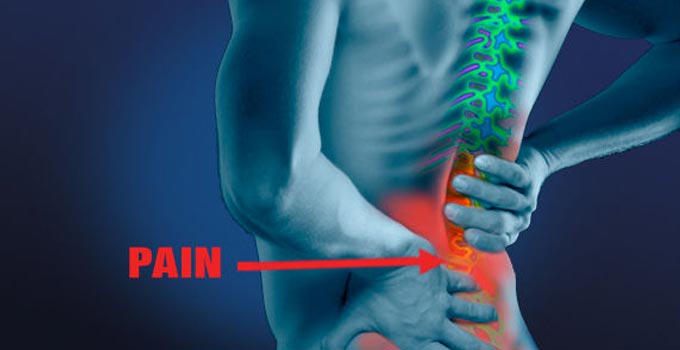
Suffering from Lower back pain? could be lack of calcium and D3


back-pain

Lower back pain?

Degeneration of the spine?

Lumbar disc problems?

Joint pain?

Body aches?

The common solution for all of the above problems is to pop a calcium or D3 supplement. It’s true though, a  deficiency of these vitamins can cause all of the above, but there are many ways of looking at this.

You can be popping the best brand of supplements, but remember, it just does not work that way. For Calcium to get absorbed into the bones, your D3 levels have to be adequate. If it’s not, your calcium supplement is being wasted, so are the foods rich in calcium that you are consuming.

Furthermore, Vitamin K is such an ignored vitamin. You should know that Vitamin K is needed for the bones to absorb Calcium. Vitamin K is found in dairy products and green leafy veggies.

Here’s how it works – For strong and healthy bones, joints and a super strong spine, you need sufficient calcium, D3 and Vitamin K for it to work effectively. I should add in B12 as B12 is necessary for healthy bone marrow and for the body and spine to grow stung and healthy.

Calcium, Vitamin K, Vitamin B12 and Vitamin D3

A balanced diet should give you all of the above. Apart from nutrition, there are few other tips

– Regular and smart exercise.
– Stretching, warm up and cooldowns.
– Knowing your tight muscles and working on flexibility.
– DO NOT SIT IN ONE PLACE FOR MORE THAN 30-45 MINUTES-
This is too much strain and stress on your lower back/sacrum and it leads to lower back, sciatica and lower body aches and pains.

Look for nutrition in fresh and real foods. Supplement only if you have to and if you have a deficiency. The choice of preventing or healing yourself from pains is up to you and how you want to deal with it. But, make sure you keep up with nutrition, exercise, rest and have a positive attitude.

July 3, 2018 By Urvashi Malhotra - GOQii Coach 1 Comment

Role of social media / internet on our kid’s lifestyle and habits

social-media

Recently a girl came to me for consultation, asking specifically for a weight reduction diet. You will be surprised to know that the girl is just about 15 years old and yet to appear for her 10th-grade examination and can easily pass off as being on the heavier side (obese). While I was talking to her, she casually happened to mention that she has a habit of “munching snacks late at night while surfing the internet”. My observation says that this has become a common trend in today’s times.

Social media is now used for a host of different reasons and gone beyond just social interaction. It’s extended to information and even to seek entertainment. A life without internet seems next to impossible and unimaginable, but an excess of anything is bad and that is quite visible in the society in the recent times.

Social networking sites like Facebook, Instagram, Twitter are increasingly becoming popular among adolescents. Numerous studies have shown that Internet addiction has an adverse effect on several lifestyle-related factors in adolescents. Some important ill effects of the same are:-

  • Irregular dietary habits
  • Physical inactivity
  • Increased use of alcohol and tobacco
  • Adverse impact on the growth and development
  • Indirect negative effects through sleep deprivation
  • Obesity

Studies have shown that people are more likely to have meals while sitting at the computer than at the dining table. Majority of people are multitasking by working on different things at the same time such as eating food while surfing on internet, chatting with friends (Facebook) and writing emails etc. This multitasking is making us less efficient and productive.

Children are socializing through media channels and direct communication has now become limited. I know of a boy who is a champion in some of the online games while he simply hates to play anything in its physical form. He can almost be termed as a “couch potato” at the age of 8, which is very harmful for his overall development. Today, there is an increase in Child, Teenage and adult obesity than ever before. Excess weight issues or Obesity increases the risk of many other chronic diseases such as diabetes and cardiovascular diseases.

Research indicates that the light from the screens of TV/computer affects melatonin production, a key hormone in the body’s clock, or circadian system. This causes sleep deprivation as it interrupts deep, restorative sleep eventually causing an increase in stress and depressive symptoms. Thus, teaching adolescents to develop healthy eating habits is of critical importance.

Parents should act as a role model for their children by adopting a healthy lifestyle themselves. Providing nutritious meals and snacks, daily physical activity, and nutrition education can prevent many a life style disorders. Also meal time should be the family time as it provides children great opportunity to learn about healthy foods, balanced meals, and table manners and offers good time to spend with family. Parents should be vigilant on the use of internet by their children. To avoid the conflicts clear guidelines should be set regarding the time of the day your child is allowed to be online and for how long.

June 26, 2018 By Samar Hafeez 5 Comments

Know all about ‘Eating Disorders’

eating problms

DO YOU look in the mirror and pick yourself apart? Do you constantly worry about what and how you look?

Ask yourself, “What percentage of your time in a day you are preoccupied with thoughts regarding food, weight, and body image?”

If your answer is that you spend so much time with these concerns that it interferes with your happiness and daily functioning, then let me tell you that you may be having an Eating Disorder.!

What Is an Eating Disorder?

Eating Disorders are illnesses that cause serious disturbances in a person’s everyday diet. They are characterized by irregular eating habits which include inadequate or excessive food intake which can damage individual’s well-being.

In addition to abnormal eating patterns, there are severe distress or concern about body weight and shape. An Eating Disorder also includes your beliefs about food and how they impact your body.

Who Suffers From Eating Disorder?

Eating disorders can develop during any stage in life but typically it appears during teen years or young adulthood but, may also develop in childhood. It can affect both men and women, however, it’s more common in women.

Eating disorder when manifested at a young age can cause severe impairment in growth development, and overall mental and social well- being.

Let’s move on to knowing three most common types of Eating Disorders

ANOREXIA NERVOSA

The Term Anorexia Nervosa literally means “Lack of Appetite induced by Nervousness”

This is perhaps the best- known eating disorder. It causes its sufferers to excessively fear to be overweight and restrict their eating habits in an unhealthy, dangerous way which leads to a significantly low body weight.

Male and female suffering from Anorexia show following hallmarks

  • Extremely limited food intake
  • Obsessive intense fear of weight gain
  • Problems with body image (Unrealistic perception of the body) and a low self-esteem
  • Denial of low body weight

Overtime, the following symptoms may develop as the body goes into starvation

Physical symptoms

  • Menstrual cessation
  • Osteopenia or osteoporosis(Thinning of bones)
  • Anaemia
  • Fatigue
  • Brittle nail and hair
  • Skin dries and can take on a yellowish cast
  • Severe constipation, Low BP

Emotional and behavioural symptoms

  • Excessive/Compulsive exercising
  • Frequently skipping a meal or refusing to eat
  • Denial of hunger
  • Frequent checking in the mirror for ‘perceived’ flaws
  • Flat mood(Lack of emotion)
  • Low self-esteem
  • Irritability
  • Low sex drive

BULIMIA NERVOSA

The Greek word for Bulimia is BOULIMIA which means extreme hunger. Patients with bulimia nervosa eat frequently in a discrete period of time (example within any 2 hour period) they also have a sense of lack of control over eating during the episode.

They often consume thousands of calories that are high in sugars, carbohydrates and fats. They can eat rapidly, sometimes gulping food without even tasting it.

After a binge, they PURGE their bodies of food and calories they FEAR by using laxatives, enemas, diuretics, vomiting or by excessive exercise. People with Bulimia can be underweight, overweight or even obese.

Many people don’t know when a family member or friend has Bulimia nervosa because they almost always hide their binges but Bulimia nervosa does have symptoms that should raise red flags:-

Physical Symptoms

  • Chronically inflamed or a sore throat
  • Salivary glands in the neck and below jaw bone swollen; cheeks and face often become puffy
  • Tooth enamel wears off and begins to decay from exposure to stomach acids
  • Constant vomiting causes GERD (Gastro oesophagal reflux disease)
  • Laxative and Diuretic abuse cause kidney and intestinal problems
  • Frequent Severe dehydration from purging of fluids

Emotional and Behavioural symptoms

  • Negative/distorted self- image
  • Hoarding or hiding food
  • Social withdrawal
  • Extreme guilt and sadness
  • Excessive worry about body weight and shape

binge eating

BINGE EATING DISORDER

It is a form of compulsive OVEREATING. Sufferers feel a compulsion to eat large amounts of food and as though they cannot stop and UNLIKE PEOPLE WITH BULIMIA, THEY DO NOT TRY TO PURGE OR GET RID OF FOOD BY INDUCING VOMITING AND BY USING OTHER UNSAFE PRACTICES.

Symptoms are more or less similar to Bulimia nervosa except for purging and laxative abuse.

Binge eaters eat a large amount of food when not feeling physically hungry, binge eating episodes typically take place in private and can last for hours or a whole day. It is common for sufferers to feel distressed or guilty about their lack of control, it is this shame and guilt that can prevent a person from talking and seeking help.

CAUSES

Eating disorders are complex thus are influenced by a facet of factors. Though the exact cause is unknown, it is generally believed that a combination of biological, psychological, and/or environmental abnormalities contribute to the development.

Certain psychological, biological/genetic, and personality traits may predispose people to develop eating disorders.

However specific traits are linked to each of the disorders. People with Anorexia tend to be perfectionists and with bulimia and binge eating disorder impulsive nature is common. Hormonal irregularities and nutritional deficiencies can be among causes. As discussed earlier in this blog, negative body image, dissatisfaction with one’s body and low self-esteem can help build tendency towards abnormal eating patterns.

Among Socio-cultural factors, the media has the largest influence on people especially teens and young adults. The media pushes body image, clothes, fast food and weight loss with unrealistic results, the combination of all these lead teens and young adults down the road to eating disorders and a confusing self- image.

And on another side of continuum popular social media pages and videos with a variety of recipes and restaurants tempt people to eat more and more.

Other causes include disruptive thinking patterns and an inability to understand the healthy relationship between food and hunger, family dysfunctions and major life stressors/changes, negative emotions or traumas such as rape, childhood sexual abuse or death of loved ones can also trigger eating disorders.

Even a happy event, such as giving birth can lead to an eating disorder because of the stressful impact of the event on an individual’s new role and body image.

IMPORTANCE OF TREATMENT

Eating disorder untreated can have serious consequences like Malnutrition, stunted growth, osteoporosis, reduced metabolic rate, critically low blood pressure, serious heart, kidney and liver damages, obesity, diabetes (TYPE 1 AND 2), depression, anxiety, obsessive-compulsive disorder and substance abuse, cardiac arrests and even death!

Remember, the sooner the treatment starts, the better it is. The longer abnormal eating patterns continue the more deeply ingrained they become and more difficult to treat.

EFFECTIVE TREATMENT METHODS

  • PSYCHOTHERAPY
    • Cognitive Behaviour Therapy is a therapy focussing on the beliefs, values, maladaptive cognitive processes and negative emotions which are associated with meaning of weight, shape and appearance, it aims at reducing destructive eating patterns and restoring a healthy relationship with food. Psychologists identify important issues associated with causes of destructive eating habits and develop CBT plan respectively.
    • Dialectical Behavioural Therapy is a form of psychotherapy that helps to cope with painful emotions. The focus is on individuals who react to emotional circumstances with extreme behaviours. Weekly sessions help a person with Eating disorder practice mindful eating, distress tolerance and emotional regulation which focus on identifying barriers to changing emotions to constructive ones and to increase positive emotional events.
    • Incorporating Family, Group and Marital Therapy: This can be helpful in addressing the underlying causes of eating disorders and help prevent relapses by resolving interpersonal issues which are related to eating disorders.
  • Nutritional Counselling: This would involve a nutritionist’s guiding plan through weight restoration and stabilization, guidance for normal eating by keeping a food journal which includes type of food, amount, benefits, feelings thoughts associated with intake of food and drink, it also includes which binge foods are to be avoided. The inclusion of individualized meal plans for specific patients to improve nutritional intake is created.
  • Medication: Some patients with Bulimia Nervosa benefit from placebo or anti- depressants. But, medication should always be paired with psychotherapy and nutritional counselling.

A holistic approach involving all above methods/ways with an experienced team of caregivers and healthcare professionals can help patients suffering from eating disorder regain control of their eating behaviour and their lives!

Good Health is more than just being free from disease or injury. A healthy lifestyle helps you feel good, have a vibrant energy and maintain a positive outlook on life thereby contributing to your physical, mental, social well- being. Your mental health is as important as physical health and work hand-and-hand. Letting go of your eating disorder is one of many ways to move towards good health!


  • « Previous Page
  • 1
  • …
  • 124
  • 125
  • 126
  • 127
  • 128
  • …
  • 164
  • Next Page »

Search

Recent Posts

  • The Science of Power Naps: How Long is Too Long?
  • 7 Reasons Why Pulses Are Good For You!
  • How Exercise Impacts Mental Health
  • Dussehra 2026: 10 Unhealthy Habits to Leave Behind
  • 5-Minute Healthy Snacks for Work & Home

Stay Updated

Archives

  • October 2026 (16)
  • September 2026 (5)
  • August 2026 (8)
  • July 2026 (25)
  • June 2026 (22)
  • May 2026 (20)
  • April 2026 (24)
  • March 2026 (18)
  • February 2026 (14)
  • January 2026 (14)
  • December 2025 (19)
  • November 2025 (15)
  • October 2025 (20)
  • September 2025 (6)
  • August 2025 (5)
  • July 2025 (9)
  • June 2025 (18)
  • May 2025 (16)
  • April 2025 (22)
  • March 2025 (25)
  • February 2025 (21)
  • January 2025 (25)
  • December 2024 (21)
  • November 2024 (22)
  • October 2024 (15)
  • September 2024 (22)
  • August 2024 (27)
  • July 2024 (15)
  • June 2024 (23)
  • May 2024 (26)
  • April 2024 (27)
  • March 2024 (27)
  • February 2024 (23)
  • January 2024 (21)
  • December 2023 (14)
  • November 2023 (10)
  • October 2023 (18)
  • September 2023 (20)
  • August 2023 (16)
  • July 2023 (16)
  • June 2023 (21)
  • May 2023 (20)
  • April 2023 (19)
  • March 2023 (23)
  • February 2023 (19)
  • January 2023 (15)
  • December 2022 (11)
  • November 2022 (15)
  • October 2022 (15)
  • September 2022 (12)
  • August 2022 (9)
  • July 2022 (17)
  • June 2022 (11)
  • May 2022 (10)
  • April 2022 (6)
  • March 2022 (6)
  • February 2022 (13)
  • January 2022 (11)
  • December 2021 (7)
  • November 2021 (3)
  • October 2021 (6)
  • September 2021 (3)
  • August 2021 (8)
  • July 2021 (7)
  • June 2021 (15)
  • May 2021 (16)
  • April 2021 (10)
  • March 2021 (7)
  • February 2021 (4)
  • January 2021 (4)
  • December 2020 (3)
  • November 2020 (4)
  • October 2020 (10)
  • September 2020 (3)
  • August 2020 (3)
  • July 2020 (2)
  • June 2020 (4)
  • May 2020 (10)
  • April 2020 (12)
  • March 2020 (10)
  • February 2020 (4)
  • January 2020 (4)
  • December 2019 (3)
  • November 2019 (7)
  • October 2019 (5)
  • September 2019 (4)
  • August 2019 (9)
  • July 2019 (9)
  • June 2019 (11)
  • May 2019 (4)
  • April 2019 (8)
  • March 2019 (8)
  • February 2019 (9)
  • January 2019 (8)
  • December 2018 (9)
  • November 2018 (3)
  • October 2018 (3)
  • September 2018 (5)
  • August 2018 (10)
  • July 2018 (6)
  • June 2018 (13)
  • May 2018 (8)
  • April 2018 (17)
  • March 2018 (9)
  • February 2018 (8)
  • January 2018 (15)
  • December 2017 (12)
  • November 2017 (19)
  • October 2017 (13)
  • September 2017 (15)
  • August 2017 (4)
  • July 2017 (8)
  • June 2017 (7)
  • May 2017 (6)
  • April 2017 (8)
  • March 2017 (6)
  • February 2017 (7)
  • January 2017 (9)
  • December 2016 (10)
  • November 2016 (7)
  • October 2016 (7)
  • September 2016 (7)
  • August 2016 (11)
  • July 2016 (9)
  • June 2016 (9)
  • May 2016 (12)
  • April 2016 (17)
  • March 2016 (17)
  • February 2016 (8)
  • January 2016 (6)
  • December 2015 (2)
  • November 2015 (9)
  • October 2015 (7)
  • September 2015 (9)
  • August 2015 (11)
  • July 2015 (9)
  • June 2015 (11)
  • May 2015 (9)
  • April 2015 (13)
  • March 2015 (8)
  • February 2015 (5)
  • January 2015 (12)
  • December 2014 (14)
  • November 2014 (11)
  • October 2014 (6)
  • September 2014 (13)
  • August 2014 (12)
  • July 2014 (6)
  • June 2014 (2)
  • May 2014 (7)
  • April 2014 (4)

From Burnout to Balance: How Dr. Ranjit Reclaimed His Health

Dr Ranjit Bhatt has spent years tending to others. A practising doctor in Odisha, his days were packed with patients, surgeries, and emergencies. From the outside, it looked like a life lived in service. But on the inside, something wasn’t right. “I had no … [Read More...]

From Shimla’s Slopes to Chandigarh’s Sidewalks: Surinder Kaur Bhalla’s Journey from Chaos to Control

Some journeys start with a plan. Others begin with a stumble literally. Surinder Bhalla, a government professional, born and raised in the scenic hill town of Shimla, had always lived a life of movement. “In Shimla, you walked everywhere,” she reflects. “Walking was never an exercise. It was just life.” But after shifting to Chandigarh, […]

“I’ve Challenged Myself to Live 100 Years” – The Story of Chandubhai Savani’s Second Chance at Life

At 67, most people start slowing down. Not Chandubhai Savani. A resident of Surat, Chandubhai, thought life was on track. “My life was going well till I had my bypass surgery,” he says. That surgery, back in 2021, was a wake-up call.  Medication was routine, but exercise wasn’t. His diet? What he calls ‘normal.’ “I […]

Ananda Mukherjee Health Story

From Terminal Illness To Complete Wellness! Ananda Mukherjee Health Story

As we observe World Cancer Day under the powerful theme ‘United by Unique’ (2025-2027)**, we are reminded that every individual’s journey with cancer is distinct, yet united by shared resilience, hope, and the collective fight against this disease. This theme places people at the centre of care and their stories at the heart of the […]

  • HOME
  • HEALTHY LIVING
  • FITNESS
  • HEALTHY RECIPES
  • USER STORIES
  • KARMA
  • BUY GOQii

Copyright ©2016 GOQii