GOQii

Blog

  • HOME
  • HEALTHY LIVING
  • FITNESS
  • HEALTHY RECIPES
  • USER STORIES
  • KARMA
  • BUY GOQii

Search Results for: nutrition

March 22, 2017 By Trishala Chopra 32 Comments

All you need to know about whey protein!

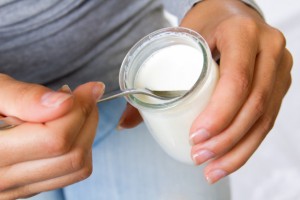
560183-milk

The more people are getting concerned about their health, more brands of whey proteins are being introduced in the market.

Being a consumer, you have the right to know about what is going inside your body. You might have heard a lot about whey protein, but are you aware about what exactly it is?

Everybody who talks about whey protein have mixed reactions. When I tell my players about whey protein, I get a list of questions!

Why do I need whey protein?

What is the other option for whey protein?

Is taking supplement good for health?

Will whey protein affect my kidney?

I am okay with all these questions because there are many healthcare sites having mixed opinions about whey protein.

Let’s not be judgemental about anything.

It’s not even correct to call ‘whey protein’ as a supplement because it does occur in natural food sources as well!

This blog will help you clear your doubts about whey protein!

What is whey and where do we get it from?

  • Whey is derived from animal milk.
  • Milk protein is divided into 2- Whey (20% of the protein in milk) and casein (80% of the protein in milk)
  • Whey protein is said to be a complete source of protein as it contains all essential amino acids (These amino acids are not produced by the human body so it must be supplemented through diet) which are required by the human body.
  • Whey protein is water soluble while casein protein is insoluble in water.

What are the natural food sources in which whey protein is present?

  • Ricotta cheese
  • Milk
  • Yogurt

There are different supplements available in the market which has different brand names and components in it. Let’s understand what are those types of whey proteins listed on the supplements?

1.  Whey protein concentrate

  • Whey protein concentrate is also labelled as WPC.
  • WPC label is only given to those supplements which has 90% or less than 90% of protein by weight.

How to read the label of the protein supplement to understand if it is WPC or something else?

  • Check the protein % on the label. If it is less than 90% then it is WPC.
  • The ingredients which are listed on the top of the label are in more quantities as compared to the ones which are mentioned at the bottom of the nutritional label.
  • For example, if a supplement box has 40% WPC84 written on it, this means that the supplement has 84% of the WPC and rest all the ingredients is a combination of lactose, milk derivatives, minerals and fats.

Advantages of choosing WPC: –

  • It is cheaper as compared to the other types of whey protein and fits in the budgets of fitness freaks.

Disadvantages of choosing WPC: –

  • It has low bioavailability.
  • Supplements with WPC contains lactose or milk derivatives in it which cannot be used by lactose intolerant people.

2. Whey protein isolate

  • Whey protein isolate is also labelled as WPI.
  • It is the purest form of protein which eliminates all the lactose and fats present.
  • WPI label is only given to those supplements which has 90% or more than 90% of protein by weight.

Advantages of choosing WPI: –

  • Its high-end techniques are used to eliminate the lactose and fats which makes WPI the purest form of protein.
  • As there is no lactose in it, lactose intolerant people can choose this supplement.

Disadvantages of choosing WPI: –

  • It is expensive.
  • As it has no carbohydrates and fats, the taste often becomes an issue for the people.

3.  Whey protein hydrolysate or blends

  • They are the blend of WPC and WPI which mostly commonly available in the market.
  • The cost for these blends are neutral. It depends on the ratio of WPC and WPI.

Advantage of choosing whey protein hydrolysate or blends: –

  • Neutral cost. Neither too expensive nor too cheap.

Disadvantage of choosing whey protein hydrolysate or blends: –

  • WPC: WPI ratios can be misleading so as explained above, which ingredient comes first is more in the supplement as compared to the one which comes at the bottom. 

How does whey protein work in the body?

  • Whey protein is a complete source of protein having all essential amino acids including leucine. Leucine is a very important amino acid when it comes to muscle building and toning of the body. Thus, whey becomes the most popular source of protein!
  • Bioavailability (Ability of animal to utilize that protein in the body) of whey is very high as compared to other protein sources!

Let’s have a look: –

Protein sources

Bioavailability
WPI 159
WPC 104
Whole egg 100
Milk 91
Cheese 84
Fish 82
Chicken 79
Soya 74
Casein 71
Yogurt 68
Egg white 88
Oatmeal 58
  • The above table shows that whey protein has the highest bioavailability, which becomes the most favourite protein of all times!

How much whey protein you need every day?

  • A healthy adult requires 0.8-1g per kg body weight protein in a day depending on the physical activity. If you are into intense working out like athletes and sports person, the protein intake can go up to 1.5 g to 2g/per kg of body weight in a day.
  • For example, an average man with sedentary lifestyle whose weight is 60kgs requires 0.8 g per kg body weight per day.

So, it is calculated as,

Weight x requirement of protein as per physical activity= Ideal protein intake per day.

As per the above example,

60 x 0.8= 48g per day.

  • Protein can be obtained from natural sources as well. If the person can get the ideal protein intake through natural foods, then he might not require a supplement for the same.
  • But if the person is a vegetarian, he might need to add up a supplement because vegetarian sources have low bioavailability as compared to non-vegetarian sources.
  • Fitting his/her ideal protein requirement, 1-2 scoops per day can be taken to complete the requirement.
  • If a person does heavy workout, he might need to alter his intake of whey protein depending upon the meal pattern he follows.

     “Keep a check on your protein intake, overdoing anything won’t help!”

What are the benefits of whey protein?

  • There is a myth that whey protein leads to weight gain but that is not true. On the contrary, whey protein helps in weight loss (It has fat loss enhancing property).
  • It helps in muscle building.
  • It helps in faster recovery post workout.
  • It promotes growth of lean tissue mass.
  • It improves muscle protein synthesis.
  • It boosts immune function.
  • It helps in controlling sugar cravings.
  • It has high bioavailability as explained above.

What are the side effects of whey protein?

  • Like a coin, everything has 2 sides. With benefits, whey protein also has some side effects.
  • Bloating, upset stomach, increased bowel movements are some side effects of whey protein.
  • You need to check yourself for allergies before starting off with whey protein.
  • Check your total protein requirement before including whey protein in your list!


PS: – Whey protein is soluble in water so if in case it doesn’t dissolve in water, that protein supplement is not a right choice then! Read the label before choosing any supplement for you.

March 6, 2017 By Luke Coutinho 2 Comments

Lifestyle Change: Key to Good Health

GOQiiEcosystem

If there is any solution that has ever worked with any of my patients or clients over the last 10 years, it’s a lifestyle change. Be it cancer, weight loss, or just feeling better about one’s self, a lifestyle change has always provided the most effective and sustainable result.

Restrictive diets have never worked, in fact, they lead to collateral damage like depression, frustration, yo-yo and a feeling of deprivation. If you are eating an ice-cream or chocolate, eat it with love, enjoy it, or don’t eat it at all. GOQii’s coaches will coach you to do just that. They will coach you to eat mindfully, they will help you set up goals, encourage great habits and break down the bad ones.People have started measuring their worth with the wrong scale. The weighing scale dictates to people for beautiful or healthy they are or should be, and that’s so wrong.

The GOQii dream is to change the world. There are millions of people out there, struggling with their health and lifestyle. Most are lost and have no clue what’s right and what they should do to be healthy and fit. It doesn’t help that there is so much information and research out there that just confuses us even more.

The GOQii eco-system is designed out of passion and with an intention to change people lives, make a difference, add value and evoke change in people. It’s based on simplicity and believes that motivation is the energy for action. We can do anything when we are motivated. GOQii ties in Karma, ‘giving back to our communities, it’s such a self-fulfilling feeling when you know you can give back to society through an action that is making you healthier. This ecosystem ties in all of this and more.

Our coaches come from diverse backgrounds of nutrition, sports, fitness and other fields and go through a comprehensive training on behavior, nutrition, fitness and motivation. Our training material is designed by experts from Stanford University and Yale and delivered by professional trainers.

As an individual, there are only a handful of people I can professionally help in a day. Through GOQii, we can reach out to millions. Research today has proved that even if the unhealthiest person makes as little as one lifestyle change in a month, they are on the road to rejuvenation and better health.

February 21, 2017 By Anusha Subramanian Leave a Comment

Sports for Social Inclusion

SPL-Slum children

“Do not let what you cannot do interfere with what you can do”—– John Wooden

GOQii supports Social Premier League (SPL)

Sports they say is a great leveller. It can bring the privileged and the underprivileged on the same platform to compete with each other in true spirit. Sports can very well be used as a tool for social inclusion and to bring about a social change. Some anecdotal evidence suggests that when applied correctly, sport can create bridges where boundaries usually exist, giving participants a lesson in teamwork, empathy for their teammates and respect for their opponents. It helps develop a strong sense of morality; and the development of an appreciation of diversity.

Sport is clearly not just about competition and exercise, but also regulates behaviour and creates a feeling of belonging, which in turn leads to the strengthening of democracy.

Singing Footsteps Foundation (SFF), is one such organisation in Patna, Bihar that is trying to bring about a social change through sports. The organisation started by Toni Sharma, a professor at NIFT and currently pursuing PhD (ECONOMICS) at IIT aims at bringing about true equality in human lives as well as balance in the ecology, using sports as the driving force to bring together the youth and achieve the social balance.

toni sharma-SFF-SPLSharma is a strong proponent of an egalitarian society, a philanthropist and a social activist at heart. He also mentors startups and advises various incubation centres. His idea with SFF is to showcase and effectively address the most burning and plaguing issues of our society at a large scale, on a single platform.

He says, “Our vision is to bring about social change by harnessing the power of youth and sports. We are constantly focusing on social changes through innovative strategies. We believe in the intent backed by invention”.

So what does SFF do with sports? It has started a league cricket game called ‘Social Premier League’ (SPL), to bring together the virtues of sports to fight the inequities of the society.SPL is a cricket tournament involving the entire youth and corporate fraternity to effectively spread the message of social integration and awareness. It is an initiative that endeavours to bring together the youth from all backgrounds in a relaxed and natural environment that are ideal for harnessing the power of sports to engage communities and change lives. 

This year’s SPL that was held at the beginning of this month included Autorickshaw drivers, slum children and, girls and boys of premier colleges.

By way of the cricket tournament, SFF has been able to bring about a behavioural change among the auto drivers such as being more responsible on the road, minimising honking etc. “We have seen a tremendous change in the attitude of the auto drivers since they have been playing this tournament. They have developed empathy and we realised that we can create awareness about lots of issues along with them. If we enable them with the right tools they can help us in disseminating information and creating awareness,” says Sharma.

As participation in the league tournament, each of the auto drivers teams was also asked to pick a social cause that they would like to create awareness about. The two issues that the auto drivers were keen on creating awareness about was Cancer and Malnutrition. They carried messages on these issues in their auto.

SFF is now working towards a financial inclusion of these auto drivers by opening bank accounts for them and after this, they will conduct health check-ups for their children and family as a whole.

According to Sharma, “Sports is the most powerful and the only stimulus in the world that can help build a positive attitude, instil fearlessness and leads to significant overall development.”

“We believe that to make a significant contribution we need to employ the best of youth to uplift those at the lowest rung of the society. We believe in concentrating on the weakest. We believe in mutually beneficial relations that help us raise resources in a way that others can’t. And yes, we don’t settle for the second spot, in order to give the best to those who need our help the most,” Sharma concludes.

As a company, GOQii has been supporting several causes through its Karma Platform. As part of our ongoing efforts to do good karma in the society and get our players to do the same. Supporting SPL and SFF is one such initiative in this direction. GOQii believes that giving to others gives an inner happiness to one while also improving one’s own health.


January 25, 2017 By Farida Gohil Leave a Comment

Prenatal exposure to Fish boosts Child’s brain power…

fish

Growing scientific evidence supports the theory that expectant mothers who eat fish regularly actually are helping boost their children’s brain power, even though they are usually advised to avoid fish that contain high levels of neurotoxin methyl mercury, according to a new study published in the journal of Nutrition.

Currently, the U.S. Food and Drug Administration (FDA) advises pregnant women to eat only two meals of fish a WEEK and to avoid most large fish to reduce the exposure of their babies developing brains to mercury. However, a recent joint report from the World Health Organisation (WHO), and the United Nations Food and Agriculture Organisation (FAO) recommended nations emphasize the benefits of eating fish for pregnant mothers and nursing mothers and the potential risks of not consuming fish to brain development. (January 8, 2013 Food Product Design)

Because those messages are confusing to most consumers, researchers at the University of Rochester, the University of Ulster, and in the Republic of Seychelles conducted a study to examine what happens to children’s development when their mothers eat fish while pregnant.

The Study, conducted in the Republic of Seychelles in the Indian Ocean where fish consumption among women is at least 10 times higher than women in the United States and the level of mercury in the fish is almost the same, included 225 mothers and their children. Detailed information about nutritional intake was obtained from the mothers and almost a dozen standard assessments on language and intelligence of the children were completed over several years.

“This study shows that there are no adverse effects of prenatal mercury exposure from fish on children at 5 years old on 10 developmental outcomes when adjusted for maternal levels of Polyunsaturated fatty acids. In fact, we found positive associations with those nutrients and children’s language development,” said Phil W. Davidson, Ph.D., professor emeritus of Paediatrics, principal investigator of the ongoing Seychelles Child Development Study and co-author of the study.

The study Children’s standard language development scores rose as levels of omega-3 fatty acids rose in mothers. They found positive associations between the level of PUFAs in mothers and their children’s subsequent scores on preschool language and verbal assessments. In particular, those scores were associated with DHA, an omega-3 fatty acid.

  • « Previous Page
  • 1
  • …
  • 126
  • 127
  • 128
  • 129
  • 130
  • …
  • 152
  • Next Page »

Search

Recent Posts

  • The GOQii India Fit Report 2026: Unmasking the Gender Health Divide
  • International Dance Day: Why Dancing is the Ultimate Workout for Your Body and Mind
  • Summer Health Hazards You Need To Be Aware Of (And How to Prevent Them)
  • Sitting Too Much? Here’s How It’s Shortening Your Life
  • Everything You Need to Know About Malaria

Stay Updated

Archives

  • April 2026 (24)
  • March 2026 (18)
  • February 2026 (14)
  • January 2026 (14)
  • December 2025 (19)
  • November 2025 (15)
  • October 2025 (20)
  • September 2025 (6)
  • August 2025 (6)
  • July 2025 (12)
  • June 2025 (18)
  • May 2025 (16)
  • April 2025 (22)
  • March 2025 (28)
  • February 2025 (21)
  • January 2025 (25)
  • December 2024 (22)
  • November 2024 (23)
  • October 2024 (21)
  • September 2024 (23)
  • August 2024 (30)
  • July 2024 (21)
  • June 2024 (25)
  • May 2024 (28)
  • April 2024 (27)
  • March 2024 (27)
  • February 2024 (24)
  • January 2024 (21)
  • December 2023 (14)
  • November 2023 (10)
  • October 2023 (19)
  • September 2023 (22)
  • August 2023 (18)
  • July 2023 (22)
  • June 2023 (23)
  • May 2023 (24)
  • April 2023 (19)
  • March 2023 (23)
  • February 2023 (19)
  • January 2023 (15)
  • December 2022 (11)
  • November 2022 (15)
  • October 2022 (15)
  • September 2022 (12)
  • August 2022 (10)
  • July 2022 (17)
  • June 2022 (11)
  • May 2022 (10)
  • April 2022 (6)
  • March 2022 (6)
  • February 2022 (13)
  • January 2022 (11)
  • December 2021 (7)
  • November 2021 (3)
  • October 2021 (6)
  • September 2021 (3)
  • August 2021 (8)
  • July 2021 (7)
  • June 2021 (15)
  • May 2021 (16)
  • April 2021 (10)
  • March 2021 (7)
  • February 2021 (4)
  • January 2021 (4)
  • December 2020 (3)
  • November 2020 (4)
  • October 2020 (10)
  • September 2020 (3)
  • August 2020 (3)
  • July 2020 (2)
  • June 2020 (4)
  • May 2020 (10)
  • April 2020 (12)
  • March 2020 (10)
  • February 2020 (4)
  • January 2020 (4)
  • December 2019 (3)
  • November 2019 (7)
  • October 2019 (5)
  • September 2019 (4)
  • August 2019 (9)
  • July 2019 (9)
  • June 2019 (11)
  • May 2019 (4)
  • April 2019 (8)
  • March 2019 (8)
  • February 2019 (9)
  • January 2019 (8)
  • December 2018 (9)
  • November 2018 (3)
  • October 2018 (3)
  • September 2018 (5)
  • August 2018 (10)
  • July 2018 (6)
  • June 2018 (13)
  • May 2018 (8)
  • April 2018 (18)
  • March 2018 (9)
  • February 2018 (8)
  • January 2018 (15)
  • December 2017 (12)
  • November 2017 (19)
  • October 2017 (13)
  • September 2017 (15)
  • August 2017 (4)
  • July 2017 (8)
  • June 2017 (7)
  • May 2017 (6)
  • April 2017 (8)
  • March 2017 (6)
  • February 2017 (7)
  • January 2017 (9)
  • December 2016 (10)
  • November 2016 (7)
  • October 2016 (7)
  • September 2016 (7)
  • August 2016 (11)
  • July 2016 (9)
  • June 2016 (9)
  • May 2016 (12)
  • April 2016 (17)
  • March 2016 (17)
  • February 2016 (8)
  • January 2016 (6)
  • December 2015 (2)
  • November 2015 (9)
  • October 2015 (7)
  • September 2015 (9)
  • August 2015 (11)
  • July 2015 (9)
  • June 2015 (11)
  • May 2015 (9)
  • April 2015 (13)
  • March 2015 (8)
  • February 2015 (5)
  • January 2015 (12)
  • December 2014 (14)
  • November 2014 (11)
  • October 2014 (6)
  • September 2014 (13)
  • August 2014 (12)
  • July 2014 (6)
  • June 2014 (2)
  • May 2014 (7)
  • April 2014 (4)

From “Laddu Nawin” to Fit and Fierce: How a 25-Year-Old Insurance Advisor Shed 20 Kilos and Gained His Life Back

When 25-year-old Nawin Yadav from Hyderabad walked into his office every morning, he carried more than just his files and policy papers. He had the weight of fatigue, sluggish energy, and an ever-growing belly that was becoming the butt of jokes. “People … [Read More...]

“I’ve Challenged Myself to Live 100 Years” – The Story of Chandubhai Savani’s Second Chance at Life

At 67, most people start slowing down. Not Chandubhai Savani. A resident of Surat, Chandubhai, thought life was on track. “My life was going well till I had my bypass surgery,” he says. That surgery, back in 2021, was a wake-up call.  Medication was routine, but exercise wasn’t. His diet? What he calls ‘normal.’ “I […]

From Shimla’s Slopes to Chandigarh’s Sidewalks: Surinder Kaur Bhalla’s Journey from Chaos to Control

Some journeys start with a plan. Others begin with a stumble literally. Surinder Bhalla, a government professional, born and raised in the scenic hill town of Shimla, had always lived a life of movement. “In Shimla, you walked everywhere,” she reflects. “Walking was never an exercise. It was just life.” But after shifting to Chandigarh, […]

Ananda Mukherjee Health Story

From Terminal Illness To Complete Wellness! Ananda Mukherjee Health Story

As we observe World Cancer Day under the powerful theme ‘United by Unique’ (2025-2027)**, we are reminded that every individual’s journey with cancer is distinct, yet united by shared resilience, hope, and the collective fight against this disease. This theme places people at the centre of care and their stories at the heart of the […]

  • HOME
  • HEALTHY LIVING
  • FITNESS
  • HEALTHY RECIPES
  • USER STORIES
  • KARMA
  • BUY GOQii

Copyright ©2016 GOQii