GOQii

Blog

  • HOME
  • HEALTHY LIVING
  • FITNESS
  • HEALTHY RECIPES
  • USER STORIES
  • KARMA
  • BUY GOQii

Search Results for: lungs

November 23, 2017 By Dr. Viral Thakkar 2 Comments

Identify Slow Poisons in your Life


chronicXdisease

According to the EURO Symposium, a chronic disease has been defined as “An impairment and/or function that necessitates a modification of patient’s normal life, and has persisted over an extended period of time”. According to a report by WHO, the total number of people dying from chronic diseases is double that of all infectious diseases (including HIV/AIDS, tuberculosis and malaria), maternal and perinatal conditions, and nutritional deficiencies combined. The exact cause of any chronic disorder is not yet known, though it is concluded that it is multifactorial and many theories have proved there are associated risk factors.

slow poison-1

Prominent of chronic diseases are

  • Coronary artery disease including blood pressure
  • Ischemic stroke
  • Mental disease
  • Diabetes
  • Thyroid
  • Some Cancers

Main causes for these are

  • Over-nutrition
  • Lack of physical activity
  • Addictions like smoking, alcohol, tobacco etc.
  • Poor sleeping habits
  • Stressful lives

These lead to raised blood pressure, glucose levels, abnormal blood lipids, overweight and obesity. If you indulge in the above, you are at risk! There are numerous other factors which cause chronic disorders and are beyond your control, for instance:

Conditions before birth and in early childhood influence health later. E,g, low birth weight is known to be associated with high blood pressure, heart disease, stroke and diabetes.

  1. The impact of risk factors increases with age.
  2. Social, economic and cultural change – globalization, urbanization, pollution, population ageing, and the general policy environment have impacted health.
  3. Psychosocial and genetic factors also play a role.


healt check up-diagnosis

Listen to your Body– Meet a medical practitioner if you have the below symptoms –

  • Unusual pain/ discomfort in your chest, neck, jaw or arms, pressure or tightness in the chest usually points towards a heart attack
  • Dizziness, lightheadedness, or fainting with exercise or exertion
  • Shortness of breath with mild exertion, at rest, or when lying down or going to bed
  • Ankle swelling, especially at night
  • A rapid or pronounced heartbeat
  • Lower leg pain when you walk, which goes away with rest
  • Frequent urination, excessive thirst, increased hunger, weight loss, tiredness, lack of interest and concentration, a tingling sensation or numbness in the hands or feet usually point towards diabetes.

What can be done?

You can’t blame the government for your health! You play a VERY IMPORTANT role in being healthy

  1. Eating healthy won’t kill you! Include fruits & green vegetables in your meals. Indulge, but complement it with exercising & prevent risk factors like cholesterol, diabetes and all metabolic syndromes
  2. Get Moving! People don’t swear by Yoga, gym workouts and walk for nothing! Exercise delivers oxygen and nutrients to your tissues and helps your cardiovascular system to work efficiently.
  3. Tobacco, alcohol and drugs run havoc with your system. The nicotine makes your heart beat faster; the particulates will make it harder for your lungs to exchange gasses; the carbon monoxide will make it harder for your blood to carry oxygen efficiently, and the carcinogens make it harder for your body to keep itself cancer-free.  Illegal drugs can damage the brain, heart, and other important organs.
  4. It is a good practice to conduct basic medical tests. The symptoms discussed are just a tip of the iceberg. Many times when symptoms set in, all the physiological compensatory mechanisms also set in, so to pick up a disease early in an annual checkup plays a major role. To know more, read the blog “A stitch in time saves nine”.

A detailed account of all chronic disorders is difficult to mention in this blog, but be rest assured, you are shaping your health every moment. Your attitude, mental health, physical habits and way of living life at this moment decide your next. So you take a call whether you want to stay healthy and cherish this creation or be a victim of chronic disorder tsunami which is engulfing us today. CHOICE IS YOURS…….

November 16, 2017 By Dr. Viral Thakkar 2 Comments

A stitch in time saves nine


There are a number of discussions these days on why medical tests should be conducted at all. The veracity of tests is questioned many times by patients or health seekers, and this is what prompts me to write this blog on ‘Significance of Regular Medical Checkup’.

healt check up-diagnosis

‘Health is Wealth’ is a significant phrase and rightly so. Maintaining one’s health is a continuous process. Nature has created this body which is a sophisticated software and gives feedback in case of a major change. Your today’s body and personality is that feedback. When anything is amiss it manifests in the form of symptoms or alteration in the investigations.

You cannot eat healthy, exercise for a week and expect lifelong results. Maintaining one’s health stems from dietary habits, physical activity (including exercises), rest, occupation, exposure to high-risk factors, etc. To measure the above influential parameter, health checkup plays a vital role for every individual. Hence, health checkups including pathological and radiological investigations are useful if used judiciously and under health provider advice.

health check up-image 2

Benefits of a Medical Check

  1. Prevention of disease

People falling into the high-risk category can easily detect the onset of a problem before it occurs.

  1. Prevention / Early detection of incurable diseases

Regular medical checkup ensures catching up with body signals before an incurable disease becomes unmanageable. For instance, cervical cancer, breast cancer can be detected early if clinically examined at regular intervals. Usually, these can be caught during the basic 6 monthly or yearly checkups.

  1. Since every person is different, a health issue might occur specifically due to age, sex, hereditary conditions, etc. Therefore, every individual will have a varied checkup according to the background. A person with a family history of diabetes can start taking early precautions, deliver lifestyle modifications to delay/stop the disease from affecting the body.
  1. Another scenario is where the patient is suffering from a disease and the tests affirm or give indication of a change in the management. For instance, a person suffering from a high blood pressure needs to check his BP (blood pressure) regularly to ensure all is well.
  1. If the disease is detected early and managed appropriately it can avoid the economic burden of long hospitalization.
  1. A wonderful example is the detection of thalassemia minor patient to be careful while choosing a partner.
  1. Investigations also play an essential role in altering one’s habits for good. eg. fired lungs act as a motivation for smokers to quit!

It must be pointed out here that before any test is run, the complete history of the person must be taken to ensure correct tests are recommended.

Commonly advised investigations are;

CBC- Complete Blood Count

ESR- Erythrocyte Sedimentation Rate

LFT- Liver Function Test

RFT- Renal Function Test

Blood sugar fasting and post lunch, HBA1C

B12 and D3

Lipid profile

X-ray Chest

Pap smear for adult female

PSA for prostate adult males

Mammography

Thyroid Profile

Additional investigations might be prescribed depending on the history, age, sex, and other influential factors of the person.

Depending on what stage the disease is one can decide the line of action. Investigations if done under the supervision of a good practitioner can play a major role in the prevention of a disease.

So friends just like there are numerous facets of maintaining good health, ensure you do not forget the role played by a scientific investigation in helping you to be fit, fine and healthy.

April 25, 2017 By Dr Kumud S Wangnue 18 Comments

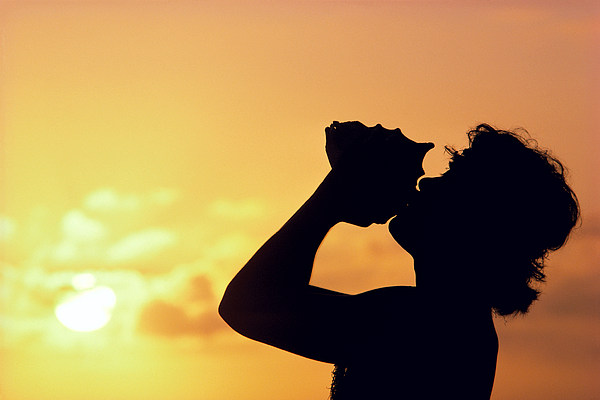
Health benefits of Blowing a conch

conch-shell-blowing-benefits

When I was growing up, I used to frequently visit my maternal grandparents’ in Chandigarh. My grandfather would begin his day daily with a prayer and this also included blowing the conch (Big Shell) with full strength thus generating a loud noise. According to Indian spiritual beliefs, the Conch is a very auspicious object which is blown before the commencement of any auspicious work.

Apart from its spiritual significance, did you know it’s useful for maintaining good health? Well, this is one of the reasons I learnt to blow the conch from my grandfather. It is also believed that when a Conch is blown, it radiates positive vibes and wards off negative energy in the environment.

I still remember that day when at the age of 70, my grandfather underwent a lung test at a medical institute, where he goes for his general he used to go for a general check-up. The doctor was amazed to find that his lungs were functioning at full capacity. The observations of the doctor had not only made grandpa go gaga but, the family felt proud of him too.

Blowing the conch is beneficial in many ways to our health. Mentioned in the Indian scriptures as a shell, it is used in medicines in the Ayurvedic system of medicine. Many diseases like jaundice, skin ailments, bones, teeth, stomach issues get resolved by drinking the water kept overnight in the conch. It has Calcium, Phosphorus, Magnesium and Sulphur.

The scalar sound waves that are generated by blowing the conch balance the chakras in the body-(https://goqii.com/blog/the-seven-chakras-in-human-body-and-kundalini/). The vibrations it produces purify the air and is believed to destroy the disease-causing germs in the atmosphere.

When the Conch is blown, energy is emitted from it, which reduces the strength of distressing frequencies. The other benefit is that it helps to develop good lung capacity. It is one of my favourite breathing exercises after Pranayama.

It not only enables us to inhale a lot of air but also helps in contracting the muscles from the face to the foot. Blood gushes and improves circulation supplying oxygen to each cell of our body.

The blowing of the Conch works on the thyroid, muscles of the neck and the vocal cords too. Not only this. It helps children and adults with problems with speech.

However, there is a word of caution, before starting on this, make sure you get in touch with someone who is in practice. Lastly, check with your doctor if you have high blood pressure, Hernia, Glaucoma as this process can cause extra pressure on the organs.

February 10, 2017 By Anusha Subramanian Leave a Comment

How to train for High Altitude Trekking?

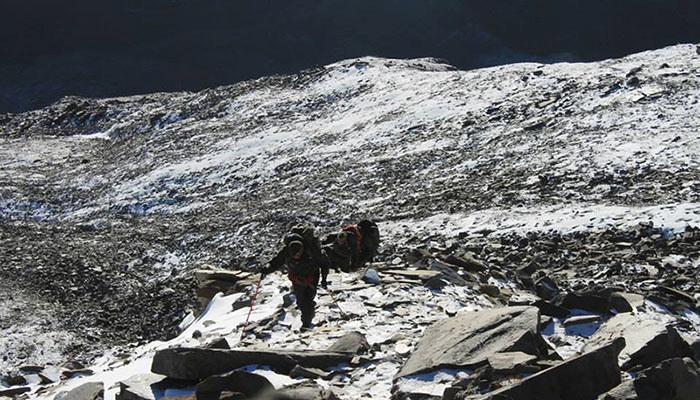
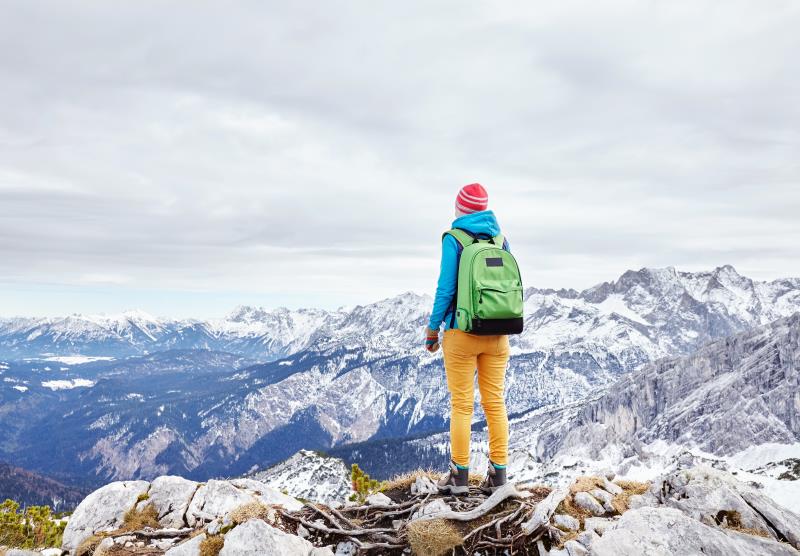
high-altitude-trekking

Almost a decade ago when I started trekking in the Himalayas, it was just a few enthusiasts who did this. It was not considered normal and people were under the impression that this is meant for only those who were super fit. Trekking is normally associated with arduous trudging on some hard and uneven ground, climbing and walking on moraines and all that’s associated with laborious tasks amidst hostile environments with bare shelter, food and clothing essentials.

While trekking you might come across situations where you are stuck and most times hit by the sheer untouched beauty of a picture perfect image that embeds itself permanently in your memory as you are exposed to the wilderness for a longer duration in a day. This beauty can be seldom enjoyed while in a car.

Having said this, trekking is not tough. If you know to walk then you can trek as well. But, this does not mean that one ventures into unknown territories on their own to explore the unknown. Walking along a trail around with a backpack does not require exceptional skills but does require certain amount of physical fitness, planning, the right clothes, shoes and above all old common sense.

For high altitude trekking it requires much more physical and mental preparation. At higher altitudes, the air is thinner, there is less available oxygen and it becomes more difficult to breathe. There are serious risks involved with high-altitude hiking, including altitude sickness, acute mountain syndrome that can lead to pulmonary or cerebral edema, all of which can result in death.

Therefore, before you go on a high-altitude hike, you need to train your body to work efficiently and effectively in environments with less oxygen.

How to Train for High Altitude Hiking

Here are few steps that will help train for high altitude:

** Begin training at least four tosix months in advance. This is especially important if you plan to hike at altitudes of more than 14,000 feet.

**See a doctor for a medical checkup in the early stages of training to ensure that high-altitude hiking is a safe and recommended activity for your age and physical condition.

** Hike as often as possible. The best thing you can do to prepare for higher-altitude hikes is to hike closer home as often as you can and at higher altitudes if available. Start gradually, increasing the distance and altitude of your treks with each week of training so that your body and lungs can become accustomed to functioning at increasing levels of altitude.

** Participate in interval training. Interval training is a method of training the cardiovascular system by elevating the heart rate significantly and then allowing it to recover for a period before elevating it again.

** Interval training could consist of running sprints, running hills or using the interval setting on a treadmill or exercise bike. Choose one day of the week for interval training and doing six repetitions of whatever exercise you have chosen. Each week, increase the intensity by running a faster sprint or a steeper hill. You also can train with your back pack with about 6 kgs in it to add weight and simulate the weight that you might be carrying during the high-altitude hike.

** For trekking you should work on developing a breathing rhythm and deep breathing. Your ability to control and conserve your breath and expand your breathing capacity will come in handy when the oxygen supply is reduced. Developing a breathing/stepping rhythm will prevent you from overexerting yourself at higher elevations. It also recommends practicing deep breathing on training hikes.Whenever you begin to feel breathless, concentrate on taking deep breaths and smaller steps until a more normal breathing pattern returns.Yoga asanas such as Kapalbhati, Vastrika, Anulom Vilom all of which entail breathing exercises.

** Lastly, you could also train with professionals who are trained in mountaineering to learn few basic techniques and nuances that may help while trekking.

My final advice: Try not to skip your work out if you can help it. Your safety and success depends on an how fit you are.

  • « Previous Page
  • 1
  • …
  • 22
  • 23
  • 24
  • 25
  • 26
  • Next Page »

Search

Recent Posts

  • Vegetarian protein guide
  • Warming winter soups: 3 protein-rich recipes
  • World AMR Awareness Week 2026: when you need antibiotics, and simple steps to prevent AMR
  • PCOS: diet, exercise and the myths to stop believing
  • Cholesterol numbers explained: LDL, HDL and triglycerides

Stay Updated

Archives

  • November 2026 (23)
  • October 2026 (23)
  • September 2026 (5)
  • August 2026 (8)
  • July 2026 (24)
  • June 2026 (22)
  • May 2026 (20)
  • April 2026 (24)
  • March 2026 (18)
  • February 2026 (14)
  • January 2026 (14)
  • December 2025 (19)
  • November 2025 (14)
  • October 2025 (17)
  • September 2025 (6)
  • August 2025 (5)
  • July 2025 (9)
  • June 2025 (18)
  • May 2025 (16)
  • April 2025 (22)
  • March 2025 (25)
  • February 2025 (21)
  • January 2025 (25)
  • December 2024 (21)
  • November 2024 (21)
  • October 2024 (15)
  • September 2024 (22)
  • August 2024 (27)
  • July 2024 (14)
  • June 2024 (23)
  • May 2024 (26)
  • April 2024 (27)
  • March 2024 (27)
  • February 2024 (23)
  • January 2024 (21)
  • December 2023 (14)
  • November 2023 (10)
  • October 2023 (18)
  • September 2023 (20)
  • August 2023 (16)
  • July 2023 (16)
  • June 2023 (21)
  • May 2023 (20)
  • April 2023 (19)
  • March 2023 (23)
  • February 2023 (19)
  • January 2023 (15)
  • December 2022 (11)
  • November 2022 (15)
  • October 2022 (15)
  • September 2022 (12)
  • August 2022 (9)
  • July 2022 (17)
  • June 2022 (11)
  • May 2022 (10)
  • April 2022 (6)
  • March 2022 (6)
  • February 2022 (13)
  • January 2022 (11)
  • December 2021 (7)
  • November 2021 (3)
  • October 2021 (6)
  • September 2021 (3)
  • August 2021 (8)
  • July 2021 (7)
  • June 2021 (15)
  • May 2021 (16)
  • April 2021 (10)
  • March 2021 (7)
  • February 2021 (4)
  • January 2021 (4)
  • December 2020 (3)
  • November 2020 (4)
  • October 2020 (10)
  • September 2020 (3)
  • August 2020 (3)
  • July 2020 (2)
  • June 2020 (4)
  • May 2020 (10)
  • April 2020 (12)
  • March 2020 (10)
  • February 2020 (4)
  • January 2020 (4)
  • December 2019 (3)
  • November 2019 (7)
  • October 2019 (5)
  • September 2019 (4)
  • August 2019 (9)
  • July 2019 (9)
  • June 2019 (11)
  • May 2019 (4)
  • April 2019 (8)
  • March 2019 (8)
  • February 2019 (9)
  • January 2019 (8)
  • December 2018 (9)
  • November 2018 (3)
  • October 2018 (3)
  • September 2018 (5)
  • August 2018 (10)
  • July 2018 (6)
  • June 2018 (13)
  • May 2018 (8)
  • April 2018 (17)
  • March 2018 (9)
  • February 2018 (8)
  • January 2018 (15)
  • December 2017 (12)
  • November 2017 (19)
  • October 2017 (13)
  • September 2017 (15)
  • August 2017 (4)
  • July 2017 (8)
  • June 2017 (7)
  • May 2017 (6)
  • April 2017 (8)
  • March 2017 (6)
  • February 2017 (7)
  • January 2017 (9)
  • December 2016 (10)
  • November 2016 (7)
  • October 2016 (7)
  • September 2016 (7)
  • August 2016 (11)
  • July 2016 (9)
  • June 2016 (9)
  • May 2016 (12)
  • April 2016 (17)
  • March 2016 (17)
  • February 2016 (8)
  • January 2016 (6)
  • December 2015 (2)
  • November 2015 (9)
  • October 2015 (7)
  • September 2015 (9)
  • August 2015 (11)
  • July 2015 (9)
  • June 2015 (11)
  • May 2015 (9)
  • April 2015 (13)
  • March 2015 (8)
  • February 2015 (5)
  • January 2015 (12)
  • December 2014 (14)
  • November 2014 (11)
  • October 2014 (6)
  • September 2014 (13)
  • August 2014 (12)
  • July 2014 (6)
  • June 2014 (2)
  • May 2014 (7)
  • April 2014 (4)

From Burnout to Balance: How Dr. Ranjit Reclaimed His Health

Dr Ranjit Bhatt has spent years tending to others. A practising doctor in Odisha, his days were packed with patients, surgeries, and emergencies. From the outside, it looked like a life lived in service. But on the inside, something wasn’t right. “I had no … [Read More...]

From Shimla’s Slopes to Chandigarh’s Sidewalks: Surinder Kaur Bhalla’s Journey from Chaos to Control

Some journeys start with a plan. Others begin with a stumble literally. Surinder Bhalla, a government professional, born and raised in the scenic hill town of Shimla, had always lived a life of movement. “In Shimla, you walked everywhere,” she reflects. “Walking was never an exercise. It was just life.” But after shifting to Chandigarh, […]

“I’ve Challenged Myself to Live 100 Years” – The Story of Chandubhai Savani’s Second Chance at Life

At 67, most people start slowing down. Not Chandubhai Savani. A resident of Surat, Chandubhai, thought life was on track. “My life was going well till I had my bypass surgery,” he says. That surgery, back in 2021, was a wake-up call.  Medication was routine, but exercise wasn’t. His diet? What he calls ‘normal.’ “I […]

Ananda Mukherjee Health Story

From Terminal Illness To Complete Wellness! Ananda Mukherjee Health Story

As we observe World Cancer Day under the powerful theme ‘United by Unique’ (2025-2027)**, we are reminded that every individual’s journey with cancer is distinct, yet united by shared resilience, hope, and the collective fight against this disease. This theme places people at the centre of care and their stories at the heart of the […]

  • HOME
  • HEALTHY LIVING
  • FITNESS
  • HEALTHY RECIPES
  • USER STORIES
  • KARMA
  • BUY GOQii

Copyright ©2016 GOQii