GOQii

Blog

  • HOME
  • HEALTHY LIVING
  • FITNESS
  • HEALTHY RECIPES
  • USER STORIES
  • KARMA
  • BUY GOQii

Search Results for: kidney

January 11, 2025 By Mubasheera Chaiwala 1 Comment

5 Yoga Poses To Detoxify Your Liver

detoxify your liver

The liver is the only organ in the human body that can regenerate itself! Its primary function is detoxification. Other organs like the intestines, kidneys, and lungs work together with the liver to ensure that toxins are transformed into less harmful substances and excreted via urine, stool, sweat, or breath. Regular cleansing of these organs is essential to keep them functioning smoothly. So, how do you detoxify your liver? It’s simple! Correcting your lifestyle is the key, and that’s where yoga comes into the picture.

How Can Yoga Help Detoxify Your Liver? 

Certain yoga asanas stimulate the digestive system and massage internal organs like the liver. They strengthen and make abdominal muscles more elastic, aiding the proper removal of waste materials. Including twist variations in your yoga practice can detoxify and rehydrate your spinal column while releasing tension from poor posture. Proper alignment in these poses can also reduce back pain and improve digestion.

Here are 5 yoga poses to detoxify your liver and improve its function!

1. Paschimottanasana (Seated Forward Bend)

detoxify your liver

  • Sit up with your legs stretched out straight in front of you on the floor.
  • Keep your spine erect and toes flexed toward you.
  • Slowly raise both arms straight above your head and stretch upward.
  • Exhale and bend forward from the hip joint, moving your chin toward your toes, keeping the spine straight.
  • Place your hands on your legs, wherever they reach, without forcing the stretch.

 2. Ardha Chakrasana (Half Wheel Pose)
Ardha Chakrasana can be performed in various ways, each offering unique benefits.

  • Begin in Tadasana (Mountain Pose), raising your hands as you inhale.
  • Place both hands on your lower back.
  • Inhale deeply and gently backbend your upper body, allowing a comfortable stretch.

 3. Bhujangasana (Cobra Pose)

  • Lie down on a mat in a prone position, keeping your feet together.
  • Place your hands on the floor at chest level.
  • Gently raise your upper body, extending and deepening the stretch to create a graceful arc in your back.

4. Shashankasana (Child’s Pose)

This posture is simple and adaptable. Variations can be chosen based on comfort.

  • Sit comfortably in Vajrasana with your palms on your thighs.
  • Inhale and raise your hands straight upward, stretching.
  • Exhale and bend forward.
  • Touch your nose or chin to the ground.
  • Keep your arms stretched out with palms on the ground.

 5. Anulom Vilom (Alternate Nostril Breathing)
Though not an asana, this Pranayama practice is included due to its immense benefits. Proper breathing is vital for bodily processes, and Anulom Vilom ensures optimal oxygen intake.

  • Close your right nostril with your thumb and inhale slowly through the left nostril.
  • Remove your thumb and exhale through the right nostril.
  • Close your left nostril with your middle finger, inhale through the right nostril, and exhale through the left.
  • Repeat this process.

These poses are simple and can be performed at home. However, always practice within your body’s limits and avoid forcing movements. Consult your doctor before beginning any yoga practice, especially if you have pre-existing conditions.

We hope these yoga poses to detoxify your liver help you! Do leave your thoughts in the comments below. For more on yoga, check out Healthy Reads or join an expert on a live, interactive session on GOQii PRO within the GOQii App. 

#BeTheForce  

Disclaimer: The information provided in this blog is for general awareness and educational purposes only. It is not intended to replace professional medical advice, diagnosis, or treatment. Always consult a qualified healthcare provider for personalised medical guidance or concerns related to your health.

December 26, 2024 By Urvi Gohil 3 Comments

Top 5 Sources of Protein For Vegetarians

Protein For Vegetarians Indian Dietetics Association claimed a few years back that vegetarian diets in our country are 84% protein deficient along with 65% protein deficiency in the diets of non-vegetarians too. Data also suggest that 93% of Indians are not aware of their ideal protein intake per day. Proteins are extremely crucial for the body. The word Protein comes from a Greek word Proteos meaning “First Place” or “Primary”. Some important functions of protein are:

  • Growth and maintenance
  • Structural part of enzymes required for many biochemical reactions
  • Structural part of hormones which are key messengers in the body
  • Providing rigidity and stiffness to cells and tissues all over the body
  • Maintaining ideal pH and balancing fluids
  • Bolster immune health
  • Providing energy  
  • Transporting and storing nutrients

The recommended dietary allowance for protein is 0.8 gram per kg body weight for normal healthy individuals. So, if you are 60 kg, multiply it by 0.8, and your protein intake per day should be around 48 grams. Protein intake will vary based on various stages of life and for athletes, pregnant and lactating mothers, kidney & liver patients.

5 Sources of Protein For Vegetarians 

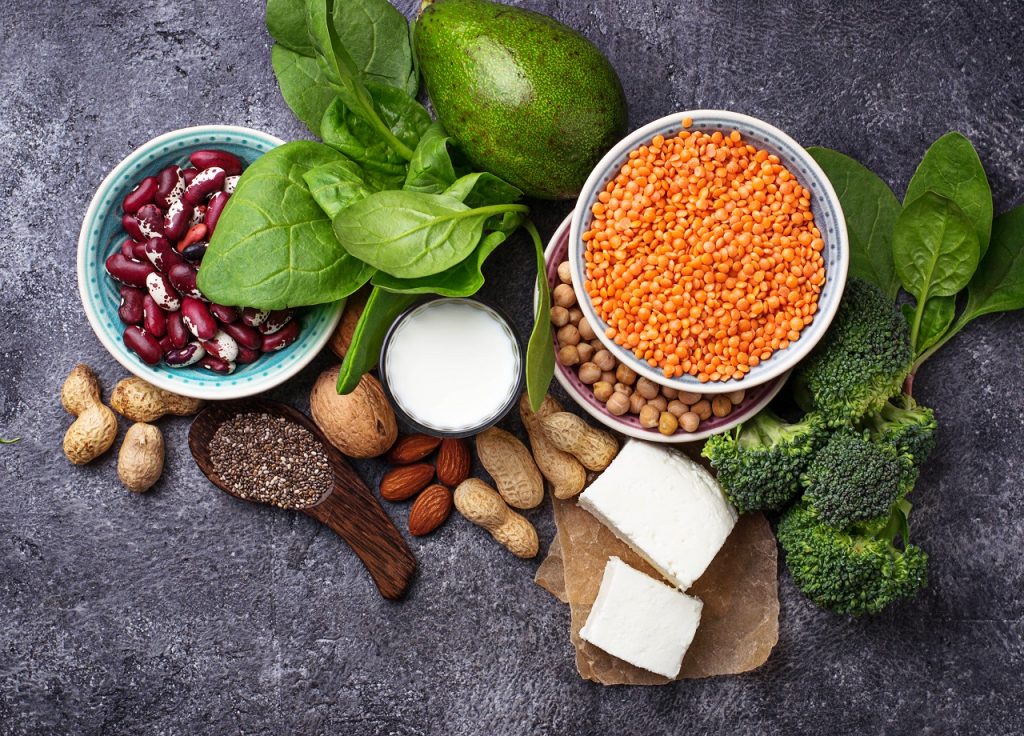
  1. Sattu (gram flour): Originated from Bihar, Jharkhand, West Bengal and Uttar Pradesh, Sattu is known as the poor man’s protein. But recently, it has gained popularity due to its amazing nutrient profile. It is basically roasted and ground gram flour. You can make Sattu ki roti, traditional Sattu drink with lemon and pink salt, Sattu fortification in dhokla, idli, dosa, etc. Try to take at least 2 tablespoons of Sattu in a meal. Unlike other protein sources, Sattu is easier to digest and suits the elderly too.
  2. Sprouted Pulses: The germinated pulses such as mung, kidney beans, black eyed beans, chana, chickpeas, etc. have more magnesium, protein, folate, minerals, Vitamin C, Vitamin K, manganese and phosphorus as compared to non-sprouted varieties. So increase the consumption of sprouts as it will give better nutrients in the same amount. You can make a fresh batch of sprouts daily and have a small cup with lunch and the same for dinner to enrich your meals with protein. Though you can store the sprouted pulses for 3 days in the fridge using a sealed container. Trying a variety of recipes on a daily basis like aloo-sprouts paratha, sprouts stuffed sandwich, sprouts salad, sprouts soup, etc. will also help.
  3. Paneer: is another amazing, well known source of protein for vegetarians. It is rich in healthy fats, protein and low in carbs. In a controlled portion size, it’s great for diabetics, weight watchers and almost everyone. Try to incorporate paneer in your regular meals like post workout meals, sandwiches, curries, grilled paneer with veggies for meals, etc.
  4. Nuts & Seeds: have an impressive number of protein and healthy fats in a single serving. It’s a great idea to add these to your mid-meal and snack time. Walnuts, hemp seeds, pumpkin seeds, flax seeds, chia seeds, sunflower seeds, etc. are concentrated sources of protein and healthy fats. About 2 tablespoon of them per day can help you in more ways than one.
  5. Hung Curd: is nothing but our homemade curd which has drained off its water. Make curd using low-fat milk or cow milk, tie it in a muslin cloth and hang it for 3-4 hours for all the excess water to be drained. 1 cup of homemade hung curd provides 10-12 grams of protein. It is great for digestion and also for meeting calcium requirements. You can use it for dips, raita, salad dressings or just a plain cup of hung curd with meals.

We hope these food sources of protein for vegetarians helps you! Before you add any of these foods to your diet, please consult your doctor, nutritionist or dietitian.

How do you fill in your daily protein requirement? Let us know in the comments below. For more on proteins, you can check out Healthy Reads or ask a GOQii Coach by subscribing for Personalised Health Coaching here.

#BeTheForce 

November 14, 2024 By Jigna Sheth 13 Comments

Manage Diabetes With These Lifestyle and Nutritional Tips

By this point, we are all well aware of the silent killer known as Diabetes. It is the leading cause of blindness, kidney failure, neurological and cardiovascular disorders. Diabetes Mellitus is a condition in which our body’s ability to utilize glucose from the blood lowers down. It is a disorder of carbohydrate metabolism characterized by impaired ability of the body to produce or respond to insulin. Glucose is the main source of energy to the body’s cells and insulin is a hormone (which is produced by pancreas) that controls the level of glucose in the blood.
Types of Diabetes

  1. Type 1 Diabetes referred to as Insulin Dependent Diabetes Mellitus, is a condition in which the pancreas produce little or no insulin. Such individuals require daily insulin injections. This type of diabetes generally affects children or adolescents.
  2. Type 2 Diabetes referred to as Non-Insulin Dependent Diabetes Mellitus, is a condition in which the insulin production may be normal or even high but the insulin produced is not as effective as normal insulin. This type of diabetes generally affects overweight or obese adults.
  3. Gestational Diabetes develops during pregnancy and usually disappears after giving birth. Women with Gestational Diabetes are at a higher risk of developing Type 2 Diabetes later in life.

Factors Which Cause Diabetes

In order to manage Diabetes or eliminate it from our lives, we must understand the factors that cause it.

  • Obesity: Being overweight or obese has been identified as the number one risk factor for Diabetes. In fact, 80% of people diagnosed with Type 2 Diabetes are overweight.
  • Cigarette Smoking: Cigarette smoke elevates the level of inflammation in your body. This increases the risk of diabetes in smokers as opposed to non-smokers. Smoking can also elevate the level of blood glucose in your body and hence, worsen your insulin resistance.
  • Physical Inactivity: It can increase your risk of diabetes, even if you are not overweight or obese. On the other hand, in case you are overweight or obese – physical activity can help you reduce your risk of diabetes.

Tips to Manage Diabetes

  • Medication: The first line of action to treat Type 2 diabetes is anti-diabetic medications, and/or oral or IV insulin administration. Generally, insulin therapy is prescribed for type 1 diabetes. However, only medicines will not be able to control your diabetes. There are several other attached conditions, which we will discuss further.
  • Quality Sleep: Sleep is extremely important to effectively manage diabetes. Reduced sleep or insomnia can result in hormone fluctuations which in turn leads to a spike in the blood glucose levels, leading to weight gain.
  • Regular Examination: If possible, monitor blood glucose levels regularly in order to ensure that everything is under control. Medication, stress, physical activity, other illnesses and the foods we eat can all impact our blood glucose levels.
  • Stress Management: Physical or mental stress can aggravate diabetes. The degree at which stress impacts our blood glucose levels varies from one person to another. Studies show that almost all kinds of stress leads to a blood sugar spike.
  • Regular Exercise: It not only has a multifold impact on controlling and even reversing diabetes, but also helps in burning fat and maintaining an optimum weight. Practicing any kind of exercise for at least thirty minutes a day can improve insulin sensitivity, help in maintaining blood glucose levels and even diminish the risk of developing heart diseases. Brisk walking, running, cycling, dancing, swimming and biking are some of the recommended exercises that can elevate heart rate and control diabetes.
  • Quit Smoking: Smoking increases the risk of diabetes as it narrows blood vessels, raises blood glucose levels and leads to inflammations.

Nutritional Strategy to Manage Diabetes

Try these nutritional tips and strategies to manage Diabetes effectively

  • The distribution of carbohydrates, fats and protein in the diet should be such that it maintains blood glucose and reduces the risk of cardiovascular diseases
  • Replacing saturated fat with healthy fats such as avocados, nuts and olive oil can reduce insulin resistance and consume lean proteins.
  • Take small frequent meals at regular intervals. Avoid large jumbo-sized meals.
  • Keep a watch on portion size as having too much food can also lead to weight gain and related problems.
  • 1 tsp of overnight soaked Fenugreek seeds or Fenugreek powder should be consumed every day in the morning or can be added with food.
  • Consume more complex carbohydrates than simple sugars as they breakdown and release glucose slowly in the bloodstream.
  • Fiber rich food like whole fruits, whole cereals, whole pulses, salads, sprouts, and green leafy vegetables to be added to the daily diet. Be sure to pick whole fruits over juices.
  • Avoid prepackaged, processed and sugar sweetened beverages completely.
  • Recent study shows consumption of Moringa Leaves, fruits, seeds or powder lowers Blood Sugar levels which in turn helps in reducing Cardiovascular Diseases. Roots of Moringa are to be avoided because of the toxic content.
  • Glycemic Index (GI) of foods is important in deciding whether to include them in the diet or not. Low GI foods are to be consumed to maintain blood glucose levels.

Food Selection As Per Glycemic Index

Food Groups Foods With Low GI

(Permitted in prescribed amount)

Foods With High GI

(To be restricted)

Cereals Whole wheat flour, wheat bran, Pearl Millet (bajra), Sorghum (jowar), oats, Finger Millet (ragi), Cracked Wheat (dalia), brown rice, barley, whole wheat pasta, multigrain & whole wheat bread. Polished rice, white bread, Sago, All purpose flour, noodles, pasta, corn flakes, puffed rice.
Pulses All pulses can be consumed moderately. –
Vegetables Green leafy vegetables, tomatoes, cucumber, radish, cauliflower, broccoli, cabbage, mushroom, onion, green beans, carrot, green peas, capsicum, gourds, etc. Potato, Beetroot, sweet potato, yam, pumpkin, colocasia (arbi).
Fruits Apple, guava, orange, sweet lime, peach, papaya, pineapple, pomegranate, muskmelon etc. Dates, watermelon, plum, grapes, banana, sapodilla, mango, custard apple, canned fruits.
Nuts & oil seeds All nuts & oil seeds can be consumed but in moderate proportion. –
Milk & milk products Skim milk, cow’s milk, curd, buttermilk. Buffalo milk, full fat milk, cheese, cream.
Fats & oils MUFA-PUFA-SFA in the ratio 1:1:1 to be consumed but not more than 4 tsp/day.

MUFA- groundnut, mustard, linseed, olive, rice bran oil

PUFA- sunflower, safflower, soyabean, corn oil

SFA- Clarified Butter (ghee), butter, coconut oil

Hydrogenated Vegetable Oil (Vanaspati), Margarine, Mayonnaise.
Sugars – Sugar, honey, jaggery, sugarcane.
Snacks & desserts Roasted bengal gram (chana), makhana, popcorn (low fat), American corn, air fry snacks, steamed snacks. Ice cream, cold drink, pastries, patties, waffles, doughnuts, potato wafers, muffins, all fried and baked items

Diabetes is a disease which can be controlled if we are fully aware of its complications and by following strict dietary and lifestyle protocol. Our priority should be to monitor blood glucose, blood pressure and cholesterol levels and ensure they are in control on a periodic basis to avoid complications in the future.

We hope this article helps you make a shift to a healthier lifestyle and manage diabetes effectively! Leave your thoughts in the comments below! For more articles on managing Diabetes, check out Healthy Reads.

For further guidance and motivation by certified experts, join the GOQii Diabetes Care program. It’s India’s only diabetes program that is driven by Smart Science and Personal Coaching to improve Fasting Blood Sugar (FBS), Postprandial Blood Sugar (PP), and reduce HbA1c levels. You can subscribe here.

#BeTheForce

November 9, 2024 By Mitali Ambekar 28 Comments

Fox Nuts: The Lotus Seeds & Its Nutritional Benefits!

Fox Nuts - Makhana - Lotus SeedsAs a kid, my mother used to feed me fox nuts – which I hated because they were tasteless. A few years ago, someone reintroduced me to them, and to my surprise, I still wasn’t a fan. I wondered why people liked them.



Thankfully, my mom had a way of getting me to eat them. She roasted the nuts, adding some spices and condiments, creating a healthy version of popcorn. Crunchy, flavorful, and the perfect tea-time snack!

Fox nuts are seeds from the lotus flower. They are cultivated in water, largely found in India, and known as “Makhana.” They are also found in Korea, Japan, and Russia, where they are referred to as “Gorgon Nuts” or Euryale Ferox.

Highly nutritious, fox nuts have been popular as a snack and are commonly used in various recipes, especially in Indian cuisine. They can be enjoyed roasted or fried and stored long-term in airtight containers. The Chinese have used them medicinally to strengthen the spleen and kidneys due to their many health benefits.

The Health Benefits Of Eating Fox Nuts

  • Fox Nuts are considered nutritionally superior to dry fruits like almonds, walnuts, cashew nuts and coconut in terms of sugar, protein, ascorbic acid and phenol content
  • They are rich in antioxidants, which help prevent signs of aging like white hair, wrinkles, and premature aging.
  • Their high fiber content helps to avoid constipation. It helps the body flush out waste and prevents the accumulation of toxins in the body 
  • It is also an aphrodisiac, helping in fertility issues like premature ejaculation, increasing the quality of semen and also helps women in overcoming infertility
  • These nuts are low on saturated fats and Sodium and high on Magnesium, Potassium and helps in controlling high blood pressure and diabetes as well
  • Fox Nuts help in controlling palpitation and insomnia as it has calming properties
  • It helps in relieving arthritis – numbness and pain in joints
  • As it is has astringent properties, it also helps cure diarrhea and have a better appetite
  • It strengthens the body and reduces burning sensation and quenches thirst

Here is my mother’s simple recipe to make it more tastier!

Fox nuts can be included in cereals or soups to support good health. High in protein, they make a great vegetarian snack. However, since their taste is neutral, most people don’t eat them raw. Here’s a simple recipe my mother used to make them more flavorful:

  1. Heat 2 teaspoon of homemade ghee in a pan
  2. Add salt and turmeric, stirring for few seconds. You can also add red chili, curry leaves, and mustard seeds for extra flavor.
  3. Add the Fox nuts and roast them for a few minutes

This snack is ideal for between meals or with tea or coffee. Fox nuts are also enjoyed as a fasting food in India, where they are regarded as sacred. Apart from snacking, you can add them to cereals, vegetable dishes, rice, or even desserts. So, what are you waiting for? Add fox nuts to your diet today!

Found this article helpful? Read up more on nutrition here. To get these tips, recipes and learn more about different foods, speak to a GOQii Coach by subscribing for Personalised Health Coaching here.

#BeTheForce

  • « Previous Page
  • 1
  • …
  • 6
  • 7
  • 8
  • 9
  • 10
  • …
  • 37
  • Next Page »

Search

Recent Posts

  • 4 Reasons Why Affirmations Are Not Working For You
  • The Social Side of GLP-1: Navigating “Food Culture” and Peer Pressure
  • Leaky Gut: Symptoms and Causes
  • Muscle Is Your Insurance Policy: Why Strength Predicts Lifespan More Than Cardio
  • The Fiber Gap: Managing Digestion on GLP-1 Therapy

Stay Updated

Archives

  • March 2026 (1)
  • February 2026 (14)
  • January 2026 (14)
  • December 2025 (19)
  • November 2025 (15)
  • October 2025 (20)
  • September 2025 (6)
  • August 2025 (6)
  • July 2025 (12)
  • June 2025 (18)
  • May 2025 (16)
  • April 2025 (22)
  • March 2025 (23)
  • February 2025 (22)
  • January 2025 (25)
  • December 2024 (22)
  • November 2024 (23)
  • October 2024 (21)
  • September 2024 (24)
  • August 2024 (30)
  • July 2024 (21)
  • June 2024 (26)
  • May 2024 (31)
  • April 2024 (27)
  • March 2024 (29)
  • February 2024 (25)
  • January 2024 (21)
  • December 2023 (15)
  • November 2023 (11)
  • October 2023 (19)
  • September 2023 (22)
  • August 2023 (18)
  • July 2023 (22)
  • June 2023 (24)
  • May 2023 (24)
  • April 2023 (23)
  • March 2023 (23)
  • February 2023 (19)
  • January 2023 (15)
  • December 2022 (11)
  • November 2022 (15)
  • October 2022 (15)
  • September 2022 (12)
  • August 2022 (10)
  • July 2022 (17)
  • June 2022 (11)
  • May 2022 (10)
  • April 2022 (6)
  • March 2022 (6)
  • February 2022 (13)
  • January 2022 (11)
  • December 2021 (7)
  • November 2021 (3)
  • October 2021 (6)
  • September 2021 (3)
  • August 2021 (8)
  • July 2021 (7)
  • June 2021 (15)
  • May 2021 (16)
  • April 2021 (10)
  • March 2021 (7)
  • February 2021 (4)
  • January 2021 (4)
  • December 2020 (3)
  • November 2020 (4)
  • October 2020 (10)
  • September 2020 (3)
  • August 2020 (3)
  • July 2020 (2)
  • June 2020 (4)
  • May 2020 (10)
  • April 2020 (12)
  • March 2020 (10)
  • February 2020 (4)
  • January 2020 (4)
  • December 2019 (3)
  • November 2019 (7)
  • October 2019 (5)
  • September 2019 (4)
  • August 2019 (9)
  • July 2019 (9)
  • June 2019 (11)
  • May 2019 (4)
  • April 2019 (8)
  • March 2019 (8)
  • February 2019 (9)
  • January 2019 (8)
  • December 2018 (9)
  • November 2018 (3)
  • October 2018 (3)
  • September 2018 (5)
  • August 2018 (10)
  • July 2018 (6)
  • June 2018 (13)
  • May 2018 (8)
  • April 2018 (18)
  • March 2018 (9)
  • February 2018 (8)
  • January 2018 (15)
  • December 2017 (12)
  • November 2017 (19)
  • October 2017 (13)
  • September 2017 (15)
  • August 2017 (4)
  • July 2017 (8)
  • June 2017 (7)
  • May 2017 (6)
  • April 2017 (8)
  • March 2017 (6)
  • February 2017 (7)
  • January 2017 (9)
  • December 2016 (10)
  • November 2016 (7)
  • October 2016 (7)
  • September 2016 (7)
  • August 2016 (11)
  • July 2016 (9)
  • June 2016 (9)
  • May 2016 (12)
  • April 2016 (17)
  • March 2016 (17)
  • February 2016 (8)
  • January 2016 (6)
  • December 2015 (2)
  • November 2015 (9)
  • October 2015 (7)
  • September 2015 (9)
  • August 2015 (11)
  • July 2015 (9)
  • June 2015 (12)
  • May 2015 (9)
  • April 2015 (13)
  • March 2015 (8)
  • February 2015 (5)
  • January 2015 (12)
  • December 2014 (14)
  • November 2014 (11)
  • October 2014 (6)
  • September 2014 (13)
  • August 2014 (12)
  • July 2014 (6)
  • June 2014 (2)
  • May 2014 (7)
  • April 2014 (5)

From “Laddu Nawin” to Fit and Fierce: How a 25-Year-Old Insurance Advisor Shed 20 Kilos and Gained His Life Back

When 25-year-old Nawin Yadav from Hyderabad walked into his office every morning, he carried more than just his files and policy papers. He had the weight of fatigue, sluggish energy, and an ever-growing belly that was becoming the butt of jokes. “People … [Read More...]

“I’ve Challenged Myself to Live 100 Years” – The Story of Chandubhai Savani’s Second Chance at Life

At 67, most people start slowing down. Not Chandubhai Savani. A resident of Surat, Chandubhai, thought life was on track. “My life was going well till I had my bypass surgery,” he says. That surgery, back in 2021, was a wake-up call.  Medication was routine, but exercise wasn’t. His diet? What he calls ‘normal.’ “I […]

From Shimla’s Slopes to Chandigarh’s Sidewalks: Surinder Kaur Bhalla’s Journey from Chaos to Control

Some journeys start with a plan. Others begin with a stumble literally. Surinder Bhalla, a government professional, born and raised in the scenic hill town of Shimla, had always lived a life of movement. “In Shimla, you walked everywhere,” she reflects. “Walking was never an exercise. It was just life.” But after shifting to Chandigarh, […]

Ananda Mukherjee Health Story

From Terminal Illness To Complete Wellness! Ananda Mukherjee Health Story

As we observe World Cancer Day under the powerful theme ‘United by Unique’ (2025-2027)**, we are reminded that every individual’s journey with cancer is distinct, yet united by shared resilience, hope, and the collective fight against this disease. This theme places people at the centre of care and their stories at the heart of the […]

  • HOME
  • HEALTHY LIVING
  • FITNESS
  • HEALTHY RECIPES
  • USER STORIES
  • KARMA
  • BUY GOQii

Copyright ©2016 GOQii
