GOQii

Blog

  • HOME
  • HEALTHY LIVING
  • FITNESS
  • HEALTHY RECIPES
  • USER STORIES
  • KARMA
  • BUY GOQii

Search Results for: hormone

October 21, 2020 By Kusum Soni Leave a Comment

How To Stay Safe From Infections During Navratri

navratri

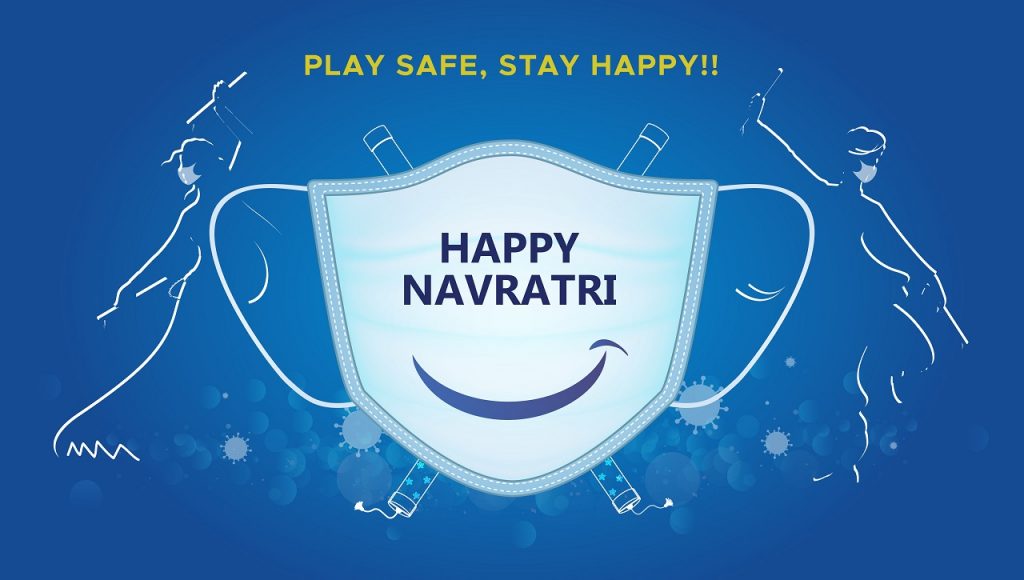
This year’s Navratri is going to be both special and totally different since it is going to be celebrated amid a worldwide pandemic. Even though we all want to celebrate and enjoy after being locked down for the past few months, there is an apprehension in our hearts of getting infected. If you’re confused about what to do, we have a few tips to help you protect yourself and your loved ones during Navratri! 

How To Stay Safe During Navratri 

  1. Have enough calories from healthy food, including lots of different colored vegetables, fruits, nuts, seeds, dairy, pulses, and legumes in small and frequent meals at regular intervals. Also, make sure that you eat food items that are easy to digest.
  2. Stay hydrated: Water intake can be challenging during fasts. Water cleanses our body and adequate hydration levels can help maintain the health of mucous membranes and decrease irritation while coughing, sneezing, and even just breathing. It helps flush out toxins/pathogens. So, hydrate yourself with plain water, coconut water, lemon water, kokum water, lukewarm milk, buttermilk, fruit smoothies, etc.
  3. Get enough sleep: Lack of sleep can affect how fast you recover from illness and your susceptibility to infections. Throughout our sleep, the immune system releases proteins known as cytokines that have protective properties against infections/inflammation, and sleep deprivation can decrease the production of these protective cytokines. Hence never miss 7-8 hours of sleep.
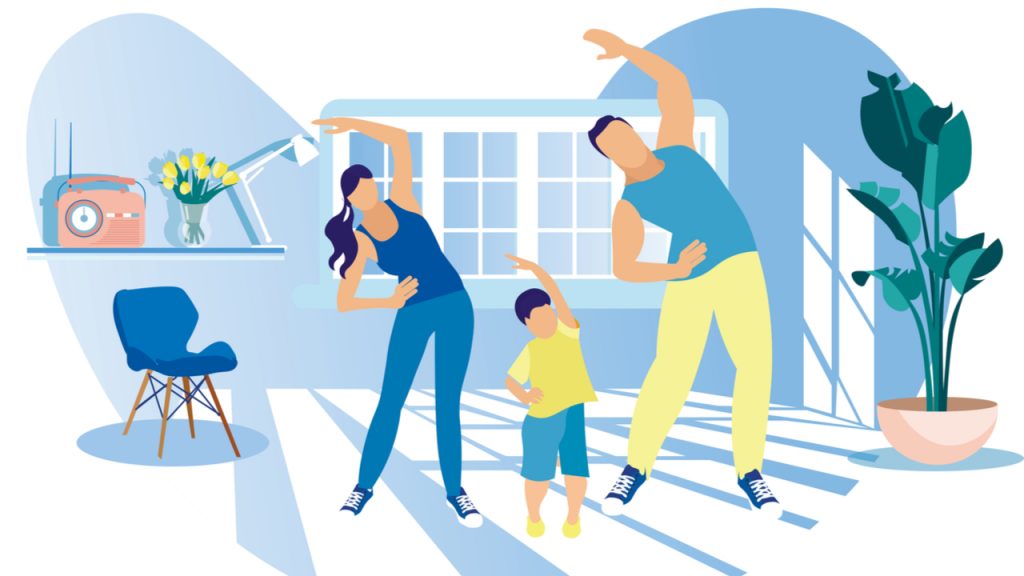
  4. Continue with physical activities like walking and yoga. It increases blood circulation which also expedites the circulation of antibodies or WBC’s and facilitates their reach to the site of infection efficiently and facilitates recovery. Regular physical activity also helps reduce stress, which can be a major contributor to compromised immunity. 

How To Prevent Exposure to the Virus (As per WHO)

If I am attending a small gathering or an event, what precautions should I take to protect myself and others from getting infected with covid-19?

  • Always check local regulations before attending an event.
  • Stay at home if you are feeling unwell.
  • Always comply with the following 3 basic preventive measures, 
  • Maintain at least 1-meter distance from others, and wear a mask at all times.
  • Cover a sneeze or cough with a tissue or bent elbow and immediately dispose of the tissue in a closed-lid bin. Avoid touching eyes, nose, and mouth.
  • Wash your hands frequently with soap and water, or with a hand sanitizer.

If I am organizing a small gathering or an event, what precautions should I take to prevent the spread of Covid-19 among guests?

  • Always check local guidelines before planning your event.
  • Brief guests about precautions before the event starts; during the event, remind guests of these precautions and ensure they are followed.
  • Choose outdoor venues over indoor spaces – if indoors, ensure the area is well-ventilated.
  • Minimize crowding by staggering arrivals and departures, numbering entries, designating seats/places, and marking the floor to ensure physical distancing between people of at least one meter.
  • Provide all necessary supplies to attendants/participants – hand hygiene stations, hand sanitizer or soap and water, tissues, closed-lid bins, distance markers, masks.

What You Must Avoid Doing 

  1. No calorie-dense fried, sweets, gravied foods  
  2. No starving: Do not stay hungry for long as starving releases the stress hormone cortisol, which can suppress some immune responses. So, if you are planning a fast, it is important to take care of your health and plan your meals at frequent intervals.
  3. People who are ill and with certain chronic conditions such as diabetes, cardiac disease, kidney disease, breathing difficulties/asthma/sinusitis, etc., and including those with Covid-19, must be exempt from fasting.
  4. Avoid the 3 Cs: Spaces that are Closed, Crowded or involve Close contact. Outbreaks have been reported in closed, crowded indoor settings where people talk loudly, shout, breathe heavily or sing. In such environments, the virus appears to spread by respiratory droplets or aerosols more efficiently, hence, taking precautions is all the more important.

This year, because of the global pandemic sweeping across all the globe, we will have to do our part, to curb the spread of coronavirus. Hence, enjoy the celebration of the festival responsibly and judiciously!

We hope this article helps you! To further track and mitigate the spread of infections, get the GOQii Smart Vital which measures vitals such as blood oxygen (SpO2), body temperature, heart rate and blood pressure – all of which could help you flag out any possibilities of an infection. 

#BeTheForce of good health during Navratri! 
October 9, 2020 By Pallavi Barnwal 1 Comment

Porn Induced Erectile Dysfunction, Is It Real?

erectile dysfunction Erectile dysfunction is one of those things that affects many couples, and people still don’t talk about it enough. For some it could be a source of embarrassment and confusion, especially because it is associated with aging, illness or hormonal imbalances.
Before getting into this article, remember: a sexual disorder is something that can affect anyone. It is not a ‘failure’ on anyone’s part and it is nothing to be ashamed about! For most people, Erectile Dysfunction (ED) can be treated successfully with a combination of methods, both medical and alternative. But what if we told you that there could be a link between your media consumption and erectile dysfunction? More specifically: could porn be harming your sex life?

What Does the Research Say About Erectile Dysfunction?

While the increase of Erectile Dysfunction in younger populations casts pornography as an obvious culprit, there is still no proven link between porn and sexual dysfunction. Porn is everywhere now. It’s free, it’s available, and it caters to every fetish or fantasy imaginable. So when it comes to porn, does the common-sense approach ‘too much of anything is bad’ hold true?
The research is unclear, but what we do know is that porn triggers an instant release of dopamine, also known as our ‘happy hormones’. A quick fix of dopamine! That explains why porn can be so addictive. For many, this addictive nature of porn can direct them to more specific or extreme types of porn to get that desired dopamine hit. As the body gets accustomed to this, a regular sexual experience may no longer feel exciting enough.
But erectile dysfunction is not the only issue. Another common issue that could be related to porn is ejaculation control. Those masturbating to porn tend to do so very quickly to avoid being caught. A hasty ‘quickie’ is quite normalized these days. While this may provide quick release, it also trains our bodies to orgasm very quickly, a habit that carries on into our sex life with other people. In fact, premature ejaculation may be far more connected to porn viewing than erectile dysfunction.

Porn and Arousal

ED is rarely a single-cause issue. Health, disease, age, exercise, habits like smoking and drinking, mental health and body image can all affect arousal and sexual health. For many, porn creates a safe atmosphere for arousal; one without fear of judgement or pressure to perform in front of another person. It makes arousal easier. At the same time, this comfort also makes it easier to ignore underlying issues and turn to porn as the only escape. Porn can also make you crave for newer and newer content. But when there is new content, perfect bodies and extremely specific sexual niches readily available online, regular sex with the same partner pales in comparison. Sex with another person can be complicated and messy, sometimes even intimidating. It requires work, communication, trust and vulnerability in a way that watching porn doesn’t. Porn can become an easy way out, at the expense of working on the issues that really matter.
If this sounds like you and you suspect that watching porn is affecting your sex life negatively, then here are some questions to think over: Do you only feel like there is a problem during partnered sex? Do you find yourself dependent on porn to masturbate and reach orgasm? What sort of porn are you watching, do you get bored of one type of content and move on to the next quickly? By trying to understand which situations make arousal difficult, it can give you clarity on whether your problem is mental, physical, or a combination of both.

You think you may have a problem: Now what? 

If you feel like porn is seriously affecting your sex life, consider speaking to a professional or a sex therapist. Otherwise, on your own, you could try masturbating without porn. Focus on situations outside of porn that have been arousing, invest more in connecting with your partner and visualizing sex as an extension of that connection. Experience the sensation of touch and maybe don’t even focus on orgasming initially. Get to know your body, even outside of a sexual context: what sort of sights, sounds, tastes and feelings do you enjoy? Deepening your connection with your body in everyday life is bound to be rewarding during sex.

While some groups suggest that porn should be given up altogether, the most practical approach is to enjoy porn in moderation or to watch porn that portrays more realistic sex and bodies. Porn-induced erectile dysfunction is still a debated idea. Overall, most experts agree that there is nothing inherently wrong with masturbation or pornography.

Like with everything else, what matters is how these practices fit into your life and how you relate to them. Health and wellness are complicated, diverse spectrums: there is no singular way to have a healthy sex life. So pay attention to your body, your feelings, pleasure and your individual desires and goals, and ask yourself: is porn helping or harming?

We hope this article helps you! For more on sexual wellness, tune in to LIVE sessions by our sexual wellness expert Pallavi Barnwal on GOQii Play. You can also connect with her on Facebook here: https://www.facebook.com/pallavibarnwalcoach

#BeTheForce 

April 20, 2020 By Soni Thakur 1 Comment

Can Regular Exercise Prevent COVID-19?

exerciseApart from all the preventive measures we can take against COVID-19, should exercise be considered one of them? Can regular exercise actually protect us against COVID-19? Some might agree whereas others might not. In 1998, a large study showed that mild to moderate exercise performed about 4-5 times a week reduced the risk of dying during the Hong Kong flu outbreak. Could it be the same for COVID-19? Let’s find out! 

Some Points to Consider

  1. Indulging in regular exercise, mild to moderate, for 30-40 minutes, for 4-5 days a week of your own choice whether it is aerobics, dancing, Zumba, push-ups, squats, Pilates, etc. lifts up mood by releasing dopamine and serotonin (happy hormones) which is critical when faced with the challenge of staying inside with limited resources. 
  2. Exercising regularly can lower and keep your blood sugar level and blood pressure maintained, as people with these medical conditions are at high risk of getting infected with the coronavirus and other infections.
  3. Research shows that exercise can influence the body’s immune system, which is of utmost importance while fighting against infections and viruses. 
  4. Exercise helps you sleep better and manage stress better, which can both be difficult when schedules are disrupted.
  5. It can reduce the risk of other chronic diseases like heart problems, kidney failure, cancer etc.

Bottom Line 

Not much research has been done on COVID-19. At this point in time, it is best to follow WHO guidelines and take necessary measures such as eating right, exercising regularly, maintaining proper hygiene, managing stress and getting good quality sleep. Remember that whatever the disease may be, prevention is always better than cure. 

For more information on this topic, on building immunity and for home workouts, tune in to experts on GOQii Play or read more articles on Healthy Reads. 

Stay home, stay safe, get active and #BeTheForce! 


November 6, 2019 By Dr. Viral Thakkar Leave a Comment

Stroke: A Few Untouched Aspects

stroke

Stroke is the sudden death of some brain cells due to lack of oxygen when the blood flow to the brain is lost by blockage or rupture of an artery to the brain. According to the WHO, it is the second leading cause of death and the third leading cause of disability. Stroke is also a leading cause of dementia and depression. For commonly known causes of stroke, please refer to the article “Stroke: Straight Dive or Pavilion” published earlier. While you might have read a number of reasons which lead to stroke, this article focuses on the importance of emotional health to prevent stroke.

 There Are 2 Main Types of Stroke  

  1. Hemorrhagic Stroke: is caused by bleeding in the brain due to a weak spot in the wall of the vessel, which can cause an aneurysm (bulging of the vessel wall). The vessels can also be weakened by chronic or very high blood pressure and break from force. When the vessel breaks, blood leaks into surrounding tissue, and the brain doesn’t get the oxygen and nutrients it needs.
  2. Ischemic Stroke: results from blocked arteries, which often occur from cholesterol build-up, called plaque. Plaques on the inside of the vessel can be fragile when blood flows past, causing the plaque to lift.  But in the blood vessel, when a plaque lifts-up and the body tries to heal it, like it would scab on your arm, it makes a clot where that plaque lifted up, which blocks blood flow and can lead to ischemic stroke.

The human body is magical. When the mind perceives a threat or stress, the body releases cortisol and adrenaline to cope with it. These hormones impact the homeostasis of the body; the other parameters get deranged and affect the healing processes of the body. Now, if your personality is to take constant stress, cortisol and level of other stress hormones will be high to ensure the body deals with stress. This could cause retention of salt which might increase blood pressure. Stress also causes an increase in blood sugar, which means the vessels can’t dilate or contract to better control blood flow. Increased cortisol is also known to disrupt sleep cycles leading to fatigue.

Anyone Can Be At Risk…

…for many reasons, not just stress. Sometimes, it just how your body responds.

While there is no concrete reason to state that positive emotions, a stress-free life or a balanced psychological state will not lead to stroke. However, there are numerous research studies to indicate that there might be a relationship between negative emotions, stress & stroke. In my practice, I have usually seen stressed people holding negative emotions fall prey to issues like stress, heart ailments, etc.  A University of Michigan study found that men who were more physiologically reactive to stress were 72% more likely to suffer a stroke.

Regardless of how your life or your job is, if you feel you are stressed, you most probably are.

If you’re still unsure, ask yourself these questions:

  • Does your significant other tell you, you seem stressed?
  • You tend to pick up fights and arguments with your family and co-workers more than normal?
  • You resort to alcohol, drugs, smoking to alleviate stress?
  • Do you find less joy in things that normally make you happy?
  • Do you find it difficult to fall or stay asleep compared to normal?
  • You don’t like to get up in the morning, especially on days you know you will come across stress causing situations

If the answer to the above is yes, then it’s time for you to work on yourself. Contemplate on the reason, give attention to the little things in life… It is the little things which lead to bigger changes! Some attitude changes like acceptance and forgiveness make a lot of difference!

Quick tip: Whenever you feel stress, start taking deep breaths. Mentally count till 5 & inhale, count another 5 and exhale. Make it as slow and steady as possible. Taking in more oxygen allows more oxygen to be available to the brain tissues. Some research suggests that deep breathing helps to rehabilitate the brain after a stroke. This style of breathing also helps to relax and calm the mind and whole being.

While everyone faces issues in life, it is the ability to cope with it, be in sync with one’s body which determines health!

#BeTheForce

  • « Previous Page
  • 1
  • …
  • 46
  • 47
  • 48
  • 49
  • 50
  • …
  • 64
  • Next Page »

Search

Recent Posts

  • Water Intake Pre, During and Post Workout
  • India Leads in Longevity: GOQii Sanjeevini Named Top 40 in $101M XPRIZE
  • The Importance Of Knowing If You’re Thirsty Or Hungry
  • Best Foods To Alleviate Irritable Bowel Syndrome
  • ALL ABOUT VERTIGO!

Stay Updated

Archives

  • December 2025 (9)
  • November 2025 (15)
  • October 2025 (20)
  • September 2025 (6)
  • August 2025 (6)
  • July 2025 (12)
  • June 2025 (18)
  • May 2025 (16)
  • April 2025 (23)
  • March 2025 (23)
  • February 2025 (22)
  • January 2025 (26)
  • December 2024 (26)
  • November 2024 (25)
  • October 2024 (22)
  • September 2024 (24)
  • August 2024 (31)
  • July 2024 (21)
  • June 2024 (26)
  • May 2024 (31)
  • April 2024 (27)
  • March 2024 (29)
  • February 2024 (26)
  • January 2024 (25)
  • December 2023 (15)
  • November 2023 (11)
  • October 2023 (20)
  • September 2023 (22)
  • August 2023 (20)
  • July 2023 (22)
  • June 2023 (24)
  • May 2023 (24)
  • April 2023 (24)
  • March 2023 (23)
  • February 2023 (20)
  • January 2023 (16)
  • December 2022 (12)
  • November 2022 (15)
  • October 2022 (15)
  • September 2022 (12)
  • August 2022 (10)
  • July 2022 (17)
  • June 2022 (11)
  • May 2022 (10)
  • April 2022 (6)
  • March 2022 (6)
  • February 2022 (13)
  • January 2022 (12)
  • December 2021 (7)
  • November 2021 (3)
  • October 2021 (6)
  • September 2021 (3)
  • August 2021 (8)
  • July 2021 (7)
  • June 2021 (15)
  • May 2021 (16)
  • April 2021 (10)
  • March 2021 (7)
  • February 2021 (4)
  • January 2021 (4)
  • December 2020 (3)
  • November 2020 (4)
  • October 2020 (10)
  • September 2020 (3)
  • August 2020 (3)
  • July 2020 (2)
  • June 2020 (4)
  • May 2020 (10)
  • April 2020 (12)
  • March 2020 (10)
  • February 2020 (4)
  • January 2020 (4)
  • December 2019 (3)
  • November 2019 (7)
  • October 2019 (5)
  • September 2019 (4)
  • August 2019 (9)
  • July 2019 (9)
  • June 2019 (11)
  • May 2019 (4)
  • April 2019 (9)
  • March 2019 (8)
  • February 2019 (9)
  • January 2019 (8)
  • December 2018 (9)
  • November 2018 (3)
  • October 2018 (3)
  • September 2018 (5)
  • August 2018 (10)
  • July 2018 (6)
  • June 2018 (13)
  • May 2018 (8)
  • April 2018 (18)
  • March 2018 (9)
  • February 2018 (8)
  • January 2018 (15)
  • December 2017 (12)
  • November 2017 (19)
  • October 2017 (13)
  • September 2017 (15)
  • August 2017 (4)
  • July 2017 (8)
  • June 2017 (7)
  • May 2017 (6)
  • April 2017 (8)
  • March 2017 (6)
  • February 2017 (7)
  • January 2017 (9)
  • December 2016 (10)
  • November 2016 (7)
  • October 2016 (7)
  • September 2016 (7)
  • August 2016 (11)
  • July 2016 (9)
  • June 2016 (9)
  • May 2016 (12)
  • April 2016 (17)
  • March 2016 (17)
  • February 2016 (8)
  • January 2016 (6)
  • December 2015 (2)
  • November 2015 (9)
  • October 2015 (7)
  • September 2015 (9)
  • August 2015 (11)
  • July 2015 (9)
  • June 2015 (12)
  • May 2015 (9)
  • April 2015 (13)
  • March 2015 (8)
  • February 2015 (5)
  • January 2015 (12)
  • December 2014 (14)
  • November 2014 (11)
  • October 2014 (6)
  • September 2014 (13)
  • August 2014 (12)
  • July 2014 (6)
  • June 2014 (2)
  • May 2014 (7)
  • April 2014 (5)

From “Laddu Nawin” to Fit and Fierce: How a 25-Year-Old Insurance Advisor Shed 20 Kilos and Gained His Life Back

When 25-year-old Nawin Yadav from Hyderabad walked into his office every morning, he carried more than just his files and policy papers. He had the weight of fatigue, sluggish energy, and an ever-growing belly that was becoming the butt of jokes. “People … [Read More...]

“I’ve Challenged Myself to Live 100 Years” – The Story of Chandubhai Savani’s Second Chance at Life

At 67, most people start slowing down. Not Chandubhai Savani. A resident of Surat, Chandubhai, thought life was on track. “My life was going well till I had my bypass surgery,” he says. That surgery, back in 2021, was a wake-up call.  Medication was routine, but exercise wasn’t. His diet? What he calls ‘normal.’ “I […]

From Shimla’s Slopes to Chandigarh’s Sidewalks: Surinder Kaur Bhalla’s Journey from Chaos to Control

Some journeys start with a plan. Others begin with a stumble literally. Surinder Bhalla, a government professional, born and raised in the scenic hill town of Shimla, had always lived a life of movement. “In Shimla, you walked everywhere,” she reflects. “Walking was never an exercise. It was just life.” But after shifting to Chandigarh, […]

Ananda Mukherjee Health Story

From Terminal Illness To Complete Wellness! Ananda Mukherjee Health Story

As we observe World Cancer Day under the powerful theme ‘United by Unique’ (2025-2027)**, we are reminded that every individual’s journey with cancer is distinct, yet united by shared resilience, hope, and the collective fight against this disease. This theme places people at the centre of care and their stories at the heart of the […]

  • HOME
  • HEALTHY LIVING
  • FITNESS
  • HEALTHY RECIPES
  • USER STORIES
  • KARMA
  • BUY GOQii

Copyright ©2016 GOQii



