GOQii

Blog

  • HOME
  • HEALTHY LIVING
  • FITNESS
  • HEALTHY RECIPES
  • USER STORIES
  • KARMA
  • BUY GOQii

Search Results for: holi

May 19, 2026 By GOQii Leave a Comment

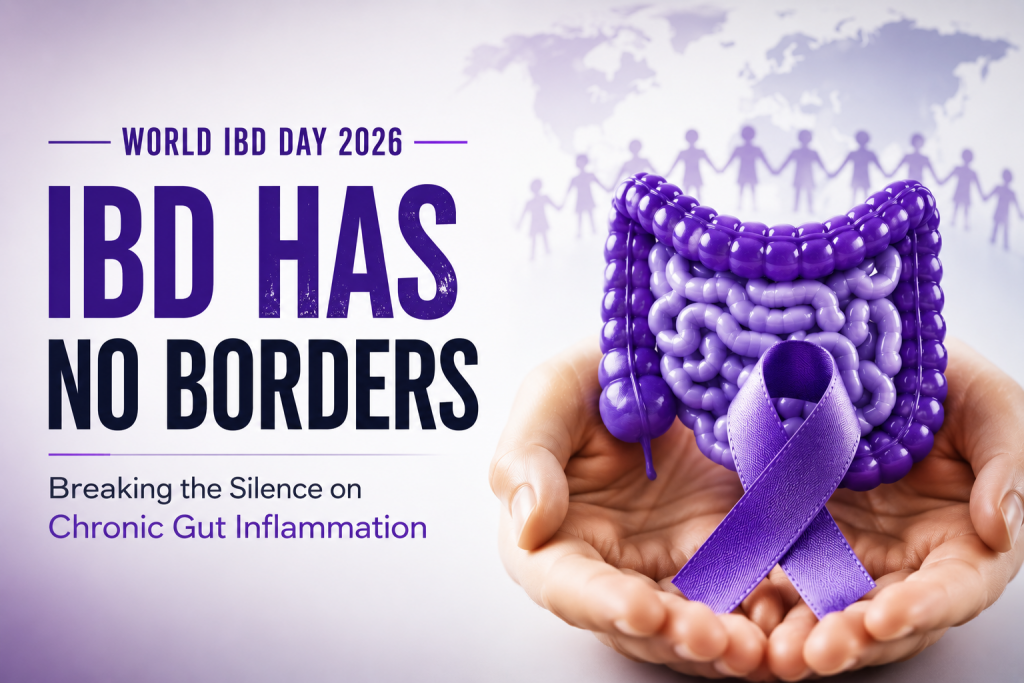
World IBD Day 2026: Why IBD Is More Than Just a Gut Problem

We often hear conversations around “gut health” today – probiotics, digestion, bloating, and healthy eating have become part of mainstream wellness culture. But for millions of people living with Inflammatory Bowel Disease (IBD), gut health is not a trend. It is a lifelong medical condition that affects nearly every aspect of daily life.

Observed every year on May 19th, World IBD Day aims to raise awareness about chronic inflammatory bowel diseases like Crohn’s disease and Ulcerative Colitis, conditions that are often misunderstood, misdiagnosed, or ignored because their symptoms are largely invisible to others.

The official World IBD Day 2026 theme, “IBD Has No Borders: Access to IBD Care,” highlights an important global reality: everyone deserves timely diagnosis, quality treatment, and long-term support regardless of where they live.

And while medical care remains the foundation of IBD treatment, managing the condition daily also depends heavily on lifestyle, stress management, recovery, movement, and sustainable health habits.

What Exactly Is IBD?

Inflammatory Bowel Disease (IBD) is a chronic autoimmune condition in which the immune system mistakenly attacks healthy tissue in the digestive tract, causing ongoing inflammation and damage.

The two most common forms of IBD are:

  • Crohn’s Disease: Can affect any part of the digestive tract, from the mouth to the intestines.
  • Ulcerative Colitis: Primarily affects the lining of the large intestine (colon) and rectum.

Unlike occasional digestive discomfort, IBD involves chronic inflammation that can significantly impact nutrient absorption, energy levels, immunity, and overall quality of life.

Common symptoms may include:

  • Persistent diarrhoea
  • Abdominal pain or cramping
  • Fatigue
  • Unexplained weight loss
  • Rectal bleeding
  • Reduced appetite
  • Nutritional deficiencies

For many individuals, flare-ups can be unpredictable and physically exhausting.

IBD vs IBS: Understanding the Difference

IBD and IBS (Irritable Bowel Syndrome) are often confused, but they are not the same condition.

IBS is a functional digestive disorder, meaning the digestive system does not function optimally despite there being no visible inflammation or structural damage.

IBD, however, is a structural inflammatory disease. It causes visible damage to the digestive tract, including ulcers and tissue inflammation, and requires specialised medical care and long-term monitoring.

Understanding this difference is important because symptoms may overlap, but the long-term health implications are very different.

IBD Is More Than a Digestive Condition

One of the biggest misconceptions about IBD is that it only affects the stomach or intestines.

In reality, chronic inflammation can affect the entire body.

Many people living with IBD also experience:

  • Severe fatigue
  • Joint pain
  • Sleep disturbances
  • Anxiety and emotional stress
  • Nutrient deficiencies
  • Reduced immunity
  • Skin or eye inflammation

This is why managing IBD requires a more holistic approach that supports both physical and mental wellbeing—not just symptom control.

5 Lifestyle Habits That Can Support IBD Management

While IBD requires medical treatment and professional supervision, daily habits can play a major role in reducing flare triggers, supporting recovery, and improving overall quality of life.

  1. Identify Personal Food Triggers

There is no universal “IBD diet.”

Foods that work well for one person may worsen symptoms for another. Common triggers may include spicy foods, high-fat meals, dairy, caffeine, excessive processed foods, or artificial sweeteners.

The Action Step:

Keep a detailed food and symptom journal. Tracking meals alongside symptoms can help identify patterns and trigger foods more effectively over time.

During remission phases, focusing on balanced nutrition and overall gut health may help support microbiome diversity and digestive recovery.

  1. Support the Gut-Brain Connection

The gut and brain are deeply connected through the gut-brain axis. Chronic stress can directly influence inflammation, digestion, bowel sensitivity, and flare severity.

According to the GOQii India Fit Report 2026, 21% of women and 10% of men reported feeling chronic stress “always or very often.” Persistent stress keeps the body in a prolonged fight-or-flight state, which may aggravate inflammatory conditions over time.

The Action Step:

Prioritise nervous system recovery daily. Deep breathing, meditation, restorative yoga, journaling, nature walks, or simply disconnecting from screens can help calm the body and support digestive health.

Managing stress is not optional in chronic inflammatory conditions—it is part of the treatment ecosystem. Learn more about effective stress management techniques that can support long-term wellbeing.

  1. Stay Hydrated During Flare-Ups

IBD-related diarrhoea can increase the risk of dehydration and electrolyte imbalance, especially during active flare periods.

The Action Step:

Sip fluids consistently throughout the day instead of consuming large amounts at once. Coconut water, homemade oral rehydration solutions (ORS), and electrolyte-rich fluids may help replenish sodium and potassium levels more effectively.

  1. Avoid a Completely Sedentary Lifestyle

Movement plays an important role in circulation, digestion, mood, insulin sensitivity, and inflammation management.

The GOQii India Fit Report 2026 revealed that nearly 50% of Indians spend 5–8 hours sitting daily, while another 26% remain sedentary for even longer durations. Prolonged inactivity may worsen fatigue, digestive sluggishness, and systemic inflammation.

The Action Step:

Focus on gentle, sustainable movement. Walking, stretching, cycling, swimming, or light yoga can help support recovery without placing excessive physical stress on the body.

During flare-ups, the goal is not intense performance—it is maintaining mobility and supporting overall wellbeing.

  1. Prioritise Sleep and Recovery

Sleep is one of the most overlooked pillars of inflammatory health.

Poor sleep increases stress hormones, disrupts immune regulation, and may worsen inflammatory responses throughout the body. Many people living with IBD already struggle with interrupted sleep due to pain, discomfort, or fatigue.

The Action Step:

Create a consistent sleep routine. Reduce screen exposure before bed, avoid heavy late-night meals, and prioritise recovery habits that allow the body to rest and repair more effectively.

The Bigger Goal: Protecting Your Healthspan

Living with IBD can feel physically exhausting, emotionally isolating, and unpredictable. But awareness, support, and proactive management can significantly improve long-term quality of life.

The GOQii India Fit Report 2026 highlighted a growing concern: while average life expectancy in India has increased to 70.4 years, Healthy Life Expectancy (HALE) remains only 59 years. This means many people spend over a decade managing chronic health conditions that affect daily functioning and wellbeing.

World IBD Day is not just about awareness. It is about recognising that chronic inflammation, stress, sedentary lifestyles, poor recovery, and delayed diagnosis all influence long-term healthspan.

Supporting gut health is not simply about digestion—it is about protecting energy, immunity, resilience, and quality of life for the future.

Pro Tip: Use the GOQii App to track meals, hydration, symptoms, movement, sleep, and stress levels. Sharing this data with your GOQii Personalised Health Coach can help identify flare triggers faster and support more personalised lifestyle management.

Frequently Asked Questions (FAQs)

  1. Is there a cure for IBD?

Currently, there is no cure for Crohn’s disease or Ulcerative Colitis. However, many individuals successfully manage symptoms and achieve long-term remission through a combination of medical treatment, nutrition, stress management, and lifestyle support.

  1. Can stress worsen IBD symptoms?

Yes. While stress does not directly cause IBD, chronic stress may aggravate inflammation and trigger flare-ups through the gut-brain connection.

  1. What foods should people with IBD avoid?

Triggers vary from person to person. Common trigger foods may include spicy foods, high-fat meals, caffeine, alcohol, dairy, processed foods, or high-fibre foods during active flare-ups.

  1. Why is fatigue so common in IBD?

Ongoing inflammation, poor nutrient absorption, disrupted sleep, and immune system stress can all contribute to severe fatigue in people living with IBD.

#BeTheForce

Disclaimer: This article is intended for educational purposes only. IBD is a serious chronic medical condition. Always consult your gastroenterologist or healthcare provider before making changes to your diet, medication, or exercise routine.

May 4, 2026 By GOQii Leave a Comment

5 Smart Ways to Avoid Weight Gain on Vacation

You have been looking forward to your trip for months. The flights are booked, the itinerary is set, and it is finally time to unwind.

However, for many individuals on a health journey, travel brings a lingering concern: How do I enjoy my vacation without undoing my fitness progress?

The truth is, maintaining your health on holiday does not require extreme restriction. You do not need to pack a food scale, nor do you need to spend hours in a hotel gym while your family explores the city. Health is about consistency, not perfection.

By adopting a practical, mindful travel strategy, you can enjoy local cuisines and relax fully without bringing home unwanted weight. Here are five professional strategies to help you stay balanced on your next trip.

  1. Make Mindful Choices at the Buffet

Hotel breakfast buffets offer incredible variety, but they are often filled with refined carbohydrates that can spike your blood sugar early in the day, leading to mid-morning crashes and cravings.

The Strategy: Adopt a “protein-first” approach. Start your breakfast with eggs, paneer, Greek yogurt, or lean meats to ensure you get high-quality nutrients, because protein is not just about quantity, it is also about quality. Protein acts as a biological anchor; it stabilizes your blood sugar and promotes satiety. By eating your protein and fiber first, you can still enjoy a pastry or waffle afterward, but you will naturally consume a more controlled portion.

  1. Incorporate Active Sightseeing

You do not need a formal workout routine to burn calories on vacation. Instead, take advantage of NEAT (Non-Exercise Activity Thermogenesis), which accounts for the energy expended during daily movements.

The Strategy: Make physical activity a natural part of your itinerary.

  • Rent bicycles to navigate the city instead of relying on taxis.
  • Book a walking tour to learn about local history.
  • Choose the stairs when visiting monuments or museums.
  • Swim a few laps in the ocean or hotel pool.

By prioritizing movement and walking after your meals, you will easily hit your daily step goals without feeling like you are forcing a workout.

  1. Plan Ahead for Transit Days

Travel days are often the biggest hurdle for healthy eating. Airports and train stations primarily offer highly processed, high-sodium foods that leave you feeling bloated and lethargic before you even reach your destination.

The Strategy: Eat a nutrient-dense, balanced meal at home before heading to the airport. Additionally, pack a personalized kit of healthy travel snacks in your carry-on luggage. Options like roasted makhana, a handful of almonds, or a high-quality protein bar will keep you satiated and prevent impulse purchases during unexpected flight delays.

  1. Balance Your Beverages

Vacations often include relaxing by the pool with a cocktail or enjoying wine with dinner. While you should absolutely enjoy yourself, alcohol can lead to dehydration and lowered inhibitions, which often trigger late-night overeating.

The Strategy: Practice mindful consumption by alternating your beverages. For every alcoholic drink you consume, follow it immediately with a full glass of water. This simple habit paces your drinking, mitigates severe dehydration, and ensures you are hydrating the right way so you can wake up feeling refreshed the next morning.

  1. Prioritize Restorative Sleep

It is easy to let your sleep schedule slip while traveling due to late dinners and changing time zones. However, poor sleep disrupts your metabolism and elevates cortisol levels, making your body more prone to storing fat and craving sugar the following day.

The Strategy: Treat your hotel room as a restorative environment to maintain your healthy sleep rituals. Keep the room temperature cool, use blackout curtains to block street lights, and aim to wake up reasonably close to your normal routine. A well-rested body digests food efficiently and regulates appetite hormones effectively.

A truly successful vacation leaves you feeling rejuvenated, not restricted. By prioritizing high-quality protein, integrating active movement into your sightseeing, and managing your sleep and hydration, you can fully embrace the travel experience without compromising your health goals.

Need guidance resetting your routine once you return home? Subscribe for Personalised Health Coaching directly from a GOQii Coach in the GOQii App for expert, one-on-one support.

Frequently Asked Questions (FAQs)

  1. How can I eat healthy at a hotel buffet?
    The most effective method is the “protein-first” approach. Fill your plate with eggs, paneer, or Greek yogurt and consume those before moving on to carbohydrates like breads, cereals, or pastries. This helps keep your blood sugar stable, prevents energy crashes, and promotes early satiety so you naturally eat smaller portions.
  2. How do I stay active on vacation without a gym?
    You can easily stay active by incorporating Non-Exercise Activity Thermogenesis (NEAT) through active sightseeing. Rent bicycles, book walking tours, swim in the ocean, or take the stairs at historical monuments to burn calories naturally without needing formal exercise equipment.
  1. What are the best healthy snacks for airplane travel?
    To avoid highly processed and overpriced airport food, pack nutrient-dense, non-perishable items in your carry-on bag. Excellent options include roasted makhana (fox nuts), almonds, walnuts, homemade trail mix, or a high-quality protein bar.

#BeTheForce

Disclaimer: This article is intended for educational and informational purposes only and should not be considered a substitute for professional medical advice, diagnosis, or treatment. Always consult with your doctor, nutritionist, or a qualified healthcare provider before making any significant changes to your diet, exercise routine, or lifestyle, especially if you have pre-existing metabolic or medical conditions.

April 11, 2026 By GOQii Leave a Comment

World Parkinson’s Day 2026: Bridging the Care Gap & Supporting Caregivers

Every year on April 11th, the world pauses to recognise Parkinson’s disease.

But for millions of individuals and families, this is not a one-day reality.
It is a daily negotiation with movement, independence, and uncertainty.

As we mark World Parkinson’s Day 2026, the global theme “Bridge the Care Gap” highlights a deeper truth:

👉 The challenge is not just awareness.
👉 It is access, continuity, and support for both patients and caregivers.

Understanding the Condition: More Than Just Tremors

Parkinson’s is often reduced to a single image shaking hands.

In reality, it is far more complex.

It is a progressive neurodegenerative condition caused by the loss of dopamine-producing cells in the brain, particularly in the substantia nigra. Dopamine plays a critical role in regulating movement, coordination, and balance.

As levels decline, control over the body gradually weakens.

Core motor symptoms include:

  • Tremors: Involuntary shaking, often starting in the hands at rest
  • Bradykinesia: Slowness of movement that affects everyday tasks
  • Muscle rigidity: Stiffness that restricts motion and causes discomfort
  • Postural instability: Impaired balance, increasing fall risk

Early non-motor symptoms may include:

  • Sleep disturbances
  • Loss of smell
  • Chronic constipation
  • Anxiety or mood changes

These symptoms often appear years before diagnosis making early awareness critical.

Bridging the Gap: From Awareness to Action

Despite advances in treatment, a significant gap remains:

  • delayed diagnosis
  • limited access to therapy
  • inconsistent long-term care

Bridging this gap requires moving beyond episodic care to continuous, holistic support.

What this looks like in practice:

  • Movement as therapy: Regular, targeted exercise helps maintain mobility and improves how the brain utilises dopamine.
  • Nutritional consistency: Anti-inflammatory, balanced nutrition supports neurological and metabolic health.
  • Mental and emotional support: Living with Parkinson’s impacts identity, confidence, and independence not just physical function.

The Overlooked Reality: Caregiver Health

One of the most under-discussed aspects of Parkinson’s care is the caregiver.

Behind every patient is someone:

  • managing routines
  • navigating appointments
  • absorbing emotional stress

Over time, this leads to:

  • fatigue
  • burnout
  • neglected personal health

And yet, caregiver health is rarely prioritised.

To truly bridge the care gap, this must change.

Preventive Health for Caregivers: Why It Matters

Caregiving is not sustainable without resilience.

Maintaining personal health is not optional it is essential.

Key areas include:

  • Sleep: Chronic sleep deprivation accelerates physical and mental fatigue
  • Stress management: Ongoing stress impacts immunity and energy levels
  • Physical activity: Movement improves both mental clarity and stamina

This is where structured support becomes valuable.

Using a preventive health ecosystem like GOQii allows caregivers to:

  • track daily habits
  • monitor sleep and activity
  • receive guidance from a personalised health coach

Not as an add-on but as a way to protect their own baseline health while caring for someone else.

How You Can Make a Difference This World Parkinson’s Day

You don’t need to be a clinician to contribute meaningfully.

  • Recognise early signs in ageing family members
  • Start conversations using the red tulip symbol
  • Practice patience in public spaces
  • Support caregivers, not just patients

Small actions create real impact.

Frequently Asked Questions (FAQs)

  1. What is the main goal of World Parkinson’s Day?

To raise awareness, improve access to care, accelerate research, and highlight the need for better support systems for both patients and caregivers.

  1. Why is the red tulip the symbol?

It was developed by a Dutch horticulturist living with Parkinson’s and later adopted globally as a symbol of awareness and resilience.

  1. Who is most at risk?

Age is the primary factor (typically 60+), with men slightly more affected. Genetics play a role in a minority of cases.

  1. Why is caregiver health critical?

Without physical and emotional resilience, caregivers cannot sustain long-term support making preventive health essential for effective care.

Parkinson’s care is not just about managing symptoms.

It is about sustaining quality of life for both the individual and the person standing beside them.

Bridging the care gap begins when we recognise both.

#BeTheForce

Disclaimer: This article is intended for general awareness and educational purposes only and should not be considered medical advice. Parkinson’s disease is a complex neurological condition that requires individualised diagnosis and treatment by qualified healthcare professionals. Always consult a neurologist or licensed medical practitioner for medical concerns or treatment decisions. GOQii provides preventive health and lifestyle coaching support and does not offer clinical diagnosis or treatment for Parkinson’s disease.

April 9, 2026 By GOQii Leave a Comment

The ROI of Preventive Health: A Guide for Modern Corporate Wellness

For decades, Corporate Wellness was viewed by many executives as a “nice-to-have” HR perk a checkbox item featuring an annual step challenge or a discounted gym membership. However, in today’s high-pressure, hyper-connected business landscape, that outdated view is a costly mistake.



Modern forward-thinking CEOs and HR leaders are realizing that employee health is inextricably linked to company performance. When your workforce is unwell, burned out, or chronically stressed, the bottom line suffers.

Investing in preventive health is no longer an employee benefit; it is a critical business strategy. Let’s break down the hidden costs of the modern workplace and explore the undeniable ROI of a data-driven corporate wellness program.

The Hidden Cost of the Modern Workplace

To understand the return on investment, we must first understand the cost of inaction. The GOQii India Fit Report 2026 reveals a stark reality: for most Indians, working life is the biggest driver of healthspan loss.

As careers intensify and responsibilities multiply, chronic stress becomes background noise. The modern workplace inadvertently creates an environment where health takes a back seat to productivity. The data highlights exactly how this impacts your workforce:

  • The Sedentary Epidemic: A staggering 50% of Indians now spend 5 to 8 hours a day sitting. This prolonged inactivity slows metabolism and triggers inflammation, driving up the risk of heart disease and diabetes.
  • The Burnout Culture: Burnout culture, long work hours, constant digital connectivity, and sedentary routines accelerate health decline.
  • The Emotional Toll: Stress levels have reached critical highs, affecting 45% of the population. Furthermore, 40% of people experiencing frequent episodes of low mood report poor work-life balance.
  • The Economic Drain: Early onset of lifestyle diseases forces many adults to exit the workforce years before retirement age. According to NITI Aayog, non-communicable diseases reduce India’s economic output by billions annually through lost productivity and healthcare costs.

When employees are managing silent epidemics like hypertension, high cholesterol, and chronic fatigue, they are physically present but cognitively depleted a phenomenon known as presenteeism.

Defining the ROI: How Prevention Translates to Profits

Shifting from a sick-care model to a preventive corporate wellness framework yields measurable financial and operational returns. Here is how the ROI of preventive health materializes for modern businesses:

  1. Drastic Reduction in Healthcare Costs

India’s healthcare system is still heavily treatment-focused, and managing advanced diseases consumes far more resources than preventing them. By implementing preventive health screenings and continuous monitoring, companies can help employees detect lifestyle risks like insulin resistance or rising blood pressure before they become full-blown chronic diseases requiring expensive medical interventions, hospitalizations, and premium hikes.

  1. Elimination of Productivity Leaks (Absenteeism & Presenteeism)

Healthy employees are focused employees. Regular movement, adequate sleep, balanced nutrition, and stress regulation protect healthspan far more effectively than drastic changes made late in life. When corporate wellness programs actively improve sleep quality and reduce stress, employees experience sharper cognitive function, better decision-making, and higher sustained energy levels, directly boosting daily output.

  1. Superior Talent Attraction and Retention

In a competitive talent market, top-tier professionals look for employers who care about their holistic well-being. Workplaces that prioritize movement, rest, and recovery foster deep loyalty. Providing robust mental health support and personalized coaching reduces turnover rates, saving companies the massive costs associated with recruiting, hiring, and training new staff.

3 Pillars of a Modern Corporate Wellness Strategy

To achieve a true ROI, corporate wellness must evolve from episodic interventions (like an annual health camp) to continuous, habit-building support.

  1. Continuous Data & Insights: Utilizing digital health platforms and wearables enables earlier detection, sustained behavior change, and a move from episodic care to continuous prevention. Tracking daily metrics like sleep and activity allows employees to understand their baseline health.
  2. Personalised Human Coaching: Technology, when paired with human coaching and accountability, enables this shift across life stages. Data alone does not change habits; personalized guidance from health experts helps employees translate their data into actionable, daily lifestyle changes.
  3. Mental Resilience as a Core Focus: Emotional health must be treated as biological health. Companies need to invest in stress management programs, promote a healthy work-life balance, and provide support systems for mental health.

Frequently Asked Questions (FAQs)

  1. What is the actual ROI of a corporate wellness program?
    The ROI of a modern corporate wellness program is measured through three primary financial pillars: drastically reduced long-term healthcare costs and insurance premiums, the elimination of productivity leaks (such as absenteeism and presenteeism caused by chronic stress or illness), and significantly lower employee turnover rates. Preventive health transforms wellness from a sunk cost into a strategic driver of profitability.
  2. How does preventive health directly impact employee productivity?
    According to the GOQii India Fit Report 2026, chronic stress and poor sleep are major drivers of decreased cognitive function and “presenteeism” (being at work but underperforming). Preventive health programs target these root causes by improving sleep quality and managing stress, which directly results in sharper decision-making, higher sustained energy, and better daily output.
  3. Why do traditional corporate wellness initiatives fail to show an ROI?
    Traditional wellness programs fail because they are episodic—relying on annual health check-ups or one-off step challenges. True behavioral change requires a continuous approach. The modern workforce needs ongoing data monitoring combined with personalized human coaching to build sustainable, daily health habits that actually reverse chronic disease risks.
  4. How does GOQii help companies maximize their wellness ROI?
    GOQii provides a comprehensive, continuous preventive healthcare ecosystem. By combining digital health monitoring with personalized, one-on-one human coaching, GOQii helps employees transition from awareness to action. This proactive approach manages lifestyle diseases early, directly reducing corporate healthcare burdens and building a more resilient, focused workforce.

The Bottom Line for Business Leaders

Treating corporate wellness as an expense is a miscalculation. Unhealthy employees will always cost a business more in lost productivity, healthcare claims, and turnover than the cost of a comprehensive wellness program.

The future of corporate success relies on building an infrastructure of prevention. By partnering with comprehensive healthcare ecosystems like GOQii which seamlessly integrates wearable technology, continuous data monitoring, and personalized human coaching you are securing the operational resilience and financial ROI of your company tomorrow. Invest in your workforce’s healthspan today, and watch your business thrive.

#BeTheForce

Disclaimer: The information provided in this article is for educational and informational purposes only and is not intended to serve as professional medical, legal, financial, or HR compliance advice. The health statistics, productivity metrics, and ROI projections discussed—including data referenced from the GOQii India Fit Report—are based on aggregated trends and may vary significantly depending on individual organizational structures, industry, and workforce demographics. Always consult with qualified healthcare professionals, certified HR consultants, or corporate legal counsel before designing, implementing, or altering any employee wellness programs or company health policies.

  • « Previous Page
  • 1
  • 2
  • 3
  • 4
  • 5
  • 6
  • …
  • 36
  • Next Page »

Search

Recent Posts

  • 6 Health Benefits of Playing Sports
  • Foods to Manage Blood Sugar Naturally: A Complete Guide to Better Blood Sugar Control
  • The Lazy Person’s Guide to Staying Healthy: 5 Micro-Habits That Take Less Than 2 Minutes
  • Healthy Eating: Comforting Chilli Bean Soup Recipe for the Monsoon
  • The Truth About the ‘Beer Belly’: What Alcohol Really Does to Your Metabolism

Stay Updated

Archives

  • August 2026 (8)
  • July 2026 (25)
  • June 2026 (22)
  • May 2026 (20)
  • April 2026 (24)
  • March 2026 (18)
  • February 2026 (14)
  • January 2026 (14)
  • December 2025 (19)
  • November 2025 (15)
  • October 2025 (20)
  • September 2025 (6)
  • August 2025 (6)
  • July 2025 (9)
  • June 2025 (18)
  • May 2025 (16)
  • April 2025 (22)
  • March 2025 (26)
  • February 2025 (21)
  • January 2025 (25)
  • December 2024 (22)
  • November 2024 (22)
  • October 2024 (20)
  • September 2024 (22)
  • August 2024 (27)
  • July 2024 (15)
  • June 2024 (23)
  • May 2024 (26)
  • April 2024 (27)
  • March 2024 (27)
  • February 2024 (23)
  • January 2024 (21)
  • December 2023 (14)
  • November 2023 (10)
  • October 2023 (19)
  • September 2023 (21)
  • August 2023 (16)
  • July 2023 (16)
  • June 2023 (21)
  • May 2023 (20)
  • April 2023 (19)
  • March 2023 (23)
  • February 2023 (19)
  • January 2023 (15)
  • December 2022 (11)
  • November 2022 (15)
  • October 2022 (15)
  • September 2022 (12)
  • August 2022 (9)
  • July 2022 (17)
  • June 2022 (11)
  • May 2022 (10)
  • April 2022 (6)
  • March 2022 (6)
  • February 2022 (13)
  • January 2022 (11)
  • December 2021 (7)
  • November 2021 (3)
  • October 2021 (6)
  • September 2021 (3)
  • August 2021 (8)
  • July 2021 (7)
  • June 2021 (15)
  • May 2021 (16)
  • April 2021 (10)
  • March 2021 (7)
  • February 2021 (4)
  • January 2021 (4)
  • December 2020 (3)
  • November 2020 (4)
  • October 2020 (10)
  • September 2020 (3)
  • August 2020 (3)
  • July 2020 (2)
  • June 2020 (4)
  • May 2020 (10)
  • April 2020 (12)
  • March 2020 (10)
  • February 2020 (4)
  • January 2020 (4)
  • December 2019 (3)
  • November 2019 (7)
  • October 2019 (5)
  • September 2019 (4)
  • August 2019 (9)
  • July 2019 (9)
  • June 2019 (11)
  • May 2019 (4)
  • April 2019 (8)
  • March 2019 (8)
  • February 2019 (9)
  • January 2019 (8)
  • December 2018 (9)
  • November 2018 (3)
  • October 2018 (3)
  • September 2018 (5)
  • August 2018 (10)
  • July 2018 (6)
  • June 2018 (13)
  • May 2018 (8)
  • April 2018 (17)
  • March 2018 (9)
  • February 2018 (8)
  • January 2018 (15)
  • December 2017 (12)
  • November 2017 (19)
  • October 2017 (13)
  • September 2017 (15)
  • August 2017 (4)
  • July 2017 (8)
  • June 2017 (7)
  • May 2017 (6)
  • April 2017 (8)
  • March 2017 (6)
  • February 2017 (7)
  • January 2017 (9)
  • December 2016 (10)
  • November 2016 (7)
  • October 2016 (7)
  • September 2016 (7)
  • August 2016 (11)
  • July 2016 (9)
  • June 2016 (9)
  • May 2016 (12)
  • April 2016 (17)
  • March 2016 (17)
  • February 2016 (8)
  • January 2016 (6)
  • December 2015 (2)
  • November 2015 (9)
  • October 2015 (7)
  • September 2015 (9)
  • August 2015 (11)
  • July 2015 (9)
  • June 2015 (11)
  • May 2015 (9)
  • April 2015 (13)
  • March 2015 (8)
  • February 2015 (5)
  • January 2015 (12)
  • December 2014 (14)
  • November 2014 (11)
  • October 2014 (6)
  • September 2014 (13)
  • August 2014 (12)
  • July 2014 (6)
  • June 2014 (2)
  • May 2014 (7)
  • April 2014 (4)

From Burnout to Balance: How Dr. Ranjit Reclaimed His Health

Dr Ranjit Bhatt has spent years tending to others. A practising doctor in Odisha, his days were packed with patients, surgeries, and emergencies. From the outside, it looked like a life lived in service. But on the inside, something wasn’t right. “I had no … [Read More...]

From Shimla’s Slopes to Chandigarh’s Sidewalks: Surinder Kaur Bhalla’s Journey from Chaos to Control

Some journeys start with a plan. Others begin with a stumble literally. Surinder Bhalla, a government professional, born and raised in the scenic hill town of Shimla, had always lived a life of movement. “In Shimla, you walked everywhere,” she reflects. “Walking was never an exercise. It was just life.” But after shifting to Chandigarh, […]

“I’ve Challenged Myself to Live 100 Years” – The Story of Chandubhai Savani’s Second Chance at Life

At 67, most people start slowing down. Not Chandubhai Savani. A resident of Surat, Chandubhai, thought life was on track. “My life was going well till I had my bypass surgery,” he says. That surgery, back in 2021, was a wake-up call.  Medication was routine, but exercise wasn’t. His diet? What he calls ‘normal.’ “I […]

Ananda Mukherjee Health Story

From Terminal Illness To Complete Wellness! Ananda Mukherjee Health Story

As we observe World Cancer Day under the powerful theme ‘United by Unique’ (2025-2027)**, we are reminded that every individual’s journey with cancer is distinct, yet united by shared resilience, hope, and the collective fight against this disease. This theme places people at the centre of care and their stories at the heart of the […]

  • HOME
  • HEALTHY LIVING
  • FITNESS
  • HEALTHY RECIPES
  • USER STORIES
  • KARMA
  • BUY GOQii

Copyright ©2016 GOQii
