 Every year on April 25th, the globe comes together to observe World Malaria Day. For 2026, the theme is a powerful call to action: “Driven to End Malaria: Now We Can. Now We Must.” With modern tools, treatments, and preventive measures, ending malaria in our lifetime is no longer just a hopeit is a tangible reality. However, defeating this disease requires all of us to stay informed, vigilant, and proactive.
Whether you are travelling, living in a high-risk area, or simply want to protect your family, here is everything you need to know about malaria.
What is Malaria?
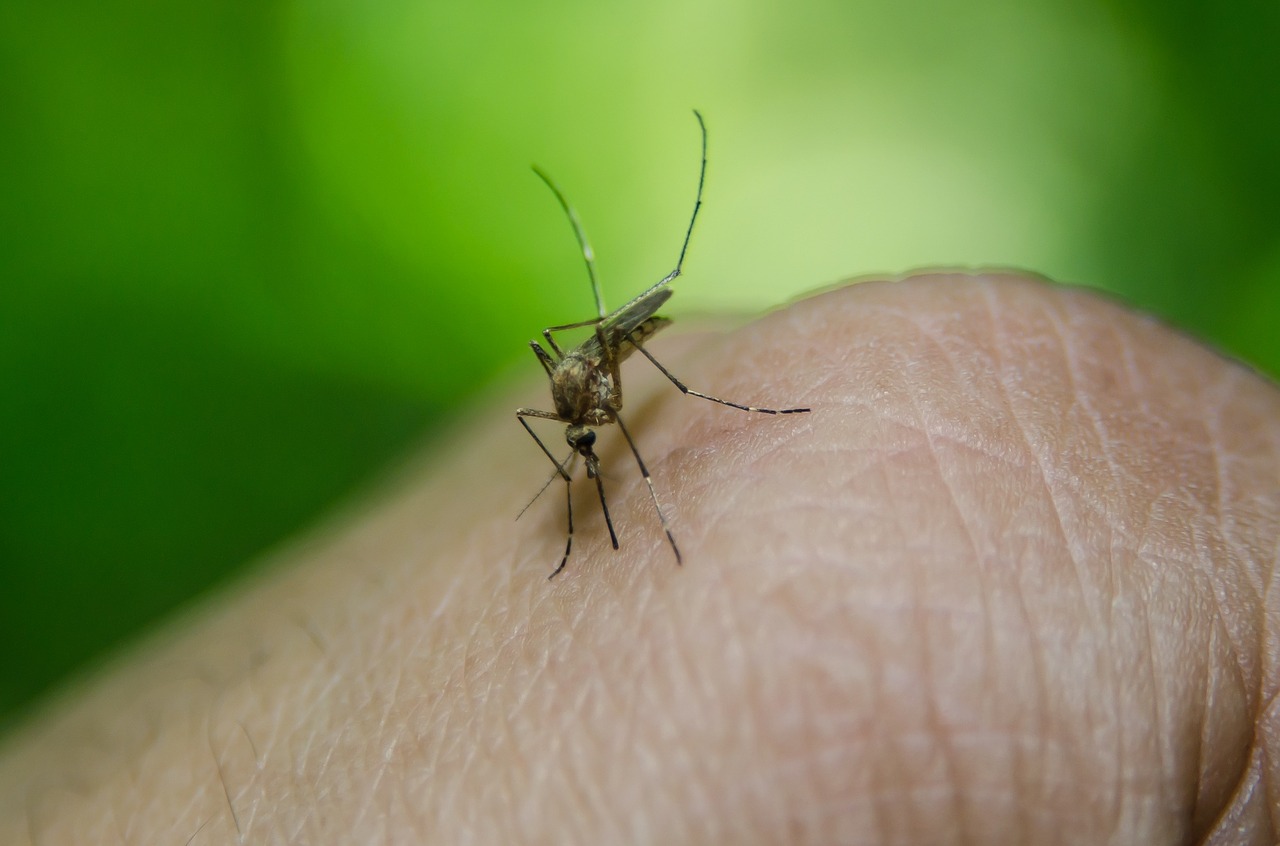
Malaria is a serious, life-threatening, and sometimes fatal disease spread by infected female Anopheles mosquitoes. The disease is caused by a single-celled parasite called Plasmodium.
There are five species of Plasmodium that can infect humans:
- Plasmodium falciparum (P. falciparum): The most dangerous strain. Severe infections can lead to liver and kidney failure, convulsions, and even coma. It is widely found across most parts of India.
- Plasmodium vivax (P. vivax): Also common in India. While generally less severe than falciparum, these parasites can remain dormant in the liver for months, causing symptoms to reappear long after the initial infection.
- Plasmodium malariae (P. malariae): Commonly found among tribal populations and in forested or hilly regions of India.
- Plasmodium ovale (P. ovale): Also causes dormant liver infections, though it is generally not found in India.
- Plasmodium knowlesi (P. knowlesi): A zoonotic malaria that primarily affects macaques but can infect humans.
Spotting the Symptoms
Malaria presents a wide spectrum of symptoms that usually begin 10 to 15 days after the mosquito bite.
Common Symptoms:
- High fever accompanied by shaking chills and heavy sweating
- Persistent headache and body aches
- General weakness and fatigue
- Nausea and vomiting
Severe Complications: If left untreated, complicated malaria can affect major body systems, leading to severe anaemia, kidney failure, seizures, cardiovascular collapse, or dangerously low blood sugar.
Modes of Transmission
The primary way humans contract malaria is through the bites of infected female Anopheles mosquitoes.
However, because the malaria parasite directly affects red blood cells, it can also be transmitted through exposure to infected blood. This includes:
- Transmission from a mother to her unborn child during pregnancy.
- Through contaminated blood transfusions or shared needles.
Treatment and Recovery
Malaria is highly treatable if caught early. It is treated with specific prescription anti-malarial drugs designed to kill the parasite. The type of medication and the duration of the treatment depend heavily on:
- The specific type of malaria parasite causing the infection.
- The severity of the symptoms.
- Whether the patient is pregnant.
Pro-Tip: People recovering from malaria should drink plenty of fluids. While hydration will not cure the disease, it significantly reduces the severe side effects associated with fever-induced dehydration.
Preventive Measures: How to Protect Yourself
Undeniably, the best way to treat malaria is to never catch it in the first place. Avoiding contact with mosquitoes is crucial. Here are simple yet highly effective ways to protect yourself:
- Use Insecticide-Treated Nets (ITNs): Sleeping under a treated net drastically reduces nighttime mosquito contact.
- Indoor Residual Spraying (IRS): Spraying the inside of housing structures with insecticides once or twice a year is a powerful way to reduce community transmission.
- Apply Insect Repellent: Use EPA-registered repellents on all exposed skin.
- Dress Defensively: Wear clothing that covers most of your skin and opt for closed shoes. Tuck your shirt into your pants, and your pants into your socks to avoid bites around the ankles. Treating clothes with insecticides like permethrin offers even more protection.
- Eliminate Breeding Grounds: Ensure water is not allowed to stagnate in or around your house, as this is where mosquitoes breed. Keep your surroundings dry and clean.
The WHO ‘ABCD’ Tool for Travellers
The World Health Organization (WHO) has developed a simple, 4-letter tool to help travellers safely prepare for ventures in any corner of the world:
- A – Awareness of Risk: Before you travel, research if your destination has a risk of malaria.
- B – Bite Prevention: Whether headed to a high or low-risk area, take proactive steps to avoid mosquito bites.
- C – Chemoprophylaxis: In high-risk areas, consult your doctor about taking anti-malarial medication before you travel to reduce your risk of contracting the disease if bitten.
- D – Diagnosis: Prompt diagnosis ensures you get the right treatment exactly when you need it, ultimately improving your chances of a full recovery.
Although malaria can be a deadly disease, illness and death can usually be prevented if you are prepared for it.
Did we miss out on anything? Would you like to know more? Then subscribe for personalised health coaching and get the right guidance and information from a certified expert here.
Frequently Asked Questions (FAQs)
- What are the most common symptoms of malaria?
Common symptoms of malaria include high fever, shaking chills, heavy sweating, persistent headache, body aches, general weakness, nausea, and vomiting. Symptoms usually appear 10 to 15 days after an infected mosquito bite. - How is malaria transmitted?
Malaria is primarily transmitted through the bites of infected female Anopheles mosquitoes. Because the parasite lives in red blood cells, it can also be transmitted through exposure to infected blood, such as from a mother to her unborn child or through contaminated blood transfusions. - What is the WHO ABCD tool for malaria?
The WHO ABCD tool is a checklist for travellers: Awareness of Risk (know your destination’s risk level), Bite Prevention (use nets and repellents), Chemoprophylaxis (take preventative anti-malarial medication if advised by a doctor), and Diagnosis (seek prompt testing if symptoms appear).
#BeTheForce
Disclaimer: The content provided in this blog is for educational and general informational purposes only and should not be construed as professional medical advice, diagnosis, or treatment. Malaria is a serious and potentially life-threatening disease. Always consult with a qualified healthcare provider or a certified medical professional before travelling to malaria-endemic areas, starting any preventive medication (chemoprophylaxis), or if you experience any symptoms such as high fever, chills, or body aches. Do not ignore professional medical advice or delay in seeking it because of something you have read in this blog.





Leave a Reply