GOQii

Blog

  • HOME
  • HEALTHY LIVING
  • FITNESS
  • HEALTHY RECIPES
  • USER STORIES
  • KARMA
  • BUY GOQii

Search Results for: holi

July 28, 2026 By GOQii Leave a Comment

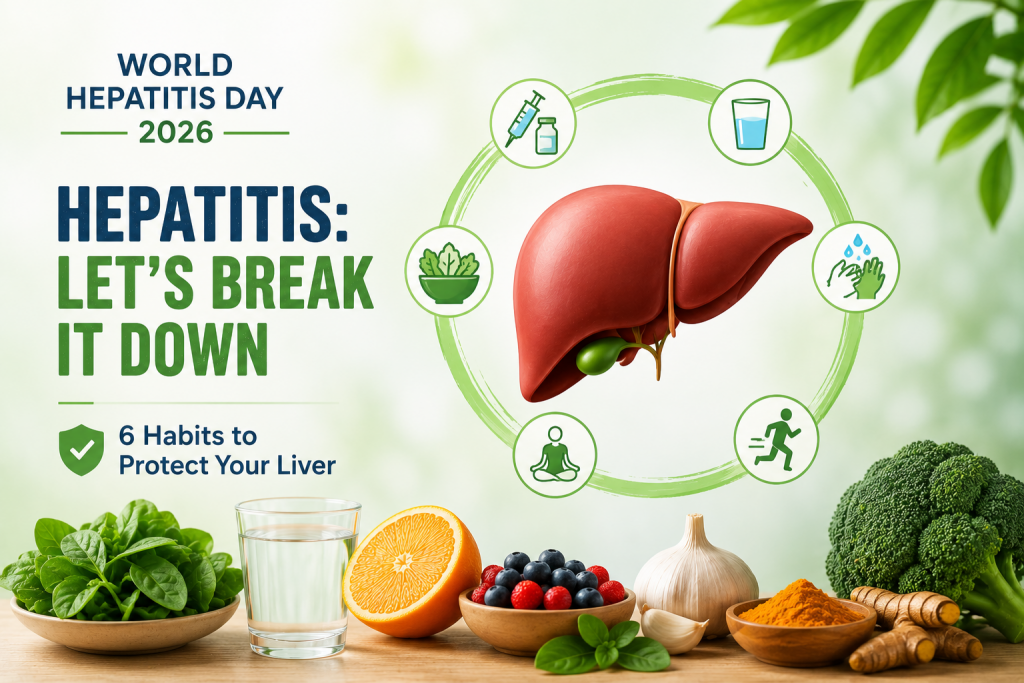
World Hepatitis Day 2026: “Let’s Break It Down” – 6 Habits to Protect Your Liver

The Big Question – Your liver works around the clock to keep you healthy but how often do you think about protecting it?

From filtering toxins and supporting digestion to storing energy and producing essential proteins, your liver performs hundreds of vital functions every day. Yet liver disease often develops silently, with few or no symptoms until significant damage has already occurred.

Many people believe liver disease is caused only by excessive alcohol consumption. In reality, viral hepatitis remains one of the leading causes of liver inflammation worldwide, affecting millions of people who may not even know they are infected.

The theme for World Hepatitis Day 2026 is “Hepatitis: Let’s break it down.” The campaign calls for breaking down the social, financial and systemic barriers that prevent people from accessing hepatitis prevention, testing, vaccination and treatment. It also encourages us to break down the stigma and misinformation surrounding hepatitis as the world works towards eliminating viral hepatitis as a public health threat by 2030.

This World Hepatitis Day, let’s break down liver health into simple, practical habits that can help protect you and your family.

Quick Answer

What is the theme for World Hepatitis Day 2026?

The official theme is “Hepatitis: Let’s break it down.”

The campaign focuses on:

  • Breaking down barriers to testing and treatment
  • Improving access to vaccination
  • Reducing stigma surrounding hepatitis
  • Accelerating progress towards hepatitis elimination by 2030

You can protect yourself by:

  • Getting vaccinated against Hepatitis A and B (where appropriate)
  • Drinking safe, clean water
  • Practising good food hygiene
  • Avoiding shared needles and personal grooming items
  • Maintaining a healthy lifestyle that supports liver health

Understanding the Different Types of Hepatitis

“Hepatitis” simply means inflammation of the liver, but several different viruses can cause it.

Type How It Spreads Vaccine Available? Can It Become Chronic?
Hepatitis A      Contaminated food or water ✅ Yes Rare
Hepatitis B Blood and body fluids ✅ Yes Yes
Hepatitis C Blood-to-blood contact ❌ No Yes
Hepatitis D Occurs only with Hepatitis B infection Indirectly prevented through Hepatitis B vaccination Yes
Hepatitis E Contaminated food or water Limited availability in some countries Rare

Hepatitis A and E usually cause acute (short-term) illness, while Hepatitis B, C and D may become chronic, increasing the risk of cirrhosis and liver cancer if left untreated.

Why “Let’s Break It Down” Matters

One of the biggest barriers to hepatitis elimination is misinformation.

Many people avoid testing because they fear discrimination or incorrectly assume hepatitis only affects people who consume alcohol or use drugs.

The reality is very different.

Anyone can be affected.

Modern medicine has transformed hepatitis care:

  • Hepatitis C is now curable in the vast majority of people with direct-acting antiviral medications.
  • Chronic Hepatitis B can often be effectively managed with long-term treatment and regular medical follow-up.
  • Early diagnosis significantly improves long-term outcomes.

Breaking the stigma begins with education and open conversations.

6 Science-Backed Habits to Protect Your Liver

  1. Choose Safe Water and Practise Good Food Hygiene

Hepatitis A and E are commonly spread through contaminated food and water.

Reduce your risk by:

  • Drinking boiled or filtered water
  • Washing fruits and vegetables thoroughly
  • Eating freshly prepared food
  • Avoiding undercooked shellfish and seafood
  • Being cautious with street food during the monsoon season

Safe food and water remain some of the simplest and most effective ways to prevent infection.

  1. Stay Up to Date with Vaccinations

Vaccination is one of the most effective ways to prevent viral hepatitis.

Highly effective vaccines are available for:

  • Hepatitis A
  • Hepatitis B

In India, Hepatitis B vaccination is included in the Universal Immunization Programme, helping protect infants and children from infection.

Adults who are unvaccinated or at higher risk should speak with their healthcare provider about vaccination.

  1. Never Share Personal Items That May Come into Contact with Blood

Hepatitis B and C can spread through microscopic amounts of infected blood.

Never share:

  • Razors
  • Toothbrushes
  • Nail clippers
  • Glucose monitoring equipment
  • Needles or syringes

If you’re getting a tattoo, piercing or dental procedure, ensure that sterile, single-use equipment is used.

  1. Eat to Support Liver Health

Your daily diet plays an important role in supporting liver function and reducing the risk of Non-Alcoholic Fatty Liver Disease (NAFLD), which is increasingly common alongside obesity and Type 2 diabetes.

Build a liver-friendly plate by including:

Colourful Fruits and Vegetables

Berries, leafy greens, citrus fruits and carrots provide antioxidants that help protect cells from oxidative stress.

Healthy Fats

Walnuts, flaxseeds, olive oil and fatty fish support heart and metabolic health.

Whole Grains and Fibre

Whole grains, legumes and vegetables support digestive health and help maintain a healthy weight.

Herbs and Spices

Garlic and turmeric contain naturally occurring compounds that are being studied for their antioxidant and anti-inflammatory properties and can be included as part of a balanced diet.

  1. Limit Alcohol and Avoid Unnecessary Medications

Your liver processes everything you consume.

Excessive alcohol intake can damage liver cells over time and increase the risk of fatty liver disease, hepatitis and cirrhosis.

Similarly, avoid taking painkillers, supplements or herbal remedies in excessive amounts or without medical advice, as some products may harm the liver.

Always follow the recommended dosage and consult your healthcare provider if you have existing liver disease.

  1. Stay Physically Active

Regular exercise supports liver health by helping maintain a healthy weight and reducing excess liver fat.

Aim for at least:

  • 150 minutes of moderate-intensity physical activity each week
  • Strength training on 2 or more days per week

Even brisk walking can make a meaningful difference.

Who Should Consider Hepatitis Screening?

Because chronic hepatitis may not cause symptoms for many years, screening is important for people at increased risk.

Speak with your healthcare provider if you:

  • Have a family history of hepatitis or liver disease
  • Work in healthcare
  • Received blood transfusions before improved screening practices
  • Have diabetes or fatty liver disease
  • Have multiple sexual partners
  • Share needles or injecting equipment
  • Have unexplained liver enzyme abnormalities

Early diagnosis allows timely treatment and helps prevent complications.

Myth vs Fact

Myth:

“I don’t drink alcohol, so I don’t need to worry about liver disease.”

Fact:

Liver disease can develop due to viral hepatitis, fatty liver disease, certain medications, autoimmune conditions and inherited disorders even in people who never consume alcohol.

When Should You See a Doctor?

Seek medical attention if you experience:

  • Yellowing of the skin or eyes (jaundice)
  • Persistent fatigue
  • Dark urine
  • Pale stools
  • Abdominal swelling or pain
  • Unexplained nausea or loss of appetite

These symptoms require medical evaluation and should not be ignored.

Your liver works tirelessly to keep your body healthy every single day.

This World Hepatitis Day 2026, answer the call to “Let’s break it down.”

Break down stigma.

Break down misinformation.

Break down barriers to testing and vaccination.

Simple steps such as practising good hygiene, staying physically active, eating a balanced diet, getting vaccinated and seeking timely screening can go a long way in protecting your liver and supporting the global effort to eliminate viral hepatitis by 2030.

Want to support your liver health every day? Use the GOQii App to monitor your nutrition, hydration, physical activity and sleep. Your GOQii Personalised Health Coach can help you build sustainable lifestyle habits that support liver health, metabolic wellness and long-term disease prevention.

Frequently Asked Questions (FAQs)

  1. What is the theme for World Hepatitis Day 2026?

The official theme is “Hepatitis: Let’s break it down.” It focuses on improving access to prevention, testing, vaccination and treatment while eliminating stigma.

  1. What is the difference between Hepatitis A, B and C?

Hepatitis A spreads mainly through contaminated food and water and usually causes short-term illness. Hepatitis B and C spread primarily through infected blood and body fluids and may become chronic if left untreated.

  1. Can viral hepatitis be cured?

Hepatitis A and E usually resolve on their own with supportive care. Hepatitis C is curable in more than 95% of cases with modern antiviral treatment. Chronic Hepatitis B can often be effectively managed, although it cannot always be completely cured.

  1. Are vaccines available for all types of hepatitis?

No. Effective vaccines are available for Hepatitis A and Hepatitis B. There is currently no vaccine for Hepatitis C.

  1. Can fatty liver disease become serious?

Yes. If left unmanaged, fatty liver disease can progress to liver inflammation, fibrosis and, in some cases, cirrhosis. Maintaining a healthy weight, eating a balanced diet and exercising regularly can help reduce the risk.

  1. Can hepatitis spread through food?

Only certain types. Hepatitis A and Hepatitis E are commonly spread through contaminated food and water. Hepatitis B and C spread through infected blood and body fluids.

#BeTheForce

Disclaimer: This article is intended for educational purposes only and should not replace professional medical advice, diagnosis or treatment. Viral hepatitis requires laboratory testing for diagnosis. If you believe you have been exposed to hepatitis or have symptoms suggestive of liver disease, consult a qualified healthcare professional or gastroenterologist promptly.


July 20, 2026 By Bhumi Mehta 3 Comments

Yoga for Seasonal Viral Infections: A 5-Level Approach to Supporting Recovery

yoga therapyThe Big Question: When seasonal changes leave you with a cold, sore throat, or mild viral illness, can yoga help you feel better while your body recovers?
Seasonal weather changes—especially during the monsoon and winter months—often bring an increase in viral infections such as the common cold and other upper respiratory illnesses. While adequate rest, hydration, good nutrition, and medical care remain the cornerstones of recovery, gentle yoga practices may help ease discomfort, reduce stress, and support overall wellbeing during the healing process.

Rather than viewing recovery as purely physical, yoga takes a holistic approach by nurturing the body, breath, mind, and emotional wellbeing. This five-level framework offers simple practices that may help you feel more comfortable while your immune system does what it is naturally designed to do.

Important: If you have a high fever, severe weakness, chest pain, or difficulty breathing, avoid yoga entirely and seek medical advice promptly.

Level 1: Supporting the Physical Body

When you’re recovering from a viral illness, stiffness, fatigue, and nasal congestion can make even simple movements uncomfortable. Gentle yoga postures may help improve mobility, encourage comfortable breathing, and relieve muscular tension.

A. Uttanasana (Standing Forward Bend)yoga therapyThis gentle forward bend may temporarily ease the feeling of nasal congestion for some people while stretching the back of the body. Move slowly and avoid the pose if you feel dizzy.

B. Setu Bandhaasana (Bridge Pose)Bridge Pose gently opens the chest and stretches the front of the body, which some people find helps them breathe more comfortably. Support your hips with a yoga block or cushion if needed.

C. Viparita Karani (Legs-Up-the-Wall Pose)One of the most restorative yoga poses, this encourages deep relaxation and may help reduce feelings of tiredness after a prolonged illness. It also provides gentle relief for tired legs after long periods of inactivity.

D. Adho Mukha Svanasana (Downward-Facing Dog)If your energy levels allow, this pose stretches the spine and shoulders while encouraging gentle chest expansion. Skip this pose if you feel weak, light-headed, or feverish.

E. Ustrasana This asana opens up the chest and clears out all the passages. It is essential to try and breathe as much as you can while you are in this pose. This will help open up all the blocked areas that are causing the cold.


F. Matsyasana (Fish Pose)A supported version of Fish Pose using a cushion or yoga bolster beneath the upper back can encourage gentle chest opening and comfortable breathing.

Level 2: Supporting the Breath

Breathing exercises can help calm the nervous system and encourage slow, comfortable breathing during recovery. The goal here is relaxation—not force.

  • Gentle Diaphragmatic Breathing: Place one hand on your abdomen and breathe slowly through your nose, allowing your belly to rise and fall naturally. Practise for 5–10 minutes.
  • Nadi Shodhana (Alternate Nostril Breathing): If your nose isn’t completely blocked, gentle alternate nostril breathing may promote relaxation and reduce stress. Avoid forcing the breath if you are heavily congested.
  • Ujjayi Breathing: Soft Ujjayi breathing may create a soothing sensation in the throat while encouraging slow, controlled breathing. Keep the breath gentle and comfortable.

Avoid During Acute Illness: Practices such as Kapalabhati and Bhastrika involve forceful breathing and may not be appropriate during an active viral infection, fever, or significant respiratory symptoms. Consider returning to these techniques only after you have fully recovered and under the guidance of a qualified yoga instructor.

Level 3: Supporting the Mind

Being unwell can affect more than just your body. Fatigue, disrupted sleep, and frustration often increase stress, which can make recovery feel even more difficult. Simple meditation practices may help reduce stress and promote emotional wellbeing.

  • Spend 5–10 minutes sitting or lying down comfortably.
  • Focus purely on your breathing without trying to change its rhythm.
  • If your mind wanders, gently and without judgment bring your attention back to your breath.

Level 4: Prioritising Rest and Recovery

One of the biggest mistakes people make is returning to their normal routine too quickly. Recovery requires massive amounts of internal energy.

  • Shavasana (Corpse Pose): Although it appears simple, Shavasana encourages deep physical relaxation and allows your body to rest without unnecessary muscular effort. Even 10–15 minutes of intentional rest can help you feel refreshed during recovery.

Listen to your body and allow yourself ample time to recover fully before returning to intense physical activity.

Level 5: Building Emotional Resilience

Illness can leave you feeling discouraged, especially if symptoms linger longer than expected. Yoga encourages self-awareness and self-compassion.

Whether through quiet reflection, gratitude, gentle chanting, or prayer, taking a few moments to cultivate emotional resilience can help you cope with the temporary challenges of illness. While these practices don’t treat infections directly, they heavily support your overall sense of wellbeing during recovery.

When Should You Avoid Yoga?

Rest is often the best medicine. Stop any physical practice and seek medical advice if you experience:

  • High fever
  • Difficulty breathing or shortness of breath
  • Chest pain
  • Persistent dizziness
  • Severe fatigue
  • Significant dehydration
  • Worsening symptoms or symptoms lasting longer than expected

Resume physical activity gradually only once you begin feeling significantly better.

Yoga cannot cure viral infections, but it can be a highly valuable complementary practice during recovery. Gentle movement, breathing exercises, meditation, and adequate rest may help reduce stress, improve comfort, and support overall wellbeing while your body heals naturally. The key is to practise with strict self-awareness, respect your energy levels, and allow yourself the time you need to recover fully.

Pro Tip: Recovering from an illness is the perfect time to slow down and listen to your body. The GOQii App offers guided yoga sessions suitable for different fitness levels, and your GOQii Personalised Health Coach can help you choose appropriate practices based on your exact recovery stage.

Frequently Asked Questions (FAQs)

  1. Is it safe to practise yoga during a cold?

If your symptoms are mild and you don’t have a fever, gentle restorative yoga may help you relax and ease physical stiffness. Avoid strenuous or heated practice until you feel completely better.

  1. Can yoga boost immunity?

Regular physical activity, including yoga, contributes to overall health and stress management, which are vital components of a healthy immune system. However, yoga should not be considered a direct treatment for viral infections or a replacement for proper medical care.

  1. Which yoga poses are best during recovery?

Restorative poses such as Viparita Karani (Legs-Up-the-Wall), supported Matsyasana (Fish Pose), and Shavasana (Corpse Pose) are generally much better suited to recovery than vigorous, standing Vinyasa sequences.

  1. Should I do Kapalabhati if I have a cold?

No. Forceful breathing exercises such as Kapalabhati and Bhastrika are generally best avoided during an active illness, especially if you have a fever or significant respiratory symptoms, as they can cause dizziness and irritate inflamed airways.

#BeTheForce  

Disclaimer: This article is intended for educational purposes only and should not replace professional medical advice, diagnosis, or treatment. Consult a qualified healthcare provider if your symptoms are severe, worsen, or are accompanied by high fever, chest pain, or difficulty breathing. Yoga should be practised within your comfort level and, where appropriate, under the guidance of a qualified instructor.

July 9, 2026 By Pallavi Barnwal Leave a Comment

The Joy of Complaining: How to Use the “Complaint Sandwich” for Relationship Success

The joy of complainingThe Big Question: Why have we been conditioned to believe that happy couples never fight or complain, when holding back our dissatisfactions is actually the quickest way to poison a relationship?

Many of us grew up under the heavy misconception that a healthy relationship is entirely devoid of friction, disagreements, or complaints. For years, you might have carried the guilt of speaking up, blaming yourself for not compromising or adjusting enough whenever differences arose. While exploding over minor issues is harmful, believing that you should never complain is an unrealistic ideal.

In reality, complaining is a vital emotional safety valve, a form of catharsis, and an essential survival tool for navigating the uneven phases of love. The secret to a lasting bond isn’t silence—it is mastering the psychological art of complaining effectively.

The Vicious Cycle of Silent Resentment

When we withhold our dissatisfactions out of fear of starting an argument, the issues don’t simply vanish. Instead, they ferment into deep-seated frustration and toxic resentment.

  • The Destructive Autopilot Loop: Hold Back Discontent ⇒ Accumulate Resentment ⇒ Explode Harshly ⇒ Partner Defensiveness ⇒ Loop Repeats.
  • The Mindful Alternative Loop: Address Issues Early ⇒ Lower Partner Defensiveness ⇒ Clear Communication ⇒ Intimacy & Resolution.

Eventually, the emotional pressure builds up until we inevitably explode, blurting out our grievances in harsh, accusatory tones that our partner cannot constructively absorb. This triggers immediate defensiveness and anger, which reinforces our belief that complaining is dangerous. We retreat back into silence, starting the destructive cycle all over again. Breaking this cycle requires a shift in mindset: you can be a deeply loving, accountable partner while still speaking up, blowing off steam, and addressing real issues.

The “Complaint Sandwich” Method

To express a grievance without triggering a defensive war, you can structure your conversation using a classic behavioral psychology tool called the Complaint Sandwich. Think of it as preparing a delicious, balanced meal for your partner’s emotional digestion.

  1. The Top Slice: The Ear Opener (Positive Statement)

The first layer is a positive validation designed to lower your partner’s natural psychological defenses. By starting with appreciation or reassurance, you signal that you are not launching a total character assault, allowing them to remain open and receptive to your words.

  1. The Filling: The Core Grievance (Lean & Singular)

The filling of your sandwich is the actual issue you need to address. To keep it constructive, the filling must be lean: restrict it to a single incident and a single complaint. Bringing up a mountain of past mistakes will immediately overwhelm your partner and stall any chance of a resolution.

  1. The Bottom Slice: The Digestive (Positive Reassurance)

The final layer is a forward-looking, positive statement that affirms the value of the relationship. The goal of the Digestive is to motivate your partner to respond productively by reassuring them that the conversation is meant to help you grow closer and improve your shared future.

5 Common Mistakes That Ruin a Good Complaint

Even with the right structure, small behavioral missteps can derail your message. Avoid these common communication traps to ensure your voice is truly heard:

  1. Forgetting Your True Objective

We often complain strictly out of immediate irritation without stopping to think about what we actually want to solve. Before you speak, take five deep breaths, pause, and clarify your ultimate goal. Figure out exactly what actionable outcome will make you feel satisfied and resolved.

  1. Letting Anger Distract from the Message

It is completely natural to feel hurt or frustrated, but letting raw anger dictate your delivery ruins your effectiveness. When your voice gets too loud, your tone turns harsh, or you resort to personal accusations, your partner’s brain shifts into a fight-or-flight survival response. They focus entirely on your anger rather than the actual problem, leading to a counter-argument instead of a solution.

  1. Piling on Multiple Complaints at Once

Because hearing criticism makes people naturally defensive, you must package your problems in digestible amounts. It is far more effective to voice a single issue and get a clear result than to air a laundry list of accumulated grievances and get nowhere. Resist the temptation to unload all your historical frustrations at once.

  1. Venting to the Wrong Person

Surprisingly, we rarely voice our core complaints to the person who actually possesses the power to fix them. Instead, we vent to friends, family, or coworkers about our partner. While temporary venting offers quick relief, it leaves the primary issue completely unchanged. If an issue genuinely compromises your peace of mind, you owe it to your relationship to address it directly with your partner.

  1. Turning Specific Complaints into Broad Criticisms

Keep your statements highly specific to the immediate situation rather than generalizing them into a permanent character flaw.

  • The Situational Complaint: “You forgot to call my sister this evening.” (Easy to hear, easy to fix).
  • The Character Criticism: “You never give any importance to my feelings.” (An absolute attack that creates immediate emotional distance).

The Relationship Communication Matrix

The Destructive Communication Style The Psychological Damage The Strategic Solution
Silent Martyrdom Creates emotional distance and explosive resentment. The Ear Opener: Open communication early using positive validation.
Character Criticism Attacks the partner’s identity, causing deep defensiveness. Specific Situational Phrasing: Describe the concrete event, not their personality.
Grievance Kitchen-Sinking Overwhelms the recipient with multiple historical issues at once. The Lean Filling: Focus strictly on one single incident per conversation.

Remember: Create Space for Your Partner to Vent

Just as you need a valve release, you must also allow your partner the safe emotional space to vent aloud without immediately jumping in to correct them or argue with logic. Often, venting is simply an expression of temporary loss, daily exhaustion, or long-term longing.

When your partner is blowing off steam, they usually know they cannot control the external situation; venting simply gives them the comfort of having a say. Practice the art of listening quietly, letting the wave pass, and offering empathy instead of a counter-argument.

A truly vibrant, lasting relationship isn’t built on the illusion of absolute, quiet perfection; it is forged through the messy, honest art of conflict resolution. Complaining isn’t the enemy of love—mindless delivery and toxic silence are. By transforming your grievances into a well-crafted Complaint Sandwich, staying laser-focused on a single situational issue, and mastering your emotional delivery, you turn difficult conversations into profound opportunities for deeper trust and intimacy. Express yourself cleanly, listen deeply, and let your relationship heal!

Pro Tip: Cultivating emotional resilience and maintaining behavioral mindfulness is much easier when you track your lifestyle habits consistently. Use the GOQii App to log your daily stress triggers, record your sleep quality, and monitor your physical activity trends. You can seamlessly share this holistic lifestyle overview with your GOQii Personalised Health Coach to receive customized stress-management techniques, behavioral tools, and expert accountability coaching to support your mental, emotional, and physical well-being!

Frequently Asked Questions (FAQs)

  1. Why is holding back complaints considered toxic for long-term relationships?

When you routinely suppress your dissatisfactions to avoid an immediate argument, the underlying emotional issues do not disappear. Instead, they transform into low-grade, chronic resentment that erodes your emotional intimacy. Over time, this accumulated frustration alters how you view your partner, leading to sudden, overly harsh outbursts over minor details.

  1. How exactly does the “Complaint Sandwich” method prevent arguments?

The framework functions by actively managing your partner’s defensive reflex. By placing the core grievance between two positive, affirming statements, you reassure your partner that they are valued and secure. This emotional safety buffer allows their brain to process the core complaint as a constructive request for growth rather than a threatening personal attack.

  1. What is the structural difference between a specific complaint and a character criticism?

A specific complaint focuses entirely on a singular, concrete situation or action that can be easily addressed and corrected (e.g., “The kitchen counter wasn’t wiped down tonight”). A character criticism generalizes the mistake into an absolute judgment on the person’s identity or intent (e.g., “You are always lazy and never help me”), which automatically triggers a defensive war.

  1. What should I do if my partner becomes defensive even when I use the Complaint Sandwich?

If defensiveness still arises, resist the urge to match their anger or bring up past counter-arguments. Take a deep breath, maintain a calm tone, and gently bring the focus back to your digestive statement. Reassure them by saying, “I’m not attacking you; I’m bringing this up because I love our relationship and want us to find an easy solution together.”

#BeTheForce

Disclaimer: This article is intended for educational, informational, and general relationship awareness purposes only. It is not intended to replace professional mental health counseling, clinical psychology interventions, or personalized couples therapy. Always consult a licensed relationship counselor or mental health specialist regarding severe relationship distress or chronic emotional well-being concerns.

June 12, 2026 By GOQii Leave a Comment

Yoga and Hormonal Health: What the Science Says

The Big Question: Can stepping onto a yoga mat truly influence your body’s complex chemical messengers?

Your endocrine system is an intricate biological network of glands responsible for manufacturing and releasing hormones that dictate cellular metabolism, tissue recovery, reproductive function, sleep architecture, mood stability, and daily energy levels. While yoga does not directly “cure” endocrine disorders or mechanically force specific glands to produce more hormones, clinical research demonstrates that it heavily supports the body’s overall hormonal environment. By downregulating chronic stress axes, enhancing sleep depth, optimizing insulin sensitivity through movement, and restoring autonomic nervous system equilibrium, a consistent yoga practice works as a powerful, non-invasive stabilizer for your internal biochemical landscape.

Modern life places relentless, compounding demands on both our minds and bodies. From strict workplace deadlines and financial pressures to family caregiving responsibilities and constant digital hyper-stimulation, psychological stress has transitioned into a daily companion for millions. Over time, this chronic mental fatigue degrades your sleep quality, alters your mood, drops your baseline energy, slows down your metabolic rate, and severely compromises your long-term cellular health.

This is precisely where the clinical application of yoga becomes invaluable. Rather than viewing it purely as an exercise for flexibility, sports science and lifestyle medicine recognize yoga as a multi-modal practice that combines structured physical movement, conscious breathing techniques (pranayama), and mindfulness. Increasingly, neuroscientists and endocrinologists are mapping out the exact pathways through which these practices indirectly optimize endocrine function and help your body maintain internal systemic balance.

Understanding the Human Endocrine System

The endocrine system serves as your body’s primary chemical communications network. It is composed of a specialized cluster of glands that synthesize regulatory hormones and secrete them directly into the bloodstream. These hormones function as molecular messengers, binding to targeted cell receptors to instruct your organs on how to behave.

The major endocrine glands working in tandem include:

  • The Hypothalamus & Pituitary Gland: Located in the brain, this pair acts as the command center, governing global hormone release.
  • The Thyroid & Parathyroid Glands: Found in the throat, they establish your baseline metabolic speed and calcium balance.
  • The Adrenal Glands: Sitting atop the kidneys, they dictate your acute and chronic stress adaptation.
  • The Pancreas: Positioned in the abdomen, it regulates blood sugar via insulin and glucagon.
  • The Ovaries & Testes: The reproductive glands responsible for sex hormone synthesis.

When this complex chemical web functions optimally, your body achieves a state of homeostasis – the ideal internal equilibrium required to defend against disease and slow down premature cellular aging.

The Neuroendocrine Axis: The Stress-Hormone Connection

The primary mechanism through which yoga optimizes your hormonal landscape is its direct, calming impact on your stress pathways. When your brain registers a psychological or physical threat, it activates the Hypothalamic-Pituitary-Adrenal (HPA) axis. This activation triggers an immediate, survival-driven surge of catecholamines and glucocorticoids, specifically adrenaline and cortisol.

[Chronic Modern Stressors] ──► Hyperactive HPA Axis ──► Non-Stop Cortisol Release

│

[Sustained Parasympathetic Mode via Yoga] ──► Vagus Stimulation ──► Hormonal Equilibrium

In short, acute bursts, this fight-or-flight response is an evolutionary marvel that provides the focus and glucose needed to survive immediate danger. However, in our modern environment, stressors do not disappear; they linger for months or years. When the HPA axis is kept permanently turned on, chronically high levels of cortisol begin to damage your tissues, leading to:

  • Fragmented sleep architecture and a lack of deep, restorative rest
  • Persistent daytime fatigue and chronic mental fog
  • Severe disruptions to your hunger-regulating hormones (leptin and ghrelin), sparking intense sugar and processed food cravings
  • Reduced rates of physical muscle and joint recovery
  • An accumulation of visceral lower abdominal fat due to localized insulin resistance

5 Science-Backed Ways Yoga Restores Hormonal Balance

Rather than manipulating an isolated hormone pathway, yoga targets the underlying lifestyle and neurological triggers that disrupt your endocrine health.

  1. Shifts the Nervous System into Parasympathetic Dominance

One of the most clinically verified benefits of yoga is its capacity to downregulate a hyper-reactive sympathetic nervous system and stimulate the parasympathetic nervous system the body’s natural “rest-and-digest” mechanism. Activating this state instantly instructs your adrenal glands to dial back the overproduction of cortisol. Because chronic stress can negatively alter multiple peripheral hormone pathways, learning to master stress management techniques is a foundational requirement for entire endocrine health.

  1. Upgrades Sleep Architecture for Hormonal Repair

Deep, uninterrupted sleep is the primary physiological window during which your body repairs cells and balances hormones. Critical processes, such as human growth hormone (HGH) release and thyroid-stimulating hormone (TSH) regulation, are deeply dependent on your sleep cycles. Clinical research shows that a regular yoga practice dramatically decreases nighttime awakenings, making a major case for why quality sleep matters if you are trying to overcome hormonal exhaustion.

  1. Improves Insulin Sensitivity Through Mindful Movement

Yoga serves as a sustainable, low-impact form of physical activity that builds muscular strength, flexibility, mobility, and balance. From a metabolic perspective, contracting your skeletal muscles during yoga poses encourages your cells to pull glucose from your bloodstream much more efficiently. This mechanical action drastically optimizes your insulin sensitivity, lowers your cardiovascular risk, and supports long-term metabolic health.

  1. Cultivates Mindful Living and Metabolic Awareness

Yoga is inherently an internal practice that builds deep interoceptive awareness the capacity to accurately feel and interpret your body’s inner signals. By teaching you to slow down and observe your breathing patterns and muscle tension, yoga helps you become highly aware of your emotional triggers, sleep deficits, and true hunger cues. This mental clarity directly translates into cleaner dietary choices and supportive daily routines, which are essential for repairing the gut-brain connection.

  1. Supports Critical Hormonal Transitions Across Life Stages

Because yoga systematically lowers systemic inflammation and tones the nervous system, it functions as an exceptional, natural lifestyle aid during major hormonal transitions:

  • Menopause: Yoga helps mitigate the physical and emotional impact of dropping estrogen levels. By emphasizing strength training and balance, it works hand-in-hand with clinical strategies for menopause and bone health to combat premature bone thinning.
  • Polycystic Ovary Syndrome (PCOS): While yoga is not a medical cure for PCOS, the lifestyle improvements it delivers—specifically reducing stress-induced cortisol and lowering insulin resistance—help create a calm internal environment that supports ovarian health.
  • Healthy Ageing: As the body grows older, preserving muscle mass, protective joint stability, and stress resilience is non-negotiable for staying independent. Yoga provides a safe framework for sustaining your vitality through fluid movement.

The Biological Power of Pranayama and Yoga Nidra

To truly maximize your endocrine recovery, you must look past the physical poses and incorporate the deeper breath and meditative elements of yoga.

Pranayama (Conscious Breath Modulation)

Pranayama involves the deliberate, rhythmic modification of your breath. Exercises like deep diaphragmatic breathing, alternate nostril breathing (Nadi Shodhana), and slow-paced exhalations physically stimulate your vagus nerve—the main highway of your parasympathetic nervous system. Vagal stimulation instantly slows down your heart rate, lowers blood pressure, reduces cognitive anxiety, and creates an internal environment where your endocrine glands can safely recalibrate.

Yoga Nidra (Conscious Yogic Sleep)

Yoga Nidra is a highly structured, guided meditation that leads your mind into the deep borderland between wakefulness and sleep. Unlike normal sleep, you maintain crisp, internal awareness while your physical body rests deeply. For individuals battling severe emotional exhaustion or professional burnout, Yoga Nidra allows your brain waves to drop from frantic Beta frequencies into healing Alpha and Theta frequencies, offering an exceptional neurological reset for an overworked hypothalamus.

Postures that Promote Physical Relaxation

While the primary goal of any yoga program is global nervous system regulation rather than stimulating an isolated organ, integrating these specific postures into your weekly routine can help release deep physical tension and improve local blood circulation:

Asana (Pose) Execution Strategy Primary Physiological Target
Balasana (Child’s Pose) Rest forehead on the mat, breathe into the lower back Softens the adrenal region and calms the mind.
Bhujangasana (Cobra Pose) Lift chest gently using upper back strength, keep shoulders down Opens the chest and dynamically stretches the anterior torso.
Setu Bandhasana (Bridge Pose) Press through heels to lift hips, engage glutes and thighs Improves pelvic circulation and builds spinal tracking awareness.
Uttanasana (Forward Fold) Softly bend knees, let head and neck hang completely loose Reverses gravity to increase rich blood flow toward the brain.
Viparita Karani (Legs-Up-The-Wall) Rest hips near a wall, extend legs straight upward, close eyes Drastically accelerates venous lymphatic drainage and restores the heart.

Yoga is not a magical cure for clinical endocrine disorders, nor should it ever replace a necessary, prescribed medical treatment plan. However, when viewed through the lens of modern medicine, yoga is a world-class supportive tool that optimizes the precise lifestyle and neurological factors that dictate your hormone behaviors. By systematically managing your stress, improving sleep architecture, and embedding deep mindfulness into your days, a consistent yoga practice becomes a reliable ally for maintaining long-term resilience and physical vitality.

Pro Tip: Successfully balancing your endocrine system requires consistent lifestyle alignment. Use the GOQii App to log your daily yoga sessions, record your meditation and pranayama minutes, and evaluate your nightly sleep quality. You can seamlessly share this holistic wellness overview with your GOQii Personalised Health Coach to build a practical, customized nutrition and mindfulness plan designed exactly to support your unique metabolic goals!

Frequently Asked Questions (FAQs)

  1. Can yoga help balance hormones naturally?

Yes, but it does so indirectly. Yoga does not physically force a specific gland to secrete more or less of a chemical. Instead, it systematically lowers chronic stress hormones (like cortisol and adrenaline), improves sleep architecture, and boosts insulin sensitivity through movement. Balancing these core lifestyle factors allows your endocrine system to naturally return to homeostasis.

  1. Can yoga cure thyroid disorders like hypothyroidism or hyperthyroidism?

No. Yoga cannot replace thyroid hormone replacement medications or medical therapies for diagnosed clinical conditions. However, it serves as an excellent complementary therapy. The regular practice of stress reduction and physical asanas can help manage common secondary symptoms of thyroid issues, such as chronic fatigue, muscle stiffness, poor circulation, and elevated anxiety.

  1. How often do I need to practice yoga to experience real improvements in my stress hormones?

When it comes to regulating your nervous system, consistency is significantly more important than duration. Practicing yoga mindfully for just 15 to 30 minutes, three to five times per week, is highly effective for maintaining a low baseline cortisol level and supporting metabolic health.

  1. Is Yoga Nidra just a fancy term for taking a nap?

No, they are biologically distinct. During a standard nap, your mind loses consciousness and enters a state of sleep. In contrast, Yoga Nidra is a state of conscious, guided relaxation. Your physical body enters a deeply restful state similar to deep sleep, but your mind remains fully awake and aware, allowing for rapid neurological recovery and stress decompression.

#BeTheForce

Disclaimer: This article is intended for educational and informational purposes only. It is not intended to replace professional medical advice, diagnosis, or treatment. Always consult a qualified endocrinologist or your primary healthcare provider before altering your medical plan or beginning a new physical routine to manage a hormonal condition.

  • « Previous Page
  • 1
  • 2
  • 3
  • 4
  • 5
  • …
  • 36
  • Next Page »

Search

Recent Posts

  • 6 Health Benefits of Playing Sports
  • Foods to Manage Blood Sugar Naturally: A Complete Guide to Better Blood Sugar Control
  • The Lazy Person’s Guide to Staying Healthy: 5 Micro-Habits That Take Less Than 2 Minutes
  • Healthy Eating: Comforting Chilli Bean Soup Recipe for the Monsoon
  • The Truth About the ‘Beer Belly’: What Alcohol Really Does to Your Metabolism

Stay Updated

Archives

  • August 2026 (8)
  • July 2026 (25)
  • June 2026 (22)
  • May 2026 (20)
  • April 2026 (24)
  • March 2026 (18)
  • February 2026 (14)
  • January 2026 (14)
  • December 2025 (19)
  • November 2025 (15)
  • October 2025 (20)
  • September 2025 (6)
  • August 2025 (6)
  • July 2025 (9)
  • June 2025 (18)
  • May 2025 (16)
  • April 2025 (22)
  • March 2025 (26)
  • February 2025 (21)
  • January 2025 (25)
  • December 2024 (22)
  • November 2024 (22)
  • October 2024 (20)
  • September 2024 (22)
  • August 2024 (27)
  • July 2024 (15)
  • June 2024 (23)
  • May 2024 (26)
  • April 2024 (27)
  • March 2024 (27)
  • February 2024 (23)
  • January 2024 (21)
  • December 2023 (14)
  • November 2023 (10)
  • October 2023 (19)
  • September 2023 (21)
  • August 2023 (16)
  • July 2023 (16)
  • June 2023 (21)
  • May 2023 (20)
  • April 2023 (19)
  • March 2023 (23)
  • February 2023 (19)
  • January 2023 (15)
  • December 2022 (11)
  • November 2022 (15)
  • October 2022 (15)
  • September 2022 (12)
  • August 2022 (9)
  • July 2022 (17)
  • June 2022 (11)
  • May 2022 (10)
  • April 2022 (6)
  • March 2022 (6)
  • February 2022 (13)
  • January 2022 (11)
  • December 2021 (7)
  • November 2021 (3)
  • October 2021 (6)
  • September 2021 (3)
  • August 2021 (8)
  • July 2021 (7)
  • June 2021 (15)
  • May 2021 (16)
  • April 2021 (10)
  • March 2021 (7)
  • February 2021 (4)
  • January 2021 (4)
  • December 2020 (3)
  • November 2020 (4)
  • October 2020 (10)
  • September 2020 (3)
  • August 2020 (3)
  • July 2020 (2)
  • June 2020 (4)
  • May 2020 (10)
  • April 2020 (12)
  • March 2020 (10)
  • February 2020 (4)
  • January 2020 (4)
  • December 2019 (3)
  • November 2019 (7)
  • October 2019 (5)
  • September 2019 (4)
  • August 2019 (9)
  • July 2019 (9)
  • June 2019 (11)
  • May 2019 (4)
  • April 2019 (8)
  • March 2019 (8)
  • February 2019 (9)
  • January 2019 (8)
  • December 2018 (9)
  • November 2018 (3)
  • October 2018 (3)
  • September 2018 (5)
  • August 2018 (10)
  • July 2018 (6)
  • June 2018 (13)
  • May 2018 (8)
  • April 2018 (17)
  • March 2018 (9)
  • February 2018 (8)
  • January 2018 (15)
  • December 2017 (12)
  • November 2017 (19)
  • October 2017 (13)
  • September 2017 (15)
  • August 2017 (4)
  • July 2017 (8)
  • June 2017 (7)
  • May 2017 (6)
  • April 2017 (8)
  • March 2017 (6)
  • February 2017 (7)
  • January 2017 (9)
  • December 2016 (10)
  • November 2016 (7)
  • October 2016 (7)
  • September 2016 (7)
  • August 2016 (11)
  • July 2016 (9)
  • June 2016 (9)
  • May 2016 (12)
  • April 2016 (17)
  • March 2016 (17)
  • February 2016 (8)
  • January 2016 (6)
  • December 2015 (2)
  • November 2015 (9)
  • October 2015 (7)
  • September 2015 (9)
  • August 2015 (11)
  • July 2015 (9)
  • June 2015 (11)
  • May 2015 (9)
  • April 2015 (13)
  • March 2015 (8)
  • February 2015 (5)
  • January 2015 (12)
  • December 2014 (14)
  • November 2014 (11)
  • October 2014 (6)
  • September 2014 (13)
  • August 2014 (12)
  • July 2014 (6)
  • June 2014 (2)
  • May 2014 (7)
  • April 2014 (4)

From Burnout to Balance: How Dr. Ranjit Reclaimed His Health

Dr Ranjit Bhatt has spent years tending to others. A practising doctor in Odisha, his days were packed with patients, surgeries, and emergencies. From the outside, it looked like a life lived in service. But on the inside, something wasn’t right. “I had no … [Read More...]

From Shimla’s Slopes to Chandigarh’s Sidewalks: Surinder Kaur Bhalla’s Journey from Chaos to Control

Some journeys start with a plan. Others begin with a stumble literally. Surinder Bhalla, a government professional, born and raised in the scenic hill town of Shimla, had always lived a life of movement. “In Shimla, you walked everywhere,” she reflects. “Walking was never an exercise. It was just life.” But after shifting to Chandigarh, […]

“I’ve Challenged Myself to Live 100 Years” – The Story of Chandubhai Savani’s Second Chance at Life

At 67, most people start slowing down. Not Chandubhai Savani. A resident of Surat, Chandubhai, thought life was on track. “My life was going well till I had my bypass surgery,” he says. That surgery, back in 2021, was a wake-up call.  Medication was routine, but exercise wasn’t. His diet? What he calls ‘normal.’ “I […]

Ananda Mukherjee Health Story

From Terminal Illness To Complete Wellness! Ananda Mukherjee Health Story

As we observe World Cancer Day under the powerful theme ‘United by Unique’ (2025-2027)**, we are reminded that every individual’s journey with cancer is distinct, yet united by shared resilience, hope, and the collective fight against this disease. This theme places people at the centre of care and their stories at the heart of the […]

  • HOME
  • HEALTHY LIVING
  • FITNESS
  • HEALTHY RECIPES
  • USER STORIES
  • KARMA
  • BUY GOQii

Copyright ©2016 GOQii