GOQii

Blog

  • HOME
  • HEALTHY LIVING
  • FITNESS
  • HEALTHY RECIPES
  • USER STORIES
  • KARMA
  • BUY GOQii

Search Results for: grains

April 15, 2015 By Ami Shah 1 Comment

TRANS FAT-The biggest enemy of your heart

heart
I have friends who binge all the time on deep fried chips/wafers.. Its their way to satisfy their hunger. I asked them if they were aware that of why these chips feel scrumptious and crispy. Their reply was who cares we are just happy that it tastes so good.

This is not the case with only my friends, most people never bother to find out what the chips is made of, what goes into make it so tasty and crispy. Instead of creating nutrition awareness, the gimmicks around it entice people and children to buy these crispies.

Nutritional labels are overlooked. Many people don’t know how to read the nutritional label and what do the fancy ingredients mean? Even if they know they will only look for major component such as carbs, proteins, fat what about the breakdown of these macro nutrients like sugars/fiber comes under carbs.

Likewise, saturated fats/trans fat/MUFA/PUFA is also part of the Fat group. These lip smacking wafers which most people and kids gorge on area red alert for your heart! That’s because of the TRANS FAT (Bad fat). Caution- It’s a major enemy of heart!

First let’s understand what is trans fat??

Most trans fat are artificially synthesized through an industrial process that adds hydrogen molecule to vegetable oil, which causes the oil to become solid at room temperature. This partially hydrogenated oil is less likely to spoil, so foods made with it have a longer shelf life. Some restaurants use partially hydrogenated vegetable oil in their deep fryers, because it doesn’t have to be changed as often as do other oils. These fats are used in making c akes/pastries/puffs/rolls, margarine, doughnuts/wafers/chip/butter/margarine etc which provides empty calories (only calories and no nutrients).

Trans fat are inexpensive and gives a desired texture and taste to the item. (yes, you got it right.. the secret behind all these irresistible things is TRANS FATS!).

What does this trans fat do in the body?

Trans fat gets deposited in the arteries making them clogged. Clogged arteries are a sign of heart disease; they increase your risk of both heart attack and stroke. Here’s how it works: Trans fats raise low-density lipoprotein (LDL) or “bad” cholesterol levels. This contributes to the buildup of fatty plaque in arteries and lowering of your good (HDL) cholesterol levels. Eating trans fats increases your risk of developing heart disease and stroke. It’s also associated with a higher risk of developing type 2diabetes by increasing insulin resistance!

How can you limit your intake of Trans Fat?

Checking the nutrition label is very important.. When the Nutrition Facts label says a food contains 0 g of trans fat, but includes partially hydrogenated oil in the ingredient list, it means the food contains trans fat, but less than 0.5 grams of trans fat per serving.  The daily limit intake of trans fat should be zero. If you are buying any fod packet, please check the nutritional label for trans fat.

Here are some alternative to Trans fat:

    • Keep the usage of butter/margarine at bay. Instead use ghar ka desi Ghee. 🙂
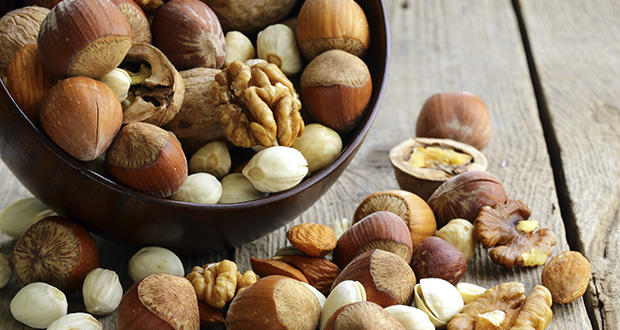
    • Choose to eat foods that contain healthier fats, such as nuts ( walnuts and almonds), seeds (sunflower, pumpkin, watermelon, flax seeds), olives and avocados.
    • Opt for Rice bran oil, Oilve oil, Soyabean oil and mustard oil. They are a good source of MUFA (good quality fat)
    • Choose low-fat or fat-free dairy products and lean cuts of meat and skinless poultry. Keep red meat at bay.
    • Get plenty of foods that are naturally low in fat and high on fiber, such as whole grains, fruits and vegetables.

So, next time when you grab a packet of chips or wafers, remember the above points.

April 7, 2015 By Shimpli Patil 4 Comments

Body cleansers: Liv-kid!

body-detox-drink
Our body is well-equipped with 2 sturdy cleansers which work day in and day out to clean the dirt that we pollute our body with- Liver and Kidney! They are like colonial cousins, having one function common- body detoxification.

Liver and kidney are our body’s ‘care-takers’ who constantly strive towards keeping the body healthy by protecting it from the external invaders that intoxicate our body and make sure our body runs smoothly. Instead of reciprocating the good things they do for us, we end up troubling them even more by loading our body with more and more toxins.

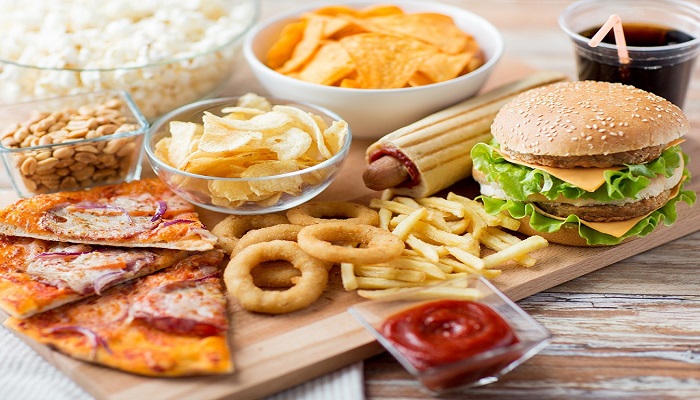
Liver is the second largest organ of the body (after skin) and its primary function is body detoxification and secondary is fat metabolism. It keeps the body clear of junk which can otherwise pose a risk of diseases. Little do we think about liver’s state when we gorge on that pizza/burger or any other refined food and drinks (including alcohol). Sugar is the top most useless substance that is known to slow down the liver. Continuous exposure to junk/alcohol/drugs and medicines, makes our liver appear like a terrible porous sponge that needs to be wrung out.

You probably have a burdened liver if you have –

*A frequent headache

*Fatigue

*Poor concentration

*Allergies and rashes

*Itchy eyes,

*A bitter taste in the mouth.

While liver ensures effective excavation of toxins, kidney ensures efficient filtration of the by- products of the proteins and some minerals like sodium, potassium, etc which otherwise can pose a toxic threat to the body. Any glitches in kidney can affect its function of filtration, causing these substances to build up in body. Uric acid, creatinine, urea are few of these by-products which when accumulated in body can hamper our health.

Few early symptoms of a troubled kidney include-

*Blood pressure fluctuations

*Water retention (edema)

*Urinary problems

*Fatigue

*Skin rashes/itching

*Metallic taste in mouth (due to urea build up)

*Nausea and Vomiting

This requires a fix! Rather than wait for these symptoms to proceed into a full blown disease, we need to take some preventive measures to halt the progression.

A liver and kidney cleanse can sort it all out. A regular cleansing of the two will not even let you go through these off-putting symptoms, but in fact will make sure we keep these organs hail and hearty.

To flush these organs-

  • Stay off from animal products twice a week including eggs, chicken, red meat, seafood.
  • Up the fiber content of your meals through green veggies, nuts, whole grains- Ragi/ jowar/ whole wheat/ bajra/ brown rice and legumes.
  • Go fruity- Enjoy the natural colours through oranges, sweet lime, guava, pear, papaya, berries, etc. Cranberry, pomegranate, and blueberry juices are known to enhance kidney function.
  • Enjoy vegetable smoothies made out of beetroot, celery, carrots, cucumber.
  • Keep the enemies away- Saturated fats (bakery items, red meat, butter, mayonnaise, etc.), refined sugar and alcohol.
  • Go easy with caffeine (tea/coffee) as that’s another toxin liver and kidneys have to deal with.

Water is their best friend! 2 liters or 8 glasses are not enough to cleanse these burdened organs. 3-3.5 liters of water (12-14 glasses) is what we need to keep them sparkling fresh.

Regular flush out of liver and kidney will not only treat but, will also keep us miles away from headache, fatigue, abdominal discomforts, skin problems, etc. An added advantage of cleansing is, when the liver is freed of toxins, it reduces its efforts of detoxifying the body and it can then focus better on its next function of fat metabolism, resulting in a faster breakdown of fat.

Don’t just keep your body clean from the outside; take care of it from within too.

March 25, 2015 By Aqsa Shaikh 9 Comments

Food Pyramid – Did you Know? A guide to healthy eating with the Food Pyramid

food pyramidGood food after a day’s hard work is always a pleasure and there is no substitute to good wholesome and nutritious food. But, more often than not, we are so engrossed in our work that we fail to think about our health which in turn means that we neglect good food.

And most think it’s a cumbersome task to deal with all these nitty gritties, think about nutrition, good food etc.. It’s so complicated. The idea ultimately is to just eat whatever is available when hungry.

But, it’s not difficult as it seems. Well, while you are in a restaurant you always think about ordering something tasty and compromise often with the nutritional aspects, here is a simple food pyramid tips which can be followed easily without any complications. This can be followed in restaurants or while you are out and at home.

So in the food pyramid, there is a cereal and grains group, followed by fruits and vegetable group, dairy products and non-veg, and then oil fat and sugary foods,

1.Cereal and grains group.
These are mostly staple foods which is consist of nutrients like carbohydrates ( Complex carbs ), proteins, fibre, minerals, calcium and B-complex vitamins. An individual should have 6-11 servings of this portion in a day. Common food items in this group- Whole grain cereals, millets, rice, Jowar, Bajra, Makai (Corn), Barley Oats, Poha (Puffed Rice) and Upma. These foods are rich in nutrients and good to provide the necessary fuel for our body to run all day long

One serving of this equals
-1 cup of rice, Poha or Upma
-1 cup of oats
-1 Paratha
-2 Phulka
-1 Jowar, Bajra or Makai roti.

2.Vegetables and Fruits group (Protective Food Group)

These foods are a must eat and should be added to our food plate daily. A person should have at least 3-5 servings of vegetables and 2-4 servings of fruits each day. They contain vital nutrients like vitamins, minerals, antioxidants, folate, iron and potassium and many more nutrients. These foods consist fiber help our digestive system and also gives us different types of nutrients, phytochemicals and are also rich in antioxidants.

One serving of vegetables consists of:

1 cup of leafy vegetables ( Lettuce, spinach, Fenugreek, Dil, spring onions)
1 medium potato/yam, ½ medium sweet potato ( cooked )
1/2 cup of other vegetables, cooked or raw ( You can also include some of them as salads too )
3/4 cup of vegetable juice(vegetables like Bottle gourd, carrot, beetroot, French beans, green peas, are good to grind and have as smoothe with a pinch of salt and pepper)

In fruits one serving is:
One small apple, orange or banana or any other fruit
1/2 cup of chopped, cooked or canned fruit

3.Dairy products and non-veg food items 

These foods are the main protein building group because it is important to maintain the strength of our bones and muscles. Apart from providing proteins these food items also provide B-complex vitamins, invisible fat, fibre, calcium, vitamin A, riboflavin, vitamin B12, iron and iodine. You should ideally have 4-6 servings of this group each day. These foods are mainly important to build up our muscles and help to recover the wear and tear that might occur during the hectic day

One serving of this group consists of:
1 cup of milk, curd
40g (2 slices) cheese, paneer
1 cup dal, pulses, sprouts
1 handful of dry fruits, nuts like groundnuts
1 Egg
65-100gm cooked meat/chicken (½ cup mince, 2 small chops, or 2 slices roast meat)
80-120g cooked fish fillet

4. Oils, fats and sugar:

There are certain good fats which are useful and beneficial for our body, as the cell membrane around our brain are made up of good fats, These are the foods which should be eaten by keeping the portion control in mind and even the time of the day should be noticed as its important.

Some good source of sweetners are Raw honey/Jaggery/Dates/Prunes, these are the healthy sweetners, But, because of today’s lifestyle some unhealthy sweetners have sadly become the staple diet in our lifestyle. Ideally this should not have happened. Choose Any of the junk food item and it will contain these ingredients – burgers, pizza, vada pav, samosa, fizzy drinks, alcohol, instant noodles, chips, frankies etc.

These are not bad to have but, at the same time we should keep our portion in control. We shouldn’t have more than 3-4 servings of these food items in a day. Some common basic sources are vegetable oils, butter, sugar, jaggery and honey.
One serving is defined as 1 tsp of oil, ghee or butter and also 1 tsp of sugar, jaggery and honey.

Now last but the least…WATER:. Water is one of the most important component that cannot be ignored in this entire pyramid. We should have at least 8 glasses of water, as it is very important to keep our cells well hydrated and alive. The above given quantity is for a non-active person, but an active person needs at least 10 to 12 glasses of water average..

March 24, 2015 By CHARMI GOGRI 8 Comments

Know the science behind acidic and alkaline foods

ph spectrum

pH balance in the body is extremely important in fact it is a matter of life and death if its imbalanced. The only people who don’t consider this alkaline/acidity balance as vital for better health are ignorant and pop in a pharmaceutical pill for every illness and bug in the body.

pH stands for power of hydrogen, which is a measurement of the hydrogen ion concentration in the body. The total pH scale ranges from 1 to 14, with 7 considered to be neutral. A pH less than 7 is said to be acidic and a pH greater than 7 are basic or alkaline. Human blood pH should be slightly alkaline ( 7.35 – 7.45 ).


acid alkaline

An acidic pH in the body can occur from, an acid forming diet, emotional stress, toxic overload or any process that deprives the cells of oxygen and other nutrients. The body will try to compensate for acidic pH by using alkaline minerals. If the diet does not contain enough minerals to compensate, a buildup of acids in the cells will occur. This when combined with an arena of other challenging environmental factors (such as lack of rest, psychological stress, and pharmaceutical drugs) will lead to chronic, degenerative illnesses or otherwise deadly conditions sooner or later for which modern medicine can’t claim 100% cure.

Acidic environment will decrease body’s ability to repair damaged cells, decrease its ability to detoxify heavy metals, make tumor cells thrive, and make it more susceptible to fatigue and illness. The reason acidosis is more common in today’s society is due to the drastic changes in the eating patterns as compared to our ancestors. Our food today is far too high in acid producing animal products like meat, eggs and dairy, and far too low in alkaline producing foods like fresh vegetables. Additionally, we eat acid producing processed foods like white flour and sugar and drink acid producing beverages like coffee and soft drinks.

We use too many drugs (for quick fixes), which are acid forming too. Chemical or artificial sweetners are extremely acid forming. On the other hand eating too many alkalizing foods can lead to its own fair share of complications over time, but the risk of this is seemingly less likely considering the current sorry state of today’s highly addictive people’s faulty diet as well as lifestyle.

One of the best things we can do to correct an acidic body is to clean up the diet and lifestyle. In order to maintain optimal health, the diet should consist of 60% alkaline forming foods and 40% acid forming foods. To restore health and reverse the damage caused by acidic body, the diet should consist of 80% alkaline forming foods and 20% acid forming foods.

A small explanation to make you understand things better, when a person ingests food to fuel the body, the digestive and metabolic process of the body breaks food into a kind of ash which is either acidic or alkaline. The laws of modern biochemistry further explains that it is not the organic matter (such as Carbohydrates, Proteins and Fat) of foods (whether the food itself is acidic or alkaline), but their inorganic matter (such as calcium, magnesium, potassium, sodium, sulfur, phosphorous; that is, how they break down in our bodies), that determines either the acidity or alkalinity of this ashy residue.

All foods in nature contain both acid and alkaline-forming elements, pH balance is either achieved or thwarted as a direct result of the foods we choose to eat. Broadly speaking alkaline foods includes most fruits, green vegetables, peas, beans, lentils, spices, herbs and seasonings as well as seeds and nuts. And, acid forming foods includes meat, fish, poultry, eggs, grains, and legumes along with all the processed commercial refined foods off course!

Here is the quick list of foods based on their alkalinity and acidity, Have a look at them and follow the tips attached beneath that to make your diets more alkaline.

Acidic and Alkaline foods

Source: energiserforlife.com

Tips :

  1. Cut out sugar completely. Avoid processed sugars as well – no corn syrup, no agave, no maltose, no aspartame (Check Food labels carefully)
  1. Having fresh vegetable juices in the morning will oxidise the nutrients present in the veggies.
  1. The regular practice of Yoga cleanses the acids from the joints and organs
  1. Avoid toxic fats like trans fats. Less known fact about coconut oil is it’s not acidic like all other oils when used for frying. Using coconut oil for cooking is the best recommendation.
  1. Stop using deodorants and creams. They have massive chemical load that makes body acidic, also they often suppress the body’s natural functions like sweating, which actually helps to eliminate acid, and pushes the acid back into the lymph nodes.
  1. Stop drinking fluoridated tap water. Tap water is bad, don’t even use it for cooking. Use water from water filter for drinking and cooking purpose.
  1. Highly alkalising foods- you can complement your meals with Wheat Grass, Lemon Grass, Apple cider Vinegar, Alfalfa Grass, Kamut Grass, Oat Grass, Broccoli, Kelp, Cayenne, Cucumber (best taken in the morning or lunch, not at night)
  1. Cut right down on meat. Meat is very acidic. Especially red meat.

Above all, the ultimate goal is balance. What you eat and drink will impact our body’s pH. So eat wisely.

  • « Previous Page
  • 1
  • …
  • 38
  • 39
  • 40
  • 41
  • 42
  • 43
  • Next Page »

Search

Recent Posts

  • Healthy Eating: Paneer Stuffed Palak Paratha
  • 5 Simple Lifestyle Changes To Manage Hypertension
  • Vegging Out: My Unexpected Journey to Veganism
  • Natural Skincare For Healthy, Glowing Skin!
  • The Early Signs & Symptoms of Diabetes

Stay Updated

Archives

  • November 2025 (3)
  • October 2025 (20)
  • September 2025 (6)
  • August 2025 (6)
  • July 2025 (12)
  • June 2025 (18)
  • May 2025 (16)
  • April 2025 (23)
  • March 2025 (24)
  • February 2025 (23)
  • January 2025 (26)
  • December 2024 (26)
  • November 2024 (26)
  • October 2024 (22)
  • September 2024 (24)
  • August 2024 (31)
  • July 2024 (22)
  • June 2024 (27)
  • May 2024 (31)
  • April 2024 (27)
  • March 2024 (29)
  • February 2024 (26)
  • January 2024 (26)
  • December 2023 (17)
  • November 2023 (15)
  • October 2023 (23)
  • September 2023 (23)
  • August 2023 (21)
  • July 2023 (22)
  • June 2023 (24)
  • May 2023 (25)
  • April 2023 (24)
  • March 2023 (23)
  • February 2023 (20)
  • January 2023 (16)
  • December 2022 (12)
  • November 2022 (15)
  • October 2022 (15)
  • September 2022 (13)
  • August 2022 (11)
  • July 2022 (17)
  • June 2022 (11)
  • May 2022 (10)
  • April 2022 (6)
  • March 2022 (6)
  • February 2022 (13)
  • January 2022 (12)
  • December 2021 (7)
  • November 2021 (3)
  • October 2021 (6)
  • September 2021 (3)
  • August 2021 (8)
  • July 2021 (7)
  • June 2021 (15)
  • May 2021 (16)
  • April 2021 (10)
  • March 2021 (7)
  • February 2021 (4)
  • January 2021 (4)
  • December 2020 (3)
  • November 2020 (4)
  • October 2020 (10)
  • September 2020 (3)
  • August 2020 (3)
  • July 2020 (2)
  • June 2020 (4)
  • May 2020 (10)
  • April 2020 (12)
  • March 2020 (10)
  • February 2020 (4)
  • January 2020 (4)
  • December 2019 (3)
  • November 2019 (7)
  • October 2019 (5)
  • September 2019 (4)
  • August 2019 (9)
  • July 2019 (9)
  • June 2019 (11)
  • May 2019 (4)
  • April 2019 (9)
  • March 2019 (8)
  • February 2019 (9)
  • January 2019 (8)
  • December 2018 (9)
  • November 2018 (3)
  • October 2018 (3)
  • September 2018 (5)
  • August 2018 (10)
  • July 2018 (6)
  • June 2018 (13)
  • May 2018 (8)
  • April 2018 (18)
  • March 2018 (9)
  • February 2018 (8)
  • January 2018 (15)
  • December 2017 (12)
  • November 2017 (19)
  • October 2017 (13)
  • September 2017 (15)
  • August 2017 (4)
  • July 2017 (8)
  • June 2017 (7)
  • May 2017 (6)
  • April 2017 (8)
  • March 2017 (6)
  • February 2017 (7)
  • January 2017 (9)
  • December 2016 (10)
  • November 2016 (7)
  • October 2016 (7)
  • September 2016 (7)
  • August 2016 (11)
  • July 2016 (9)
  • June 2016 (9)
  • May 2016 (12)
  • April 2016 (17)
  • March 2016 (17)
  • February 2016 (8)
  • January 2016 (6)
  • December 2015 (2)
  • November 2015 (9)
  • October 2015 (7)
  • September 2015 (9)
  • August 2015 (11)
  • July 2015 (9)
  • June 2015 (12)
  • May 2015 (9)
  • April 2015 (13)
  • March 2015 (8)
  • February 2015 (5)
  • January 2015 (12)
  • December 2014 (14)
  • November 2014 (11)
  • October 2014 (6)
  • September 2014 (13)
  • August 2014 (12)
  • July 2014 (6)
  • June 2014 (2)
  • May 2014 (7)
  • April 2014 (5)

From “Laddu Nawin” to Fit and Fierce: How a 25-Year-Old Insurance Advisor Shed 20 Kilos and Gained His Life Back

When 25-year-old Nawin Yadav from Hyderabad walked into his office every morning, he carried more than just his files and policy papers. He had the weight of fatigue, sluggish energy, and an ever-growing belly that was becoming the butt of jokes. “People … [Read More...]

“I’ve Challenged Myself to Live 100 Years” – The Story of Chandubhai Savani’s Second Chance at Life

At 67, most people start slowing down. Not Chandubhai Savani. A resident of Surat, Chandubhai, thought life was on track. “My life was going well till I had my bypass surgery,” he says. That surgery, back in 2021, was a wake-up call.  Medication was routine, but exercise wasn’t. His diet? What he calls ‘normal.’ “I […]

From Shimla’s Slopes to Chandigarh’s Sidewalks: Surinder Kaur Bhalla’s Journey from Chaos to Control

Some journeys start with a plan. Others begin with a stumble literally. Surinder Bhalla, a government professional, born and raised in the scenic hill town of Shimla, had always lived a life of movement. “In Shimla, you walked everywhere,” she reflects. “Walking was never an exercise. It was just life.” But after shifting to Chandigarh, […]

Ananda Mukherjee Health Story

From Terminal Illness To Complete Wellness! Ananda Mukherjee Health Story

As we observe World Cancer Day under the powerful theme ‘United by Unique’ (2025-2027)**, we are reminded that every individual’s journey with cancer is distinct, yet united by shared resilience, hope, and the collective fight against this disease. This theme places people at the centre of care and their stories at the heart of the […]

  • HOME
  • HEALTHY LIVING
  • FITNESS
  • HEALTHY RECIPES
  • USER STORIES
  • KARMA
  • BUY GOQii

Copyright ©2016 GOQii