GOQii

Blog

  • HOME
  • HEALTHY LIVING
  • FITNESS
  • HEALTHY RECIPES
  • USER STORIES
  • KARMA
  • BUY GOQii

Search Results for: fat

June 14, 2018 By Trishala Chopra 7 Comments

8 healthy food pairings to boost your health

Milk-And-Yolk

This must have happened many times that some food products taste horrible when eaten alone and tastes too good when combined with some other food products?

That’s the way nature has designed it for us. Nature has pre-planned the best food combination for us, it just takes the right time to know it! Well, it’s not just about the taste but, it is also about the nutrients which you get out of those food combinations!

Have you heard of food synergy? Different components in a single food can work together to benefit our health, and so can components in different foods that are eaten together. David Jacobs, PhD, a researcher from the University of Minnesota, loosely defines food synergy as the idea that food influences our health in complex and highly interactive ways. Simply put, Food synergy is nothing but nutrients that work together better.

It reminds us of how a variety of foods in our diet will help us live a healthy life! At GOQii we are celebrating Food Synergy….Let me take you through some food synergies that you adopt in your daily life.

(1)   Rosemary and meat
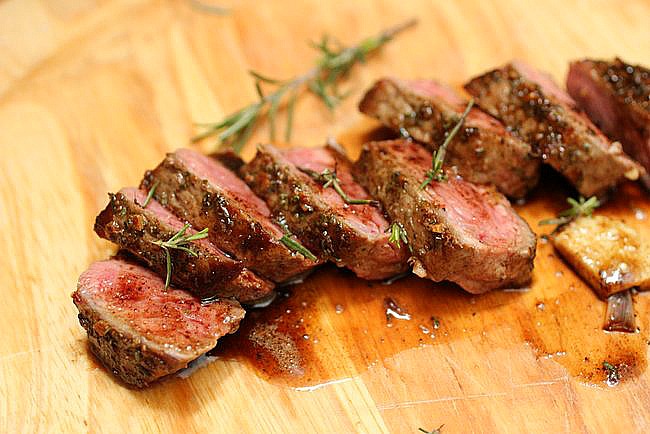
Rosemary-STEAK

Not many people must have heard about rosemary but, it is a very useful herb which is an excellent antioxidant having a good amount of carnosol and carnosic content. This herb is native to Mediterranean. People who cook non-veg might have no idea about what happens to the meat when it is cooked at a very high temperature. Well, when meat gets exposed to high temperature, carcinogenic compounds such as heterocyclic amine is formed which is very dangerous. If meat is marinated with rosemary herb, these carcinogenic compounds will be neutralized because of its antioxidant properties.

A study by Dr. J. Scott Smith of Kansas State University in Manhattan further endorses the above statements. He studied Heterocyclic Amines (HCA’s), which are carcinogenic compounds that form when meat is cooked at high temperatures. He found that adding rosemary extract to ground meat reduced the amount of cancer-causing compounds created during grilling. He attributed this to the antioxidants found in the rosemary extract.

(2)  Green tea and lemon drop

green-tea-with-lemon

Green Tea is a great elixir and did you know that by adding lemon to your cup of Green Tea you can reap a lot of benefits. Various studies have also proved this to be right. Catechins, the main health compound in tea tied to reduced risk of cancer, heart attack, and other diseases, unfortunately, isn’t absorbed very well in the intestines. After digestion, less than 20 percent of catechins remain.

In two studies, by Purdue University, researchers found that adding lemon juice, other citrus juice, or vitamin C helped the body absorb as much as 13 times the healthy catechins than normal. The addition of lemon juice caused 80 percent of the catechins to remain. The studies tested the effects of absorption with both rats and a human digestive model.

Lemon is rich in vitamin c (water soluble vitamin) and green tea is rich in antioxidant compounds such as catechin. When both of these are combined, lemon will increase the absorption of antioxidants making this combination the most widely used combination among people!

 (3)  Virgin Olive oil and tomatoes
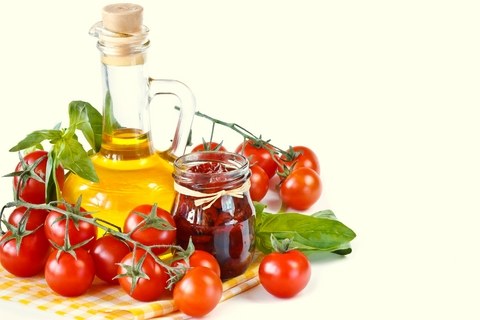
tomatoes-and-olive-oil

How many of you are aware of the benefits of mixing Olive oil and tomatoes? I have seen many people using this combination mostly as their salad option. Why and how is it healthy we shall find out?

The bioavailability of olive oil and tomatoes is very high. These two Super Foods protect, energize and satiate; together, they amplify each other’s already extraordinary benefits. Tomatoes are rich in lycopene which is a phytochemical/phytonutrient which will help in maintain heart health and can reduce the risk of having prostate cancer drastically. Tomatoes basically have carotenoids which are fat soluble and only with fat, these carotenoids would be available in the body. Virgin Olive oil is very rich in good fatty acids and there is nothing better than choosing olive oil as a support for better absorption of fat soluble vitamins.

Merritt Rosen who holds a Masters in Health and Consumer Psychology from New York University calls Extra Virgin Olive Oil and Tomatoes- the hottest power couple. According to her pairing virgin olive, oil and tomatoes are the best thing one can do. Not only does heart healthy EVOO protect cells against damage and inflammation and promote healthy skin from the inside out, it also helps ensure the absorption of these fat-soluble carotenoids.

 (4)   Milk and eggs

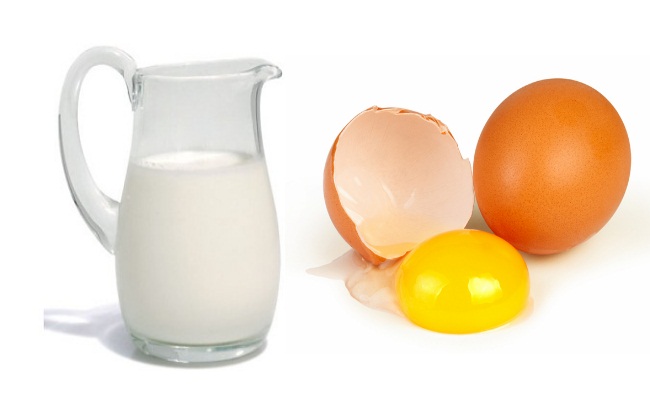
Milk-And-Yolk

Did you know that Marilyn Monroe’s daily diet consisted of two raw eggs whipped in warm milk for breakfast? Rebecca Harrington, in an article in ‘The Cut’ magazine, quoted an old interview of Marilyn Monroe in 1952 to the now defunct Pageant Magazine in which Monroe describing her daily diet said, “I doubt any doctor could recommend a more nourishing breakfast for a working girl in a hurry.”

Milk and eggs are so far the best examples of perfect food synergy! There is nothing like having a glass of milk and boiled egg for your breakfast. Egg yolk is very rich in vitamin D and milk is rich in calcium. Vitamin D helps in increasing the calcium absorption which will keep your bones healthy and thus it reduces the risk of osteoporosis and osteoarthritis in the body.

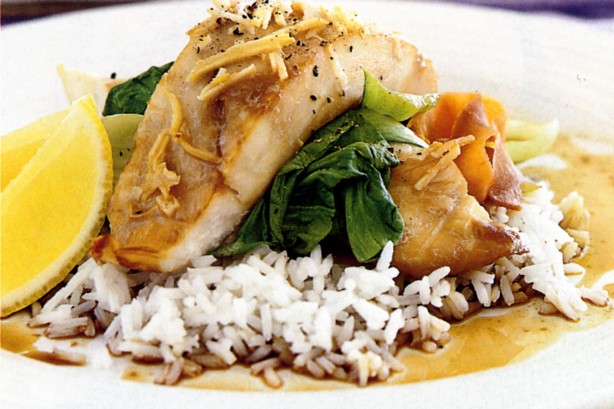
(5)  Garlic and Fish
garlic-fish

Facing cholesterol issues? You must give this food synergy a try. For all non-vegetarians, this food synergy is a boon. Here is why it is a boon?

Garlic is rich in sulphur compounds which help in fighting diseases and fights against the inflammation in the body. Fish is a very rich source of protein. If these 2 super foods are combined together, their power of fighting diseases drastically increases.

Adding garlic to fish will help in lowering bad cholesterol and also maintain your triglyceride levels!

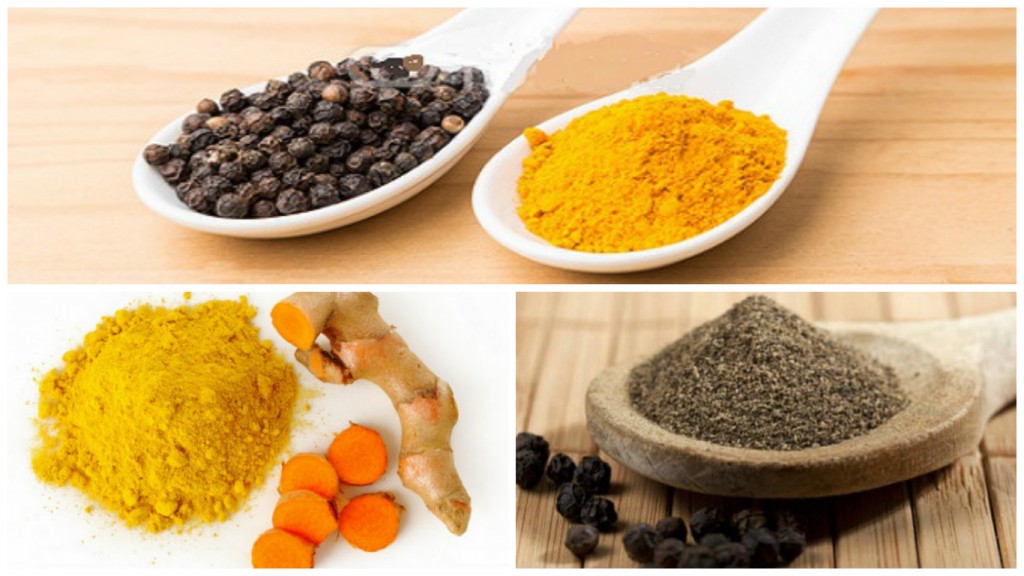
 (6)  Curcuma longa (turmeric) and pepper
turmeric and pepper

There are many types of research and articles which are being published on benefits of turmeric. Although the therapeutic use of Curcuma was recorded as early as 1748, the first article referring to the use of curcumin in human disease was published in 1937 by Oppenheimer. In this study, the author examined the effects of “curcumin” or “curcunat” containing 0.1 g to 0.25 g sodium curcumin and 0.1 g calcium cholate in human biliary diseases.

Curcumin has various properties like lowering bad cholesterol, prevents cancer, boosting liver function and more. But, when it comes to its absorption, only curcumin might not benefit. Adding pepper to it will boost the absorption of curcumin ( the active ingredient in turmeric) and bring out major benefits to the body.

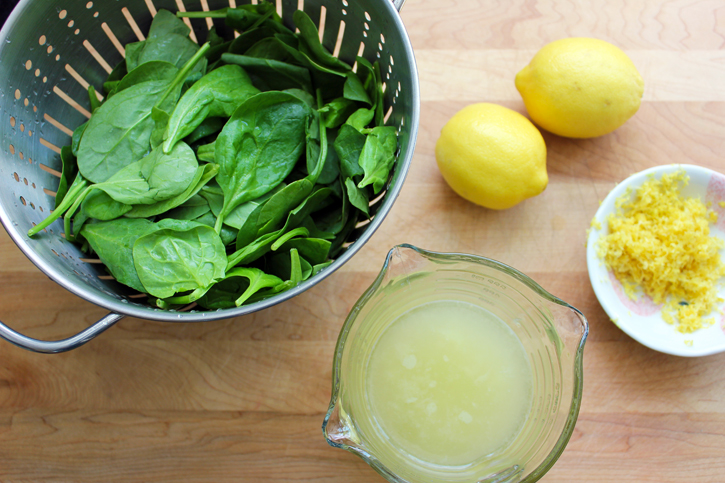
 (7)  Spinach and lemon drops
spinach & lemon drop

We might have heard about spinach being rich in iron and we should include it in our daily diet but we might not know that iron is spinach is not readily absorbed in the body. Absorption of iron is very poor but, if you add lemon drops to it, iron absorption will be increased. Vitamin c helps in increasing the absorption of iron in the food.

 (8)  Rice and vinegar

rice & vinegar

There are many myths about rice and one of them is that a diabetic should avoid taking rice. It is said that rice spikes up the sugar levels. Adding, vinegar to your rice will slow the blood sugar spike. So, diabetics can take rice to some extent and this is also good for people looking for weight loss and loves eating rice!

Conclusion:

It is always good to know about food combinations which will help in boosting your health! Vitamin D & calcium and Iron and vitamin C combination must be taken care off. There are food combinations which should be avoided which will be covered up in my next blog. Until then stay tuned!
June 4, 2018 By Trishala Chopra 3 Comments

Know about your gut health! –Part 1

Gut health word cloud on a white background.

                                                        “All diseases begin in your gut”-Hippocrates

Why is it that we pay attention towards our digestion only when something goes wrong? Oxford dictionary defines,‘digestion’ as the person’s ability to digest the food. There is a whole physiology behind how the digestion takes place?  But, what is more, important is, maintaining a good digestive health!

          Have you heard about probiotics and prebiotics?

Probiotics are live bacteria which are good for health! I recently had a query where a person asked me bacteria is supposed to be harmful then how is it that you term this as good for health?   This is when I started researching the world of bacteria to understand more and also be able to make others understand the goodness of bacteria.

Whenever you have stomach upset, curd rice is something which is always preferred. Curd rice is old-time grandma’s remedy. Have you ever wondered why curd is recommended? Well, curd has live bacteria which helps in settling your gut which helps in improving the stomach upset!

There are different types of microbes which work in different ways, some are good for the gut and some are not. These microbes together are termed as MICROBIOME.

Now let’s get into the depth of the topic!

Microbes are brilliant chemists which take up a small thing from our body and convert them into chemicals which are sometimes used for our body and sometimes they are not.

Gut-Bacteria

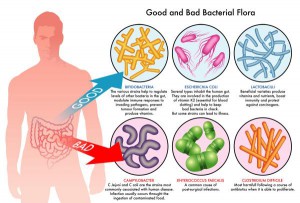
 Healthy and unhealthy microbes

Healthy Microbes:

        1. Firmicutes

         * Firmicutes are microbes which are used in the fermentation of beer and wine.

* Firmicutes help in clearing up the toxic wastes

* These microbes are found in your gut and its main function in the gut is to help in digestion of fats in your diet.

  1. Bacteroidetes
  • Bacteroidetes helps in maintaining the lean body and helps in reducing the inflammation in the gut.
  • They help in regulating immune responses which protects you against the autoimmune diseases (Autoimmune means body starts attacking its own cells)
  • Bacteroidetes helps in breaking down of undigested fibre which we obtain from vegetables.
  1. Akkermansia
  • Akkermansia is a rare type of microbes found in the gut,
  • They don’t live on food remains.
  • They live on mucus which is a slimy substance that is secreted by the gut lining to protect itself.
  • It helps in reducing inflammation, so the count of akkermansia should be higher in your gut.
  1. Christensenella

      *  This bacteria is inherited from your mother.

  • This bacteria helps in keeping your body lean in spite of poor diets.
  1. Lactobacillus

 This bacteria helps in lining your intestine to protect against harmful microbes.

  • It also helps in protecting the intestine from a fungal infection, heard about candida albicans?
  • Lactobacillus works like a pesticide on these pathogens.
  • Lactobacillus count in your gut will go down if you are on antibiotics which is why I always prescribe probiotics and prebiotics with lactobacillus with an antibiotic course.
  • It is a very popular probiotic!
  1. Bifidobacterium 
  • Bifidobacterium helps in breaking down the indigestible fibre in the body and also protects your intestines against harmful microbes.
  • This bacteria is inherited in you from your mother’s breast milk.
  • It is a very popular probiotic!

Unhealthy Microbes:

As I had mentioned earlier, if there are some microbes which can help in maintaining the gut health then there are many microbes which help in creating gut problems!

Let’s talk about the unhealthiest microbes:

  1. Campylobacter
  • Campylobacter is a very common cause of food poisoning with symptoms of abdominal pain, severe diarrhoea, and vomiting.
  • Campylobacter is strong enough to be one of the reasons for miscarriage in women.
  • This harmful bacteria is found in raw chicken available in the supermarkets.
  • The most common mistake we do is washing the chicken thoroughly before cooking it. This makes the bacteria spread everywhere. The best technique is to rinse it with water from the top and cook it properly.
  1. E. coli
  • Not every E.coli is harmful but there are some strains which can cause severe anaemia. They are also one of the leading causes of UTI (Urinary Tract Infections)
  • coli in the gut mostly comes from uncooked meat. Catching it up from a raw milk is also quite common.
  1. Salmonella
  • Another common cause of food poisoning induced diarrhoea and stomach cramps are salmonella.
  • You will start getting the symptoms within 72 hours after swallowing this unhealthy bacteria and it can last up to a week.
  • Sometimes the food poisoning gets critical and hospitalization is required to recover from extreme dehydration caused by diarrhoea.
  • I am sure you must have heard about Salmonella typhi which causes typhoid which can be fatal if left untreated.
  1. Clostridium difficile

 This bacteria is always found in abundance in your gut lining which causes minor infections. If these minor infections flare up and start to give you symptoms, your doctor will give you a list of antibiotics to get rid of it. Because your healthy microbiome cannot cope up with those antibiotics, they are swiped out of the body which gives a chance to Clostridium difficile to capture all the gut space.

  • Clostridium difficile is a very antibiotic resistant bacteria so it’s not very easy for antibiotics to swipe this off.
  • Symptoms like watery stools, fever, and abdominal pain are common because of C.difficile flaring up.

Functions of healthy microbiome :

  • It helps in regulating your body weight. Microbes can actually decide how much energy your body extracts from different types of food you eat. If you are unable to lose weight, one of the main reasons could be unhealthy microbiome.
  • The microbiome helps in regulating your immune system. There was a research which proved that healthy microbiome helps in reducing the occurrence of cold and cough episodes. It also helps in reducing the inflammation of the body.
  • The microbiome helps in taking the bits of food which our body cannot digest and it actually converts them in hormone and chemicals.

How to make your healthy microbiome diverse in your body?

  • Please avoid antibiotics as much as you can because a week of antibiotic course can destroy your healthy microbiome for 3 weeks.
  • Increase your outdoor activities, try to open your house windows. It helps in increasing the diversity of healthy microbes
  • Include different types of seasonal fruits and vegetables in the diet.
  • Try to connect with nature whenever you can. Put your hands into the soil. This connects your body to healthy microbiomes.
  • Include foods rich in different healthy microbiomes as mentioned above.

Foods that nourish your gut:

  (1). Olive oil

  • Healthiest fats.
  • Rich in polyphenols and antioxidants which helps in reducing the inflammation.
  • Extra virgin olive oil is good to try!

   (2)  Oily fish

  • Rich in good fats, omega 3
  • Anti-inflammatory benefits
  • Fish oil capsules available in the market are not as good as eating fish because of the poor quality. It might not give you the same effect as oily fish.

   (3) Cocoa

  • Excellent source of flavonoids and polyphenols which helps in increasing the population of healthy gut bacteria!
  • It’s good for your cardiovascular system.
  • Always go for raw cocoa powder.

  (4) Wine

  • Polyphenols are chemicals which are found in tea, coffee, wine, fruits, vegetables and dark chocolates. When you eat any of these foods, half of it passes through the small intestine to the large intestine where it is extremely beneficial to increase the population of healthy microbes.
  • Red wine helps in reducing the inflammation in your body.

PS: I normally get this question that how do you know about inflammation in your body? Well, there is a blood test which is most commonly done called as CRP- C reactive protein which gives you an idea of the levels of inflammation in your body. Research has shown that consumption of anti-inflammatory foods reduces inflammation by 45% in the body.

(5) Turmeric

  • Turmeric is a gut-friendly spice. There are other herbs and spices like thyme, oregano, basil, ginger, cumin which are having anti-inflammatory benefits but turmeric works in increasing the population of healthy microbes,
  • The best way to consume turmeric for gut health is 1 tsp of turmeric with ½ tsp of honey in 150 ml of lukewarm water before bed.
  • An active component of curcumin is also available in capsule form but make sure about the quality of curcumin used to prepare the product is genuine.

 Foods to avoid for better gut health:

 Sugar

  • Sugar is cheap which has an excellent addictive effect.
  • It increases the cravings for particular food which encourages the growth of unhealthy microbes in the guts. All these unhealthy microbes need more sugar to survive which increases the population of unhealthy microbes in the gut and decreases healthy microbes!

    (2) Artificial sweeteners

  • They have a huge impact on your body, especially on your gut. It depletes the population of akkermansia (The healthy microbe which I have mentioned above!).
  • Addition of probiotics with artificial sweeteners might not give the required effect!

    (3) Monosodium glutamate (MSG)

  • MSG or monosodium glutamate works as a leptin blocker. Leptin is a hormone which tells your brain “I am full”. That’s how you crave more foods which have MSG!

My next upcoming article will cover different probiotic and prebiotic sources, how to choose your probiotics and gut-friendly recipes!

To be continued……..

May 22, 2018 By Parwage Alam 4 Comments

Eating healthy during Ramadan fasting

Eating healthy during Ramadan fasting
Who says you cannot be healthy if you’re fasting for an entire month?

You can eat healthily and feel good during an entire month of fasting provided you follow the right methods. The Holy month of Ramadan has begun this week and I have been fasting regularly for over two decades during Ramadan.

Considering the heat wave that is still on in the city with no rains as yet, one has to be extra careful and prepared about what to eat during the non-fasting period, so that you can maintain your health, fitness, endurance and flexibility during the entire month.

Fasting during the month of Ramadan or any other religious months/period can be good for your health if it’s done correctly. All changes happen in the body system during fasting (starvation). Stored nutrients, especially muscle proteins are broken down to provide fuel to our body. Fasting diet lacks in macronutrients like carbohydrates and fats which leads to weakness. In order to avoid this having healthy options of food during fasting is very important.

A person who is fasting needs good and nutrient-rich food which will help to maintain the energy levels in our body on a day to day basis.

Here are few tips for healthy eating options while Ramadan or any other holy fasting period.

Go with Natural food, Not Junk or Processed Foods:

Well, in today’s time processed foods might come across as a very convenient option, but they’re usually filled with unhealthy things like high-fructose corn syrup that leads to overconsumption. Secondly, contains a lot of artificial Ingredients. Most processed foods are Low in Nutrients.

It requires less energy and time to digest processed foods. Processed foods contain MSG (Monosodium glutamate – to enhance flavour), it also contains lots of sodium and typically all the wrong heart-clogging oils. Therefore it is always good to go with natural food available if possible go with homemade food.

Don’t break your fast with a feast:

Be Careful. If you are not careful, the food eaten during the pre-dawn and dusk meals can cause some adverse effects. Those observing the fast in Ramadan month should have at least two meals a day, the pre-dawn meal (Suhoor) and a meal at dusk (Iftar).

The way to approach your diet during fasting is similar to the way you should be eating outside of the Ramadan month. It should contain foods from all the major food groups:

– Fruit and vegetables

– Bread, cereals and potatoes

– Meat, fish, or alternatives

– Milk and dairy foods

– Foods containing fat and sugar

Hydrate Your Body:

When we fast for long hours, our body gets dehydrated over the course of the day. During the non-fasting period, we should take care of the hydration levels in our body. After a long day of fasting, it’s difficult to drink a lot of water or have lots of water-based food items. But, we can have fruit juices and soups made with veggies to give our body the additional water it needs. A great way to break the fast is with ‘Dates’. Also consider having coconut water, or making smoothies, coolers and fruity drinks which are super-hydrating.

Wholesome foods during Ramadan:

Suhoor- the pre-dawn meal should be a wholesome and moderate meal that is filling and provides enough energy for many hours. Ideally, it should be slow digesting food like salads, brown bread, cereal (especially oats) so that your body will get energy for a long time constant. Also, you can have some fluids with vitamins, such as fruit and vegetable juice.

It’s customary for Muslims to break the fast (Iftar) with some dates. Dates provide a burst of energy.  Fruit juices also have a similar, revitalizing effect. My favourite, of course, is “FALOODA”. Start by drinking plenty of water, which helps rehydrate and reduces the chances of overindulgence.

SOME QUICK TIPS: What to have and What to avoid:

Foods to avoid

– deep-fried foods, for example, pakoras, samosas and fried dumplings

– High-sugar and high-fat foods, including sweets such as gulab jamun, rasgulla and balushahi

– High-fat cooked foods, for example, parathas, oily curries and greasy pastries

– Fatty meats, Liver and organ meats, Hotdog and sausages, large amounts of prawn, shrimp and shellfish

– Whole milk, Ice cream and whipped cream, full cream yoghurt and labneh, Full cream cheese especially yellow cheese, Creamy and cheese sauces

– Coconut (the only fruit rich in saturated fats that are unhealthy for the heart), Fried vegetables, Boiled vegetables with butter, Juices with added sugar

– Pastries that contain large amounts of fat (doughnuts, croissants, Danish pastries), Fried rice, Fried potato chips or French fries

Healthy alternatives

– Baked samosas and boiled or steamed dumplings

– Chapattis made without oil

– Baked or grilled meat and chicken, Fish, Grilled or boiled skinless chicken, Lean veal or lamb, moderate amounts of prawns, Legumes such as beans, lentils, and peas, eggs

– Milk-based sweets and puddings such as rasmalai and barfee, skimmed or low-fat milk, skimmed or low-fat yoghurt and labneh, Low-fat cheese

– All fresh vegetables, boiled, baked, steamed or cooked with a little oil, Seasoned vegetables or vegetables with lemon juice or a little oil, Fresh fruits and natural fruit juice (in moderation)

– Brown bread, Plain spaghetti or rice (without ghee or high fat sauce), Grains with no added fat, Baked or boiled potatoes

Healthy cooking methods

– Shallow frying

– Grilling, Roasting, Steaming or Baking is healthier and helps retain the taste and original flavour of the food, especially with chicken and fish.

May everyone who observes the blessed month of Ramadan or other holy fasting period have a peaceful, healthy and happy time with family, friends and community.

Please consult with your physician regarding fasting or consuming any particular foods before doing so.


May 7, 2018 By Urvashi Sareen 2 Comments

10 Foods that can fill you up

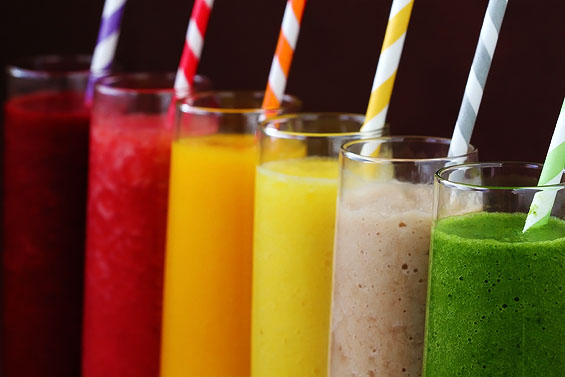
rainbow-smoothies

If you were to describe ‘The Perfect Food’, it would probably be: healthy, delicious, bigger than a morsel and filling enough to fight hunger for hours. “Foods that promote satiety”—a feeling of lasting fullness. In this blog, I have listed down some foods which are healthy and yet filling.

  1. Baked potato

The potato has been unfairly demonized—it’s actually a potent hunger tamer. Though potatoes are often shunned because they’re considered high in carbohydrates, they shouldn’t be. Whether baked or boiled, they’re loaded with vitamins, fibre and other nutrients. Baked potato get you steady energy and lasting fullness after noshing on them.

Feel even fuller: Eat baked and boiled tubers skin-on to get more fibre for just 160 calories a pop.

2.  Bean soup

Soups have high water content, which means they fill your stomach with very few calories. Broth-based bean soups, in particular, contain a hefty dose of fibre and resistant starch—a good carb that slows the release of sugar into the bloodstream—to make that full feeling really stick. “Once in the stomach, fibre and water activate stretch receptors that signal that you aren’t hungry anymore.

Feel even fuller: Resist the cracker pack on the side in favour of a bigger soup helping. Beans are starchy, satisfying and caloric enough on their own. To give variations to your soup, you can throw lentils, black-eyed peas or kidney or navy beans into a vinegar-based salad too.

3.     Eggs

Eggs are one of the few foods that are a complete protein, meaning they contain all nine essential amino acids that your body can’t make itself. Once digested, those amino acids trigger the release of hormones in your gut that suppress appetite.

Feel even fuller: Don’t discard the yolks—about half an egg’s protein lives in those yellow parts. Adding vegetables to a scramble boosts its volume and fibre content for few extra calories (an egg has 78Kcal, and a cup of spinach just 7Kcal).

4.     Yoghurt

Yoghurt is the single best food for shedding pounds: Over time, people who downed more of the protein-packed stuff lost pounds without trying. Yoghurt contains dairy proteins which increase satiety, reduces food intake and keeps blood sugar steady.
Feel even fuller: Top yoghurt with fibrous foods like raspberries (4 grams of fibre per half cup) or cucumber (9 grams per three-quarters of a cup).

5.     Apples

Apples are one of the few fruits that contain pectin, which naturally slows digestion and promotes a feeling of fullness. In fact, people who ate an apple as part of a meal felt more satiated and ate less than those who consumed a calorically equivalent amount of juice and applesauce. “Whole apples take a long time to eat for very few calories. Your body has more time to tell your brain that you’re no longer hungry. That means you can eat lots of this low-energy-density, high-satiety fruit and avoid feeling deprived while losing weight.

Feel even fuller: Add apple chunks to oatmeal or salad.

6.     Popcorn

This movie-night favourite is a low-energy-density food—for 90 calories, you could eat 3 cups of air-popped corn but whereas for the same number of calories you can just have a quarter cup of potato chips. This means, that a quarter cup of potato chips has 90 calories whereas 3 cups of plain air-popped popcorns have just 90 calories, so it is more filling. Popcorn takes up more room in your stomach, and seeing a big bowl of it in front of you tricks you into thinking that you’re eating more calories and that you’ll feel full when you’re finished.

Feel even fuller: Sprinkle some red pepper on popcorns or any meal. In a recent Purdue University study, people who added a half teaspoon of the spice to their meal felt less hungry.

7.     Figs

A great natural cure for a sweet tooth, fresh figs have a dense consistency and sweet flesh that’s high in fibre (each 37-calorie fig packs about a gram), which slows the release of sugar into the blood, preventing the erratic high caused by cookies or cake.

Feel even fuller: Split the fig in half and add protein such as a teaspoon of cheese or add walnuts.

8.     Oatmeal

Oatmeal’s filling force comes from its high fibre content and its uncanny ability to soak up liquid like a sponge. When cooked with water or skim milk, the oats thicken and take more time to pass through your digestive system, meaning you’ll go longer between hunger pangs.

Feel even fuller: Sprinkle almonds on top of your bowl. “The nuts pack protein and fibre and contain unsaturated fats that can help stabilize insulin levels,” regulating blood sugar.

9.     Smoothies

While most beverages don’t satisfy hunger very well, drinks blended full of air are an exception: They cause people to feel satiated and eat less at their next meal. Just be sure you’re not whipping your smoothie full of sugary, caloric ingredients like fruit juices or flavoured syrups, which will negate the health benefits.

Feel even fuller: Put ice and fat-free milk or yoghurt in a blender, add in fruit and give it a whirl. Try strawberries, which are extremely low in energy density—they’re 92 percent water!—and bananas, which are loaded with resistant starch.

        10.   Wheat berries

Wheat berries are whole-wheat kernels which contain one of the highest amounts of protein and fibre per serving of any grain (6 grams of protein and 6 grams of fibre).

Protein triggers the hormone ghrelin to tell our brain that we are satisfied and fibre activates appetite-suppressing gut hormones.

Feel even fuller: Toss wheat berries with apples, nuts and other diet-friendly foods to make a super tasty salad.

  • « Previous Page
  • 1
  • …
  • 159
  • 160
  • 161
  • 162
  • 163
  • …
  • 215
  • Next Page »

Search

Recent Posts

  • Foods to Manage Blood Sugar Naturally: A Complete Guide to Better Blood Sugar Control
  • The Lazy Person’s Guide to Staying Healthy: 5 Micro-Habits That Take Less Than 2 Minutes
  • Healthy Eating: Comforting Chilli Bean Soup Recipe for the Monsoon
  • The Truth About the ‘Beer Belly’: What Alcohol Really Does to Your Metabolism
  • Benefits of Meditation: How One Daily Habit Can Transform Your Mental Wellbeing

Stay Updated

Archives

  • August 2026 (7)
  • July 2026 (25)
  • June 2026 (22)
  • May 2026 (20)
  • April 2026 (24)
  • March 2026 (18)
  • February 2026 (14)
  • January 2026 (14)
  • December 2025 (19)
  • November 2025 (15)
  • October 2025 (20)
  • September 2025 (6)
  • August 2025 (6)
  • July 2025 (9)
  • June 2025 (18)
  • May 2025 (16)
  • April 2025 (22)
  • March 2025 (26)
  • February 2025 (21)
  • January 2025 (25)
  • December 2024 (22)
  • November 2024 (22)
  • October 2024 (20)
  • September 2024 (22)
  • August 2024 (28)
  • July 2024 (15)
  • June 2024 (23)
  • May 2024 (26)
  • April 2024 (27)
  • March 2024 (27)
  • February 2024 (23)
  • January 2024 (21)
  • December 2023 (14)
  • November 2023 (10)
  • October 2023 (19)
  • September 2023 (21)
  • August 2023 (16)
  • July 2023 (16)
  • June 2023 (21)
  • May 2023 (20)
  • April 2023 (19)
  • March 2023 (23)
  • February 2023 (19)
  • January 2023 (15)
  • December 2022 (11)
  • November 2022 (15)
  • October 2022 (15)
  • September 2022 (12)
  • August 2022 (9)
  • July 2022 (17)
  • June 2022 (11)
  • May 2022 (10)
  • April 2022 (6)
  • March 2022 (6)
  • February 2022 (13)
  • January 2022 (11)
  • December 2021 (7)
  • November 2021 (3)
  • October 2021 (6)
  • September 2021 (3)
  • August 2021 (8)
  • July 2021 (7)
  • June 2021 (15)
  • May 2021 (16)
  • April 2021 (10)
  • March 2021 (7)
  • February 2021 (4)
  • January 2021 (4)
  • December 2020 (3)
  • November 2020 (4)
  • October 2020 (10)
  • September 2020 (3)
  • August 2020 (3)
  • July 2020 (2)
  • June 2020 (4)
  • May 2020 (10)
  • April 2020 (12)
  • March 2020 (10)
  • February 2020 (4)
  • January 2020 (4)
  • December 2019 (3)
  • November 2019 (7)
  • October 2019 (5)
  • September 2019 (4)
  • August 2019 (9)
  • July 2019 (9)
  • June 2019 (11)
  • May 2019 (4)
  • April 2019 (8)
  • March 2019 (8)
  • February 2019 (9)
  • January 2019 (8)
  • December 2018 (9)
  • November 2018 (3)
  • October 2018 (3)
  • September 2018 (5)
  • August 2018 (10)
  • July 2018 (6)
  • June 2018 (13)
  • May 2018 (8)
  • April 2018 (18)
  • March 2018 (9)
  • February 2018 (8)
  • January 2018 (15)
  • December 2017 (12)
  • November 2017 (19)
  • October 2017 (13)
  • September 2017 (15)
  • August 2017 (4)
  • July 2017 (8)
  • June 2017 (7)
  • May 2017 (6)
  • April 2017 (8)
  • March 2017 (6)
  • February 2017 (7)
  • January 2017 (9)
  • December 2016 (10)
  • November 2016 (7)
  • October 2016 (7)
  • September 2016 (7)
  • August 2016 (11)
  • July 2016 (9)
  • June 2016 (9)
  • May 2016 (12)
  • April 2016 (17)
  • March 2016 (17)
  • February 2016 (8)
  • January 2016 (6)
  • December 2015 (2)
  • November 2015 (9)
  • October 2015 (7)
  • September 2015 (9)
  • August 2015 (11)
  • July 2015 (9)
  • June 2015 (11)
  • May 2015 (9)
  • April 2015 (13)
  • March 2015 (8)
  • February 2015 (5)
  • January 2015 (12)
  • December 2014 (14)
  • November 2014 (11)
  • October 2014 (6)
  • September 2014 (13)
  • August 2014 (12)
  • July 2014 (6)
  • June 2014 (2)
  • May 2014 (7)
  • April 2014 (4)

From Burnout to Balance: How Dr. Ranjit Reclaimed His Health

Dr Ranjit Bhatt has spent years tending to others. A practising doctor in Odisha, his days were packed with patients, surgeries, and emergencies. From the outside, it looked like a life lived in service. But on the inside, something wasn’t right. “I had no … [Read More...]

From Shimla’s Slopes to Chandigarh’s Sidewalks: Surinder Kaur Bhalla’s Journey from Chaos to Control

Some journeys start with a plan. Others begin with a stumble literally. Surinder Bhalla, a government professional, born and raised in the scenic hill town of Shimla, had always lived a life of movement. “In Shimla, you walked everywhere,” she reflects. “Walking was never an exercise. It was just life.” But after shifting to Chandigarh, […]

“I’ve Challenged Myself to Live 100 Years” – The Story of Chandubhai Savani’s Second Chance at Life

At 67, most people start slowing down. Not Chandubhai Savani. A resident of Surat, Chandubhai, thought life was on track. “My life was going well till I had my bypass surgery,” he says. That surgery, back in 2021, was a wake-up call.  Medication was routine, but exercise wasn’t. His diet? What he calls ‘normal.’ “I […]

Ananda Mukherjee Health Story

From Terminal Illness To Complete Wellness! Ananda Mukherjee Health Story

As we observe World Cancer Day under the powerful theme ‘United by Unique’ (2025-2027)**, we are reminded that every individual’s journey with cancer is distinct, yet united by shared resilience, hope, and the collective fight against this disease. This theme places people at the centre of care and their stories at the heart of the […]

  • HOME
  • HEALTHY LIVING
  • FITNESS
  • HEALTHY RECIPES
  • USER STORIES
  • KARMA
  • BUY GOQii

Copyright ©2016 GOQii