GOQii

Blog

  • HOME
  • HEALTHY LIVING
  • FITNESS
  • HEALTHY RECIPES
  • USER STORIES
  • KARMA
  • BUY GOQii

Search Results for: disease

March 1, 2025 By Dr Ashwin Nanda 2 Comments

Tension or HYPERTENSION

hypertensionI can’t count how many times in my 12 years of medical practice a patient with just a headache has eventually been diagnosed with high blood pressure (hypertension). Whenever a patient complains of a headache, I always make it a point to check their blood pressure (BP), as it is a very common symptom of fluctuating BP. This often presents around the temples but can also be felt at the back of the head (occipital region).

What is Blood Pressure?

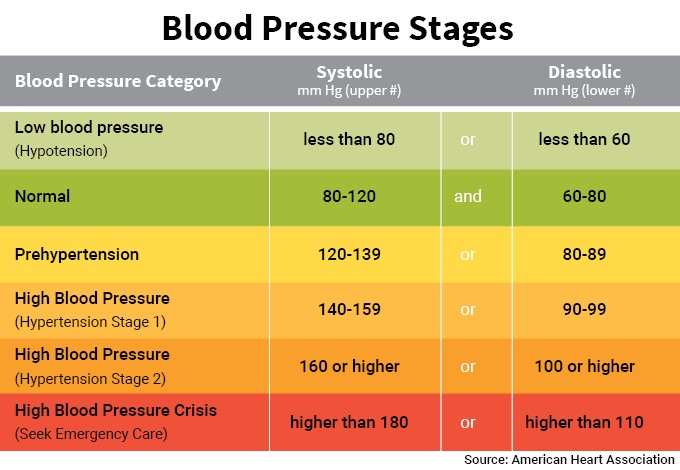
The pressure exerted by the column of blood flowing in the arteries once it has been pumped by the heart is called systolic (higher value) blood pressure. Diastolic (lower value) BP refers to the resistance in the arteries, which is always present due to their elastic tone.

Blood Pressure Categories:

  • Normal: Up to 120/80 mmHg
  • Pre-Hypertensive: 130/90 to 140/90 mmHg
  • Hypertension: Above 140/90 mmHg

A person is diagnosed with high BP if three readings taken on separate days are consistently high.
BP - HypertensionSigns & Symptoms of Hypertension

If I have to look for signs of high BP, these symptoms should raise suspicion

  1. Headache
  2. Feeling of tiredness.
  3. Difficulty breathing
  4. Heaviness in the eyes / blurred vision.
  5. Irritability
  6. Severe cases: Heart attack or haemorrhagic stroke

What Causes High BP?

High BP is common in adults over 50 but is increasingly being diagnosed in younger people due to poor lifestyle choices, such as:

  • Lack of sleep—Irregular sleep cycles disrupt the circadian rhythm.
  • High salt intake—Excess salt from processed foods, snacks, pickles, and sauces.
  • Smoking—Nicotine constricts blood vessels, increasing BP.
  • Obesity—Being overweight adds strain to the heart.
  • Lack of exercise—Sedentary lifestyle leads to poor heart health.
  • Stress—From chaotic city traffic, financial strain, and work pressure.
  • Other Causes: BP can also rise due to secondary conditions like thyroid disorders and narrowing of arteries supplying the kidneys (Renal Artery Stenosis).

Why is it Important to Maintain Normal BP?

Persistently high BP damages the internal lining of blood vessels, gradually affecting the brain, kidneys, and eyes. This can lead to serious complications such as:

  • Stroke (brain damage due to reduced blood flow)
  • Kidney failure
  • Hypertensive retinopathy (damage to the eyes)

All of these complications can be prevented by keeping BP within the normal range.

Managing High BP Naturally
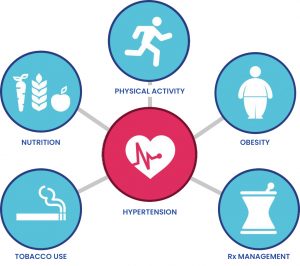
Since lifestyle choices are the single most important factor in controlling BP, here’s how you can manage hypertension without medication:

  • Sleep Better:
    • Aim to sleep by 11 PM and wake up by 6-7 AM to regulate your circadian rhythm.
    • Avoid using screens before bedtime to improve sleep quality.
  • Diet Adjustments:
    • Reduce salty foods such as crisps, salted nuts, pickles, and processed sauces.
    • Eat more potassium-rich foods like bananas, spinach, and lentils.
  • Exercise Regularly:
    • Engage in 45 minutes of brisk walking, 30 minutes of swimming or cycling, or 30 minutes of aerobics at least 5 days a week.
    • Strength training also helps improve circulation and heart health.
  • Manage Your Weight: 
    • If overweight, aim to lose 1-2 kg per month until you reach a healthy BMI (Body Mass Index) of 25.
  • Reduce Stress: 
    • Practise deep breathing or meditation daily.
    • Set realistic personal and professional goals to avoid unnecessary stress.
  • Stay Socially Connected:
    • Engage in social activities and maintain a healthy support system. A positive social life can improve mental health and reduce stress-induced BP spikes.

When to Consider Medication?

If lifestyle modifications do not lower BP within 6 months, it’s time to consult a doctor to explore medical options.

Additionally, if hypertension is caused by an underlying condition (such as thyroid disease or renal artery stenosis), treating the root cause can help normalise BP.

Even the word HyperTENSION (high BP) has ‘TENSION’ in it! Managing stress and adopting healthier lifestyle choices can significantly improve your heart health.

Have you successfully managed your BP through lifestyle changes? Share your experiences in the comments below!

#BeTheForce

Disclaimer: The information provided in this blog is for general awareness and educational purposes only. It is not intended to replace professional medical advice, diagnosis, or treatment. Always consult a qualified healthcare provider for personalised medical guidance or concerns related to your health.
February 20, 2025 By Sindhu Ashwin 4 Comments

Interesting facts about Salt you should know

SaltWe all know that salt is an essential ingredient in our food. It’s hard to imagine a meal without it! But what exactly is salt, and why is it so important? While most of us are familiar with table salt, there are some fascinating facts about salt that you might not know. Let’s dive into the world of salt and uncover its role in our lives.
What is Salt?

Salt is made from sodium, a naturally occurring mineral, and is a major ingredient used worldwide. Most of the sodium we consume is in the form of sodium chloride, commonly known as table salt. But salt is more than just a seasoning—it plays a vital role in our health and daily lives.

Interesting facts about Salt

  1. Widely used Additive
    • Salt is one of the first food additives and seasonings used by humans. Today, it’s one of the most widely used additives, second only to sugar in the amount added to food.
  2. Too much salt is harmful
    • While salt is necessary for human life, over consumption can lead to health issues like high blood pressure, hypertension, and heart disease. On the other hand, consuming too little salt can cause hypotension.
    • High blood pressure is a major risk factor for heart disease, stroke, and kidney disease. However, sodium intake alone isn’t the sole cause—factors like family history, weight, race, physical fitness, and smoking also play a role.
  3. How Much Salt Should You Consume?
    • Under normal conditions, a person needs about 2500 milligrams of sodium daily, which is roughly half a teaspoon of salt.
  4. Replenishing Salt
    • During conditions like excessive sweating (from workouts, sports, or trekking), diarrhea, or vomiting, sodium is lost, and the body’s need for it increases. This increased need can usually be met through diet, as the average diet already contains more sodium than required.

Sources of Sodium

  1. Table salt and seasoning:
    • Sodium is often added to foods during preparation in the form of table salt, monosodium glutamate (MSG), sea salt, black salt, or rock salt. One level teaspoon of salt contains about 2000 milligrams of sodium.
  2. Processed foods:
    • Salt and sodium-containing additives are commonly found in processed foods like chips, salted nuts, pickles, sauces, and ketchup. These additives also help preserve food.
  3. Natural sources:
    • All animal-based foods naturally contain sodium. Most fresh fruits and vegetables also have small amounts of sodium.
  4. Medicines:
    • Some over-the-counter drugs and medications contain sodium, so it’s important to check labels if you’re monitoring your sodium intake.

The Role of Salt in Health

Experts believe that while cutting down on salt may not prevent high blood pressure, it can help lower blood pressure for people who are “salt-sensitive.” A low-salt diet, combined with weight loss, medication, or other lifestyle changes, can effectively control high blood pressure.

Salt is a tasty and essential ingredient in our daily cooking, but moderation is key. Use it wisely to stay healthy. For instance, switching to rock salt can help keep blood pressure in check.

We hope this article equips you with valuable insights into the role of salt in your life. If you found this information helpful, we’d love to hear your thoughts in the comments below.

#BeTheForce

Disclaimer: The information provided in this blog is for general awareness and educational purposes only. It is not intended to replace professional medical advice, diagnosis, or treatment. Always consult a qualified healthcare provider for personalised medical guidance or concerns related to your health.

February 15, 2025 By Urvi Gohil 1 Comment

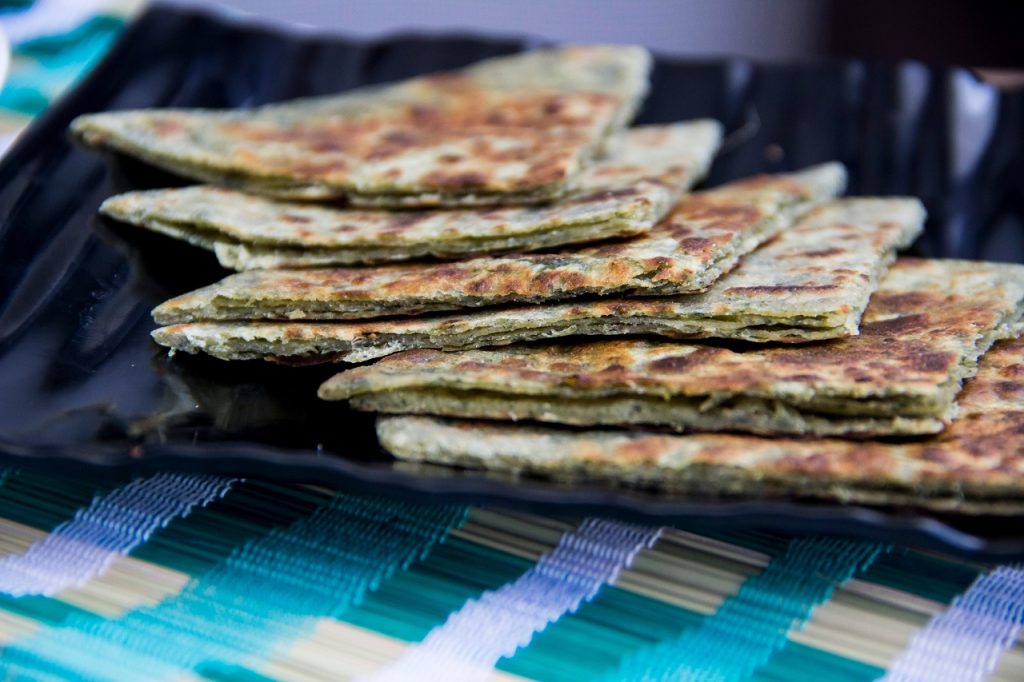
Healthy Eating: Spinach Paratha

spinach parathaIf you love parathas, roti, or chapati for breakfast, here’s a way to make the first meal of your day a healthy one! This Spinach Paratha recipe is loaded with essential nutrients to fuel your day and improve overall health. Spinach, the star ingredient, is packed with vitamins and minerals that benefit your body in numerous ways. Let’s get started!

What You Will Need

  • Spinach leaves – 200g
  • Gram flour (besan) – 2 tbsp
  • Wheat flour – 1 cup
  • Ajwain (carom seeds) – 1 tsp
  • Green chilli – 1-2
  • Ginger – 1 tsp
  • Oil – 1 tbsp
  • Salt to taste

How to Prepare

  • Step 1: Boil water in a pan and turn off the flame. Add the spinach leaves to the hot water and let them blanch for 1-2 minutes. Remove the leaves and soak them in cold water to retain their vibrant green color.
  • Step 2: In a mixer or blender, make a puree using the blanched spinach leaves, ginger, and green chillies.
  • Step 3: In a mixing bowl, combine wheat flour, gram flour, and salt. Mix well, then add the spinach puree, ajwain, and 1 tsp of oil.
  • Step 4: Knead the dough well and let it rest for 10-15 minutes.
  • Step 5: Divide the dough into small portions and roll them into medium-thick parathas.
  • Step 6: Heat a tawa (griddle) and roast the paratha on both sides, applying a little oil for a crispy texture.
  • Step 7: Serve hot with carrot raita or your favorite chutney.

Highlights of the Spinach Paratha

  • Nutrient-Dense: Spinach is one of the most nutrient-dense leafy green vegetables, rich in Vitamin K, which supports bone health and blood clotting.
  • Eye Health: Spinach contains lutein and zeaxanthin, antioxidants that promote eye health and reduce the risk of age-related macular degeneration.
  • Reduces Oxidative Stress: The antioxidants in spinach help combat oxidative stress, reducing the risk of chronic diseases.
  • Manages Blood Pressure: Spinach is high in potassium, which helps regulate blood pressure levels.
  • Weight Loss-Friendly: Low in calories and high in fiber, spinach parathas are a great addition to a weight-loss diet.

This Spinach Paratha is not only delicious but also packed with nutrients to kickstart your day on a healthy note. It’s easy to prepare, versatile, and perfect for anyone looking to add more greens to their diet. Give this recipe a try and let us know how you liked it in the comments below!

Do you have any other healthy breakfast recipes you love? Share them with us in the comments below! For more healthy recipes, check out Healthy Reads or get in touch with your GOQii Coach by subscribing for Personalized Health Coaching here.

Eat Healthy and #BeTheForce

February 11, 2025 By Navnee Garg Leave a Comment

Load Up On Carrots During Winter! Here’s Why!

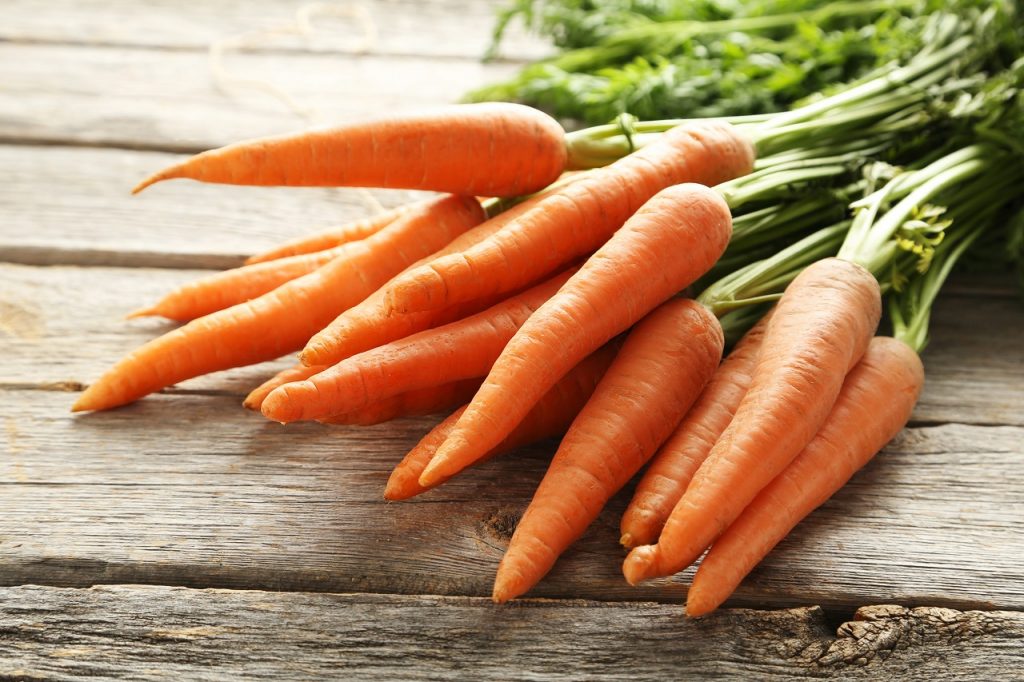
carrots during winterWe’ve often advised people to eat seasonal fruits and for good reason! Seasonal veggies are a good source of vitamins, minerals and antioxidants which are required by the body during winter. There are many vegetables but one of them, which is a must-have during these chilly days is the carrot! Carrots are one of the most loved vegetables not only in India but all over the world. The reason is very evident, it not only serves as a salad but a lot more than that. This orange-coloured root is an ultimate health food with many health benefits. Let’s explore the health benefits of carrots during winter!

Why You Should Eat Carrots During Winter  

  1. Carrots help you get beautiful skin and can help in protecting you from cancer, especially lung cancer. As the temperature drops, this crunchy & colourful vegetable gives you a boost of antioxidants too.
  2. As a rich source of Vitamin A, it helps treat vision loss. So during winter, you can definitely ditch your Vitamin A pills.
  3. The Vitamin A in carrots also help the liver secrete bile and flush out toxins in the body, acting as a Natural Detox.
  4. Carrots contain high amounts of soluble fibers, which indirectly helps in managing cholesterol levels. No more guilt! You can easily binge on your favorite carrot cake during winter.
  5. Carrots are infused with natural pesticides, Falcarcinol, which is anti-fungal in nature. It protects you from any kind of fungal diseases. If your kids eat carrots, you don’t need to worry about them catching any kind of fungal infection. 
  6. Carrots aren’t boring! There are many variations you can try with this root – be it dips, juices or soups – carrots are definitely a hit with your taste buds! 
  7. Carrot tops are enriched in nutrients such as potassium, phytonutrients and they also contain around 6 times more Vitamin C than what the root does.
  8. Carrots have reserved their place in the list of the World’s Healthiest Foods. Undoubtedly, this crunchy root deserves it too.

 Tips to Add Carrots To Your Diet 

  • Soup It: Add grated carrots to your soups and clear broths to add roughage in diet
  • Crunch It: Raw carrots are enjoyed the best while soaking under the Sun during winters. Great way to boost up the vitamin quotient.
  • Lick It Up: Our very own Gajar ka Achar or Gajar ka Paani is every grandmother’s special recipe.
  • Bake It: The versatility of carrots gets it added even in bakery products. Add shredded carrot while baking muffins, cakes or breads to make a delightful dessert.

DO NOT throw away the carrot tops. Surprisingly, these carrot tops can be replaced with all the herbs in all kinds of dishes adding taste and Nutrition adequately. 

We hope you’re all set to enjoy the crunch this season. Any more queries in mind?  Please feel free to type them down in the comments section below, because, We Carrot about You!

For more topics on the health benefits of foods, check out Healthy Reads or ask a GOQii Coach by subscribing for Personalised Health Coaching here.

Eat Health and #BeTheForce 

  • « Previous Page
  • 1
  • …
  • 28
  • 29
  • 30
  • 31
  • 32
  • …
  • 139
  • Next Page »

Search

Recent Posts

  • Foods to Manage Blood Sugar Naturally: A Complete Guide to Better Blood Sugar Control
  • The Lazy Person’s Guide to Staying Healthy: 5 Micro-Habits That Take Less Than 2 Minutes
  • Healthy Eating: Comforting Chilli Bean Soup Recipe for the Monsoon
  • The Truth About the ‘Beer Belly’: What Alcohol Really Does to Your Metabolism
  • Benefits of Meditation: How One Daily Habit Can Transform Your Mental Wellbeing

Stay Updated

Archives

  • August 2026 (7)
  • July 2026 (25)
  • June 2026 (22)
  • May 2026 (20)
  • April 2026 (24)
  • March 2026 (18)
  • February 2026 (14)
  • January 2026 (14)
  • December 2025 (19)
  • November 2025 (15)
  • October 2025 (20)
  • September 2025 (6)
  • August 2025 (6)
  • July 2025 (9)
  • June 2025 (18)
  • May 2025 (16)
  • April 2025 (22)
  • March 2025 (26)
  • February 2025 (21)
  • January 2025 (25)
  • December 2024 (22)
  • November 2024 (22)
  • October 2024 (20)
  • September 2024 (22)
  • August 2024 (28)
  • July 2024 (15)
  • June 2024 (23)
  • May 2024 (26)
  • April 2024 (27)
  • March 2024 (27)
  • February 2024 (23)
  • January 2024 (21)
  • December 2023 (14)
  • November 2023 (10)
  • October 2023 (19)
  • September 2023 (21)
  • August 2023 (16)
  • July 2023 (16)
  • June 2023 (21)
  • May 2023 (20)
  • April 2023 (19)
  • March 2023 (23)
  • February 2023 (19)
  • January 2023 (15)
  • December 2022 (11)
  • November 2022 (15)
  • October 2022 (15)
  • September 2022 (12)
  • August 2022 (9)
  • July 2022 (17)
  • June 2022 (11)
  • May 2022 (10)
  • April 2022 (6)
  • March 2022 (6)
  • February 2022 (13)
  • January 2022 (11)
  • December 2021 (7)
  • November 2021 (3)
  • October 2021 (6)
  • September 2021 (3)
  • August 2021 (8)
  • July 2021 (7)
  • June 2021 (15)
  • May 2021 (16)
  • April 2021 (10)
  • March 2021 (7)
  • February 2021 (4)
  • January 2021 (4)
  • December 2020 (3)
  • November 2020 (4)
  • October 2020 (10)
  • September 2020 (3)
  • August 2020 (3)
  • July 2020 (2)
  • June 2020 (4)
  • May 2020 (10)
  • April 2020 (12)
  • March 2020 (10)
  • February 2020 (4)
  • January 2020 (4)
  • December 2019 (3)
  • November 2019 (7)
  • October 2019 (5)
  • September 2019 (4)
  • August 2019 (9)
  • July 2019 (9)
  • June 2019 (11)
  • May 2019 (4)
  • April 2019 (8)
  • March 2019 (8)
  • February 2019 (9)
  • January 2019 (8)
  • December 2018 (9)
  • November 2018 (3)
  • October 2018 (3)
  • September 2018 (5)
  • August 2018 (10)
  • July 2018 (6)
  • June 2018 (13)
  • May 2018 (8)
  • April 2018 (18)
  • March 2018 (9)
  • February 2018 (8)
  • January 2018 (15)
  • December 2017 (12)
  • November 2017 (19)
  • October 2017 (13)
  • September 2017 (15)
  • August 2017 (4)
  • July 2017 (8)
  • June 2017 (7)
  • May 2017 (6)
  • April 2017 (8)
  • March 2017 (6)
  • February 2017 (7)
  • January 2017 (9)
  • December 2016 (10)
  • November 2016 (7)
  • October 2016 (7)
  • September 2016 (7)
  • August 2016 (11)
  • July 2016 (9)
  • June 2016 (9)
  • May 2016 (12)
  • April 2016 (17)
  • March 2016 (17)
  • February 2016 (8)
  • January 2016 (6)
  • December 2015 (2)
  • November 2015 (9)
  • October 2015 (7)
  • September 2015 (9)
  • August 2015 (11)
  • July 2015 (9)
  • June 2015 (11)
  • May 2015 (9)
  • April 2015 (13)
  • March 2015 (8)
  • February 2015 (5)
  • January 2015 (12)
  • December 2014 (14)
  • November 2014 (11)
  • October 2014 (6)
  • September 2014 (13)
  • August 2014 (12)
  • July 2014 (6)
  • June 2014 (2)
  • May 2014 (7)
  • April 2014 (4)

From Burnout to Balance: How Dr. Ranjit Reclaimed His Health

Dr Ranjit Bhatt has spent years tending to others. A practising doctor in Odisha, his days were packed with patients, surgeries, and emergencies. From the outside, it looked like a life lived in service. But on the inside, something wasn’t right. “I had no … [Read More...]

From Shimla’s Slopes to Chandigarh’s Sidewalks: Surinder Kaur Bhalla’s Journey from Chaos to Control

Some journeys start with a plan. Others begin with a stumble literally. Surinder Bhalla, a government professional, born and raised in the scenic hill town of Shimla, had always lived a life of movement. “In Shimla, you walked everywhere,” she reflects. “Walking was never an exercise. It was just life.” But after shifting to Chandigarh, […]

“I’ve Challenged Myself to Live 100 Years” – The Story of Chandubhai Savani’s Second Chance at Life

At 67, most people start slowing down. Not Chandubhai Savani. A resident of Surat, Chandubhai, thought life was on track. “My life was going well till I had my bypass surgery,” he says. That surgery, back in 2021, was a wake-up call.  Medication was routine, but exercise wasn’t. His diet? What he calls ‘normal.’ “I […]

Ananda Mukherjee Health Story

From Terminal Illness To Complete Wellness! Ananda Mukherjee Health Story

As we observe World Cancer Day under the powerful theme ‘United by Unique’ (2025-2027)**, we are reminded that every individual’s journey with cancer is distinct, yet united by shared resilience, hope, and the collective fight against this disease. This theme places people at the centre of care and their stories at the heart of the […]

  • HOME
  • HEALTHY LIVING
  • FITNESS
  • HEALTHY RECIPES
  • USER STORIES
  • KARMA
  • BUY GOQii

Copyright ©2016 GOQii


