GOQii

Blog

  • HOME
  • HEALTHY LIVING
  • FITNESS
  • HEALTHY RECIPES
  • USER STORIES
  • KARMA
  • BUY GOQii

Search Results for: diabetes

May 19, 2015 By Hardika Vira Leave a Comment

Did you know about Syndrome X?


metabolic syndromeSyndrome X is also known as metabolic syndrome, cardio metabolic syndrome, insulin resistance syndrome, Reaven’s syndrome (named after Gerald Reaven an American endocrinologist and professor at Stanford University who has worked upon insulin resistance and diabetes), and CHAOS (in Australia). It’s one of the leading lifestyle related disorders.

As is defined by Wikipedia-Syndrome X is a disorder of energy utilization and storage, diagnosed by a co-occurrence of three out of five of the following medical conditions: abdominal (central) obesity, elevated blood pressure (Hypertension), elevated fasting plasma glucose (Diabetes/ insulin resistance), high serum triglycerides (hypertriglyceridemia), and low high-density cholesterol (HDL) levels.

In today’s times you will seldom find people with one single issue. You more often meet people with multiple issues for e.g.: You will see a person who is diabetic also has hypertension, and has a big belly at the same time. So, would you categorize this person as a diabetic or hypertensive or obese? Well, None of these! It is Metabolic Syndrome

How do you categorize a person suffering from metabolic syndrome?

He should have any of these 3 categories positive. As per American Heart Association(2004)

  • Elevated waist circumference: mortazavi20120513095818513
    • Men — greater than 40 inches (102 cm)
    • Women — greater than 35 inches (88 cm)
  • Elevated triglycerides: Equal to or greater than 150 mg/dL (1.7 mmol/L)
  • Reduced HDL (“good”) cholesterol:
    • Men — Less than 40 mg/dL (1.03 mmol/L)
    • Women — Less than 50 mg/dL (1.29 mmol/L)
  • Elevated blood pressure: Equal to or greater than 130/85 mm Hg or use of medication for hypertension

blood-pressure-monitor

  • Elevated fasting glucose: Equal to or greater than 100 mg/dL (5.6 mmol/L) or use of medication for hyperglycemia

Glucometer

Let us concentrate on the prevention part rather than treatment as we already know prevention is better than cure. The prevention for Metabolic Syndrome is same as its treatment.

  1. Exercise daily for 30-60 minutes. Exercising increases the insulin sensitivity, helps reduce waist circumference, manages blood pressure and also improve HDL cholesterol. Exercise daily / Being active whole day is the requirement
  2. Lose weight if overweight. Nearing your IBW (Ideal Body Weight) helps to reduce the pressure exerted on the walls of the arteries to supply blood to all parts of the body. It also helps in better glucose uptake. Reducing even 10% of your body weight helps you control diabetes, blood pressure and weight
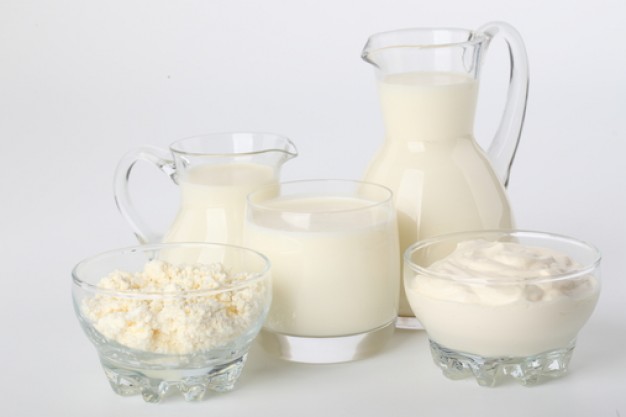
  3. Eat healthy and keep a check on the portions – Include a good amount of fruits and veggies in your daily diet. They are rich in fiber, vitamins and minerals. Fiber helps in maintaining blood sugar levels, choose whole grains and their products over the refined ones, choose low fat dairy products and lean proteins over red meat as red meat is high in fats and sodium. Go easy on saturated fats and trans fats like butter, ghee, margarine, vanaspati ghee, bakery products. Restrict cholesterol consumption to less than 300 mg/ day. Generally non-veg foods contain cholesterol. Veg sources do not contain cholesterol. Make it a point to check the nutritional label of the packaged foodstuff that you pick for cholesterol and Sodium content.
  4. Quit smoking and alcohol- Getting rid of your habits reduces the risk factor to a large extent by preventing damage to your organs. Alcohol raises triglyceride levels, helps increases belly fat and smoking induces chain reaction which destroys other organs too.
  5. Reduce stress levels- Stress hormone cortisol is known to increase blood sugar levels and create a negative impact on your body as well. Practicing deep breathing exercises and getting involved into your hobbies / recreational activities help curb the stress levels

Practicing these would not only help you lower the risk factors but also help lower your medication.

May 5, 2015 By Jyoti Sawant 22 Comments

Amazing Health Benefits and Uses of Jamun Fruit

Jamun

Jamun or Black plum is an important summer fruit, associated with many health and medicinal benefits. The black plum is known to relieve stomach pain, carminative, anti-scorbutic and diuretic. Black Plum vinegar is good to reduce enlargement of spleen, diarrhoea, and those have urine retention problems. Jamum’s ployphenolic compounds are effective against cancer, heart diseases, diabetes, asthma and arthritis.

Black Plum fruit and its leaves are good for diabetic patients. The black plum has anti-diabetic features. The fruit helps to convert starch into energy and keep your blood sugar levels in check. In the summer season, the sugar patient should eat Black Plum regularly because of its low glycemic index. It reduces the symptoms of diabetes like frequent urination and thrusting. The extract of bark, seeds, and leaves are too beneficial in the treatment of diabetes.

Black Plum has adequate amount of iron and vitamin C. The presence of iron in the black plum is good to increase the haemoglobin count.  The fruit’s iron content acts as blood purifying agent. Since, it is the medium of purifying your blood; therefore, it is good for skin and beauty. Iron content is beneficial in menses where the lady faces blood loss. People suffering from anemia and jaundice should eat Balck Plump because of its high iron content.

Black Plum juice has many health and medicinal benefits. Being a seasonal fruit, one should try to have more and more amount of Black Plum juice during the month of June, July and August. Some of the amazing and surprising health benefits of this juice are given below.

  1. It is used to treat digestive disorders such as diarrhoea
  2. This juice along with curd is good against digestive problems.
  3. Teeth related problems can be solved by applying black Plum juice or by drinking it.
  4. Jamun juice is beneficial in treating of piles.
  5. Drinking of the fresh fruit juice helps in cough and asthma.
  6. Jamun juice enhances your immune system.
  7. It protects you from cold and acts as anti-aging agent.


May 4, 2015 By Dave Hellman 1 Comment

Autonomy + Motivation + Accountability = Wellness

AutonomyPlusMotivation

Everyone knows the basics of healthy living. Eat a balanced diet. Exercise. Get a good night’s sleep. Not long ago, if you needed more guidance than that, you had to find an expert (books, physicians, etc.). They were the only ones with the tools and knowledge to help you. This was okay for people who had the time and resources to seek out that expertise but for most people it was a huge barrier. And when we’re looking to make changes in our behavior, barriers strip us of motivation.

Flash forward to the current day and we have a convergence of technologies that addresses some significant obstacles. These include:

  • Wearable Fitness Technology – Wristbands, watches, pendants, eyeglasses, and even clothing that can sense steps taken, quality of sleep, heart rate, and more.
  • Smartphone Apps – For detailed tracking of exercise, food and nutrients consumed, blood sugar level, etc.
  • Online Services – That were formerly only available to professionals such as genome testing, full lab panels and microbiome (gut bacteria) testing.
  • Internet of Things – Infrastructure that allows these technologies to talk with one another. Step on your scale and it updates the food diary on your smartphone tracker app with your weight.

The age of autonomy is here. No longer must we depend on experts to know where we stand health-wise. But is that enough? Apparently not. As noted in a previous post on this site, Rethink Wearable Tech…Fad or Future, despite the growing popularity of devices like Wearable Fitness Trackers, many people stop using them only a short time after they get them.

You see, technology hasn’t figured out when you need space and when you need a little nudge. It’s not very good at helping you explore why you’re stuck or why you sometimes regress. It does a bad job at changing and adapting with you. And, it doesn’t know how to link your goals for good health to your vision, your values. Technology is just clueless about motivation and accountability.

Enter the Health Coach. Health Coaches are the latest member of your wellness team. Unlike physicians whose role is to diagnose and prescribe, Health Coaches help you make the changes you want to make by stoking the fire you have within. And unlike Nutrition Counselors or Personal Trainers who hand over wellness plans and monitor compliance, Health Coaches partner with you to uncover the strategies that honor your values and lifestyle. They work with you to keep you accountable.

Health Coaches are experts in human behavioral change. They recognize that family, physicians, and employers may influence positive changes in health, but the real inspiration to move towards wellness has to come from you. Health coaches use a process that surfaces what is most important to you and links those values to the healthy behaviors and goals that matter most. This is where motivation comes from.

As you progress, your coach helps you create a plan to reach those goals. The emphasis on you is critical. The plan can’t be some cookie cutter nutrition or exercise program that the coach pulls from some file. It must be a customized plan that strikes a balance between flexibility, because “stuff happens,” and specificity so you can link your plan to your progress. Without a tailored plan, it’s difficult to hold yourself accountable.

Health Coaching is a new field. Research on its impact is just emerging but initial results are encouraging. These include:

  • Patients with poor cardiovascular health who undergo health coaching show improvements in total cholesterol and BMI, lower stress, more physical activity, better nutrition, and reduced smoking.
  • Cancer patients who work with health coaches demonstrate better pain control.
  • Health coaches help obese patients decrease their waist circumference and improve their functional health.
  • Diabetes and kidney patients who engage with health coaches experience decreases in fasting blood glucose levels?, hemoglobin A1C, hospital admission rates, and amputations.

And all of these studies took place prior to and without the benefit of the technologies mentioned earlier. When we combine the ability for technology to collect data in a transparent way with the skills and knowledge of a professionally trained Health Coach, some magic starts to happen. Health Coaches know you as a person and can figure out when you need space and when you need a little nudge. Health Coaches excel at helping people explore why they’re stuck or why they sometimes regress. Health Coaches understand that wellness goals must change and adapt as you change and adapt. And Health coaches know how to link your goals for good health to your vision, your values.

Technology provides you autonomy. Health Coaches honor that autonomy, inspire motivation, and maximize accountability. And this combination results in a happy, healthy, and productive life.

April 16, 2015 By Shimpli Patil Leave a Comment

Play smart with your insulin to maintain your weight!

diabetes to maintain weight loss


Most often we have heard about insulin only in the context of diabetes. That’s because diabetes is a condition characterized by insulin deficiency. Insulin is a hormone secreted by the beta cells of Pancreas in response to glucose released in the blood after the carbohydrate breakdown in the body. Insulin’s role is to pick up the glucose from blood and take it to the cells to feed them. Since there’s lack of insulin in a diabetic situation, the blood glucose isn’t drawn from blood to cells and therefore its levels remain high.

Insulin is barely talked about in the weight loss/weight gain segment despite it playing a huge role in it.

To understand the link between insulin and weight, we first need to understand the relationship between carbs, blood sugar and insulin. It is this connection that has massive bearing on weight loss.

There are 2 kinds of carbs- Simple and Complex. Simple carbs are the ones which are quickly broken down to glucose and result in rapid spike in blood sugar, whereas complex carbs are the slow glucose releasing carbs (do not cause blood sugar spike unlike the simple ones)

Let’s check out the mechanism of insulin and weight gain:

  • Simple carbs cause a prompt response of insulin which takes care of the sugar spike and restores the blood sugar levels. It carries the glucose to the cells where it is used for energy (fuel), and the extra is stored as glycogen in the liver (storage form of glucose). The excess glucose, over and above, gets converted into FAT!
  • When we eat a lot of simple carbs at a time, our pancreas tries its best to keep up with the massive surges in blood glucose by producing large amounts of insulin, resulting in a quick drop in blood glucose levels (i.e. hypoglycemia). This is then followed by a feeling of dizziness and weakness. It doesn’t end here, it further leads to hunger pangs and crazy cravings for sweets/refined carbs in an attempt to normalize the blood glucose level. This eventually leads to a vicious circle of eating foods high in sugar, which ultimately end up getting converted into fat.
  • If the above cycle continues for a prolonged period, and our pancreas repeatedly and constantly produces insulin in huge amounts, there will be a point when our cells start getting immune or insensitive to insulin, this state is called Insulin Resistance. The cells no longer accept glucose that insulin carries along with it. Hence, the glucose levels in the blood stay up, ultimately leading to fat storage. This fat storage mainly occurs because insulin also activates a fat storage enzyme called lipoprotein lipase.

These are exactly the reasons why Insulin is tagged as a “Lipogenic Hormone”- One that results in fat gain!

If you are keen on preventing yourself from the not-so-appealing weight/fat gain, then it’s important for you to play wisely with your insulin by doing the right thing when it comes to carb consumption.

How can we assure this? All that we have to take care is that we keep the refined and simple carb intake on the lower side. This category includes bread and bakery stuff, pizzas, burgers, sweets and desserts, polished rice and noodles, etc. Believe me, when you are busy enjoying these foods, your body is getting ready to store it as fat.

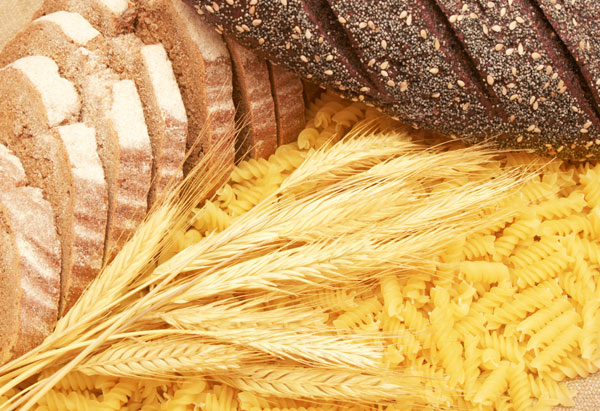
Focus more on complex carbs which include the whole grain based stuff like oatmeal, whole wheat bread, whole wheat pasta, brown/red rice, fibrous green vegetables, starchy vegetables such as potatoes, beans, peas and lentils, etc.

As the complex carbs are slow moving, they lead to slow secretion of insulin which does its job at its own sweet pace, hence there’s no issue of fat storage in this case. This allows you to feel fuller for a longer period of time, typically for up to 3 hours and thereby preventing hunger pangs and unnecessary binging.

The overall connection is a bit tricky but, once we decode this puzzle, we are sorted!

  • « Previous Page
  • 1
  • …
  • 84
  • 85
  • 86
  • 87
  • 88
  • …
  • 91
  • Next Page »

Search

Recent Posts

  • World Hepatitis Day 2026: “Let’s Break It Down” – 6 Habits to Protect Your Liver
  • How to Improve Sleep Quality Naturally: 12 Science-Backed Tips for Better Sleep
  • Immunity-Boosting Kadhas: Why Natural Defense Matters During the Monsoon
  • Healthy Eating: Crispy Monsoon Corn Tikkis
  • Antenatal Exercises: Your Guide to a Fit and Healthy Pregnancy

Stay Updated

Archives

  • July 2026 (24)
  • June 2026 (22)
  • May 2026 (20)
  • April 2026 (24)
  • March 2026 (18)
  • February 2026 (14)
  • January 2026 (14)
  • December 2025 (19)
  • November 2025 (15)
  • October 2025 (20)
  • September 2025 (6)
  • August 2025 (6)
  • July 2025 (10)
  • June 2025 (18)
  • May 2025 (16)
  • April 2025 (22)
  • March 2025 (26)
  • February 2025 (21)
  • January 2025 (25)
  • December 2024 (22)
  • November 2024 (22)
  • October 2024 (20)
  • September 2024 (22)
  • August 2024 (28)
  • July 2024 (16)
  • June 2024 (23)
  • May 2024 (26)
  • April 2024 (27)
  • March 2024 (27)
  • February 2024 (23)
  • January 2024 (21)
  • December 2023 (14)
  • November 2023 (10)
  • October 2023 (19)
  • September 2023 (22)
  • August 2023 (16)
  • July 2023 (18)
  • June 2023 (21)
  • May 2023 (20)
  • April 2023 (19)
  • March 2023 (23)
  • February 2023 (19)
  • January 2023 (15)
  • December 2022 (11)
  • November 2022 (15)
  • October 2022 (15)
  • September 2022 (12)
  • August 2022 (9)
  • July 2022 (17)
  • June 2022 (11)
  • May 2022 (10)
  • April 2022 (6)
  • March 2022 (6)
  • February 2022 (13)
  • January 2022 (11)
  • December 2021 (7)
  • November 2021 (3)
  • October 2021 (6)
  • September 2021 (3)
  • August 2021 (8)
  • July 2021 (7)
  • June 2021 (15)
  • May 2021 (16)
  • April 2021 (10)
  • March 2021 (7)
  • February 2021 (4)
  • January 2021 (4)
  • December 2020 (3)
  • November 2020 (4)
  • October 2020 (10)
  • September 2020 (3)
  • August 2020 (3)
  • July 2020 (2)
  • June 2020 (4)
  • May 2020 (10)
  • April 2020 (12)
  • March 2020 (10)
  • February 2020 (4)
  • January 2020 (4)
  • December 2019 (3)
  • November 2019 (7)
  • October 2019 (5)
  • September 2019 (4)
  • August 2019 (9)
  • July 2019 (9)
  • June 2019 (11)
  • May 2019 (4)
  • April 2019 (8)
  • March 2019 (8)
  • February 2019 (9)
  • January 2019 (8)
  • December 2018 (9)
  • November 2018 (3)
  • October 2018 (3)
  • September 2018 (5)
  • August 2018 (10)
  • July 2018 (6)
  • June 2018 (13)
  • May 2018 (8)
  • April 2018 (18)
  • March 2018 (9)
  • February 2018 (8)
  • January 2018 (15)
  • December 2017 (12)
  • November 2017 (19)
  • October 2017 (13)
  • September 2017 (15)
  • August 2017 (4)
  • July 2017 (8)
  • June 2017 (7)
  • May 2017 (6)
  • April 2017 (8)
  • March 2017 (6)
  • February 2017 (7)
  • January 2017 (9)
  • December 2016 (10)
  • November 2016 (7)
  • October 2016 (7)
  • September 2016 (7)
  • August 2016 (11)
  • July 2016 (9)
  • June 2016 (9)
  • May 2016 (12)
  • April 2016 (17)
  • March 2016 (17)
  • February 2016 (8)
  • January 2016 (6)
  • December 2015 (2)
  • November 2015 (9)
  • October 2015 (7)
  • September 2015 (9)
  • August 2015 (11)
  • July 2015 (9)
  • June 2015 (11)
  • May 2015 (9)
  • April 2015 (13)
  • March 2015 (8)
  • February 2015 (5)
  • January 2015 (12)
  • December 2014 (14)
  • November 2014 (11)
  • October 2014 (6)
  • September 2014 (13)
  • August 2014 (12)
  • July 2014 (6)
  • June 2014 (2)
  • May 2014 (7)
  • April 2014 (4)

From Burnout to Balance: How Dr. Ranjit Reclaimed His Health

Dr Ranjit Bhatt has spent years tending to others. A practising doctor in Odisha, his days were packed with patients, surgeries, and emergencies. From the outside, it looked like a life lived in service. But on the inside, something wasn’t right. “I had no … [Read More...]

From Shimla’s Slopes to Chandigarh’s Sidewalks: Surinder Kaur Bhalla’s Journey from Chaos to Control

Some journeys start with a plan. Others begin with a stumble literally. Surinder Bhalla, a government professional, born and raised in the scenic hill town of Shimla, had always lived a life of movement. “In Shimla, you walked everywhere,” she reflects. “Walking was never an exercise. It was just life.” But after shifting to Chandigarh, […]

“I’ve Challenged Myself to Live 100 Years” – The Story of Chandubhai Savani’s Second Chance at Life

At 67, most people start slowing down. Not Chandubhai Savani. A resident of Surat, Chandubhai, thought life was on track. “My life was going well till I had my bypass surgery,” he says. That surgery, back in 2021, was a wake-up call.  Medication was routine, but exercise wasn’t. His diet? What he calls ‘normal.’ “I […]

Ananda Mukherjee Health Story

From Terminal Illness To Complete Wellness! Ananda Mukherjee Health Story

As we observe World Cancer Day under the powerful theme ‘United by Unique’ (2025-2027)**, we are reminded that every individual’s journey with cancer is distinct, yet united by shared resilience, hope, and the collective fight against this disease. This theme places people at the centre of care and their stories at the heart of the […]

  • HOME
  • HEALTHY LIVING
  • FITNESS
  • HEALTHY RECIPES
  • USER STORIES
  • KARMA
  • BUY GOQii

Copyright ©2016 GOQii