
GOQii

Blog

  • HOME
  • HEALTHY LIVING
  • FITNESS
  • HEALTHY RECIPES
  • USER STORIES
  • KARMA
  • BUY GOQii

Search Results for: breathing

May 19, 2015 By Hardika Vira Leave a Comment

Did you know about Syndrome X?


metabolic syndromeSyndrome X is also known as metabolic syndrome, cardio metabolic syndrome, insulin resistance syndrome, Reaven’s syndrome (named after Gerald Reaven an American endocrinologist and professor at Stanford University who has worked upon insulin resistance and diabetes), and CHAOS (in Australia). It’s one of the leading lifestyle related disorders.

As is defined by Wikipedia-Syndrome X is a disorder of energy utilization and storage, diagnosed by a co-occurrence of three out of five of the following medical conditions: abdominal (central) obesity, elevated blood pressure (Hypertension), elevated fasting plasma glucose (Diabetes/ insulin resistance), high serum triglycerides (hypertriglyceridemia), and low high-density cholesterol (HDL) levels.

In today’s times you will seldom find people with one single issue. You more often meet people with multiple issues for e.g.: You will see a person who is diabetic also has hypertension, and has a big belly at the same time. So, would you categorize this person as a diabetic or hypertensive or obese? Well, None of these! It is Metabolic Syndrome

How do you categorize a person suffering from metabolic syndrome?

He should have any of these 3 categories positive. As per American Heart Association(2004)

  • Elevated waist circumference: mortazavi20120513095818513
    • Men — greater than 40 inches (102 cm)
    • Women — greater than 35 inches (88 cm)
  • Elevated triglycerides: Equal to or greater than 150 mg/dL (1.7 mmol/L)
  • Reduced HDL (“good”) cholesterol:
    • Men — Less than 40 mg/dL (1.03 mmol/L)
    • Women — Less than 50 mg/dL (1.29 mmol/L)
  • Elevated blood pressure: Equal to or greater than 130/85 mm Hg or use of medication for hypertension

blood-pressure-monitor

  • Elevated fasting glucose: Equal to or greater than 100 mg/dL (5.6 mmol/L) or use of medication for hyperglycemia

Glucometer

Let us concentrate on the prevention part rather than treatment as we already know prevention is better than cure. The prevention for Metabolic Syndrome is same as its treatment.

  1. Exercise daily for 30-60 minutes. Exercising increases the insulin sensitivity, helps reduce waist circumference, manages blood pressure and also improve HDL cholesterol. Exercise daily / Being active whole day is the requirement
  2. Lose weight if overweight. Nearing your IBW (Ideal Body Weight) helps to reduce the pressure exerted on the walls of the arteries to supply blood to all parts of the body. It also helps in better glucose uptake. Reducing even 10% of your body weight helps you control diabetes, blood pressure and weight
  3. Eat healthy and keep a check on the portions – Include a good amount of fruits and veggies in your daily diet. They are rich in fiber, vitamins and minerals. Fiber helps in maintaining blood sugar levels, choose whole grains and their products over the refined ones, choose low fat dairy products and lean proteins over red meat as red meat is high in fats and sodium. Go easy on saturated fats and trans fats like butter, ghee, margarine, vanaspati ghee, bakery products. Restrict cholesterol consumption to less than 300 mg/ day. Generally non-veg foods contain cholesterol. Veg sources do not contain cholesterol. Make it a point to check the nutritional label of the packaged foodstuff that you pick for cholesterol and Sodium content.
  4. Quit smoking and alcohol- Getting rid of your habits reduces the risk factor to a large extent by preventing damage to your organs. Alcohol raises triglyceride levels, helps increases belly fat and smoking induces chain reaction which destroys other organs too.
  5. Reduce stress levels- Stress hormone cortisol is known to increase blood sugar levels and create a negative impact on your body as well. Practicing deep breathing exercises and getting involved into your hobbies / recreational activities help curb the stress levels

Practicing these would not only help you lower the risk factors but also help lower your medication.

May 7, 2015 By Ashwinkumar Rahate 3 Comments

How to Breathe Correctly During Weight Training

Lat-Pull-DownExercise is essential for good health. In exercises we often give importance to the workout pattern, form and technique as it enhances the performance.  Today, through this blog I would like to focus more on the breathing technique during Weight Training

Weight training is subject to moderate or high intense workout.  When we exercise at the end of every set the muscles lack enough oxygen and lactic acid is produced. In a short, we are unable to do more repetitions or exercise with more weight. The universal method of breathing during weight training exercise is opposite of gravitation- exhale means lifting the weight or pulling the weight and breath out  and when we come back to the starting position inhale or breath in .

Here I would like to give 2 examples

First Example is a bench press:

bench-press
Bench press is known as a pushing movement of exercise. Here we are pushing the barbells or the dumbbells opposite of the gravity so we need to exhale while pushing it up. And while we bring down the barbell or dumbbells towards gravity inhale.

The Second Example: Lat Pull Down

Now we are focusing on the pulling movement. The name of the exercise itself tells us this is the pulling movement of exercise

When we pull the Lat Pulley bar down we need to exhale because weight is going up during this phase remember opposite of gravitation exhale. Again coming back to the starting position inhale.

There are benefits of breathing right while exercising. Some of these benefits include boosting energy levels as well as metabolism. We can do our exercise with more weights; correct breathing will help us to improve our posture.

April 21, 2015 By Vrushali Athavle 1 Comment

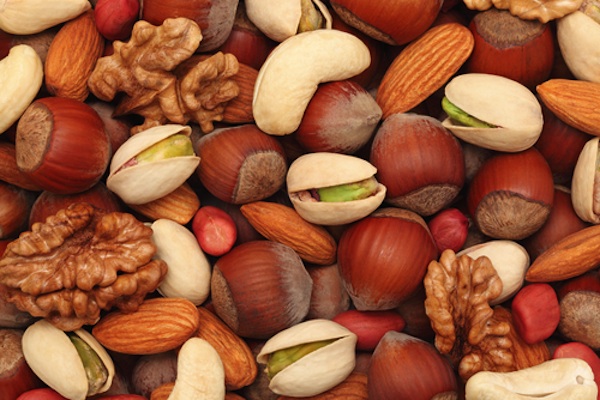
Body goes Nuts over Nuts

Nuts

Here is your guide to Nut allergy: Dos and don’t’s

Nuts! Oh…they sure can cause trouble if you are allergic to them and growing number of adults and kids alike are allergic to them. I became more attentive to this problem when my 3 year old daughter experienced allergic reactions. The doctor identified the red rashes all over her body, as an allergic reaction to some food.

The doctor asked me to cut down on 8 foods namely eggs, milk, peanuts, tree nuts, fish, shell fish, wheat and soy which accounts for about 90% of all the reactions.

So what type of food allergies are we talking about? It could be peanuts for one or tree nuts. (almonds, walnuts, pecans, cashew, Pistachios, hazelnuts).

Nut allergy is one of the most common types of food allergy in both children and adults. This allergy tends to last an entire lifetime, although about nine percent of children with a tree nut allergy and 20 percent of children with a peanut allergy eventually outgrow their allergy. On stopping the consumption of peanuts, the rashes never turned up, thus confirmed the nut allergy in case of my daughter.

The first thing that comes to one’s mind about having an allergy is, you picture non-stop  sneezing , running nose etc. But, unlike an allergic dust or spring flower that many have, a nut allergy can cause difficulty in breathing and other serious issues including skin rashes etc.   and could prove fatal at times.

Before we proceed towards, the symptoms, precautionary measures to take and substitutes, let’s quickly check out what exactly is a food allergy.

What is food allergy?

It is very important to know what is food allergy? People are seldom aware that one could be allergic to some food and that dust and flower allergies are not the only allergies that people may have.

The job of our body’s immune system is to identify and destroy the germs (such as bacteria or viruses) that make you sick. A food allergy occurs when this immune system wrongly identifies a harmless food as an allergen i.e a threat and attacks it.

When you come into contact with something that you are allergic to (an allergen), a group of cells in your body, called mast cells, release a substance called histamine. Histamine causes the tiny blood vessels in the tissues of your body to leak fluid which causes the tissues to swell. This results in a number of different symptoms.

The Symptoms may vary for person to person. Here is a list for you to go through. Basically the symptoms are divided into two categories-:

  1. Mild symptoms which can be cured by medication

Rashes, swelling of the extremities, redness and tenderness, hivesm nausea, stomach cramps, vomitting, diarrheo and breathing difficulty.

Quick action: Antihistamines such as diphenhydramine (Benadryl) or loratidine (Claritin) can help relieve rashes and hives. Cold, wet compresses can also help soothe irritated skin.

  1. Anaphylaxis: Life threatening

Constriction and tightening of airways, a swollen throat or the sensation of a lump in your throat that makes it difficult to breathe, Shock with a severe drop in blood pressure, Rapid pulse, Dizziness, lightheadedness or loss of consciousness

Quick Action: Emergency treatment is critical for anaphylaxis. Untreated, anaphylaxis can cause a coma or even death.

KEEP YOURSELF ALERT !!

A person with an allergy to one type of tree nut has a higher chance of being allergic to other types. Therefore, many experts advise patients with allergy to tree nuts to avoid all nuts. Here are few precautionary actions to need to take care of:

  1. Avoid peanuts and tree nuts. This means we also need to avoid foods containing them like cookies, candies, ice creams, yogurts, sauces, Thai, Chinese and Indian dishes that often contain peanut and tree nut. One can have these without the nuts in them.
  2. Read labels while you purchase foods from market. Keep at bay all the food products which say “may contain nuts” or “produced on shared equipment with nuts or peanuts”
  3. Be very cautious in the kitchen while using the equipments. Knife, spoon or any vessel in which peanut or nut food preparation was used should be properly washed before using it again.
  4. Inform about your allergy to everyone with whom you enjoy your food like your family, friends and colleagues so that they are careful while serving you food. When you visit a restaurant, be very careful to check the ingredient list or ask the manager about the foods served. Don’t feel shy and if they are not willing to share, better opt for some other restaurant. (Abroad restaurant menus do specify dishes that have nuts and warn anyone with nut allergy. But, in India we do have to ask and let the person know about your allergies)
  5. Keep rescue medicines on you at all times — not in your locker, but in a pocket, purse, or bag that’s with you.
  6. If your child is suffering from nuts allergy, inform this in their school.

Take care of your loved ones, by being extra careful of what they are eating. Make them happy by suggesting these alternatives such as sunflower seed butter or soy nut butter, hummus and nut free granola bars over peanuts and tree nuts.

Disclaimer: This blog is based on examples we have come across of people with Nut Allergy. To know if you’re allergic Please consult a doctor and do not go by your own judgement. An allergy test will confirm the allergies you have if any.

March 20, 2015 By TAARIKA ARYA 2 Comments

Health for frequent travellers while on the move

fitness

A little extra load of work and our daily fitness routine goes haywire. Imagine the plight of frequent travellers. In order to earn our daily bread and butter, travelling to and fro, battling between time zones , drastic weather changes, irregular eating habits and non availability of space and time for exercise can surely make our lifestyle goals hard to attain.

Like every other problem, this one too can be tackled intelligently but, only if you are honest, motivated and determined.

I have gone through this phase in my life too, so here are a few ways, how you could go about in terms of nutrition and activity.

NUTRITION:

  1. DRINK DRINK DRINK!
    Keep sipping water all throughout the journey. Be it via road, rail or air, specially, while taking long flights to combat dehydration (the fatigue it causes), and avoid extreme jet lag. The cabin air is much drier so remember to drink few glasses water before boarding, then another one each hour in flight.2. Organise every trip of yours well to avoid stress. Stress is the main trigger for junk eating.

    3. Avoid leaving home hungry. Eat a quick snack at home so that you are not carried away by the food counters at the stations or terminals.

    4.  Carry some fresh fruits, dry non-perishable snacks along like roasted munchies, nuts, un salted popcorn.

    5. Avoid stopping at take away counters/convenience stores for packaged foods during halts. Opt for something local and fresh.

    6. If you are flying, don’t depend on the airport and airplane food. Either get your own mini meal packed or check out the options available.

    7. Avoid getting BORED !
    Sometimes long hours of travel can lead to boredom snacking . Carry some boredom busters wit you like a great book/audio book. music player, magazines, crosswords/puzzles or just pen down random thoughts.

    8. Keep your meals high on fibre as travelling often means missed bowel movements. Salads, fruits, whole grains do the trick.

    9. Get your daily protein quota. Travelling is a type of stress for the body and a frequent one can lead to more wear and tear.

    10. Lastly, log in your meals. It will help you keep accountable.

    ACTIVITY: 

    1. With regards to activity, if not dedicated exercise, try being as active as possible.

    2. Invest in some travel essentials like ear plugs, eye mask and neck pillow. Remember, exercise will be the last thing you would like to do if you end up having a stiff neck.

    3. Book a room on the third floor and take the stairs. Walk whenever you can between meetings.

    4. Get up and stretch yourself after every 45 minutes to 1 hour as sitting for long can be damaging to our posture. Walk the length of the plane, every hour or two to keep your back happy, your muscles supple, and your blood circulating.

    5. Indulge into some deep breathing exercises, it will help you keep calm or even put you to sleep.

    6. Plan your week in advance so that your travelling time becomes your rest day.

    7. Use the long corridors and long waits for a quick brisk walk in airports / stations. Take stairs rather than escalators.  After all, you have to sit for hours in the plane so make the most of the time you have while you wait.

    8. If driving, take a break every 1-2 hours, and walk around the parking lot of a rest stop.
    – never forget to pack your workout clothes and shoes. They are anyways light.

    Go ahead, have a safe, healthy and active trip.

  • « Previous Page
  • 1
  • …
  • 58
  • 59
  • 60
  • 61
  • 62
  • Next Page »

Search

Recent Posts

  • Foods to Manage Blood Sugar Naturally: A Complete Guide to Better Blood Sugar Control
  • The Lazy Person’s Guide to Staying Healthy: 5 Micro-Habits That Take Less Than 2 Minutes
  • Healthy Eating: Comforting Chilli Bean Soup Recipe for the Monsoon
  • The Truth About the ‘Beer Belly’: What Alcohol Really Does to Your Metabolism
  • Benefits of Meditation: How One Daily Habit Can Transform Your Mental Wellbeing

Stay Updated

Archives

  • August 2026 (7)
  • July 2026 (25)
  • June 2026 (22)
  • May 2026 (20)
  • April 2026 (24)
  • March 2026 (18)
  • February 2026 (14)
  • January 2026 (14)
  • December 2025 (19)
  • November 2025 (15)
  • October 2025 (20)
  • September 2025 (6)
  • August 2025 (6)
  • July 2025 (9)
  • June 2025 (18)
  • May 2025 (16)
  • April 2025 (22)
  • March 2025 (26)
  • February 2025 (21)
  • January 2025 (25)
  • December 2024 (22)
  • November 2024 (22)
  • October 2024 (20)
  • September 2024 (22)
  • August 2024 (28)
  • July 2024 (15)
  • June 2024 (23)
  • May 2024 (26)
  • April 2024 (27)
  • March 2024 (27)
  • February 2024 (23)
  • January 2024 (21)
  • December 2023 (14)
  • November 2023 (10)
  • October 2023 (19)
  • September 2023 (21)
  • August 2023 (16)
  • July 2023 (16)
  • June 2023 (21)
  • May 2023 (20)
  • April 2023 (19)
  • March 2023 (23)
  • February 2023 (19)
  • January 2023 (15)
  • December 2022 (11)
  • November 2022 (15)
  • October 2022 (15)
  • September 2022 (12)
  • August 2022 (9)
  • July 2022 (17)
  • June 2022 (11)
  • May 2022 (10)
  • April 2022 (6)
  • March 2022 (6)
  • February 2022 (13)
  • January 2022 (11)
  • December 2021 (7)
  • November 2021 (3)
  • October 2021 (6)
  • September 2021 (3)
  • August 2021 (8)
  • July 2021 (7)
  • June 2021 (15)
  • May 2021 (16)
  • April 2021 (10)
  • March 2021 (7)
  • February 2021 (4)
  • January 2021 (4)
  • December 2020 (3)
  • November 2020 (4)
  • October 2020 (10)
  • September 2020 (3)
  • August 2020 (3)
  • July 2020 (2)
  • June 2020 (4)
  • May 2020 (10)
  • April 2020 (12)
  • March 2020 (10)
  • February 2020 (4)
  • January 2020 (4)
  • December 2019 (3)
  • November 2019 (7)
  • October 2019 (5)
  • September 2019 (4)
  • August 2019 (9)
  • July 2019 (9)
  • June 2019 (11)
  • May 2019 (4)
  • April 2019 (8)
  • March 2019 (8)
  • February 2019 (9)
  • January 2019 (8)
  • December 2018 (9)
  • November 2018 (3)
  • October 2018 (3)
  • September 2018 (5)
  • August 2018 (10)
  • July 2018 (6)
  • June 2018 (13)
  • May 2018 (8)
  • April 2018 (18)
  • March 2018 (9)
  • February 2018 (8)
  • January 2018 (15)
  • December 2017 (12)
  • November 2017 (19)
  • October 2017 (13)
  • September 2017 (15)
  • August 2017 (4)
  • July 2017 (8)
  • June 2017 (7)
  • May 2017 (6)
  • April 2017 (8)
  • March 2017 (6)
  • February 2017 (7)
  • January 2017 (9)
  • December 2016 (10)
  • November 2016 (7)
  • October 2016 (7)
  • September 2016 (7)
  • August 2016 (11)
  • July 2016 (9)
  • June 2016 (9)
  • May 2016 (12)
  • April 2016 (17)
  • March 2016 (17)
  • February 2016 (8)
  • January 2016 (6)
  • December 2015 (2)
  • November 2015 (9)
  • October 2015 (7)
  • September 2015 (9)
  • August 2015 (11)
  • July 2015 (9)
  • June 2015 (11)
  • May 2015 (9)
  • April 2015 (13)
  • March 2015 (8)
  • February 2015 (5)
  • January 2015 (12)
  • December 2014 (14)
  • November 2014 (11)
  • October 2014 (6)
  • September 2014 (13)
  • August 2014 (12)
  • July 2014 (6)
  • June 2014 (2)
  • May 2014 (7)
  • April 2014 (4)

From Burnout to Balance: How Dr. Ranjit Reclaimed His Health

Dr Ranjit Bhatt has spent years tending to others. A practising doctor in Odisha, his days were packed with patients, surgeries, and emergencies. From the outside, it looked like a life lived in service. But on the inside, something wasn’t right. “I had no … [Read More...]

From Shimla’s Slopes to Chandigarh’s Sidewalks: Surinder Kaur Bhalla’s Journey from Chaos to Control

Some journeys start with a plan. Others begin with a stumble literally. Surinder Bhalla, a government professional, born and raised in the scenic hill town of Shimla, had always lived a life of movement. “In Shimla, you walked everywhere,” she reflects. “Walking was never an exercise. It was just life.” But after shifting to Chandigarh, […]

“I’ve Challenged Myself to Live 100 Years” – The Story of Chandubhai Savani’s Second Chance at Life

At 67, most people start slowing down. Not Chandubhai Savani. A resident of Surat, Chandubhai, thought life was on track. “My life was going well till I had my bypass surgery,” he says. That surgery, back in 2021, was a wake-up call.  Medication was routine, but exercise wasn’t. His diet? What he calls ‘normal.’ “I […]

Ananda Mukherjee Health Story

From Terminal Illness To Complete Wellness! Ananda Mukherjee Health Story

As we observe World Cancer Day under the powerful theme ‘United by Unique’ (2025-2027)**, we are reminded that every individual’s journey with cancer is distinct, yet united by shared resilience, hope, and the collective fight against this disease. This theme places people at the centre of care and their stories at the heart of the […]

  • HOME
  • HEALTHY LIVING
  • FITNESS
  • HEALTHY RECIPES
  • USER STORIES
  • KARMA
  • BUY GOQii

Copyright ©2016 GOQii