GOQii

Blog

  • HOME
  • HEALTHY LIVING
  • FITNESS
  • HEALTHY RECIPES
  • USER STORIES
  • KARMA
  • BUY GOQii

Search Results for: breathing

November 4, 2026 By Vandana Juneja Leave a Comment

5 Breathing Exercises To Relieve Anxiety In An Instant

breathing exercises to relieve anxiety Your heart is racing, your chest feels tight and your thoughts won’t slow down. Whether it’s before a presentation, in a crowded room or lying awake at 3 am, anxiety often shows up in the body first, and one of the first things it changes is your breathing. It becomes fast, shallow and high in the chest.

The good news is that breathing is one part of the stress response you can consciously control. Slowing it down is a simple, free tool you can use anywhere. It won’t make anxiety vanish instantly, and it isn’t a substitute for treatment when anxiety is severe, but it can help you feel steadier, and research suggests regular practice brings modest benefits. Here are five techniques to try, how to do them properly, and when to seek more help.

At a glance

  • Breathing exercises can help: a meta-analysis of randomised trials found breathwork was linked to small-to-medium reductions in stress and anxiety.
  • Five minutes a day is enough to start: in a Stanford trial, 5 minutes of daily breathing practice for a month improved mood and reduced anxiety.
  • Slow, long out-breaths are the common thread in most calming techniques.
  • Practise when calm, so the skill is there when you need it.
  • It’s a tool, not a cure: if anxiety is persistent or disrupts daily life, talk to a doctor. In India, Tele-MANAS (14416) offers free support around the clock.

How breathing affects anxiety

When you feel threatened, your body’s stress response speeds up your heart and breathing to prepare you for action. Anxiety can switch on this response even when there’s no real danger, and fast, shallow breathing can then make you feel dizzy, tingly or short of breath, which feeds the worry.

Slow breathing, especially with a long, unhurried out-breath, is thought to calm this response by engaging the body’s “rest and digest” system. It also gives your mind a simple, steady thing to focus on.

What the research says:

  • A 2023 meta-analysis in Scientific Reports, covering randomised trials with 785 adults, found that breathwork was linked to lower stress, anxiety and depression than control groups. The effects were small to medium, and many studies had limitations.
  • In a Stanford study of 111 healthy adults, 5 minutes a day of controlled breathing for a month improved mood and reduced anxiety a little more than mindfulness meditation. A technique called cyclic sighing worked best.
  • In a larger 2023 trial of 400 adults, slow “coherent” breathing helped no more than a placebo breathing exercise. Both groups improved, which suggests that taking regular, calm time to breathe and focus may matter more than the exact counting pattern.

In short, breathing exercises are a safe, useful self-help tool for everyday stress and anxiety. They work best when practised regularly, and they don’t promise instant results.

5 breathing exercises to try

Sit or lie comfortably, loosen tight clothing and, if you like, close your eyes. Breathe gently; the aim is slow and comfortable, never forced. If you feel dizzy or light-headed at any point, stop and breathe normally.

1. Belly (diaphragmatic) breathing

The foundation for every other technique, and the one the NHS recommends for stress.

  1. Place one hand on your chest and one on your belly.
  2. Breathe in gently through your nose, letting your belly rise while your chest stays fairly still. Counting from 1 to 5 can help.
  3. Breathe out gently through your mouth, again counting to 5 if it helps.
  4. Repeat for at least 5 minutes.

Best for: everyday practice, and as a warm-up for the others.

2. Cyclic sighing (the double-inhale sigh)

The technique that performed best in the Stanford study.

  1. Breathe in through your nose until your lungs feel comfortably full.
  2. Take a second, short sip of air through your nose to top them up.
  3. Breathe out slowly and fully through your mouth, longer than the in-breath.
  4. Repeat for about 5 minutes.

Best for: a quick reset when you feel tense; a couple of rounds can take the edge off.

3. Box breathing (4-4-4-4)

Used by athletes and in high-pressure jobs to stay steady. Imagine tracing the four sides of a square.

  1. Breathe in through your nose for a count of 4.
  2. Hold gently for 4.
  3. Breathe out through your mouth for 4.
  4. Hold for 4, then repeat for 3–5 minutes.

If the holds feel uncomfortable, shorten them or leave them out. Best for: focus before a stressful task, such as an exam, interview or presentation.

4. Longer out-breath (4-6 breathing)

A simple way to slow your breathing to around six breaths a minute.

  1. Breathe in gently through your nose for a count of 4.
  2. Breathe out slowly through your mouth or nose for a count of 6, as if blowing gently through a straw.
  3. Continue for 5 minutes. As it gets easier, you can try in for 5 and out for 7.

Best for: winding down in the evening or settling before sleep.

5. Alternate nostril breathing (nadi shodhana)

A traditional yoga pranayama practice that many people find calming and centring.

  1. Sit upright. Rest your left hand on your lap.
  2. Close your right nostril with your right thumb and breathe in slowly through the left.
  3. Close the left nostril with your ring finger, release the thumb and breathe out through the right.
  4. Breathe in through the right, close it, and breathe out through the left. That’s one round.
  5. Continue for 5–10 rounds, breathing slowly and without straining.

Skip it if your nose is blocked. Best for: a calm start to the day, or as part of a yoga or meditation routine.

Who should take care

  • Holding the breath (as in box breathing) isn’t advised in pregnancy, or if you have a heart condition, uncontrolled high blood pressure, or a lung condition such as COPD, unless your doctor says it’s fine. Simply leave the holds out.
  • Fast or forceful breathwork, such as rapid hyperventilation practices, can cause dizziness or fainting and isn’t recommended for anxiety without guidance.
  • If breathing exercises make you more anxious, which can happen when you focus on your breath, try counting, gentle movement or grounding (naming things you can see and hear) instead.

Making it a habit

Breathing exercises work best as a skill you’ve practised, not just an emergency button. Learning a technique when you’re already panicking is hard; using one you’ve practised daily is much easier.

  • Pick one technique and practise it for 5 minutes a day for a few weeks. In the Stanford study, the benefits of cyclic sighing grew with each day of practice.
  • Attach it to something you already do, such as after brushing your teeth, before checking your phone in the morning, or during your commute (with eyes open!).
  • Use it in the moment: a few rounds before a meeting, after a difficult call, or when you can’t sleep.
  • Combine it with other habits that ease anxiety: regular exercise, enough sleep, less caffeine and alcohol, and time with people you trust. Physical activity in particular can lift mood; read more on how exercise impacts mental health.

When breathing exercises aren’t enough

Everyday worry and nerves are part of life. But for some people, anxiety becomes constant and hard to control. The NHS describes generalised anxiety disorder as anxiety that affects daily life, often with poor sleep, restlessness, trouble concentrating and physical symptoms such as a racing heart.

Speak to a doctor if:

  • anxiety is affecting your work, studies, relationships or sleep
  • you’re having panic attacks, or avoiding places and situations because of anxiety
  • you’re relying on alcohol or other substances to cope
  • you’ve been feeling low or hopeless as well

Anxiety is common and treatable. Talking therapies such as cognitive behavioural therapy (CBT), and sometimes medicines, help most people. Breathing techniques can work well alongside treatment.

Free, confidential support:

  • India: Tele-MANAS, 14416 or 1-800-891-4416, 24 hours a day
  • UK: your GP, or self-refer to NHS Talking Therapies; call 111 for urgent advice
  • US: call or text 988 for the Suicide & Crisis Lifeline

Get emergency help if you have chest pain, severe breathlessness or fainting. These can feel like panic but need checking, especially if you’ve never had them before. And if you’re thinking about harming yourself, contact emergency services or a crisis line straight away.

Worry can also get in the way of other health goals; read our guide on how worry affects weight loss and what helps.

The bottom line

Your breath is always with you, which makes it one of the simplest tools you have for managing anxiety. Slow belly breathing, cyclic sighing, box breathing, a longer out-breath and alternate nostril breathing can all help you feel calmer. They won’t switch anxiety off instantly, but practised for a few minutes each day, they can make tense moments easier to ride out. If anxiety is persistent or overwhelming, you don’t have to manage it alone: reach out for professional support.

Pro Tip: Set a daily reminder in the GOQii App for a 5-minute breathing break, and track your sleep and mood alongside it to see what helps. Your GOQii Personalised Health Coach can help you build calming routines into busy days.

Frequently asked questions

Do breathing exercises really help anxiety?

They can. Research suggests breathwork leads to small-to-medium reductions in stress and anxiety, especially with regular practice. They’re a helpful self-help tool, but not a replacement for treatment if anxiety is severe or persistent.

What is the best breathing exercise for anxiety?

There’s no single best one. Techniques with a slow, long out-breath, such as belly breathing, cyclic sighing and 4-6 breathing, are good places to start. In one Stanford study, cyclic sighing improved mood the most.

How quickly do breathing exercises work?

Some people feel calmer within a few minutes, but effects vary. The biggest benefits come from practising for about 5 minutes a day over several weeks.

What is cyclic sighing?

It’s a breathing technique where you breathe in through your nose, take a second short breath in to fill your lungs, then breathe out slowly through your mouth. Repeat it for about 5 minutes.

What is box breathing?

Box breathing means breathing in for 4 counts, holding for 4, breathing out for 4 and holding for 4, then repeating. Leave out the holds if they feel uncomfortable, or if you’re pregnant or have a heart or lung condition.

Can breathing exercises stop a panic attack?

Slow breathing can help you ride out a panic attack and feel more in control, but it may not stop one completely. If you have frequent panic attacks, speak to a doctor, as effective treatments are available.

When should I see a doctor about anxiety?

See a doctor if anxiety is constant, hard to control, or affects your sleep, work or relationships, or if you have panic attacks. In India, you can call Tele-MANAS on 14416 for free, confidential support at any time.

#BeTheForce

Disclaimer: The information provided in this blog is for general awareness and educational purposes only. It is not intended to replace professional medical advice, diagnosis, or treatment. Always consult a qualified healthcare provider for personalised medical guidance or concerns related to your health.
June 19, 2026 By Vandana Juneja Leave a Comment

Calming Your Mind: Breathing Techniques for ADHD

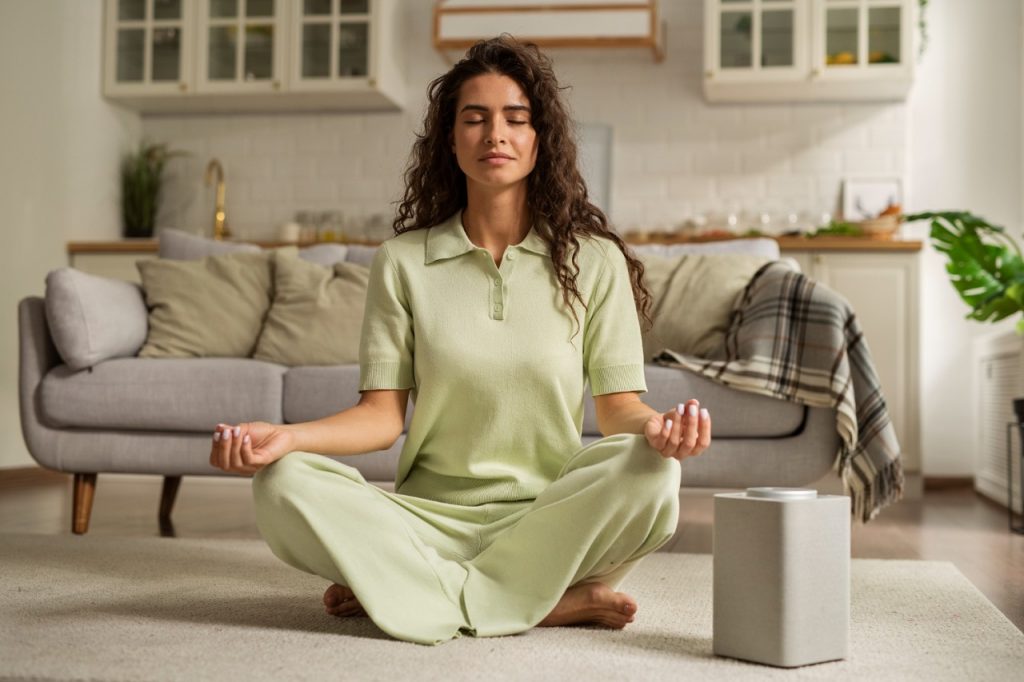
breathing exercises to relieve anxietyLiving with Attention-Deficit/Hyperactivity Disorder (ADHD) often means managing more than just distractibility or restlessness. Many people with ADHD also experience anxiety, emotional overwhelm, and difficulty switching off a constantly active mind.
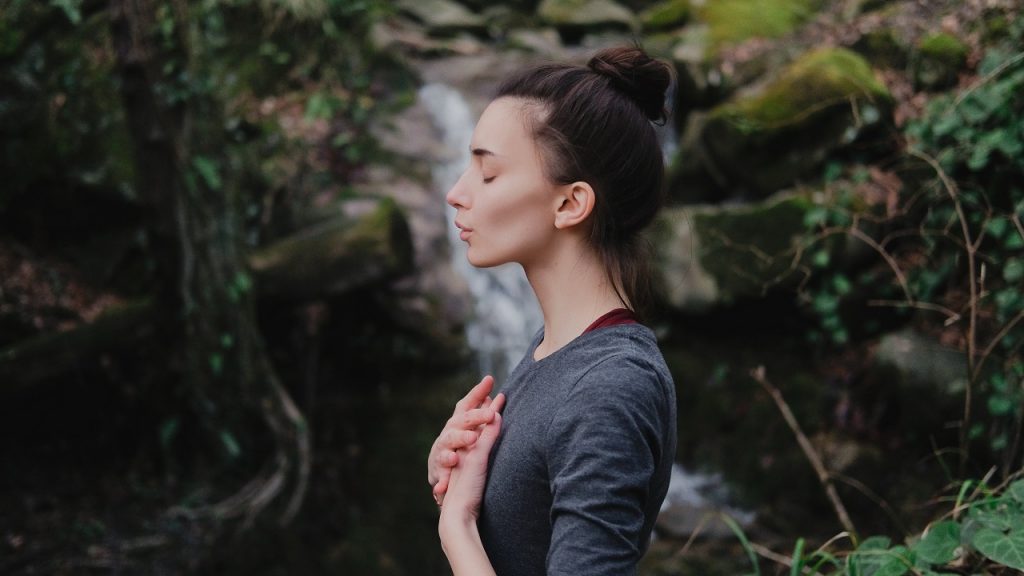
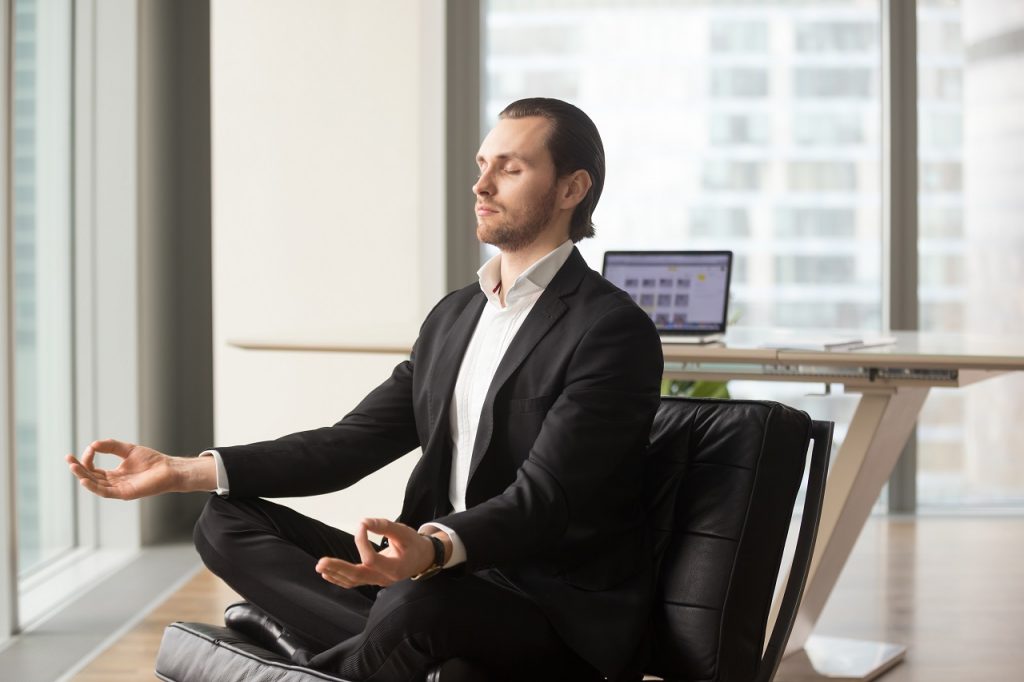
Whether it’s racing thoughts before an important meeting, feeling overwhelmed by multiple tasks, or struggling to settle down at the end of the day, these moments can make everyday life feel exhausting.

While breathing exercises aren’t a replacement for medical treatment or therapy, they can be a simple and effective way to calm your mind, regulate your emotions, and bring your attention back to the present.

The best part? You can practice them almost anywhere at your desk, before an exam, during a stressful moment, or even before going to bed.

Why Breathing Matters

When we’re anxious or overwhelmed, our breathing naturally becomes faster and shallower. This signals the body to stay alert, increasing muscle tension, heart rate, and feelings of stress.

Slow, controlled breathing does the opposite.

It activates your body’s natural relaxation response, helping slow your heart rate, relax tense muscles, and create a greater sense of calm. For people with ADHD, this can make it easier to pause, refocus, and respond thoughtfully instead of reacting impulsively.

While breathing exercises won’t eliminate ADHD symptoms, they can become valuable tools for managing stress and emotional regulation.

  1. Diaphragmatic Breathing (Belly Breathing)

Also known as belly breathing, this technique encourages slow, deep breathing using your diaphragm rather than your chest.

How to Practice

  • Sit comfortably or lie on your back.
  • Place one hand on your chest and the other on your abdomen.
  • Slowly inhale through your nose, allowing your belly to rise.
  • Exhale gently through your mouth, letting your belly fall.
  • Continue for 3–5 minutes while focusing on the movement of your breath.

Best for: Feeling overwhelmed, anxious, or emotionally drained.

  1. Box Breathing

Box breathing uses equal counts for inhaling, holding, exhaling, and pausing. Its simple rhythm makes it especially helpful when your thoughts feel scattered.

How to Practice

  • Sit comfortably with your back straight.
  • Inhale through your nose for 4 counts.
  • Hold your breath for 4 counts.
  • Exhale slowly for 4 counts.
  • Pause for another 4 counts.
  • Repeat for several rounds.

Best for: Stressful meetings, studying, or regaining focus after distractions.

  1. Coherent Breathing

This technique focuses on slowing your breathing into a smooth, steady rhythm.

How to Practice

  • Sit comfortably and relax your shoulders.
  • Inhale gently through your nose for 5 seconds.
  • Exhale slowly for 6 seconds.
  • Continue this breathing pattern for about 5 minutes.

If five seconds feels too long initially, begin with shorter counts and gradually increase them.

Best for: Reducing stress and creating a sense of calm.

  1. Alternate Nostril Breathing

A traditional yogic breathing technique, alternate nostril breathing encourages mindful attention and can help quiet a busy mind.

How to Practice

  • Sit comfortably with your spine straight.
  • Close your right nostril with your thumb.
  • Inhale slowly through your left nostril.
  • Close your left nostril with your ring finger.
  • Release your right nostril and exhale.
  • Inhale through the right nostril.
  • Switch again and exhale through the left.

Repeat for 5–10 cycles.

Best for: Mental clutter, racing thoughts, and preparing for focused work.

  1. Victory Breath (Ujjayi Breath)

Often called Ocean Breath, this technique creates a gentle sound that helps maintain focus while encouraging slow, controlled breathing.

How to Practice

  • Sit comfortably with relaxed shoulders.
  • Inhale slowly through your nose while gently narrowing the back of your throat.
  • Exhale slowly through your nose, maintaining the same gentle sound.
  • Continue for 5–10 breaths.

Best for: Winding down after a stressful day or preparing for meditation.

When Can These Techniques Help?

Breathing exercises can be useful during many everyday situations, including:

  • Before an important presentation or exam
  • During work-related stress
  • When you feel emotionally overwhelmed
  • Before difficult conversations
  • While experiencing sensory overload
  • Before bedtime to help you relax
  • During moments when you find it difficult to concentrate

Remember, they don’t need to take a lot of time. Even two to five minutes of mindful breathing can help you reset.

Breathing Is Only One Piece of the Puzzle

Managing ADHD and anxiety isn’t about relying on a single strategy.

Regular exercise, quality sleep, balanced nutrition, structured routines, and mindfulness all play an important role in supporting emotional wellbeing and focus.

Think of breathing exercises as one tool in your wellbeing toolkit—simple, accessible, and available whenever you need a moment to pause.

Living with ADHD can sometimes feel like your mind is constantly moving from one thought to the next. While you may not be able to control every distraction, you can learn techniques that help you respond more calmly when life feels overwhelming.

Breathing exercises are simple, practical, and require no equipment. Whether you choose belly breathing, box breathing, or alternate nostril breathing, practising for just a few minutes each day can help you feel calmer, more centred, and better equipped to handle everyday challenges.

The next time stress begins to build, pause for a moment.

Take a slow breath in.

Then breathe out.

Sometimes, that’s the reset your mind has been waiting for.

Pro Tip: Make breathing exercises part of your daily routine by pairing them with existing habits, such as after waking up, before meals, or before bedtime. Use the GOQii App to track your mindfulness sessions, sleep quality, activity levels, and stress patterns. Your GOQii Coach can help you build simple daily habits that support both your physical and mental wellbeing.

Frequently Asked Questions (FAQs)

  1. Can breathing exercises help people with ADHD?

Breathing exercises may help reduce stress, improve emotional regulation, and promote relaxation. While they don’t treat ADHD itself, they can be a useful part of an overall management plan.

  1. How long should I practise breathing exercises?

Even 2–5 minutes can help during stressful moments. For long-term benefits, aim to practise regularly as part of your daily routine.

  1. Can breathing exercises replace ADHD medication?

No. Breathing exercises are a complementary self-care strategy and should not replace medication or treatment prescribed by your healthcare provider.

  1. Which breathing technique is best for beginners?

Diaphragmatic (belly) breathing is often the easiest place to start because it’s simple, calming, and easy to practise almost anywhere.

#BeTheForce

Disclaimer: The information provided in this blog is for general awareness and educational purposes only. It is not intended to replace professional medical advice, diagnosis, or treatment. Always consult a qualified healthcare provider for personalised medical guidance or concerns related to your health.

November 29, 2025 By Srini Leave a Comment

Breathing – A Forgotten Art

breathingWe eat 3-4 times a day, about 1.5kg of food, but we breathe 20,000 to 25,000 times a day – we intake about 20-25kg of air – We are not fully knowledgeable on breathing. Since it is an autonomous process, we do not – My research with Sleep naturally took me to research about “Breathing” and what I found out, woke me up (pun intended) and I decided to continue my blogs on Breathing.

3 external physical objects are consumed by us regularly. Life critically depends on them. Food, Water and Air. Food and Water can be paused through fasting for some time. But breathing cannot be paused beyond 10 minutes. Life will cease.

Only Free Divers can hold their breath for a maximum time of 10 minutes. We cannot and should not. Unlike eating food or drinking water, which are conscious activities, breathing is an  autonomous process. It is controlled by the medulla oblongata, a part of the brain stem. 

However, Both Indian and Chinese ancient wisdom has clearly found out that “Conscious Breathing” is the only process which can be used by human action to influence the brain functions and hence, the mind.

As evolving human beings, we have forgotten what is the natural and correct way of breathing. 

Our modern lifestyle has robbed us of natural breathing. We have got to relearn 

  • Correct Breathing 
  • Conscious Breathing

Unfortunately, there is little or no focus on breathing from modern medical science. 

Other than just asking you to breathe deep while checking heart/lung function using the stethoscope, I am not aware of any doctor visually observing or inquiring about how the patient is breathing!

My research into sleep took me naturally to breathing. So, I read James Nestor, the author of a recent bestseller on “Breath, the New Science of a Last Art”, Anders Olsson on “Conscious Breathing” and Wim Hof about the Wim Hof Method of breathing. 

I acknowledge the above authors in taking up the cause of breathing and explaining lucidly about the science behind breathing, the anatomy concerning breathing and some breathing techniques which have given me massive improvement in my health and attitude to life over the past few months.

Correct Breathing 

First let us learn about Correct Breathing and then I will talk about Conscious Breathing. So, what exactly is incorrect about breathing? All 3 aspects: 

  1. Breathing through the Nose
  2. Using Abdomen and Diaphragm for breathing
  3. Breathing Rhythmically and Slowly

Breathing through the Nose:
I wonder why I even should talk about this. Is this such a big thing? Then I really started observing the world around me – Shocking when I observed that my wife was breathing through her mouth during sleep (how I worked on it and corrected is a separate story).

We believe that it is ok to breathe through the mouth – this is as correct as eating through your nose! Nose is created to be the sole instrument of breathing! Period. Google it or look around when people are sleeping. Surveys and research says that at least 50% of people are breathing through their mouth during sleep! Add to this the percentage of people who have choked noses, COPD and other breathing issues! 

We are talking about a VERY LARGE proportion of the human population incorrectly breathing.

How do you breathe? Do you know? Ask your partner to observe while you breathe.

If you have a dry mouth when you wake up, if you  have a V-shaped upper palate (as against a U-shaped palate), If your tonsils are removed when you were a child, if you are snoring then IT IS QUITE LIKELY THAT YOU ARE BREATHING THROUGH YOUR MOUTH.

See what you are missing out if you breathe through your mouth?

  • Your nose captures impurities, particles, bacteria and viruses using the hair mucous surface in the nose when the inhaled air is going through.
  • Your nose heats up the air and moistens it using the moist mucous surface. Why is this important? The incredible process of Gas exchange in the lungs happens optimally only when the air is hot and humid (more about Gas exchange and the process/chemistry of breathing later).
  • It also adds the magical element of Nitric Oxide which is secreted in the sinuses. Nitric Oxide dilates the blood vessels as well as the air tubes of lungs, reducing blood pressure.

Tip: When you do Bhramari Pranayam (humming), you are releasing 15 times more Nitric Oxide into the breathed air and hence, practicing Bhramari Pranayama a few times a day during these days of the pandemic, can help you avoid getting infected. 

So, why not simply hum and breathe through your nose?

PS: All of what is stated above is a summary of reading so many research articles and you can google about any of them.

I will be sharing more on breathing in the articles to come! Stay tuned. For more breathing exercises, check out Healthy Reads. To learn breathing techniques with the right guidance from a certified expert, subscribe to Personalised Health Coaching here.

#BeTheForce 

Disclaimer: The information provided in this blog is for general awareness and educational purposes only. It is not intended to replace professional medical advice, diagnosis, or treatment. Always consult a qualified healthcare provider for personalised medical guidance or concerns related to your health. Images shown are for representation purposes only and may not depict the exact recommendations or outcomes.

February 17, 2025 By Sunita Arora 3 Comments

Deep Breathing Techniques to Help You Beat Stress

deep breathingPicture this: You’re sitting at your desk, tackling mountains of paperwork and crunching numbers on Excel like a keyboard wizard. Just when you thought you had it all under control, bam! You’re summoned to a meeting and bombarded with even more projects. Your desk is now drowning in a sea of paperwork, and you find yourself juggling tasks like a stressed-out circus performer. Deadlines loom ominously, and stress levels skyrocket. It’s like being trapped in a never-ending desk nightmare. Yikes! But fear not, for there is a simple solution to vanquish stress in this chaotic scenario: Deep Breathing!


Deep breathing is the secret weapon you’ve been searching for, and it doesn’t require any fancy equipment or a specific time and place. It’s a stress-busting technique that works wonders! When you take a moment to breathe deeply, your brain sends signals to your body, coaxing it to relax. By incorporating deep breathing into your routine, you can reap all the incredible benefits it has to offer.

What Are These Magical Benefits?

  • Zen-like Calm: Deep breathing has the power to soothe your mind and nervous system. You can literally feel the stress melt away!
  • Oxygen Boost: Ah, sweet oxygen! Deep breathing helps you take in more of this life-giving gas, nourishing your body and brain.
  • Heart Party: Your heart deserves some love, and deep breathing delivers. It lowers your heart rate, respiratory rates, and blood pressure, giving your ticker a much-needed break.
  • Sleepy Time: Need to catch some Z’s? Deep breathing is your go-to sandman. It helps you drift off to dreamland, soothes your muscles, and even speeds up your meditation mojo.
  • Stress Ninja: When tension strikes during exams, interviews, or dreaded deadlines, deep breathing comes to the rescue. Consider it your trusty stress-busting sidekick.
  • Energy Flow: Deep breathing helps clean and rejuvenate your body’s energy channels, like a refreshing spa day for your inner chi. It keeps your heating and cooling cycles in check, so you can stay balanced and invigorated.
  • Breath of Fresh Air: Say goodbye to shortness of breath! Deep breathing prevents pesky air from getting trapped in your lungs, making you feel refreshed, centered, and ready to take on the world.

Now that you’re armed with this knowledge, let’s dive into two simple yet effective deep breathing exercises.

1. Simple Abdominal Breathing Exercise

Feeling anxious? No problem! Try this relaxation technique that you can perform anywhere, anytime – standing, sitting, or lying down.

To practice this technique, you need to:

  • Inhale slowly and deeply through your nose. Keep your shoulders relaxed. Your abdomen should expand and your chest should rise slightly.
  • Exhale slowly through your mouth. As you blow the air out, purse your lips slightly, but keep your jaw relaxed. You may hear a soft “whooshing” sound as you exhale.
  • Repeat this breathing exercise for several minutes.

Begin with just 5 minutes. If you feel 5 minutes are too long, you can start with just 2 minutes. Increase the time when you begin finding it easier and comfortable. You can practice this multiple times a day.

2. Equal Breathing

Now, let’s take deep breathing to the next level with some equal breathing magic. This technique focuses on inhales and exhales of the same duration, usually between 3 and 5 counts. Once you’ve mastered it, you can do it during yoga, or even while conquering your daily activities.

To practice this technique:

  • Take a comfortable seated position and breathe in and out through your nose only.
  • Count during each inhale and exhale to make sure they are even in duration. Alternatively, choose a word or short phrase to repeat during each inhale and exhale.
  • You can take a slight pause after each inhale and exhale if you feel comfortable (normal breathing involves a natural pause).
  • Continue practicing this breathing technique for at least 5 minutes and you can increase the duration up to 10-15 minutes.

So there you have it! Deep breathing is your ticket to a calmer, more relaxed you. Remember, stress may try to trap you at your desk, but with these breathing exercises in your arsenal, you’ll be the master of stress, deadlines, and paperwork mayhem. Take a deep breath and let the relaxation flow through your veins like a cool breeze on a sunny day. You’ve got this!

If this article helped you, let us know your thoughts in the comments below. You can find more articles and techniques to beat stress here. You can also reach out to a GOQii Coach for expert guidance by subscribing to Personalised Health Coaching here.

#BeTheForce  

  • 1
  • 2
  • 3
  • …
  • 66
  • Next Page »

Search

Recent Posts

  • Vegetarian protein guide
  • Warming winter soups: 3 protein-rich recipes
  • World AMR Awareness Week 2026: when you need antibiotics, and simple steps to prevent AMR
  • PCOS: diet, exercise and the myths to stop believing
  • Cholesterol numbers explained: LDL, HDL and triglycerides

Stay Updated

Archives

  • November 2026 (23)
  • October 2026 (23)
  • September 2026 (5)
  • August 2026 (8)
  • July 2026 (24)
  • June 2026 (22)
  • May 2026 (20)
  • April 2026 (24)
  • March 2026 (18)
  • February 2026 (14)
  • January 2026 (14)
  • December 2025 (19)
  • November 2025 (14)
  • October 2025 (17)
  • September 2025 (6)
  • August 2025 (5)
  • July 2025 (9)
  • June 2025 (18)
  • May 2025 (16)
  • April 2025 (22)
  • March 2025 (25)
  • February 2025 (21)
  • January 2025 (25)
  • December 2024 (21)
  • November 2024 (21)
  • October 2024 (15)
  • September 2024 (22)
  • August 2024 (27)
  • July 2024 (14)
  • June 2024 (23)
  • May 2024 (26)
  • April 2024 (27)
  • March 2024 (27)
  • February 2024 (23)
  • January 2024 (21)
  • December 2023 (14)
  • November 2023 (10)
  • October 2023 (18)
  • September 2023 (20)
  • August 2023 (16)
  • July 2023 (16)
  • June 2023 (21)
  • May 2023 (20)
  • April 2023 (19)
  • March 2023 (23)
  • February 2023 (19)
  • January 2023 (15)
  • December 2022 (11)
  • November 2022 (15)
  • October 2022 (15)
  • September 2022 (12)
  • August 2022 (9)
  • July 2022 (17)
  • June 2022 (11)
  • May 2022 (10)
  • April 2022 (6)
  • March 2022 (6)
  • February 2022 (13)
  • January 2022 (11)
  • December 2021 (7)
  • November 2021 (3)
  • October 2021 (6)
  • September 2021 (3)
  • August 2021 (8)
  • July 2021 (7)
  • June 2021 (15)
  • May 2021 (16)
  • April 2021 (10)
  • March 2021 (7)
  • February 2021 (4)
  • January 2021 (4)
  • December 2020 (3)
  • November 2020 (4)
  • October 2020 (10)
  • September 2020 (3)
  • August 2020 (3)
  • July 2020 (2)
  • June 2020 (4)
  • May 2020 (10)
  • April 2020 (12)
  • March 2020 (10)
  • February 2020 (4)
  • January 2020 (4)
  • December 2019 (3)
  • November 2019 (7)
  • October 2019 (5)
  • September 2019 (4)
  • August 2019 (9)
  • July 2019 (9)
  • June 2019 (11)
  • May 2019 (4)
  • April 2019 (8)
  • March 2019 (8)
  • February 2019 (9)
  • January 2019 (8)
  • December 2018 (9)
  • November 2018 (3)
  • October 2018 (3)
  • September 2018 (5)
  • August 2018 (10)
  • July 2018 (6)
  • June 2018 (13)
  • May 2018 (8)
  • April 2018 (17)
  • March 2018 (9)
  • February 2018 (8)
  • January 2018 (15)
  • December 2017 (12)
  • November 2017 (19)
  • October 2017 (13)
  • September 2017 (15)
  • August 2017 (4)
  • July 2017 (8)
  • June 2017 (7)
  • May 2017 (6)
  • April 2017 (8)
  • March 2017 (6)
  • February 2017 (7)
  • January 2017 (9)
  • December 2016 (10)
  • November 2016 (7)
  • October 2016 (7)
  • September 2016 (7)
  • August 2016 (11)
  • July 2016 (9)
  • June 2016 (9)
  • May 2016 (12)
  • April 2016 (17)
  • March 2016 (17)
  • February 2016 (8)
  • January 2016 (6)
  • December 2015 (2)
  • November 2015 (9)
  • October 2015 (7)
  • September 2015 (9)
  • August 2015 (11)
  • July 2015 (9)
  • June 2015 (11)
  • May 2015 (9)
  • April 2015 (13)
  • March 2015 (8)
  • February 2015 (5)
  • January 2015 (12)
  • December 2014 (14)
  • November 2014 (11)
  • October 2014 (6)
  • September 2014 (13)
  • August 2014 (12)
  • July 2014 (6)
  • June 2014 (2)
  • May 2014 (7)
  • April 2014 (4)

From Burnout to Balance: How Dr. Ranjit Reclaimed His Health

Dr Ranjit Bhatt has spent years tending to others. A practising doctor in Odisha, his days were packed with patients, surgeries, and emergencies. From the outside, it looked like a life lived in service. But on the inside, something wasn’t right. “I had no … [Read More...]

From Shimla’s Slopes to Chandigarh’s Sidewalks: Surinder Kaur Bhalla’s Journey from Chaos to Control

Some journeys start with a plan. Others begin with a stumble literally. Surinder Bhalla, a government professional, born and raised in the scenic hill town of Shimla, had always lived a life of movement. “In Shimla, you walked everywhere,” she reflects. “Walking was never an exercise. It was just life.” But after shifting to Chandigarh, […]

“I’ve Challenged Myself to Live 100 Years” – The Story of Chandubhai Savani’s Second Chance at Life

At 67, most people start slowing down. Not Chandubhai Savani. A resident of Surat, Chandubhai, thought life was on track. “My life was going well till I had my bypass surgery,” he says. That surgery, back in 2021, was a wake-up call.  Medication was routine, but exercise wasn’t. His diet? What he calls ‘normal.’ “I […]

Ananda Mukherjee Health Story

From Terminal Illness To Complete Wellness! Ananda Mukherjee Health Story

As we observe World Cancer Day under the powerful theme ‘United by Unique’ (2025-2027)**, we are reminded that every individual’s journey with cancer is distinct, yet united by shared resilience, hope, and the collective fight against this disease. This theme places people at the centre of care and their stories at the heart of the […]

  • HOME
  • HEALTHY LIVING
  • FITNESS
  • HEALTHY RECIPES
  • USER STORIES
  • KARMA
  • BUY GOQii

Copyright ©2016 GOQii

