GOQii

Blog

  • HOME
  • HEALTHY LIVING
  • FITNESS
  • HEALTHY RECIPES
  • USER STORIES
  • KARMA
  • BUY GOQii

Search Results for: breathing

April 19, 2023 By Tabassum Parveen 2 Comments

Should You Fast During Ramadan if You Are Diabetic?

diabetes and ramadan

Just a few days back, I was walking down a lane when I came across a person who fainted and fell before me. I got curious and learned that the man was fasting and he had recently been diagnosed with diabetes. He was given immediate medical support and revived.

This incident primarily occurred because he was unaware about the disease. He fell unconscious because the blood glucose levels of his body spiked up while fasting due to the change in medical timings and improper meals. It got me thinking if it is really safe for a diabetic to fast during Ramadan.

What Is Diabetes?

To keep it short, Diabetes is a condition where the blood sugar level is high due to the lack of Insulin – a hormone produced by the Pancreas. Insulin converts glucose into energy and supplies it to every single cell present in the body. The 3 main type of Diabetes include Type 1, Type 2 and Gestational.

In Type 1, the Pancreas stop working and in Type 2, the body produces a little Insulin or does not use it properly. This results in several health problems. Gestational Diabetes often occurs during pregnancy and it generally goes away after delivery.

Should You Fast During Ramadan If You’re Diabetic? 

During this holy month, the Muslim community observes a fast, eating only before sunrise (Suhoor) and after sunset (Iftar). They are not allowed to eat or drink anything in between. However, there is an exception towards people with medical ailments.

Diabetics and those at lower or moderate risks may choose to fast but there certainly isn’t a choice for those at higher risks. If you do choose to fast, keep an eye over blood sugar levels throughout the day. Most importantly, consult a doctor before fasting to avoid medical emergencies.

What Happens To Diabetics When They Fast?

Monitoring your blood glucose level while fasting is crucial for a diabetic. When healthy individuals consume food, Insulin is released by the Pancreas and it stores Glucose in the Liver and Glycogen in the Muscles which balance out the Blood Glucose Levels and maintain it at optimal range.

This process tends to malfunction during fasting which results in lack of Insulin in the blood, leading to either of the two conditions called Hyperglycemia or Hypoglycemia.

  • Hypoglycemia: This is a serious health condition where blood glucose levels drop below 70mg/dl. It requires immediate medical attention. If a person who is fasting feels shakiness or experiences headaches, sweating or lack of concentration, they must break their fast immediately to avoid any severe complications. Complications may range from seizures, coma to death. A bar of chocolate, a sugary drink or a small bowl of curd rice with sugar must be consumed if Blood Sugar Levels are exceptionally low. If a person breaks their fast on such an emergency, visit a doctor immediately.
  • Hyperglycemia: This occurs when your sugar levels are as high as or more than 200mg/dl.  Common symptoms include extreme thirst, tiredness, and frequent urination. In such a situation, take advice from your doctor if you should continue your fast or not. Hyperglycemia affects each part of your body. If larger blood vessels are affected, you may face risks of stroke or a heart attack. On the contrary, if smaller blood vessels are affected, then you may face issues with your eyes, nerves and kidneys.
  • Diabetic Ketoacidosis: This is a condition where Blood Glucose Levels go extremely high and a person experiences abdominal pain, rapid breathing, nausea and vomiting. It requires immediate medical attention. In such situations, it is best to consult with a doctor.
  • Dehydration: While fasting, one may experience dehydration, especially those who work outdoors under the scorching heat of the sun. Due to lack of fluids, sugar may accumulate in the system, resulting in high blood sugar levels which can make you pass urine frequently. To overcome such dehydration during Ramadan, try to drink plenty of water after Iftar till Suhoor.

Managing Diabetes While Fasting During Ramadan

Fasting during the holy month of Ramadan is an individual’s decision. It can be managed with lifestyle changes, advice from a doctor and frequent monitoring. A few things you should consider are:

1. Pre-Diabetic Health Checkup: A Health checkup and monitoring your glucose levels before the month of Ramadan is necessary. You can also try fasting before Ramadan to see if you can manage it. Check your medication timings and discuss it with your doctor if you choose to fast.

If you consume medicines at Suhoor and keep a fast the entire day, chances are that your blood glucose levels might drop. Your blood glucose levels might even spike in the evening when you break your fast due to the intake of meals. Hence, discuss your medication timings and keep a glucometer handy to avoid medical emergencies.

2. Nutrition: If you are diabetic, ensure that both your meals are balanced. Opt for low Glycemic Index foods and Complex Carbs which digest slowly. Go for high fiber foods at Suhoor to manage blood glucose levels during fasts. Foods such as oats, Talbina (barley-based dish), brown rice, pasta and a bowl of vegetable salads work best.

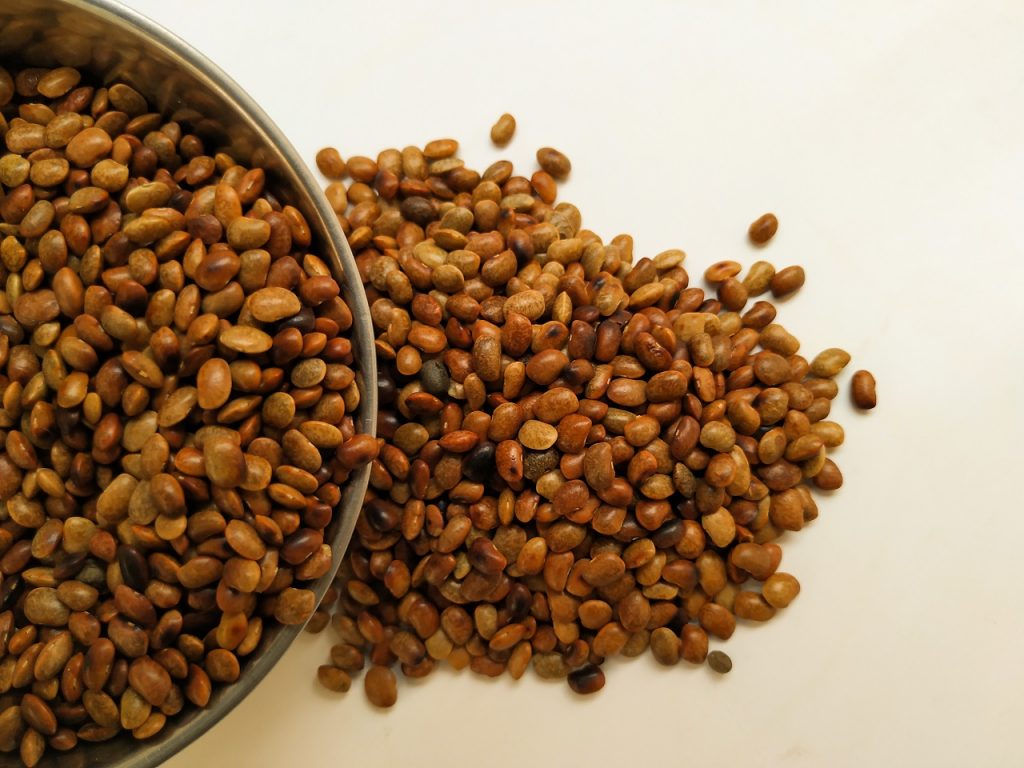
Sorghum (Jowar) or Pearl Millet (Bajra) flattened bread (rotis) with Curd Raita is the best choice. A glass of buttermilk is also a good option. You can have Basil Seeds Water during Suhoor as it is rich in antioxidants, protein, good fats and fiber, all of which help in controlling diabetes.

A little protein in the form of chicken, fish, beans and legumes can also be included as they keep you full for a longer period of time and get absorbed slowly. However, people with kidney problems should take extra care to increase protein intake.

During Iftar, break your fast slowly. Chew properly and consume small amounts of food at different intervals as glucose levels may spike up if you consume a large meal at once. Have a small bowl of fruit salad or a glass of lassi (yogurt based drink) before heavy meals. Choose baked or grilled foods as compared to something fried and oily.

Sprouted salads, boiled chickpeas, or fruits are good options to include before you begin your meal. Don’t forget to hydrate yourself. Avoid sugary drinks or caffeinated beverages and choose fresh fruit juices such as beetroot juice or herbal iced tea.

We hope this article helps you stay healthy and maintain a fast without any complications or medical emergencies. If a medical emergency should arise, visit your doctor immediately.

If you found this article to be helpful, let us know your thoughts in the comments below. You can browse through more articles related to diabetes here.

If you need help or support managing Diabetes, join GOQii’s Diabetes Care Program. It’s India’s only diabetes program that is driven by Smart Science and Personal Coaching to improve Fasting Blood Sugar (FBS), Postprandial Blood Sugar (PP), and reduce HbA1c levels. You can subscribe here.

#BeTheForce

April 9, 2023 By Arooshi Garg 2 Comments

12 Steps To Being Your Own Health Detective

12 tips to be your own health detectiveGaining true, lasting health is all about identifying and healing from the root cause. You can do it, I can do it, and anybody can do it. Today’s changing lifestyle, ever-increasing pollution, adulterated foods and rising stress is silently harming our life in various unknown ways.

If you can understand your body and how it works, how disease manifests itself and where it begins, then you can draw a road map towards becoming your own health detective (and your family’s health detective) so that you can empower yourself to live a healthy, thriving life.

How To Be Your Own Health Detective 

Here are some pointers that can help you be your own Health Detective!

1. Keep A Check On Your Sleep

health detective - sleep score

If you feel stressed out, sleepy-groggy headed, and/or lack concentration even in your daily chores and work, then this is a clear indication that you are not getting enough sleep! If even after 6-8 hours of adequate sleep, you get up all weak, lost and tired, then that’s a red signal. Stop and analyze what’s causing that.

2. Full Body Check Up

Get a full body check-up done every 6 months. Stand in front of a mirror and check if you have any lumps, or uneven skin tone. If any mole like thing appears bigger than 5mm, or pinkish-brownish discoloration, it’s an indication to fix up an appointment with a dermatologist. 

3. Excessive Hair-Fall Is Also A Symptom

health detective - hair fall Most of the people see hair-fall as a result of the seasonal change, change of shampoo or oil.  Very few know that it could also be an indication of a disease/or a medical condition. Examine your comb regularly. If there is hair-fall appearing more than normal, it could be due to underlying deficiency of iron or thyroid. Also, follow a good hair-care and wash routine.

4. A Window Of Light Through Your Eyes

Lack of sleep can cause puffiness under the eyes. However, this puffiness goes away with proper sleep and rest. If puffiness appears for a long duration, it could be due to water retention, kidney issues, and indigestion. Do not ignore this and see a doctor.

5. Sudden Increase Or Decrease In Weight

A wave of happiness that comes due to weight loss can become a cause for concern when the reasons for weight loss are not right. It could be due to weight cycling, or a YO-YO effect that usually occurs due to extreme workouts, or diet restrictions or crash diets. If not because of these, a sudden increase or decrease could also be happening because of diabetes, thyroid etc.

6. Tired All The Time?

Tired All The Time It’s normal to feel tired and all sleepy after a long day at work or a long journey. But, if you are feeling lethargic all the time it could be due to an underactive thyroid, which also increases the chances of developing high blood pressure and heart problems. Consult a doctor immediately and get your blood tests done.

7. Frequent Headaches

A headache can happen due to stress, tension, working continuously in front of screens and inadequate sleep. This generally goes away with rest or painkillers. But, if even after this if a headache persists, it could be due to a migraine, cervical issue or spondylitis. Resort to physiotherapy, good posture and regular workout. 

8. Take Care Of Your Feet Too

Most of the people don’t pay much attention to feet, because of which they are unable to notice any visible changes happening there. If nails have white spots or have become yellowish in colour, it might be indicative of calcium or hemoglobin deficiency respectively. Persistently cracked heels may be because of low water intake and swollen feet indicate the onset of diabetes. If you feel that your feet remain excessively cold, a thyroid test must be done with doctor’s advice.

9. Teeth And Gums

Bacteria in the mouth are major causes of pain and infection in gums as well as heart-related and lung-related infections too. Conditions related to teeth and gums can also become a reason for pain in shoulders and back. Take extra care to maintain oral hygiene and dental care. A dental check-up every 6 months is advisable.

10. Don’t Ignore Snoring

Snoring in our society isn’t considered abnormal. One snores when there is blockage or difficulty in breathing. Snoring adds to excessive pressure on lungs, and it could also happen because of high blood pressure, which could, in turn, lead to heart ailments. If anyone is suffering from snoring for a long period of time, take responsibility and get their sleep study test and dynamic MRI done with doctor’s advice.

11. Blood Pressure Monitoring

People who have high/low B.P issue should always keep a digital monitor at home. Get your blood pressure checked at regular intervals or if you notice any change in the body. Remember normal blood pressure should be 120/80mm Hg. 

12. Cardiovascular Check-Up

People who have crossed 40 years of age, people having heart diseases or high blood pressure should get a complete cardiovascular check-up done. This helps in screening and treatment of risks like heart attack, stroke, etc. in the preliminary stage. Get blood cholesterol levels also checked once every year.

Points To Remember

  • Becoming a health detective doesn’t mean that you become an expert or a doctor. Being a health detective only means being alert and responsible for observing and noticing any changes that happen in your body.
  • Never take any medicine or administer drugs to others without a prescription or doctor’s advice.
  • Today, most people treat themselves by looking up their symptoms on the internet. This is called as ‘Cyberchondria’. Please do not do this as you can go wrong with your diagnosis.
  • Do not blindly believe any information given on the web, as not all of this information is trustworthy.

We hope this article helps you become your own health detective. If this information helped you, let us know your thoughts in the comments below!

You can browse more articles like this here. To get more tips and guidance, speak to a GOQii Coach for lifestyle modifications suited to your health goals. You can subscribe for Personalised Health Coaching here.

#BeTheForce

February 23, 2023 By Trupti Hingad 4 Comments

Which Is The Best Sleep Position?

Best Sleep PositionEvery wondered which is the best sleep position? The position you sleep in plays a vital role in improving the quality of your sleep. How do you sleep? Do you prefer sleeping on your back, side or stomach? Sleeping in the wrong position can have detrimental effects on your health. Let’s take a deeper look into these problems. Poor sleep posture could potentially cause back and neck pain, fatigue, sleep apnea, muscle cramping, impaired circulation, headaches, heartburn, tummy troubles, and even premature wrinkles.

What Is The Best Sleep Position? 

  1. Sleeping On Your Stomach: About 7% of people sleep on their stomach. In this position, the neck and spine are not in a neutral position and this can put pressure on nerves and cause numbness, tingling, and nerve pain. It is best to choose another sleep position if you are a stomach sleeper. If you can’t break the habit, prop your forehead up on a pillow, so your head and spine remain in a neutral position and you have room to breathe.
  2. Sleeping On Your Back: on a regular basis may lead to lower back pain. If you have any existing pain, it can make the pain worse. Sleeping on your back if you suffer from snoring or sleep apnea may aggravate these conditions. Snoozing on your back can cause the tongue to block the breathing tube, making it a dangerous position for those who suffer from sleep apnea. Sleeping on your back with your head slightly elevated is the best sleep position for people suffering from heartburn. Also, this position does not lead to neck pain, like your neck, back and spine is in a neutral position.
  3. Soldier Position: In this position, the person sleeps on his/her back with hands close to the body. Approximately 8% of people sleep this way and this is not a good position to sleep in for people who snore. This position may also prevent you from getting a restful night’s sleep.
  4. Starfish Position: People who sleep in a starfish position sleep on their backs with their arms up over their head. Approximately 5% of people sleep this way. Compared to people who sleep on their backs, people who sleep in the starfish position are more prone to snoring and sleep problems.
  5. Sleeping On The Side: Approximately 41% of people sleep this way, curled up on their sides with their knees bent. This is one of the best positions, also good for pregnant women because it facilitates circulation to both mom and the fetus. The position may be good for those who snore and also helps decrease acid reflux since your spine is elongated. It also wards off back and neck pain. This position may lead to wrinkles because half of your face pushes against a pillow, so use soft, silken pillows to avoid wrinkles on the face.
  6. Fetal Position: Side sleepers who sleep with their legs bent and curled toward their torsos are the ones who sleep in the so-called fetal position. If sleeping this way hurts your hips, placing a pillow between your knees may help relieve the pressure. This position can leave you feeling a bit sore in the morning, particularly if you have arthritis in your joints or back. Prevent these woes by straightening out your body as much as you can, instead of tucking your chin into your chest and pulling your knees up high.

Sleeping positions which might help if you have sleeping issues

  • Do you snore? If you do, it is best to sleep on your side to minimize the risk of snoring. Sleeping on your back may aggravate snoring. If you can’t break the habit and want to sleep on your back, stack a few pillows underneath your head to reduce the risk of snoring.
  • Does your back hurt? Sleeping on your stomach or back, may aggravate your pain. Switch to side sleeping to minimize your risk of back pain. For further relief, put a pillow between your knees to keep your hips in alignment.
  • Are you pregnant? Sleeping on your stomach or back will be uncomfortable or impossible. You will be most comfortable sleeping on your side. Favour your left side to maximize circulation for both you and your baby. Placing a pillow under your belly can help relieve back pain.

So choose your sleeping position wisely and have a good mattress accompanied by soft pillows to wake up fresh and healthy! We hope this article helps you. Share your favorite sleeping position in the comments below! For more on sleep, click here or speak to an expert by subscribing for GOQii’s Personalised Health Coaching here: https://goqiiapp.page.link/bsr

#BeTheForce 

October 28, 2022 By GOQii 17 Comments

Pranayama: 6 Variations & Their Benefits

Pranayama and Its BenefitsPranayama is one of the most common Yoga Asanas that people perform because it is easy and provides numerous benefits.

What Is Pranayama?

Pranayama is defined as stretching, lengthening or modifying the breath. Despite being an involuntary process, breathing can be voluntarily controlled and manipulated. Controlled breathing helps you have a better grip on your mind and your body.

To perform Pranayama, you can choose any meditative pose. If a meditative pose is difficult, you can opt for Sukhasana where the head, neck and spine are in a straight line. Focus on your breathing, try to feel each breath that you inhale and exhale from your nostrils. After you have done this, relax and spend some time to observe your entire body. Awareness should be present throughout the session.

Pranayam and its benefits to stay fit
Terminologies You Should Know:

  • Purak –Breathing in
  • Rechak –Breathing Out
  • Kumbhak – Holding the breath.

There are various kinds of Pranayama. Here are a few of them.

1. Bhastrika Pranayama

‘Bhastra’ is the Bellows Pump used to pump fire. ‘Bhastrika’ originates from this term. People with high blood pressure must not perform Bhastrika. They can, however, perform a modified version. In Bhastrika Paranayama, one must breath in and breath out rapidly and forcefully. At the same time, they must flap the stomach in and out. When you breathe in, your stomach will expand and when you breathe out, your stomach will contract.

Benefits : Gases exchange at a very fast pace. Oxygen intake increases as the body throws out more Carbon Dioxide. There’s an increase in the Metabolic Rate as well.

2. Anulom – Vilom

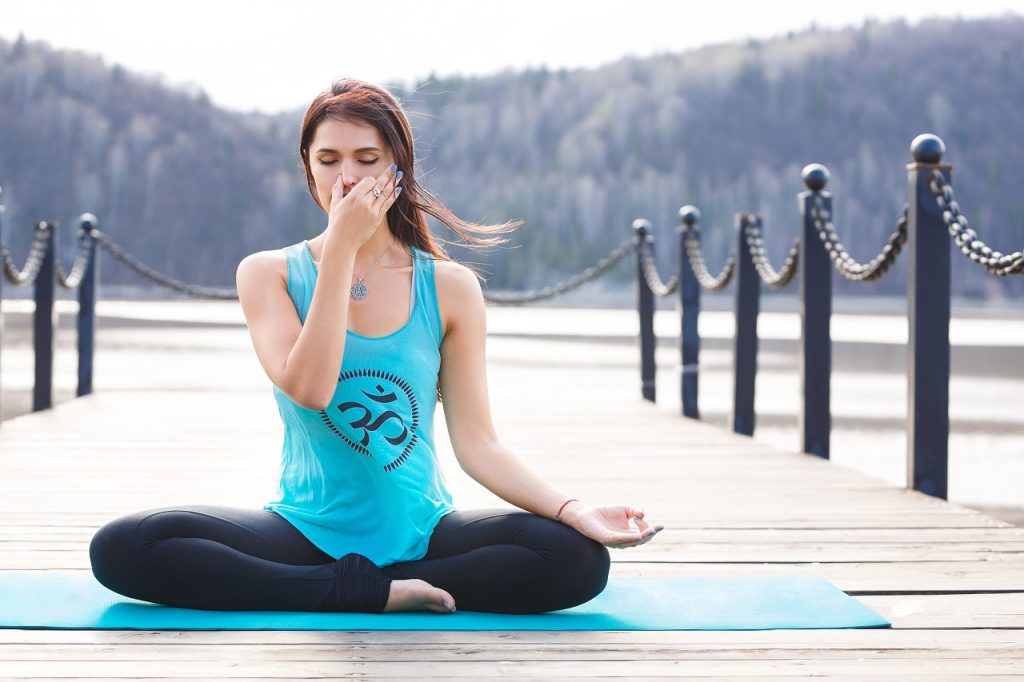
Also known as Alternate Nostril Breathing, follows a slow and deep rhythmic breathing pattern. To perform this variation, close the left nostril and breathe in through the right nostril. Hold your breath for 3-5 seconds. Close the right nostril and breathe in through the left nostril. Hold it for 3-5 seconds to increase the absorption of oxygen.

Benefits: Useful for people suffering from Sinusitis. This Pranayama relaxes the mind and the entire nervous system. It improves lung capacity, strengthens the heart and improves blood circulation.

3. Sheetali Pranayama

This Pranayama is also called Cooling Breathing. Before performing Sheetali Pranayama,  one must ensure that the atmosphere is clean. Roll the tongue and take a slow and deep breathe through the mouth. You will experience a cooling sensation on the surface of your tongue. Close the mouth and breathe out through the nostrils.

Benefits: It is very beneficial for people suffering from digestive disorders and acidity. This Pranayama also relaxes the mind.

4. Bhramari

It can be done towards the end of the session. Bhramari relaxes the mind and helps in blood circulation and circulation of Cerebrospinal fluid. Bhramari is also called Humming Bee Breath. Sitting in a meditation pose, breathe in through the nostrils (deep breath) and breathe out slowly, thereby, producing the humming sound like a Humming Bee. Inhalation and exhalation time will be the same.

5. Suryabhedan

Surya is referred to the right nostril and Bhedan is piercing. Breathing in through the right nostril and breathing out through the left nostril is called Suryabhedan. This energizing Pranayama stimulates the sympathetic nervous system, cleanses the skull and in the Hathapradipika, it is mentioned that the heat generated by this Pranayama will destroy the worms in the stomach.

6. Shitkari Pranayama

Also called the Hissing Breath, this Pranayama is performed by touching the teeth of the upper and lower jaw together and breathing in. You will experience a cooling sensation on the sides of the mouth and tongue. This is also a tranquilizing Pranayama. Regular practice of this will improve digestion and reduce acidity. It is a good practice for people suffering from insomnia. It is especially useful during Summer as it reduces the body’s temperature. While practicing this Pranayama, one must make sure that the atmosphere is clean.

Disclaimer: Please consult your GOQii Doctor before you start Pranayama. For further guidance, you can reach out to an expert by subscribing for Personalised Health Coaching here.

For more on Yoga and meditation, check out Healthy Reads.

We hope this article helps you! Do let us know your thoughts in the comments below.

#BeTheForce

  • « Previous Page
  • 1
  • …
  • 31
  • 32
  • 33
  • 34
  • 35
  • …
  • 57
  • Next Page »

Search

Recent Posts

  • Top 10 Foods For Diabetics: What to Eat to Manage Blood Sugar
  • Why Good Nutrition Before Conception Is Crucial For Your Baby’s Health
  • 6 Tricks To Help You Make Exercise A Habit
  • World Parkinson’s Day 2026: Bridging the Care Gap & Supporting Caregivers
  • Inflammation: The Hidden Fire Behind Most Chronic Disease

Stay Updated

Archives

  • April 2026 (11)
  • March 2026 (18)
  • February 2026 (14)
  • January 2026 (14)
  • December 2025 (19)
  • November 2025 (15)
  • October 2025 (20)
  • September 2025 (6)
  • August 2025 (6)
  • July 2025 (12)
  • June 2025 (18)
  • May 2025 (16)
  • April 2025 (22)
  • March 2025 (28)
  • February 2025 (22)
  • January 2025 (25)
  • December 2024 (22)
  • November 2024 (23)
  • October 2024 (21)
  • September 2024 (23)
  • August 2024 (30)
  • July 2024 (21)
  • June 2024 (25)
  • May 2024 (30)
  • April 2024 (27)
  • March 2024 (27)
  • February 2024 (24)
  • January 2024 (21)
  • December 2023 (14)
  • November 2023 (11)
  • October 2023 (19)
  • September 2023 (22)
  • August 2023 (18)
  • July 2023 (22)
  • June 2023 (23)
  • May 2023 (24)
  • April 2023 (22)
  • March 2023 (23)
  • February 2023 (19)
  • January 2023 (15)
  • December 2022 (11)
  • November 2022 (15)
  • October 2022 (15)
  • September 2022 (12)
  • August 2022 (10)
  • July 2022 (17)
  • June 2022 (11)
  • May 2022 (10)
  • April 2022 (6)
  • March 2022 (6)
  • February 2022 (13)
  • January 2022 (11)
  • December 2021 (7)
  • November 2021 (3)
  • October 2021 (6)
  • September 2021 (3)
  • August 2021 (8)
  • July 2021 (7)
  • June 2021 (15)
  • May 2021 (16)
  • April 2021 (10)
  • March 2021 (7)
  • February 2021 (4)
  • January 2021 (4)
  • December 2020 (3)
  • November 2020 (4)
  • October 2020 (10)
  • September 2020 (3)
  • August 2020 (3)
  • July 2020 (2)
  • June 2020 (4)
  • May 2020 (10)
  • April 2020 (12)
  • March 2020 (10)
  • February 2020 (4)
  • January 2020 (4)
  • December 2019 (3)
  • November 2019 (7)
  • October 2019 (5)
  • September 2019 (4)
  • August 2019 (9)
  • July 2019 (9)
  • June 2019 (11)
  • May 2019 (4)
  • April 2019 (8)
  • March 2019 (8)
  • February 2019 (9)
  • January 2019 (8)
  • December 2018 (9)
  • November 2018 (3)
  • October 2018 (3)
  • September 2018 (5)
  • August 2018 (10)
  • July 2018 (6)
  • June 2018 (13)
  • May 2018 (8)
  • April 2018 (18)
  • March 2018 (9)
  • February 2018 (8)
  • January 2018 (15)
  • December 2017 (12)
  • November 2017 (19)
  • October 2017 (13)
  • September 2017 (15)
  • August 2017 (4)
  • July 2017 (8)
  • June 2017 (7)
  • May 2017 (6)
  • April 2017 (8)
  • March 2017 (6)
  • February 2017 (7)
  • January 2017 (9)
  • December 2016 (10)
  • November 2016 (7)
  • October 2016 (7)
  • September 2016 (7)
  • August 2016 (11)
  • July 2016 (9)
  • June 2016 (9)
  • May 2016 (12)
  • April 2016 (17)
  • March 2016 (17)
  • February 2016 (8)
  • January 2016 (6)
  • December 2015 (2)
  • November 2015 (9)
  • October 2015 (7)
  • September 2015 (9)
  • August 2015 (11)
  • July 2015 (9)
  • June 2015 (11)
  • May 2015 (9)
  • April 2015 (13)
  • March 2015 (8)
  • February 2015 (5)
  • January 2015 (12)
  • December 2014 (14)
  • November 2014 (11)
  • October 2014 (6)
  • September 2014 (13)
  • August 2014 (12)
  • July 2014 (6)
  • June 2014 (2)
  • May 2014 (7)
  • April 2014 (4)

From “Laddu Nawin” to Fit and Fierce: How a 25-Year-Old Insurance Advisor Shed 20 Kilos and Gained His Life Back

When 25-year-old Nawin Yadav from Hyderabad walked into his office every morning, he carried more than just his files and policy papers. He had the weight of fatigue, sluggish energy, and an ever-growing belly that was becoming the butt of jokes. “People … [Read More...]

“I’ve Challenged Myself to Live 100 Years” – The Story of Chandubhai Savani’s Second Chance at Life

At 67, most people start slowing down. Not Chandubhai Savani. A resident of Surat, Chandubhai, thought life was on track. “My life was going well till I had my bypass surgery,” he says. That surgery, back in 2021, was a wake-up call.  Medication was routine, but exercise wasn’t. His diet? What he calls ‘normal.’ “I […]

From Shimla’s Slopes to Chandigarh’s Sidewalks: Surinder Kaur Bhalla’s Journey from Chaos to Control

Some journeys start with a plan. Others begin with a stumble literally. Surinder Bhalla, a government professional, born and raised in the scenic hill town of Shimla, had always lived a life of movement. “In Shimla, you walked everywhere,” she reflects. “Walking was never an exercise. It was just life.” But after shifting to Chandigarh, […]

Ananda Mukherjee Health Story

From Terminal Illness To Complete Wellness! Ananda Mukherjee Health Story

As we observe World Cancer Day under the powerful theme ‘United by Unique’ (2025-2027)**, we are reminded that every individual’s journey with cancer is distinct, yet united by shared resilience, hope, and the collective fight against this disease. This theme places people at the centre of care and their stories at the heart of the […]

  • HOME
  • HEALTHY LIVING
  • FITNESS
  • HEALTHY RECIPES
  • USER STORIES
  • KARMA
  • BUY GOQii

Copyright ©2016 GOQii