 Belly fat is not accumulated in a day or two. It takes several weeks and months of unhealthy eating and lifestyle to build it. When people finally decide to lose belly fat, the first thing they wonder is ‘Why am I not losing belly fat even after exercising so much and cutting down on junk food?’ There are several reasons for it.
Reasons Why You’re Not Losing Belly Fat
Here are a few common reasons why most individuals find it difficult to lose belly fat.
1. Eating Heavy Meals At One Time
Most people struggling with losing belly fat and weight loss are the ones who tend to have too much food at one time. The reason for this is largely either long gaps between the meals or skipping previous meal or if the person consumes food very fast. How is this related to belly fat?
When a person consumes food, it gets broken down to release/provide energy. Firstly, it will fill in the glycogen stores and then the excess calories that are not used up with good physical activity get converted into fats and the most common sites of fat storage is the belly, arms, thighs and buttocks.
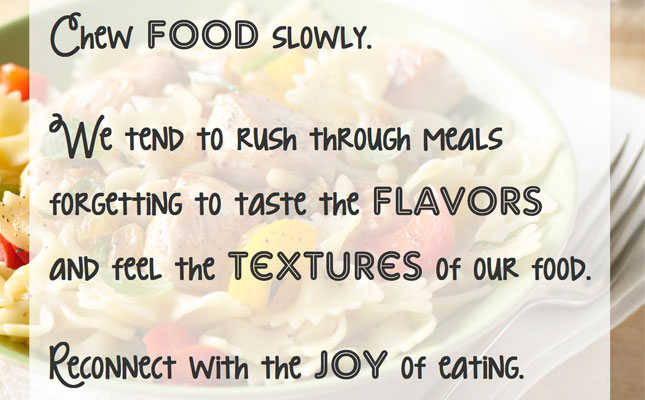
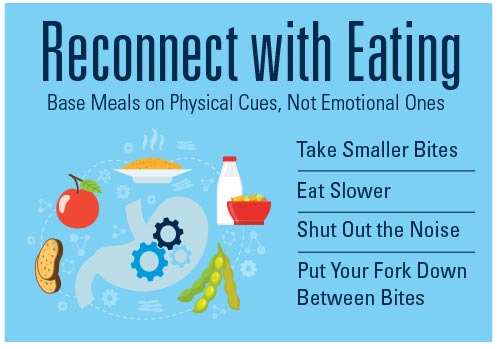
When you are having food, only post 20-25 mins of eating, the satiety centers in the brain are activated and you feel full and satisfied. When you eat fast the satiety centers of the brain are not activated and you end up eating more. Small frequent meals and chewing your food thoroughly and eating mindfully is the key to control food portion.
2. Dinner Meals Are High In Carbs & High In Quantity
Due to a hectic schedule, the only meal that we have together with the family turns out to be ‘dinner’ and in turn, it ends up to be the largest meal with a variety of food that the entire family enjoys. Ideally, dinners should be light and should be high in proteins and less in carbs. This is actually vice versa of what is generally practiced.
The reason for the dinners to be light and high in proteins and less in carbs is that post dinner, we are not that active. Hence, there’s no real requirement of all the carbs for energy. The process of recovery of all the muscles that are used up throughout the day, the repairing of all the wear and tear happens during the night and that requires proteins, not carbs.
3. Physical & Mental Stress
This is only with regards to people who are excessively obsessed with exercise to lose belly fat. Excessive exercise leads to physical stress and thus, high cortisol levels. In case of mental stress, you might have noticed that the first thing you would choose is chocolates/ice creams or any comfort foods that are high in sugar or carbs for that matter. At this point of stress, the food gets broken down and is converted to fat and stored in your belly area. Exercise in moderation and keep yourself stress free by indulging in some yoga and meditation or your hobbies.
4. Consumption Of Processed Food
Do you have the habit of reading labels? Do pick one product that you eat the most and read the label today. Most of the processed or ready to eat food products are high in sugar, fat or refined carbs. They are extremely low in fiber as well. Even the fiber enriched product gives less than 2gm of fiber per serving. Read labels and choose wisely. The best solution here is to eat homemade food or you can try some variations to increase fiber intake by incorporating more veggies/fruits along with the main product.
5. Aerated Drinks
Products containing HFCS (High Fructose Corn syrup) or liquid glucose, that are present in all the aerated drinks like Cola, flavored sugar syrups, etc. do not get metabolized and are stored in the belly as fat, which is really tough to get rid off through just activities. Instead, opt for buttermilk, lemon water, coconut water, and fresh lime soda (salted) over the above drinks.
We hope this article helps you make better choices and avoid these common reasons for not losing belly fat. For more on weight loss, check out Healthy Reads or ask a GOQii Coach for guidance by subscribing for Personalised Health Coaching here.
#BeTheForce

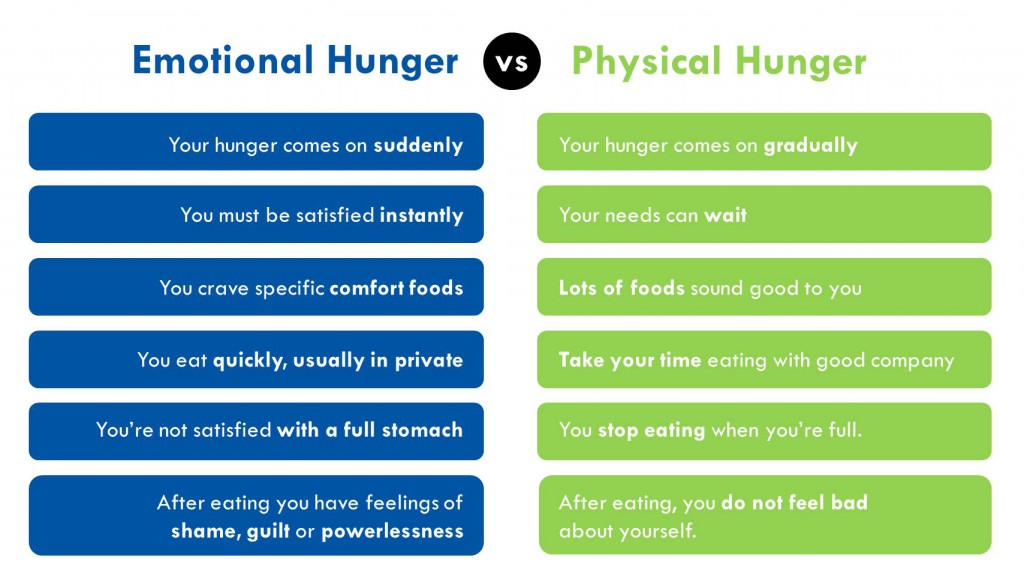
 For many of us, our lifestyle has become sedentary, leading to increased mental and emotional stress which often results in