GOQii

Blog

  • HOME
  • HEALTHY LIVING
  • FITNESS
  • HEALTHY RECIPES
  • USER STORIES
  • KARMA
  • BUY GOQii

Search Results for: chocolate

July 7, 2026 By GOQii Leave a Comment

World Chocolate Day: Dark Chocolate Benefits & Why It’s the Healthier Choice

The Big Question: Can one of the world’s most beloved indulgence habits actually be transformed into a powerful tool for cardiovascular, cognitive, and metabolic protection?

Chocolate is one of the world’s most loved treats. Whether it’s a small post-meal indulgence or a festive gift, it’s hard to resist its rich flavor and comforting appeal. But did you know that not all chocolate is created equal? While chocolates loaded with sugar and unhealthy fats should be enjoyed occasionally, high-quality dark chocolate—made with a high percentage of cocoa—offers several health benefits when eaten in moderation.

This World Chocolate Day, celebrate mindfully by learning why dark chocolate can be a smarter choice for your heart, brain, and overall well-being.

What Makes Dark Chocolate Different?

The biggest difference between dark chocolate and regular milk chocolate lies in its core cocoa content. Dark chocolate typically contains 70% or more cocoa solids, making it exceptionally rich in naturally occurring plant compounds called flavanols. These unique antioxidants help protect your cells from oxidative stress and support several important vascular and neurological functions in the body.

  • The Mindful Cacao Loop: ≥ 70% Dark Cacao ⇒ Stimulates Nitric Oxide Production ⇒ Dilates Arteries ⇒ Lowers Blood Pressure naturally.
  • The Destructive Sugar Loop: Refined Sugar Confection ⇒ Spikes Insulin Levels ⇒ Elevates Cortisol Release ⇒ Promotes Visceral Fat Storage.

Milk chocolate, on the other hand, usually contains very low amounts of cocoa and is diluted with high levels of refined sugar, milk solids, and added processed fats. This combination significantly reduces or eliminates many of the structural health benefits found in raw cocoa. The higher the cocoa percentage, the lower the added sugar, and the greater the potential health benefits.

4 Main Health Benefits of Dark Chocolate

  1. Supports Heart Health and Circulation

Dark chocolate is rich in flavanols that help support healthy blood circulation by encouraging blood vessels to relax. Research suggests that regularly consuming small amounts of flavanol-rich dark chocolate as part of a balanced diet can help maintain healthy blood pressure and support general cardiovascular health.

Additionally, these active antioxidants help protect LDL (“bad”) cholesterol from oxidation—a primary chemical factor linked to arterial plaque formation and heart disease.

  1. Improves Blood Flow and Brain Function

Your brain depends on a steady, high-volume supply of oxygen and nutrients to perform at its best. Clinical studies suggest that the flavanols found in cocoa improve blood flow directly to the brain, which supports memory, focus, and overall mental performance.

Dark chocolate also contains small amounts of natural stimulants like caffeine and theobromine. Theobromine acts as a gentle stimulant that expands blood vessels rather than constricting them, providing a smooth, lasting boost in daytime alertness without the sudden jitters or intense energy crashes associated with strong coffee.

  1. Can Help Boost Your Mood Naturally

Ever wondered why a square of chocolate provides instant comfort during a stressful day? Dark chocolate contains naturally occurring compounds that stimulate the release of feel-good neurotransmitters in the brain, including endorphins (the body’s natural pain relievers).

It also serves as an excellent source of magnesium, an essential mineral that regulates normal nerve function, balances cortisol production, and supports muscle relaxation, creating a deeply satisfying and mindful eating experience.

  1. Supports Healthy Blood Sugar and Weight Management

Although chocolate is traditionally associated with weight gain, high-cocoa dark chocolate is vastly different from sugary confectionery items. Because it contains minimal sugar and a surprisingly high amount of dietary fiber, a small serving is highly satiating.

The natural polyphenols in dark cacao help enhance insulin sensitivity, allowing your cells to clear glucose efficiently out of your bloodstream. When enjoyed as part of a balanced lifestyle, dark chocolate satisfies sweet cravings very quickly, preventing the impulsive overeating triggered by blood sugar crashes.

The Cacao vs. Confection Metabolic Matrix

Chocolate Variant Type    Core Cacao Percentage    Primary Endocrine Focus            Long-Term Health Outcome
High-Quality Dark 70% to 90% Cacao Stimulates nitric oxide; enhances cellular insulin sensitivity. Lowers arterial blood pressure and supports cognitive function.
Standard Milk 10% to 30% Cacao Causes steep blood glucose spikes; promotes insulin resistance. Accelerates visceral fat storage and triggers systemic inflammation.
Commercial White 0% Cacao Solids Delivers empty calories from refined sugar and industrial fats. Stalls weight loss efforts and increases tooth decay risks.

How Much Dark Chocolate Is Healthy?

When it comes to dark chocolate, more is not automatically better. For most healthy adults, a daily portion of 20–30 grams (around 2–3 small squares) is the ideal therapeutic dose to enjoy as part of a balanced diet.

When reviewing options, select chocolate bars that feature:

  • At least 70% cocoa solids or higher.
  • Cacao, cocoa mass, or cocoa liquor listed as the very first ingredient on the label.
  • Minimal added sugars and no artificial preservatives or industrial trans-fats.

Simple and Healthy Ways to Use Dark Chocolate

You do not have to eat dark chocolate exclusively on its own. Boost its fiber and protein content by pairing a melted or grated square with these nutritious whole foods:

  • Shaved over high-fiber overnight oats or healthy millets.
  • Swirled into a bowl of probiotic-rich Greek yogurt or fresh curd.
  • Paired with a handful of raw almonds or walnuts for an anti-inflammatory snack.
  • Dipped alongside fresh, antioxidant-dense berries or banana slices.
  • Blended smoothly into your home-cooked breakfast smoothies or chia puddings.

Who Should Limit Chocolate Consumption?

While dark chocolate is safe and health-promoting for the vast majority of people, certain individuals should modify or limit their intake:

  • Migraine Sufferers: Chocolate contains tyramine and beta-phenylethylamine, which can serve as a trigger for specific individual migraines.
  • GERD / Severe Acid Reflux: Cacao can relax the lower esophageal sphincter, potentially worsening nighttime acid reflux symptoms.
  • Caffeine Sensitivity: Those with extreme sensitivities to stimulant compounds should monitor their evening intake to protect their sleep cycles.

Chocolate does not have to be off-limits to live a vibrant, healthy lifestyle. Choosing a small portion of high-quality dark chocolate instead of highly processed sugary treats allows you to enjoy a delicious indulgence while benefiting from naturally occurring antioxidants, magnesium, and active plant flavanols. This World Chocolate Day, celebrate mindfully. Savor every bite, choose quality over quantity, and remember that healthy eating is about smart balance—not total deprivation!

Pro Tip: Successfully incorporating mindfully portioned treats into your health routine is easy when you track your daily choices. Use the GOQii App to log your meals, balance your macronutrient distributions, and monitor your physical activity. You can share this baseline health overview with your GOQii Personalised Health Coach to design a customized lifestyle plan that satisfies your cravings while keeping you cleanly on the path toward your weight loss and longevity goals!

Frequently Asked Questions (FAQs)

  1. Is dark chocolate genuinely healthier than standard milk chocolate?

Yes, absolutely. Dark chocolate contains a much higher percentage of raw cocoa solids, meaning it delivers a dense volume of health-boosting flavanols and magnesium with very little sugar. Milk chocolate is largely made of refined sugars, milk powders, and processed fats, which cause rapid insulin spikes and lack the beneficial plant compounds.

  1. How much dark chocolate can I safely consume on a daily basis?

A serving of 20–30 grams (roughly 2–3 small squares) is generally considered the optimal moderate portion for most healthy adults. Since chocolate is structurally calorie-dense due to its natural cocoa butter fats, keeping your portion controlled allows you to gain the antioxidant benefits without creating a caloric surplus.

  1. What specific percentage of cocoa should I look for on the ingredient label?

Always look for dark chocolate with 70% cocoa or higher. Choosing bars in the 70% to 85% range ensures that you maximize the active plant polyphenols and cardiovascular benefits while keeping the added refined sugar content to an absolute minimum.

  1. Can dark chocolate actively help improve my heart health?

Yes. Clinical evidence indicates that the abundant flavanols in dark chocolate support healthy blood circulation by encouraging the endothelial lining of your blood vessels to relax and dilate. When consumed in moderation as part of an active lifestyle, it helps maintain healthy blood pressure and protects circulating cholesterol from inflammatory oxidation.

#BeTheForce

Disclaimer: This article is intended for educational and informational purposes only. It is not intended to replace professional medical advice, clinical diagnosis, or personalized dietary treatment. Always consult your primary care physician or a registered dietitian before making alterations to your regular nutrition plan, especially if you manage an underlying gastrointestinal issue, severe migraines, or chronic metabolic disorders.

July 7, 2024 By Navnee Garg 4 Comments

Why Chocolate Is So Good For You | World Chocolate Day

world chocolate day

Whatever be the season, whatever be the reason, the very thought of chocolate can make us lick our lips in eagerness. The sweetest day of the year, World Chocolate Day, sometimes called International Chocolate Day, is celebrated annually on July 7.

This day gives us the excuse to indulge in our favorite chocolate, be it milk, hot, a candy bar, a cake, brownies or something layered in chocolate. The world loves chocolate for there’s nothing a chocolate can’t do. It can lift your senses, turn your frown around, fix a heartache and can possibly turn a sad day into a good one!

Whether you’re happy, sad, celebrating, want to gift something- chocolates are what most of us prefer!

Sweet History of Chocolate 

Chocolate may be the “food of the gods,” but for most of its 4,000 year history, it was actually consumed as a bitter beverage rather than the sweet edible treat it is known as today. The creation of the first modern chocolate bar is credited to Joseph Fry, who in 1847 discovered that he could make a moldable chocolate paste by adding melted Cocoa butter back into Dutch Cocoa. By 1868, a little company called Cadbury was marketing boxes of chocolate candies in England.

Science Behind Chocolates 

We all remember the epic line from Forrest Gump – “Life is like a box of chocolates! You never know what you’re gonna get.” However, for chocolatiers, this statement may suggest more than chocolate variety. At the microscopic level, there is more than what meets the eye when it comes to the chocolate we consume.

Chocolate has its own temper, considered a polymorph, which means it can take on different shapes when it solidifies from a liquid form. It gives you the meltdown, to get into the desired shape and flavor. There are various types of chocolate – dark, milk, white and ruby being the most recent.
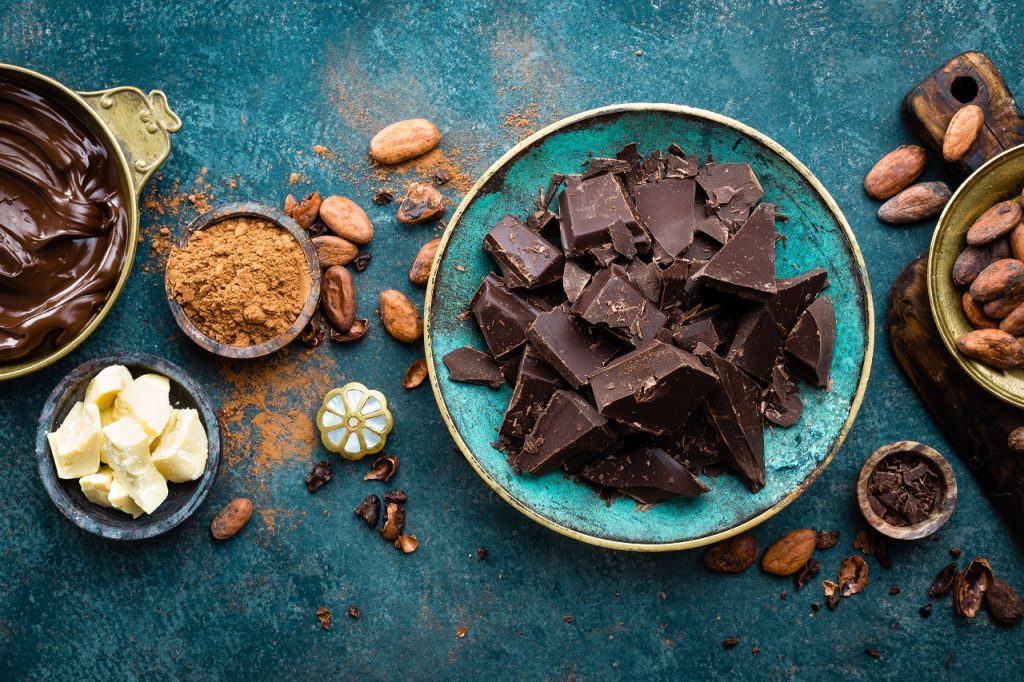
world chocolate day 2These are made with varying proportions of chocolate liquor, cocoa solids, cocoa butter, milk and sugar. Cocoa is a source of flavonoids and alkaloids such as theobromine, phenethylamine and caffeine. These acts as stimulants to the central nervous system.

The Hormonal Connect 

We crave chocolate because it is good! It tastes good, it smells good and it feels good when it melts in your mouth! And all of these ‘feelings’ arise because our brain releases chemicals in response to each chocolaty experience. The experience of eating chocolate results in feel-good neurotransmitters Dopamine.

Chocolate triggers the brain to release endorphins – hormones that cause your pulse to speed up and give you a pleasant high feeling, rather like being in love. Theobromine and Phenylethylamine in cocoa are also thought to affect levels of serotonin. This can boost your mood and ease depression.

We have to be grateful to the Mayans and the Aztecs for discovering the delight that the cocoa trees have to offer!

Feel like eating one? Go ahead! Today is World Chocolate Day and you must reap the benefits of this awesome treat to the senses. You can learn more about the benefits chocolate offers you here.

Do leave your thoughts or your best chocolate moments in the comment section below!

#BeTheForce 
April 6, 2024 By Farida Gohil Leave a Comment

Dark Chocolate: A Delicious Path to Better Health

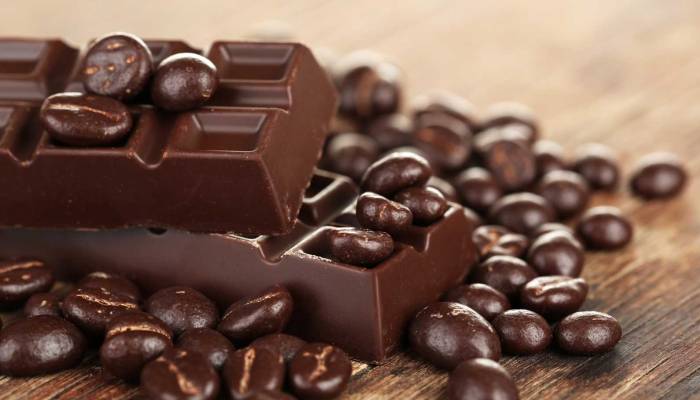
Who does not love chocolates? Everybody does but, chocolate and especially (75% and above) dark only a few of them. One needs to cultivate a taste for it. And, believe me, once you have developed that eating dark chocolate can be super beneficial.

How? Well, let me take you through the benefits ….

(1) Dark Chocolate Cuts Stroke, Heart Disease Risk

I recently read an article in an English Tabloid that said mentioned that dark chocolate is good for the heart.. Quoting from the article, according to one of the researchers Simin Liu, “The analysis found that Cocoa flavanol intake may reduce dyslipidemia insulin resistance and systematic inflammation, which are all major subclinical risk factors for cardiometabolic diseases”.

As per another new study published in the journal Molecular Nutrition & Food Research, eating flavanol-rich dark chocolate has been found to protect against the risk of heart disease and stroke by improving platelet function within two hours of consumption.

Researchers at the University of Aberdeen Rowett Institute of Nutrition and Health examined the effects of consumption of dark chocolate that was enriched with cocoa extract in the blood of 42 healthy volunteers, 26 women and 16 men. They compared platelet function of the participants who ate enriched dark chocolate with those who ate dark chocolate that contained a lower cocoa and flavanol content, and white chocolate.They found the dark chocolate enriched with flavan-3-ols significantly decreased platelet activation and aggregation in men, but only decreased platelet aggregation in women.

“Taken together, these findings support the notion that flavanol-rich foods, including cocoa products, may help to promote cardiovascular health,” Dr.Kelm said.

(2) Dark Chocolate helps in increasing endothelial function of SMOKERS…

The researchers studied smokers because their blood vessels tend to respond poorly to changes in blood flow, possibly related to impairments in how nitric oxide sends signals to the inner lining, the endothelium, of blood vessels. This impaired endothelial function is a marker for increased risk of cardiovascular disease.

A dozen smokers (six men and six women) in their early 30s, who did not have any known health problems, were enrolled in the double-blind crossover study to compare the effects of a cocoa drink rich in flavanols to a cocoa drink that tasted the same but contained very low levels of flavanols. Circulating nitric oxide levels and blood vessel responses (flow-mediated dilation) were measured before drinking the cocoa and again two hours later. Each participant drank flavanol-rich and flavanol-poor cocoa drinks during different testing sessions.There were significant increases in circulating nitric oxide and flow-mediated dilation after ingestion of drinks. These changes correlated with increases in flavanol metabolites. In addition, the improvements were reversed when the participants were given a drug (L-NMMA) that interferes with nitric oxide signalling, thus supporting the idea that the flavanol-rich cocoa drink produced its effects by influencing the nitric oxide system.

The researchers pointed out that the cocoa drink they used was specially processed to retain much higher levels of flavanols than are typically found in commercially-available cocoa drinks; so it is unlikely that drinking more hot chocolate would produce a similar effect. Nevertheless, the conclusion drawn from these results have to be interpreted with caution, because it is not known whether or not the chronic consumption of flavanol-rich foods leads to sustained increases in endothelial function and the prevention of future cardiovascular events. In particular, in smokers, it is unlikely that cocoa can completely attenuate the deleterious effects of continued smoking, the study says.

(3) Dark Chocolate helps in preventing the development of Atherosclerosis

A flavanol-rich drink is capable of increasing nitric oxide levels in the blood and reversing the detrimental effect of smoking on vascular adaptation. It remains to be seen whether the acute beneficial effect of a flavanol-rich drink translates into a long-term benefit, in terms of attenuating or preventing the development of atherosclerosis.

(4) Dark Chocolate helps in improved thinking, decreased appetite, obesity, as well as type-2 diabetes.

Cocoa, the basic ingredient of chocolate, is one of the most flavanol-rich foods around. That’s good for chocolate lovers because previous research has shown that flavanols in other foods such as grapes and tea can help fight weight gain and type-2 diabetes. But, not all flavanols, which are a type of antioxidant, are created equal. Cocoa has several different kinds of these compounds. Researchers found that adding one particular set of compounds, known as oligomeric procyanidins (PCs), to the food made the biggest difference in keeping the weight down if on high-fat diets. They also improved glucose tolerance, which could potentially help prevent type-2 diabetes. Oligomeric PCs appear to possess the greatest antiobesity and antidiabetic bioactivities of the flavanols in cocoa, particularly at the low doses.

5.Dark Chocolate helps in Lowering blood pressure

In particular dark chocolate which contains higher levels of flavanols than milk chocolate, may protect against the risk of cardiovascular disease by lowering blood pressure, blood flow, and improving blood lipid levels. The link between cocoa and blood pressure stems from the discovery that the indigenous people of San Blas Island in Central American, who drink flavanol-rich cocoa drinks every day, have normal blood pressure regardless of age. However, flavanol concentrations in cocoa and chocolate products vary according to cocoa processing procedures and types of chocolate, so it is difficult to establish the optimal dosage for an effect.

Satisfy your sweet cravings guilt-free with dark chocolate, a delectable treat packed with health-boosting properties. From enhancing cardiovascular health to supporting weight management and improving endothelial function, dark chocolate offers a myriad of benefits. Embrace the power of dark chocolate and indulge in its delicious goodness for a healthier, happier you!

So go ahead and be a Chocoholic!!!! For further information or guidance, reach out to our certified experts by subscribing to GOQii’s Personalised Health Coaching here.

#BeTheForce

July 7, 2022 By Navnee Garg Leave a Comment

Eat Chocolates Guilt-Free! Here’s Why!

World Chocolate DayThe next time you eat a piece of chocolate, you may not have to feel so guilty about it. Despite its bad reputation for causing weight gain, there are a number of health benefits of chocolate you might not know! Let’s explore them along with some guilt-free pairings.
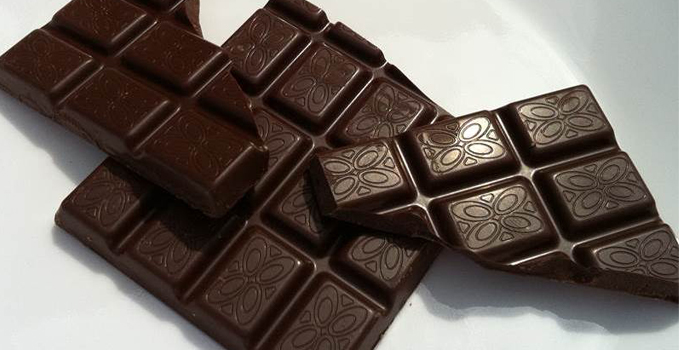

Health Benefits of Chocolate

  • Antioxidant Rich: Its antioxidant potential have a range of health benefits. The higher the cocoa content, as in dark chocolate, the more benefits there are. Dark chocolate may also contain less fat and sugar, but it is important to check the label.
  • Improve Blood Flow and Lower Blood Pressure: The bio-active compounds in Dark Chocolate (Cocoa) may improve blood flow in the arteries and cause a small but statistically significant decrease in blood pressure.
  • Protects Skin from Sun: The bioactive compounds in dark chocolate may also be great for your skin. The flavanols from cocoa can improve blood flow to the skin and protect it from sun damage. So, if you’re planning a beach vacation, consider loading up on dark chocolate in the prior weeks and months.
  • Improves Brain Function: The good news isn’t over yet. Dark chocolate may also improve the function of your brain. Cocoa may also significantly improve cognitive function in elderly people with mental impairment. It may improve verbal fluency and several risk factors for disease, as well.

Despite these health benefits of chocolate, it doesn’t mean you should go all out and consume lots of it every day. It is still loaded with calories. You can have a square or two after dinner and try to really savor them.

If you want the benefits of cocoa without the calories in chocolate, consider making a hot cocoa without any cream or sugar. Choose quality stuff — dark chocolate with 70% or higher cocoa content works just fine.

Guilt-Free Chocolate Pairings 

Chocolate Alone Is Good, but Chocolate With These Foods Is Better.

  1. Flirty Fruity: The darker the chocolate, the more bitter. The more bitter, the more it’s needs to be complimented by something very sweet.  That’s why dark chocolate goes great with ripe strawberries, pears, mangoes, bananas – the sweeter fruit, the better! White chocolate on the other hand is already very rich and sweet.  Pairing white chocolate with fruits that have a higher acidity or more mild flavor, such as tart berries and citrus, or mild melons and passion fruit, compliment this type of chocolate very well! If ever in doubt, milk chocolate is the best middle ground.
  2. The Naughty Nutty: Chocolate enhances the flavor of some nuts better than others. Peanuts, almonds, hazelnuts, and pecans have very distinct flavor components that go great with dark chocolate! They may be a little overpowering for some milk and most definitely white chocolates. It’s all about the balance.
  3. Let’s Get Cheesy: Rich, buttery, nutty, creamy – terms you can use interchangeably when talking about cheese and chocolate! It doesn’t initially seem like an obvious match, but certain cheeses and chocolates have flavor components that complement each other very well! A cheese that is more acidic and pungent, like a blue cheese or goat cheese, would go better with a darker chocolate that can stand its own among those intense flavors.
  4. Crispy Coffee: A more obvious pairing of chocolate would be with coffee! Both nutty and bold flavors go phenomenally well together, especially when paired correctly! Darker chocolates go with darker and bolder roasts, like an Italian roast. A breakfast blend is sensational with a few pieces of creamy milk chocolate! Lighter roasts, like Costa Coffees pair well with the lightest of “chocolates”—white chocolate!
  5. The Romantic Wine: Chocolate and wine both have very intense flavors! A bite of good chocolate can easily overpower the taste of a light red or white wine—as does a sip of good dry wine to less bold chocolates. The key to successfully pairing wine with chocolate is to match sweetness with sweetness! Pairing milk chocolate (or sweeter dark chocolates) with dessert wines, like a Vintage Port, Madeira, or a sweet sherry, is the easiest way to make a successful pairing. These types of wine bring a natural sweetness to help keep up with the sweetness of the chocolate. And when paired right, chocolate and wine can be extraordinary!

So, what are you waiting for? Let’s celebrate this World Chocolate Day with our near and dear near ones! Found these guilt-free pairings interesting? Do you have some combinations of your own? Let us know in the comments below!

For more on chocolate, check out Healthy Reads or to explore more benefits, ask a certified expert by subscribing for GOQii’s personalized health coaching here: https://goqiiapp.page.link/bsr

#BeTheForce 

  • 1
  • 2
  • 3
  • …
  • 28
  • Next Page »

Search

Recent Posts

  • Sitting for Hours? Try These Simple Office Workouts to Stay Active!
  • Planks: The Quick and Easy Way to Stay Fit!
  • World Population Day 2026: Building Healthier Populations for a Sustainable Future
  • Heal Naturally From Monsoon Illnesses: A Scientific Guide to Seasonal Recovery
  • The Joy of Complaining: How to Use the “Complaint Sandwich” for Relationship Success

Stay Updated

Archives

  • July 2026 (12)
  • June 2026 (22)
  • May 2026 (20)
  • April 2026 (24)
  • March 2026 (18)
  • February 2026 (14)
  • January 2026 (14)
  • December 2025 (19)
  • November 2025 (15)
  • October 2025 (20)
  • September 2025 (6)
  • August 2025 (6)
  • July 2025 (10)
  • June 2025 (18)
  • May 2025 (16)
  • April 2025 (22)
  • March 2025 (26)
  • February 2025 (21)
  • January 2025 (25)
  • December 2024 (22)
  • November 2024 (22)
  • October 2024 (20)
  • September 2024 (22)
  • August 2024 (29)
  • July 2024 (18)
  • June 2024 (23)
  • May 2024 (26)
  • April 2024 (27)
  • March 2024 (27)
  • February 2024 (23)
  • January 2024 (21)
  • December 2023 (14)
  • November 2023 (10)
  • October 2023 (19)
  • September 2023 (22)
  • August 2023 (17)
  • July 2023 (19)
  • June 2023 (21)
  • May 2023 (20)
  • April 2023 (19)
  • March 2023 (23)
  • February 2023 (19)
  • January 2023 (15)
  • December 2022 (11)
  • November 2022 (15)
  • October 2022 (15)
  • September 2022 (12)
  • August 2022 (9)
  • July 2022 (17)
  • June 2022 (11)
  • May 2022 (10)
  • April 2022 (6)
  • March 2022 (6)
  • February 2022 (13)
  • January 2022 (11)
  • December 2021 (7)
  • November 2021 (3)
  • October 2021 (6)
  • September 2021 (3)
  • August 2021 (8)
  • July 2021 (7)
  • June 2021 (15)
  • May 2021 (16)
  • April 2021 (10)
  • March 2021 (7)
  • February 2021 (4)
  • January 2021 (4)
  • December 2020 (3)
  • November 2020 (4)
  • October 2020 (10)
  • September 2020 (3)
  • August 2020 (3)
  • July 2020 (2)
  • June 2020 (4)
  • May 2020 (10)
  • April 2020 (12)
  • March 2020 (10)
  • February 2020 (4)
  • January 2020 (4)
  • December 2019 (3)
  • November 2019 (7)
  • October 2019 (5)
  • September 2019 (4)
  • August 2019 (9)
  • July 2019 (9)
  • June 2019 (11)
  • May 2019 (4)
  • April 2019 (8)
  • March 2019 (8)
  • February 2019 (9)
  • January 2019 (8)
  • December 2018 (9)
  • November 2018 (3)
  • October 2018 (3)
  • September 2018 (5)
  • August 2018 (10)
  • July 2018 (6)
  • June 2018 (13)
  • May 2018 (8)
  • April 2018 (18)
  • March 2018 (9)
  • February 2018 (8)
  • January 2018 (15)
  • December 2017 (12)
  • November 2017 (19)
  • October 2017 (13)
  • September 2017 (15)
  • August 2017 (4)
  • July 2017 (8)
  • June 2017 (7)
  • May 2017 (6)
  • April 2017 (8)
  • March 2017 (6)
  • February 2017 (7)
  • January 2017 (9)
  • December 2016 (10)
  • November 2016 (7)
  • October 2016 (7)
  • September 2016 (7)
  • August 2016 (11)
  • July 2016 (9)
  • June 2016 (9)
  • May 2016 (12)
  • April 2016 (17)
  • March 2016 (17)
  • February 2016 (8)
  • January 2016 (6)
  • December 2015 (2)
  • November 2015 (9)
  • October 2015 (7)
  • September 2015 (9)
  • August 2015 (11)
  • July 2015 (9)
  • June 2015 (11)
  • May 2015 (9)
  • April 2015 (13)
  • March 2015 (8)
  • February 2015 (5)
  • January 2015 (12)
  • December 2014 (14)
  • November 2014 (11)
  • October 2014 (6)
  • September 2014 (13)
  • August 2014 (12)
  • July 2014 (6)
  • June 2014 (2)
  • May 2014 (7)
  • April 2014 (4)

From Shimla’s Slopes to Chandigarh’s Sidewalks: Surinder Kaur Bhalla’s Journey from Chaos to Control

Some journeys start with a plan. Others begin with a stumble literally. Surinder Bhalla, a government professional, born and raised in the scenic hill town of Shimla, had always lived a life of movement. “In Shimla, you walked everywhere,” she reflects. … [Read More...]

From “Laddu Nawin” to Fit and Fierce: How a 25-Year-Old Insurance Advisor Shed 20 Kilos and Gained His Life Back

When 25-year-old Nawin Yadav from Hyderabad walked into his office every morning, he carried more than just his files and policy papers. He had the weight of fatigue, sluggish energy, and an ever-growing belly that was becoming the butt of jokes. “People had even started calling me Laddu Nawin,” he says with a laugh, but […]

Ananda Mukherjee Health Story

From Terminal Illness To Complete Wellness! Ananda Mukherjee Health Story

As we observe World Cancer Day under the powerful theme ‘United by Unique’ (2025-2027)**, we are reminded that every individual’s journey with cancer is distinct, yet united by shared resilience, hope, and the collective fight against this disease. This theme places people at the centre of care and their stories at the heart of the […]

Mayur Sutar Health Transformation

Mayur Sutar’s Journey to a Healthier Life

At 26, Mayur Sutar was deeply entrenched in the corporate whirlwind. His days were a blur of quick, unsatisfying meals, fitful sleep, and relentless deadlines. This vicious cycle was draining him, fueling a constant state of fatigue and frustration. Health had become a forgotten chapter in the book of his life. In every story, however, […]

  • HOME
  • HEALTHY LIVING
  • FITNESS
  • HEALTHY RECIPES
  • USER STORIES
  • KARMA
  • BUY GOQii

Copyright ©2016 GOQii