GOQii

Blog

  • HOME
  • HEALTHY LIVING
  • FITNESS
  • HEALTHY RECIPES
  • USER STORIES
  • KARMA
  • BUY GOQii

November 13, 2025 By GOQii Leave a Comment

Delicious Low-Carb Desserts You Can Enjoy Guilt-Free

Who says you can’t have your dessert and eat it too, without compromising your health goals? Satisfying your sweet tooth doesn’t have to mean ditching nutrition! These low-carb, nutrient-rich, and utterly delicious treats let you indulge in the flavours you love while staying on track with your wellness journey.

From the fudgy richness of Flourless Chocolate Avocado Brownies to the creamy delight of Keto-Friendly Cheesecake Bites, and the refreshing fruitiness of Raspberry/Strawberry Chia Seed Pudding, each recipe is crafted with wholesome ingredients that nourish your body and leave you feeling great.

So go ahead, treat yourself and feel good about every bite!

Flourless Chocolate Avocado Brownies

Who said brownies need sugar and flour to be tasty? These brownies are proof that you can indulge in rich, fudgy goodness without the guilt. Packed with healthy fats from avocado and naturally sweetened, this dessert is a dream come true for chocolate lovers following a low-carb lifestyle.

Ingredients

  • 2 ripe avocados
  • ½ cup unsweetened cocoa powder
  • ½ cup sugar-free sweetener (erythritol or stevia)
  • 2 eggs
  • 1 tsp vanilla extract
  • ¼ tsp salt
  • Optional: sugar-free chocolate chips for added indulgence

Method

  1. Preheat oven to 350°F (175°C) and grease a baking dish.
  2. In a food processor, blend avocados, cocoa powder, sugar-free sweetener, eggs, vanilla extract, and salt until smooth and creamy.
  3. Pour into the greased dish and spread evenly. Add sugar-free chocolate chips if desired.
  4. Bake for 25–30 minutes, or until a toothpick inserted comes out clean.
  5. Let cool completely before slicing into squares.

Why It’s Good for You

✔ Rich in healthy fats from avocado to support heart health
✔ Low in sugar, perfect for low-carb or keto lifestyles
✔ Antioxidant boost from cocoa to help reduce inflammation

These brownies are everything you could want—rich, fudgy, and packed with nutrients. Have a slice (or two) without the guilt!

Keto-Friendly Cheesecake Bites

Craving cheesecake while watching carbs? You can absolutely indulge with these mini creamy delights that hit the sweet spot while staying healthy.

Ingredients

  • 225g (8oz) cream cheese, softened
  • ¼ cup sugar-free sweetener (erythritol or stevia)
  • 1 egg
  • 1 tsp vanilla extract
  • Optional: sugar-free fruit preserves for topping

Method

  1. Preheat oven to 350°F (175°C) and line a mini muffin tin with paper liners.
  2. In a mixing bowl, beat the softened cream cheese and sugar-free sweetener until smooth.
  3. Add egg and vanilla extract, mixing well.
  4. Spoon the mixture into liners, filling each nearly to the top.
  5. Bake for 12–15 minutes, until lightly golden at edges.
  6. Cool before topping with sugar-free fruit preserves if using.

Why It’s Good for You

✔ High in protein and healthy fats for sustained energy
✔ Low in carbs, ideal for keto and diabetic-friendly diets
✔ Small portions, big flavour – indulgence without overdoing it

Chilled or room temperature, these cheesecake bites are a creamy, satisfying treat you’ll want to make again and again.

Raspberry/Strawberry Chia Seed Pudding

Looking for a light yet satisfying dessert? This pudding is creamy, fruity, and loaded with nutrients—perfect for a refreshing end to your day.

Ingredients

  • 1 cup unsweetened almond milk
  • ¼ cup chia seeds
  • ½ tsp vanilla extract
  • 1 tbsp sugar-free sweetener (erythritol or stevia)
  • ½ cup fresh raspberries / strawberries

Method

  1. Whisk almond milk, chia seeds, vanilla extract, and sugar-free sweetener in a bowl.
  2. Let sit for 5 minutes, whisk again to avoid clumping.
  3. Cover and refrigerate for at least 2 hours or overnight.
  4. Stir well before serving, top with raspberries / strawberries.

Why It’s Good for You

✔ High in fibre – aids digestion and keeps you fuller for longer
✔ Rich in omega-3s – supports brain and heart health
✔ Naturally sweet & low-carb – enjoy without a sugar crash

A perfect make-ahead dessert that’s simple, tasty, and good for your health!

With the right ingredients and smart swaps, desserts can be both indulgent and nutritious. These low-carb delights show that you don’t need refined sugar or heavy carbs to enjoy rich, satisfying treats.

Whether you’re after chocolatey decadence, creamy cheesecake, or fruity, nutrient-packed pudding, these recipes fit into a balanced, healthy lifestyle.

Simple to prepare and a joy to eat—because healthy eating should always taste this good!

💬 Which one will you try first? Let us know in the comments!

#BeTheForce

Disclaimer: The information provided in this blog is for general awareness and educational purposes only. It is not intended to replace professional medical advice, diagnosis, or treatment. Always consult a qualified healthcare provider for personalised medical guidance or concerns related to your health.

October 30, 2025 By Priyanka Mangla 3 Comments

The Early Signs & Symptoms of Diabetes

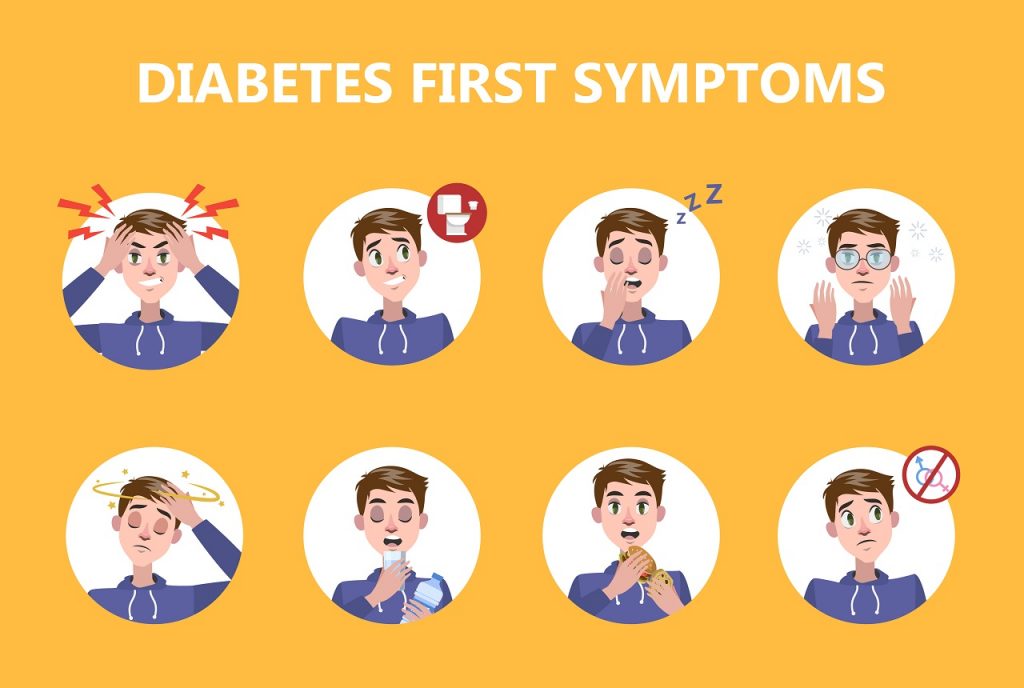
symptoms of diabetesDiabetes has become one of the most common lifestyle disorders affecting both, urban and rural areas alike. You can attribute this to overeating, obesity, stressful, busy and sedentary lifestyles which lead to the early symptoms of diabetes. This also includes lack of proper nutrition which leads to disturbed glucose metabolism. Heredity is also a major factor in the development of the disease. It is usually misunderstood that eating only refined sugar in excess will lead to diabetes but that’s not the case. Excess intake of proteins and fats also leads to development of diabetes because ultimately they are also metabolized and converted to glucose.

Diabetes is characterized by the elevated levels of glucose in the blood and urine. It is of 2 types:

  • Type 1: is present since birth due to complete absence of insulin 
  • Type 2: Develops later in life due to the deficiency of insulin

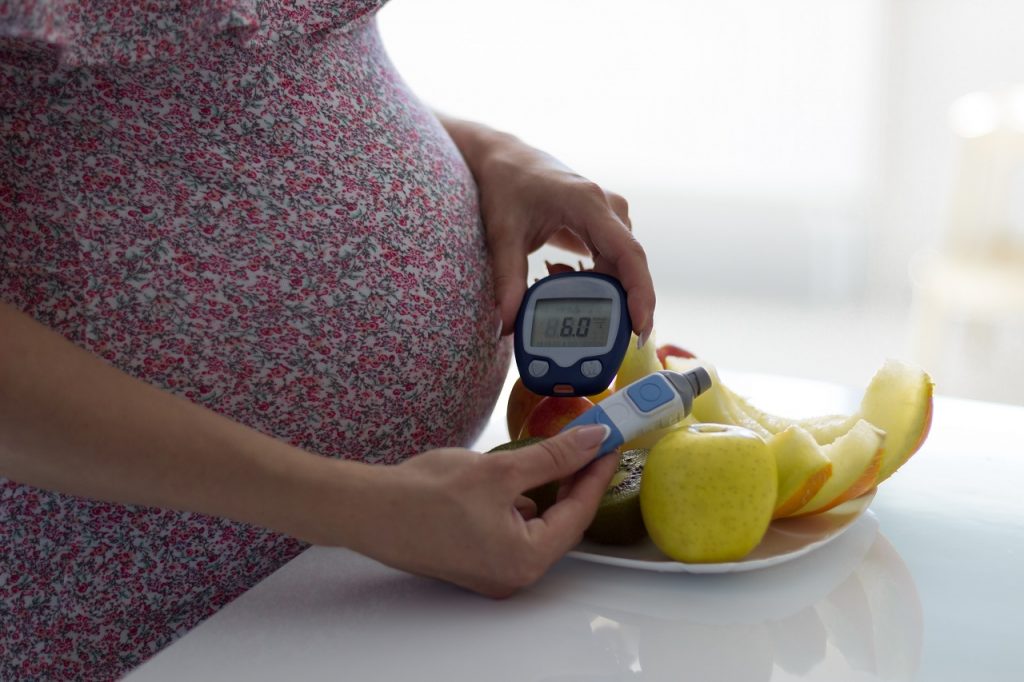
There are other variants too like gestational diabetes which occur during  pregnancy. Read more about it here: https://goqii.com/blog/what-gestational-diabetes-can-do-to-you-your-unborn-child/ 

Since untreated or uncontrolled diabetes gradually starts affecting the functioning of major organs of the body, like the heart, kidneys, brain, nervous system, eyes, etc. it is important to diagnose and manage diabetes as early as possible.  

How Can You Diagnose It? 

It is diagnosed by a blood test, in which the blood glucose in the fasting state (normal values range between 80-120 mg/100 ml of blood) and 2 hours after having the meal (normal values, 140 mg/100 ml of blood) are measured. Now, even before getting your blood glucose tested, there are certain signs and symptoms which our body shows which indicate the development of diabetes. 

Early Signs and Symptoms of Diabetes

  1. 3P’s: Polyphagia (increased hunger), polydipsia (increased thirst), polyuria (increased urination). Remember these 3 P’s and look out if you are experiencing these. 
  2. Loss of weight: In spite of increased hunger, there will be a very sharp loss of weight, which again is a warning symptom. This is happening because the glucose is getting lost in the urine, also due to insufficient insulin, the available glucose is not getting utilized to provide energy and to function, the body has started utilizing the glucose which is stored in the muscles and organs. 
  3. Getting tired: Loss of weight due to this condition leads to early tiredness. The person gets tired easily both mentally and physically. 
  4. Dry mouth: Despite drinking more water, there will be dryness in the mouth. 
  5. Paleness: appears because of anemia.
  6. Frequent infections and delayed healing of wounds: happens due to excess of glucose in the blood. 
  7. Loss of libido. 

In its early stages, we can easily prevent it from progressing further to a full blown Diabetes Mellitus with: 

  • Regular exercise: for a minimum of 30 minutes to maintain optimum weight. Engage yourself in light games. 
  • Proper diet: Which includes salads with meals (this slows down digestion and prevents an immediate spike in blood sugar levels) and excluding refined sugar, alcohol, smoking and high fat foods. 
  • Yoga & meditation: take care of the stress levels and curb the disease from getting any worse. Pranayama (Breath Control) and certain yoga asanas like Cobra Pose (Bhujangasana), Shoulder Stand (Sarvangasana) and various others help in stimulating the pancreas to produce insulin . 

There are certain home remedies which can be used as a supportive measure. I want to discuss here the two most important ones. 

  1. Bitter gourd (Karela): is highly beneficial in the treatment of diabetes. It contains an insulin-like principle, known as plant-insulin which has been found effective in lowering the blood and urine sugar levels.
  2. Java Plum (Jamun): The seeds contain a glycoside ‘jamboline’ which has the power to check the pathological conversion of starch into sugar in cases of increased production of glucose. In the Homoeopathic system of medicine, we have a very effective medicine prepared from this fruit to treat diabetes. 

We hope this article helps you manage Diabetes and helps you spot the early signs and symptoms. Do leave your thoughts in the comments below! For more articles on managing Diabetes, check out Healthy Reads. 

For further guidance and motivation by certified experts, join the GOQii Diabetes Care program. It’s India’s only diabetes program that is driven by Smart Science and Personal Coaching to improve Fasting Blood Sugar (FBS), Postprandial Blood Sugar (PP), and reduce HbA1c levels. You can subscribe here: https://store.goqii.com/diabetescare.

#BeTheForce Against Diabetes! 

Disclaimer: The information provided in this blog is for general awareness and educational purposes only. It is not intended to replace professional medical advice, diagnosis, or treatment. Always consult a qualified healthcare provider for personalised medical guidance or concerns related to your health. Images shown are for representation purposes only and may not depict the exact recommendations or outcomes.

July 30, 2025 By GOQii Leave a Comment

Be Sugar Smart: A Simple Shift That Changes Everything

Go Sugar-Free for a Month. Come Back Smarter. It’s not about quitting forever, it’s about learning what your body needs, when it needs it.

You don’t need a crisis to start taking care of your health. Sometimes, all it takes is one small decision, like cutting down the sugar in your chai.

If you’re tired of the energy crashes, the unexplained weight gain, or feeling like you’re always chasing your next meal, chances are sugar has more to do with it than you think.

The GOQii Sugar Smart Challenge, running from 1st to 30th August, is built around one simple idea that small, consistent actions can help you reclaim control of your health without giving up everything you love. And it starts with awareness.

It’s important to know what being Sugar Smart means.

Truth be told, everyone is well aware how sugar has quietly crept into our daily routine, not just in the obvious sweets, but in flavoured yoghurts, breakfast cereals, packaged juices, energy bars, and yes, that chai you can’t live without. We don’t even register it anymore.

Being sugar smart isn’t only about cutting sugar out completely. It’s about learning:

  • Where it hides
  • How it affects your blood sugar and insulin
  • And what you can do instead, without feeling deprived

Especially if you’re managing diabetes, dealing with insulin resistance, or struggling with weight loss, these shifts matter.

Be Sugar Smart: Keep it Simple

To be sugar smart, just turn good intentions into daily actions, through simple tasks that take minutes a day and build real habits over time.

From August 1st to 30th, participate in the challenge and complete sugar-smart activities and also get rewarded

Here are the daily activities you can indulge in and derive benefits from them 

  • Walk 6000+ Steps
    • Lowers blood sugar by helping your body use glucose more effectively.
    • Boosts insulin sensitivity, reducing the risk of insulin resistance.
    • Supports heart health and weight management with minimal effort.
    • Easy to fit into your day: short walks after meals or during breaks add up.
  • Post-Meal Walks
    • Walking after meals helps lower blood sugar by using glucose for energy before it spikes.
    • A 20-minute walk after lunch or dinner is especially helpful for those with insulin resistance or prediabetes.
    • Timing matters: Start your walk within 30 minutes of finishing your meal for best results.
    • Leads to steadier energy levels and fewer post-meal crashes or cravings.
  • Eat an Early Breakfast before 9 am
    • Helps kickstart your metabolism and supports steady energy throughout the day.
    • A balanced breakfast stabilises blood sugar and curbs overeating later.
    • Aim to eat within 30 minutes of waking to prevent energy dips and cravings.
    • Choose whole grains, protein, and healthy fats over sugary or processed options.
  • Eat Healthy and log your food
    • Food logging increases awareness of what, when, and how much you’re eating, especially sugar intake.
    • Tracking meals at least three times a day helps you stay mindful of portion sizes and added sugars.
    • Identifying eating patterns can highlight triggers for cravings or blood sugar spikes.
    • This insight empowers better choices, making it easier to cut down on sugar and build healthier habits.
  • Watch and Learn
    • Get expert insights by watching videos on managing diabetes, nutrition, fitness, and lifestyle habits.
    • Learn at your pace with short, practical videos that fit easily into your day.
    • Strengthen your knowledge about sugar control, insulin resistance, and healthy living.
    • Stay motivated by watching real coaches share tips, strategies, and science-backed guidance.
  • Practice Mindfulness
    • Just 10 minutes a day can reduce stress, improve sleep, and boost emotional resilience.
    • Lower stress means lower cortisol, which helps stabilise blood sugar levels.
    • Meditation supports overall health and can help prevent chronic conditions linked to stress.
    • Simple practices like mindful breathing in a quiet space can make a noticeable difference.
  • No Sugar Habit
    • Identify your sugar triggers, such as post-meal cravings, stress, or specific times of day.
    • Swap sugary snacks with healthier alternatives like fruits, nuts, or yoghurt.
    • Manage stress in healthier ways through exercise, meditation, or outdoor time.
    • Cut back gradually to let your taste buds adjust and reduce cravings over time.

It takes 21 days to change a habit. With the Sugar Smart Challenge, over 30 days, you’ll build habits that stick, not because they’re forced, but because they fit into your life.

Why Sugar Smart Habits Matter

Here’s what the research tells us:

  • Over 101 million Indians live with diabetes.
  • Another 25 million are pre-diabetic.
  • NFHS-5 reports that 1 in 4 Indian adults is overweight or obese.

High sugar intake, even in “healthy” forms, plays a major role in rising insulin resistance, PCOS, weight gain, and fatigue. But the good news? It’s reversible.

You don’t need extreme diets. You don’t need to give up all your favourites. You just need to know when, how much, and why.

You don’t have to be perfect to feel better. You just need to start noticing. One less sugar-laden drink. One balanced plate. One decision is not to eat on autopilot. Over time, these small wins become your new normal.

Being Sugar Smart is your chance to put knowledge into action and be rewarded for it. Speak to your coach, join the challenge by visiting the Challenge Page on the GOQii app, track your progress, and learn how to live a life where sugar doesn’t control you.

Your body’s not broken. It just needs a little less sugar and a little more support.

Let’s get smart about it.

#BeTheForce

Disclaimer: The information provided in this blog is for general awareness and educational purposes only. It is not intended to replace professional medical advice, diagnosis, or treatment. Always consult a qualified healthcare provider for personalised medical guidance or concerns related to your health. Images shown are for representation purposes only and may not depict the exact recommendations or outcomes.

May 24, 2025 By GOQii Leave a Comment

One Starchy Meal a Day: Why Moderation Matters in the DIP Plan

Understanding the science behind starch, blood sugar, and sustainable change

When it comes to managing diabetes through diet, it’s not just about cutting out sugar. It’s about making strategic choices — especially when it comes to starchy carbohydrates like rice, bread, potatoes, and pasta.

The Diabetes Improvement Programme (DIP) takes a balanced, evidence-informed approach. One of its core principles is simple: limit starchy carbohydrates to just one meal a day. At first glance, this may sound restrictive — but there’s solid science behind it. And more importantly, it works.

Here’s why this one-meal rule matters — and how it can help you take meaningful control of your blood sugar and long-term health.

What Are Starchy Carbohydrates?

Starches are complex carbohydrates found in foods such as:

  • Rice, pasta, and noodles
  • Potatoes, sweet potatoes, and yams
  • Bread, crackers, and baked goods
  • Corn, peas, lentils, and beans

Although they’re often considered “slow release”, these foods can rapidly break down into glucose in the body — especially when eaten in large quantities or refined forms. This causes a rise in blood sugar levels — precisely what individuals with diabetes or insulin resistance aim to manage.

The Problem With Overdoing Starch

When starchy foods are consumed at every meal, they can:

  • Spike blood sugar levels multiple times a day
  • Increase insulin demand, placing extra strain on the pancreas
  • Lead to weight gain or make weight loss more difficult
  • Contribute to energy crashes and cravings later in the day

For those with Type 2 diabetes or prediabetes, this daily glucose rollercoaster can make management difficult and may even undo the benefits of other healthy habits.

Why One Starchy Meal Works Better

By limiting starch to just one meal per day, the DIP plan allows the body to:

  • Stabilise blood sugar levels more effectively throughout the day
  • Lower overall insulin exposure, which supports weight loss and improves insulin sensitivity
  • Improve energy levels without the post-meal slump
  • Break the dependency on carbohydrate-rich meals for satiety or satisfaction

This strategy doesn’t eliminate carbs — it simply creates a rhythm where your body has time to reset and burn fat more efficiently between meals.

It’s Not About Elimination — It’s About Moderation

Let’s be clear — starch is not the enemy. Many starchy foods are part of cultural traditions, family meals, and emotional comfort. The DIP framework respects that. By allowing starch at just one meal a day, it encourages mindful moderation rather than extreme restriction.

This flexibility helps make the plan more realistic, sustainable, and enjoyable — which is key for long-term change.

How to Make the Most of Your One Starchy Meal

If you’re choosing to include starch, here are a few tips:

  • Pick whole, minimally processed options — such as brown rice, millet, or sweet potato
  • Mind your portions — one cup (about the size of your fist) is a helpful guide
  • Pair it with protein, fibre, and fat — this slows digestion and helps reduce glucose spikes
  • Make it the highlight, not the base — build your plate with vegetables and protein first

For example:
A lunch of grilled chicken, mixed salad, and a small portion of brown rice is more balanced than a heaping plate of pasta with little else.

Science Meets Simplicity

The concept of one starchy meal per day is backed by research in low-carb and moderate-carb interventions for Type 2 diabetes. Numerous studies show that reducing daily carbohydrate load (especially starchy carbs) improves HbA1c, supports weight loss, and enhances metabolic markers like triglycerides and insulin sensitivity.

By following this simple principle, you’re not just adopting a diet — you’re creating better metabolic conditions for your body to heal and thrive.

Small Change, Big Impact

You don’t need to give up rice forever. You don’t need to avoid bread at every meal. But choosing to have starch just once a day could be the difference between constantly battling blood sugar fluctuations and finally finding control.

This one shift — this small act of moderation — can ripple out into better energy, clearer thinking, improved lab results, and a more empowered relationship with food.

And in the end, that’s what the DIP plan is all about — progress, not perfection.

#BeTheForce

Disclaimer: The information provided in this blog is for general awareness and educational purposes only. It is not intended to replace professional medical advice, diagnosis, or treatment. Always consult a qualified healthcare provider for personalised medical guidance or concerns related to your health. Images shown are for representation purposes only and may not depict the exact recommendations or outcomes.

  • « Previous Page
  • 1
  • 2
  • 3
  • 4
  • …
  • 14
  • Next Page »

Search

Recent Posts

  • 10 Tips for a Blissful Night Sleep
  • World Liver Day 2026: Solid Habits, Strong Liver
  • Prebiotics and Probiotics: What’s the Difference?
  • Social Health and Longevity: Why Relationships Matter as Much as Diet
  • Top 10 Foods For Diabetics: What to Eat to Manage Blood Sugar

Stay Updated

Archives

  • April 2026 (15)
  • March 2026 (18)
  • February 2026 (14)
  • January 2026 (14)
  • December 2025 (19)
  • November 2025 (15)
  • October 2025 (20)
  • September 2025 (6)
  • August 2025 (6)
  • July 2025 (12)
  • June 2025 (18)
  • May 2025 (16)
  • April 2025 (22)
  • March 2025 (28)
  • February 2025 (22)
  • January 2025 (25)
  • December 2024 (22)
  • November 2024 (23)
  • October 2024 (21)
  • September 2024 (23)
  • August 2024 (30)
  • July 2024 (21)
  • June 2024 (25)
  • May 2024 (30)
  • April 2024 (27)
  • March 2024 (27)
  • February 2024 (24)
  • January 2024 (21)
  • December 2023 (14)
  • November 2023 (10)
  • October 2023 (19)
  • September 2023 (22)
  • August 2023 (18)
  • July 2023 (22)
  • June 2023 (23)
  • May 2023 (24)
  • April 2023 (21)
  • March 2023 (23)
  • February 2023 (19)
  • January 2023 (15)
  • December 2022 (11)
  • November 2022 (15)
  • October 2022 (15)
  • September 2022 (12)
  • August 2022 (10)
  • July 2022 (17)
  • June 2022 (11)
  • May 2022 (10)
  • April 2022 (6)
  • March 2022 (6)
  • February 2022 (13)
  • January 2022 (11)
  • December 2021 (7)
  • November 2021 (3)
  • October 2021 (6)
  • September 2021 (3)
  • August 2021 (8)
  • July 2021 (7)
  • June 2021 (15)
  • May 2021 (16)
  • April 2021 (10)
  • March 2021 (7)
  • February 2021 (4)
  • January 2021 (4)
  • December 2020 (3)
  • November 2020 (4)
  • October 2020 (10)
  • September 2020 (3)
  • August 2020 (3)
  • July 2020 (2)
  • June 2020 (4)
  • May 2020 (10)
  • April 2020 (12)
  • March 2020 (10)
  • February 2020 (4)
  • January 2020 (4)
  • December 2019 (3)
  • November 2019 (7)
  • October 2019 (5)
  • September 2019 (4)
  • August 2019 (9)
  • July 2019 (9)
  • June 2019 (11)
  • May 2019 (4)
  • April 2019 (8)
  • March 2019 (8)
  • February 2019 (9)
  • January 2019 (8)
  • December 2018 (9)
  • November 2018 (3)
  • October 2018 (3)
  • September 2018 (5)
  • August 2018 (10)
  • July 2018 (6)
  • June 2018 (13)
  • May 2018 (8)
  • April 2018 (18)
  • March 2018 (9)
  • February 2018 (8)
  • January 2018 (15)
  • December 2017 (12)
  • November 2017 (19)
  • October 2017 (13)
  • September 2017 (15)
  • August 2017 (4)
  • July 2017 (8)
  • June 2017 (7)
  • May 2017 (6)
  • April 2017 (8)
  • March 2017 (6)
  • February 2017 (7)
  • January 2017 (9)
  • December 2016 (10)
  • November 2016 (7)
  • October 2016 (7)
  • September 2016 (7)
  • August 2016 (11)
  • July 2016 (9)
  • June 2016 (9)
  • May 2016 (12)
  • April 2016 (17)
  • March 2016 (17)
  • February 2016 (8)
  • January 2016 (6)
  • December 2015 (2)
  • November 2015 (9)
  • October 2015 (7)
  • September 2015 (9)
  • August 2015 (11)
  • July 2015 (9)
  • June 2015 (11)
  • May 2015 (9)
  • April 2015 (13)
  • March 2015 (8)
  • February 2015 (5)
  • January 2015 (12)
  • December 2014 (14)
  • November 2014 (11)
  • October 2014 (6)
  • September 2014 (13)
  • August 2014 (12)
  • July 2014 (6)
  • June 2014 (2)
  • May 2014 (7)
  • April 2014 (4)

From “Laddu Nawin” to Fit and Fierce: How a 25-Year-Old Insurance Advisor Shed 20 Kilos and Gained His Life Back

When 25-year-old Nawin Yadav from Hyderabad walked into his office every morning, he carried more than just his files and policy papers. He had the weight of fatigue, sluggish energy, and an ever-growing belly that was becoming the butt of jokes. “People … [Read More...]

“I’ve Challenged Myself to Live 100 Years” – The Story of Chandubhai Savani’s Second Chance at Life

At 67, most people start slowing down. Not Chandubhai Savani. A resident of Surat, Chandubhai, thought life was on track. “My life was going well till I had my bypass surgery,” he says. That surgery, back in 2021, was a wake-up call.  Medication was routine, but exercise wasn’t. His diet? What he calls ‘normal.’ “I […]

From Shimla’s Slopes to Chandigarh’s Sidewalks: Surinder Kaur Bhalla’s Journey from Chaos to Control

Some journeys start with a plan. Others begin with a stumble literally. Surinder Bhalla, a government professional, born and raised in the scenic hill town of Shimla, had always lived a life of movement. “In Shimla, you walked everywhere,” she reflects. “Walking was never an exercise. It was just life.” But after shifting to Chandigarh, […]

Ananda Mukherjee Health Story

From Terminal Illness To Complete Wellness! Ananda Mukherjee Health Story

As we observe World Cancer Day under the powerful theme ‘United by Unique’ (2025-2027)**, we are reminded that every individual’s journey with cancer is distinct, yet united by shared resilience, hope, and the collective fight against this disease. This theme places people at the centre of care and their stories at the heart of the […]

  • HOME
  • HEALTHY LIVING
  • FITNESS
  • HEALTHY RECIPES
  • USER STORIES
  • KARMA
  • BUY GOQii

Copyright ©2016 GOQii