
GOQii

Blog

  • HOME
  • HEALTHY LIVING
  • FITNESS
  • HEALTHY RECIPES
  • USER STORIES
  • KARMA
  • BUY GOQii

She is passionate about Nutrition and that explains Shimpli’s Master’s degree in Foods, Nutrition and Dietetics. This topper from Mumbai University also has a certification in Food Processing and Preservation and in Nutrition and Exercise for Fitness. That’s not all; she has a keen interest in the area of product development and has worked on the development of protein fortified chocolates in collaboration with Cadbury India Pvt Ltd, as a part of MSc. RnD. For over 3 years now she has been practicing as a clinical nutrition consultant. Shimpli is also a trained dancer from Shiamak Davar Institute of Performing Arts and strongly believes that dance is the best exercise for Mind and Body and when dance is combined with the right nutrition it is the correct recipe for a healthier and fitter lifestyle.

April 27, 2015 By Shimpli Patil 38 Comments

Should we brisk walk before the meal or after?

people_walking

As an adolescent, I was a victim of this common misconception that brisk walking immediately post meal helps burn calories. It’s quite natural to think that once we eat a meal and walk it out quickly, it will burn the calories that we just consumed. But hey! For that food to get converted into calories it requires a long process, which is called nothing but digestion. Unless and until we don’t let the food to get digested thoroughly, are we going to burn the calories? Obviously not!

Brisk walking post meal is a not a very good idea. It may cause acid reflux, ingestion or stomach upset. The reason is very simple- after the meal, our digestion process is all ready to go. Digestive juices are released in the stomach and intestine. This is the time when the stomach and intestine need most blood supply to carry on this process smoothly. Hence, the blood flow needs to be directed to this area for better digestion. If we perform any vigorous activity as simple as brisk walking after the meal, the blood circulation gets directed to our extremities which compromises the blood flow to the core region of the body, thus hampering the digestive processes.

Working out especially post dinner not only affects our digestion but may also postpone our sleep time. Workouts are a stress buster. Our body experiences an endorphin rush (feel good factor) after a nice cardio/strengthening session. Once we are on an endorphin high, we feel extremely elated and energized which tends to delay our sleep.

So what’s best for us? It’s always best to go for a brisk walk or any other workout before the meal (30 minutes prior or so). It exhausts our body’s energy stores which is then all set to fill up the stores again with a good meal. This reduces the chances of fat conversion during the meal as whatever we consume is utilized by the body cells for energy which leaves least for fat storage. In short, a pre meal workout fires up our body’s metabolism which therefore ensures better burn up of calories after we consume and digest the meal.

A similar point was proven by a 2006 study published in “Applied Physiology, Nutrition and Metabolism,” which says that people who walked prior to putting any food in their stomach and who walked hard enough to perspire burnt more fat than those who walked after eating.

Thus, it’s quite clear that in order to reap most benefits of brisk walking or other workouts, we need to schedule it prior to our meal. However, we can certainly go for a leisurely walk post meal, but again, not immediately. We can go after a 45 minutes gap. That is just to get over the bloat of eating way too much or to give your muscles a good stretch and it’s anytime a better option than promoting fat deposition by lying on the sofa watching TV. But remember, this should be a short 10-15 minute walk and not a long one.

Now that we have blown away the misconceptions, let’s implement the right thing and experience the change! Let’s Rock the pre-meal walk!
April 16, 2015 By Shimpli Patil Leave a Comment

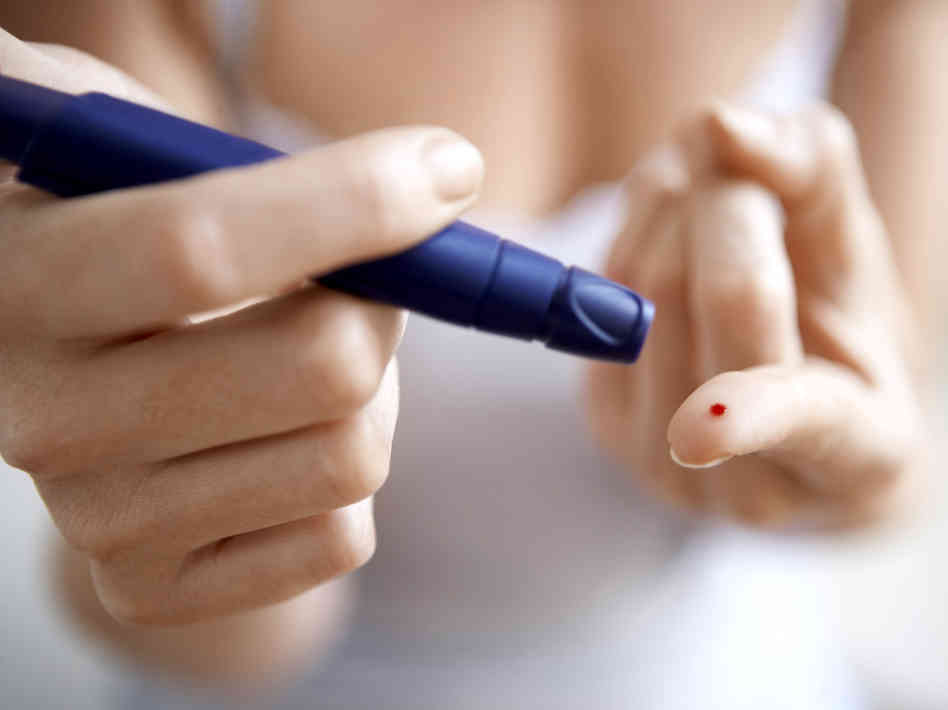
Play smart with your insulin to maintain your weight!

diabetes to maintain weight loss


Most often we have heard about insulin only in the context of diabetes. That’s because diabetes is a condition characterized by insulin deficiency. Insulin is a hormone secreted by the beta cells of Pancreas in response to glucose released in the blood after the carbohydrate breakdown in the body. Insulin’s role is to pick up the glucose from blood and take it to the cells to feed them. Since there’s lack of insulin in a diabetic situation, the blood glucose isn’t drawn from blood to cells and therefore its levels remain high.

Insulin is barely talked about in the weight loss/weight gain segment despite it playing a huge role in it.

To understand the link between insulin and weight, we first need to understand the relationship between carbs, blood sugar and insulin. It is this connection that has massive bearing on weight loss.

There are 2 kinds of carbs- Simple and Complex. Simple carbs are the ones which are quickly broken down to glucose and result in rapid spike in blood sugar, whereas complex carbs are the slow glucose releasing carbs (do not cause blood sugar spike unlike the simple ones)

Let’s check out the mechanism of insulin and weight gain:

  • Simple carbs cause a prompt response of insulin which takes care of the sugar spike and restores the blood sugar levels. It carries the glucose to the cells where it is used for energy (fuel), and the extra is stored as glycogen in the liver (storage form of glucose). The excess glucose, over and above, gets converted into FAT!
  • When we eat a lot of simple carbs at a time, our pancreas tries its best to keep up with the massive surges in blood glucose by producing large amounts of insulin, resulting in a quick drop in blood glucose levels (i.e. hypoglycemia). This is then followed by a feeling of dizziness and weakness. It doesn’t end here, it further leads to hunger pangs and crazy cravings for sweets/refined carbs in an attempt to normalize the blood glucose level. This eventually leads to a vicious circle of eating foods high in sugar, which ultimately end up getting converted into fat.
  • If the above cycle continues for a prolonged period, and our pancreas repeatedly and constantly produces insulin in huge amounts, there will be a point when our cells start getting immune or insensitive to insulin, this state is called Insulin Resistance. The cells no longer accept glucose that insulin carries along with it. Hence, the glucose levels in the blood stay up, ultimately leading to fat storage. This fat storage mainly occurs because insulin also activates a fat storage enzyme called lipoprotein lipase.

These are exactly the reasons why Insulin is tagged as a “Lipogenic Hormone”- One that results in fat gain!

If you are keen on preventing yourself from the not-so-appealing weight/fat gain, then it’s important for you to play wisely with your insulin by doing the right thing when it comes to carb consumption.

How can we assure this? All that we have to take care is that we keep the refined and simple carb intake on the lower side. This category includes bread and bakery stuff, pizzas, burgers, sweets and desserts, polished rice and noodles, etc. Believe me, when you are busy enjoying these foods, your body is getting ready to store it as fat.

Focus more on complex carbs which include the whole grain based stuff like oatmeal, whole wheat bread, whole wheat pasta, brown/red rice, fibrous green vegetables, starchy vegetables such as potatoes, beans, peas and lentils, etc.

As the complex carbs are slow moving, they lead to slow secretion of insulin which does its job at its own sweet pace, hence there’s no issue of fat storage in this case. This allows you to feel fuller for a longer period of time, typically for up to 3 hours and thereby preventing hunger pangs and unnecessary binging.

The overall connection is a bit tricky but, once we decode this puzzle, we are sorted!

April 7, 2015 By Shimpli Patil 4 Comments

Body cleansers: Liv-kid!

body-detox-drink
Our body is well-equipped with 2 sturdy cleansers which work day in and day out to clean the dirt that we pollute our body with- Liver and Kidney! They are like colonial cousins, having one function common- body detoxification.

Liver and kidney are our body’s ‘care-takers’ who constantly strive towards keeping the body healthy by protecting it from the external invaders that intoxicate our body and make sure our body runs smoothly. Instead of reciprocating the good things they do for us, we end up troubling them even more by loading our body with more and more toxins.

Liver is the second largest organ of the body (after skin) and its primary function is body detoxification and secondary is fat metabolism. It keeps the body clear of junk which can otherwise pose a risk of diseases. Little do we think about liver’s state when we gorge on that pizza/burger or any other refined food and drinks (including alcohol). Sugar is the top most useless substance that is known to slow down the liver. Continuous exposure to junk/alcohol/drugs and medicines, makes our liver appear like a terrible porous sponge that needs to be wrung out.

You probably have a burdened liver if you have –

*A frequent headache

*Fatigue

*Poor concentration

*Allergies and rashes

*Itchy eyes,

*A bitter taste in the mouth.

While liver ensures effective excavation of toxins, kidney ensures efficient filtration of the by- products of the proteins and some minerals like sodium, potassium, etc which otherwise can pose a toxic threat to the body. Any glitches in kidney can affect its function of filtration, causing these substances to build up in body. Uric acid, creatinine, urea are few of these by-products which when accumulated in body can hamper our health.

Few early symptoms of a troubled kidney include-

*Blood pressure fluctuations

*Water retention (edema)

*Urinary problems

*Fatigue

*Skin rashes/itching

*Metallic taste in mouth (due to urea build up)

*Nausea and Vomiting

This requires a fix! Rather than wait for these symptoms to proceed into a full blown disease, we need to take some preventive measures to halt the progression.

A liver and kidney cleanse can sort it all out. A regular cleansing of the two will not even let you go through these off-putting symptoms, but in fact will make sure we keep these organs hail and hearty.

To flush these organs-

  • Stay off from animal products twice a week including eggs, chicken, red meat, seafood.
  • Up the fiber content of your meals through green veggies, nuts, whole grains- Ragi/ jowar/ whole wheat/ bajra/ brown rice and legumes.
  • Go fruity- Enjoy the natural colours through oranges, sweet lime, guava, pear, papaya, berries, etc. Cranberry, pomegranate, and blueberry juices are known to enhance kidney function.
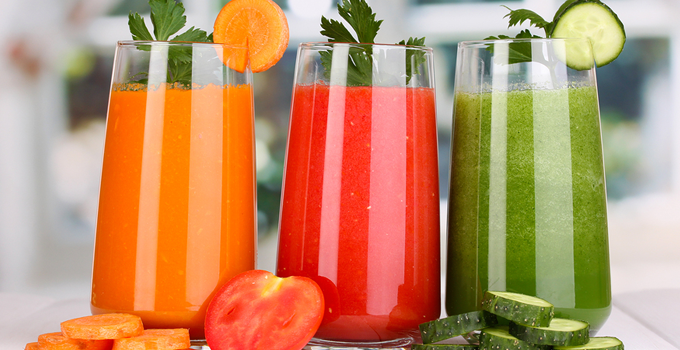
  • Enjoy vegetable smoothies made out of beetroot, celery, carrots, cucumber.
  • Keep the enemies away- Saturated fats (bakery items, red meat, butter, mayonnaise, etc.), refined sugar and alcohol.
  • Go easy with caffeine (tea/coffee) as that’s another toxin liver and kidneys have to deal with.

Water is their best friend! 2 liters or 8 glasses are not enough to cleanse these burdened organs. 3-3.5 liters of water (12-14 glasses) is what we need to keep them sparkling fresh.

Regular flush out of liver and kidney will not only treat but, will also keep us miles away from headache, fatigue, abdominal discomforts, skin problems, etc. An added advantage of cleansing is, when the liver is freed of toxins, it reduces its efforts of detoxifying the body and it can then focus better on its next function of fat metabolism, resulting in a faster breakdown of fat.

Don’t just keep your body clean from the outside; take care of it from within too.

January 7, 2015 By Shimpli Patil Leave a Comment

Phytochemicals- Why is it important to go Colourful?

colors

Life without colours is so boring. Black and white movies evolved into colour films just to make them more appealing. Similarly, a cupboard full of same coloured clothes does not appear that interesting.  We are constantly looking for variety and more colours. The same when applied to eating, not only breaks the monotony but also benefits your body in several ways.

I remember, as a kid, my mother always emphasized on including a variety of fruits and veggies into my meals. She’d come up with all her innovative ways to make sure my meals are as colourful. Gradually, I got to know the reason why she used those tricks. She just wanted to ensure I get the maximum benefits from these colours.

Nature has provided us with numerous colourful fruits, vegetables, grains and herbs. Ever wondered where do they derive their colours from? Well, they contain compounds called Phytochemicals (also known as phytonutrients) which are responsible for the beautiful colours that these fruits and veggies flaunt. The more colourful a fruit or vegetable is, the higher its phytochemical content, especially if they are coloured all the way through (like berries) not just on the skin (like apples).

Phytochemicals basically form plant’s immune system as they protect the plants from UV rays, diseases and fungus. These wonderful compounds are so generous that they extend their benefits to humans as well. I would say a great deal of benefits.

They are known for their antioxidant activity, anti-inflammatory activity and the ability to enhance our body’s natural detoxification system.

Let me take you through some of the best Phytochemicals and their benefits-

  • Carotenoids– Any fruit or veggie you see around which is red/orange/yellow or green in colour, contains carotenoids. They are potent antioxidants and immune boosters. Research has shown that they reduce the risk of heart disease and certain types of cancer.
  • Flavonoids– This one’s famous! Out of all the phytochemicals in fruits and vegetables, it’s the flavonoids that we eat in the largest quantity. Guess which colours it contributes to… It’s red, blue and purple pigments. Studies have shown that their antioxidant activity is lot more powerful than vitamins C and E.

One of the flavonoids called “Isoflavones” present in soy, are known to reduce the cholesterol levels and thereby reduce the risk of heart diseases.

In women, isoflavones help reduce the menopausal symptoms and are beneficial for women’s overall health.

  • Sulphur Compounds– These are found in naturally occurring whitish foods like garlic, onion, cauliflower, cabbage, mushrooms, grains etc.

These compounds also have been shown to have cancer fighting properties and are beneficial to cardiovascular health.


The incredible benefits of phytochemicals is one reason the U.S. Department of Agriculture/Health and Human Services focuses on having at least five servings of fruits and vegetables and several servings of grains every day.

So the next time you are out for shopping, make sure you load up your grocery cart with an array of fruits and vegetables to give yourself a phytochemical boost.

Since different coloured fruits and vegetables have different kinds of phytochemicals, it’s important that you choose a variety of colours in your diet so that you make the most of each phytochemical.

Get those colours and you get better health!


  • « Previous Page
  • 1
  • 2
  • 3
  • 4
  • 5
  • Next Page »

Search

Recent Posts

  • Healthy Eating: Oats Sprouts and Vegetable Uttapam
  • Acidity – Its Symptoms and Prevention
  • 6 Health Benefits of Playing Sports
  • Foods to Manage Blood Sugar Naturally: A Complete Guide to Better Blood Sugar Control
  • The Lazy Person’s Guide to Staying Healthy: 5 Micro-Habits That Take Less Than 2 Minutes

Stay Updated

Archives

  • September 2026 (2)
  • August 2026 (8)
  • July 2026 (25)
  • June 2026 (22)
  • May 2026 (20)
  • April 2026 (24)
  • March 2026 (18)
  • February 2026 (14)
  • January 2026 (14)
  • December 2025 (19)
  • November 2025 (15)
  • October 2025 (20)
  • September 2025 (6)
  • August 2025 (5)
  • July 2025 (9)
  • June 2025 (18)
  • May 2025 (16)
  • April 2025 (22)
  • March 2025 (26)
  • February 2025 (21)
  • January 2025 (25)
  • December 2024 (22)
  • November 2024 (22)
  • October 2024 (19)
  • September 2024 (22)
  • August 2024 (27)
  • July 2024 (15)
  • June 2024 (23)
  • May 2024 (26)
  • April 2024 (27)
  • March 2024 (27)
  • February 2024 (23)
  • January 2024 (21)
  • December 2023 (14)
  • November 2023 (10)
  • October 2023 (18)
  • September 2023 (21)
  • August 2023 (16)
  • July 2023 (16)
  • June 2023 (21)
  • May 2023 (20)
  • April 2023 (19)
  • March 2023 (23)
  • February 2023 (19)
  • January 2023 (15)
  • December 2022 (11)
  • November 2022 (15)
  • October 2022 (15)
  • September 2022 (12)
  • August 2022 (9)
  • July 2022 (17)
  • June 2022 (11)
  • May 2022 (10)
  • April 2022 (6)
  • March 2022 (6)
  • February 2022 (13)
  • January 2022 (11)
  • December 2021 (7)
  • November 2021 (3)
  • October 2021 (6)
  • September 2021 (3)
  • August 2021 (8)
  • July 2021 (7)
  • June 2021 (15)
  • May 2021 (16)
  • April 2021 (10)
  • March 2021 (7)
  • February 2021 (4)
  • January 2021 (4)
  • December 2020 (3)
  • November 2020 (4)
  • October 2020 (10)
  • September 2020 (3)
  • August 2020 (3)
  • July 2020 (2)
  • June 2020 (4)
  • May 2020 (10)
  • April 2020 (12)
  • March 2020 (10)
  • February 2020 (4)
  • January 2020 (4)
  • December 2019 (3)
  • November 2019 (7)
  • October 2019 (5)
  • September 2019 (4)
  • August 2019 (9)
  • July 2019 (9)
  • June 2019 (11)
  • May 2019 (4)
  • April 2019 (8)
  • March 2019 (8)
  • February 2019 (9)
  • January 2019 (8)
  • December 2018 (9)
  • November 2018 (3)
  • October 2018 (3)
  • September 2018 (5)
  • August 2018 (10)
  • July 2018 (6)
  • June 2018 (13)
  • May 2018 (8)
  • April 2018 (17)
  • March 2018 (9)
  • February 2018 (8)
  • January 2018 (15)
  • December 2017 (12)
  • November 2017 (19)
  • October 2017 (13)
  • September 2017 (15)
  • August 2017 (4)
  • July 2017 (8)
  • June 2017 (7)
  • May 2017 (6)
  • April 2017 (8)
  • March 2017 (6)
  • February 2017 (7)
  • January 2017 (9)
  • December 2016 (10)
  • November 2016 (7)
  • October 2016 (7)
  • September 2016 (7)
  • August 2016 (11)
  • July 2016 (9)
  • June 2016 (9)
  • May 2016 (12)
  • April 2016 (17)
  • March 2016 (17)
  • February 2016 (8)
  • January 2016 (6)
  • December 2015 (2)
  • November 2015 (9)
  • October 2015 (7)
  • September 2015 (9)
  • August 2015 (11)
  • July 2015 (9)
  • June 2015 (11)
  • May 2015 (9)
  • April 2015 (13)
  • March 2015 (8)
  • February 2015 (5)
  • January 2015 (12)
  • December 2014 (14)
  • November 2014 (11)
  • October 2014 (6)
  • September 2014 (13)
  • August 2014 (12)
  • July 2014 (6)
  • June 2014 (2)
  • May 2014 (7)
  • April 2014 (4)

From Burnout to Balance: How Dr. Ranjit Reclaimed His Health

Dr Ranjit Bhatt has spent years tending to others. A practising doctor in Odisha, his days were packed with patients, surgeries, and emergencies. From the outside, it looked like a life lived in service. But on the inside, something wasn’t right. “I had no … [Read More...]

From Shimla’s Slopes to Chandigarh’s Sidewalks: Surinder Kaur Bhalla’s Journey from Chaos to Control

Some journeys start with a plan. Others begin with a stumble literally. Surinder Bhalla, a government professional, born and raised in the scenic hill town of Shimla, had always lived a life of movement. “In Shimla, you walked everywhere,” she reflects. “Walking was never an exercise. It was just life.” But after shifting to Chandigarh, […]

“I’ve Challenged Myself to Live 100 Years” – The Story of Chandubhai Savani’s Second Chance at Life

At 67, most people start slowing down. Not Chandubhai Savani. A resident of Surat, Chandubhai, thought life was on track. “My life was going well till I had my bypass surgery,” he says. That surgery, back in 2021, was a wake-up call.  Medication was routine, but exercise wasn’t. His diet? What he calls ‘normal.’ “I […]

Ananda Mukherjee Health Story

From Terminal Illness To Complete Wellness! Ananda Mukherjee Health Story

As we observe World Cancer Day under the powerful theme ‘United by Unique’ (2025-2027)**, we are reminded that every individual’s journey with cancer is distinct, yet united by shared resilience, hope, and the collective fight against this disease. This theme places people at the centre of care and their stories at the heart of the […]

  • HOME
  • HEALTHY LIVING
  • FITNESS
  • HEALTHY RECIPES
  • USER STORIES
  • KARMA
  • BUY GOQii

Copyright ©2016 GOQii