 How often do we acknowledge the silent hero inside us—our liver? On World Liver Day, it’s time to give this powerhouse organ the attention it deserves. Quietly working 24/7, your liver keeps you healthy, energised, and toxin-free—yet we often notice it only when something goes wrong.
A healthy liver is the cornerstone of a healthy life. Every sip and every bite you take impacts this vital organ. It metabolises nutrients, filters toxins, stores essential vitamins, and supports countless bodily functions.
But your liver also reflects your lifestyle. Poor nutrition, stress, pollution, alcohol, and inactivity can slowly take a toll. The good news? Even years of damage can be reversed. Studies show that adopting healthier habits today can reduce your risk of liver disease by up to 50%.
Whether you’re 25 or 55, it’s never too early—or too late—to start. This World Liver Day, the theme “Food as Medicine” reminds us that the path to prevention starts in the kitchen. You can help your liver heal, regenerate, and thrive with the right nutrition. Small changes on your plate can spark powerful transformations, starting with your liver.
The Liver: Your Body’s Natural Detox Lab
Your liver performs more than 500 functions—from breaking down fats to filtering out toxins. Here’s what it does every single day:
- Processes nutrients from the food you eat, converting them into energy or storing them for future use.
- Filters toxins from alcohol, medications, and harmful chemicals.
- Stores essential vitamins and minerals like A, D, E, K, iron, and copper.
- Produces bile, which helps digest fats and eliminate waste.
- Regulates blood sugar, cholesterol levels, and protein metabolism.
In short, a healthy liver is non-negotiable for a healthy you. However, there is also a growing threat of lifestyle-linked liver disease. It’s not rocket science, research has proved that diet is key to a healthy you. But our modern diets—laden with processed foods, refined sugars, and unhealthy fats—are placing an increasing burden on our liver. Also, thanks to high-stress lifestyles and sedentary habits, liver diseases are on the rise—even among those who don’t drink alcohol. The consequences are becoming alarmingly visible:
- Non-Alcoholic Fatty Liver Disease (NAFLD) now affects over 25% of the global population. It’s linked to diets high in sugar, trans fats, and refined carbs.
- Alcoholic Liver Disease progresses faster when combined with poor nutrition.
- Hepatitis, though viral, worsens when the liver is nutritionally compromised.
Research shows that targeted dietary changes can not only reduce liver fat but also reverse early damage. But just like any sophisticated machine, the liver requires the right inputs—nutrients, not toxins—to function optimally.
A poor diet can act as a silent saboteur, slowly impairing liver function long before symptoms arise.
Healing from the Inside: Food as Preventive Medicine
Science is catching up with what many traditional systems of medicine have long believed: nutrition is a powerful tool in preventing and managing liver diseases.
According to the Journal of Hepatology, nutritional interventions, like lowering sugar and fat intake and increasing antioxidants, can help prevent or slow the progression of liver conditions.
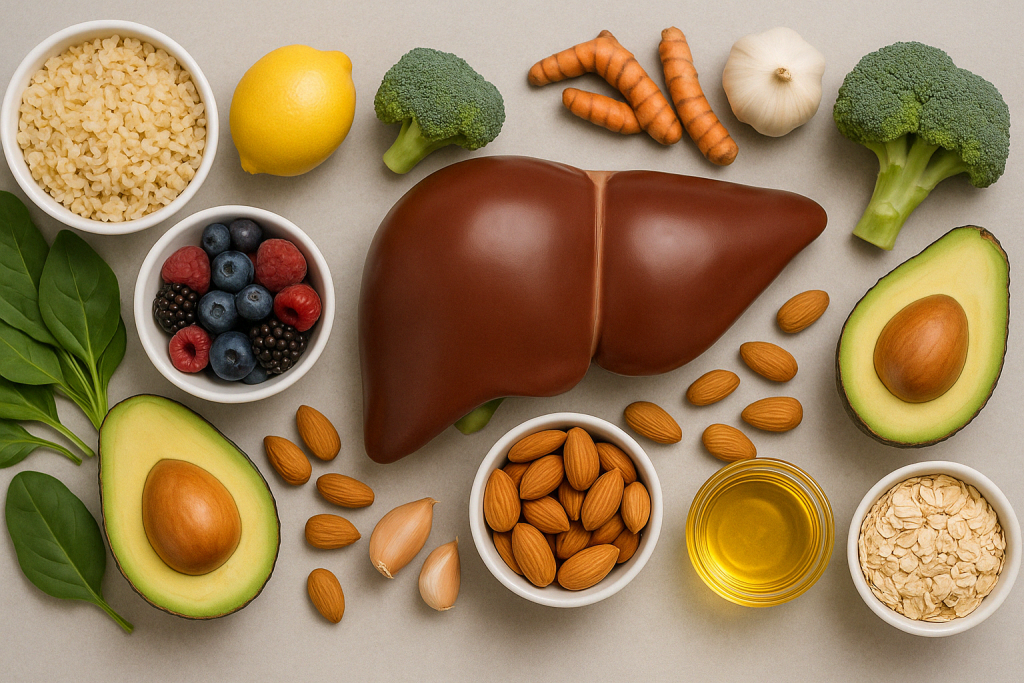
Here’s what a liver-loving plate should include:
- Leafy greens: Spinach, kale, and arugula help neutralise heavy metals and support bile production.
- Cruciferous vegetables: Broccoli, cauliflower, and Brussels sprouts boost detox enzymes.
- Turmeric: Curcumin, its active compound, has anti-inflammatory and antioxidant properties.
- Garlic: Helps activate liver detox enzymes and reduce fat accumulation.
- Berries: Packed with antioxidants that reduce oxidative stress and inflammation.
- Healthy fats: Nuts, seeds, avocados, and olive oil help reduce fatty build-up.
- Whole grains: Oats, brown rice, and millets help maintain insulin sensitivity, important for liver health.
5 Simple Habits to Protect Your Liver Every Day
- Cut down on sugar and refined carbs
- Avoid excessive alcohol and processed foods
- Eat more fibre and antioxidant-rich foods
- Stay physically active
- Get regular liver check-ups, especially if you’re at risk
Nourish to Flourish
On this World Liver Day, let’s move beyond reactive healthcare. By embracing the “Food as Medicine” philosophy, we can actively support our liver, not just avoid harming it.
Your liver doesn’t ask for much—just a little love at the dining table. So the next time you plan a meal, ask yourself: Is this helping or hurting my liver? Because every bite counts.
#BeTheForce
Disclaimer: The information provided in this blog is for general awareness and educational purposes only. It is not intended to replace professional medical advice, diagnosis, or treatment. Always consult a qualified healthcare provider for personalised medical guidance or concerns related to your health.
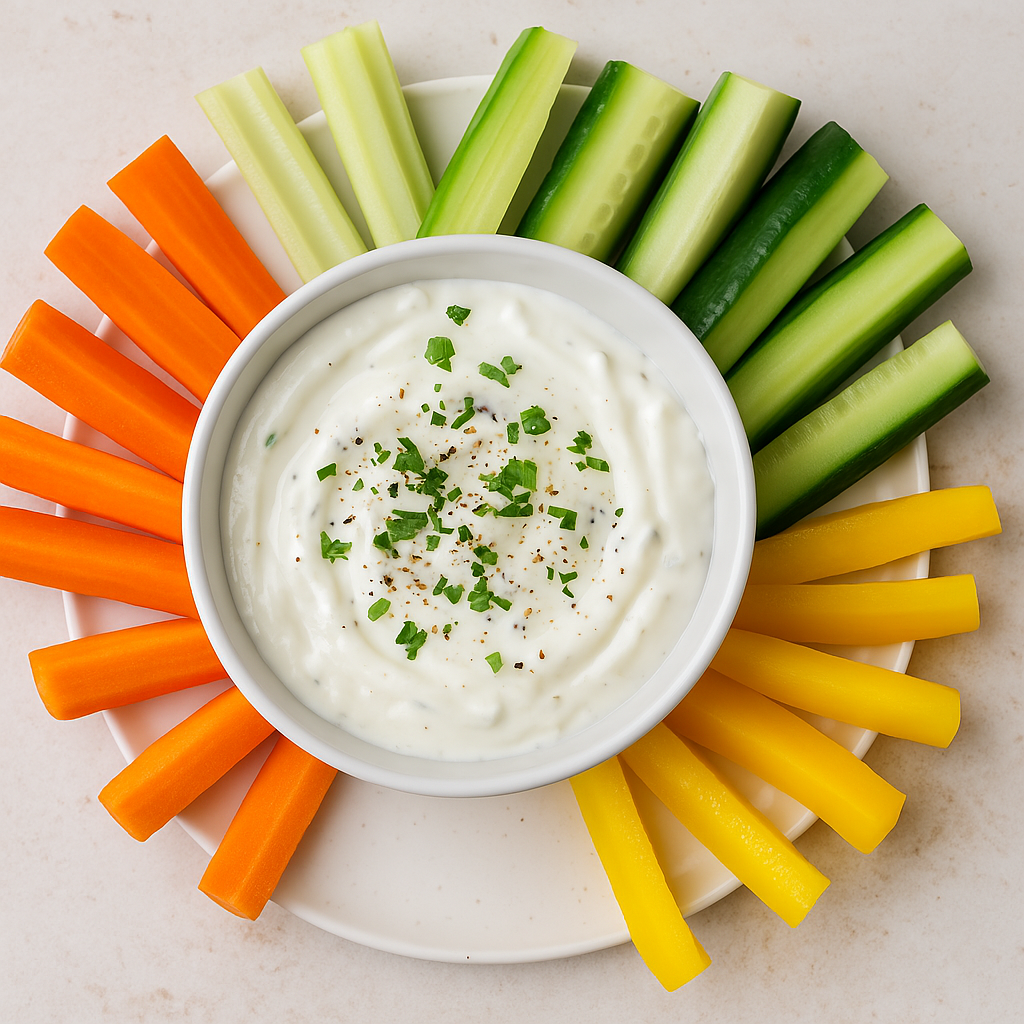
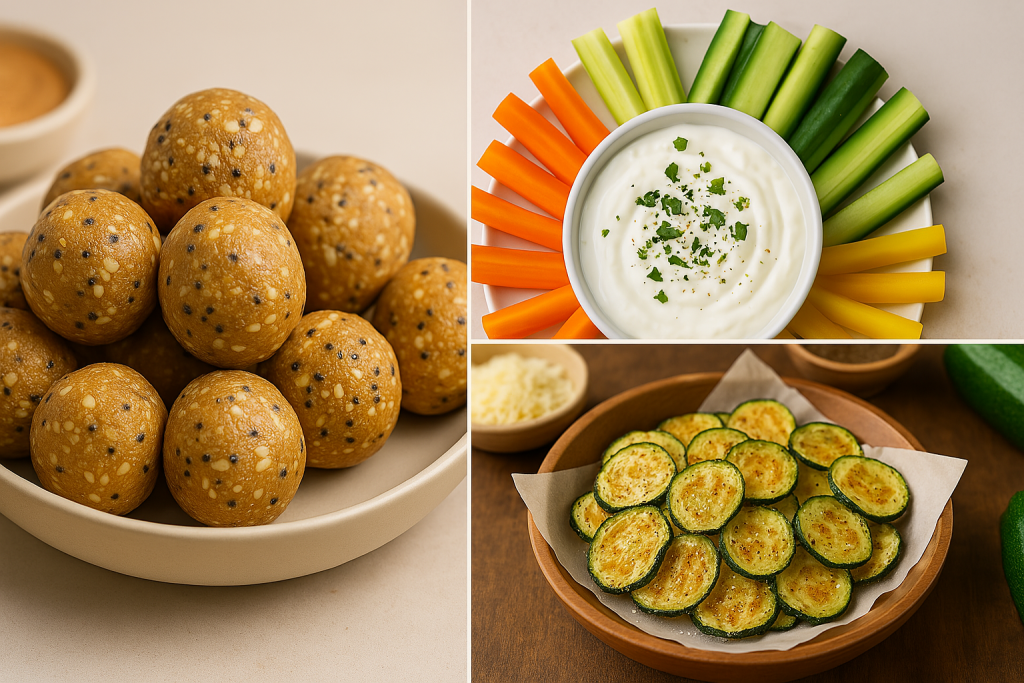 Snacking can be a source of sustained energy or an easy way to derail your nutrition goals. With the right choices, you can enjoy delicious snacks that keep you full, fuel your body, and support your well-being without unnecessary sugars or empty calories.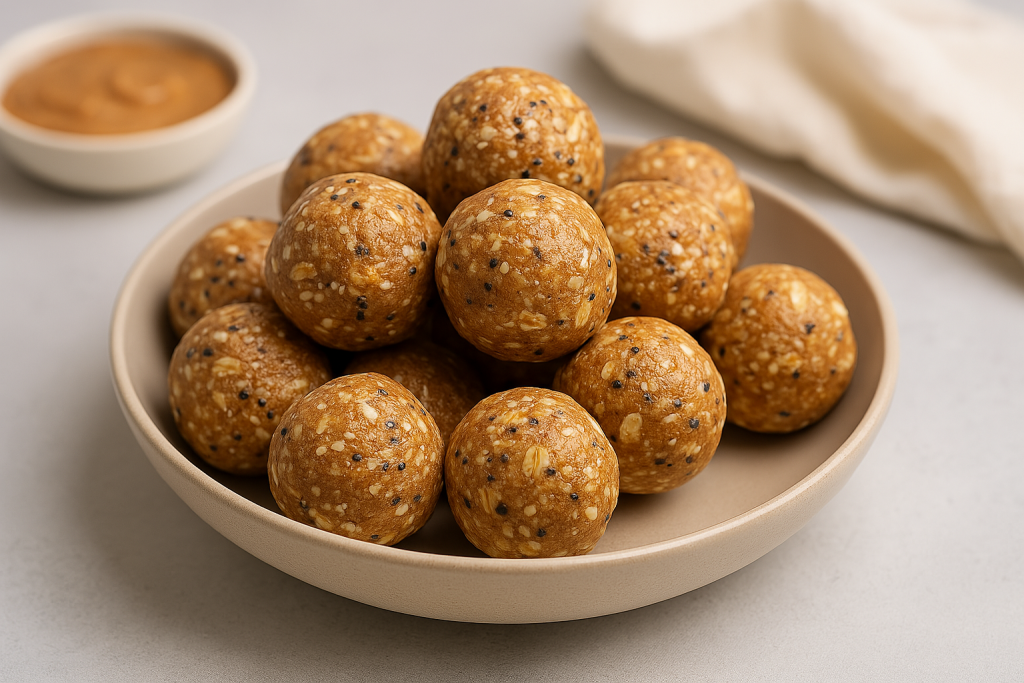
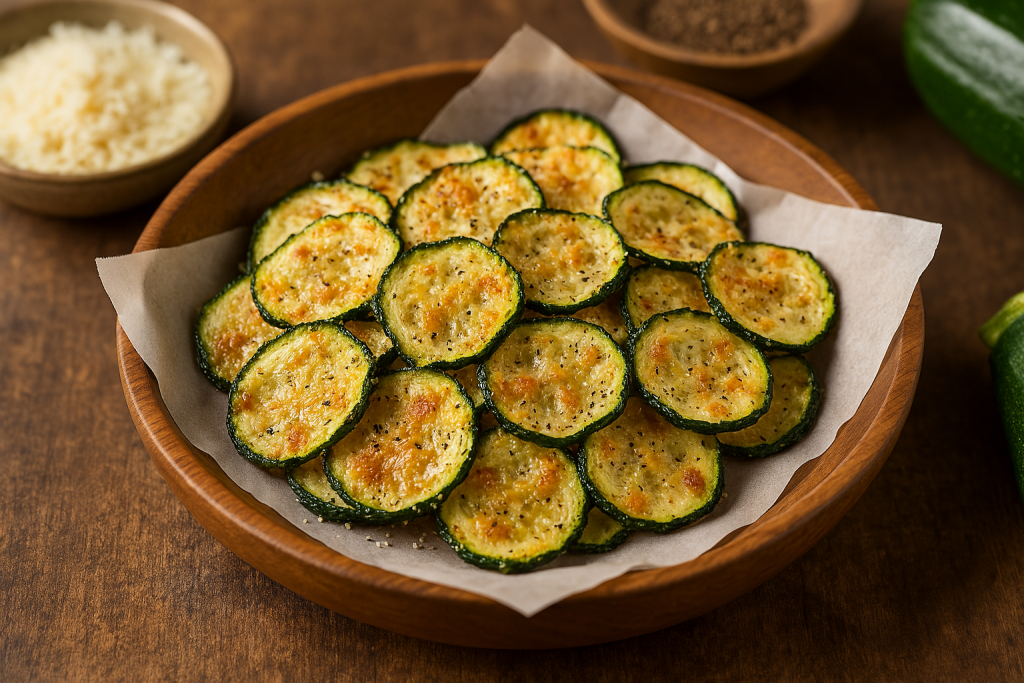
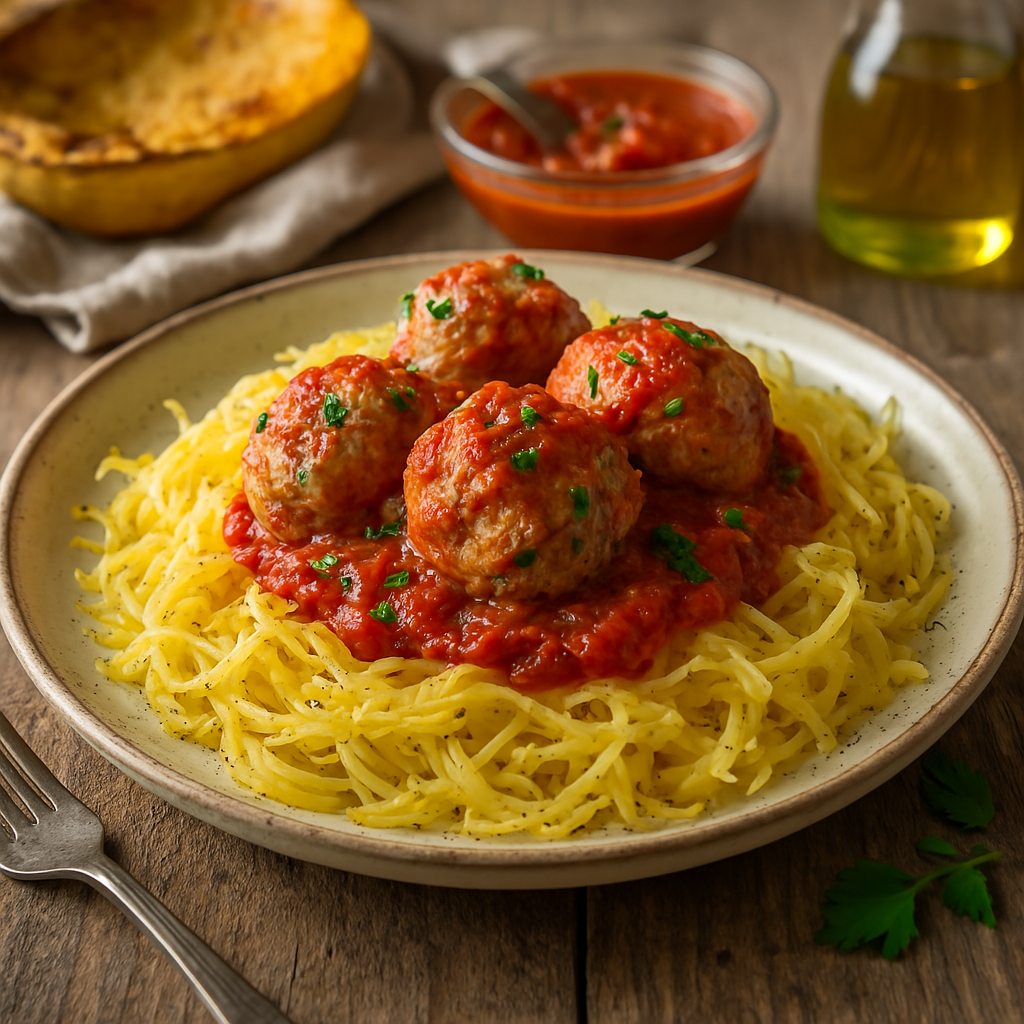
 Eating well doesn’t mean giving up on flavour. These diabetes-friendly dinners are proof that you can enjoy delicious meals while keeping your blood sugar levels stable. Full of healthy fats, protein, and fiber, these low-carb dishes will help you feel satisfied and nourished without the post-dinner sluggishness.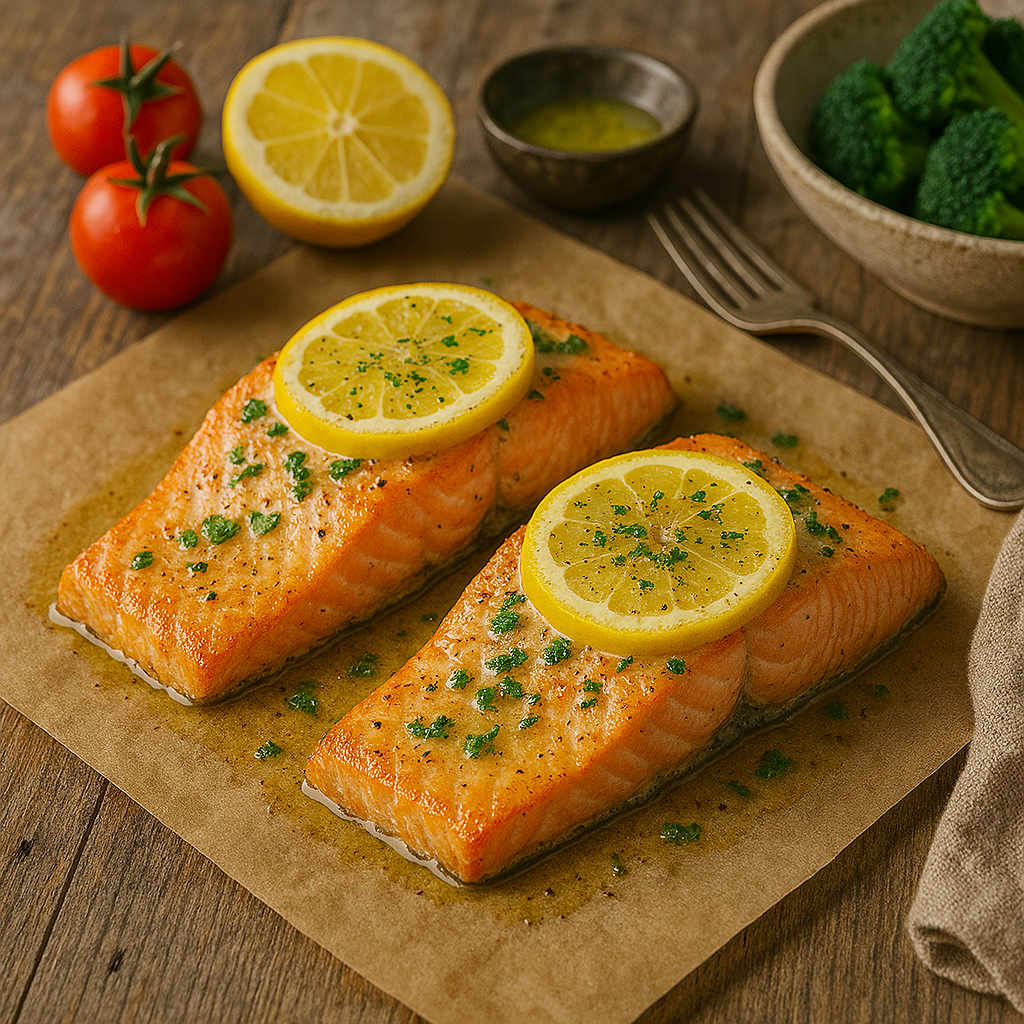
 Managing diabetes goes beyond just watching your sugar intake—it requires a deeper understanding of how different foods affect your blood sugar levels. One of the most effective and simple tools to gain this insight is keeping a food diary.


