GOQii

Blog

  • HOME
  • HEALTHY LIVING
  • FITNESS
  • HEALTHY RECIPES
  • USER STORIES
  • KARMA
  • BUY GOQii

August 4, 2026 By GOQii 3 Comments

Healthy Homemade Kadha for Monsoon Season: A Traditional Remedy for Seasonal Wellness

Homemade Remedy For Monsoon Illnesses - Decoction Syrup or Kadha RecipeThe Big Question

Can a traditional homemade kadha help you feel better during the monsoon season?

The arrival of the monsoon brings welcome relief from the heat, but it also marks the season of coughs, colds, sore throats and other common viral infections. Damp weather, fluctuating temperatures and increased exposure to seasonal viruses make it easier to fall ill.

While there is no herbal drink that can prevent or cure viral infections, warm fluids and traditional spice-based beverages like kadha have long been used in Indian households to soothe common cold symptoms and provide comfort during seasonal illnesses.

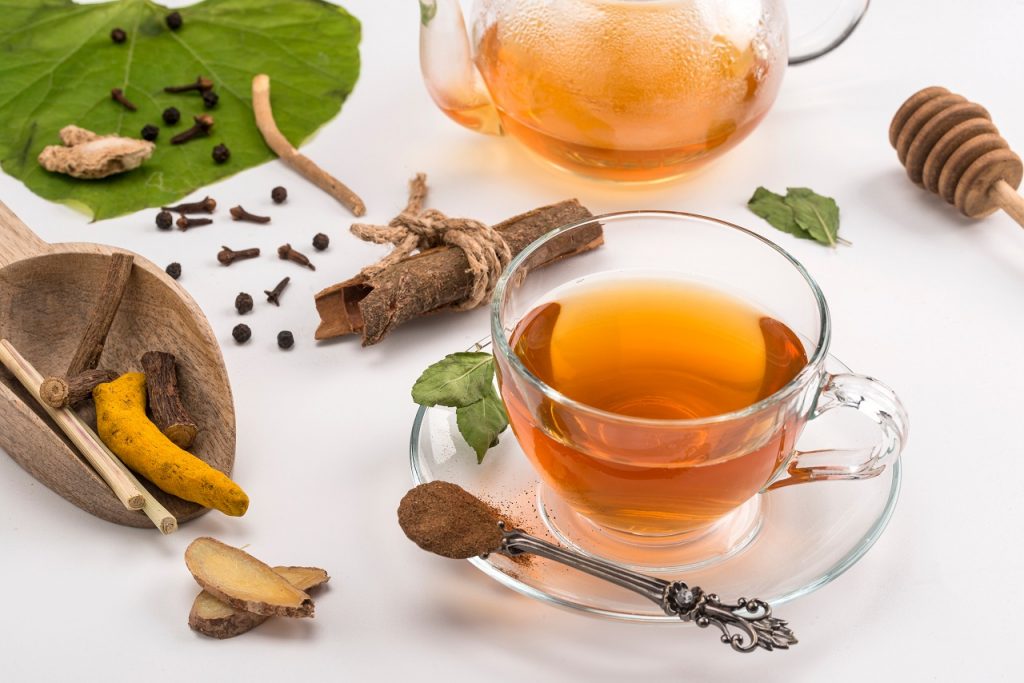
Prepared with herbs and spices such as ginger, tulsi, cloves and black pepper, this traditional decoction is warming, aromatic and packed with ingredients that contain naturally occurring plant compounds studied for their antioxidant and anti-inflammatory properties.

If you’re looking for a comforting homemade drink during the rainy season, here’s a simple kadha recipe that’s easy to prepare.

Quick Answer

What is the best homemade kadha for the monsoon?

A traditional kadha made using ginger, tulsi, cloves, black pepper, cardamom and liquorice root can be a soothing warm beverage during the monsoon. While it is not a cure for viral infections, drinking warm fluids may help relieve throat irritation, improve comfort and support hydration when you’re feeling under the weather.

Why These Ingredients Are Traditionally Used

  • Ginger

Fresh ginger contains naturally occurring compounds called gingerols, which have been studied for their antioxidant and anti-inflammatory properties.

It is traditionally used to:

  • Soothe sore throats
  • Support digestion
  • Relieve nausea
  • Provide a warming sensation
  • Garlic

Garlic contains allicin, a sulphur-containing compound that has been widely studied for its antimicrobial properties in laboratory settings.

Including garlic as part of a balanced diet may contribute to overall health.

  • Tulsi (Holy Basil)

Tulsi has been used in traditional medicine for centuries.

Research suggests it contains plant compounds with antioxidant properties and may help support overall wellness.

  • Black Pepper

Black pepper contains piperine, a naturally occurring compound that enhances the absorption of certain nutrients and spices.

It also adds warmth and flavour to the kadha.

  • Cloves

Cloves contain eugenol, a natural compound with antioxidant properties.

They also contribute a distinctive aroma and flavour.

  • Cardamom

Cardamom provides a refreshing flavour and is traditionally used to support digestion after meals.

  • Liquorice Root (Jeshtimadh)

Liquorice root has traditionally been used to soothe throat irritation.

Note: People with high blood pressure, kidney disease or those who are pregnant should consult their healthcare provider before consuming liquorice regularly.

  • Honey

Honey can help soothe a sore throat and may reduce coughing in adults and children over one year of age.

Never give honey to infants below one year of age.

  • Lemon

Fresh lemon adds vitamin C and a refreshing citrus flavour.

Although vitamin C does not prevent the common cold, adequate intake supports normal immune function.

Homemade Kadha Recipe

Ingredients

  • 2 cups water
  • 1-inch ginger, crushed
  • 1 garlic clove, lightly crushed
  • 2–3 cardamom pods
  • 3 whole black peppercorns
  • 2 cloves
  • Small piece of liquorice root (optional)
  • 4–5 fresh tulsi leaves
  • 1 teaspoon honey (added after cooling slightly)
  • Juice of half a lemon

Method

  1. Add water to a saucepan.
  2. Add ginger, garlic, pepper, cloves, cardamom, liquorice root and tulsi.
  3. Bring to a boil.
  4. Simmer until the liquid reduces by approximately half.
  5. Remove from heat.
  6. Allow the kadha to cool slightly before adding honey (to preserve its natural properties).
  7. Add fresh lemon juice.
  8. Strain and serve warm.

Tips for the Best Kadha

  • Drink it warm not piping hot.
  • Prepare fresh whenever possible.
  • Adjust ginger and pepper according to your spice tolerance.
  • If you have acid reflux, reduce the quantity of pepper and ginger.
  • Honey should only be added after the drink has cooled slightly.

Who Should Be Careful?

Although kadha is made from common kitchen ingredients, it may not be suitable for everyone.

Speak with your healthcare provider if you:

  • Are pregnant or breastfeeding
  • Have uncontrolled high blood pressure
  • Have chronic kidney disease
  • Take blood-thinning medication
  • Have frequent acidity or stomach ulcers

What Kadha Can and Cannot Do

Kadha May:

✔ Provide a comforting warm drink

✔ Help soothe throat irritation

✔ Support hydration

✔ Be part of a healthy lifestyle

Kadha Cannot:

✖ Cure viral infections

✖ Replace antibiotics when bacterial infections are present

✖ Replace medical treatment for high fever, pneumonia or severe illness

When Should You See a Doctor?

Seek medical attention if you experience:

  • Fever lasting more than 2–3 days
  • Difficulty breathing
  • Persistent chest pain
  • Severe dehydration
  • Blood in sputum
  • Symptoms that worsen instead of improving

Home remedies should never delay appropriate medical care.

Traditional recipes like homemade kadha have been passed down through generations for good reason they provide warmth, comfort and a sense of care during seasonal illnesses.

While kadha isn’t a cure for viral infections, it can be part of a healthy routine that includes adequate rest, hydration, nutritious food and timely medical care when needed.

Think of it as one supportive tool not the entire treatment plan.

Pro Tip: Building immunity isn’t about one drink it’s about your everyday habits. Track your hydration, nutrition, sleep and physical activity using the GOQii App. Your GOQii Personalised Health Coach can help you build sustainable habits that support immune health throughout the year.

Frequently Asked Questions (FAQs)

  1. Can I drink kadha every day?

Yes, in moderation. If you’re consuming it regularly, avoid making it overly concentrated, especially if you’re sensitive to spices or have acidity.

  1. Is kadha safe for children?

Children can have mild, diluted versions, but avoid giving honey to infants below one year of age. Consult your paediatrician if your child is unwell.

  1. Does kadha cure the common cold?

No. There is no scientific evidence that kadha cures viral infections. However, warm fluids may help relieve sore throat discomfort and congestion while your body recovers.

  1. Can I store kadha?

Freshly prepared kadha is best. If needed, refrigerate it for up to 24 hours and reheat gently before drinking.

#BeTheForce

Disclaimer: This recipe is intended for educational purposes only and should not replace professional medical advice, diagnosis or treatment. Herbal preparations may interact with certain medications or medical conditions. If you have persistent fever, breathing difficulty or worsening symptoms, consult a qualified healthcare professional promptly.
July 28, 2026 By GOQii Leave a Comment

World Hepatitis Day 2026: “Let’s Break It Down” – 6 Habits to Protect Your Liver

The Big Question – Your liver works around the clock to keep you healthy but how often do you think about protecting it?
From filtering toxins and supporting digestion to storing energy and producing essential proteins, your liver performs hundreds of vital functions every day. Yet liver disease often develops silently, with few or no symptoms until significant damage has already occurred.

Many people believe liver disease is caused only by excessive alcohol consumption. In reality, viral hepatitis remains one of the leading causes of liver inflammation worldwide, affecting millions of people who may not even know they are infected.

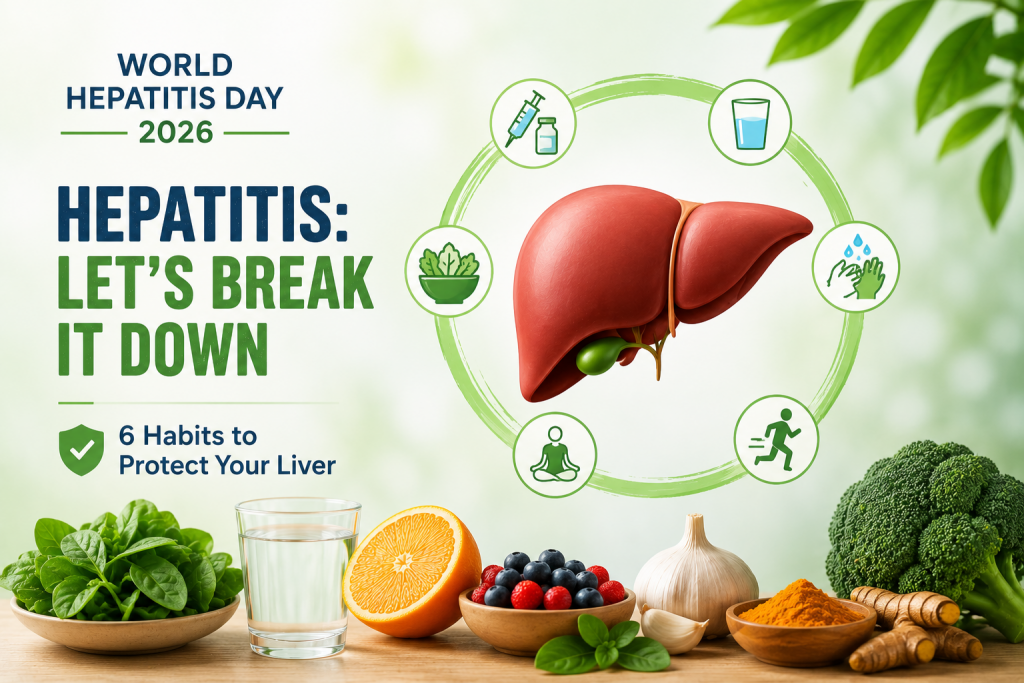
The theme for World Hepatitis Day 2026 is “Hepatitis: Let’s break it down.” The campaign calls for breaking down the social, financial and systemic barriers that prevent people from accessing hepatitis prevention, testing, vaccination and treatment. It also encourages us to break down the stigma and misinformation surrounding hepatitis as the world works towards eliminating viral hepatitis as a public health threat by 2030.

This World Hepatitis Day, let’s break down liver health into simple, practical habits that can help protect you and your family.

Quick Answer

What is the theme for World Hepatitis Day 2026?

The official theme is “Hepatitis: Let’s break it down.”

The campaign focuses on:

  • Breaking down barriers to testing and treatment
  • Improving access to vaccination
  • Reducing stigma surrounding hepatitis
  • Accelerating progress towards hepatitis elimination by 2030

You can protect yourself by:

  • Getting vaccinated against Hepatitis A and B (where appropriate)
  • Drinking safe, clean water
  • Practising good food hygiene
  • Avoiding shared needles and personal grooming items
  • Maintaining a healthy lifestyle that supports liver health

Understanding the Different Types of Hepatitis

“Hepatitis” simply means inflammation of the liver, but several different viruses can cause it.

Type How It Spreads Vaccine Available? Can It Become Chronic?
Hepatitis A      Contaminated food or water ✅ Yes Rare
Hepatitis B Blood and body fluids ✅ Yes Yes
Hepatitis C Blood-to-blood contact ❌ No Yes
Hepatitis D Occurs only with Hepatitis B infection Indirectly prevented through Hepatitis B vaccination Yes
Hepatitis E Contaminated food or water Limited availability in some countries Rare

Hepatitis A and E usually cause acute (short-term) illness, while Hepatitis B, C and D may become chronic, increasing the risk of cirrhosis and liver cancer if left untreated.

Why “Let’s Break It Down” Matters

One of the biggest barriers to hepatitis elimination is misinformation.

Many people avoid testing because they fear discrimination or incorrectly assume hepatitis only affects people who consume alcohol or use drugs.

The reality is very different.

Anyone can be affected.

Modern medicine has transformed hepatitis care:

  • Hepatitis C is now curable in the vast majority of people with direct-acting antiviral medications.
  • Chronic Hepatitis B can often be effectively managed with long-term treatment and regular medical follow-up.
  • Early diagnosis significantly improves long-term outcomes.

Breaking the stigma begins with education and open conversations.

6 Science-Backed Habits to Protect Your Liver

  1. Choose Safe Water and Practise Good Food Hygiene

Hepatitis A and E are commonly spread through contaminated food and water.

Reduce your risk by:

  • Drinking boiled or filtered water
  • Washing fruits and vegetables thoroughly
  • Eating freshly prepared food
  • Avoiding undercooked shellfish and seafood
  • Being cautious with street food during the monsoon season

Safe food and water remain some of the simplest and most effective ways to prevent infection.

  1. Stay Up to Date with Vaccinations

Vaccination is one of the most effective ways to prevent viral hepatitis.

Highly effective vaccines are available for:

  • Hepatitis A
  • Hepatitis B

In India, Hepatitis B vaccination is included in the Universal Immunization Programme, helping protect infants and children from infection.

Adults who are unvaccinated or at higher risk should speak with their healthcare provider about vaccination.

  1. Never Share Personal Items That May Come into Contact with Blood

Hepatitis B and C can spread through microscopic amounts of infected blood.

Never share:

  • Razors
  • Toothbrushes
  • Nail clippers
  • Glucose monitoring equipment
  • Needles or syringes

If you’re getting a tattoo, piercing or dental procedure, ensure that sterile, single-use equipment is used.

  1. Eat to Support Liver Health

Your daily diet plays an important role in supporting liver function and reducing the risk of Non-Alcoholic Fatty Liver Disease (NAFLD), which is increasingly common alongside obesity and Type 2 diabetes.

Build a liver-friendly plate by including:

Colourful Fruits and Vegetables

Berries, leafy greens, citrus fruits and carrots provide antioxidants that help protect cells from oxidative stress.

Healthy Fats

Walnuts, flaxseeds, olive oil and fatty fish support heart and metabolic health.

Whole Grains and Fibre

Whole grains, legumes and vegetables support digestive health and help maintain a healthy weight.

Herbs and Spices

Garlic and turmeric contain naturally occurring compounds that are being studied for their antioxidant and anti-inflammatory properties and can be included as part of a balanced diet.

  1. Limit Alcohol and Avoid Unnecessary Medications

Your liver processes everything you consume.

Excessive alcohol intake can damage liver cells over time and increase the risk of fatty liver disease, hepatitis and cirrhosis.

Similarly, avoid taking painkillers, supplements or herbal remedies in excessive amounts or without medical advice, as some products may harm the liver.

Always follow the recommended dosage and consult your healthcare provider if you have existing liver disease.

  1. Stay Physically Active

Regular exercise supports liver health by helping maintain a healthy weight and reducing excess liver fat.

Aim for at least:

  • 150 minutes of moderate-intensity physical activity each week
  • Strength training on 2 or more days per week

Even brisk walking can make a meaningful difference.

Who Should Consider Hepatitis Screening?

Because chronic hepatitis may not cause symptoms for many years, screening is important for people at increased risk.

Speak with your healthcare provider if you:

  • Have a family history of hepatitis or liver disease
  • Work in healthcare
  • Received blood transfusions before improved screening practices
  • Have diabetes or fatty liver disease
  • Have multiple sexual partners
  • Share needles or injecting equipment
  • Have unexplained liver enzyme abnormalities

Early diagnosis allows timely treatment and helps prevent complications.

Myth vs Fact

Myth:

“I don’t drink alcohol, so I don’t need to worry about liver disease.”

Fact:

Liver disease can develop due to viral hepatitis, fatty liver disease, certain medications, autoimmune conditions and inherited disorders even in people who never consume alcohol.

When Should You See a Doctor?

Seek medical attention if you experience:

  • Yellowing of the skin or eyes (jaundice)
  • Persistent fatigue
  • Dark urine
  • Pale stools
  • Abdominal swelling or pain
  • Unexplained nausea or loss of appetite

These symptoms require medical evaluation and should not be ignored.

Your liver works tirelessly to keep your body healthy every single day.

This World Hepatitis Day 2026, answer the call to “Let’s break it down.”

Break down stigma.

Break down misinformation.

Break down barriers to testing and vaccination.

Simple steps such as practising good hygiene, staying physically active, eating a balanced diet, getting vaccinated and seeking timely screening can go a long way in protecting your liver and supporting the global effort to eliminate viral hepatitis by 2030.

Want to support your liver health every day? Use the GOQii App to monitor your nutrition, hydration, physical activity and sleep. Your GOQii Personalised Health Coach can help you build sustainable lifestyle habits that support liver health, metabolic wellness and long-term disease prevention.

Frequently Asked Questions (FAQs)

  1. What is the theme for World Hepatitis Day 2026?

The official theme is “Hepatitis: Let’s break it down.” It focuses on improving access to prevention, testing, vaccination and treatment while eliminating stigma.

  1. What is the difference between Hepatitis A, B and C?

Hepatitis A spreads mainly through contaminated food and water and usually causes short-term illness. Hepatitis B and C spread primarily through infected blood and body fluids and may become chronic if left untreated.

  1. Can viral hepatitis be cured?

Hepatitis A and E usually resolve on their own with supportive care. Hepatitis C is curable in more than 95% of cases with modern antiviral treatment. Chronic Hepatitis B can often be effectively managed, although it cannot always be completely cured.

  1. Are vaccines available for all types of hepatitis?

No. Effective vaccines are available for Hepatitis A and Hepatitis B. There is currently no vaccine for Hepatitis C.

  1. Can fatty liver disease become serious?

Yes. If left unmanaged, fatty liver disease can progress to liver inflammation, fibrosis and, in some cases, cirrhosis. Maintaining a healthy weight, eating a balanced diet and exercising regularly can help reduce the risk.

  1. Can hepatitis spread through food?

Only certain types. Hepatitis A and Hepatitis E are commonly spread through contaminated food and water. Hepatitis B and C spread through infected blood and body fluids.

#BeTheForce

Disclaimer: This article is intended for educational purposes only and should not replace professional medical advice, diagnosis or treatment. Viral hepatitis requires laboratory testing for diagnosis. If you believe you have been exposed to hepatitis or have symptoms suggestive of liver disease, consult a qualified healthcare professional or gastroenterologist promptly.

July 21, 2026 By GOQii Leave a Comment

Hormones and Longevity: Why Midlife Health Depends on Hormonal Balance

The Big Question: Why do the habits that worked effortlessly in your twenties suddenly seem less effective after 40?

Perhaps you’re exercising as much as before, but the weight won’t budge. You’re eating well, yet your energy levels fluctuate. Sleep isn’t as refreshing, recovery takes longer, and stress feels harder to shake off. While lifestyle certainly plays a role, another important factor is often at work your hormones.

Hormones are chemical messengers that regulate nearly every function in your body, including metabolism, sleep, appetite, muscle maintenance, mood, and reproduction. As we move through midlife, natural hormonal changes begin to influence how our bodies function. Understanding these changes and adapting your lifestyle accordingly can help you stay healthier, stronger, and more energetic for years to come.

Why Hormonal Balance Matters for Healthy Ageing

Hormones work together like an orchestra. When they’re in balance, your body can regulate energy, repair tissues, maintain muscle, support bone health, and respond appropriately to stress.

As hormone levels naturally change with age, you may notice:

  • Reduced energy
  • Changes in body composition
  • Slower recovery after exercise
  • Poorer sleep quality
  • Mood changes
  • Reduced muscle strength
  • Increased abdominal fat

These changes are a normal part of ageing, but healthy lifestyle habits can help you adapt and maintain good metabolic health.

Testosterone and Men: A Gradual Transition

Unlike the abrupt hormonal changes experienced by women during menopause, testosterone levels in men generally decline gradually with age. Testosterone contributes to muscle mass, bone health, red blood cell production, libido, and physical performance.

Some men may notice:

  • Reduced muscle strength
  • Slower recovery
  • Increased body fat
  • Lower motivation for exercise

While ageing is inevitable, healthy habits can support overall hormonal health.

What Helps?

  • Resistance training
  • Adequate protein intake
  • Maintaining a healthy body weight
  • Prioritising quality sleep
  • Managing chronic stress

These habits support healthy testosterone levels within your body’s normal physiological range but should not be viewed as replacements for medical evaluation if symptoms are significant.

Perimenopause and Menopause: A Time of Transition

For women, hormonal changes often begin several years before menopause during a phase known as perimenopause. During this transition, levels of oestrogen and progesterone fluctuate, leading to symptoms that vary considerably from person to person.

Some women experience:

  • Irregular menstrual cycles
  • Hot flushes and night sweats
  • Sleep disturbances
  • Mood changes
  • Increased abdominal fat
  • Reduced muscle mass

Every woman’s experience is different. Some notice only mild symptoms, while others experience significant changes that may affect their quality of life. Rather than focusing solely on calorie restriction, midlife nutrition should prioritise preserving muscle, supporting bone health, and maintaining metabolic wellbeing.

Don’t Forget Insulin

When discussing hormones, insulin is often overlooked, yet it plays a central role in healthy ageing. Insulin helps move glucose from your bloodstream into your cells for energy.

Over time, poor sleep, physical inactivity, excess body fat, and chronic stress can reduce insulin sensitivity. Supporting insulin sensitivity through regular exercise, balanced meals, and maintaining a healthy weight contributes to healthier ageing and reduces the risk of developing metabolic diseases.

Cortisol: When Stress Doesn’t Switch Off

Cortisol is your body’s primary stress hormone. It plays an essential role in helping you respond to physical and emotional challenges. Problems arise when stress becomes chronic.

Long working hours, inadequate sleep, constant notifications, and insufficient recovery can contribute to persistently elevated cortisol levels in some individuals. Over time, chronic stress may contribute to:

  • Poor sleep quality
  • Increased appetite
  • Abdominal fat accumulation
  • Reduced exercise recovery
  • Lower energy levels

Managing stress is therefore just as important as maintaining a healthy diet and exercise routine.

Four Daily Habits That Support Hormonal Health

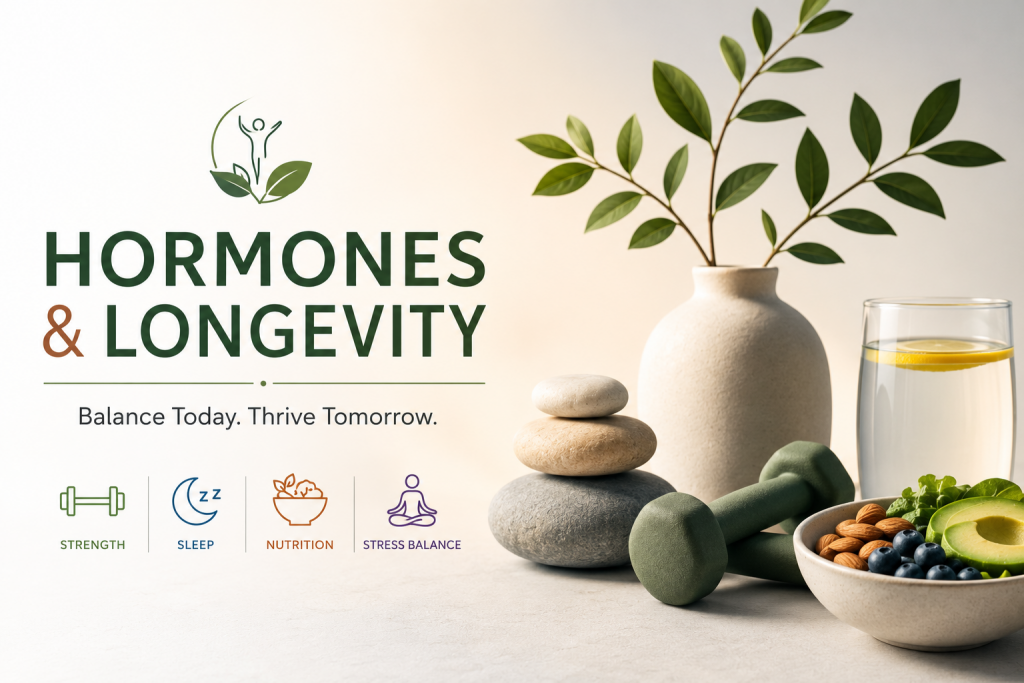
  1. Prioritise Strength Training

Muscle naturally declines with age. Aim to include strength training at least two to three times per week. Resistance training helps maintain:

  • Lean muscle mass
  • Bone strength
  • Functional independence
  • Insulin sensitivity
  1. Protect Your Sleep

Sleep is when many important repair processes occur. Good sleep supports the healthy regulation of cortisol, appetite-related hormones, and overall recovery. To improve sleep quality:

  • Keep a regular sleep schedule.
  • Reduce screen exposure before bedtime.
  • Limit caffeine later in the day.
  • Create a cool, dark sleeping environment.
  1. Eat for Long-Term Health

Your diet provides the nutrients needed for normal hormone production and metabolic health. Rather than following restrictive diets, focus on consistency and overall dietary quality. Build meals around:

  • High-quality protein
  • Whole grains
  • Healthy fats
  • Fruits and vegetables
  • Nuts and seeds
  1. Manage Stress Every Day

Stress management isn’t a luxury it’s part of healthy ageing. Even a few minutes of intentional relaxation each day can support overall wellbeing. Helpful strategies include:

  • Walking outdoors
  • Yoga or meditation
  • Deep breathing exercises
  • Spending time with family and friends
  • Engaging in enjoyable hobbies

When Should You Seek Medical Advice?

While hormonal changes are a normal part of ageing, some symptoms deserve professional evaluation. Speak with your healthcare provider if you experience:

  • Persistent fatigue
  • Unexplained weight changes
  • Erectile dysfunction or significant loss of libido
  • Severe hot flushes or irregular menstrual bleeding
  • Persistent mood changes
  • Difficulty sleeping despite healthy habits

Your doctor can determine whether hormone testing or other investigations are appropriate.

Hormonal changes are a natural part of ageing not a sign that your body is failing. The habits that served you in your twenties may need to evolve as your body changes, but that doesn’t mean your best years are behind you.

By prioritising strength training, nourishing your body with balanced nutrition, managing stress, and protecting your sleep, you can support healthy ageing and maintain your energy, mobility, and resilience throughout midlife and beyond. Longevity isn’t simply about living longer it’s about living well.

Pro Tip: Midlife is the perfect time to become more intentional about your health. Use the GOQii App to monitor your sleep, physical activity, nutrition, and recovery. Your GOQii Personalised Health Coach can help you build a sustainable lifestyle plan that supports healthy ageing through personalised guidance on exercise, stress management, and nutrition.

Frequently Asked Questions (FAQs)

  1. Is it normal to gain belly fat during midlife?

Changes in hormone levels, reduced muscle mass, lower physical activity, and lifestyle factors can all influence body composition during midlife. Strength training, balanced nutrition, and regular exercise can help support a healthy body composition.

  1. Can lifestyle changes improve hormonal health?

Healthy habits such as regular exercise, quality sleep, stress management, and a balanced diet support overall hormonal health. However, they do not replace medical treatment when a clinically significant hormonal disorder is present.

  1. Why is strength training especially important after 40?

Strength training helps preserve muscle mass, maintain bone density, improve insulin sensitivity, and support functional independence as we age.

  1. Does poor sleep affect hormones?

Yes. Inadequate sleep can influence hormones involved in appetite regulation, stress response, and recovery. Improving sleep quality is an important part of maintaining overall health.

  1. Should I have my hormone levels tested?

Routine hormone testing isn’t necessary for everyone. If you’re experiencing persistent symptoms such as severe fatigue, erectile dysfunction, hot flushes, irregular menstrual cycles, or unexplained weight changes, consult your healthcare provider. They can determine whether testing is appropriate.

#BeTheForce

Disclaimer: This article is intended for educational purposes only and should not replace professional medical advice, diagnosis, or treatment. Hormonal changes vary from person to person. If you have persistent symptoms or concerns about your hormonal health, consult a qualified healthcare professional or endocrinologist for personalised evaluation and guidance.

July 19, 2026 By GOQii Leave a Comment

National Ice Cream Day: A Guide to Mindful & Healthy Indulgence

The Big Question: Can you enjoy your favourite ice cream without compromising your health or fitness goals?


Every year, on the third Sunday of July, ice cream lovers around the world celebrate National Ice Cream Day. Whether it’s a classic scoop of vanilla, decadent chocolate, fruity sorbet or a nostalgic local favourite, ice cream has long been associated with celebrations, childhood memories and simple moments of joy.

For many people, however, enjoying dessert often comes with a side of guilt especially if they’re trying to lose weight, manage diabetes or simply eat healthier. The good news? You don’t have to choose between complete restriction and overindulgence. By making mindful choices and understanding how your body responds to sweet treats, you can celebrate National Ice Cream Day while staying on track with your health goals.

Can Ice Cream Be Part of a Healthy Diet?

Yes, in moderation. Ice cream isn’t a “health food,” but it doesn’t have to be completely off-limits either.

Like many treats, its impact depends heavily on your portion size, how often you eat it, the type of ice cream you choose, your overall eating pattern, and your physical activity levels. A balanced lifestyle isn’t built on one dessert—it reflects the choices you make consistently over time.

Why Is Ice Cream So Easy to Overeat?

Ice cream combines sweetness, creaminess and fat in a way that’s highly enjoyable for many people. These qualities activate the brain’s reward pathways, making it easy to go back for “just one more scoop.”

At the same time, many commercial ice creams are high in added sugars and saturated fats. Eating large portions, particularly on an empty stomach may lead to a larger rise in blood glucose compared with eating dessert after a balanced meal. Understanding these factors can help you enjoy ice cream more consciously instead of eating it mindlessly.

What Does Ice Cream Actually Provide?

Although often considered an indulgence, dairy-based ice cream can contribute small amounts of calcium, protein, vitamin B12, and phosphorus.

However, these nutrients should be viewed alongside its sugar, saturated fat and calorie content. For everyday nutrition, whole foods such as milk, yoghurt, fruits and nuts remain much better sources of these essential nutrients.

5 Smart Ways to Enjoy Ice Cream Mindfully

  1. Serve a Sensible Portion

Avoid eating directly from the tub. Instead, scoop a serving into a small bowl. A typical serving is about ½ cup (65–75 g), although this varies between brands. Using a bowl makes portion sizes easier to recognise and helps prevent accidental overeating.

  1. Enjoy It After a Balanced Meal

Rather than eating ice cream on an empty stomach, enjoy it after a meal that contains protein, fibre, and healthy fats. This combination helps slow down digestion and reduces rapid changes in blood glucose levels compared with eating a dessert alone.

  1. Eat Slowly

Slow down and savour every bite. Avoid eating while watching television or scrolling through your phone. Mindful eating helps you appreciate flavour and texture while giving your body’s hunger and fullness signals time to work.

  1. Choose Toppings Wisely

Toppings can quickly add extra sugar and calories. Swap the sugary additions for nutrient-dense options:

  • Skip: Chocolate syrup, caramel sauce, and crushed cookies.
  • Choose: Fresh berries, chopped almonds, pistachios, and unsweetened cocoa nibs. These options add texture and nutrients without excessive added sugar.
  1. Read the Nutrition Label

Not all ice creams are the same. Always compare the added sugar, calories, saturated fat, protein, and serving size. Sometimes a premium ice cream contains two to three times the calories of a lighter option.

Healthier Frozen Dessert Alternatives

If you’d like to enjoy something frozen more often, consider these nutrient-rich alternatives:

Dessert Main Ingredients Why You’ll Love It
Banana Nice Cream Frozen bananas blended with a splash of milk or plant-based drink. Naturally sweet, creamy and rich in potassium.
Greek Yoghurt Popsicles Greek yoghurt blended with fresh berries. Higher in protein and contains probiotics.
Frozen Greek Yoghurt  Bark    Greek yoghurt topped with fruit and nuts. Crunchy, refreshing and protein-rich.
Fresh Fruit Sorbet Frozen mango, watermelon or berries. Naturally sweet and hydrating.
Berry Smoothie Bowl Frozen berries, yoghurt and seeds. Fibre-rich and packed with antioxidants.

Can People with Diabetes Enjoy Ice Cream?

People living with diabetes don’t necessarily have to avoid ice cream altogether. Smaller portions, occasional consumption and including dessert as part of a balanced meal may help reduce large blood glucose fluctuations. It’s always best to discuss individual dietary choices with your healthcare provider or registered dietitian.

A Simple Trick to Support Blood Sugar

One simple habit that may help after enjoying dessert is taking a 10–15 minute walk. Light physical activity after meals encourages muscles to use glucose for energy and supports healthy blood sugar management.

Healthy eating isn’t defined by one dessert or one day. Enjoying a scoop of ice cream on National Ice Cream Day won’t undo months of healthy habits, just as one healthy meal won’t transform your health overnight.

The key is balance. Enjoy your favourite flavour, savour it mindfully, keep portions reasonable and return to your usual healthy eating pattern afterwards. Consistency not perfection is what supports long-term health.

Pro Tip: Love desserts but want to stay on track? Use the GOQii App to log your meals, monitor your activity and build healthier habits over time. Your GOQii Personalised Health Coach can help you enjoy your favourite foods while creating a nutrition plan that’s realistic, sustainable and tailored to your goals.

Frequently Asked Questions (FAQs)

  1. Can I eat ice cream if I’m trying to lose weight?

Yes. Weight management depends on your overall calorie intake and lifestyle. An occasional small serving of ice cream can fit into a balanced eating plan.

  1. What is banana “nice cream”?

Banana nice cream is a dairy-free frozen dessert made by blending frozen ripe bananas until smooth. You can customise it with cocoa powder, berries or nut butter.

  1. Is sugar-free ice cream healthier?

Not always. While sugar-free varieties may contain less added sugar, some products include sugar alcohols or artificial sweeteners that may cause digestive discomfort in some individuals. Always read the nutrition label.

  1. Is frozen yoghurt healthier than ice cream?

Sometimes. Frozen yoghurt may contain more protein and less fat, but many commercial varieties are still high in added sugar. Compare nutrition labels before choosing.

  1. What’s the best way to reduce a sugar spike after dessert?

Eating dessert after a balanced meal, practising portion control and taking a short walk afterwards may help support a healthier blood glucose response.

#BeTheForce

Disclaimer: This article is intended for educational purposes only and should not replace personalised medical or nutrition advice. If you are living with diabetes, insulin resistance or another metabolic condition, consult your physician or a registered dietitian before making significant dietary changes.

  • « Previous Page
  • 1
  • …
  • 10
  • 11
  • 12
  • 13
  • 14
  • …
  • 113
  • Next Page »

Search

Recent Posts

  • Millet recipes: bajra, jowar, ragi and more
  • Role of Glycemic index in day to day life
  • Milk and dairy: how much you need, alternatives and lactose intolerance
  • Vegetarian protein guide
  • Warming winter soups: 3 protein-rich recipes

Stay Updated

Archives

  • November 2026 (26)
  • October 2026 (23)
  • September 2026 (5)
  • August 2026 (8)
  • July 2026 (24)
  • June 2026 (22)
  • May 2026 (20)
  • April 2026 (24)
  • March 2026 (18)
  • February 2026 (14)
  • January 2026 (14)
  • December 2025 (19)
  • November 2025 (14)
  • October 2025 (17)
  • September 2025 (6)
  • August 2025 (5)
  • July 2025 (9)
  • June 2025 (18)
  • May 2025 (16)
  • April 2025 (22)
  • March 2025 (25)
  • February 2025 (21)
  • January 2025 (25)
  • December 2024 (21)
  • November 2024 (21)
  • October 2024 (15)
  • September 2024 (22)
  • August 2024 (27)
  • July 2024 (14)
  • June 2024 (23)
  • May 2024 (26)
  • April 2024 (27)
  • March 2024 (27)
  • February 2024 (22)
  • January 2024 (21)
  • December 2023 (14)
  • November 2023 (10)
  • October 2023 (18)
  • September 2023 (20)
  • August 2023 (16)
  • July 2023 (16)
  • June 2023 (21)
  • May 2023 (20)
  • April 2023 (19)
  • March 2023 (23)
  • February 2023 (19)
  • January 2023 (15)
  • December 2022 (11)
  • November 2022 (15)
  • October 2022 (15)
  • September 2022 (12)
  • August 2022 (9)
  • July 2022 (17)
  • June 2022 (11)
  • May 2022 (10)
  • April 2022 (6)
  • March 2022 (6)
  • February 2022 (13)
  • January 2022 (11)
  • December 2021 (7)
  • November 2021 (3)
  • October 2021 (6)
  • September 2021 (3)
  • August 2021 (8)
  • July 2021 (7)
  • June 2021 (15)
  • May 2021 (16)
  • April 2021 (10)
  • March 2021 (7)
  • February 2021 (4)
  • January 2021 (4)
  • December 2020 (3)
  • November 2020 (4)
  • October 2020 (10)
  • September 2020 (3)
  • August 2020 (3)
  • July 2020 (2)
  • June 2020 (4)
  • May 2020 (10)
  • April 2020 (12)
  • March 2020 (10)
  • February 2020 (4)
  • January 2020 (4)
  • December 2019 (3)
  • November 2019 (7)
  • October 2019 (5)
  • September 2019 (4)
  • August 2019 (9)
  • July 2019 (9)
  • June 2019 (11)
  • May 2019 (4)
  • April 2019 (8)
  • March 2019 (8)
  • February 2019 (9)
  • January 2019 (8)
  • December 2018 (9)
  • November 2018 (3)
  • October 2018 (3)
  • September 2018 (5)
  • August 2018 (10)
  • July 2018 (6)
  • June 2018 (13)
  • May 2018 (8)
  • April 2018 (17)
  • March 2018 (9)
  • February 2018 (8)
  • January 2018 (15)
  • December 2017 (12)
  • November 2017 (19)
  • October 2017 (13)
  • September 2017 (15)
  • August 2017 (4)
  • July 2017 (8)
  • June 2017 (7)
  • May 2017 (6)
  • April 2017 (8)
  • March 2017 (6)
  • February 2017 (7)
  • January 2017 (9)
  • December 2016 (10)
  • November 2016 (7)
  • October 2016 (7)
  • September 2016 (7)
  • August 2016 (11)
  • July 2016 (9)
  • June 2016 (9)
  • May 2016 (12)
  • April 2016 (17)
  • March 2016 (17)
  • February 2016 (8)
  • January 2016 (6)
  • December 2015 (2)
  • November 2015 (9)
  • October 2015 (7)
  • September 2015 (9)
  • August 2015 (11)
  • July 2015 (9)
  • June 2015 (11)
  • May 2015 (9)
  • April 2015 (13)
  • March 2015 (8)
  • February 2015 (5)
  • January 2015 (12)
  • December 2014 (13)
  • November 2014 (11)
  • October 2014 (6)
  • September 2014 (13)
  • August 2014 (12)
  • July 2014 (6)
  • June 2014 (2)
  • May 2014 (7)
  • April 2014 (4)

From Burnout to Balance: How Dr. Ranjit Reclaimed His Health

Dr Ranjit Bhatt has spent years tending to others. A practising doctor in Odisha, his days were packed with patients, surgeries, and emergencies. From the outside, it looked like a life lived in service. But on the inside, something wasn’t right. “I had no … [Read More...]

From Shimla’s Slopes to Chandigarh’s Sidewalks: Surinder Kaur Bhalla’s Journey from Chaos to Control

Some journeys start with a plan. Others begin with a stumble literally. Surinder Bhalla, a government professional, born and raised in the scenic hill town of Shimla, had always lived a life of movement. “In Shimla, you walked everywhere,” she reflects. “Walking was never an exercise. It was just life.” But after shifting to Chandigarh, […]

“I’ve Challenged Myself to Live 100 Years” – The Story of Chandubhai Savani’s Second Chance at Life

At 67, most people start slowing down. Not Chandubhai Savani. A resident of Surat, Chandubhai, thought life was on track. “My life was going well till I had my bypass surgery,” he says. That surgery, back in 2021, was a wake-up call.  Medication was routine, but exercise wasn’t. His diet? What he calls ‘normal.’ “I […]

Ananda Mukherjee Health Story

From Terminal Illness To Complete Wellness! Ananda Mukherjee Health Story

As we observe World Cancer Day under the powerful theme ‘United by Unique’ (2025-2027)**, we are reminded that every individual’s journey with cancer is distinct, yet united by shared resilience, hope, and the collective fight against this disease. This theme places people at the centre of care and their stories at the heart of the […]

  • HOME
  • HEALTHY LIVING
  • FITNESS
  • HEALTHY RECIPES
  • USER STORIES
  • KARMA
  • BUY GOQii

Copyright ©2016 GOQii

