GOQii

Blog

  • HOME
  • HEALTHY LIVING
  • FITNESS
  • HEALTHY RECIPES
  • USER STORIES
  • KARMA
  • BUY GOQii

Archives for July 2026

July 11, 2026 By GOQii Leave a Comment

World Population Day 2026: Building Healthier Populations for a Sustainable Future

The Big Question: As the world’s population continues to grow and demographics continue to shift, how can we create healthier communities where people of every age have the opportunity to live longer, healthier lives?

Every year on July 11, the world observes World Population Day to raise awareness about issues that shape our collective future—from reproductive health and gender equality to education, ageing and sustainable development. Established by the United Nations Development Programme (UNDP) in 1989 following the milestone of the world’s population reaching five billion people, the day has evolved into an opportunity to focus not simply on how many people inhabit the planet, but on how we can improve the quality of life for everyone.

The 2026 World Population Day theme, “Empowering young people to create the families they want in a fair and hopeful world,” highlights a simple but powerful truth: when people have access to education, healthcare and informed choices, individuals, families and societies all thrive. Population isn’t just about numbers. It’s about people—and healthier people create healthier nations.

Why Population Health Matters

The world’s population recently crossed eight billion people, but growth is not occurring uniformly across every country. Some nations have younger populations that require greater investments in maternal healthcare, childhood nutrition and education. Others are experiencing rapidly ageing populations, where chronic diseases, mobility challenges and long-term care have become pressing public health priorities.

  • The Demographic Health Divide: Young Populations ⇒ Higher Reproductive & Pediatric Healthcare Demands.
  • The Aging Population Curve: Elderly Populations ⇒ Higher Chronic Disease Management & Long-Term Preventative Care Demands.

Although these challenges differ by geography, they share one common solution: prevention. Investing in preventive healthcare, healthy lifestyles and equitable access to medical services allows people to stay healthier for longer while reducing pressure on global healthcare systems.

Four Pillars of a Healthier Future

  1. Empower Young People Through Better Healthcare

Good health begins long before adulthood. Access to quality reproductive healthcare, maternal care, vaccinations and health education enables young people to make informed decisions about their futures as outlined by the United Nations Population Fund (UNFPA).

When individuals can plan their families safely and access appropriate healthcare services, maternal and infant health improves, educational opportunities expand and communities become more resilient. Healthy beginnings always lead to healthier generations.

  1. Invest in Education and Health Literacy

Education is one of the strongest predictors of long-term health. People who understand nutrition, physical activity, preventive screenings and mental wellbeing are better equipped to make informed lifestyle decisions.

Health literacy empowers individuals to:

  • Make healthier, unrefined food choices.
  • Recognise early warning signs of disease before they progress.
  • Access healthcare systems appropriately and effectively.
  • Adopt preventive daily habits earlier in life.

Building healthier populations starts with making reliable health information accessible to everyone.

  1. Support Healthy Ageing

People today are living longer than ever before, thanks to global improvements in sanitation, nutrition, vaccination programmes and medical care. However, longevity should be accompanied by good health. Healthy ageing focuses on maintaining physical function, cognitive health and independence throughout later life.

Simple daily habits can make a meaningful difference:

  • Staying physically active with consistent step targets.
  • Eating a balanced, fibre-rich, whole-food diet.
  • Managing chronic stress levels and protecting sleep hygiene.
  • Going for regular preventive health check-ups and screenings.

Adding years to life is important—but adding life to those years matters even more.

  1. Live More Sustainably

Human health and planetary health are closely connected. Simple lifestyle choices can support both personal wellbeing and environmental sustainability.

  • The Stagnant Consumption Loop: Ultra-Processed Foods ⇒ High Packaging Waste ⇒ Landfill & Ocean Pollution ⇒ Ecosystem Degradation.
  • The Sustainable Lifestyle Loop: Whole Plant Foods ⇒ Low Carbon Footprint ⇒ Resource Conservation ⇒ Thriving Planetary Ecosystem.

You can lower your environmental footprint by choosing more whole, minimally processed foods, reducing household food waste, conserving drinking water, walking or cycling whenever possible, and using reusable bottles and bags. Many small actions, when multiplied across millions of people, can create meaningful change.

The Global Demographic Health Matrix

Population Focus Area Primary Clinical & Public Health Focus Targeted Preventive Measure
Developing Youth Populations Maternal care, micronutrient deficiencies, and health literacy gaps. Fulfilling reproductive health rights and access to early vaccinations.
Ageing Societies Non-communicable diseases, cognitive decline, and loss of independence. Promoting high-fibre whole nutrition, active daily mobility, and regular health check-ups.

Why Prevention Matters More Than Ever

Healthcare systems across the world are facing increasing demands from chronic conditions such as Type 2 diabetes, cardiovascular disease, obesity and mental health disorders. Many of these conditions are directly influenced by lifestyle behaviours and cumulative everyday habits.

While not every illness can be prevented, maintaining a healthy weight, exercising regularly, eating nutritious foods, avoiding tobacco and limiting alcohol consumption can significantly reduce the risk of many non-communicable diseases. Preventive healthcare doesn’t simply improve individual wellbeing—it strengthens families, communities and national healthcare systems.

Everyday Habits That Support Your Community

True structural change is built on the foundation of consistent individual choices. Start with everyday habits that improve both your own health and your community’s wellbeing:

✔ Stay physically active for 30–45 minutes every day.

✔ Eat a balanced diet rich in fruits, vegetables and whole grains.

✔ Schedule your annual preventive health check-ups.

✔ Support health awareness and nutrition education within your family.

✔ Use water and natural resources responsibly at home.

✔ Encourage conversations around preventive healthcare and healthy ageing.

World Population Day is not simply about counting people—it is about creating opportunities for people to live healthier, longer and more fulfilling lives. The 2026 theme reminds us that empowering young people through education, healthcare and informed choices lays the foundation for stronger communities. At the same time, supporting healthy ageing, promoting preventive healthcare and adopting sustainable lifestyles ensure that people of every generation can thrive.

Lasting change doesn’t begin with global statistics. It begins with the everyday choices each of us makes—for ourselves, our families and the communities we live in. A healthier population starts with healthier individuals.

Pro Tip: Improving your health is easier when you can measure your progress. Use the GOQii App to track your daily physical activity, nutrition, hydration, sleep and lifestyle habits. You can seamlessly share this data with your GOQii Personalised Health Coach for evidence-based guidance tailored to your goals, helping you build a sustainable daily routine that aligns with your values!

Frequently Asked Questions (FAQs)

  1. What is the historical purpose behind celebrating World Population Day?

World Population Day is observed every year on July 11 to raise global awareness about pressing population issues. It focuses on the importance of reproductive health, gender equality, quality education, environmental sustainability, and public health infrastructure needed to support human development.

  1. What is the official theme for World Population Day 2026?

The 2026 theme is “Empowering young people to create the families they want in a fair and hopeful world.” It emphasizes the critical need to invest in the rights, health, and education of youth, enabling young adults to make informed life decisions and build resilient societies.

  1. Why is preventive healthcare so important for growing global populations?

Preventive healthcare reduces the global burden of chronic, non-communicable diseases before they develop. By encouraging healthy habits, balanced nutrition, and regular screenings, it improves long-term quality of life while relieving immense financial and operational strain on hospital infrastructures.

  1. How can an individual contribute to building healthier populations?

Individuals can make a collective impact by maintaining a physically active lifestyle, eating a fiber-rich whole-food diet, attending routine health check-ups, sharing reliable health information within their families, and conserving vital natural resources like drinking water.

#BeTheForce

Disclaimer: This article is intended for educational and informational purposes only and should not be considered medical advice. It is not a substitute for professional diagnosis, treatment or personalised healthcare recommendations. Always consult a qualified healthcare professional for personalised medical guidance or before making significant changes to your diet, exercise or healthcare routine.

July 10, 2026 By Luke Coutinho 8 Comments

Heal Naturally From Monsoon Illnesses: A Scientific Guide to Seasonal Recovery

heal naturally The Big Question: Why does a sudden change in seasonal weather trigger a wave of respiratory virals, and how can we use our body’s built-in immune mechanics to heal rapidly without over-relying on antibiotics?

With the monsoons here in full swing, most of us worry about catching an infection. As the weather shifts, atmospheric humidity spikes, creating an ideal environment for airborne viruses to stabilize and replicate. The resulting wave of colds, fevers, virals, and sore throats becomes widespread.

A strong, highly responsive immune system is your primary defense line, allowing you to recover quickly and often without the need for heavy suppressive medications. The lower your baseline immunity, the longer the internal healing process stalls, frequently forcing you to resort to antibiotics for secondary bacterial infections. Understanding how to support your biology naturally can accelerate your recovery and strengthen your long-term immune resilience.

The Biology of Seasonal Sickness and Healing

When an airborne viral pathogen enters your respiratory tract, your immune system initiates a highly coordinated defense response. Your body deliberately elevates its core temperature—resulting in a fever—to create an environment where viruses cannot easily replicate, while simultaneously ramping up the production of white blood cells.

During this active immune phase, your body undergoes an acute shift in energy allocation. If you work with these natural defense mechanisms rather than suppressing them immediately with over-the-counter medications, your body can clear the infection cleanly and build robust, long-term immune memory.

6 Proactive Natural Remedies to Accelerate Recovery

  1. The Anti-Inflammatory Phytonutrient Concoction

Nature provides incredibly powerful antiviral and antibacterial compounds within common spices. When compiled correctly, these bio-active ingredients work together to soothe irritated mucous membranes, thin out thick mucus, and block viral replication pathways.

  • The Pathogen-Defense Pathway: Spiced Concoction ⇒ Suppresses Viral Pathogens ⇒ Thins Stubborn Mucus ⇒ Soothes Irritated Respiratory Tract.
  • The Healing-Energy Pathway: Mindful Appetite Rest ⇒ Lowers Digestive Demands ⇒ Redirects Cellular Energy ⇒ Accelerates Immune Recovery.
  • The Herbal Recipe: Take a 1-inch piece of fresh mashed ginger, 1 crushed garlic clove, 3 whole black peppercorns, 2 cloves, 2 cardamoms, and a small cinnamon stick. Boil these ingredients in filtered water until the liquid reduces to half. Strain the mixture into a cup and stir in a teaspoon of raw organic honey once it cools slightly. Drink this warm concoction two to three times a day during acute symptoms.
  1. Respect Your Body’s Natural Fasting Signals

When you fall sick, you will often notice a sudden, sharp decline in your appetite. This is a deliberate, protective biological response. Digesting complex, solid food requires an immense amount of cellular energy.

By naturally lowering your appetite, your brain’s hypothalamus redirects that vital energy away from your digestive tract and routes it entirely toward your immune system to repair cells and fight off pathogens. Listen to your body: avoid forcing heavy meals if you do not feel hungry, and wait until your appetite naturally begins to return.

  1. Maintain Core Body Temperature and Block Thermal Shocks

Vascular constriction occurs when your skin is exposed to sudden cold drops or damp drafts, which can reduce the circulation of protective white blood cells to your upper respiratory tract.

  • The Healthier Habit: Keep your body consistently warm by wearing dry clothing and putting on cotton socks, even while resting in bed. When stepping out into the damp evening air, ensure your head and chest are well covered to prevent sudden changes in body temperature from chilling your airways.
  1. Continuous Warm Hydration

Sipping on hot liquids throughout the day serves as a highly effective mechanical therapy for a congested respiratory system. Warm fluids—whether plain boiled water, herbal teas, or clear vegetable broths—help thin out stubborn mucus blockages, keep your throat tissues hydrated, and flush cellular waste smoothly out of your system.

  1. Maximize Deep Oxygenation Through Breathwork

Most seasonal viruses and anaerobic germs thrive in stagnant, low-oxygen cellular environments. Deep, deliberate diaphragmatic breathing is an excellent natural way to alter your internal chemistry.

By consciously expanding your lung capacity through structured deep breathing exercises multiple times a day, you significantly increase oxygen delivery to your cells, creating an unfavorable environment for multiplying germs.

  1. Protect Absolute Physical Rest

Deep, uninterrupted rest is the ultimate natural cure. When your body is completely at rest, your system can optimize its production of cytokines—specialized signaling proteins that target and destroy viral infections. True cellular healing cannot occur if you try to push through seasonal exhaustion. Honor your body’s call to slow down and sleep.

The Seasonal Illness Recovery Matrix

Active Symptom Profile The Subconscious Lifestyle Mistake The Targeted Natural Alternative
Acute Sore Throat & Congestion Drinking iced water; ignoring environmental drafts. Phytonutrient Decoction: Warm ginger, garlic, and peppercorn infusion to clear pathways.
Loss of Appetite & Nausea Forcing heavy, calorie-dense meals during a fever. Mindful Fasting: Rest the digestive tract; prioritize warm broths until hunger returns.
Chills & Body Aches Staying in damp clothes; exposing extremities to cold. Thermal Protection: Wear warm socks and keep your head covered during damp evenings.

Sickness as an Immune Reboot

It can actually be beneficial to experience a mild seasonal illness once in a while. A minor viral challenge serves as a necessary workout for your immune system. It prompts your bone marrow to replenish its supply of red and white blood cells, updates your antibody library, and sharpens your overall immune response.

Stay positive, keep your spirits high, and trust that your body is executing the exact internal protocols it needs to recover and grow stronger.

True wellness is built by listening to and supporting your body’s natural healing design, rather than forcing it to adapt to a hectic schedule. Seasonal monsoon illnesses are highly treatable when approached with patience, thermal care, targeted botanical infusions, and deep physical rest. By avoiding the immediate use of unprescribed antibiotics and allowing your immune system to do its job naturally, you build a foundation of true, lasting health. Protect your body, rest deeply, and let your natural defenses thrive!

Pro Tip: Navigating seasonal recovery is much easier when you can track your health parameters in real-time. Use the GOQii App to log your symptoms, monitor your daily water intake, and track your restorative sleep cycles. You can seamlessly share this health profile with your GOQii Personalised Health Coach to receive customized lifestyle guidance, recovery meal plans, and immune-support protocols tailored perfectly to your unique body composition!

Frequently Asked Questions (FAQs)

  1. Why does my appetite naturally drop when I catch a monsoon viral fever?

Your appetite decreases during a viral infection because your immune system releases inflammatory signaling proteins called cytokines. These proteins signal your brain to downregulate hunger, shifting your body’s energy consumption away from the energy-heavy process of digestion and redirecting it entirely toward fighting off the virus.

  1. How do the ingredients in the ginger-garlic concoction help treat a sore throat?

Ginger contains gingerol, a powerful compound that reduces tissue inflammation and eases throat pain, while garlic contains allicin, a potent antimicrobial that helps fight respiratory pathogens. Together with the warming effects of black pepper and cloves, this infusion helps break down thick mucus, increases local blood circulation, and forms a protective soothe over irritated airways.

  1. Is it safe to take antibiotics immediately when a monsoon cold or fever starts?

No, taking antibiotics at the immediate onset of a cold or flu is ineffective and can be counterproductive. Colds, flu, and typical monsoon fevers are caused by viral pathogens, and antibiotics are designed to target bacteria exclusively. Misusing antibiotics kills off your beneficial gut microbes—which make up 70% of your immune system—and can contribute to global antibiotic resistance.

  1. Why is keeping my feet warm with socks emphasized during a viral recovery?

Keeping your feet warm helps maintain your core body temperature and prevents sudden, reflexive blood vessel constriction in your upper respiratory tract. Protecting your body from temperature drops ensures that your blood circulation remains active, allowing white blood cells to travel efficiently to your respiratory tissues to fight the infection.

#BeTheForce

Disclaimer: This article is intended for educational and informational purposes only. It is not intended to replace professional medical advice, clinical diagnosis, or personalized treatment plans. Always consult a qualified healthcare provider immediately if your fever remains exceptionally high, if symptoms worsen after 5 days, or if you experience severe difficulty breathing.

July 9, 2026 By Pallavi Barnwal Leave a Comment

The Joy of Complaining: How to Use the “Complaint Sandwich” for Relationship Success

The joy of complainingThe Big Question: Why have we been conditioned to believe that happy couples never fight or complain, when holding back our dissatisfactions is actually the quickest way to poison a relationship?

Many of us grew up under the heavy misconception that a healthy relationship is entirely devoid of friction, disagreements, or complaints. For years, you might have carried the guilt of speaking up, blaming yourself for not compromising or adjusting enough whenever differences arose. While exploding over minor issues is harmful, believing that you should never complain is an unrealistic ideal.

In reality, complaining is a vital emotional safety valve, a form of catharsis, and an essential survival tool for navigating the uneven phases of love. The secret to a lasting bond isn’t silence—it is mastering the psychological art of complaining effectively.

The Vicious Cycle of Silent Resentment

When we withhold our dissatisfactions out of fear of starting an argument, the issues don’t simply vanish. Instead, they ferment into deep-seated frustration and toxic resentment.

  • The Destructive Autopilot Loop: Hold Back Discontent ⇒ Accumulate Resentment ⇒ Explode Harshly ⇒ Partner Defensiveness ⇒ Loop Repeats.
  • The Mindful Alternative Loop: Address Issues Early ⇒ Lower Partner Defensiveness ⇒ Clear Communication ⇒ Intimacy & Resolution.

Eventually, the emotional pressure builds up until we inevitably explode, blurting out our grievances in harsh, accusatory tones that our partner cannot constructively absorb. This triggers immediate defensiveness and anger, which reinforces our belief that complaining is dangerous. We retreat back into silence, starting the destructive cycle all over again. Breaking this cycle requires a shift in mindset: you can be a deeply loving, accountable partner while still speaking up, blowing off steam, and addressing real issues.

The “Complaint Sandwich” Method

To express a grievance without triggering a defensive war, you can structure your conversation using a classic behavioral psychology tool called the Complaint Sandwich. Think of it as preparing a delicious, balanced meal for your partner’s emotional digestion.

  1. The Top Slice: The Ear Opener (Positive Statement)

The first layer is a positive validation designed to lower your partner’s natural psychological defenses. By starting with appreciation or reassurance, you signal that you are not launching a total character assault, allowing them to remain open and receptive to your words.

  1. The Filling: The Core Grievance (Lean & Singular)

The filling of your sandwich is the actual issue you need to address. To keep it constructive, the filling must be lean: restrict it to a single incident and a single complaint. Bringing up a mountain of past mistakes will immediately overwhelm your partner and stall any chance of a resolution.

  1. The Bottom Slice: The Digestive (Positive Reassurance)

The final layer is a forward-looking, positive statement that affirms the value of the relationship. The goal of the Digestive is to motivate your partner to respond productively by reassuring them that the conversation is meant to help you grow closer and improve your shared future.

5 Common Mistakes That Ruin a Good Complaint

Even with the right structure, small behavioral missteps can derail your message. Avoid these common communication traps to ensure your voice is truly heard:

  1. Forgetting Your True Objective

We often complain strictly out of immediate irritation without stopping to think about what we actually want to solve. Before you speak, take five deep breaths, pause, and clarify your ultimate goal. Figure out exactly what actionable outcome will make you feel satisfied and resolved.

  1. Letting Anger Distract from the Message

It is completely natural to feel hurt or frustrated, but letting raw anger dictate your delivery ruins your effectiveness. When your voice gets too loud, your tone turns harsh, or you resort to personal accusations, your partner’s brain shifts into a fight-or-flight survival response. They focus entirely on your anger rather than the actual problem, leading to a counter-argument instead of a solution.

  1. Piling on Multiple Complaints at Once

Because hearing criticism makes people naturally defensive, you must package your problems in digestible amounts. It is far more effective to voice a single issue and get a clear result than to air a laundry list of accumulated grievances and get nowhere. Resist the temptation to unload all your historical frustrations at once.

  1. Venting to the Wrong Person

Surprisingly, we rarely voice our core complaints to the person who actually possesses the power to fix them. Instead, we vent to friends, family, or coworkers about our partner. While temporary venting offers quick relief, it leaves the primary issue completely unchanged. If an issue genuinely compromises your peace of mind, you owe it to your relationship to address it directly with your partner.

  1. Turning Specific Complaints into Broad Criticisms

Keep your statements highly specific to the immediate situation rather than generalizing them into a permanent character flaw.

  • The Situational Complaint: “You forgot to call my sister this evening.” (Easy to hear, easy to fix).
  • The Character Criticism: “You never give any importance to my feelings.” (An absolute attack that creates immediate emotional distance).

The Relationship Communication Matrix

The Destructive Communication Style The Psychological Damage The Strategic Solution
Silent Martyrdom Creates emotional distance and explosive resentment. The Ear Opener: Open communication early using positive validation.
Character Criticism Attacks the partner’s identity, causing deep defensiveness. Specific Situational Phrasing: Describe the concrete event, not their personality.
Grievance Kitchen-Sinking Overwhelms the recipient with multiple historical issues at once. The Lean Filling: Focus strictly on one single incident per conversation.

Remember: Create Space for Your Partner to Vent

Just as you need a valve release, you must also allow your partner the safe emotional space to vent aloud without immediately jumping in to correct them or argue with logic. Often, venting is simply an expression of temporary loss, daily exhaustion, or long-term longing.

When your partner is blowing off steam, they usually know they cannot control the external situation; venting simply gives them the comfort of having a say. Practice the art of listening quietly, letting the wave pass, and offering empathy instead of a counter-argument.

A truly vibrant, lasting relationship isn’t built on the illusion of absolute, quiet perfection; it is forged through the messy, honest art of conflict resolution. Complaining isn’t the enemy of love—mindless delivery and toxic silence are. By transforming your grievances into a well-crafted Complaint Sandwich, staying laser-focused on a single situational issue, and mastering your emotional delivery, you turn difficult conversations into profound opportunities for deeper trust and intimacy. Express yourself cleanly, listen deeply, and let your relationship heal!

Pro Tip: Cultivating emotional resilience and maintaining behavioral mindfulness is much easier when you track your lifestyle habits consistently. Use the GOQii App to log your daily stress triggers, record your sleep quality, and monitor your physical activity trends. You can seamlessly share this holistic lifestyle overview with your GOQii Personalised Health Coach to receive customized stress-management techniques, behavioral tools, and expert accountability coaching to support your mental, emotional, and physical well-being!

Frequently Asked Questions (FAQs)

  1. Why is holding back complaints considered toxic for long-term relationships?

When you routinely suppress your dissatisfactions to avoid an immediate argument, the underlying emotional issues do not disappear. Instead, they transform into low-grade, chronic resentment that erodes your emotional intimacy. Over time, this accumulated frustration alters how you view your partner, leading to sudden, overly harsh outbursts over minor details.

  1. How exactly does the “Complaint Sandwich” method prevent arguments?

The framework functions by actively managing your partner’s defensive reflex. By placing the core grievance between two positive, affirming statements, you reassure your partner that they are valued and secure. This emotional safety buffer allows their brain to process the core complaint as a constructive request for growth rather than a threatening personal attack.

  1. What is the structural difference between a specific complaint and a character criticism?

A specific complaint focuses entirely on a singular, concrete situation or action that can be easily addressed and corrected (e.g., “The kitchen counter wasn’t wiped down tonight”). A character criticism generalizes the mistake into an absolute judgment on the person’s identity or intent (e.g., “You are always lazy and never help me”), which automatically triggers a defensive war.

  1. What should I do if my partner becomes defensive even when I use the Complaint Sandwich?

If defensiveness still arises, resist the urge to match their anger or bring up past counter-arguments. Take a deep breath, maintain a calm tone, and gently bring the focus back to your digestive statement. Reassure them by saying, “I’m not attacking you; I’m bringing this up because I love our relationship and want us to find an easy solution together.”

#BeTheForce

Disclaimer: This article is intended for educational, informational, and general relationship awareness purposes only. It is not intended to replace professional mental health counseling, clinical psychology interventions, or personalized couples therapy. Always consult a licensed relationship counselor or mental health specialist regarding severe relationship distress or chronic emotional well-being concerns.

July 8, 2026 By Urvi Gohil 1 Comment

Your Guide to a Happy Gut: Simple Ways to Beat Bloating, Acidity and Heartburn

Gut health The Big Question: Why should we view occasional episodes of bloating, acidity, and heartburn not merely as minor temporary inconveniences, but as direct warnings that our metabolic and gut ecosystems are off balance?

Our digestive system works quietly in the background every day breaking down food, absorbing nutrients and supporting countless functions that keep us healthy. So when symptoms like bloating, acidity or heartburn begin to appear, it’s easy to dismiss them as occasional inconveniences. However, recurring digestive discomfort can be your body’s way of telling you that something needs attention.

Your gut is home to trillions of microorganisms that influence digestion, metabolism and even immune function. In fact, a significant portion of the body’s immune cells are located within the Gut-Associated Lymphoid Tissue (GALT), highlighting the critical relationship between gut health and overall well-being. The good news? Small, consistent lifestyle changes can go a long way in supporting digestive health and reducing common gastrointestinal symptoms.

Why Do Bloating, Acidity and Heartburn Happen?

Digestive discomfort doesn’t usually have a single cause. Instead, it often results from a combination of dietary habits, lifestyle factors and underlying structural gut mechanics.

Bloating

Bloating typically occurs when excess gas builds up in the digestive tract. When digestion slows or certain carbohydrates aren’t fully broken down, gut bacteria ferment them, producing gas that leads to abdominal distress. Common contributors include:

  • Eating too quickly or overeating
  • Chronic constipation
  • Carbonated beverages
  • Food intolerances or sudden changes in gut microflora

Acidity and Heartburn

Heartburn occurs when stomach contents flow back into the esophagus, irritating its delicate mucosal lining. This often happens when the Lower Esophageal Sphincter (LES)—the muscle that acts as a structural valve between the stomach and esophagus—relaxes inappropriately or becomes weak under stress. Common triggers include:

  • Large, calorie-dense meals
  • Lying down soon after eating
  • Fatty, deeply fried, or overly spicy foods
  • Excess caffeine, smoking, or chronic stress

⚠️ Clinical Note: If heartburn occurs frequently (more than twice a week), it may indicate Gastroesophageal Reflux Disease (GERD) and should be formally evaluated by a healthcare professional.

9 Natural Ways to Support a Healthy Gut

  1. Fennel Seeds (Saunf)

Fennel seeds have a long history of traditional use to support digestion. They contain anethole, a natural volatile compound with documented antispasmodic properties. Anethole helps relax the smooth digestive muscles of the intestinal tract, helping release trapped gas and ease post-meal bloating.

  • How to use: Chew a teaspoon of raw fennel seeds thoroughly after major meals, or steep them in warm water to make a soothing tea.
  1. Basil Seeds (Sabja)

When soaked, basil seeds absorb water rapidly and form a cooling, gel-like coating exceptionally rich in soluble mucilage fiber. This fiber matrix supports optimal intestinal hydration, improves bowel regularity, and promotes smooth digestive transitions.

  • How to use: Soak basil seeds in water for 2–3 hours before adding them to your drinking water, morning smoothies, or probiotic yogurt.
  1. Fenugreek Seeds (Methi)

Fenugreek seeds are loaded with soluble fiber and natural antioxidants that support regular bowel movements. They form a protective layer over irritated stomach linings, helping to soothe mild digestive discomfort.

  • How to use: Soak one teaspoon of fenugreek seeds in a cup of water overnight, and consume the seeds and the water the following morning.

⚠️ Caution: Individuals who are pregnant or taking medications for diabetes or blood thinning should consult their healthcare provider before consuming fenugreek regularly.

  1. Therapeutic Ginger and Lemon Water

Ginger contains powerful, naturally occurring compounds such as gingerol, which accelerates gastric emptying and supports normal stomach motility, helping to reduce nausea and heaviness. While lemon itself does not directly neutralize stomach acid, a warm dilution works beautifully to refresh the palate and stimulate digestive pathways after heavy meals.

  • The Destructive Autopilot Loop: Overeating / Fast Eating ⇒ Delayed Gastric Emptying ⇒ Bacterial Fermentation ⇒ Trapped Gas & Severe Bloating.
  • The Mindful Alternative Loop: Warm Ginger Lemon Water ⇒ Accelerated Stomach Motility ⇒ Stimulated Salivary Secretions ⇒ Light, Comfortable Digestion.
  • How to use: Add one teaspoon each of fresh ginger juice and lemon juice to a glass of lukewarm water post-meals.
  1. Raw Apple Cider Vinegar (ACV)

Some individuals report noticeable relief from digestive discomfort after consuming diluted apple cider vinegar before meals. Many episodes of mild heartburn are actually caused by low stomach acid rather than excess acid; raw ACV helps optimize the stomach’s pH environment to stimulate proper acid secretion.

  • How to use: If well-tolerated, dilute one tablespoon of raw ACV with “The Mother” in approximately 300 ml of water before your largest meal.

⚠️ Caution: Discontinue use immediately if ACV consistently aggravates your symptoms, and never consume it undiluted, as it can irritate the esophagus and erode tooth enamel.

  1. Stay Well Hydrated

Water is the foundational medium for all human digestion. It plays a vital role by helping dissolve essential nutrients, supporting structural bowel movements, and maintaining a healthy stool consistency. Aim for approximately 2–2.5 liters of clean water daily, adjusting your intake upwards based on local climate fluctuations and physical activity levels.

  1. Fill Half Your Plate with Vegetables

Vegetables and whole fruits provide dietary fiber that acts as a vital prebiotic to nourish beneficial gut bacteria. These microbes ferment the fiber to produce Short-Chain Fatty Acids (SCFAs), such as butyrate, which help maintain the integrity of the intestinal barrier and lower systemic inflammation. Choose a vibrant variety of seasonal vegetables and whole fruits rather than drinking strained juices.

  1. Move Your Body Every Day

Regular physical activity stimulates the enteric nervous system and encourages normal bowel motility (peristalsis), drastically reducing the likelihood of chronic constipation. Aim for at least 30–45 minutes of moderate activity such as brisk walking, cycling, yoga, or swimming on most days of the week.

  1. Cut Back on Ultra-Processed Foods

Diets high in added sugars, refined white flour (maida), and industrial trans-fats have been systematically associated with negative changes in the gut microbiome (dysbiosis) and increased intestinal inflammation. Whenever possible, swap out packaged goods for unrefined whole grains, fresh produce, nuts, seeds, legumes, and healthy fats.

Everyday Habits That Protect Your Gut

Alongside healthy food choices, practicing mindful lifestyle habits can improve your baseline digestion:

  • The Destracted Eating Loop: Digital Screen Scrolling ⇒ Rapid Swallowing ⇒ Air Ingestion ⇒ Bloating.
  • The Mindful Eating Loop: Screen-Free Table ⇒ Thorough Chewing ⇒ Salivary Amylase Mix ⇒ Easy Nutrient Absorption.
  • Protect the Sleep Window: Secure 7–9 hours of quality sleep each night and finish your final meal 2–3 hours before bedtime to allow the gut lining to rest and repair.
  • Manage Stress: High mental stress floods the body with cortisol, which downregulates blood flow to the gut. Dedicate a few minutes daily to deep breathing, yoga, or meditation.

Common Digestive Symptoms and Lifestyle Measures

Symptom Common Contributors Targeted Lifestyle Measure
Bloating Eating quickly, overeating, carbonated drinks, gas-producing foods. Chew thoroughly, stay hydrated, take a light walk after meals.
Heartburn Large meals, lying down post-eating, spicy foods, high chronic stress. Eat smaller portions, keep dinner light, finish meals 3 hours before sleep.
Constipation Low dietary fiber, dehydration, prolonged sitting. Increase fiber gradually, drink 2–2.5L water, move for 30–45 minutes daily.

When Should You See a Doctor?

Occasional digestive discomfort is common. However, you should seek professional medical advice immediately if you experience any of the following warning signs:

  • Heartburn occurring more than twice a week
  • Difficulty or pain when swallowing (dysphagia)
  • Blood in vomit or stool, or persistent black stools
  • Chronic, unexplained weight loss or severe abdominal pain
  • Gastrointestinal symptoms lasting longer than 2 to 3 weeks despite positive lifestyle adjustments

A happy, healthy gut is built through consistent everyday habits rather than quick-fix supplement trends. While occasional bloating, acidity, or heartburn can happen to anyone, persistent symptoms deserve mindful attention. Eating a balanced whole-food diet, staying physically active, protecting your sleep, managing chronic stress, and maintaining good hydration all work seamlessly together to support healthy digestion and a thriving gut microbiome. Listening to your body—and responding with conscious choices—is the simplest investment you can make in your long-term health span!

Pro Tip: Building healthy routines becomes effortless when you can track them consistently. Use the GOQii App to log your meals, water intake, physical activity minutes, and digestive symptoms. Your GOQii Personalised Health Coach can help you identify hidden patterns, recommend practical lifestyle modifications, and guide you toward sustainable habits that support better long-term digestive health!

Frequently Asked Questions (FAQs)

  1. Why is gut health considered so vital for my overall health?

Your gut is responsible for breaking down food, absorbing nutrients, and eliminating metabolic waste. Furthermore, because a vast majority of your body’s immune cells reside in the Gut-Associated Lymphoid Tissue (GALT) along the intestinal walls, a balanced gut microbiome is directly associated with strong immunity, stable metabolic health, reduced systemic inflammation, and positive mental well-being through the gut-brain axis.

  1. Can fennel seeds genuinely help reduce abdominal bloating?

Yes. Fennel seeds contain a primary bioactive compound called anethole, which possesses documented antispasmodic properties. Anethole acts as a natural muscle relaxant for the smooth walls of the digestive tract. By reducing intestinal spasms, it allows trapped gas to dissipate smoothly, relieving immediate bloating and cramping after heavy meals.

  1. Is apple cider vinegar universally effective for treating heartburn?

Scientific evidence supporting the routine use of ACV for heartburn remains limited. While some individuals with low stomach acid find relief by taking diluted ACV before meals to optimize their stomach’s pH, others with active ulcers or high acid levels may find their symptoms worsen. Always dilute ACV extensively and discontinue use immediately if it increases your discomfort.

  1. How does regular exercise actively improve daily digestion?

Engaging in regular physical activity increases blood flow to your internal organs and stimulates the enteric nervous system. This mechanical movement encourages regular, wave-like muscular contractions (peristalsis) within your colon, which naturally moves waste material through the digestive tract smoothly and prevents chronic constipation.

#BeTheForce

Disclaimer: This article is intended for educational and informational purposes only and should not be considered medical advice. It is not a substitute for professional diagnosis, treatment, or personalized healthcare recommendations. If you have persistent digestive symptoms or an existing gastrointestinal condition, consult a qualified healthcare professional before making significant dietary or lifestyle changes.

  • « Previous Page
  • 1
  • 2
  • 3
  • 4
  • 5
  • Next Page »

Search

Recent Posts

  • Hormones and Longevity: Why Midlife Health Depends on Hormonal Balance
  • Yoga for Seasonal Viral Infections: A 5-Level Approach to Supporting Recovery
  • National Ice Cream Day: A Guide to Mindful & Healthy Indulgence
  • From Burnout to Balance: How Dr. Ranjit Reclaimed His Health
  • 7 Tips to Prevent Diarrhea During Monsoons: Protect Your Gut This Rainy Season

Stay Updated

Archives

  • July 2026 (18)
  • June 2026 (22)
  • May 2026 (20)
  • April 2026 (24)
  • March 2026 (18)
  • February 2026 (14)
  • January 2026 (14)
  • December 2025 (19)
  • November 2025 (15)
  • October 2025 (20)
  • September 2025 (6)
  • August 2025 (6)
  • July 2025 (10)
  • June 2025 (18)
  • May 2025 (16)
  • April 2025 (22)
  • March 2025 (26)
  • February 2025 (21)
  • January 2025 (25)
  • December 2024 (22)
  • November 2024 (22)
  • October 2024 (20)
  • September 2024 (22)
  • August 2024 (28)
  • July 2024 (16)
  • June 2024 (23)
  • May 2024 (26)
  • April 2024 (27)
  • March 2024 (27)
  • February 2024 (23)
  • January 2024 (21)
  • December 2023 (14)
  • November 2023 (10)
  • October 2023 (19)
  • September 2023 (22)
  • August 2023 (16)
  • July 2023 (19)
  • June 2023 (21)
  • May 2023 (20)
  • April 2023 (19)
  • March 2023 (23)
  • February 2023 (19)
  • January 2023 (15)
  • December 2022 (11)
  • November 2022 (15)
  • October 2022 (15)
  • September 2022 (12)
  • August 2022 (9)
  • July 2022 (17)
  • June 2022 (11)
  • May 2022 (10)
  • April 2022 (6)
  • March 2022 (6)
  • February 2022 (13)
  • January 2022 (11)
  • December 2021 (7)
  • November 2021 (3)
  • October 2021 (6)
  • September 2021 (3)
  • August 2021 (8)
  • July 2021 (7)
  • June 2021 (15)
  • May 2021 (16)
  • April 2021 (10)
  • March 2021 (7)
  • February 2021 (4)
  • January 2021 (4)
  • December 2020 (3)
  • November 2020 (4)
  • October 2020 (10)
  • September 2020 (3)
  • August 2020 (3)
  • July 2020 (2)
  • June 2020 (4)
  • May 2020 (10)
  • April 2020 (12)
  • March 2020 (10)
  • February 2020 (4)
  • January 2020 (4)
  • December 2019 (3)
  • November 2019 (7)
  • October 2019 (5)
  • September 2019 (4)
  • August 2019 (9)
  • July 2019 (9)
  • June 2019 (11)
  • May 2019 (4)
  • April 2019 (8)
  • March 2019 (8)
  • February 2019 (9)
  • January 2019 (8)
  • December 2018 (9)
  • November 2018 (3)
  • October 2018 (3)
  • September 2018 (5)
  • August 2018 (10)
  • July 2018 (6)
  • June 2018 (13)
  • May 2018 (8)
  • April 2018 (18)
  • March 2018 (9)
  • February 2018 (8)
  • January 2018 (15)
  • December 2017 (12)
  • November 2017 (19)
  • October 2017 (13)
  • September 2017 (15)
  • August 2017 (4)
  • July 2017 (8)
  • June 2017 (7)
  • May 2017 (6)
  • April 2017 (8)
  • March 2017 (6)
  • February 2017 (7)
  • January 2017 (9)
  • December 2016 (10)
  • November 2016 (7)
  • October 2016 (7)
  • September 2016 (7)
  • August 2016 (11)
  • July 2016 (9)
  • June 2016 (9)
  • May 2016 (12)
  • April 2016 (17)
  • March 2016 (17)
  • February 2016 (8)
  • January 2016 (6)
  • December 2015 (2)
  • November 2015 (9)
  • October 2015 (7)
  • September 2015 (9)
  • August 2015 (11)
  • July 2015 (9)
  • June 2015 (11)
  • May 2015 (9)
  • April 2015 (13)
  • March 2015 (8)
  • February 2015 (5)
  • January 2015 (12)
  • December 2014 (14)
  • November 2014 (11)
  • October 2014 (6)
  • September 2014 (13)
  • August 2014 (12)
  • July 2014 (6)
  • June 2014 (2)
  • May 2014 (7)
  • April 2014 (4)

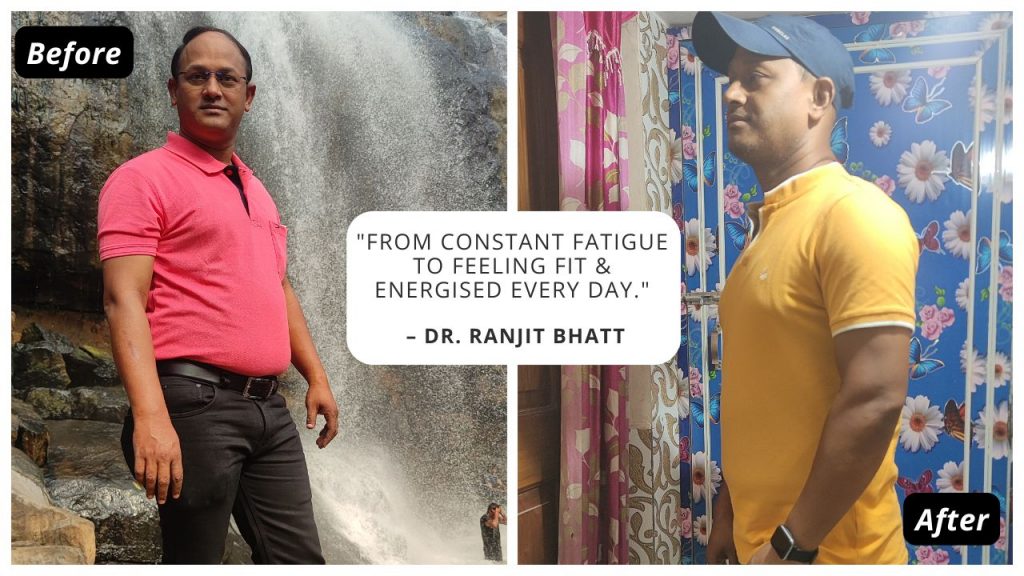
From Burnout to Balance: How Dr. Ranjit Reclaimed His Health

Dr Ranjit Bhatt has spent years tending to others. A practising doctor in Odisha, his days were packed with patients, surgeries, and emergencies. From the outside, it looked like a life lived in service. But on the inside, something wasn’t right. “I had no … [Read More...]

From Shimla’s Slopes to Chandigarh’s Sidewalks: Surinder Kaur Bhalla’s Journey from Chaos to Control

Some journeys start with a plan. Others begin with a stumble literally. Surinder Bhalla, a government professional, born and raised in the scenic hill town of Shimla, had always lived a life of movement. “In Shimla, you walked everywhere,” she reflects. “Walking was never an exercise. It was just life.” But after shifting to Chandigarh, […]

“I’ve Challenged Myself to Live 100 Years” – The Story of Chandubhai Savani’s Second Chance at Life

At 67, most people start slowing down. Not Chandubhai Savani. A resident of Surat, Chandubhai, thought life was on track. “My life was going well till I had my bypass surgery,” he says. That surgery, back in 2021, was a wake-up call.  Medication was routine, but exercise wasn’t. His diet? What he calls ‘normal.’ “I […]

Ananda Mukherjee Health Story

From Terminal Illness To Complete Wellness! Ananda Mukherjee Health Story

As we observe World Cancer Day under the powerful theme ‘United by Unique’ (2025-2027)**, we are reminded that every individual’s journey with cancer is distinct, yet united by shared resilience, hope, and the collective fight against this disease. This theme places people at the centre of care and their stories at the heart of the […]

  • HOME
  • HEALTHY LIVING
  • FITNESS
  • HEALTHY RECIPES
  • USER STORIES
  • KARMA
  • BUY GOQii

Copyright ©2016 GOQii