GOQii

Blog

  • HOME
  • HEALTHY LIVING
  • FITNESS
  • HEALTHY RECIPES
  • USER STORIES
  • KARMA
  • BUY GOQii

July 24, 2026 By Urvi Gohil 2 Comments

Healthy Eating: Crispy Monsoon Corn Tikkis

Healthy RecipeThe Big Question: Can you enjoy crispy monsoon snacks without compromising your health goals?There’s something undeniably comforting about the aroma of roasted corn during the rainy season. Whether it’s a steaming boiled cob or a smoky street-side bhutta, sweet corn has long been one of the highlights of the monsoon. But along with the rains come intense cravings for deep-fried pakodas, cutlets, and other indulgent snacks.

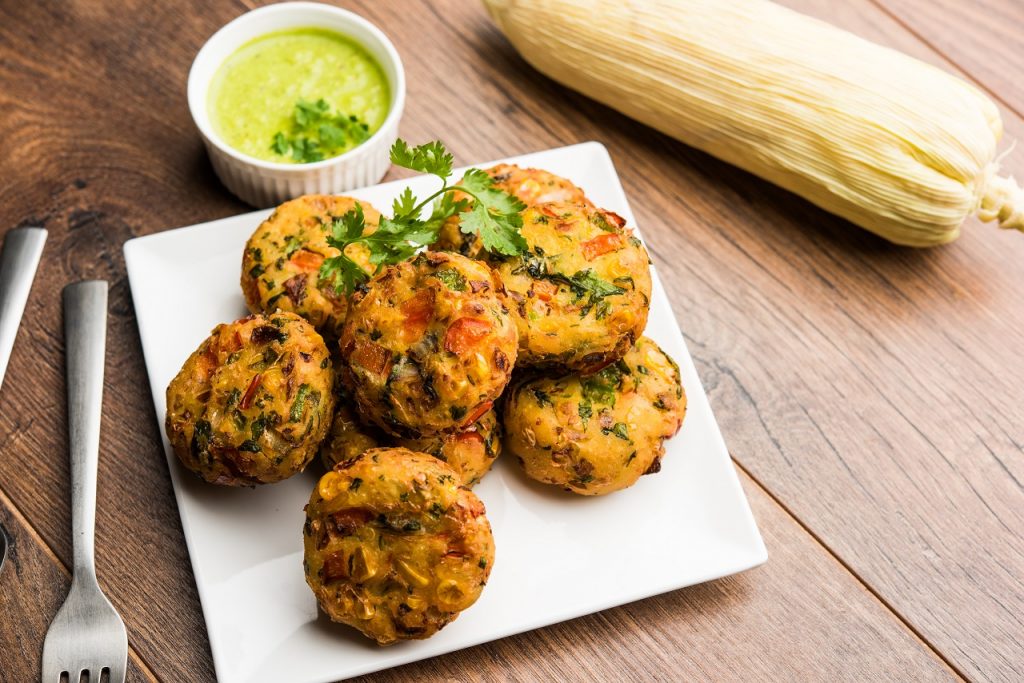
The good news? You don’t have to give up the crunch to make a healthier choice. These pan-roasted Corn Tikkis deliver the exact same satisfying texture and comforting flavours while using wholesome ingredients and significantly less oil than traditional deep-fried versions.

Why You’ll Love These Healthy Corn Tikkis

These tikkis are not only delicious but also packed with ingredients that contribute to a balanced diet:

  • Supports Eye Health: Sweet corn contains lutein and zeaxanthin, two naturally occurring carotenoids that help support eye health and may contribute to protecting vision as we age.
  • Provides Dietary Fibre: Corn and added vegetables contribute dietary fibre, which supports healthy digestion and promotes satiety, helping you stay fuller for longer.
  • Adds Colour and Nutrients: Capsicum, carrots, and fresh coriander add colour, flavour, and a variety of vitamins, minerals, and antioxidants that support overall immune health.
  • A Healthier Way to Enjoy Comfort Food: Instead of deep-frying, these tikkis are pan-roasted using minimal oil, helping reduce the overall fat content while still achieving a perfect, crisp exterior.

Recipe Overview

  • Preparation Time: 20 minutes
  • Cooking Time: 15 minutes
  • Total Time: 35 minutes
  • Makes: 8 tikkis
  • Serves: 4

Ingredients

The Base

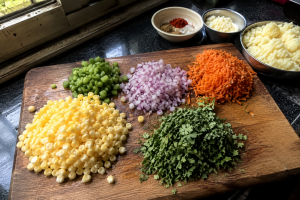
  • 1 cup boiled sweet corn kernels (coarsely ground)
  • 2 tbsp whole boiled corn kernels
  • ½ cup mashed boiled potatoes
  • 2 tbsp wheat rusk powder (for coating)
  • 1 tsp oil (for roasting)

The Vegetables

  • 2 tbsp finely chopped capsicum
  • 2 tbsp finely chopped onion
  • 2 tbsp grated carrot
  • 2 tbsp chopped fresh coriander

The Flavouring

  • 1 tbsp ginger paste
  • 1 tsp green chilli paste (adjust to taste)
  • 1 tsp red chilli powder
  • 1 tsp coriander-cumin powder
  • ½ tsp garam masala
  • Salt to taste
  • Chaat masala (optional)

Method

Step 1: Cook the Corn Mixture – Heat a teaspoon of oil in a non-stick pan. Add the ginger paste and sauté briefly. Add the coarsely ground corn and cook over medium heat for 4–5 minutes until most of the moisture evaporates. This helps prevent the tikkis from becoming soft or breaking during cooking.

Step 2: Prepare the Mixture – In a large bowl, combine the mashed potatoes, whole corn kernels, cooked corn mixture, capsicum, onion, carrot, and fresh coriander. Mix well.

Step 3: Season – Add the green chilli paste, red chilli powder, coriander-cumin powder, garam masala, salt, and chaat masala. Mix thoroughly until everything comes together into a soft, pliable dough.

Step 4: Shape the Tikkis – Lightly grease your palms. Shape the mixture into evenly sized round tikkis (cutlets). Roll each one gently in the wheat rusk powder for a light, crispy coating.

Step 5: Pan Roast – Heat a non-stick tawa or pan and brush it lightly with oil. Cook each tikki for about 4–5 minutes per side over medium heat until golden brown and crisp.

Step 6: Serve – Serve hot with fresh mint chutney, a mint-yoghurt dip, or coriander chutney. (Skip sugary ketchup if you’re trying to keep added sugar low!)

Approximate Nutrition (Per Serving – 2 Tikkis)

  • Calories: ~170 kcal
  • Protein: ~5 g
  • Carbohydrates: ~28 g
  • Fat: ~4 g
  • Fibre: ~4–5 g

(Values are approximate and may vary depending on the specific ingredients used.)

Healthy Variations & Swaps

Want to customise the recipe? Try these easy swaps:

Replace Potatoes With:

  • Sweet potato
  • Boiled raw banana
  • Mashed pumpkin

Add More Protein: These additions make the tikkis more filling while increasing the protein content:

  • Crumbled paneer or Tofu
  • Cooked quinoa
  • Boiled chickpeas (lightly mashed)

Gluten-Free Version: Replace the wheat rusk powder with:

  • Oats powder (certified gluten-free, if required)
  • Roasted poha (flattened rice) powder
  • Rice flakes powder

Air Fryer & Oven Methods:

  • Air Fryer: Cook at 180°C for 12–15 minutes, turning halfway through.
  • Oven: Bake at 180°C for 18–20 minutes, flipping once for even browning.

Storage Tips

Perfect for quick weekday snacks!

  • Refrigerate uncooked tikkis for up to 2 days in an airtight container.
  • Freeze shaped tikkis for up to 1 month. Thaw them overnight in the refrigerator before pan-roasting.

Healthy eating doesn’t mean giving up the foods you enjoy. Simple swaps—like pan-roasting instead of deep-frying, adding colourful vegetables, and choosing wholesome ingredients—can make traditional favourites more nutritious without compromising on taste. These crispy Corn Tikkis are proof that comfort food and healthy eating can go hand in hand.

Pro Tip: Cravings are easier to manage when you plan ahead. Track your meals on the GOQii App and connect with your GOQii Personalised Health Coach for customised snack ideas, healthier recipes, and nutrition guidance that fits your goals and lifestyle.

Frequently Asked Questions (FAQs)

  1. Is sweet corn good for weight management?

Yes. Sweet corn provides fibre that promotes fullness and contains important vitamins and minerals. Since it is a starchy vegetable, portion size remains important as part of a balanced diet.

  1. Can I prepare these tikkis in advance?

Yes. Shape the tikkis and refrigerate them for up to two days before cooking. They also freeze well for up to one month.

  1. Why are my tikkis falling apart?

The mixture may contain excess moisture. Cook the corn thoroughly before mixing to evaporate the water. If needed, add a tablespoon of roasted besan (chickpea flour) or oats powder to improve binding.

  1. Can people with diabetes eat these Corn Tikkis?

Yes, in moderation. Since sweet corn contains carbohydrates, portion control is important. Pair the tikkis with a protein-rich accompaniment such as yoghurt or paneer and avoid sugary sauces. Individual dietary needs vary, so consult your healthcare provider or dietitian for personalised advice.

Eat Healthy and #BeTheForce

Disclaimer: This recipe is intended for educational purposes only. Nutritional needs vary from person to person. If you have diabetes, kidney disease, or other medical conditions requiring specialised dietary advice, consult a qualified healthcare professional or registered dietitian before making significant dietary changes.


July 20, 2026 By Bhumi Mehta 3 Comments

Yoga for Seasonal Viral Infections: A 5-Level Approach to Supporting Recovery

yoga therapyThe Big Question: When seasonal changes leave you with a cold, sore throat, or mild viral illness, can yoga help you feel better while your body recovers?
Seasonal weather changes—especially during the monsoon and winter months—often bring an increase in viral infections such as the common cold and other upper respiratory illnesses. While adequate rest, hydration, good nutrition, and medical care remain the cornerstones of recovery, gentle yoga practices may help ease discomfort, reduce stress, and support overall wellbeing during the healing process.

Rather than viewing recovery as purely physical, yoga takes a holistic approach by nurturing the body, breath, mind, and emotional wellbeing. This five-level framework offers simple practices that may help you feel more comfortable while your immune system does what it is naturally designed to do.

Important: If you have a high fever, severe weakness, chest pain, or difficulty breathing, avoid yoga entirely and seek medical advice promptly.

Level 1: Supporting the Physical Body

When you’re recovering from a viral illness, stiffness, fatigue, and nasal congestion can make even simple movements uncomfortable. Gentle yoga postures may help improve mobility, encourage comfortable breathing, and relieve muscular tension.

A. Uttanasana (Standing Forward Bend)yoga therapyThis gentle forward bend may temporarily ease the feeling of nasal congestion for some people while stretching the back of the body. Move slowly and avoid the pose if you feel dizzy.

B. Setu Bandhaasana (Bridge Pose)Bridge Pose gently opens the chest and stretches the front of the body, which some people find helps them breathe more comfortably. Support your hips with a yoga block or cushion if needed.

C. Viparita Karani (Legs-Up-the-Wall Pose)One of the most restorative yoga poses, this encourages deep relaxation and may help reduce feelings of tiredness after a prolonged illness. It also provides gentle relief for tired legs after long periods of inactivity.

D. Adho Mukha Svanasana (Downward-Facing Dog)If your energy levels allow, this pose stretches the spine and shoulders while encouraging gentle chest expansion. Skip this pose if you feel weak, light-headed, or feverish.

E. Ustrasana This asana opens up the chest and clears out all the passages. It is essential to try and breathe as much as you can while you are in this pose. This will help open up all the blocked areas that are causing the cold.


F. Matsyasana (Fish Pose)A supported version of Fish Pose using a cushion or yoga bolster beneath the upper back can encourage gentle chest opening and comfortable breathing.

Level 2: Supporting the Breath

Breathing exercises can help calm the nervous system and encourage slow, comfortable breathing during recovery. The goal here is relaxation—not force.

  • Gentle Diaphragmatic Breathing: Place one hand on your abdomen and breathe slowly through your nose, allowing your belly to rise and fall naturally. Practise for 5–10 minutes.
  • Nadi Shodhana (Alternate Nostril Breathing): If your nose isn’t completely blocked, gentle alternate nostril breathing may promote relaxation and reduce stress. Avoid forcing the breath if you are heavily congested.
  • Ujjayi Breathing: Soft Ujjayi breathing may create a soothing sensation in the throat while encouraging slow, controlled breathing. Keep the breath gentle and comfortable.

Avoid During Acute Illness: Practices such as Kapalabhati and Bhastrika involve forceful breathing and may not be appropriate during an active viral infection, fever, or significant respiratory symptoms. Consider returning to these techniques only after you have fully recovered and under the guidance of a qualified yoga instructor.

Level 3: Supporting the Mind

Being unwell can affect more than just your body. Fatigue, disrupted sleep, and frustration often increase stress, which can make recovery feel even more difficult. Simple meditation practices may help reduce stress and promote emotional wellbeing.

  • Spend 5–10 minutes sitting or lying down comfortably.
  • Focus purely on your breathing without trying to change its rhythm.
  • If your mind wanders, gently and without judgment bring your attention back to your breath.

Level 4: Prioritising Rest and Recovery

One of the biggest mistakes people make is returning to their normal routine too quickly. Recovery requires massive amounts of internal energy.

  • Shavasana (Corpse Pose): Although it appears simple, Shavasana encourages deep physical relaxation and allows your body to rest without unnecessary muscular effort. Even 10–15 minutes of intentional rest can help you feel refreshed during recovery.

Listen to your body and allow yourself ample time to recover fully before returning to intense physical activity.

Level 5: Building Emotional Resilience

Illness can leave you feeling discouraged, especially if symptoms linger longer than expected. Yoga encourages self-awareness and self-compassion.

Whether through quiet reflection, gratitude, gentle chanting, or prayer, taking a few moments to cultivate emotional resilience can help you cope with the temporary challenges of illness. While these practices don’t treat infections directly, they heavily support your overall sense of wellbeing during recovery.

When Should You Avoid Yoga?

Rest is often the best medicine. Stop any physical practice and seek medical advice if you experience:

  • High fever
  • Difficulty breathing or shortness of breath
  • Chest pain
  • Persistent dizziness
  • Severe fatigue
  • Significant dehydration
  • Worsening symptoms or symptoms lasting longer than expected

Resume physical activity gradually only once you begin feeling significantly better.

Yoga cannot cure viral infections, but it can be a highly valuable complementary practice during recovery. Gentle movement, breathing exercises, meditation, and adequate rest may help reduce stress, improve comfort, and support overall wellbeing while your body heals naturally. The key is to practise with strict self-awareness, respect your energy levels, and allow yourself the time you need to recover fully.

Pro Tip: Recovering from an illness is the perfect time to slow down and listen to your body. The GOQii App offers guided yoga sessions suitable for different fitness levels, and your GOQii Personalised Health Coach can help you choose appropriate practices based on your exact recovery stage.

Frequently Asked Questions (FAQs)

  1. Is it safe to practise yoga during a cold?

If your symptoms are mild and you don’t have a fever, gentle restorative yoga may help you relax and ease physical stiffness. Avoid strenuous or heated practice until you feel completely better.

  1. Can yoga boost immunity?

Regular physical activity, including yoga, contributes to overall health and stress management, which are vital components of a healthy immune system. However, yoga should not be considered a direct treatment for viral infections or a replacement for proper medical care.

  1. Which yoga poses are best during recovery?

Restorative poses such as Viparita Karani (Legs-Up-the-Wall), supported Matsyasana (Fish Pose), and Shavasana (Corpse Pose) are generally much better suited to recovery than vigorous, standing Vinyasa sequences.

  1. Should I do Kapalabhati if I have a cold?

No. Forceful breathing exercises such as Kapalabhati and Bhastrika are generally best avoided during an active illness, especially if you have a fever or significant respiratory symptoms, as they can cause dizziness and irritate inflamed airways.

#BeTheForce  

Disclaimer: This article is intended for educational purposes only and should not replace professional medical advice, diagnosis, or treatment. Consult a qualified healthcare provider if your symptoms are severe, worsen, or are accompanied by high fever, chest pain, or difficulty breathing. Yoga should be practised within your comfort level and, where appropriate, under the guidance of a qualified instructor.

July 17, 2026 By GOQii 6 Comments

7 Tips to Prevent Diarrhea During Monsoons: Protect Your Gut This Rainy Season

prevent diarrhea during monsoonsThe Big Question: Why do stomach infections seem to become so common during the monsoon, and what can you do to enjoy the season without compromising your digestive health?


The rainy season brings cooler weather, hot cups of chai, and irresistible comfort foods. Unfortunately, it also creates ideal conditions for bacteria, viruses, and parasites to thrive. Increased humidity, contaminated water, and improper food handling can all increase the risk of foodborne and waterborne illnesses.

The good news? A few simple, proactive precautions can significantly reduce your chances of developing diarrhea and other gastrointestinal infections.

Why Does Diarrhea Increase During the Monsoon?

Warm temperatures combined with high atmospheric humidity create highly favorable conditions for microorganisms to multiply rapidly. The most common causes of monsoon-related diarrhea include:

  • Drinking contaminated or unfiltered water.
  • Eating improperly cooked or raw food.
  • Consuming food prepared in unhygienic conditions (like open-air street stalls).
  • Poor hand hygiene after touching damp, bacteria-prone surfaces.
  • Cross-contamination during food preparation.

Most cases are mild and resolve within a few days, but severe diarrhea can lead to rapid dehydration and may require immediate medical attention.

7 Essential Tips to Prevent Monsoon Diarrhea

  1. Drink Safe Water

Water contamination is one of the leading causes of diarrhea during the rainy season. Always choose boiled water, filtered water, or packaged drinking water from trusted sources when traveling. Strictly avoid drinking water from unknown sources or consuming ice made with unverified water.

  1. Wash Your Hands Properly

Hand hygiene is one of the simplest and most effective ways to prevent gastrointestinal infections. Wash your hands with soap and warm water for at least 20 seconds before eating, before preparing food, after using the toilet, after returning home, and after handling raw meat or seafood.

  1. Choose Fresh, Home-Cooked Food

Freshly prepared meals are generally much safer than food that has been sitting out for long periods. Although street food is tempting during the rains, it is frequently prepared with contaminated water or exposed to flies, dust, and environmental contaminants. Whenever possible, choose freshly cooked home meals.

  1. Be Careful with Raw Foods

Raw fruits and vegetables can carry stubborn bacteria and parasites if they are not washed thoroughly. If eating outside, skip raw salads, avoid pre-cut fruits sold by street vendors, and prefer freshly cooked vegetables. At home, wash all produce thoroughly under running water (or soak in warm salt water) before use.

  1. Store Food Safely

Food spoils significantly faster during humid weather. To halt bacterial growth, refrigerate leftovers promptly, reheat leftovers until they are piping hot, and avoid keeping cooked food sitting at room temperature for several hours. When in doubt, throw it out.

  1. Eat Seafood Carefully

Seafood is highly perishable and requires proper storage, and the monsoon is the breeding season for many aquatic species. If you choose to eat seafood, buy it from highly reputable vendors, ensure it is thoroughly cooked, and completely avoid raw or undercooked seafood dishes.

  1. Avoid Contact with Floodwater

Puddles and floodwaters often contain sewage overflow, chemicals, and harmful microorganisms. If you must walk through floodwater, wear waterproof footwear, wash your feet and legs thoroughly with soap immediately afterwards, and clean any cuts right away to prevent infection.

The Gut Recovery Matrix: What to Eat & Avoid

If you do develop an upset stomach, your primary goal must shift to replacing lost fluids and allowing the digestive system to rest and recover.

Dietary Goal Safe Choices to Include Triggers to Avoid
Hydration Oral Rehydration Solution (ORS), boiled water, clear broths, fresh coconut water. Sugary sodas, excessive caffeine, and alcohol (which worsen dehydration).
Digestion Plain white rice, toast, bananas, khichdi, applesauce, and plain curd/yogurt. Greasy fried foods, heavy spices, and ultra-processed snacks.
Gut Flora Plain natural yogurt (provides beneficial probiotics to restore gut bacteria). Unpasteurized dairy products or heavy creams.

When Should You See a Doctor?

Seek medical attention immediately if you experience any of the following red flags:

  • Diarrhea lasting for more than 48 hours.
  • Blood or mucus in the stool.
  • Persistent vomiting that prevents you from keeping liquids down.
  • A high, unyielding fever.
  • Severe, sharp abdominal pain.
  • Signs of acute dehydration (dizziness, dry mouth, dark or reduced urination).

Note: Young children, older adults, and people with weakened immune systems should seek medical advice much earlier, as they are at a greater risk of rapid complications.

The monsoon doesn’t have to mean stomach infections. Practicing good food hygiene, drinking safe water, and choosing freshly prepared meals can go a long way in protecting your digestive health. If diarrhea does occur, focus heavily on hydration, eat light meals, and seek medical care promptly if symptoms become severe. A little caution today can help you enjoy the rainy season without unnecessary health setbacks!

Pro Tip: Seasonal changes can heavily affect your digestion, hydration, and eating habits. Use the GOQii App to track your daily water intake, meals, and symptoms. Your GOQii Personalised Health Coach can help you make informed dietary choices and guide you on healthy habits to support your gut health throughout the entire monsoon season!

Frequently Asked Questions (FAQs)

  1. Why is diarrhea more common during the monsoon?

High humidity and frequent water contamination create favorable conditions for bacteria, viruses, and parasites to breed rapidly. These pathogens easily contaminate food and drinking water, leading to a spike in gastrointestinal illnesses.

  1. Is street food safe during the rainy season?

Street food carries a significantly higher risk of contamination during the monsoon due to unhygienic water sources, open-air storage, and exposure to flies. Choosing freshly cooked food from trusted, enclosed vendors or eating at home is much safer.

  1. Should I stop eating entirely if I have diarrhea?

No. While you may lose your appetite, you should continue eating light, easy-to-digest foods (like plain rice or toast) while staying well-hydrated. Avoid fasting entirely, but stay clear of greasy or spicy foods until you fully recover.

  1. Is curd (yogurt) good for diarrhea?

Yes, plain curd contains beneficial probiotic bacteria that can help restore your natural gut microbiota after a bout of diarrhea. However, if dairy specifically worsens your symptoms or you are lactose intolerant, choose other easily digestible foods instead.

#BeTheForce 

Disclaimer: This article is for educational purposes only and should not replace professional medical advice. Consult a qualified healthcare provider if symptoms are severe, persist beyond 48 hours, or are accompanied by blood in the stool, high fever, or signs of dehydration.

July 16, 2026 By Neha Goyal 1 Comment

Healthy Eating: The Power-Packed Quinoa Chickpea Salad

quinoa chickpea saladThe Big Question: Have you ever eaten a salad for lunch, only to feel hungry again a couple of hours later?

Not all salads are created equal. While bowls filled with leafy greens and vegetables are rich in vitamins and minerals, they may not always provide enough protein, fibre and complex carbohydrates to keep you satisfied for long.

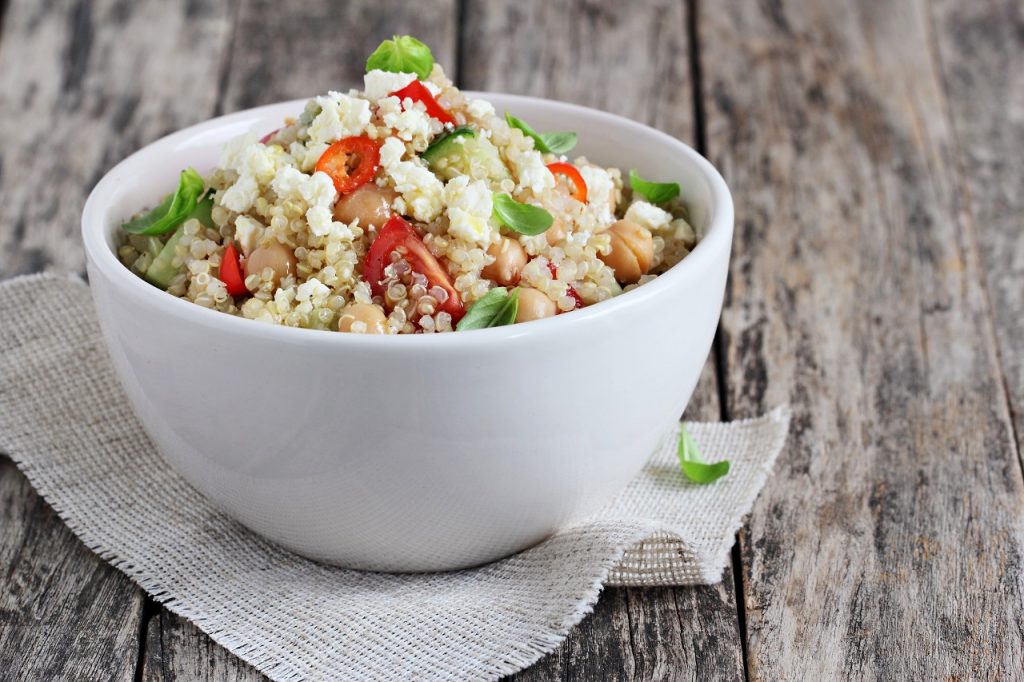
The key to a truly nourishing salad is balance. This Quinoa Chickpea Salad combines whole grains, legumes and colourful vegetables to create a wholesome meal that’s rich in plant-based protein, dietary fibre and essential nutrients. Whether you’re looking for a healthy lunch, a post-workout meal or a quick dinner, this recipe delivers sustained energy without feeling heavy.

Why This Salad Works

A balanced meal should nourish your body, keep you satisfied and provide steady energy throughout the day. This recipe combines ingredients that complement each other nutritionally.

Ingredient Nutritional Benefit
Quinoa Provides complex carbohydrates, fibre and all nine essential amino acids.
Chickpeas Rich in plant protein, fibre and iron.
Fresh Vegetables    Add vitamins, minerals, antioxidants and crunch.
Lemon Juice Adds freshness and may help improve iron absorption from plant foods.
Ghee or Olive Oil Provides healthy fats that support the absorption of fat-soluble vitamins.

The combination of protein, fibre and healthy fats helps slow digestion, supporting satiety and more stable energy levels.

Why You’ll Love This Recipe

  • Rich in plant-based protein
  • High in dietary fibre
  • Naturally gluten-free (when prepared with certified gluten-free quinoa)
  • Meal-prep friendly
  • Colourful, fresh and satisfying
  • Ready in around 30 minutes

Recipe Overview

Category Details
Preparation Time    15 minutes
Cooking Time 15 minutes
Total Time 30 minutes
Serves 2
Difficulty Level Easy

Ingredients

Ingredient Quantity
Quinoa ⅓ cup
Chickpeas (Kabuli Chana) ½ cup (boiled)
Garlic 1 tsp (finely chopped)
Capsicum ¼ cup (finely chopped)
Onion ¼ cup (finely chopped)
Cucumber 1 medium (diced)
Tomato 1 medium (diced)
Green chilli 1 tsp (finely chopped, optional)
Fresh coriander 4 tbsp (chopped)
Ghee (or Extra Virgin Olive Oil) 1 tsp
Cumin seeds ¼ tsp
Turmeric powder ¼ tsp
Asafoetida (Hing) A pinch
Water ½ cup
Lemon juice 1 tsp
Salt To taste

How to Prepare

  1. Prepare the Quinoa: Rinse the quinoa thoroughly under running water to remove its natural coating (called saponin), which can leave a slightly bitter taste. Soak it for 30–60 minutes before cooking.
  2. Temper the Spices: Heat the ghee (or olive oil) in a deep pan. Add cumin seeds. Once they begin to crackle, add hing and chopped garlic. Sauté for about 30 seconds until fragrant.
  3. Cook the Quinoa: Add water and bring it to a boil. Stir in the salt, turmeric, and quinoa. Cover and cook over medium-low heat for about 10–12 minutes until the water is absorbed and the grains become fluffy. Allow it to cool.
  4. Assemble the Salad: In a large bowl, combine the cooked quinoa, boiled chickpeas, onion, capsicum, cucumber, tomato, green chilli, and fresh coriander. Add lemon juice and gently toss until everything is evenly mixed. Serve immediately.

Approximate Nutrition (Per Serving)

Nutrient Approximate Amount
Calories 300 kcal
Protein 12 g
Carbohydrates 40 g
Dietary Fibre 10 g
Fat 9 g

Values are approximate and may vary depending on ingredient brands and serving sizes.

Make It Your Own

This salad is easy to customise. Try adding:

  • Grilled paneer for extra protein
  • Tofu for a vegan version
  • Avocado for healthy fats
  • Pumpkin or sunflower seeds for crunch
  • Baby spinach or rocket leaves
  • Roasted sweet potato
  • Pomegranate seeds for natural sweetness

Meal Prep & Storage Tips

This salad is ideal for meal prep:

  • Store in an airtight container in the refrigerator for up to 2 days.
  • Keep the lemon juice separate if preparing ahead to maintain freshness.
  • Allow refrigerated quinoa to return to room temperature before serving for the best texture.

Pro Tips

  • Rinse the Quinoa Well: Removing saponins helps eliminate bitterness.
  • Use Leftover Chickpeas: Cooking chickpeas in batches makes weekday meal preparation much faster.
  • Add Fresh Herbs Just Before Serving: Fresh coriander and lemon juice brighten the flavours and maintain freshness.
  • Don’t Overcook the Quinoa: Perfectly cooked quinoa should be fluffy rather than mushy.

Who Can Enjoy This Salad?

This recipe is suitable for:

  • Busy professionals
  • Students
  • Fitness enthusiasts
  • Vegetarians
  • People looking to increase fibre intake
  • Meal-prep lovers

Individuals with kidney disease or specific dietary restrictions should consult their healthcare provider or dietitian regarding portion sizes and protein intake.

Healthy eating doesn’t have to be complicated. A balanced salad should leave you feeling nourished, satisfied and energised—not searching for snacks an hour later.

By combining quinoa, chickpeas and fresh vegetables, this recipe provides a wholesome mix of plant-based protein, dietary fibre and complex carbohydrates that can support sustained energy and overall wellbeing. Simple ingredients, prepared thoughtfully, can transform an ordinary salad into a complete meal.

Pro Tip: Looking for personalised nutrition guidance? Track your meals, water intake and daily habits on the GOQii App. Your GOQii Personalised Health Coach can recommend meal plans based on your health goals, activity levels and dietary preferences. Explore even more healthy recipes and practical nutrition tips—all in one place.

Frequently Asked Questions (FAQs)

  1. Is quinoa healthier than rice?

Both can be part of a healthy diet. Quinoa contains more protein and fibre than white rice, making it a nutrient-dense option for many meals.

  1. Can I make this salad ahead of time?

Yes. Store it in an airtight container in the refrigerator for up to two days. Add lemon juice just before serving for the freshest flavour.

  1. Is this recipe suitable for weight management?

This salad is rich in protein and fibre, which may help improve satiety as part of a balanced eating pattern. Weight management depends on your overall diet, physical activity and lifestyle.

  1. Can I add other vegetables?

Absolutely. Carrots, spinach, roasted sweet potato, avocado, beetroot and broccoli all work well in this recipe.

#BeTheForce 

Disclaimer: This recipe is intended for educational purposes only and should not be considered personalised nutrition advice. Nutritional requirements vary from person to person. Consult a qualified healthcare professional or registered dietitian for dietary guidance tailored to your individual health needs.

  • « Previous Page
  • 1
  • 2
  • 3
  • 4
  • 5
  • …
  • 199
  • Next Page »

Search

Recent Posts

  • 6 Health Benefits of Playing Sports
  • Foods to Manage Blood Sugar Naturally: A Complete Guide to Better Blood Sugar Control
  • The Lazy Person’s Guide to Staying Healthy: 5 Micro-Habits That Take Less Than 2 Minutes
  • Healthy Eating: Comforting Chilli Bean Soup Recipe for the Monsoon
  • The Truth About the ‘Beer Belly’: What Alcohol Really Does to Your Metabolism

Stay Updated

Archives

  • August 2026 (8)
  • July 2026 (25)
  • June 2026 (22)
  • May 2026 (20)
  • April 2026 (24)
  • March 2026 (18)
  • February 2026 (14)
  • January 2026 (14)
  • December 2025 (19)
  • November 2025 (15)
  • October 2025 (20)
  • September 2025 (6)
  • August 2025 (6)
  • July 2025 (9)
  • June 2025 (18)
  • May 2025 (16)
  • April 2025 (22)
  • March 2025 (26)
  • February 2025 (21)
  • January 2025 (25)
  • December 2024 (22)
  • November 2024 (22)
  • October 2024 (20)
  • September 2024 (22)
  • August 2024 (27)
  • July 2024 (15)
  • June 2024 (23)
  • May 2024 (26)
  • April 2024 (27)
  • March 2024 (27)
  • February 2024 (23)
  • January 2024 (21)
  • December 2023 (14)
  • November 2023 (10)
  • October 2023 (19)
  • September 2023 (21)
  • August 2023 (16)
  • July 2023 (16)
  • June 2023 (21)
  • May 2023 (20)
  • April 2023 (19)
  • March 2023 (23)
  • February 2023 (19)
  • January 2023 (15)
  • December 2022 (11)
  • November 2022 (15)
  • October 2022 (15)
  • September 2022 (12)
  • August 2022 (9)
  • July 2022 (17)
  • June 2022 (11)
  • May 2022 (10)
  • April 2022 (6)
  • March 2022 (6)
  • February 2022 (13)
  • January 2022 (11)
  • December 2021 (7)
  • November 2021 (3)
  • October 2021 (6)
  • September 2021 (3)
  • August 2021 (8)
  • July 2021 (7)
  • June 2021 (15)
  • May 2021 (16)
  • April 2021 (10)
  • March 2021 (7)
  • February 2021 (4)
  • January 2021 (4)
  • December 2020 (3)
  • November 2020 (4)
  • October 2020 (10)
  • September 2020 (3)
  • August 2020 (3)
  • July 2020 (2)
  • June 2020 (4)
  • May 2020 (10)
  • April 2020 (12)
  • March 2020 (10)
  • February 2020 (4)
  • January 2020 (4)
  • December 2019 (3)
  • November 2019 (7)
  • October 2019 (5)
  • September 2019 (4)
  • August 2019 (9)
  • July 2019 (9)
  • June 2019 (11)
  • May 2019 (4)
  • April 2019 (8)
  • March 2019 (8)
  • February 2019 (9)
  • January 2019 (8)
  • December 2018 (9)
  • November 2018 (3)
  • October 2018 (3)
  • September 2018 (5)
  • August 2018 (10)
  • July 2018 (6)
  • June 2018 (13)
  • May 2018 (8)
  • April 2018 (17)
  • March 2018 (9)
  • February 2018 (8)
  • January 2018 (15)
  • December 2017 (12)
  • November 2017 (19)
  • October 2017 (13)
  • September 2017 (15)
  • August 2017 (4)
  • July 2017 (8)
  • June 2017 (7)
  • May 2017 (6)
  • April 2017 (8)
  • March 2017 (6)
  • February 2017 (7)
  • January 2017 (9)
  • December 2016 (10)
  • November 2016 (7)
  • October 2016 (7)
  • September 2016 (7)
  • August 2016 (11)
  • July 2016 (9)
  • June 2016 (9)
  • May 2016 (12)
  • April 2016 (17)
  • March 2016 (17)
  • February 2016 (8)
  • January 2016 (6)
  • December 2015 (2)
  • November 2015 (9)
  • October 2015 (7)
  • September 2015 (9)
  • August 2015 (11)
  • July 2015 (9)
  • June 2015 (11)
  • May 2015 (9)
  • April 2015 (13)
  • March 2015 (8)
  • February 2015 (5)
  • January 2015 (12)
  • December 2014 (14)
  • November 2014 (11)
  • October 2014 (6)
  • September 2014 (13)
  • August 2014 (12)
  • July 2014 (6)
  • June 2014 (2)
  • May 2014 (7)
  • April 2014 (4)

From Burnout to Balance: How Dr. Ranjit Reclaimed His Health

Dr Ranjit Bhatt has spent years tending to others. A practising doctor in Odisha, his days were packed with patients, surgeries, and emergencies. From the outside, it looked like a life lived in service. But on the inside, something wasn’t right. “I had no … [Read More...]

From Shimla’s Slopes to Chandigarh’s Sidewalks: Surinder Kaur Bhalla’s Journey from Chaos to Control

Some journeys start with a plan. Others begin with a stumble literally. Surinder Bhalla, a government professional, born and raised in the scenic hill town of Shimla, had always lived a life of movement. “In Shimla, you walked everywhere,” she reflects. “Walking was never an exercise. It was just life.” But after shifting to Chandigarh, […]

“I’ve Challenged Myself to Live 100 Years” – The Story of Chandubhai Savani’s Second Chance at Life

At 67, most people start slowing down. Not Chandubhai Savani. A resident of Surat, Chandubhai, thought life was on track. “My life was going well till I had my bypass surgery,” he says. That surgery, back in 2021, was a wake-up call.  Medication was routine, but exercise wasn’t. His diet? What he calls ‘normal.’ “I […]

Ananda Mukherjee Health Story

From Terminal Illness To Complete Wellness! Ananda Mukherjee Health Story

As we observe World Cancer Day under the powerful theme ‘United by Unique’ (2025-2027)**, we are reminded that every individual’s journey with cancer is distinct, yet united by shared resilience, hope, and the collective fight against this disease. This theme places people at the centre of care and their stories at the heart of the […]

  • HOME
  • HEALTHY LIVING
  • FITNESS
  • HEALTHY RECIPES
  • USER STORIES
  • KARMA
  • BUY GOQii

Copyright ©2016 GOQii