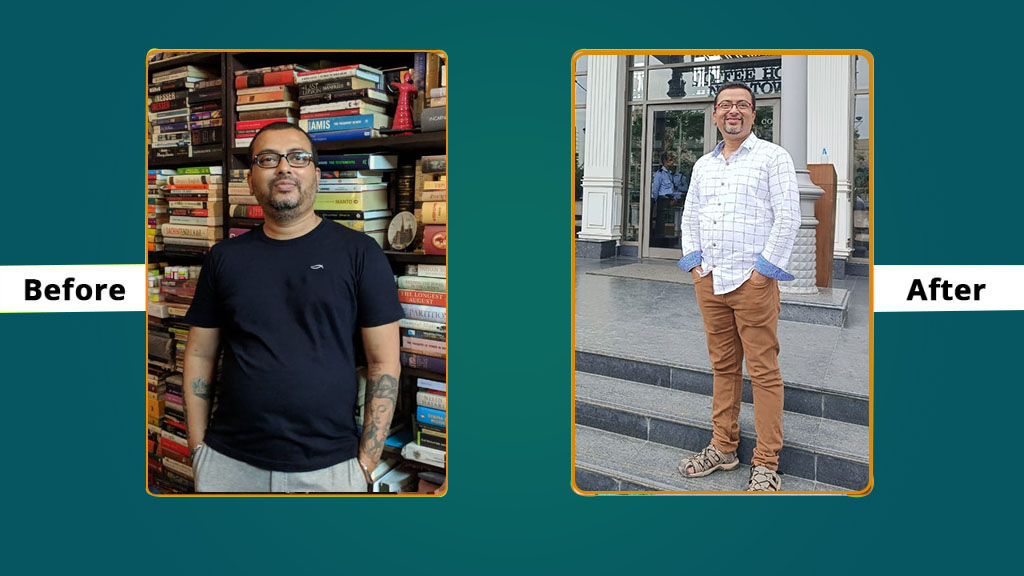
 As we observe World Cancer Day under the powerful theme ‘United by Unique’ (2025-2027)**, we are reminded that every individual’s journey with cancer is distinct, yet united by shared resilience, hope, and the collective fight against this disease. This theme places people at the centre of care and their stories at the heart of the conversation, celebrating the strength and uniqueness of each survivor.
Today, we bring you the inspiring survival story of our player ‘Anand Mukherjee’, a testament to courage, determination, and the unwavering human spirit. Anand’s journey is not just a story of battling cancer but a celebration of life, love, and the unique ways in which he turned challenges into triumphs, with help from his GOQii Coach. His story reminds us that while cancer may be a common adversary, every survivor’s path is extraordinary, and their voice deserves to be heard.
We present before you Ananda’s journey and reflect on the power of unity, hope, and the unique story that binds us all in the fight against cancer.
Going From Slender To Overweight
Ananda Mukherjee had a very poor work-life balance. This coupled with bad eating habits such as drinking several cups of coffee, eating unhealthy and sleeping less really took a toll on his body. “I could never sleep, so I was on sleeping pills,” says Ananda.
Not being able to sustain such a lifestyle, Ananda Mukherjee quit his job in 2018 but didn’t do much for his health. When COVID struck, he couldn’t exercise or go out – which made his life pretty sedentary. The only positive outcome he says was that he was able to add certificates to the hobbies he indulged in such as Interior Design and Gardening & Landscaping.
In the course of time, before he realized, his weight had increased from 56kg to 83kg. “I was asked by people, what has happened to you?” Ananda says that he was slender from the age of 15 till 45 and his weight had remained the same. So when he gained weight, it was noticed by everyone.
More Bad News…
In 2021, he was diagnosed with a terminal medical condition that affected his intestine (Adenocarcinoma in the small intestine i.e. Cancer of the Intestine). The first thing his doctor told him was to quit smoking and get active. His food habits also needed to change. He had to bring some discipline in his life.
As his medication and radiation treatment began, the side-effects such as weight loss, loss of appetite, digestion issues like gas, bloating, etc. began to show. All of this also affected him mentally and emotionally. He was on antidepressant pills for his anxiety issues as well.
During this time, he was introduced to GOQii by a friend and from social media. When he did his research, he realized that it’s not just a fitness tracker but a service that offers personalized health coaching as well. He says, “Without any hesitation I decided to get a GOQii and try it”.
Getting Back On Track With GOQii
Ananda Mukherjee joined GOQii in September 2021. At the time he joined, he weighed 70kg, his HRA was 43 and his BMI was 25.71. His health goal was to lose fat, gain muscle, improve sleep, get rid of stress and anxiety and control his BP.
Since he was under radiation therapy, after each radiation session, his health goal would change as per the side effects he faced. He had lost 5kg due to the radiation therapy. His health goals fluctuated between improving oxygen levels, heart rate, getting rid of GI issues like gas, bloating, indigestion, nausea as well as respiratory problems like cough, cold, chest congestion, etc. Along with help from his GOQii Coach Vaishali, he had to manage lifestyle changes accordingly.
Coach Vaishali suggested simple healthy changes in his lifestyle which included eating fruits, drinking lukewarm lemon water in the morning, including lemon zest, and having wheatgrass and aloe vera juice to boost immunity. For protein and omega 3, she suggested dry fruits.
During the course of their journey, she got him away from sugar and smoking. Ananda was asked to engage in his hobbies and meditation to improve his mental and emotional wellbeing as well as remain stress-free.
Ananda also shared his journey with us in detail as he spoke to our Founder & CEO Vishal Gondal
What Changes Did Ananda Mukherjee Experience?
When asked about his journey so far, Ananda said, “GOQii has played a huge role. It brought about positivity in my life. My Coach Vaishali just created new habits based on my health goals and helped me follow those habits.”
His radiation treatment is now complete and he is happy that he is able to sleep without taking any pills. His neighbors and friends are surprised at how fresh and healthy he looks now and his wife has also complimented him.
“I blindly follow what my coach suggests and that has given me results. She has been a mom at times, an elder sister at times and has been able to get me to do things. I am totally off smoking and alcohol and my diet is simple,” he says.
Ananda has been getting all his exercise lessons and nutrition tidbits from GOQii Play classes. He loves the recipe classes on GOQii Play and has been able to make quite a few dishes at home to avoid eating out.
He jokes with his friends saying, I am just chilling and losing weight and has been advocating GOQii to all of them. He says, “This current life is a tectonic shift in my life.” He is able to get back to his medium sized clothes from having gone upto XL size.
He says, “A coach is necessary to achieve your goals especially when it is about health. There has to be someone to motivate you to do the right things. I have always believed in mentors and with a coach or a mentor your journey only becomes that much more interesting and easier”.
Ever since being on GOQii, in almost 9 months’ time, Ananda has been able to get into the Elite category. He is following a healthy lifestyle, enjoying his life and is now a landscape designer and also loves gardening. He walks daily for physical fitness and meditates for mental and emotional wellbeing.
Currently his HRA is 81. He has stopped taking antidepressant and sleeping pills as well. His current weight stands at 67kg.
What Does Coach Vaishali Vibhute Have To Say About Her Player?
Ananda started his journey on Sept 20, 2021. The day he joined as a player, he was very depressed, stressed, feeling low both mentally and physically, emotionally disturbed and overweight. He smoked a lot. When I started coaching, he weighed 70kg, HRA was 43 and BMI was 25.71.
Despite being a fitness freak and having a gym at home, he had stopped exercising when he had quit his banking job, which led to a lot of weight gain. To get him back on track, I gave him a target of completing 3k steps and gradually increased it to 5k. I also gave him a few challenges like doing light weight exercises, and following pre and post workout meals. He completed all these tasks diligently.
When GOQii launched the SAFE (Sedentary, Active, Fit and Elite) model, I told him I would like to see him in the ELITE category, as he was in the sedentary category. He accepted the challenge as he had a burning desire to achieve his health goals.
It is never easy to achieve a health goal. It requires some sacrifices, discipline, consistency and determination. If you are able to handle these 4 aspects well, nothing can stop you and Ananda has proven this fact! Though it was challenging for him to maintain his weight due to his medical condition, his endless efforts and discipline helped him achieve what he aimed for.
We’re wishing Ananda Mukherjee well on his journey of being healthy and fit! Does his Health Story inspire you? Do you want to make a radical lifestyle shift as well? Subscribe for GOQii’s Personalised Health Coaching and start now: https://goqiiapp.page.link/bsr
For more inspiring Health Stories, check out Healthy Reads.
#BeTheForce
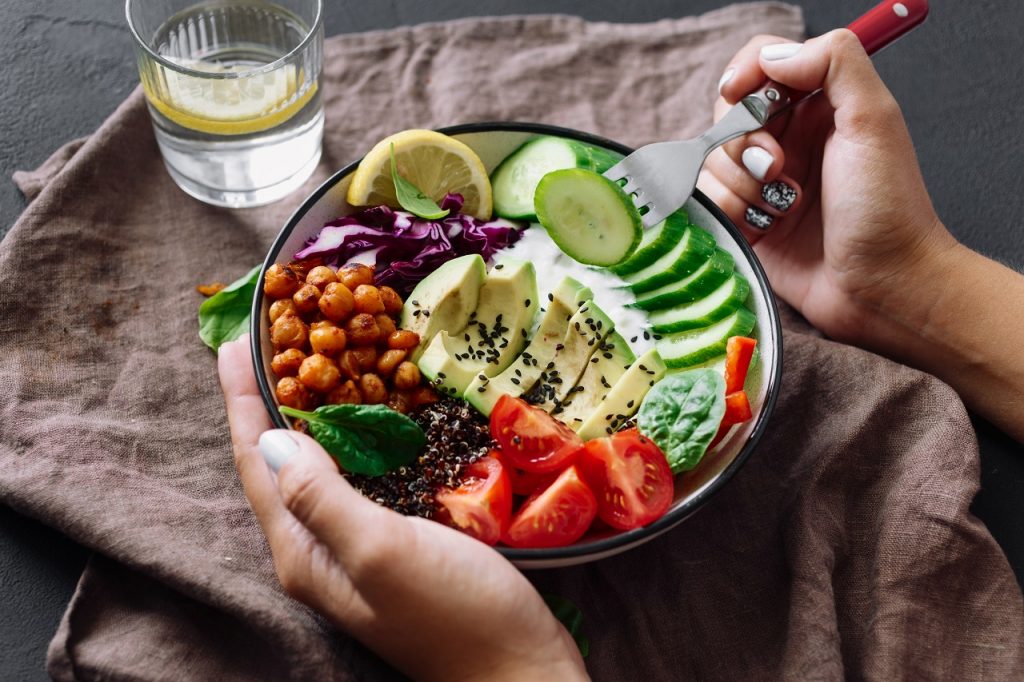 Let’s face it! We all struggle to eat healthy sometimes and after a while, we turn to fad diets or some “miracle food” to help us ease the guilt of having eaten something unhealthy. While a lot of information is available on the internet about eating healthy, it also causes a lot of confusion as most of the content isn’t authentic and could do more harm than good. So what exactly is Eating Healthy comprised of?
 From personal experience, even you might have noticed that most resolutions to join the gym, eat a healthy diet or get proper sleep often go unfulfilled after the first month of the year. While we are often excited to start a diet routine or make exercise a habit, it never works out for long. The enthusiasm wanes and by this time around, there’s barely enough willpower to pull through.
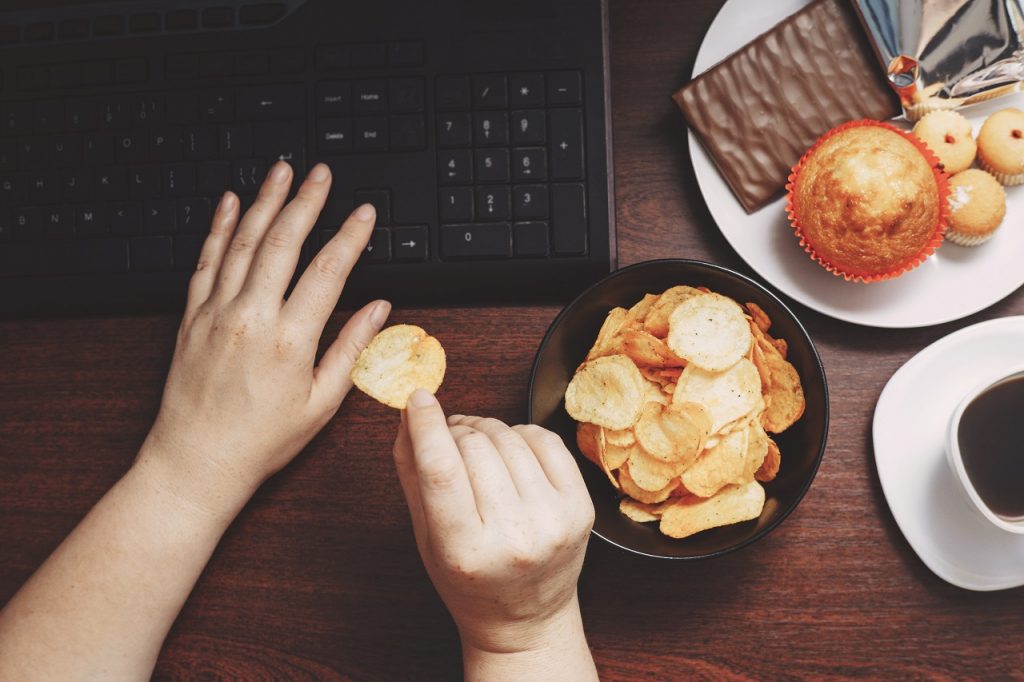 Old habits die hard and that’s true. Habits are stored in our subconscious mind. We keep on carrying out tasks or habits, without even realizing we are doing it. While some habits help us complete day to day activities, there are some which aren’t good for our health, especially the ones which affect our diet. It is crucial to follow habits which have a positive impact on health. It is time to identify unhealthy habits and get rid of them for good health’s sake.


