GOQii

Blog

  • HOME
  • HEALTHY LIVING
  • FITNESS
  • HEALTHY RECIPES
  • USER STORIES
  • KARMA
  • BUY GOQii

August 5, 2026 By GOQii 2 Comments

Quick No-Equipment Indoor Workout to Stay Active During the Monsoon

Indoor HIITThe Big Question – Has the rainy season disrupted your workout routine?

Monsoon weather often makes it difficult to head outdoors. Waterlogged roads, cancelled gym sessions, slippery parks and unpredictable showers can quickly derail even the most consistent fitness habits.

The good news? You don’t need a gym or any equipment to stay active.

A short bodyweight workout performed at home can elevate your heart rate, strengthen your muscles and help you maintain your fitness until the weather clears.

Whether you’re a beginner or already exercise regularly, this quick indoor workout can help you stay on track throughout the rainy season.

Quick Answer – What is the best indoor workout without equipment?

A simple 15–20 minute bodyweight HIIT (High-Intensity Interval Training) workout combining movements like jumping jacks, squats, planks, mountain climbers and high knees can improve cardiovascular fitness, build muscular endurance and burn calories all without leaving your living room.

Why Indoor Workouts Matter During the Monsoon

Rain shouldn’t become an excuse to stop moving.

Indoor workouts help you:

  • Stay consistent with your fitness routine
  • Avoid slippery roads and outdoor injuries
  • Reduce exposure to mosquitoes and waterborne infections
  • Maintain cardiovascular fitness
  • Improve mood and energy on gloomy days

Remember, consistency beats perfection.

Even 20 minutes of movement is far better than doing nothing.

What Is HIIT?

HIIT (High-Intensity Interval Training) alternates short bursts of higher-intensity exercise with brief recovery periods.

This style of training can help:

  • Improve cardiovascular fitness
  • Increase calorie expenditure
  • Build muscular endurance
  • Save time compared to longer workouts

The best part?

HIIT can easily be adapted for beginners by reducing speed, intensity or impact.

Before You Begin

A few minutes of preparation can reduce your risk of injury and improve workout quality.

Warm Up (3–5 Minutes)

Spend a few minutes preparing your muscles and joints with:

  • Neck rolls
  • Shoulder circles
  • Hip rotations
  • Ankle mobility exercises
  • Marching in place
  • Bodyweight squats
  • Arm swings

A proper warm-up gradually increases your heart rate and prepares your body for exercise.

Wear Proper Footwear

Supportive training shoes help absorb impact and reduce stress on your ankles and knees, especially during jumping exercises.

Prioritise Good Technique

Move with control.

Proper form is always more important than speed or repetitions.

Choose Your Workout Level

The workout takes approximately 15–20 minutes, depending on your chosen level and rest periods.

Level

  Workout Time  

  Sets  

  Rest Between Sets   

Beginner

10–15 min

3–4

Up to 1 minute

 Intermediate

15–20 min

2–3

Up to 2 minutes

Advanced

15–20 min

2–3

Up to 2 minutes

Beginner Workout

Focus on learning proper movement patterns and maintaining steady breathing.

Exercise            Duration Coaching Tip
Jumping Jacks 20 sec Land softly and keep your core engaged.
Marching in Place 20 sec Lift your knees comfortably without rushing.
Spot Jogging 20 sec Stay light on your feet.
Wide Squats 20 sec Keep your chest lifted and knees aligned with your toes.
Jumping Jacks 20 sec Maintain a comfortable rhythm.

Rest: Up to 1 minute

Repeat: 3–4 rounds

Intermediate Workout

Increase intensity while improving core stability.

Exercise Duration Coaching Tip
Jumping Jacks 20 sec Maintain steady breathing.
Plank 20 sec Keep your body in a straight line from head to heels.
Jumping Jacks 20 sec Stay light on your feet.
Plank 20 sec Avoid letting your hips sag.
High Knees 20 sec Lift knees toward hip height while pumping your arms.
Plank 20 sec Keep shoulders directly above wrists.
Mountain Climbers 20 sec Drive your knees forward without bouncing your hips.
Plank 20 sec Engage your core throughout.
Mountain Climbers 20 sec Maintain a controlled pace.

Rest: Up to 2 minutes

Repeat: 2–3 rounds

Advanced Workout

Challenge your strength, endurance and coordination.

Exercise Duration Coaching Tip
Jump Squats 20 sec Land softly with bent knees.
Shadow Boxing 20 sec Rotate through your torso rather than only your arms.
Jump Squats 20 sec Drive through your heels.
Burpees 20 sec Maintain control throughout each repetition.
Plank Crunches 20 sec Keep your hips level.
Burpees 20 sec Move smoothly without rushing.
High Knees 20 sec Maintain quick but controlled steps.
Shadow Boxing 20 sec Keep your core engaged.
High Knees 20 sec Finish strong while maintaining good posture.

Rest: Up to 2 minutes

Repeat: 2–3 rounds

Cool Down (5 Minutes)

Recovery is just as important as the workout itself.

Spend 5 minutes:

  • Walking slowly around the room
  • Stretching your calves
  • Stretching your hamstrings
  • Stretching your quadriceps
  • Stretching your chest and shoulders
  • Practising slow, deep breathing

Cooling down helps your heart rate gradually return to normal and reduces muscle stiffness.

Recovery Tips

To maximise the benefits of your workout:

  • Drink water after exercising.
  • Eat a balanced meal containing protein and complex carbohydrates within a couple of hours.
  • Aim for 7–9 hours of quality sleep each night.
  • Allow your muscles time to recover between HIIT sessions.

Recovery is where your body adapts and becomes stronger.

Who Should Modify or Avoid HIIT?

HIIT may not be suitable for everyone.

Speak with your healthcare provider before starting if you:

  • Are pregnant
  • Have uncontrolled high blood pressure
  • Have severe arthritis
  • Have a recent injury or surgery
  • Have uncontrolled heart disease
  • Experience dizziness during exercise

If any movement causes pain, stop immediately and choose a lower-impact alternative.

Rainy weather doesn’t have to interrupt your fitness journey.

A quick indoor bodyweight workout can help maintain your strength, improve cardiovascular fitness and keep your momentum going even when stepping outside isn’t an option.

Remember, fitness isn’t built through occasional intense workouts it’s built through consistency.

Move a little every day, and your body will thank you.

Pro Tip: Want expert guidance without leaving home? Join live GOQii PRO fitness classes through the GOQii App and work out alongside certified trainers who can help you improve your technique, stay motivated and safely progress your fitness journey.

Frequently Asked Questions (FAQs)

  1. How often should I do HIIT?

Most adults benefit from 2–3 HIIT sessions per week, allowing at least one recovery day between sessions.

  1. Can beginners do HIIT?

Yes. Beginners should start with shorter sessions, lower-impact modifications and focus on proper technique rather than speed.

  1. Does sweating more mean I’m burning more fat?

No. Sweat is your body’s cooling mechanism and does not accurately reflect calorie or fat burn.

  1. Which burns more calories walking or HIIT?

HIIT generally burns more calories per minute due to its higher intensity. However, both walking and HIIT contribute to overall health, and the best exercise is the one you can perform consistently.

  1. Can I combine this workout with other activities?

Absolutely. On non-HIIT days, consider walking, yoga, mobility exercises or strength training to maintain an active lifestyle.

#BeTheForce! 

Disclaimer: This workout is intended for educational purposes only and should not replace personalised medical or fitness advice. Consult your healthcare provider before starting a new exercise programme, particularly if you have an underlying medical condition, are pregnant or are recovering from an injury. Stop exercising immediately if you experience chest pain, dizziness, severe breathlessness or sharp pain.
July 14, 2026 By GOQii 11 Comments

Planks: The Quick and Easy Way to Stay Fit!

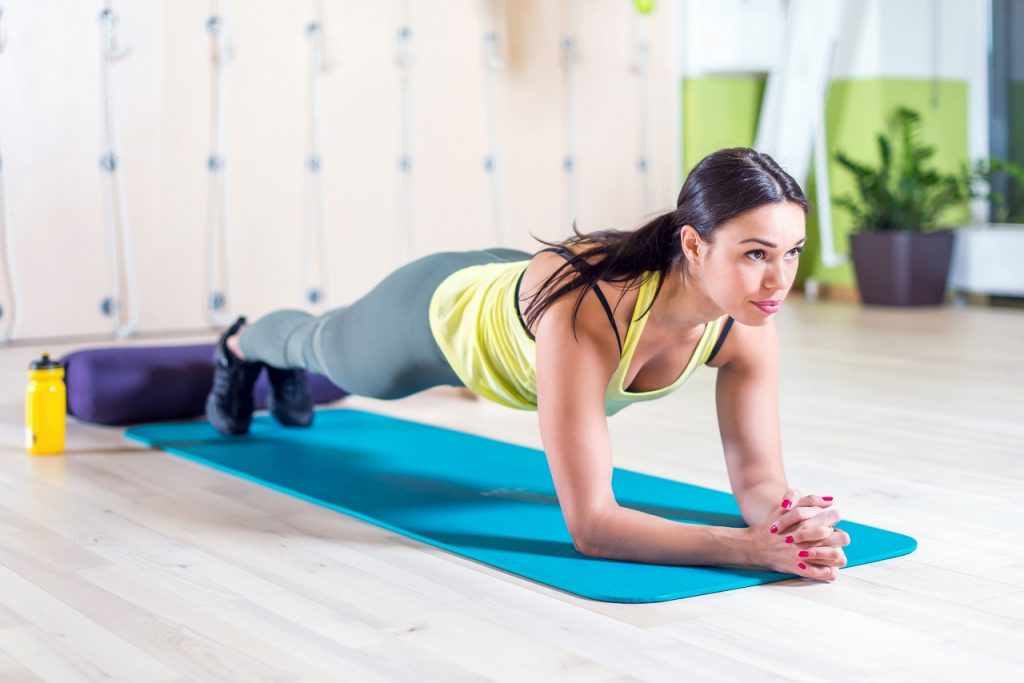
Benefits of PlanksThe Big Question: Can one simple exercise strengthen your core, improve posture, build full-body stability, and fit into even the busiest schedule?
Between work deadlines, family commitments, and daily responsibilities, finding time to exercise isn’t always easy. While many people believe they need long gym sessions to stay fit, the truth is that a few minutes of focused movement can make a meaningful difference.

One exercise that consistently delivers excellent results is the plank. It requires no equipment, very little space, and can be performed almost anywhere. More importantly, it engages multiple muscle groups simultaneously, making it one of the most effective bodyweight exercises for improving strength, stability, and overall fitness. Whether you’re just beginning your fitness journey or looking to level up your workouts, planks deserve a permanent place in your routine.

Why Are Planks So Effective?

Unlike standard crunches or sit-ups, which mainly target the front abdominal muscles, planks activate your entire core while recruiting muscles throughout your entire body to fight against gravity. A correctly performed plank works your:

  • Rectus abdominis: The front abdominal muscles.
  • Transverse abdominis: The deep core muscles that wrap around your spine.
  • Obliques: The side abdominal muscles.
  • Lower back and Glutes: The posterior chain that supports your pelvis.
  • Shoulders and Chest: For upper body stability.
  • Quadriceps and Hip Stabilizers: To keep your lower body rigid and aligned.

These muscles work seamlessly together to stabilize your spine, improve your movement efficiency, and support everyday activities—from safely lifting heavy groceries to climbing a steep flight of stairs.

8 Powerful Benefits of Planks

  1. Builds Foundational Core Strength

Your core acts as the body’s foundation. A stronger core supports better physical movement, protects your spine, and improves performance during everyday activities and sports.

  1. Improves Posture naturally

Weak core muscles often contribute to slouching and poor posture. Regular planks strengthen the specific muscles that keep your shoulders, back, and hips properly aligned, helping you stand taller and sit more comfortably.

  1. Supports Spinal Stability

Strong core muscles help distribute forces more evenly across your spine, reducing unnecessary strain on your lower back. While planks are not a medical treatment for chronic back pain, they are a vital part of a balanced exercise program for improving spinal stability.

  1. Improves Balance and Coordination

Maintaining a plank challenges your body’s ability to remain stable. This improves your baseline balance, coordination, and body awareness—skills that become increasingly important as we age.

  1. Enhances Athletic Performance

Whether you run, cycle, swim, play sports, or lift weights, a stronger core improves the transfer of force between your upper and lower body, making all movement more efficient and powerful.

  1. Increases Muscular Endurance

Unlike explosive, high-impact exercises, planks build endurance by training your muscles to maintain tension over a sustained period of time. This helps you perform daily physical activities with far less fatigue.

  1. Requires Zero Equipment

One of the biggest advantages of planks is their universal accessibility. You don’t need a gym membership, a bench, or expensive equipment—just enough floor space to stretch out.

  1. Saves Valuable Time

A focused plank routine lasting just 5 to 10 minutes can engage nearly every major muscle group in your body, making it the ideal workout for busy lifestyles.

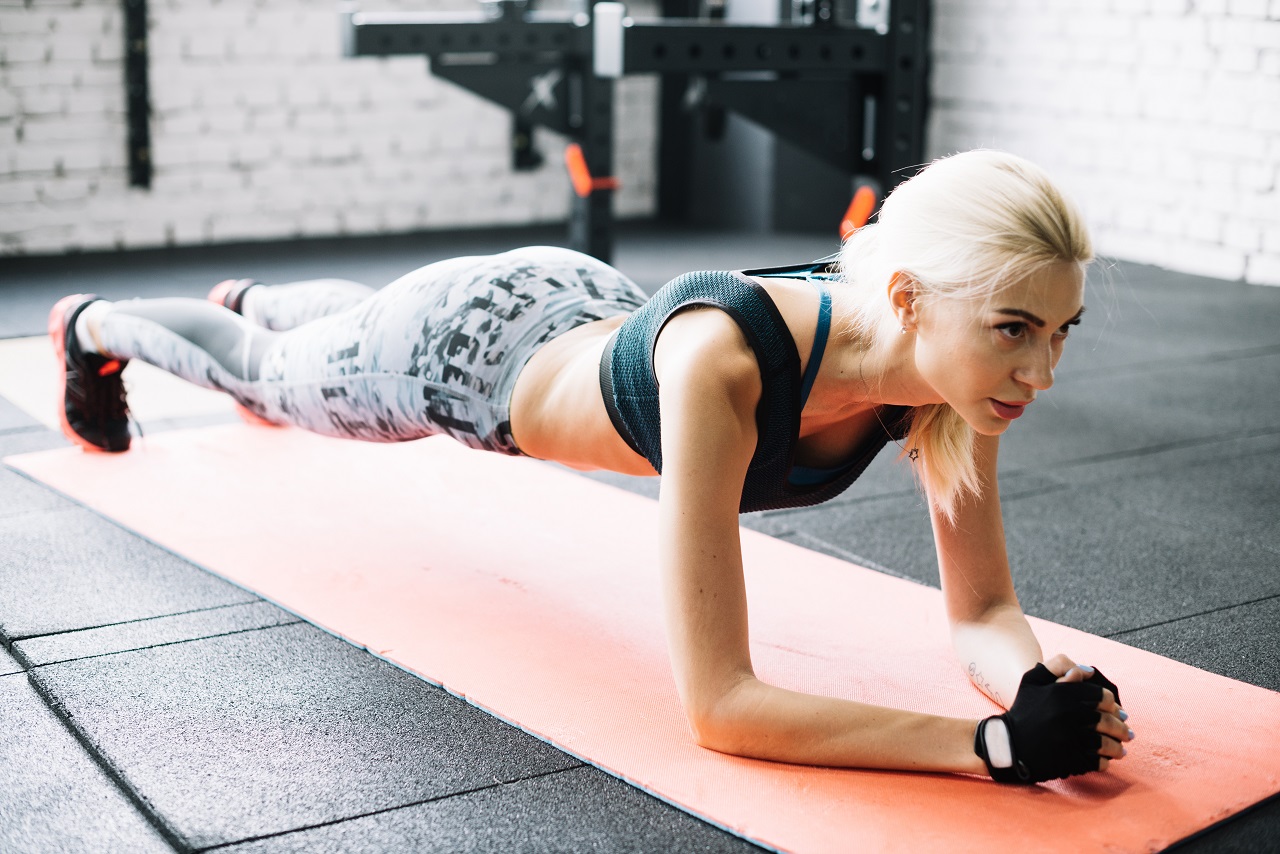
How to Perform the Perfect Forearm Plank

Proper form is infinitely more important than how long you can hold the position. Follow these structural steps to get it right:

  • Lie face down on a yoga mat or comfortable floor surface.
  • Position your elbows directly beneath your shoulders.
  • Keep your forearms parallel to each other or gently clasp your hands together.
  • Extend your legs straight out behind you and lift up onto your toes.
  • Tighten your abdominal muscles intensely, as though preparing for a punch.
  • Squeeze your glutes tightly to stabilize your pelvis.
  • Keep your ribs pulled down and avoid arching your lower back.
  • Maintain one straight, rigid line from your head down to your heels.
  • Keep your neck neutral by looking at the floor slightly ahead of your hands.
  • Breathe normally throughout the exercise—do not hold your breath!

Remember: Good form for 20 seconds always beats a 2-minute hold with poor technique.

5 Plank Variations to Challenge Yourself

As your core gets stronger, you need to challenge it in new planes of motion. Here are five excellent variations to incorporate:

Plank Variation Difficulty Primary Target Area Execution
Side Plank Intermediate Obliques, shoulders, and hip stabilizers. Support yourself on one forearm with feet stacked. Lift hips to form a straight line.
Reverse Plank Intermediate Glutes, hamstrings, shoulders, and upper back. Sit with legs extended, place palms behind you, and lift hips up into a straight line.
Dynamic Plank Intermediate Core control and shoulder mobility. From a forearm plank, push hips high into an inverted “V”, then slowly lower back down.
Plank to Push-Up Advanced Upper-body strength and anti-rotational stability. Move from forearms to hands (high plank) one arm at a time, then back down.
Plank Jacks Advanced Core training combined with cardiovascular conditioning. In a high plank, jump your feet wide apart and back together, keeping your torso stable.

New to Planks? Your 4-Week Starter Plan

If you’re new to planks, do not worry about holding the position for a full minute on your first attempt. Try this simple, progressive schedule:

Timeline Goal per Set Sets to Complete
Week 1 15–20 seconds 3 Sets
Week 2 20–30 seconds 3 Sets
Week 3 30–45 seconds 3 Sets
Week 4 45–60 seconds 3 Sets

Progress gradually and only move to the next week if you can maintain excellent, pain-free technique.

Reality Check: Can Planks Help You Lose Belly Fat?

One of the biggest fitness myths in the industry is that planks specifically burn belly fat. The reality is different.

Planks strengthen your abdominal muscles and massively improve core stability, but they cannot spot-reduce fat from one specific area of the body. Fat loss only occurs when you combine regular physical activity with balanced nutrition to maintain a calorie deficit over time. Think of planks as the tool that builds and strengthens the muscles beneath the fat, while your overall diet and lifestyle determine how much body fat you actually lose.

Common Plank Mistakes to Avoid

Even seasoned athletes make these structural errors. Check your form and avoid:

❌ Holding your breath during the isometric hold.

❌ Letting your hips sag toward the floor (strains the lower back).

❌ Raising your hips too high into the air (removes tension from the core).

❌ Looking straight up or ahead instead of keeping your neck neutral.

❌ Positioning your elbows too far in front of your shoulders.

❌ Prioritizing a longer hold time over proper structural alignment.

Who Should Modify or Avoid Planks?

While planks are generally safe and highly effective for most healthy individuals, you should consult your healthcare provider or a physiotherapist before performing them if you have:

  • Recent shoulder or wrist injuries.
  • An active hernia.
  • Severe or chronic lower back pain.
  • Recent abdominal surgery.
  • Pregnancy (certain modified variations are required for safety).

Stop immediately if you experience sharp, shooting pain during the exercise.

You don’t need an hour-long, exhausting workout to become a stronger, healthier version of yourself. Planks are one of the simplest, most effective, and most accessible exercises for improving core strength, posture, balance, and functional fitness. The key isn’t holding the longest plank possible—it is maintaining proper form and practicing consistently. Just a few minutes several times a week can make a highly noticeable difference to your overall strength and stability!

Pro Tip: Consistency builds results. Use the GOQii App to track your workouts, activity levels, and progress over time. Your GOQii Personalised Health Coach can recommend exercises suited to your fitness level and help you build a sustainable routine.

Frequently Asked Questions (FAQs)

  1. Are planks better than traditional crunches?

Both exercises have their place, but planks engage multiple muscle groups simultaneously (including the back, glutes, and shoulders) and improve overall functional core stability, whereas crunches strictly isolate the front abdominal muscles.

  1. How long should absolute beginners hold a plank?

Most beginners should start with 15 to 30 seconds while focusing entirely on maintaining proper form. Gradually increase the duration by 5–10 seconds as your core strength improves.

  1. Can doing planks every day reduce my belly fat?

No. Planks strengthen your core muscles but cannot specifically burn fat from your belly. Fat loss depends on your overall nutrition, daily physical activity, and sustaining a healthy calorie balance.

  1. Is it safe to do planks every single day?

Many people can safely perform planks daily if they use proper technique and do not overtrain. However, your muscles need time to recover, so if you experience deep muscle soreness, take a rest day or alternate with other forms of exercise. Listen to your body!

Disclaimer: This article is intended for educational and informational purposes only and should not be considered medical advice. Consult a qualified healthcare provider or certified fitness professional before beginning a new exercise program, particularly if you have an existing medical condition, injury, or concerns about your physical health.

#BeTheForce

April 24, 2023 By Vandana Juneja 1 Comment

5 Powerful Bodyweight Exercises For Lower Back

exercises for lower backWith sedentary jobs and increased sitting time, we are much more prone to weak and underutilized muscles, leading to faulty postures and eventually lower back pain. So, it’s all the more important to work on strengthening our core/lower back muscles. A strong back not only makes you look aesthetically great, it also helps you maintain/improve your posture and protects from any back pain/injury. And what’s best, when you can use your own bodyweight as a tool to gain strength, rather than rely on fancy equipment! 
5 Effective Bodyweight Exercises For Lower Back 

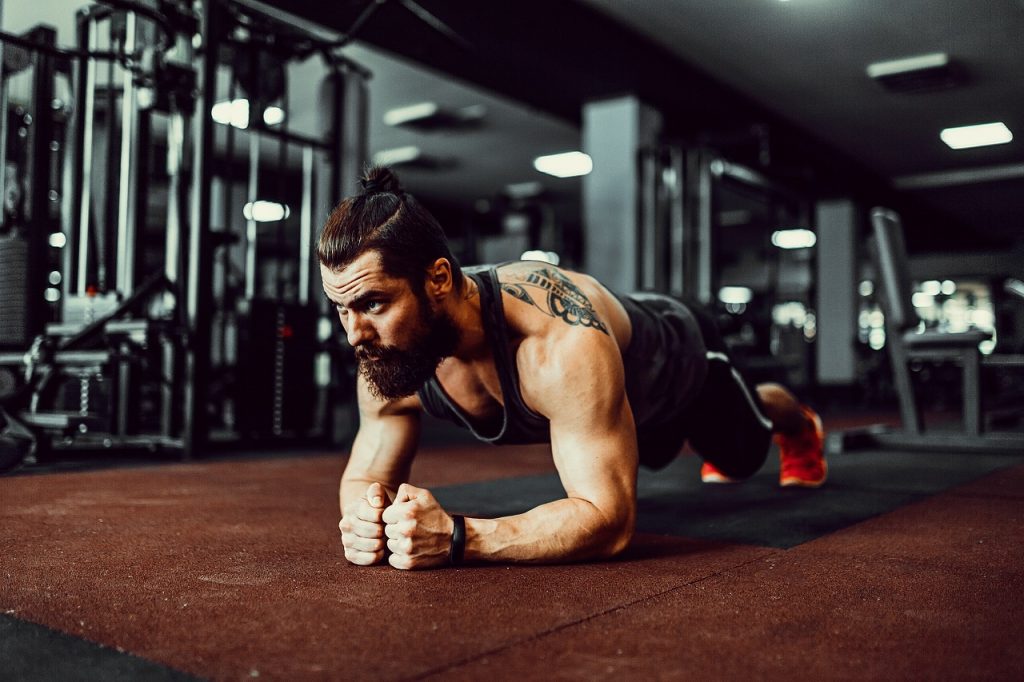
1. Plank

lower back
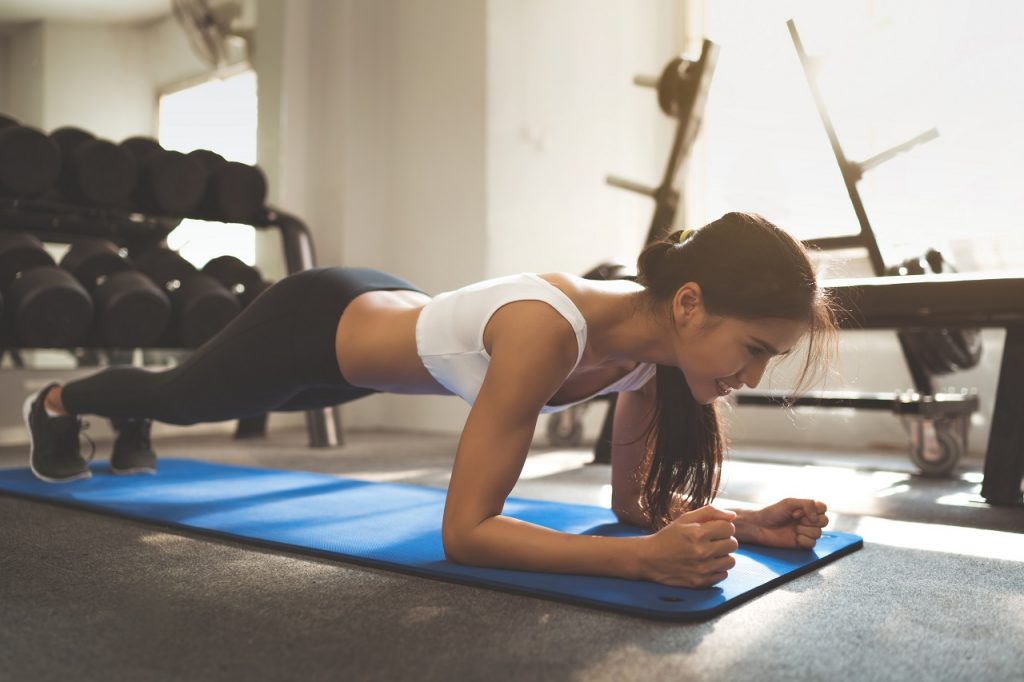
The plank is an excellent exercise to strengthen your core, it works on your abdominal muscles and the entire back from the pelvis, along the spine and up to the shoulder girdle. It also engages the entire lower limbs.

How to do a Plank?

  1. Begin in the plank position, with your face down and your forearms and toes on the floor. Your elbows should be directly under your shoulders and your forearms should be facing forward. Your head should be relaxed and you should be looking at the floor.
  2. Engage your abdominal muscles, drawing your navel toward your spine. Keep your torso straight and rigid and your body in a straight line from head to toes with no sagging or upward bend. This is the neutral spine position.
  3. Hold this position for 10-15 seconds, release onto the floor and as you progress, you can increase the hold time to 30 sec/1 min/ 2 min.

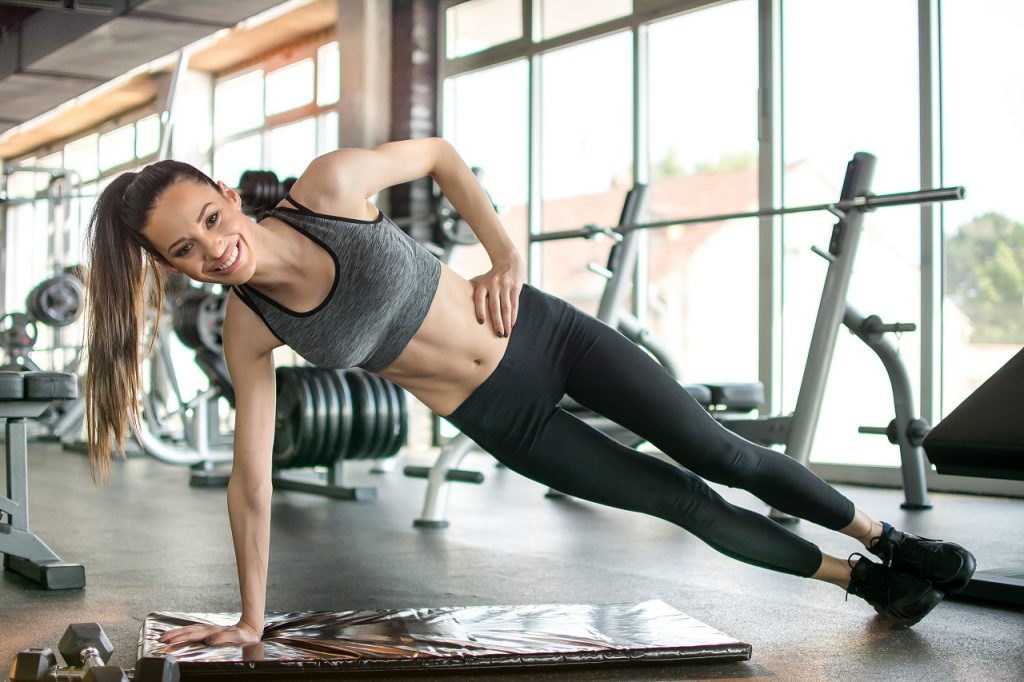
2. Side Plank


The side plank works on your core, along with the internal and external oblique muscles that collectively help to control the rotational movements of our spine. A regular plank keeps our core stabilized, while working on the transverse abdominis muscle, whereas the side plank has a stronger emphasis on the quadratus lumborum or the part of the back side of the abdominal wall that plays a major role in preventing back pain.

How to do a Side Plank?

  1. Start with your elbow positioned directly below your shoulder, with the forearm resting on the ground.
  2. Keep the feet stacked or staggered (depending on your core strength), lift up your bottom, through the lower obliques until the body is in a straight line. Keep the shoulders and hips stacked.
  3. Perform one to three sets for 10-30 seconds, or as long as you can maintain proper form.
  4. For Beginners: You can drop the knee to the floor for additional support or find an elevated surface to place the hand or forearm, reducing the challenge on the core.

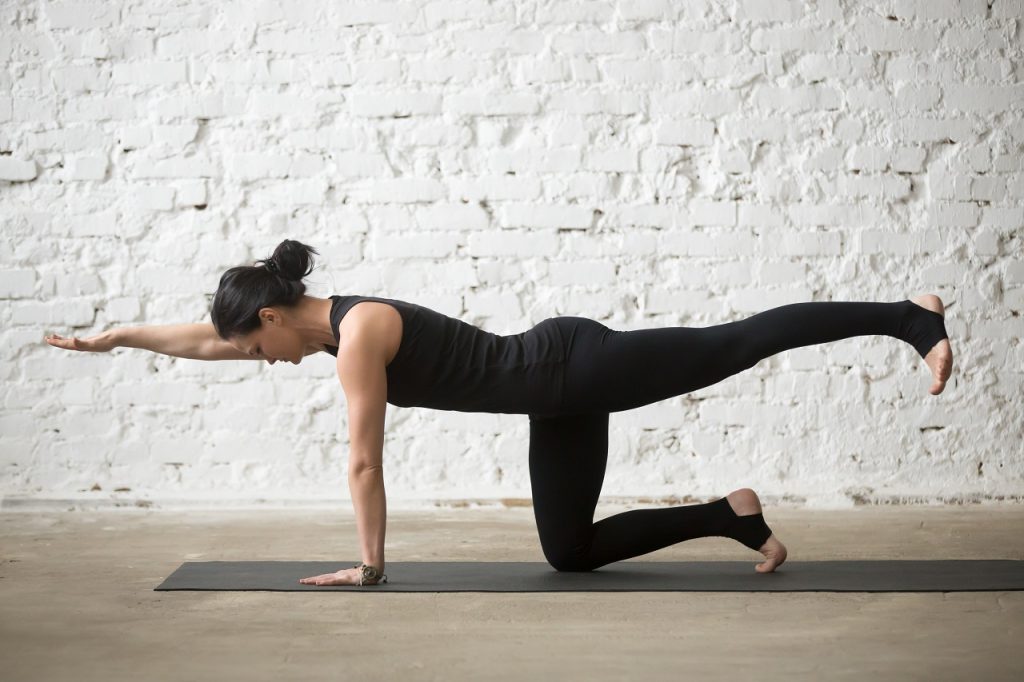
3. Quadruped Limb Raises/ Bird Dog


The bird dog is a simple core exercise that improves stability, strength (of core, hips and back muscles), mobility and alignment of the entire spine. Hence is very effective in relieving low back pain.

How to do a Bird Dog?

  1. Begin on all fours in the tabletop position, with your hands placed under the shoulders and knees under the hips. Maintain a neutral spine and draw your shoulders blades together.
  2. Raise your right arm and left leg, keeping your shoulders and hips parallel to the floor. Lengthen the back of your neck and tuck your chin into your chest to gaze down at the floor.
  3. Hold this position for a few seconds, then lower back down to the starting position. Repeat with the left arm and right leg. You can do 8-10 repetitions each side and progress with more sets.

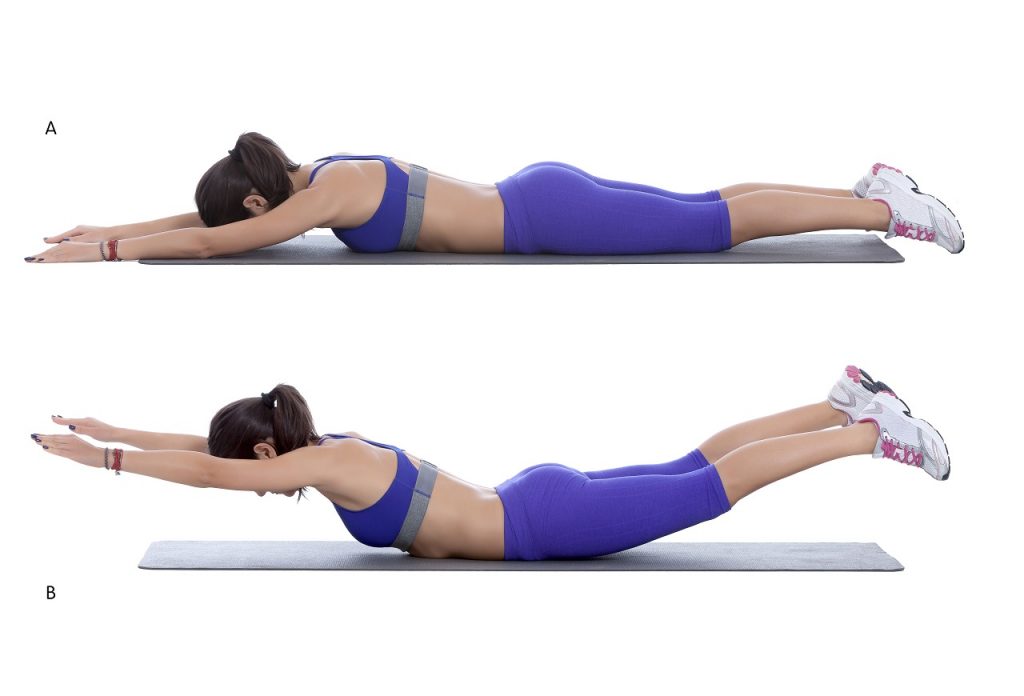
4. Back Extension Exercise/Superman Pose


An exercise named after “the Man of Steel”, should definitely give your back muscles the power of steel, to keep you away from back pain and increase your mobility and strength for daily activities. The Superman pose is a great bodyweight exercise that engages your entire core- including the abdominals, obliques, back extensors, hamstrings, glutes and the arms too.

How to do a Superman?

  1. Begin by lying with your belly on the floor, head in neutral position and arms extended over your head, so that a straight line is created from the tips of your finger to the toes.
  2. Slowly lift your arms and legs off the ground at the same time, tightening your glutes(butt) as you lift up. Hold the position at the top, for 3-5 seconds.
  3. Gradually lower your arms and legs to the floor. Repeat the movement 5-10 times, depending on your fitness level.
  4. Increase difficulty level: If you think the above move is easy, you can increase the challenge by making this an isometric exercise. Hold the top position for 30-60 seconds, or as long as you can maintain proper form.

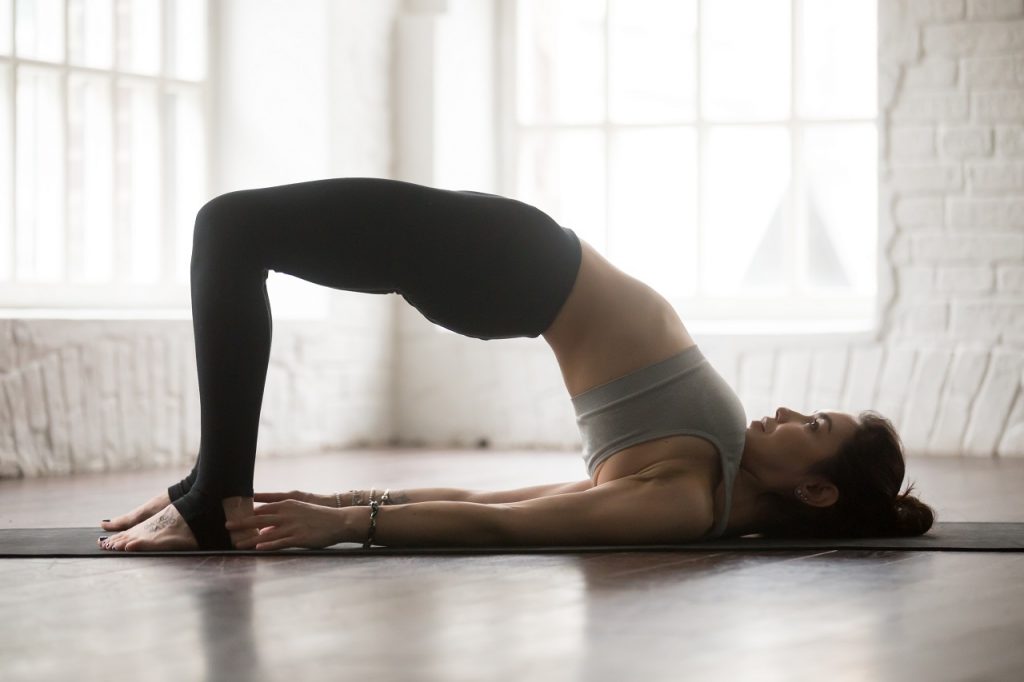
5. Bridge/Supine Gluteal Bridge


The bridge is a great exercise for improving hip mobility and strengthening your lower back muscles, using your own bodyweight. This exercise targets the back of your legs, or posterior chain, that includes your hamstrings and glutes. 

How to do it?  

  1. Lie on your back with your knees bent. Tighten your abdominal muscles.
  2. Raise your hips off the floor until your hips are aligned with your knees and shoulders. Hold for three deep breaths.
  3. Return to the starting position and repeat. You can do up to 3 sets of 10-15 repetitions.
  4. Increase difficulty level: by performing this exercise with a single leg, while maintaining level hips.

So, if you are looking to strengthen your back muscles using your own bodyweight and no equipment, you now know what exercises to do and how to progress ahead. You can do the exercises, 2-3 times a week and also can add to any workout routine that you have been following.

If this article on bodyweight exercises for lower back helped you, let us know in the comments below! Want to explore more articles on home workouts and exercises? Click here or join our fitness experts for live, interactive sessions on GOQii PRO. Book a class now from the GOQii App. 

#BeTheForce 

June 10, 2015 By ASHWINI PRAKASH CHAUDHARI Leave a Comment

7 Minute Workout

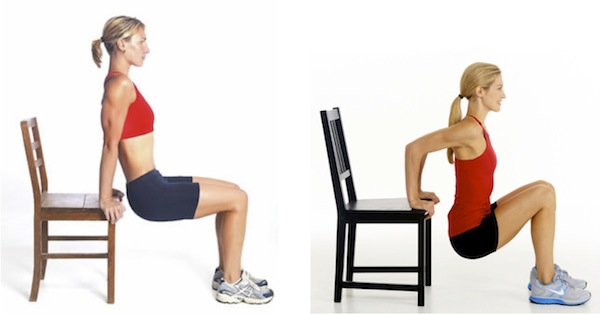
chair-dips-easy-women

Most of us are busy these days with no time left in hand to do regular workouts or any other daily activities. What do you mean by workouts? Spending an hour in gym or doing something on your own to be fit and healthy.

I have seen many people doing workouts in gym and spending hours there but, is it really worth it?

Getting into shape does not require spending hours in gym, FAD diet plans or using state of the art equipment. In fact, our own bodyweight is all you need to effectively exercise and achieve the shape you want. Bodyweight training works and it is inexpensive and convenient too. Let’s not make Work pressure as our excuse and find out a time either in the morning or evening for just 7 min workout.

7 min workout is a high-intensity interval training workout that includes prolonged endurance training which provides many of the fitness benefits in much less time. It directly targets the overall fitness. It helps in increasing metabolic rate. While doing the workouts your body releases the endorphin which helps to reduce stress.

This workout does not require equipment and you can use your own body weight, a chair and a wall, etc.

To burn the most amount of fat in the shortest amount of time, the following moves are best-

  1. Jumping Jacks- This classic cardio move is a great way to warm up and it beneficial for heart and lungs. It improves strength and endurance, increases the metabolic rate and burns calories.
  1. Wall Sit- Who needs a chair when there’s a wall? Wall Sits are great in working out the two groups of muscles in your thigh. Repetitions of Wall Sits would naturally give you thighs that can withstand prolonged strenuous activities.
  1. PushUp – Doing Pushups allow you to provide a full body workout, allowing you to access many muscle groups at once. You can work the quads, hamstrings, calves, chest, shoulders and arms all at the same time with a few pushups. You will notice that performing push up reps regularly will help you get a more toned chest, shoulders, forearms, upper arms and wrists. It stimulates the metabolism and blood circulation, allowing you to burn more calories throughout the rest of your workout.
  1. Abdominal Crunch – Crunches works on the rectus abdomen muscle. It is mainly just a core working exercise and burns less calories comparatively but, they move in a controlled manner, flexing and releasing the core muscles thus helping to build the abs.
  1. Step up onto Chair – This exercise is great for targeting your quad and gluteus maximus muscles, giving you strong, powerful legs.
  2. Squat – Squat exercises are great for a total lower body workout. They effectively work most of the major muscle groups of the butt, hips and thighs. Squats are also a versatile exercise. Squats engage the core muscles of the body. The result is a tighter, flatter abdomen and a stronger lower back.
  1. Triceps dip on Chair – It is a triceps-strengthening and a most effective body-weight exercise. Dips target your triceps, the muscles on the back of your upper arm.
  1. Plank – The plank exercise helps to strengthen midsection, upper-body and lower-body muscles along the front of your body. Planks also strengthen inner core muscles that support your joints. It helps in reducing belly fat, reduce back pain. At a time, it works on all your core muscles.
  1. High Knees running in place – This is a nice warm-up. It is a great practice for runners and athletes to improve running form and develop lower body muscles. It also enhances your strength, speed, balance and flexibility. It provides you more energy, burns calories, builds muscles and enhances blood circulation.
  1. Lunges – The lunge is an easy-to-learn, safe and incredibly effective exercise. Lunges target the quadriceps, but involve additional muscles, including the glutes, hamstrings, calves and core muscles, making them an important exercise for toning the lower body.
  1. Push up and rotation – This exercise is great for building shoulder stabilization and strengthening your entire core. Don’t let your hips drop when you go into side rotation. Try to keep everything in a straight diagonal line throughout.
  1. Side Plank – It works your entire core, but particularly targets an often weak muscle called the quadratus lumborum. It helps to reduce risk for lower back pains. It improves your balance and structure.

The exercises should be performed in rapid succession, allowing 30 seconds for each with 10 secondss rest in between and proper warm up and stretching required.

Here you have to give only 7 mins to your health which is equal to 0.5% of your day to your body and you are done with your workouts.

Search

Recent Posts

  • Warming winter soups: 3 protein-rich recipes
  • World AMR Awareness Week 2026: when you need antibiotics, and simple steps to prevent AMR
  • PCOS: diet, exercise and the myths to stop believing
  • Cholesterol numbers explained: LDL, HDL and triglycerides
  • International Men’s Day 2026: why men’s health is everyone’s business

Stay Updated

Archives

  • November 2026 (22)
  • October 2026 (23)
  • September 2026 (5)
  • August 2026 (8)
  • July 2026 (24)
  • June 2026 (22)
  • May 2026 (20)
  • April 2026 (24)
  • March 2026 (18)
  • February 2026 (14)
  • January 2026 (14)
  • December 2025 (19)
  • November 2025 (14)
  • October 2025 (17)
  • September 2025 (6)
  • August 2025 (5)
  • July 2025 (9)
  • June 2025 (18)
  • May 2025 (16)
  • April 2025 (22)
  • March 2025 (25)
  • February 2025 (21)
  • January 2025 (25)
  • December 2024 (21)
  • November 2024 (21)
  • October 2024 (15)
  • September 2024 (22)
  • August 2024 (27)
  • July 2024 (14)
  • June 2024 (23)
  • May 2024 (26)
  • April 2024 (27)
  • March 2024 (27)
  • February 2024 (23)
  • January 2024 (21)
  • December 2023 (14)
  • November 2023 (10)
  • October 2023 (18)
  • September 2023 (20)
  • August 2023 (16)
  • July 2023 (16)
  • June 2023 (21)
  • May 2023 (20)
  • April 2023 (19)
  • March 2023 (23)
  • February 2023 (19)
  • January 2023 (15)
  • December 2022 (11)
  • November 2022 (15)
  • October 2022 (15)
  • September 2022 (12)
  • August 2022 (9)
  • July 2022 (17)
  • June 2022 (11)
  • May 2022 (10)
  • April 2022 (6)
  • March 2022 (6)
  • February 2022 (13)
  • January 2022 (11)
  • December 2021 (7)
  • November 2021 (3)
  • October 2021 (6)
  • September 2021 (3)
  • August 2021 (8)
  • July 2021 (7)
  • June 2021 (15)
  • May 2021 (16)
  • April 2021 (10)
  • March 2021 (7)
  • February 2021 (4)
  • January 2021 (4)
  • December 2020 (3)
  • November 2020 (4)
  • October 2020 (10)
  • September 2020 (3)
  • August 2020 (3)
  • July 2020 (2)
  • June 2020 (4)
  • May 2020 (10)
  • April 2020 (12)
  • March 2020 (10)
  • February 2020 (4)
  • January 2020 (4)
  • December 2019 (3)
  • November 2019 (7)
  • October 2019 (5)
  • September 2019 (4)
  • August 2019 (9)
  • July 2019 (9)
  • June 2019 (11)
  • May 2019 (4)
  • April 2019 (8)
  • March 2019 (8)
  • February 2019 (9)
  • January 2019 (8)
  • December 2018 (9)
  • November 2018 (3)
  • October 2018 (3)
  • September 2018 (5)
  • August 2018 (10)
  • July 2018 (6)
  • June 2018 (13)
  • May 2018 (8)
  • April 2018 (17)
  • March 2018 (9)
  • February 2018 (8)
  • January 2018 (15)
  • December 2017 (12)
  • November 2017 (19)
  • October 2017 (13)
  • September 2017 (15)
  • August 2017 (4)
  • July 2017 (8)
  • June 2017 (7)
  • May 2017 (6)
  • April 2017 (8)
  • March 2017 (6)
  • February 2017 (7)
  • January 2017 (9)
  • December 2016 (10)
  • November 2016 (7)
  • October 2016 (7)
  • September 2016 (7)
  • August 2016 (11)
  • July 2016 (9)
  • June 2016 (9)
  • May 2016 (12)
  • April 2016 (17)
  • March 2016 (17)
  • February 2016 (8)
  • January 2016 (6)
  • December 2015 (2)
  • November 2015 (9)
  • October 2015 (7)
  • September 2015 (9)
  • August 2015 (11)
  • July 2015 (9)
  • June 2015 (11)
  • May 2015 (9)
  • April 2015 (13)
  • March 2015 (8)
  • February 2015 (5)
  • January 2015 (12)
  • December 2014 (14)
  • November 2014 (11)
  • October 2014 (6)
  • September 2014 (13)
  • August 2014 (12)
  • July 2014 (6)
  • June 2014 (2)
  • May 2014 (7)
  • April 2014 (4)

From Burnout to Balance: How Dr. Ranjit Reclaimed His Health

Dr Ranjit Bhatt has spent years tending to others. A practising doctor in Odisha, his days were packed with patients, surgeries, and emergencies. From the outside, it looked like a life lived in service. But on the inside, something wasn’t right. “I had no … [Read More...]

From Shimla’s Slopes to Chandigarh’s Sidewalks: Surinder Kaur Bhalla’s Journey from Chaos to Control

Some journeys start with a plan. Others begin with a stumble literally. Surinder Bhalla, a government professional, born and raised in the scenic hill town of Shimla, had always lived a life of movement. “In Shimla, you walked everywhere,” she reflects. “Walking was never an exercise. It was just life.” But after shifting to Chandigarh, […]

“I’ve Challenged Myself to Live 100 Years” – The Story of Chandubhai Savani’s Second Chance at Life

At 67, most people start slowing down. Not Chandubhai Savani. A resident of Surat, Chandubhai, thought life was on track. “My life was going well till I had my bypass surgery,” he says. That surgery, back in 2021, was a wake-up call.  Medication was routine, but exercise wasn’t. His diet? What he calls ‘normal.’ “I […]

Ananda Mukherjee Health Story

From Terminal Illness To Complete Wellness! Ananda Mukherjee Health Story

As we observe World Cancer Day under the powerful theme ‘United by Unique’ (2025-2027)**, we are reminded that every individual’s journey with cancer is distinct, yet united by shared resilience, hope, and the collective fight against this disease. This theme places people at the centre of care and their stories at the heart of the […]

  • HOME
  • HEALTHY LIVING
  • FITNESS
  • HEALTHY RECIPES
  • USER STORIES
  • KARMA
  • BUY GOQii

Copyright ©2016 GOQii