GOQii

Blog

  • HOME
  • HEALTHY LIVING
  • FITNESS
  • HEALTHY RECIPES
  • USER STORIES
  • KARMA
  • BUY GOQii

April 19, 2023 By Tabassum Parveen 2 Comments

Should You Fast During Ramadan if You Are Diabetic?

diabetes and ramadan

Just a few days back, I was walking down a lane when I came across a person who fainted and fell before me. I got curious and learned that the man was fasting and he had recently been diagnosed with diabetes. He was given immediate medical support and revived.

This incident primarily occurred because he was unaware about the disease. He fell unconscious because the blood glucose levels of his body spiked up while fasting due to the change in medical timings and improper meals. It got me thinking if it is really safe for a diabetic to fast during Ramadan.

What Is Diabetes?

To keep it short, Diabetes is a condition where the blood sugar level is high due to the lack of Insulin – a hormone produced by the Pancreas. Insulin converts glucose into energy and supplies it to every single cell present in the body. The 3 main type of Diabetes include Type 1, Type 2 and Gestational.

In Type 1, the Pancreas stop working and in Type 2, the body produces a little Insulin or does not use it properly. This results in several health problems. Gestational Diabetes often occurs during pregnancy and it generally goes away after delivery.

Should You Fast During Ramadan If You’re Diabetic? 

During this holy month, the Muslim community observes a fast, eating only before sunrise (Suhoor) and after sunset (Iftar). They are not allowed to eat or drink anything in between. However, there is an exception towards people with medical ailments.

Diabetics and those at lower or moderate risks may choose to fast but there certainly isn’t a choice for those at higher risks. If you do choose to fast, keep an eye over blood sugar levels throughout the day. Most importantly, consult a doctor before fasting to avoid medical emergencies.

What Happens To Diabetics When They Fast?

Monitoring your blood glucose level while fasting is crucial for a diabetic. When healthy individuals consume food, Insulin is released by the Pancreas and it stores Glucose in the Liver and Glycogen in the Muscles which balance out the Blood Glucose Levels and maintain it at optimal range.

This process tends to malfunction during fasting which results in lack of Insulin in the blood, leading to either of the two conditions called Hyperglycemia or Hypoglycemia.

  • Hypoglycemia: This is a serious health condition where blood glucose levels drop below 70mg/dl. It requires immediate medical attention. If a person who is fasting feels shakiness or experiences headaches, sweating or lack of concentration, they must break their fast immediately to avoid any severe complications. Complications may range from seizures, coma to death. A bar of chocolate, a sugary drink or a small bowl of curd rice with sugar must be consumed if Blood Sugar Levels are exceptionally low. If a person breaks their fast on such an emergency, visit a doctor immediately.
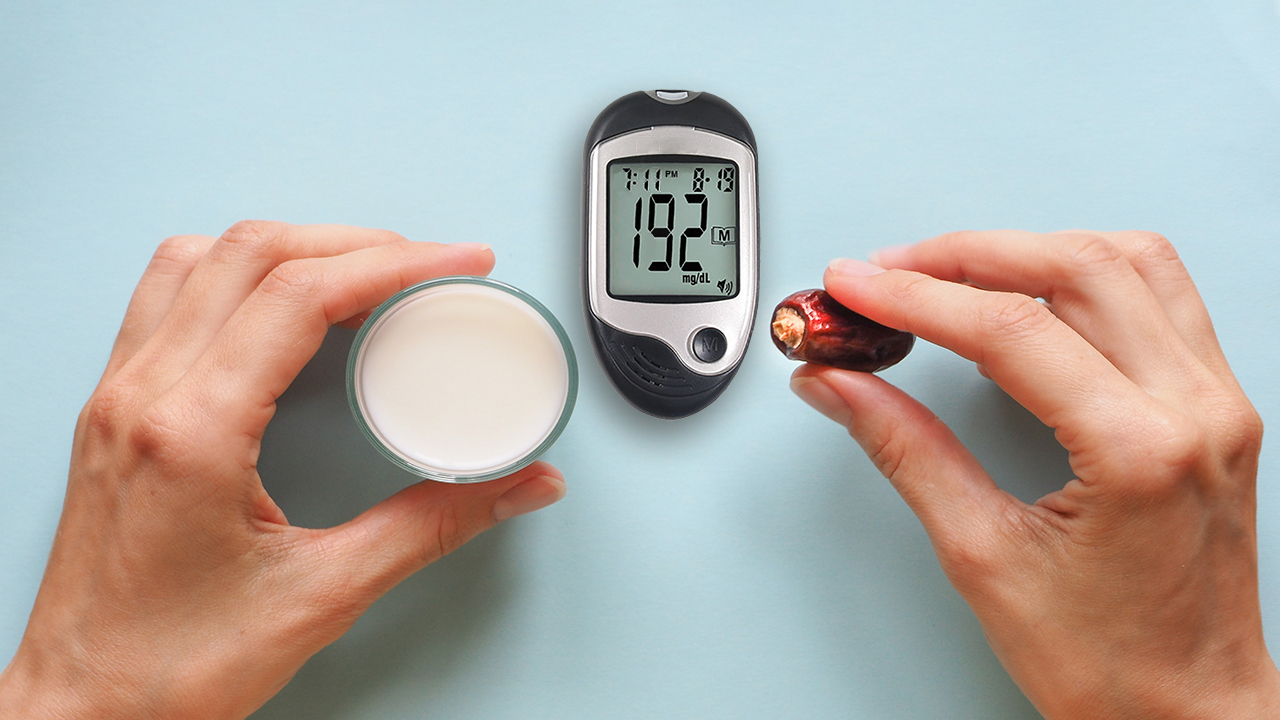
  • Hyperglycemia: This occurs when your sugar levels are as high as or more than 200mg/dl.  Common symptoms include extreme thirst, tiredness, and frequent urination. In such a situation, take advice from your doctor if you should continue your fast or not. Hyperglycemia affects each part of your body. If larger blood vessels are affected, you may face risks of stroke or a heart attack. On the contrary, if smaller blood vessels are affected, then you may face issues with your eyes, nerves and kidneys.
  • Diabetic Ketoacidosis: This is a condition where Blood Glucose Levels go extremely high and a person experiences abdominal pain, rapid breathing, nausea and vomiting. It requires immediate medical attention. In such situations, it is best to consult with a doctor.
  • Dehydration: While fasting, one may experience dehydration, especially those who work outdoors under the scorching heat of the sun. Due to lack of fluids, sugar may accumulate in the system, resulting in high blood sugar levels which can make you pass urine frequently. To overcome such dehydration during Ramadan, try to drink plenty of water after Iftar till Suhoor.

Managing Diabetes While Fasting During Ramadan

Fasting during the holy month of Ramadan is an individual’s decision. It can be managed with lifestyle changes, advice from a doctor and frequent monitoring. A few things you should consider are:

1. Pre-Diabetic Health Checkup: A Health checkup and monitoring your glucose levels before the month of Ramadan is necessary. You can also try fasting before Ramadan to see if you can manage it. Check your medication timings and discuss it with your doctor if you choose to fast.

If you consume medicines at Suhoor and keep a fast the entire day, chances are that your blood glucose levels might drop. Your blood glucose levels might even spike in the evening when you break your fast due to the intake of meals. Hence, discuss your medication timings and keep a glucometer handy to avoid medical emergencies.

2. Nutrition: If you are diabetic, ensure that both your meals are balanced. Opt for low Glycemic Index foods and Complex Carbs which digest slowly. Go for high fiber foods at Suhoor to manage blood glucose levels during fasts. Foods such as oats, Talbina (barley-based dish), brown rice, pasta and a bowl of vegetable salads work best.

Sorghum (Jowar) or Pearl Millet (Bajra) flattened bread (rotis) with Curd Raita is the best choice. A glass of buttermilk is also a good option. You can have Basil Seeds Water during Suhoor as it is rich in antioxidants, protein, good fats and fiber, all of which help in controlling diabetes.

A little protein in the form of chicken, fish, beans and legumes can also be included as they keep you full for a longer period of time and get absorbed slowly. However, people with kidney problems should take extra care to increase protein intake.

During Iftar, break your fast slowly. Chew properly and consume small amounts of food at different intervals as glucose levels may spike up if you consume a large meal at once. Have a small bowl of fruit salad or a glass of lassi (yogurt based drink) before heavy meals. Choose baked or grilled foods as compared to something fried and oily.

Sprouted salads, boiled chickpeas, or fruits are good options to include before you begin your meal. Don’t forget to hydrate yourself. Avoid sugary drinks or caffeinated beverages and choose fresh fruit juices such as beetroot juice or herbal iced tea.

We hope this article helps you stay healthy and maintain a fast without any complications or medical emergencies. If a medical emergency should arise, visit your doctor immediately.

If you found this article to be helpful, let us know your thoughts in the comments below. You can browse through more articles related to diabetes here.

If you need help or support managing Diabetes, join GOQii’s Diabetes Care Program. It’s India’s only diabetes program that is driven by Smart Science and Personal Coaching to improve Fasting Blood Sugar (FBS), Postprandial Blood Sugar (PP), and reduce HbA1c levels. You can subscribe here.

#BeTheForce
March 17, 2023 By Trishala Chopra 6 Comments

Tips to Help You Sleep Better!

sleep better

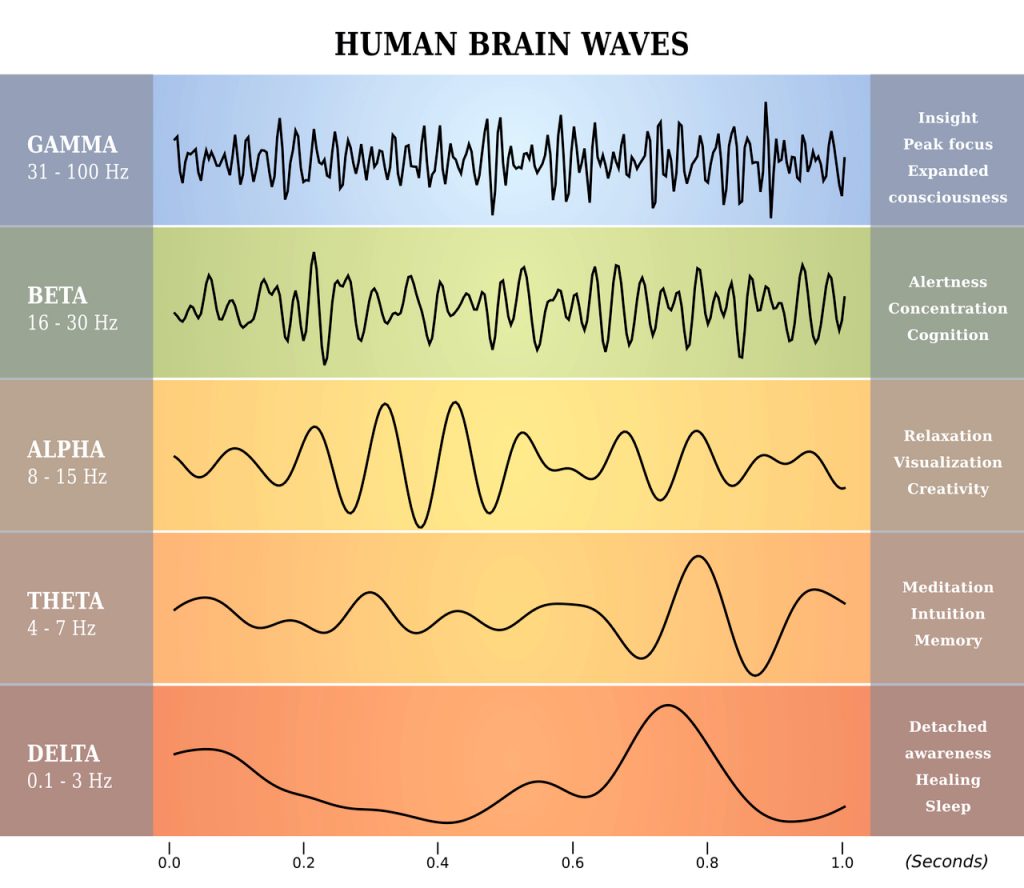
Sleep! You might have already read so many articles about this especially when you’ve not been getting quality sleep. Before we go deeper into how you can sleep better, let us first understand how we define sleep! As per the world’s sleep research, William Dement (Author of promise of sleep) defines sleep as the ‘Moment when the brain starts producing theta waves’.  

Too technical! What exactly are theta waves? I don’t want to get too technical, so I will talk about medical jargon in the most simplest way possible.

The Brain Produces ‘Waves’ All The Time!

While you are awake (concentrating), your brain produces beta waves. When you are daydreaming, relaxing or lying around, your brain produces alpha waves. While your body is in the transition from relaxing to sleeping, that’s when your brain starts producing theta waves. When your body is in deep sleep, your body produces delta waves. sleep better

During this period, your body starts producing growth hormones. I always tell this to my patients. Your body undergoes repairs when you enter deep sleep which is very crucial for overall well being. When I was learning more about sleep, the one question that often came to mind was, “How and when do we get dreams?”

After theta waves, there is one interesting thing which happens. It is called as REM Sleep or Rapid Eye Movement Sleep. This is when your eyes are moving with closed eyelids. You might be dreaming but you will not remember your dreams completely the next day. According to me, these are just basic things about sleep which everyone should be aware of (and with good reason).

Do you ever get a feeling of waking up tired after sleeping for almost 9 hours? When I ask this question to my patients, they say, “I am tired all the time!” This is called as Sleep Deprivation.

How Do You Know That You Are Sleep Deprived?

I read a lot! One of the books that I read on sleep is the Promise of Sleep. The book spoke about a very cool way of figuring out if we are sleep deprived or not. Check out the steps below:

  • Go to bed with a spoon in your hand
  • Your hand should be in a position where the spoon is over the floor and not over the bed
  • Note the time when you plan to sleep
  • As soon as you fall asleep, your hand muscles will relax. Once this happens, the spoon will fall on the floor and the noise will wake you up.
  • Note the time when you wake up. That’s your own sleep latency.

There are many other sleep tests which are done as well to figure sleep deprivation out.

Now that we understand what happens when we sleep,

Follow These Tips to Sleep Better

As always, we go back to our basics: Sleep Hygiene

  • Restrict Tea/Coffee/Green Tea and other caffeinated drinks. Caffeine circulates in the system for at least 7.5 hours. Taking caffeinated drinks close to bedtime can mess your sleep schedule.
  • Make sure you create a sunset kind of environment post sunset with yellow dim lights so your body realizes that it’s the time for you to relax, rest and sleep. Same thing goes for the gadgets! Blue light from your devices block the sleep hormone production. If you have long screen hours, try using blue blocking glasses post sunset.
  • Make sure that your room temperature is around 19-20. Usually, our body temperature tends to fall when we sleep. This will help you in maintaining an ideal body temperature when you wake up.
  • Try to avoid exercising, watching exciting/horror movies which will keep your mind active for a long period of time.

Apart from the basics,

Try the Sleep Restriction State Method

  • If you think you sleep 4 hours per night, then sleep for 4 hours only
  • Go to bed at 1 AM and set your alarm clock for 6AM. You’re not allowed to go to bed earlier than 1AM, or wake up later than 6AM.
  • You will be tired the following day. Extremely tired! That’s a good thing. You will be wondering, what is good in being tired but this will drive you to sleep earlier the next day
  • The next day, you add ½ hour to the sleep time. You go to bed at 12:30AM instead of 1 AM and wake up at 6AM.
  • Keep increasing your sleep window by ½ hour per day till you feel the sleep debt is paid off.

Why are we doing this? It’s because during this time of the sleep window, you won’t be allowed to use stimulants to keep yourself up. No coffee or any kind of caffeinated beverages. We are doing this so that your body starts building up the fatigue, drowsiness and eventually you will end up sleeping. This will help in recovering your sleep debt.

Sometimes, stiff neck muscles will decrease the blood supply to the brain, which results into fragmented sleep. Getting a physio evaluation for the same will also help in improving sleep quality.

We hope these tips help you sleep better! Do type your thoughts and queries in the comments below!

To read more on sleep, check out Healthy Reads. To get these tips directly from your GOQii Coach, subscribe for personalised health coaching here.

#BeTheForce

March 9, 2023 By Luke Coutinho 5 Comments

A Simple Way To Keep Your Kidneys Healthy

healthy kidneys

Obesity comes with its own set of problems. It just doesn’t mean excess weight and heart problems. A lot more is involved. A common point that most people miss out is the health of their kidneys. Adverts in various media platforms educate and try and sell you the best ‘Dialysis’ options available and a plethora of medication. Dialysis is a painful procedure. It affects people’s lives, jobs, families, relationships, etc.

Your goal should be to never reach that stage if it’s in your control, and in most cases, your lifestyle is the only thing that is really in your control. It’s your choice. Keeping your kidneys working at their best should be a top priority. But, what’s sad is that even if you’re paying attention you could still end up with chronic kidney disease (CKD). Just taking care of your kidneys isn’t enough to prevent it.

The two main causes are high blood pressure and diabetes. In fact, one in three adults with diabetes—and 20% with high blood pressure have CKD. So, if you think this doesn’t affect you or a loved one, think again. About 26 million people have this kidney condition. And the numbers are only getting higher.

Chronic kidney disease can be hard to spot early. Most people find out they have it after a blood or urine test. Their doctors’ first course of action—of course—is to write a prescription. This can include blood pressure medications like beta blockers and even statins. If you don’t catch CKD early, your options could be even scarier, like dialysis or a full-on transplant. But, new research out of China has found a simple, natural solution.

Researchers in China followed 6,363 patients with chronic kidney disease (CKD). After 10 years they found people who did this were 33% less likely to die. But, this didn’t just help prevent death, it also helped improve the quality of life. These people lowered their risk for needing dialysis—or even a kidney transplant—by 21%. And that’s just the average. This easy, everyday activity may help you live longer with CKD—maybe even avoid it entirely.

We’re talking about walking. It sounds simple, but it’s effective. And for some people in the study, it may have added enjoyable years to their life. The people in this study who walked the most saw an even greater benefit than the rest of the group. Walking for 30 minutes or less at least once a day helped some subjects reduce mortality risk by 59%. And their likelihood of needing a kidney transplant or dialysis dropped by 44%.

Your kidneys may be the most important organs in your body. They act like a filter for your blood. Their main job is to remove waste products and balance fluid levels. But, they also help produce vitamin D and red blood cells. They even help regulate blood pressure.

Chronic kidney disease includes a variety of conditions that cause your kidneys to shut down over time. At first, you may not notice anything is wrong. But, as time goes on, waste levels can build. This may eventually make you feel sick. But it can also lead to high blood pressure and nerve damage. Worse yet, CKD may increase your risk of developing heart disease.

Simply walking for a few minutes a day may help you avoid transplant or dialysis. It may even help you live longer with CKD. But exercise is also a great way to avoid CKD in the first place. Making the switch to high-intensity exercise could lead to impressive results. It may also help lower your blood pressure and diabetes – the two main causes that lead to developing CKD.

So get moving. Exercise should be your only medicine. We hope this article helps you. Do leave your thoughts in the comments below!

For more tips on how to improve the health of your kidneys, check out Healthy Reads or ask a GOQii Coach by subscribing for Personalised Health Coaching here.

#BeTheForce 

February 23, 2023 By Trupti Hingad 4 Comments

Which Is The Best Sleep Position?

Best Sleep PositionEvery wondered which is the best sleep position? The position you sleep in plays a vital role in improving the quality of your sleep. How do you sleep? Do you prefer sleeping on your back, side or stomach? Sleeping in the wrong position can have detrimental effects on your health. Let’s take a deeper look into these problems. Poor sleep posture could potentially cause back and neck pain, fatigue, sleep apnea, muscle cramping, impaired circulation, headaches, heartburn, tummy troubles, and even premature wrinkles.



What Is The Best Sleep Position? 

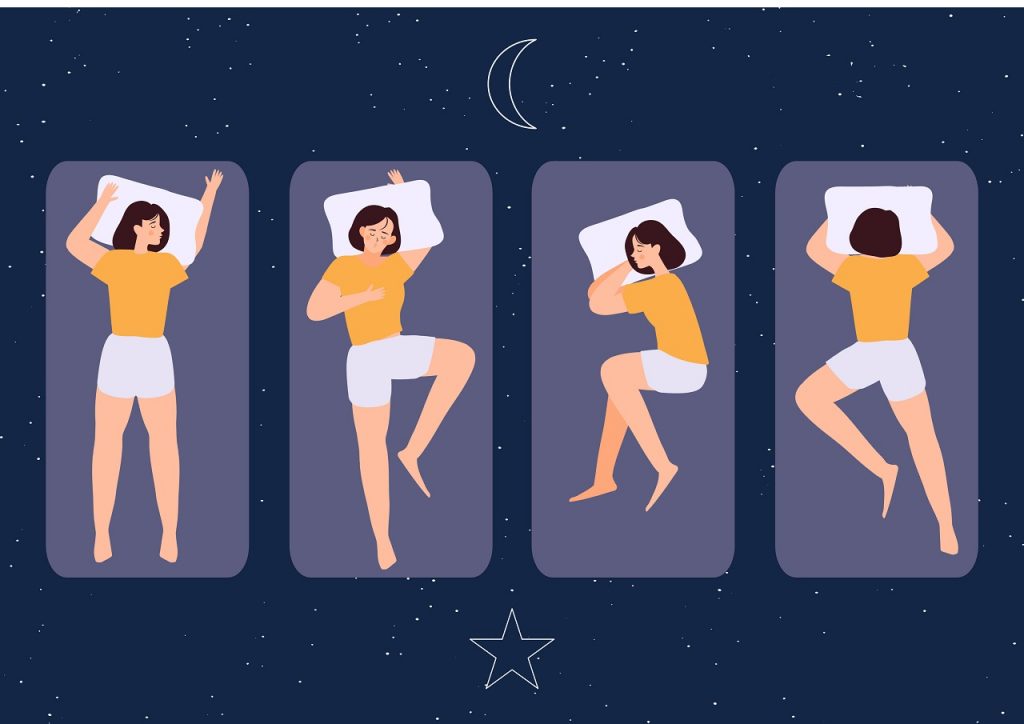
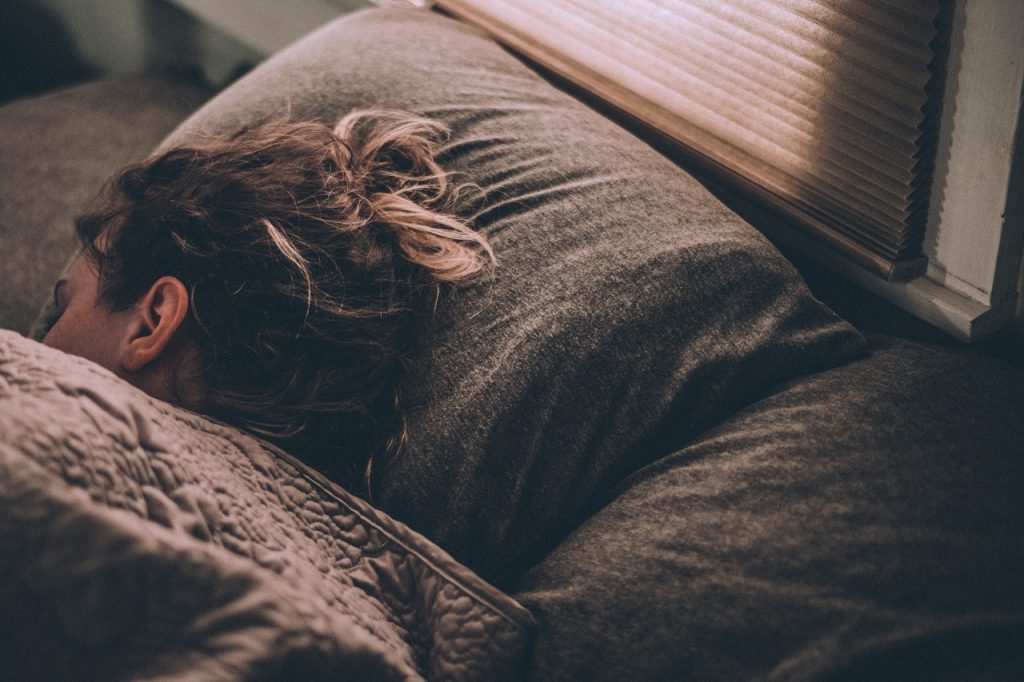
  1. Sleeping On Your Stomach: About 7% of people sleep on their stomach. In this position, the neck and spine are not in a neutral position and this can put pressure on nerves and cause numbness, tingling, and nerve pain. It is best to choose another sleep position if you are a stomach sleeper. If you can’t break the habit, prop your forehead up on a pillow, so your head and spine remain in a neutral position and you have room to breathe.
  2. Sleeping On Your Back: on a regular basis may lead to lower back pain. If you have any existing pain, it can make the pain worse. Sleeping on your back if you suffer from snoring or sleep apnea may aggravate these conditions. Snoozing on your back can cause the tongue to block the breathing tube, making it a dangerous position for those who suffer from sleep apnea. Sleeping on your back with your head slightly elevated is the best sleep position for people suffering from heartburn. Also, this position does not lead to neck pain, like your neck, back and spine is in a neutral position.
  3. Soldier Position: In this position, the person sleeps on his/her back with hands close to the body. Approximately 8% of people sleep this way and this is not a good position to sleep in for people who snore. This position may also prevent you from getting a restful night’s sleep.
  4. Starfish Position: People who sleep in a starfish position sleep on their backs with their arms up over their head. Approximately 5% of people sleep this way. Compared to people who sleep on their backs, people who sleep in the starfish position are more prone to snoring and sleep problems.
  5. Sleeping On The Side: Approximately 41% of people sleep this way, curled up on their sides with their knees bent. This is one of the best positions, also good for pregnant women because it facilitates circulation to both mom and the fetus. The position may be good for those who snore and also helps decrease acid reflux since your spine is elongated. It also wards off back and neck pain. This position may lead to wrinkles because half of your face pushes against a pillow, so use soft, silken pillows to avoid wrinkles on the face.
  6. Fetal Position: Side sleepers who sleep with their legs bent and curled toward their torsos are the ones who sleep in the so-called fetal position. If sleeping this way hurts your hips, placing a pillow between your knees may help relieve the pressure. This position can leave you feeling a bit sore in the morning, particularly if you have arthritis in your joints or back. Prevent these woes by straightening out your body as much as you can, instead of tucking your chin into your chest and pulling your knees up high.

Sleeping positions which might help if you have sleeping issues

  • Do you snore? If you do, it is best to sleep on your side to minimize the risk of snoring. Sleeping on your back may aggravate snoring. If you can’t break the habit and want to sleep on your back, stack a few pillows underneath your head to reduce the risk of snoring.
  • Does your back hurt? Sleeping on your stomach or back, may aggravate your pain. Switch to side sleeping to minimize your risk of back pain. For further relief, put a pillow between your knees to keep your hips in alignment.
  • Are you pregnant? Sleeping on your stomach or back will be uncomfortable or impossible. You will be most comfortable sleeping on your side. Favour your left side to maximize circulation for both you and your baby. Placing a pillow under your belly can help relieve back pain.

So choose your sleeping position wisely and have a good mattress accompanied by soft pillows to wake up fresh and healthy! We hope this article helps you. Share your favorite sleeping position in the comments below! For more on sleep, click here or speak to an expert by subscribing for GOQii’s Personalised Health Coaching here: https://goqiiapp.page.link/bsr

#BeTheForce 

  • « Previous Page
  • 1
  • …
  • 7
  • 8
  • 9
  • 10
  • 11
  • …
  • 16
  • Next Page »

Search

Recent Posts

  • The GOQii India Fit Report 2026: Unmasking the Gender Health Divide
  • International Dance Day: Why Dancing is the Ultimate Workout for Your Body and Mind
  • Summer Health Hazards You Need To Be Aware Of (And How to Prevent Them)
  • Sitting Too Much? Here’s How It’s Shortening Your Life
  • Everything You Need to Know About Malaria

Stay Updated

Archives

  • April 2026 (24)
  • March 2026 (18)
  • February 2026 (14)
  • January 2026 (14)
  • December 2025 (19)
  • November 2025 (15)
  • October 2025 (20)
  • September 2025 (6)
  • August 2025 (6)
  • July 2025 (12)
  • June 2025 (18)
  • May 2025 (16)
  • April 2025 (22)
  • March 2025 (28)
  • February 2025 (21)
  • January 2025 (25)
  • December 2024 (22)
  • November 2024 (23)
  • October 2024 (21)
  • September 2024 (23)
  • August 2024 (30)
  • July 2024 (21)
  • June 2024 (25)
  • May 2024 (28)
  • April 2024 (27)
  • March 2024 (27)
  • February 2024 (24)
  • January 2024 (21)
  • December 2023 (14)
  • November 2023 (10)
  • October 2023 (19)
  • September 2023 (22)
  • August 2023 (18)
  • July 2023 (22)
  • June 2023 (23)
  • May 2023 (24)
  • April 2023 (19)
  • March 2023 (23)
  • February 2023 (19)
  • January 2023 (15)
  • December 2022 (11)
  • November 2022 (15)
  • October 2022 (15)
  • September 2022 (12)
  • August 2022 (10)
  • July 2022 (17)
  • June 2022 (11)
  • May 2022 (10)
  • April 2022 (6)
  • March 2022 (6)
  • February 2022 (13)
  • January 2022 (11)
  • December 2021 (7)
  • November 2021 (3)
  • October 2021 (6)
  • September 2021 (3)
  • August 2021 (8)
  • July 2021 (7)
  • June 2021 (15)
  • May 2021 (16)
  • April 2021 (10)
  • March 2021 (7)
  • February 2021 (4)
  • January 2021 (4)
  • December 2020 (3)
  • November 2020 (4)
  • October 2020 (10)
  • September 2020 (3)
  • August 2020 (3)
  • July 2020 (2)
  • June 2020 (4)
  • May 2020 (10)
  • April 2020 (12)
  • March 2020 (10)
  • February 2020 (4)
  • January 2020 (4)
  • December 2019 (3)
  • November 2019 (7)
  • October 2019 (5)
  • September 2019 (4)
  • August 2019 (9)
  • July 2019 (9)
  • June 2019 (11)
  • May 2019 (4)
  • April 2019 (8)
  • March 2019 (8)
  • February 2019 (9)
  • January 2019 (8)
  • December 2018 (9)
  • November 2018 (3)
  • October 2018 (3)
  • September 2018 (5)
  • August 2018 (10)
  • July 2018 (6)
  • June 2018 (13)
  • May 2018 (8)
  • April 2018 (18)
  • March 2018 (9)
  • February 2018 (8)
  • January 2018 (15)
  • December 2017 (12)
  • November 2017 (19)
  • October 2017 (13)
  • September 2017 (15)
  • August 2017 (4)
  • July 2017 (8)
  • June 2017 (7)
  • May 2017 (6)
  • April 2017 (8)
  • March 2017 (6)
  • February 2017 (7)
  • January 2017 (9)
  • December 2016 (10)
  • November 2016 (7)
  • October 2016 (7)
  • September 2016 (7)
  • August 2016 (11)
  • July 2016 (9)
  • June 2016 (9)
  • May 2016 (12)
  • April 2016 (17)
  • March 2016 (17)
  • February 2016 (8)
  • January 2016 (6)
  • December 2015 (2)
  • November 2015 (9)
  • October 2015 (7)
  • September 2015 (9)
  • August 2015 (11)
  • July 2015 (9)
  • June 2015 (11)
  • May 2015 (9)
  • April 2015 (13)
  • March 2015 (8)
  • February 2015 (5)
  • January 2015 (12)
  • December 2014 (14)
  • November 2014 (11)
  • October 2014 (6)
  • September 2014 (13)
  • August 2014 (12)
  • July 2014 (6)
  • June 2014 (2)
  • May 2014 (7)
  • April 2014 (4)

From “Laddu Nawin” to Fit and Fierce: How a 25-Year-Old Insurance Advisor Shed 20 Kilos and Gained His Life Back

When 25-year-old Nawin Yadav from Hyderabad walked into his office every morning, he carried more than just his files and policy papers. He had the weight of fatigue, sluggish energy, and an ever-growing belly that was becoming the butt of jokes. “People … [Read More...]

“I’ve Challenged Myself to Live 100 Years” – The Story of Chandubhai Savani’s Second Chance at Life

At 67, most people start slowing down. Not Chandubhai Savani. A resident of Surat, Chandubhai, thought life was on track. “My life was going well till I had my bypass surgery,” he says. That surgery, back in 2021, was a wake-up call.  Medication was routine, but exercise wasn’t. His diet? What he calls ‘normal.’ “I […]

From Shimla’s Slopes to Chandigarh’s Sidewalks: Surinder Kaur Bhalla’s Journey from Chaos to Control

Some journeys start with a plan. Others begin with a stumble literally. Surinder Bhalla, a government professional, born and raised in the scenic hill town of Shimla, had always lived a life of movement. “In Shimla, you walked everywhere,” she reflects. “Walking was never an exercise. It was just life.” But after shifting to Chandigarh, […]

Ananda Mukherjee Health Story

From Terminal Illness To Complete Wellness! Ananda Mukherjee Health Story

As we observe World Cancer Day under the powerful theme ‘United by Unique’ (2025-2027)**, we are reminded that every individual’s journey with cancer is distinct, yet united by shared resilience, hope, and the collective fight against this disease. This theme places people at the centre of care and their stories at the heart of the […]

  • HOME
  • HEALTHY LIVING
  • FITNESS
  • HEALTHY RECIPES
  • USER STORIES
  • KARMA
  • BUY GOQii

Copyright ©2016 GOQii