
GOQii

Blog

  • HOME
  • HEALTHY LIVING
  • FITNESS
  • HEALTHY RECIPES
  • USER STORIES
  • KARMA
  • BUY GOQii

July 10, 2026 By Luke Coutinho 8 Comments

Heal Naturally From Monsoon Illnesses: A Scientific Guide to Seasonal Recovery

heal naturally The Big Question: Why does a sudden change in seasonal weather trigger a wave of respiratory virals, and how can we use our body’s built-in immune mechanics to heal rapidly without over-relying on antibiotics?

With the monsoons here in full swing, most of us worry about catching an infection. As the weather shifts, atmospheric humidity spikes, creating an ideal environment for airborne viruses to stabilize and replicate. The resulting wave of colds, fevers, virals, and sore throats becomes widespread.

A strong, highly responsive immune system is your primary defense line, allowing you to recover quickly and often without the need for heavy suppressive medications. The lower your baseline immunity, the longer the internal healing process stalls, frequently forcing you to resort to antibiotics for secondary bacterial infections. Understanding how to support your biology naturally can accelerate your recovery and strengthen your long-term immune resilience.

The Biology of Seasonal Sickness and Healing

When an airborne viral pathogen enters your respiratory tract, your immune system initiates a highly coordinated defense response. Your body deliberately elevates its core temperature—resulting in a fever—to create an environment where viruses cannot easily replicate, while simultaneously ramping up the production of white blood cells.

During this active immune phase, your body undergoes an acute shift in energy allocation. If you work with these natural defense mechanisms rather than suppressing them immediately with over-the-counter medications, your body can clear the infection cleanly and build robust, long-term immune memory.

6 Proactive Natural Remedies to Accelerate Recovery

  1. The Anti-Inflammatory Phytonutrient Concoction

Nature provides incredibly powerful antiviral and antibacterial compounds within common spices. When compiled correctly, these bio-active ingredients work together to soothe irritated mucous membranes, thin out thick mucus, and block viral replication pathways.

  • The Pathogen-Defense Pathway: Spiced Concoction ⇒ Suppresses Viral Pathogens ⇒ Thins Stubborn Mucus ⇒ Soothes Irritated Respiratory Tract.
  • The Healing-Energy Pathway: Mindful Appetite Rest ⇒ Lowers Digestive Demands ⇒ Redirects Cellular Energy ⇒ Accelerates Immune Recovery.
  • The Herbal Recipe: Take a 1-inch piece of fresh mashed ginger, 1 crushed garlic clove, 3 whole black peppercorns, 2 cloves, 2 cardamoms, and a small cinnamon stick. Boil these ingredients in filtered water until the liquid reduces to half. Strain the mixture into a cup and stir in a teaspoon of raw organic honey once it cools slightly. Drink this warm concoction two to three times a day during acute symptoms.
  1. Respect Your Body’s Natural Fasting Signals

When you fall sick, you will often notice a sudden, sharp decline in your appetite. This is a deliberate, protective biological response. Digesting complex, solid food requires an immense amount of cellular energy.

By naturally lowering your appetite, your brain’s hypothalamus redirects that vital energy away from your digestive tract and routes it entirely toward your immune system to repair cells and fight off pathogens. Listen to your body: avoid forcing heavy meals if you do not feel hungry, and wait until your appetite naturally begins to return.

  1. Maintain Core Body Temperature and Block Thermal Shocks

Vascular constriction occurs when your skin is exposed to sudden cold drops or damp drafts, which can reduce the circulation of protective white blood cells to your upper respiratory tract.

  • The Healthier Habit: Keep your body consistently warm by wearing dry clothing and putting on cotton socks, even while resting in bed. When stepping out into the damp evening air, ensure your head and chest are well covered to prevent sudden changes in body temperature from chilling your airways.
  1. Continuous Warm Hydration

Sipping on hot liquids throughout the day serves as a highly effective mechanical therapy for a congested respiratory system. Warm fluids—whether plain boiled water, herbal teas, or clear vegetable broths—help thin out stubborn mucus blockages, keep your throat tissues hydrated, and flush cellular waste smoothly out of your system.

  1. Maximize Deep Oxygenation Through Breathwork

Most seasonal viruses and anaerobic germs thrive in stagnant, low-oxygen cellular environments. Deep, deliberate diaphragmatic breathing is an excellent natural way to alter your internal chemistry.

By consciously expanding your lung capacity through structured deep breathing exercises multiple times a day, you significantly increase oxygen delivery to your cells, creating an unfavorable environment for multiplying germs.

  1. Protect Absolute Physical Rest

Deep, uninterrupted rest is the ultimate natural cure. When your body is completely at rest, your system can optimize its production of cytokines—specialized signaling proteins that target and destroy viral infections. True cellular healing cannot occur if you try to push through seasonal exhaustion. Honor your body’s call to slow down and sleep.

The Seasonal Illness Recovery Matrix

Active Symptom Profile The Subconscious Lifestyle Mistake The Targeted Natural Alternative
Acute Sore Throat & Congestion Drinking iced water; ignoring environmental drafts. Phytonutrient Decoction: Warm ginger, garlic, and peppercorn infusion to clear pathways.
Loss of Appetite & Nausea Forcing heavy, calorie-dense meals during a fever. Mindful Fasting: Rest the digestive tract; prioritize warm broths until hunger returns.
Chills & Body Aches Staying in damp clothes; exposing extremities to cold. Thermal Protection: Wear warm socks and keep your head covered during damp evenings.

Sickness as an Immune Reboot

It can actually be beneficial to experience a mild seasonal illness once in a while. A minor viral challenge serves as a necessary workout for your immune system. It prompts your bone marrow to replenish its supply of red and white blood cells, updates your antibody library, and sharpens your overall immune response.

Stay positive, keep your spirits high, and trust that your body is executing the exact internal protocols it needs to recover and grow stronger.

True wellness is built by listening to and supporting your body’s natural healing design, rather than forcing it to adapt to a hectic schedule. Seasonal monsoon illnesses are highly treatable when approached with patience, thermal care, targeted botanical infusions, and deep physical rest. By avoiding the immediate use of unprescribed antibiotics and allowing your immune system to do its job naturally, you build a foundation of true, lasting health. Protect your body, rest deeply, and let your natural defenses thrive!

Pro Tip: Navigating seasonal recovery is much easier when you can track your health parameters in real-time. Use the GOQii App to log your symptoms, monitor your daily water intake, and track your restorative sleep cycles. You can seamlessly share this health profile with your GOQii Personalised Health Coach to receive customized lifestyle guidance, recovery meal plans, and immune-support protocols tailored perfectly to your unique body composition!

Frequently Asked Questions (FAQs)

  1. Why does my appetite naturally drop when I catch a monsoon viral fever?

Your appetite decreases during a viral infection because your immune system releases inflammatory signaling proteins called cytokines. These proteins signal your brain to downregulate hunger, shifting your body’s energy consumption away from the energy-heavy process of digestion and redirecting it entirely toward fighting off the virus.

  1. How do the ingredients in the ginger-garlic concoction help treat a sore throat?

Ginger contains gingerol, a powerful compound that reduces tissue inflammation and eases throat pain, while garlic contains allicin, a potent antimicrobial that helps fight respiratory pathogens. Together with the warming effects of black pepper and cloves, this infusion helps break down thick mucus, increases local blood circulation, and forms a protective soothe over irritated airways.

  1. Is it safe to take antibiotics immediately when a monsoon cold or fever starts?

No, taking antibiotics at the immediate onset of a cold or flu is ineffective and can be counterproductive. Colds, flu, and typical monsoon fevers are caused by viral pathogens, and antibiotics are designed to target bacteria exclusively. Misusing antibiotics kills off your beneficial gut microbes—which make up 70% of your immune system—and can contribute to global antibiotic resistance.

  1. Why is keeping my feet warm with socks emphasized during a viral recovery?

Keeping your feet warm helps maintain your core body temperature and prevents sudden, reflexive blood vessel constriction in your upper respiratory tract. Protecting your body from temperature drops ensures that your blood circulation remains active, allowing white blood cells to travel efficiently to your respiratory tissues to fight the infection.

#BeTheForce

Disclaimer: This article is intended for educational and informational purposes only. It is not intended to replace professional medical advice, clinical diagnosis, or personalized treatment plans. Always consult a qualified healthcare provider immediately if your fever remains exceptionally high, if symptoms worsen after 5 days, or if you experience severe difficulty breathing.
May 7, 2026 By Tabassum Parveen 4 Comments

Beat the Heat With Simple Lifestyle Changes!

lifestyle changes for summerIf you are a kid, summer is the most awaited season of the year because it spells the beginning of long vacations. But as an adult, the scorching summer heat brings a completely different set of worries.

Between commuting to work and managing daily chores, the extreme heat puts you at risk for dehydration, heat exhaustion, and sun damage. However, surviving the summer does not mean you have to stay locked indoors all day.

By understanding how the heat impacts your system and making a few strategic lifestyle adjustments, you can stay cool, energized, and healthy all season long.

What Happens to Your Body During Summer?

Your body works overtime in the heat to maintain its core temperature. When the mercury rises, you might experience:

  • Dehydration: Sweating depletes your body of water and essential electrolytes, which can cause headaches, confusion, dry eyes, heart palpitations, and disrupted sleep.
  • Low Blood Pressure: Heat causes your blood vessels to dilate (expand). Your heart has to work much harder to pump blood throughout the body, which can leave you feeling dizzy or lightheaded.
  • Muscle Cramps & Lethargy: Because your body is utilizing so much energy just to keep your core temperature down, you may feel unusually exhausted or experience muscle spasms.
  • Skin Irritation: Trapped sweat under the skin can lead to heat rashes, prickly heat, and severe itchiness.
  • Nausea & Heatstroke: Prolonged exposure to extreme heat can overwhelm your body’s cooling system, putting dangerous pressure on your cardiovascular system and leading to heat exhaustion.

Fortunately, these issues can be easily avoided by adopting a few simple, daily habits.

4 Lifestyle Tweaks to Stay Cool

  1. Upgrade Your Hydration Strategy

Drinking water is the absolute key to summer health, but plain water is not always enough.

  • Drink at least 2 to 3 liters of fluid a day. Keep a bottle handy and ensure you are drinking water the right way by sipping slowly rather than gulping.
  • Replenish lost electrolytes naturally by opting for fresh fruit juices, sugarcane juice, buttermilk, or coconut water.
  • Pro-Tip: Make your own natural ORS (Oral Rehydration Solution) drink by adding a pinch of salt, a piece of jaggery, basil seeds, and a squeeze of lemon to your water bottle.
  1. Dress for the Weather

Choosing the right clothes will significantly help your body regulate its temperature.

  • Stick to light, breathable fabrics like pure cotton, khadi, or linen, which absorb sweat and allow air to circulate.
  • Opt for light colors that reflect the sun’s rays, and avoid dark colors that absorb and trap heat.
  • Avoid synthetic fabrics like silk, nylon, or polyester, which trap heat against your skin and increase the risk of fungal infections.
  1. Adjust Your Face and Skincare Routine

The sun’s harmful UV rays can cause severe tanning, premature aging, and pigmentation if proper care isn’t taken.

  • Avoid direct sun exposure between 10:00 AM and 4:00 PM, as this is when UV radiation is at its strongest.
  • If you must step out, apply a broad-spectrum sunscreen and wear physical protection like a wide-brimmed hat or sunglasses to maintain healthy, glowing skin.
  • The best time to venture outdoors is early in the morning or late in the evening. Safe sun exposure during these times is actually essential for Vitamin D synthesis, bone strength, and mood regulation!
  1. Be Gentle With Your Hair

Your scalp sweats heavily during the summer, leaving your hair frizzy and dry. While washing your hair every single day might feel refreshing, it actually strips the natural oils from your scalp, resulting in dryness, dandruff, and unwanted hair fall. Wash your hair every alternate day with a mild shampoo, and try massaging your scalp with cooling oils to increase blood flow to the roots.

Foods That Help You Beat the Heat

Your diet plays a massive role in your internal body temperature. Load up on these natural coolants:

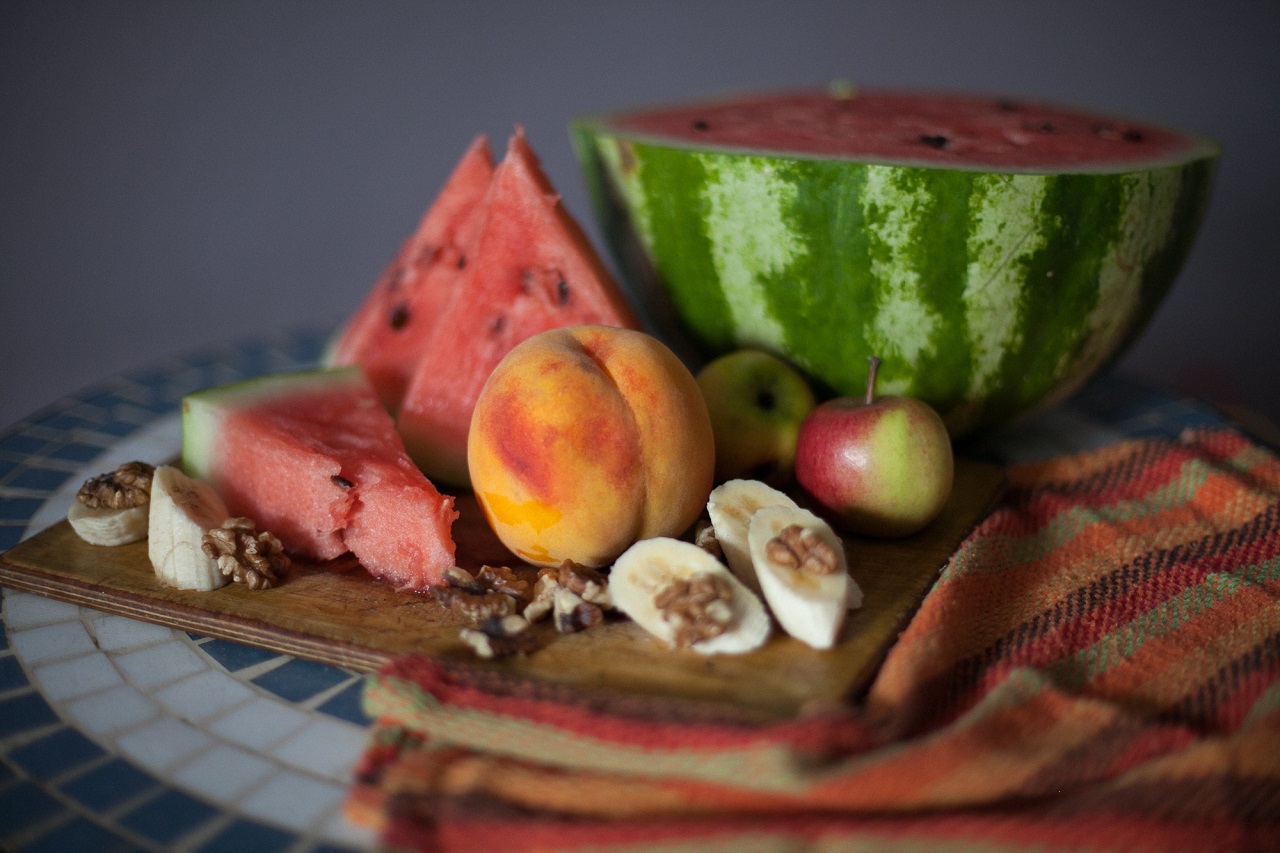
  • Watermelon: Containing over 90% water and rich in Vitamins A and C, it keeps you hydrated and protects your cardiovascular system.
  • Cucumber: Made up of 95% water, cucumbers act as a natural body coolant while delivering essential minerals like potassium and magnesium.
  • Onion: You may have heard the old myth about carrying an onion in your pocket to prevent heatstroke. While keeping it in your pocket won’t do much, eating raw onions definitely helps! Onions contain quercetin, an antioxidant that helps soothe heat rashes and regulates body temperature.
  • Coconut Water: The ultimate summer drink! It is loaded with essential minerals like potassium, calcium, manganese, and magnesium, making it the perfect natural way to stay hydrated and replenish lost electrolytes.
  • Basil Seeds (Sabja): These tiny seeds have a powerful cooling effect on the digestive tract and boast excellent anti-inflammatory properties.
  • Yoghurt & Curd: A strong gut equals strong immunity. Consuming 2-3 servings of yogurt, lassi, or buttermilk cools the stomach and provides healthy probiotics.
  • Barley Water: A glass of barley water with a drop of lemon is an excellent summer coolant and provides a great amount of dietary fiber.

Foods to Avoid During Summer

The scorching heat drastically slows down your digestive system. Give your gut a break by limiting:

  • Heavy Spices: Spices like nutmeg, excessive chilies, ginger, pepper, and cinnamon are “thermogenic” (heat-generating) and can cause stomach upset in the summer.
  • Junk and Deep-Fried Foods: Heavy, oily foods are difficult to digest and increase the risk of indigestion and lethargy.
  • High-Fat Dairy: Limit heavy cheeses or excessive ghee, which can slow digestion and trigger acne breakouts in sweaty weather.
  • Dehydrating Beverages: Limit excessive tea, coffee, and aerated soft drinks. Caffeine acts as a diuretic, which flushes essential water out of your body when you need it most.

Surviving the summer heat is all about working with your body, not against it. By switching to breathable fabrics, prioritizing electrolyte-rich hydration, and choosing water-dense, cooling foods, you can sail through the season feeling fresh and energetic.

Incorporate these changes and you’re all geared to beat the heat this Summer! Get more summer tips here or speak to a GOQii Coach by subscribing for Personalised Health Coaching here.

Frequently Asked Questions (FAQs)

  1. Why do I feel so tired during the summer?
    Lethargy during summer is very common. Your body uses a massive amount of energy trying to regulate its internal core temperature by sweating and dilating blood vessels. Combined with mild dehydration, this energy drain makes you feel sluggish.
  2. Is it bad to drink ice-cold water when coming in from the heat?
    Yes. Chugging ice-cold water when your body temperature is highly elevated can shock your system, cause a sudden sore throat, and disrupt your digestion by constricting blood vessels in the stomach. It is always better to drink cool or room-temperature water.
  3. Does eating raw onion actually prevent heatstroke?
    While carrying an onion in your pocket is a myth, consuming raw onions in salads or meals is highly beneficial in summer. Onions contain quercetin, which acts as a natural antihistamine, and they help cool the body internally while protecting against heat-induced ailments.

#BeTheForce

Disclaimer: This article is intended for educational and informational purposes only and should not be considered a substitute for professional medical advice. If you experience symptoms of severe heat exhaustion or heatstroke such as a lack of sweating, confusion, vomiting, or a rapid pulse seek emergency medical attention immediately.

November 27, 2024 By Saba Mirza Leave a Comment

Effective Home Remedies For Sinus Congestion

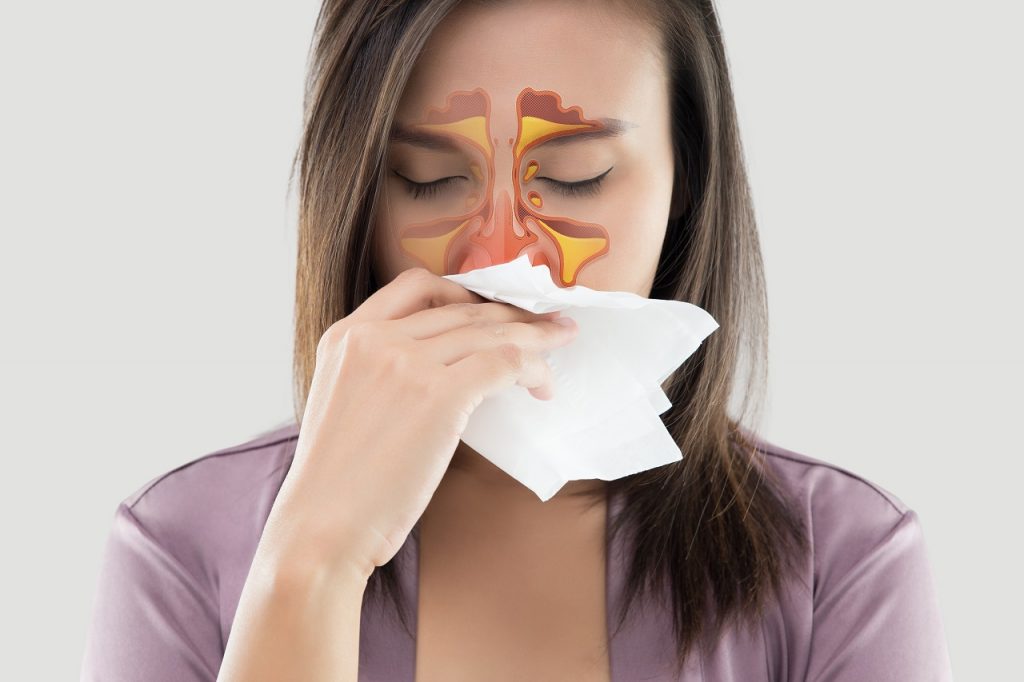
sinus congestion If you’ve suffered from sinus congestion at any point in your life, you’re well aware of how painful an experience it can be. Let’s deep dive into what it exactly is as well as learn some home remedies for sinus congestion.

What is Sinus Congestion?

Sinus congestion is a condition in which the cavities around your nasal passage get inflamed and congested. Symptoms appear in the form of a stuffy nose, pain around the nose, cheeks, jaw or forehead. One may even experience swollen or watery eyes and a sore throat. There’s a surge in sinus congestion cases during winters primarily due to the dry, cold weather accompanied by an increase in pollutants and allergens in the environment. If there are no obstructive pathologies for the sinus blockage like polyps or deviated nasal septum, then a few home remedies for sinus congestion can help us soothe the inflamed nasal passage and reduce the intensity of the symptoms.

Effective Home Remedies You Should Try

1. Maintain Humidity: Dryness in cold weather is amplified when you are using a room heater. Dry air makes the mucus thick. This clogs sinus cavities and causes pain and pressure on the surrounding tissues. Using a humidifier while running a room heater and keeping yourself hydrated can help in reducing the viscosity of the mucus, making it easy to drain it out and open the cavities up.

2. Drink Warm Fluids: Warming your body with hot soups, curries and teas is an ancient measure, followed traditionally and ritually for ages! This is found to be quite effective in alleviating the symptoms of sinus congestion. Here are a few simple remedies which can be easily prepared at home:

  • Ginger-Turmeric Tea: Boil one-quarter teaspoon of dry ginger and turmeric in one cup of water and have that tea by adding lemon and pepper. It is very effective in soothing the sore respiratory mucosa and boosting immunity levels.
  • Immunity Booster: Take 2 black peppers, 2 cloves, 2 cardamoms, a small piece of cinnamon, small piece of ginger, Tulsi leaves, 2 garlic cloves and ½ teaspoon of ajwain. Boil it till the water becomes half in quantity, strain it and then have it hot with honey (preferably organic). Have this immunity booster drink two to three times a day. It will help you fight off various bacterial and viral infections.
  • Whole Leaves Green Tea: Being rich in antioxidants and polyphenols, green tea is found to be one of the most effective immunity booster and detox drink!

3. Warm Compresses: Apply warm compresses by covering your face with a clean, warm and wet cloth which will moisten the nasal passages, thin out the mucus plug and help in easing its drain, thus opening the cavities up!

4. Steam Inhalation: Steam inhalation is found to be quite effective in moistening the air passages and reducing the congestion by loosening the mucus. Use a bowl of hot water, add a few drops of an essential oil like menthol, eucalyptus or lemon juice and cover yourself with a thick towel to trap the steam inside!

5. Nasal Irrigation: Nasal irrigation simply means flushing out the nasal pathway with a saline solution. It helps remove allergens, irritants and excess mucus! You can use a nasal irrigation system like a Neti Pot, squeeze bottle or bulb syringes filled with saline solution, which you can get at a medical store. You can also make a saline solution at home by mixing 3 teaspoons of salt and 1 teaspoon of baking soda. Use sea salt or pickling salt and not iodized salt or table salt which is added with additives. Store it in airtight container!

  • How to Do Saline Irrigation: Put the above mixture into a clean Neti Pot or bulb syringe and stand near a sink. Place the spout in the top nostril and pour or gently spray a liberal amount of solution into one nostril, while tilting the head at 45 degrees, so that it flows through the nasal cavity and out of the other nostril! Blow your nose to get rid of any remaining water. Repeat the process on the other nostril.

6. Eliminate the Causative Factors: Factors which can aggravate the symptoms are allergens like smoke, dust particles, perfumes, hair spray, cleaning products and anything which releases fumes! Try to keep the air around you clean from all these irritants!

While these home remedies for sinus congestion are effective, they only tackle the symptoms. If the issue persists, you should consult your doctor. For more home remedies, you can check out Healthy Reads or ask a GOQii Coach by subscribing for Personalised Health Coaching here.

#BeTheForce 

November 1, 2024 By Navnee Garg Leave a Comment

Should You Follow Veganism?

veganismVeganism has spread like wildfire in India and is being followed by numerous people! For those who do not know, Veganism is a strict vegetarian diet which excludes milk, eggs, and dairy products. In fact, it excludes any other animal-derived ingredients such as honey which makes it different from a vegetarian diet. But, I often get to hear mixed reviews about following it.


Positives of a Vegan Diet

Do you know that every vegan saves nearly 200 animals per year? What’s better than saving animals on this planet? Veganism is a great way to shed extra kilos as well. Unlike other fad diets, veganism does not leave you tired. It allows you to keep extra fat off and gives you plenty of energy. This also promotes healthier living, reduced risk of any heart disease, cancer, diabetes, blood pressure issues and so on. Being vegan also helps one feed the world. When you opt for grains over animal products, you help many farmers earn their daily bread!

What Are Some of the Issues With It?

Talking about some negatives, following a plant-based way of life can be extremely difficult! Primarily, you are not left with many food options to enjoy. Grocery shopping gets difficult while looking for vegan options because those options are either unavailable or heavy on the pocket.

Traveling also becomes difficult as they can’t eat or drink anything on the go and will have to prepare well in advance. Most importantly, going vegan can make one protein deficient unless you can gain access to vegan sources of protein such as beans, nuts, seeds, tofu, chickpeas, lentils and some legumes which are limited in itself. Along with it, Vitamin B12 deficiency is very common in vegans and they end up depending on supplements for it.

It is Your Choice!

Choosing Veganism is totally up to you! If you want to do something for our environment, then go ahead! You have probably made the right choice but ensure that you are opting for the right food and avoiding deficiencies. If you want to follow veganism, do it because you want to and not because it is a trend or because of peer pressure.

In the same vein, if you are a foodie, you love eating and tasting different cuisines, following a vegan diet might not be the best choice for you. If you’re afraid of weight gain, remember that one can lose weight even while following a balanced diet.

We hope this article helps! If you do end up going Vegan, start with this delicious Almond Milk which is dairy-free and vegan-friendly! If you need help with learning more about veganism or how to get the most out of your vegan diet, subscribe for Personalised Health Coaching and speak to an expert now: https://goqiiapp.page.link/bsr

Leave your thoughts in the comments below and wish all my vegan folks out there a Happy Vegan Day!

#BeTheForce  

  • 1
  • 2
  • Next Page »

Search

Recent Posts

  • World Hepatitis Day 2026: “Let’s Break It Down” – 6 Habits to Protect Your Liver
  • How to Improve Sleep Quality Naturally: 12 Science-Backed Tips for Better Sleep
  • Immunity-Boosting Kadhas: Why Natural Defense Matters During the Monsoon
  • Healthy Eating: Crispy Monsoon Corn Tikkis
  • Antenatal Exercises: Your Guide to a Fit and Healthy Pregnancy

Stay Updated

Archives

  • July 2026 (24)
  • June 2026 (22)
  • May 2026 (20)
  • April 2026 (24)
  • March 2026 (18)
  • February 2026 (14)
  • January 2026 (14)
  • December 2025 (19)
  • November 2025 (15)
  • October 2025 (20)
  • September 2025 (6)
  • August 2025 (6)
  • July 2025 (10)
  • June 2025 (18)
  • May 2025 (16)
  • April 2025 (22)
  • March 2025 (26)
  • February 2025 (21)
  • January 2025 (25)
  • December 2024 (22)
  • November 2024 (22)
  • October 2024 (20)
  • September 2024 (22)
  • August 2024 (28)
  • July 2024 (16)
  • June 2024 (23)
  • May 2024 (26)
  • April 2024 (27)
  • March 2024 (27)
  • February 2024 (23)
  • January 2024 (21)
  • December 2023 (14)
  • November 2023 (10)
  • October 2023 (19)
  • September 2023 (22)
  • August 2023 (16)
  • July 2023 (18)
  • June 2023 (21)
  • May 2023 (20)
  • April 2023 (19)
  • March 2023 (23)
  • February 2023 (19)
  • January 2023 (15)
  • December 2022 (11)
  • November 2022 (15)
  • October 2022 (15)
  • September 2022 (12)
  • August 2022 (9)
  • July 2022 (17)
  • June 2022 (11)
  • May 2022 (10)
  • April 2022 (6)
  • March 2022 (6)
  • February 2022 (13)
  • January 2022 (11)
  • December 2021 (7)
  • November 2021 (3)
  • October 2021 (6)
  • September 2021 (3)
  • August 2021 (8)
  • July 2021 (7)
  • June 2021 (15)
  • May 2021 (16)
  • April 2021 (10)
  • March 2021 (7)
  • February 2021 (4)
  • January 2021 (4)
  • December 2020 (3)
  • November 2020 (4)
  • October 2020 (10)
  • September 2020 (3)
  • August 2020 (3)
  • July 2020 (2)
  • June 2020 (4)
  • May 2020 (10)
  • April 2020 (12)
  • March 2020 (10)
  • February 2020 (4)
  • January 2020 (4)
  • December 2019 (3)
  • November 2019 (7)
  • October 2019 (5)
  • September 2019 (4)
  • August 2019 (9)
  • July 2019 (9)
  • June 2019 (11)
  • May 2019 (4)
  • April 2019 (8)
  • March 2019 (8)
  • February 2019 (9)
  • January 2019 (8)
  • December 2018 (9)
  • November 2018 (3)
  • October 2018 (3)
  • September 2018 (5)
  • August 2018 (10)
  • July 2018 (6)
  • June 2018 (13)
  • May 2018 (8)
  • April 2018 (18)
  • March 2018 (9)
  • February 2018 (8)
  • January 2018 (15)
  • December 2017 (12)
  • November 2017 (19)
  • October 2017 (13)
  • September 2017 (15)
  • August 2017 (4)
  • July 2017 (8)
  • June 2017 (7)
  • May 2017 (6)
  • April 2017 (8)
  • March 2017 (6)
  • February 2017 (7)
  • January 2017 (9)
  • December 2016 (10)
  • November 2016 (7)
  • October 2016 (7)
  • September 2016 (7)
  • August 2016 (11)
  • July 2016 (9)
  • June 2016 (9)
  • May 2016 (12)
  • April 2016 (17)
  • March 2016 (17)
  • February 2016 (8)
  • January 2016 (6)
  • December 2015 (2)
  • November 2015 (9)
  • October 2015 (7)
  • September 2015 (9)
  • August 2015 (11)
  • July 2015 (9)
  • June 2015 (11)
  • May 2015 (9)
  • April 2015 (13)
  • March 2015 (8)
  • February 2015 (5)
  • January 2015 (12)
  • December 2014 (14)
  • November 2014 (11)
  • October 2014 (6)
  • September 2014 (13)
  • August 2014 (12)
  • July 2014 (6)
  • June 2014 (2)
  • May 2014 (7)
  • April 2014 (4)

From Burnout to Balance: How Dr. Ranjit Reclaimed His Health

Dr Ranjit Bhatt has spent years tending to others. A practising doctor in Odisha, his days were packed with patients, surgeries, and emergencies. From the outside, it looked like a life lived in service. But on the inside, something wasn’t right. “I had no … [Read More...]

From Shimla’s Slopes to Chandigarh’s Sidewalks: Surinder Kaur Bhalla’s Journey from Chaos to Control

Some journeys start with a plan. Others begin with a stumble literally. Surinder Bhalla, a government professional, born and raised in the scenic hill town of Shimla, had always lived a life of movement. “In Shimla, you walked everywhere,” she reflects. “Walking was never an exercise. It was just life.” But after shifting to Chandigarh, […]

“I’ve Challenged Myself to Live 100 Years” – The Story of Chandubhai Savani’s Second Chance at Life

At 67, most people start slowing down. Not Chandubhai Savani. A resident of Surat, Chandubhai, thought life was on track. “My life was going well till I had my bypass surgery,” he says. That surgery, back in 2021, was a wake-up call.  Medication was routine, but exercise wasn’t. His diet? What he calls ‘normal.’ “I […]

Ananda Mukherjee Health Story

From Terminal Illness To Complete Wellness! Ananda Mukherjee Health Story

As we observe World Cancer Day under the powerful theme ‘United by Unique’ (2025-2027)**, we are reminded that every individual’s journey with cancer is distinct, yet united by shared resilience, hope, and the collective fight against this disease. This theme places people at the centre of care and their stories at the heart of the […]

  • HOME
  • HEALTHY LIVING
  • FITNESS
  • HEALTHY RECIPES
  • USER STORIES
  • KARMA
  • BUY GOQii

Copyright ©2016 GOQii
