GOQii

Blog

  • HOME
  • HEALTHY LIVING
  • FITNESS
  • HEALTHY RECIPES
  • USER STORIES
  • KARMA
  • BUY GOQii

April 27, 2023 By Divya Thampi 3 Comments

4 Reasons Why Affirmations Are Not Working For You

Affirmations

Affirmations are statements that firmly declare a positive intention, stated as a truth, so as to make these thoughts a part of your reality. For example, someone who wants to improve their physical health may use affirmations like “I am healthy and well”, “I radiate good health” or “I love feeling fit and strong” or all of them. Generally, affirmations are used repetitively at certain times of the day.

The idea behind using affirmations is to bring about a shift in our thoughts and beliefs. We humans have approximately 60000 thoughts in a single day and more often than not, we are unaware of our thoughts, they just stream through our minds constantly. What we think repeatedly and frequently slowly becomes our beliefs. And beliefs have the power to change reality. Thus, by influencing our thoughts, affirmations have the power to change our beliefs and reality.

How Do Affirmations Work?

In a study, individuals diagnosed with Anorexia Nervosa (an eating disorder characterized by an abnormally low body weight, an intense fear of gaining weight and a distorted perception of weight) were asked to walk through a doorway that became increasingly narrower. They found that these individuals started turning their body when the doorway was 40% wider than their shoulders while another set of individuals, without the diagnosis, turned only when the doorway was 25% wider than their shoulders. This pointed to the self-talk of the diagnosed individuals which made them believe that they were physically bigger than they actually were. In another study a group of patients who were due for a surgical procedure of the knee for osteoarthritis were divided into 2 groups. One went through the surgery while the other had a sham surgery i.e they had an incision made on their knee and the procedure was faked so that these patients believed that a surgery had been performed on them. The results were amazing because both the groups recovered equally. This is proof that the human mind has the power to make things happen if it believes in them.

Due to something called negativity bias (the tendency to focus on potential threats and difficulties) we humans tend to focus on negative aspects of our day to day life. When affirmations are used correctly, they can slowly replace the negative thoughts and help our mind to focus on not just what’s going well but seed the image of a reality that fits with our hopes and wishes.

Affirmation can slowly become a subconscious part of our thinking and belief system and the changes we wish to make in our lives will happen effortlessly. This sounds really simple and effective. Then why doesn’t it work as effectively for some?

Reasons Why They Fail Sometimes, And What To Do About It

Here are 4 reasons why their efficacy may be low for some:

  1. Contradicting practice – Many people may repeat the affirmations verbally or in writing once a day but say things and behave in ways that contradict these affirmations. For example, someone who wants to get a great job may be using affirmations like “I see myself in my dream job” for 10 minutes in the morning but for the rest of the day may be saying things like “It is tough times and jobs are not easy to come by” or “With my qualifications I don’t know if I can get a job I want.” Pay attention to your day today thoughts and words and use them in ways that match with the affirmations.
  2. Not focusing emotionally – A very important factor for the affirmations to work is that one should focus on experiencing the feelings that come with the affirmative thought. We may be parroting the words without truly focusing and thus failing to generate the emotion. Positive emotion is the fuel that will push your desires to reality.
  3. Using future tense – The affirmations have to be in present tense. If you use an affirmation like “I will be healthy and fit” your subconscious mind will always see it as something that is supposed to happen in the future, a future that never arrives. Affirmations in present tense allow you to not only picturize the possibility but also help you in experiencing the feelings that would accompany the accomplishment.
  4. Framing affirmations negatively – Many of us find it easier to talk about what we don’t like or don’t want in our lives and this may lead to people using affirmations the same way. However, our mind thinks in images and finds it difficult to process negative words, so replace an affirmation like “I don’t feel angry all the time” with “I feel calm and at peace”.

Affirmations have the power to change your habitual thinking and alter your beliefs for the better. Come up with affirmations for 2-3 areas of your life where you want to see changes. As you continue to use these affirmations correctly and consistently, your mind will come up with ways to make them come true and attract the exact opportunities required to fulfill your dreams.

We hope you enjoyed this article. For more by our emotional wellness expert Divya Thampi, check out Healthy Reads or tune in to her sessions on GOQii Play.

#BeTheForce 

April 2, 2023 By Divya Thampi Leave a Comment

Autism Spectrum Disorder – There’s More To It Than We Know

Autism Spectrum Disorder

Photo by Anna Kolosyuk on Unsplash

“Anita starts fondling materials of certain textures, seemingly, without regard for where and on whom the fabric may be located”; “Vansh sometimes asks the same question over and over again, even when he had been given the answer”; “Suhas suddenly starts flapping his arms for no particular reason, and goes on for over five minutes without stopping”

These are descriptions of certain behaviours observed in people/children living with Autism.

The Autism Spectrum Disorder (ASD) is not just a single disorder

The word “spectrum” refers to a wide range of symptoms and severity. ASD impacts the way the brain is wired and this difference in wiring can make people in the spectrum good at certain tasks that others find difficult, such as, maths, music or arts. It can also do the opposite, where they find the activities that other people find easy, incredibly difficult, such as socializing and making friends. As per a report published in 2018, one in 59 children will be diagnosed with ASD. Signs usually become evident in children by 2 years of age.

Children/ adults in the spectrum experience difficulties in three main areas – communication, social interaction and behaviour.

Following are some symptoms and types of behaviors seen in people diagnosed with ASD:

  • Failing to, or being slow to respond to someone calling their name
  • Resists cuddling and holding and seems to prefer playing alone, retreating into his or her own world.
  • Makes little eye contact and lacks facial expression
  • Doesn’t speak or has delayed speech, or loses previous ability to say words or sentences.
  • Can’t start a conversation or keep one going
  • Difficulty in understanding simple questions or directions.
  • Limited or no expression of emotions or feelings and appears unaware of others’ feelings.
  • Repetitive behaviours like repeating words or phrases.
  • Intense and lasting interest in certain topics, such as numbers, details, or facts.
  • Getting upset by slight changes in a routine.
  • Being more or less sensitive than other people to sensory input, such as light, noise, clothing, or temperature.

The person experiencing Autism Spectrum Disorder has no control over any of these but is often and easily judged by others to be stoic, uncaring, self-centered or many other unkind and unfair ways.

Alongside these symptoms most people experiencing Autism Spectrum Disorder also have to deal with biomedical problems like Seizure disorders, Gastrointestinal disorders, Psychiatric disorders, Metabolic conditions, Sleep irregularities and Obesity. However, these issues often go unaddressed and can aggravate behaviours that seem inappropriate.

As humans, our senses (sight, sound, smell, touch, taste) are constantly sending information to our brain about our surroundings and about other people. This helps us to choose appropriate responses. And yet to cope with situations that feel uncomfortable or chaotic, each of us develop behaviours that help to calm us down, like fidgeting, biting nails or running our hand through the hair. In Autism Spectrum Disorder where the brain and its senses don’t communicate well, the brain can become overwhelmed and confused, impacting how the person sees the world. People in the spectrum may try to cope with a sensory overload like bright lights or loud sounds, smells or touch (which may feel normal to others, but extreme to them) by rocking themselves, flapping hands, swaying, spinning or doing a number of other things. These actions may seem unusual to others but it is just their way of trying to feel calm. When you see them this way, it means that they are having a hard time.

The kind thing to do is NOT to make it harder for them by getting angry, or ignoring or mocking them. Instead they need friends and family who take the time and patience to understand them and support them.

When in the spectrum, one may often have a difficult time understanding and processing societal norms, especially in terms of social interactions. It doesn’t mean that they are immature or that they don’t care. All it means is that sometimes they don’t know how they are supposed to act or respond. Impatience and misunderstanding by others can often leave people in the spectrum, feeling lonely, anxious and isolated.

They are not ill or broken.

They don’t need fixing.

They just have a different way of experiencing things around them and a unique view of the world. Contrary to popular belief people experiencing ASD also have feelings and care for others. They may not be able to pick up sarcasm but often make some of the best and most honest friends.

“I don’t want to be autistic. But I am, so don’t be mad. Be understanding.” – Carly Fleischmann

For more articles on mental health and emotional wellness, check out Healthy Reads.

#BeTheForce 

July 8, 2021 By Urvi Gohil 2 Comments

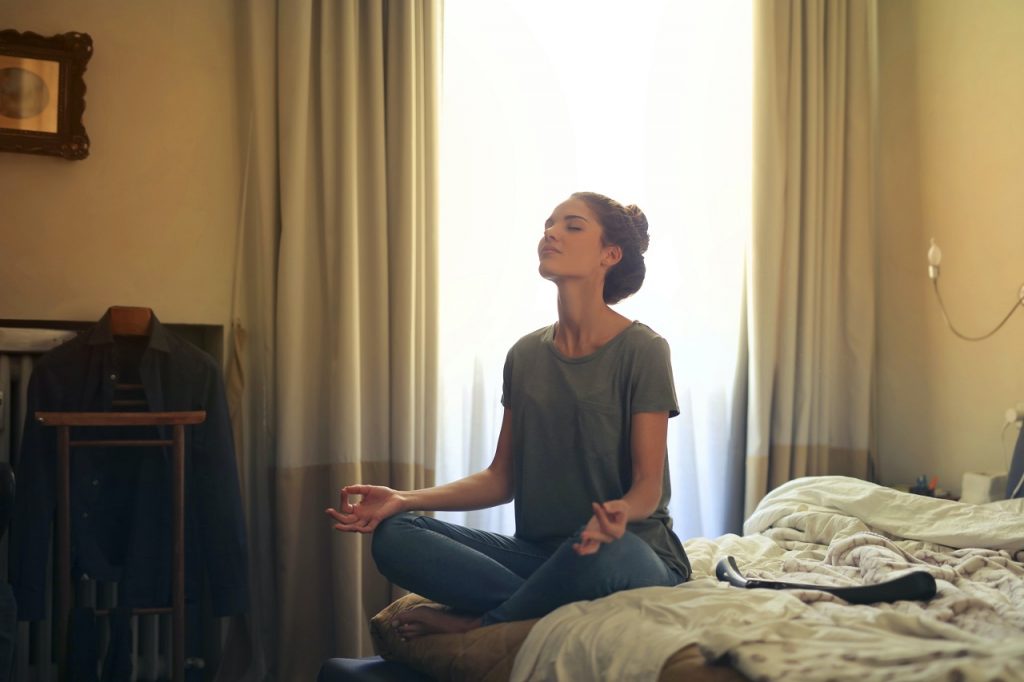
Meditation: Why It Is Necessary Today!

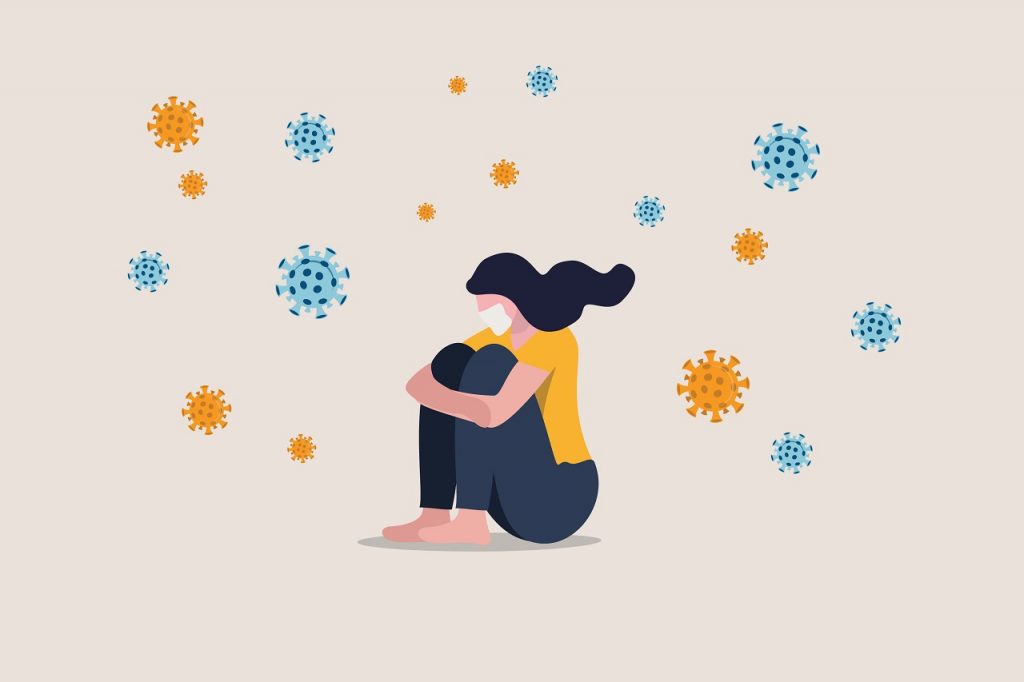
meditationMany of us are worried about the impact of the ongoing pandemic on our elderly and physically vulnerable relatives. To top it off, the economic impact it has had around the world, right down to individuals being unable to work and ineligible for sick pay is huge. All this coupled with shortages in shops, cancellation of planned holidays and events have all caused some level of anxiety and distress. As these mental and emotional issues pile up, there’s a good chance that one might go over the edge. To avoid that, something must be done. During these trying times, there is something you can do to improve your mental and emotional wellbeing. That something is meditation! 
How Does Meditation Help? 

Taking out time to meditate can also help in so many ways:

  1. Improves Mental Health: At a time when people may be self-isolating, worrying about finances, socially distancing from loved ones, and feeling concerned about contracting the virus, meditation can help improve emotional health and can help manage depression which is exacerbated by stress.
  2. Boost Immunity: COVID-19 is highly infectious and boosting your immunity will help you fight against this pandemic. Several research studies suggest that meditation helps in positively impacting the genes involved in the infectious cycle and increases the immunity. Using regular self-hypnosis as a relaxation technique has had positive effects on Lymphocytes—a type of white blood cell which helps produce antibodies and destroy cells which could cause damage.
  3. Reduce Anxiety: Meditation involves staying in the present moment without dwelling on the past or the future and accepting your feelings and emotions as perfectly valid. This will help in reducing stress levels and thus, potentially manage the increased level of anxiety which comes from being in the middle of a pandemic like coronavirus.

How Can You Start? 

  • Use GOQii’s guided meditation feature: Click on the “+” and go to meditation. A good way to kick start if you are new to this.
  • At first, it will take effort: Do regular, short bursts and gradually build up the amount of time you spend during any one meditation session. So start slow and short.
  • Set a regular time of day: Meditation is a habit and you’re much more likely to implement it if you set a specific time of day and incorporate it into your routine.
  • Get very comfortable: Maybe light a candle or some relaxing music.
  • Have patience: It is okay. Your mind will wander and you will have all types of thoughts at first but do not stop practicing this.
  • Do it regularly: Make a habit which will stay with you always!

We hope this article helps you! For more articles on meditation, check out Healthy Reads or tune in to our yoga and meditation experts on GOQii Play. To get these tips directly from your GOQii Coach, subscribe to personalized coaching now: https://goqiiapp.page.link/bsr 

Stay home, stay safe, meditate and #BeTheForce

June 2, 2021 By Rachna Sharma 3 Comments

Mental Health Tips To Cope With COVID Anxiety

cope with covid anxiety

The COVID-19 pandemic has had a major effect on our lives. It’s normal to feel anxious and worried during a national crisis as we don’t know how long it will last and how it will impact our lives. This feeling can be quite stressful and overwhelming. One major reason could be social distancing, although necessary, it can make us feel isolated, lonely and may increase stress. To add to it, the COVID anxiety, wherein we’re in constant fear of contracting the virus. These factors can take a huge toll on our mental health. 

This stress can affect our health in different ways: 

  • Disturbed sleep
  • Eating a lot or eating very less
  • Excess use of tobacco or pan masala
  • Drinking alcohol more than usual to avoid stress and boredom
  • Feeling loneliness and helpless

Tips To Cope With COVID Anxiety 

While there might not be a lot you can do to control the situation, here are a few things you can do to preserve your mental health and cope with COVID anxiety. 

  1. Try to control the things which are in your hand, rather than focusing on the things which you can’t control – Do not think about the shortage of oxygen cylinders or medication. Think how you can make yourself more healthy so you don’t need an oxygen cylinder and medication to recover. Eat healthy, exercise regularly and work on improving your sleep.
  2. Structure your day and make time for yourself. It’s important to make time for activities you enjoy. Do what you like most like painting, cooking, playing games or an instrument, and so on.
  3. Make a list of your worries, write it down on a paper and try to write down possible solutions for each worry. It can facilitate problem solving and reduce anxiety.
  4. Limit checking updates on COVID-19 in news and social media as the more your mind focuses on worst case scenarios, the more anxious you will feel.
  5. Try to connect through a video call with your friends and family members who you have not visited for a long time. It will work as a tonic for your mental health.
  6. Practice Mindfulness, which in essence, translates to living in the present moment with acceptance and without judgment
  7. Try breathing in lavender or scented candles. The smell of lavender, sandalwood, orange, jasmine and rose have calming properties and it stimulates the part of the brain which controls our mood.

If COVID anxiety is getting the better of you, seek out professional help. You don’t have to do this alone. If you are experiencing an escalation of anxiety, ask knowledgeable people who can assist you through this difficult time. Most importantly, don’t lose hope. Things always get better with time! 

We hope this article helps you. Do let us know your thoughts in the comments below. For more on managing COVID-19, check out Healthy Reads or tune in to LIVE sessions by experts on GOQii Play. To get these tips and support directly from your GOQii Coach, subscribe to personalized coaching now: https://goqiiapp.page.link/wssu 

Stay home, stay safe and #BeTheForce 

  • « Previous Page
  • 1
  • …
  • 4
  • 5
  • 6
  • 7
  • 8
  • Next Page »

Search

Recent Posts

  • ALL ABOUT VERTIGO!
  • PCOS and Anxiety: Discover Relief with the 54321 Technique
  • Navigating the Maze of Nutrition: Finding Clarity Amidst Confusion
  • Get children active and keep them healthy
  • What Gestational Diabetes Can Do To You & Your Unborn Child

Stay Updated

Archives

  • December 2025 (5)
  • November 2025 (15)
  • October 2025 (20)
  • September 2025 (6)
  • August 2025 (6)
  • July 2025 (12)
  • June 2025 (18)
  • May 2025 (16)
  • April 2025 (23)
  • March 2025 (23)
  • February 2025 (22)
  • January 2025 (26)
  • December 2024 (26)
  • November 2024 (25)
  • October 2024 (22)
  • September 2024 (24)
  • August 2024 (31)
  • July 2024 (21)
  • June 2024 (26)
  • May 2024 (31)
  • April 2024 (27)
  • March 2024 (29)
  • February 2024 (26)
  • January 2024 (25)
  • December 2023 (15)
  • November 2023 (11)
  • October 2023 (22)
  • September 2023 (22)
  • August 2023 (20)
  • July 2023 (22)
  • June 2023 (24)
  • May 2023 (24)
  • April 2023 (24)
  • March 2023 (23)
  • February 2023 (20)
  • January 2023 (16)
  • December 2022 (12)
  • November 2022 (15)
  • October 2022 (15)
  • September 2022 (12)
  • August 2022 (10)
  • July 2022 (17)
  • June 2022 (11)
  • May 2022 (10)
  • April 2022 (6)
  • March 2022 (6)
  • February 2022 (13)
  • January 2022 (12)
  • December 2021 (7)
  • November 2021 (3)
  • October 2021 (6)
  • September 2021 (3)
  • August 2021 (8)
  • July 2021 (7)
  • June 2021 (15)
  • May 2021 (16)
  • April 2021 (10)
  • March 2021 (7)
  • February 2021 (4)
  • January 2021 (4)
  • December 2020 (3)
  • November 2020 (4)
  • October 2020 (10)
  • September 2020 (3)
  • August 2020 (3)
  • July 2020 (2)
  • June 2020 (4)
  • May 2020 (10)
  • April 2020 (12)
  • March 2020 (10)
  • February 2020 (4)
  • January 2020 (4)
  • December 2019 (3)
  • November 2019 (7)
  • October 2019 (5)
  • September 2019 (4)
  • August 2019 (9)
  • July 2019 (9)
  • June 2019 (11)
  • May 2019 (4)
  • April 2019 (9)
  • March 2019 (8)
  • February 2019 (9)
  • January 2019 (8)
  • December 2018 (9)
  • November 2018 (3)
  • October 2018 (3)
  • September 2018 (5)
  • August 2018 (10)
  • July 2018 (6)
  • June 2018 (13)
  • May 2018 (8)
  • April 2018 (18)
  • March 2018 (9)
  • February 2018 (8)
  • January 2018 (15)
  • December 2017 (12)
  • November 2017 (19)
  • October 2017 (13)
  • September 2017 (15)
  • August 2017 (4)
  • July 2017 (8)
  • June 2017 (7)
  • May 2017 (6)
  • April 2017 (8)
  • March 2017 (6)
  • February 2017 (7)
  • January 2017 (9)
  • December 2016 (10)
  • November 2016 (7)
  • October 2016 (7)
  • September 2016 (7)
  • August 2016 (11)
  • July 2016 (9)
  • June 2016 (9)
  • May 2016 (12)
  • April 2016 (17)
  • March 2016 (17)
  • February 2016 (8)
  • January 2016 (6)
  • December 2015 (2)
  • November 2015 (9)
  • October 2015 (7)
  • September 2015 (9)
  • August 2015 (11)
  • July 2015 (9)
  • June 2015 (12)
  • May 2015 (9)
  • April 2015 (13)
  • March 2015 (8)
  • February 2015 (5)
  • January 2015 (12)
  • December 2014 (14)
  • November 2014 (11)
  • October 2014 (6)
  • September 2014 (13)
  • August 2014 (12)
  • July 2014 (6)
  • June 2014 (2)
  • May 2014 (7)
  • April 2014 (5)

From “Laddu Nawin” to Fit and Fierce: How a 25-Year-Old Insurance Advisor Shed 20 Kilos and Gained His Life Back

When 25-year-old Nawin Yadav from Hyderabad walked into his office every morning, he carried more than just his files and policy papers. He had the weight of fatigue, sluggish energy, and an ever-growing belly that was becoming the butt of jokes. “People … [Read More...]

“I’ve Challenged Myself to Live 100 Years” – The Story of Chandubhai Savani’s Second Chance at Life

At 67, most people start slowing down. Not Chandubhai Savani. A resident of Surat, Chandubhai, thought life was on track. “My life was going well till I had my bypass surgery,” he says. That surgery, back in 2021, was a wake-up call.  Medication was routine, but exercise wasn’t. His diet? What he calls ‘normal.’ “I […]

From Shimla’s Slopes to Chandigarh’s Sidewalks: Surinder Kaur Bhalla’s Journey from Chaos to Control

Some journeys start with a plan. Others begin with a stumble literally. Surinder Bhalla, a government professional, born and raised in the scenic hill town of Shimla, had always lived a life of movement. “In Shimla, you walked everywhere,” she reflects. “Walking was never an exercise. It was just life.” But after shifting to Chandigarh, […]

Ananda Mukherjee Health Story

From Terminal Illness To Complete Wellness! Ananda Mukherjee Health Story

As we observe World Cancer Day under the powerful theme ‘United by Unique’ (2025-2027)**, we are reminded that every individual’s journey with cancer is distinct, yet united by shared resilience, hope, and the collective fight against this disease. This theme places people at the centre of care and their stories at the heart of the […]

  • HOME
  • HEALTHY LIVING
  • FITNESS
  • HEALTHY RECIPES
  • USER STORIES
  • KARMA
  • BUY GOQii

Copyright ©2016 GOQii