GOQii

Blog

  • HOME
  • HEALTHY LIVING
  • FITNESS
  • HEALTHY RECIPES
  • USER STORIES
  • KARMA
  • BUY GOQii

July 15, 2026 By Asmita Maredia 4 Comments

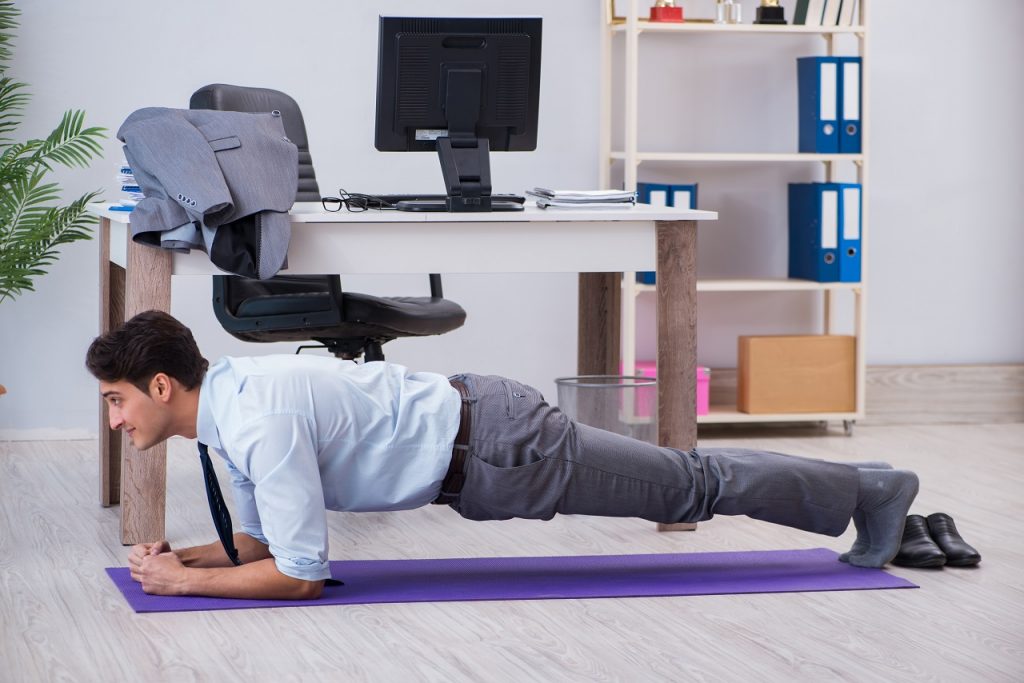
Sitting for Hours? Try These Simple Office Workouts to Stay Active!

office workoutHow many hours do you spend sitting each day? If you work a desk job, the answer is probably too many! The average office worker sits for 6-10 hours daily, which can lead to back pain, fatigue, poor posture, and increased health risks such as obesity and heart disease. But don’t worry—staying active at your desk is easier than you think!

Even if you go to the gym, prolonged sitting can still take a toll on your body. These simple office workouts will help you keep your body moving and your mind refreshed without leaving your desk.

Office Workouts You Can Do at Your Desk

1.Walk & Move More

  • Set an alarm every 45 minutes to stand up and move. Aim for at least 1-2 minutes of movement during each break.
  • Walk to fill your water bottle, use the printer, or take a quick break.
  • Take the stairs instead of the lift – two at a time for extra burn!
  • If possible, pace around while on phone calls.

2. Neck & Shoulder Stretches

  • Neck Stretch: Tilt your head to one side and hold for 5 seconds. Repeat 5 times on each side.
  • Head Rotation: Slowly roll your head clockwise and anti-clockwise 5 times.
  • Shoulder Shrug: Raise your shoulders as high as possible, hold for 5 seconds, then relax.

3. Arm & Wrist Exercises

  • Arm Stretch: Cross one arm over your body and pull it towards you with the other hand.
  • Triceps Stretch: Place one hand behind your neck and pull your elbow with the other hand.
  • Wrist Rotations: Roll your wrists 10 times clockwise and anti-clockwise.
  • Finger Stretch: Extend fingers as far as possible, hold for 5 seconds, then make a tight fist and hold for another 5 seconds. Repeat 5 times.

4. Back & Posture Fixers

  • Seated Back Stretch: Place your hands on the edge of your desk and push your chair back until your head is between your arms, looking at the floor. Hold for 10 seconds and repeat 5 times.
  • Overhead Stretch: Interlock your fingers, stretch your arms towards the ceiling, and hold for 5 seconds. Repeat 5 times.

5.  Leg & Lower Body Movements

  • Seated Leg Raises: Straighten one leg, hold for 5 seconds, lower halfway and hold again, then relax. Repeat with the other leg 5 times each.
  • Thigh Stretch: Stand, grab your ankle and pull it towards your buttocks. Keep your back straight and hold for 10 seconds. Repeat 5 times on each leg.
  • Calf Stretch: Place one foot on a chair and bend forward until you feel the stretch. Hold for 5 seconds and switch legs.

More Office Workout Tips To Keep You Active! 

  • Use a standing desk if available to reduce prolonged sitting.
  • Maintain good posture—sit with your back straight and feet flat on the floor.
  • Consider an exercise ball instead of a chair for better core engagement.
  • Park further away from the office entrance to increase your walking time.
  • When you can—stand rather than sit, and walk rather than stand!

These simple office workouts help reduce muscular stress, improve posture, and keep you active throughout the day. Even small movements can make a big difference to your health and productivity.

💡 Try to avoid long sitting hours by taking short breaks and staying active! If you experience any pain, here’s what you can do to prevent further injuries.

💬 How do you stay active at work? Share your tips in the comments!

#BeTheForce 

Disclaimer: The information provided in this blog is for general awareness and educational purposes only. It is not intended to replace professional medical advice, diagnosis, or treatment. Always consult a qualified healthcare provider for personalised medical guidance or concerns related to your health. Images shown are for representation purposes only and may not depict the exact recommendations or outcomes.
May 15, 2026 By Jyoti Sawant 4 Comments

Eat Healthy At Work: Quick & Easy Snacks You Can Eat In The Office

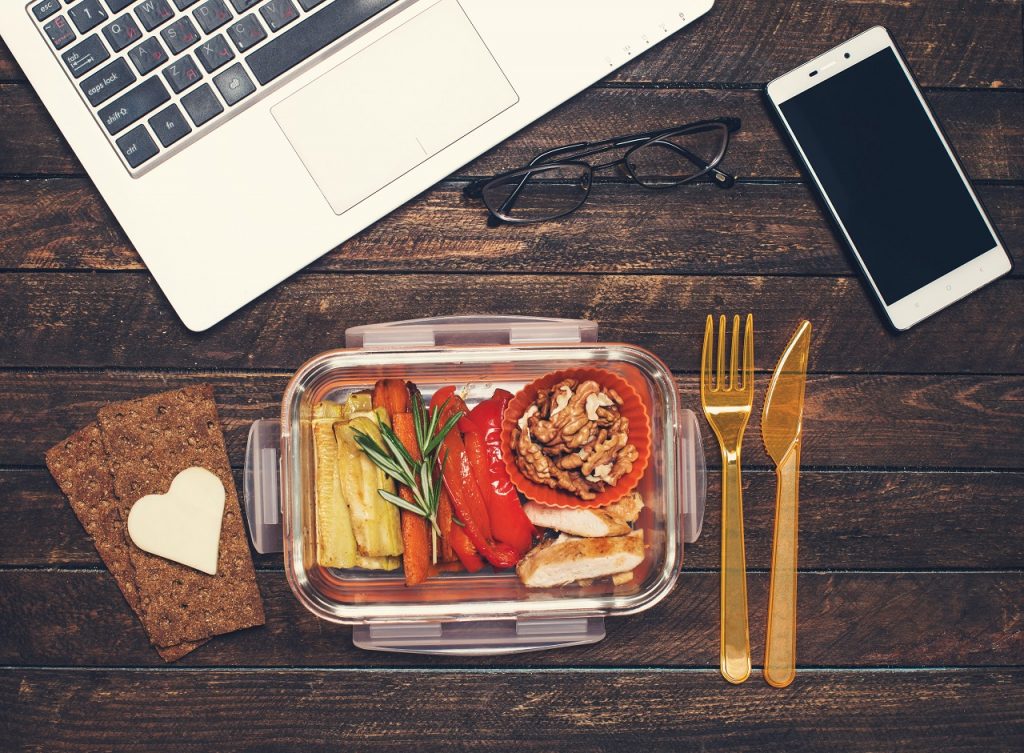
eat healthy at workSnacking is an important part of a balanced diet. However, when it comes to snacking at work, many of us find ourselves staring at a vending machine or scrolling through food delivery apps, unsure of what to eat. One of the main reasons people struggle to maintain healthy eating habits in the office is a lack of time. In today’s fast-paced world, fast food seems like the easiest solution. Fortunately, there are plenty of quick, easy, and affordable healthy snacks that can keep you on track.

How to Eat Healthy At Work 

Swap fast food and unhealthy snacks with these healthier alternatives while at work:

1. Fat-Free Yogurt

Greek yoghurt is a nutritious and satisfying option. Opt for low-fat or skimmed milk versions for a healthier choice. You can enhance the flavour with a drizzle of honey or a sprinkle of jaggery. Adding fresh berries, apple slices, or bananas makes it even more nutritious!
2. Wholewheat Crackers & Peanut Butter

Pair multigrain wheat crackers with natural peanut butter for a filling and nutrient-dense snack. This combination provides complex carbohydrates and protein, keeping you energised and full for longer.

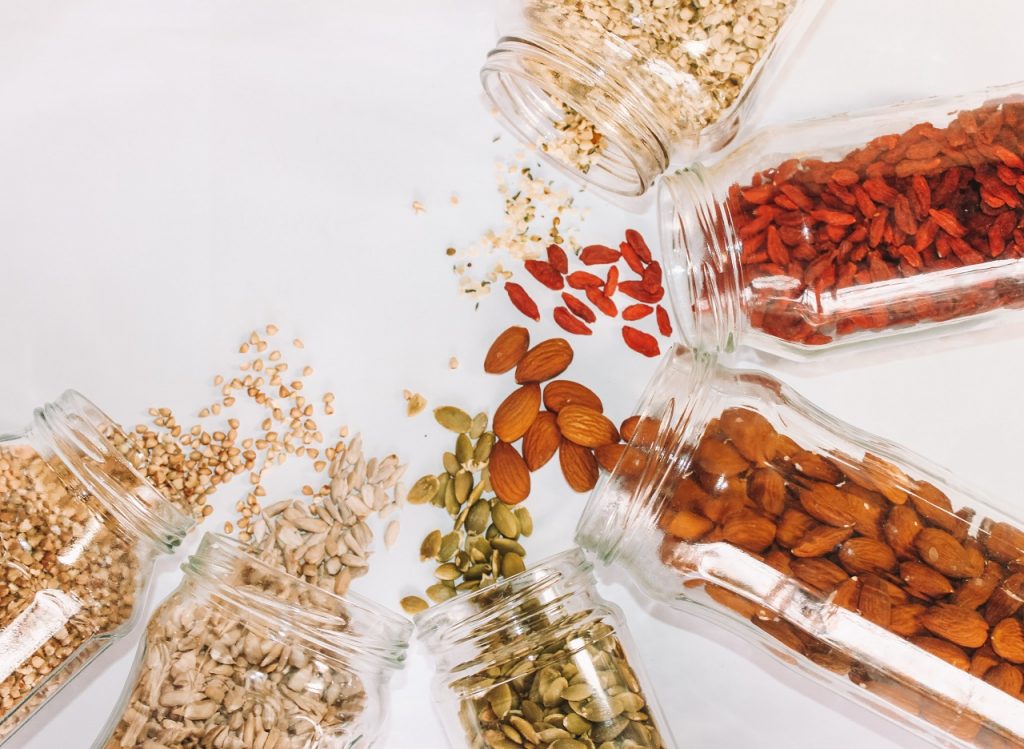
3. Nuts and Seeds

Instead of reaching for crisps or chocolate bars, opt for nuts and seeds. These are packed with protein, fibre, and healthy fats, making them a far better choice than snacks high in refined sugars and empty calories.

4. Fresh Fruits

Fruits offer natural sugars that provide a quick energy boost. Options like strawberries, oranges, apples, bananas, and melons are packed with antioxidants, vitamins, and fibre—perfect for keeping you refreshed and focused.
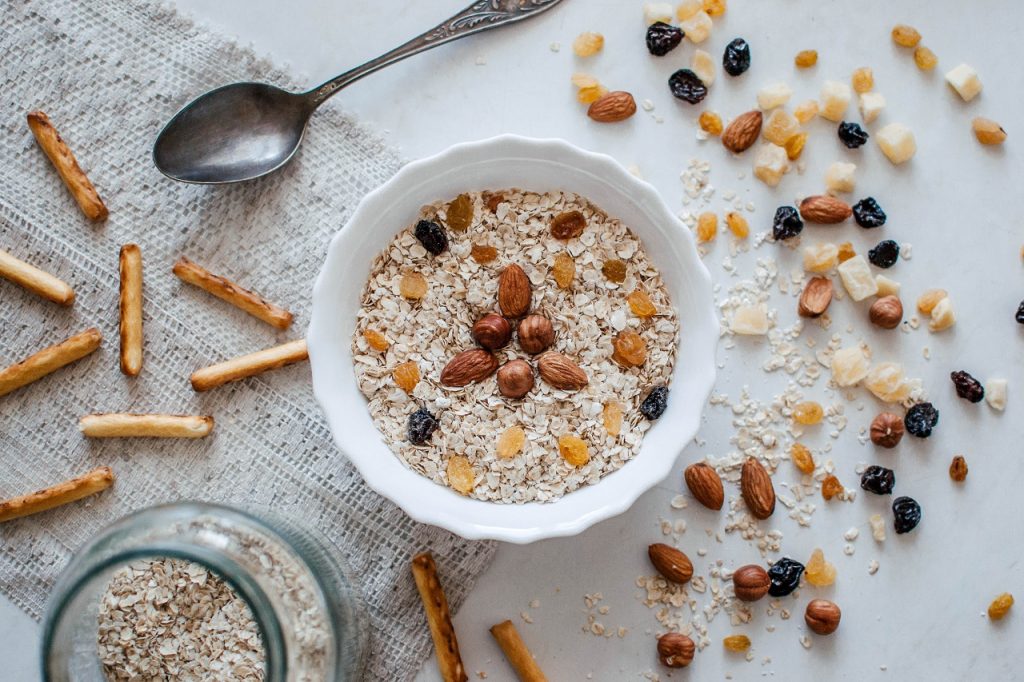
5. Instant Oatmeal

A plain instant oatmeal packet makes for a comforting yet healthy snack. Add your own raisins, cinnamon, or nutmeg to enhance the flavour while keeping sugar levels in check. Oats are known to reduce the risk of heart disease and provide long-lasting energy.
6. Stir-Fried Veggies

Pack a portion of stir-fried fresh vegetables like cherry tomatoes, celery, carrots, and green beans. These are rich in vitamins, minerals, and fibre, keeping you full and nourished throughout the day.

7. Boiled Egg With Seasoning

Hard-boiled eggs are an excellent source of protein and help stabilise blood sugar levels. Simply slice a boiled egg in half, sprinkle some salt, pepper, or a pinch of smoked paprika, and enjoy a flavourful, protein-rich snack.

8. Low-Fat Popcorn

Popcorn isn’t just for movies! This low-calorie, high-fibre snack can satisfy cravings for something crunchy and salty—just be sure to choose a low-fat version without excessive butter or salt.

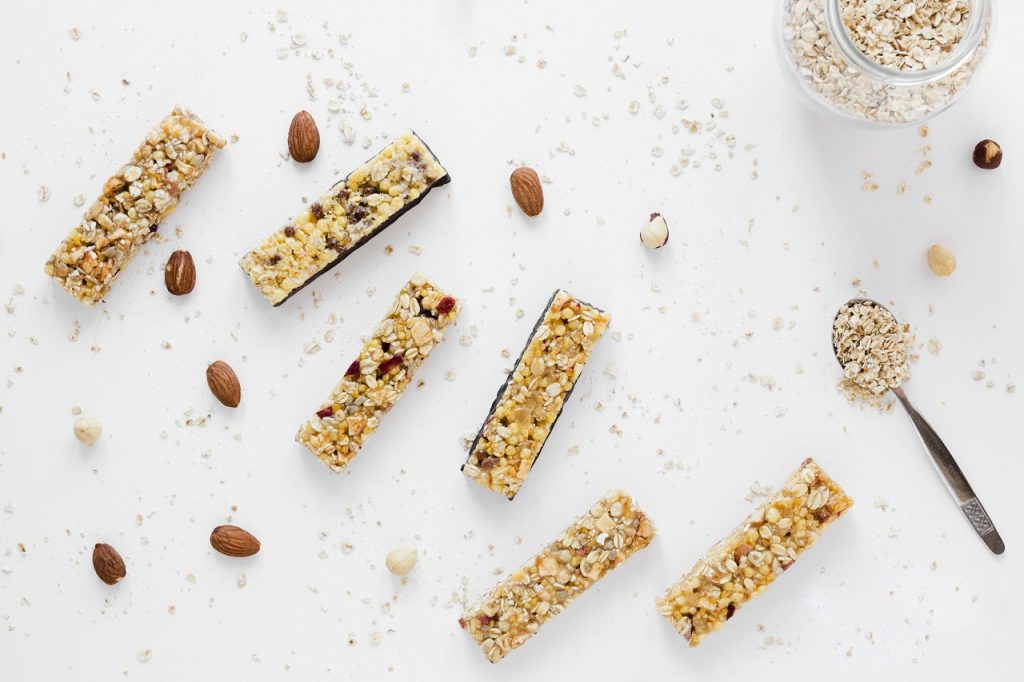
9. Protein Bars

Not all protein bars are created equal—some are packed with sugar and calories. Look for bars that contain fruit, nuts, and fewer than 200 calories. You can also make homemade protein bars using healthy ingredients like oats, nuts, and seeds.

It’s time to ditch vending machines and food delivery apps in favour of healthier choices. By preparing quick, easy, and nutritious snacks, you can stay energised, focused, and productive at work.

Which healthy office snack is your favourite? Let us know in the comments!

#BeTheForce

April 27, 2026 By Parwage Alam 3 Comments

Sitting Too Much? Here’s How It’s Shortening Your Life

How sitting for long hours at work can shorten your lifeSam logs into his 9:30 AM status call with a fresh cup of coffee. “I’ll just clear these emails quickly,” he tells himself as the meeting ends. The next time he looks up from his screen, his stomach is rumbling, and the clock says 2:15 PM. As he finally pushes his chair back to stand, a dull, familiar ache shoots across his lower back, his neck feels incredibly stiff, and his legs are heavy. He hasn’t moved from that chair in nearly five hours.
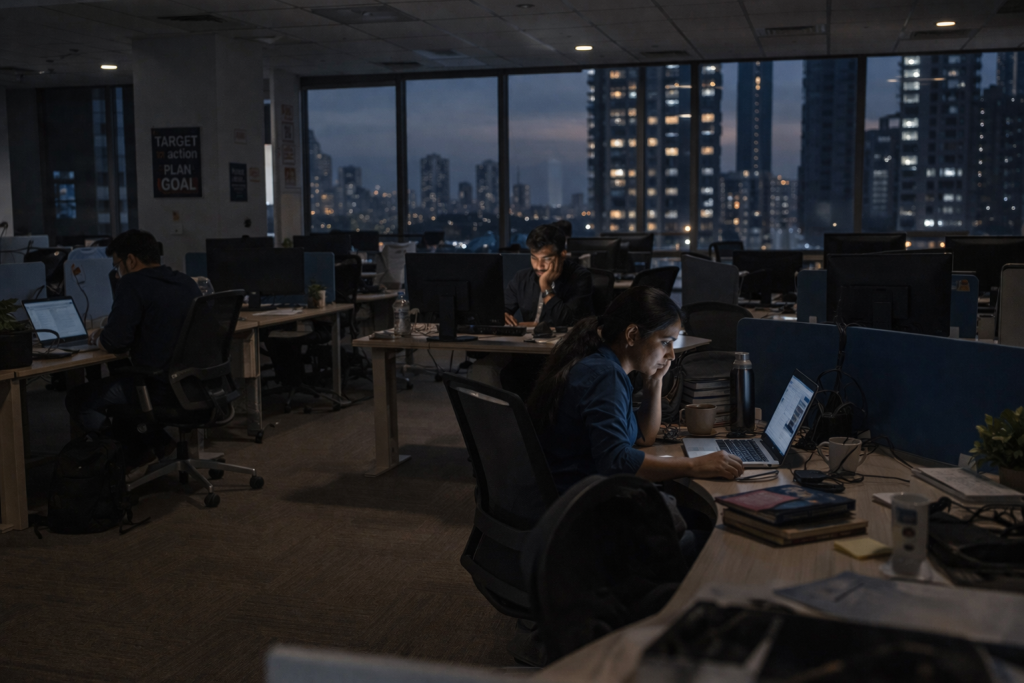
Does this sound familiar?

Sam isn’t alone. In fact, he represents the new normal. We often hear the phrase “Sitting is the new smoking”, and for good reason. Research suggests that excessive sitting can be just as dangerous as smoking, increasing your risk of serious health issues even if you manage to work out for an hour a day.

According to the GOQii India Fit Report 2026, a staggering 50% of Indians now spend 5 to 8 hours a day sitting down, and a further 26% sit for more than 8 hours. With the modern workplace being largely desk-based, it’s crucial to understand how this creeping stillness affects your body and what you can do to counteract it.

How Sitting For Long Hours Can Affect Your Health

Sitting doesn’t hurt in the moment, which is exactly what makes it so deceptive. Over time, physical stillness translates to metabolic decline. Here is what happens to your body when you sit for too long:

  • Poor Blood Circulation: Sitting for long periods slows down blood flow, pooling blood in your legs and increasing the risk of blood clots and varicose veins.
  • Increased Risk of Diabetes & Heart Disease: Studies show that prolonged sitting doubles the risk of diabetes. The GOQii India Fit Report highlights that heart disease affects over 55% of individuals with prolonged sedentary habits.
  • Eye Strain & Digital Fatigue: Constantly staring at screens causes dry eyes, blurred vision, and persistent tension headaches.
  • Back, Neck & Joint Pain: Poor posture and a lack of movement contribute to chronic pain in the lower back, neck, and hip joints.
  • Weakened Heart & Lung Function: Sitting too long reduces your overall cardiovascular efficiency, making your heart and lungs work much harder during normal physical activities.
  • Digestive Problems: Slouching compresses your abdomen and slows down digestion, leading to bloating, acid reflux, and constipation.
  • Mental Fatigue & Mood Changes: Reduced movement doesn’t just drain the body; it affects mental health, leading to increased stress, anxiety, and a feeling of constant brain fog.

How Can You Stay Active At Your Workplace? 

While it may not be possible to completely avoid your desk, you can incorporate small, intentional changes into your routine to break the cycle of stillness.

  • Take Small & Frequent Breaks – Set a timer to stand up and stretch every 30-45 minutes. This instantly improves circulation and prevents muscle stiffness.
  • Use the Stairs Instead of the Lift – This is a quick and highly effective way to get your heart rate up and strengthen your leg muscles.
  • Take a Walk After Lunch – Even a simple 5-10 minute walk after eating helps regulate blood sugar, aids digestion, and boosts your afternoon energy.
  • Blink & Rinse Your Eyes Regularly – Combat screen fatigue by strictly following the 20-20-20 rule: look away from the screen every 20 minutes, for 20 seconds, at something 20 feet away.
  • Try Simple Desk Exercises – Stretch your neck, roll your shoulders backwards, and extend your legs under the desk to relieve built-up tension.
  • Adjust Your Chair for Better Posture – Keep your back straight, feet flat on the floor, and screen exactly at eye level to avoid the dreaded “tech neck” slouch.
  • Consider a Standing Desk – Alternate between sitting and standing throughout the day to reduce constant compression on your lower spine.
  • Move While You Work – Take your phone calls while pacing around the room, or swap your office chair for a stability ball for an hour a day to engage your core.

Try to avoid it by taking short breaks and being active! If you experience any pain, here’s what you can do to avoid any further injuries.

Sitting for long hours is unavoidable for many, but small lifestyle adjustments can make a massive difference. By being more aware of your sitting habits and actively injecting movement into your daily routine, you can protect your health and drastically improve your overall well-being.

💡 Takeaway: Stand more, move more, and prioritise an active lifestyle to reduce the hidden risks associated with prolonged sitting.

💬 What’s your favourite way to stay active at work? Share your tips in the comments!

Frequently Asked Questions (FAQs)

  1. Why is sitting called “the new smoking”?
    Prolonged sitting is often compared to smoking because of the severe long-term health risks associated with it. Even if you exercise daily, sitting continuously for 8 to 10 hours drastically increases your risk of chronic conditions like heart disease, type 2 diabetes, obesity, and premature death.
  2. How often should I take a break from sitting at my desk?
    Health experts recommend standing up, stretching, or walking around every 30 to 45 minutes. Even a brief 2-minute movement break helps reset your posture, improves blood circulation, and reduces the strain on your back and neck.
  3. Does sitting affect mental health?
    Yes. A sedentary lifestyle is strongly linked to mental fatigue, increased stress, and anxiety. Physical movement releases endorphins and improves blood flow to the brain; without it, you are more likely to experience low moods, brain fog, and emotional exhaustion.

#BeTheForce

Disclaimer: The content provided in this blog is for educational and informational purposes only and should not be construed as professional medical advice, diagnosis, or treatment. Always consult with a qualified healthcare provider or a certified medical professional before making significant changes to your physical activity or if you are experiencing chronic pain or health issues related to a sedentary lifestyle.

April 9, 2026 By GOQii Leave a Comment

The ROI of Preventive Health: A Guide for Modern Corporate Wellness

For decades, Corporate Wellness was viewed by many executives as a “nice-to-have” HR perk a checkbox item featuring an annual step challenge or a discounted gym membership. However, in today’s high-pressure, hyper-connected business landscape, that outdated view is a costly mistake.



Modern forward-thinking CEOs and HR leaders are realizing that employee health is inextricably linked to company performance. When your workforce is unwell, burned out, or chronically stressed, the bottom line suffers.

Investing in preventive health is no longer an employee benefit; it is a critical business strategy. Let’s break down the hidden costs of the modern workplace and explore the undeniable ROI of a data-driven corporate wellness program.

The Hidden Cost of the Modern Workplace

To understand the return on investment, we must first understand the cost of inaction. The GOQii India Fit Report 2026 reveals a stark reality: for most Indians, working life is the biggest driver of healthspan loss.

As careers intensify and responsibilities multiply, chronic stress becomes background noise. The modern workplace inadvertently creates an environment where health takes a back seat to productivity. The data highlights exactly how this impacts your workforce:

  • The Sedentary Epidemic: A staggering 50% of Indians now spend 5 to 8 hours a day sitting. This prolonged inactivity slows metabolism and triggers inflammation, driving up the risk of heart disease and diabetes.
  • The Burnout Culture: Burnout culture, long work hours, constant digital connectivity, and sedentary routines accelerate health decline.
  • The Emotional Toll: Stress levels have reached critical highs, affecting 45% of the population. Furthermore, 40% of people experiencing frequent episodes of low mood report poor work-life balance.
  • The Economic Drain: Early onset of lifestyle diseases forces many adults to exit the workforce years before retirement age. According to NITI Aayog, non-communicable diseases reduce India’s economic output by billions annually through lost productivity and healthcare costs.

When employees are managing silent epidemics like hypertension, high cholesterol, and chronic fatigue, they are physically present but cognitively depleted a phenomenon known as presenteeism.

Defining the ROI: How Prevention Translates to Profits

Shifting from a sick-care model to a preventive corporate wellness framework yields measurable financial and operational returns. Here is how the ROI of preventive health materializes for modern businesses:

  1. Drastic Reduction in Healthcare Costs

India’s healthcare system is still heavily treatment-focused, and managing advanced diseases consumes far more resources than preventing them. By implementing preventive health screenings and continuous monitoring, companies can help employees detect lifestyle risks like insulin resistance or rising blood pressure before they become full-blown chronic diseases requiring expensive medical interventions, hospitalizations, and premium hikes.

  1. Elimination of Productivity Leaks (Absenteeism & Presenteeism)

Healthy employees are focused employees. Regular movement, adequate sleep, balanced nutrition, and stress regulation protect healthspan far more effectively than drastic changes made late in life. When corporate wellness programs actively improve sleep quality and reduce stress, employees experience sharper cognitive function, better decision-making, and higher sustained energy levels, directly boosting daily output.

  1. Superior Talent Attraction and Retention

In a competitive talent market, top-tier professionals look for employers who care about their holistic well-being. Workplaces that prioritize movement, rest, and recovery foster deep loyalty. Providing robust mental health support and personalized coaching reduces turnover rates, saving companies the massive costs associated with recruiting, hiring, and training new staff.

3 Pillars of a Modern Corporate Wellness Strategy

To achieve a true ROI, corporate wellness must evolve from episodic interventions (like an annual health camp) to continuous, habit-building support.

  1. Continuous Data & Insights: Utilizing digital health platforms and wearables enables earlier detection, sustained behavior change, and a move from episodic care to continuous prevention. Tracking daily metrics like sleep and activity allows employees to understand their baseline health.
  2. Personalised Human Coaching: Technology, when paired with human coaching and accountability, enables this shift across life stages. Data alone does not change habits; personalized guidance from health experts helps employees translate their data into actionable, daily lifestyle changes.
  3. Mental Resilience as a Core Focus: Emotional health must be treated as biological health. Companies need to invest in stress management programs, promote a healthy work-life balance, and provide support systems for mental health.

Frequently Asked Questions (FAQs)

  1. What is the actual ROI of a corporate wellness program?
    The ROI of a modern corporate wellness program is measured through three primary financial pillars: drastically reduced long-term healthcare costs and insurance premiums, the elimination of productivity leaks (such as absenteeism and presenteeism caused by chronic stress or illness), and significantly lower employee turnover rates. Preventive health transforms wellness from a sunk cost into a strategic driver of profitability.
  2. How does preventive health directly impact employee productivity?
    According to the GOQii India Fit Report 2026, chronic stress and poor sleep are major drivers of decreased cognitive function and “presenteeism” (being at work but underperforming). Preventive health programs target these root causes by improving sleep quality and managing stress, which directly results in sharper decision-making, higher sustained energy, and better daily output.
  3. Why do traditional corporate wellness initiatives fail to show an ROI?
    Traditional wellness programs fail because they are episodic—relying on annual health check-ups or one-off step challenges. True behavioral change requires a continuous approach. The modern workforce needs ongoing data monitoring combined with personalized human coaching to build sustainable, daily health habits that actually reverse chronic disease risks.
  4. How does GOQii help companies maximize their wellness ROI?
    GOQii provides a comprehensive, continuous preventive healthcare ecosystem. By combining digital health monitoring with personalized, one-on-one human coaching, GOQii helps employees transition from awareness to action. This proactive approach manages lifestyle diseases early, directly reducing corporate healthcare burdens and building a more resilient, focused workforce.

The Bottom Line for Business Leaders

Treating corporate wellness as an expense is a miscalculation. Unhealthy employees will always cost a business more in lost productivity, healthcare claims, and turnover than the cost of a comprehensive wellness program.

The future of corporate success relies on building an infrastructure of prevention. By partnering with comprehensive healthcare ecosystems like GOQii which seamlessly integrates wearable technology, continuous data monitoring, and personalized human coaching you are securing the operational resilience and financial ROI of your company tomorrow. Invest in your workforce’s healthspan today, and watch your business thrive.

#BeTheForce

Disclaimer: The information provided in this article is for educational and informational purposes only and is not intended to serve as professional medical, legal, financial, or HR compliance advice. The health statistics, productivity metrics, and ROI projections discussed—including data referenced from the GOQii India Fit Report—are based on aggregated trends and may vary significantly depending on individual organizational structures, industry, and workforce demographics. Always consult with qualified healthcare professionals, certified HR consultants, or corporate legal counsel before designing, implementing, or altering any employee wellness programs or company health policies.

  • 1
  • 2
  • Next Page »

Search

Recent Posts

  • From Burnout to Balance: How Dr. Ranjit Reclaimed His Health
  • 7 Tips to Prevent Diarrhea During Monsoons: Protect Your Gut This Rainy Season
  • Healthy Eating: The Power-Packed Quinoa Chickpea Salad
  • Sitting for Hours? Try These Simple Office Workouts to Stay Active!
  • Planks: The Quick and Easy Way to Stay Fit!

Stay Updated

Archives

  • July 2026 (15)
  • June 2026 (22)
  • May 2026 (20)
  • April 2026 (24)
  • March 2026 (18)
  • February 2026 (14)
  • January 2026 (14)
  • December 2025 (19)
  • November 2025 (15)
  • October 2025 (20)
  • September 2025 (6)
  • August 2025 (6)
  • July 2025 (10)
  • June 2025 (18)
  • May 2025 (16)
  • April 2025 (22)
  • March 2025 (26)
  • February 2025 (21)
  • January 2025 (25)
  • December 2024 (22)
  • November 2024 (22)
  • October 2024 (20)
  • September 2024 (22)
  • August 2024 (29)
  • July 2024 (18)
  • June 2024 (23)
  • May 2024 (26)
  • April 2024 (27)
  • March 2024 (27)
  • February 2024 (23)
  • January 2024 (21)
  • December 2023 (14)
  • November 2023 (10)
  • October 2023 (19)
  • September 2023 (22)
  • August 2023 (17)
  • July 2023 (19)
  • June 2023 (21)
  • May 2023 (20)
  • April 2023 (19)
  • March 2023 (23)
  • February 2023 (19)
  • January 2023 (15)
  • December 2022 (11)
  • November 2022 (15)
  • October 2022 (15)
  • September 2022 (12)
  • August 2022 (9)
  • July 2022 (17)
  • June 2022 (11)
  • May 2022 (10)
  • April 2022 (6)
  • March 2022 (6)
  • February 2022 (13)
  • January 2022 (11)
  • December 2021 (7)
  • November 2021 (3)
  • October 2021 (6)
  • September 2021 (3)
  • August 2021 (8)
  • July 2021 (7)
  • June 2021 (15)
  • May 2021 (16)
  • April 2021 (10)
  • March 2021 (7)
  • February 2021 (4)
  • January 2021 (4)
  • December 2020 (3)
  • November 2020 (4)
  • October 2020 (10)
  • September 2020 (3)
  • August 2020 (3)
  • July 2020 (2)
  • June 2020 (4)
  • May 2020 (10)
  • April 2020 (12)
  • March 2020 (10)
  • February 2020 (4)
  • January 2020 (4)
  • December 2019 (3)
  • November 2019 (7)
  • October 2019 (5)
  • September 2019 (4)
  • August 2019 (9)
  • July 2019 (9)
  • June 2019 (11)
  • May 2019 (4)
  • April 2019 (8)
  • March 2019 (8)
  • February 2019 (9)
  • January 2019 (8)
  • December 2018 (9)
  • November 2018 (3)
  • October 2018 (3)
  • September 2018 (5)
  • August 2018 (10)
  • July 2018 (6)
  • June 2018 (13)
  • May 2018 (8)
  • April 2018 (18)
  • March 2018 (9)
  • February 2018 (8)
  • January 2018 (15)
  • December 2017 (12)
  • November 2017 (19)
  • October 2017 (13)
  • September 2017 (15)
  • August 2017 (4)
  • July 2017 (8)
  • June 2017 (7)
  • May 2017 (6)
  • April 2017 (8)
  • March 2017 (6)
  • February 2017 (7)
  • January 2017 (9)
  • December 2016 (10)
  • November 2016 (7)
  • October 2016 (7)
  • September 2016 (7)
  • August 2016 (11)
  • July 2016 (9)
  • June 2016 (9)
  • May 2016 (12)
  • April 2016 (17)
  • March 2016 (17)
  • February 2016 (8)
  • January 2016 (6)
  • December 2015 (2)
  • November 2015 (9)
  • October 2015 (7)
  • September 2015 (9)
  • August 2015 (11)
  • July 2015 (9)
  • June 2015 (11)
  • May 2015 (9)
  • April 2015 (13)
  • March 2015 (8)
  • February 2015 (5)
  • January 2015 (12)
  • December 2014 (14)
  • November 2014 (11)
  • October 2014 (6)
  • September 2014 (13)
  • August 2014 (12)
  • July 2014 (6)
  • June 2014 (2)
  • May 2014 (7)
  • April 2014 (4)

From Burnout to Balance: How Dr. Ranjit Reclaimed His Health

Dr Ranjit Bhatt has spent years tending to others. A practising doctor in Odisha, his days were packed with patients, surgeries, and emergencies. From the outside, it looked like a life lived in service. But on the inside, something wasn’t right. “I had no … [Read More...]

From Shimla’s Slopes to Chandigarh’s Sidewalks: Surinder Kaur Bhalla’s Journey from Chaos to Control

Some journeys start with a plan. Others begin with a stumble literally. Surinder Bhalla, a government professional, born and raised in the scenic hill town of Shimla, had always lived a life of movement. “In Shimla, you walked everywhere,” she reflects. “Walking was never an exercise. It was just life.” But after shifting to Chandigarh, […]

“I’ve Challenged Myself to Live 100 Years” – The Story of Chandubhai Savani’s Second Chance at Life

At 67, most people start slowing down. Not Chandubhai Savani. A resident of Surat, Chandubhai, thought life was on track. “My life was going well till I had my bypass surgery,” he says. That surgery, back in 2021, was a wake-up call.  Medication was routine, but exercise wasn’t. His diet? What he calls ‘normal.’ “I […]

Ananda Mukherjee Health Story

From Terminal Illness To Complete Wellness! Ananda Mukherjee Health Story

As we observe World Cancer Day under the powerful theme ‘United by Unique’ (2025-2027)**, we are reminded that every individual’s journey with cancer is distinct, yet united by shared resilience, hope, and the collective fight against this disease. This theme places people at the centre of care and their stories at the heart of the […]

  • HOME
  • HEALTHY LIVING
  • FITNESS
  • HEALTHY RECIPES
  • USER STORIES
  • KARMA
  • BUY GOQii

Copyright ©2016 GOQii
