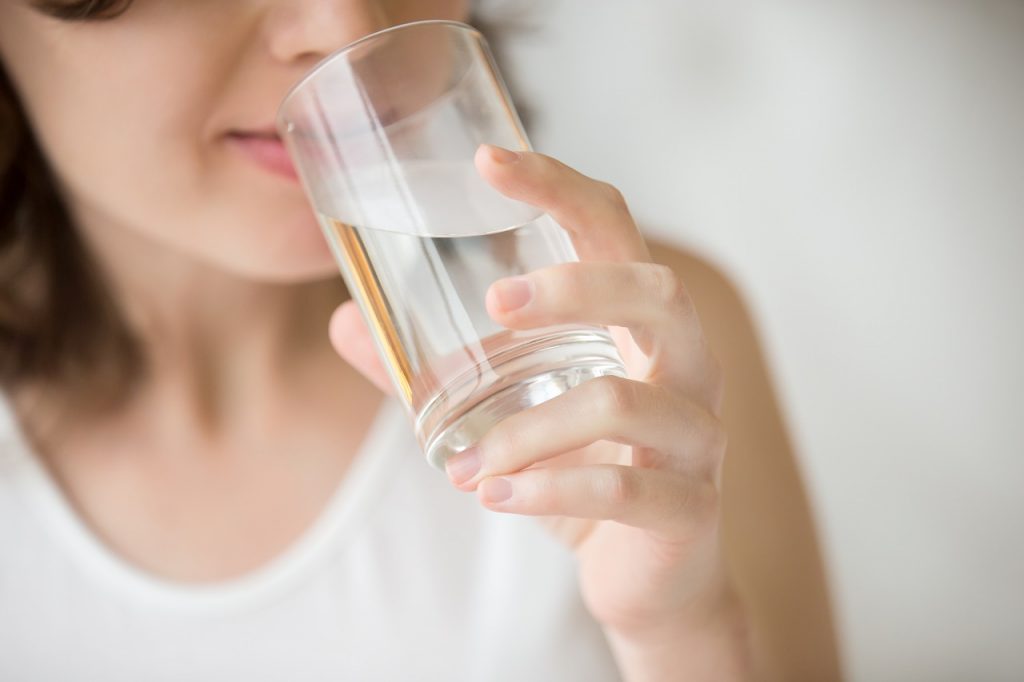
 Water is a super nutrient, easily available and the cheapest metabolic booster. Despite all its perks, it is the most neglected. Our body contains up to 60% of water, the heart and brain are composed of 73% water, and the lungs are about 83% water and you think having just a few glasses of water is enough to hydrate cells and for optimal functioning of these vital organs of our body? It is not. But before we get to how you can stay hydrated during lockdown, let’s look at the dehydration checklist.
Dehydration Checklist
- Persistent headache
- Dry skin and lips
- Decreased/Increased thirst
- Muscle cramps
- Urine is dark yellow in colour
As there are limited resources available due to lockdown, we are blessed to get an adequate supply of water. Take advantage of this and rehydrate yourself now.
Top 5 Ways to Stay Hydrated During Lockdown
- Keep a water bottle handy: Always ensure to keep a reusable water bottle by your side at home, on your work desk or while performing any physical activity at home to replenish lost water.
- Intensify its taste: If normal water doesn’t work for you, you can add a twist of lemon, pinch of black salt, mint, chat masala and sip it. You can also add fruits or fennel seeds to your water and leave them overnight.
- Eat your water: Yes! You can eat your water by consuming foods with high water content like watermelon, cucumber, cabbage, oranges, spinach, strawberries, pineapple etc.
- Track your water intake: Set reminders for every one hour to encourage you to drink water. You can also log your water intake and set reminders via the GOQii app.
- Drink more of homemade fresh vegetable/fruit juice and soups. This will also add more nutritional benefits along with ensuring optimum water intake.
Benefits of Staying Hydrated
- Water regulates our body’s temperature.
- Water acts as natural appetite suppressant so it should be a go to drink for weight watchers.
- When the body’s cells are dehydrated, the pituitary gland secretes vasopressin, a chemical that causes constriction of the blood vessels which increases blood pressure. So, drinking enough water can maintain and prevent us from hypertension.
- Water acts as a lubricant and cushions our joints and spinal cord.
- It removes toxins from our body and boosts energy. So grab a glass of water instead of sugar added juice after an exhausting schedule or day to boost energy levels.
- Prevents constipation, reduces risk of cancer along with preventing kidney damage.
We hope this article convinces you to watch your water intake and stay hydrated during lockdown! For more lockdown tips, tune in to experts on GOQii Play.
Stay home, stay safe, stay hydrated and #BeTheForce
 Right now, you’re probably experiencing a lot of boredom being in lockdown for this long. No doubt that we’re all dealing with it the best way we can as most of us aren’t used to being idle at home. Another way to look at this is that you get to spend more time with family! So, instead of getting anxious about this situation, let’s see how we can turn all that idle time into something productive!
  Apart from all the preventive measures we can take against COVID-19, should exercise be considered one of them? Can regular exercise actually protect us against COVID-19? Some might agree whereas others might not. In 1998, a large study showed that mild to moderate exercise performed about 4-5 times a week reduced the risk of dying during the Hong Kong flu outbreak. Could it be the same for COVID-19? Let’s find out!
  They say prevention is better than cure, more now than ever! With the coronavirus pandemic spreading, it is important to take every preventive measure possible. The transmission of this virus mainly spreads from person to person through tiny droplets that float in the air when an infected person sneezes or coughs. Other than direct contact with an infected person, any surfaces or objects around an infected person can also play a role in transmitting infection.


