GOQii

Blog

  • HOME
  • HEALTHY LIVING
  • FITNESS
  • HEALTHY RECIPES
  • USER STORIES
  • KARMA
  • BUY GOQii

Search Results for: weight

April 27, 2024 By Swati Savla 1 Comment

Top Foods to Increase Hemoglobin Naturally

hemoglobin

Hemoglobin and Iron are two terms that go hand in hand and there’s a simple understanding behind this. 70% of the body’s iron is found in hemoglobin and myoglobin. Hemoglobin is the red colored pigment present in red blood cells which carries oxygen from the lungs to the rest of our body. This released oxygen then permits aerobic respiration to provide energy to power the functions of our body in the process called metabolism. 

That’s not where it’s role ends. It is also a part of other cells which are found in some major organs like lungs, kidneys and the skin. Here, it’s function is that of an antioxidant and regulator of iron metabolism. Finally, it also transports carbon dioxide out of the cells and back to the lungs to be blown out of our body. The expected normal range of Hemoglobin in men is above 13 gm/dL and women is above 12 gm/dL, typically which is not difficult to maintain but still is of major concern if goes below the desired levels, creating a condition called Anemia.

Lack of Folate or B-12, blood loss post surgery, heavy menstrual bleeding or internal bleeding due to ulcers or even inadequate intake are some possible causes of low Hemoglobin levels. All of this explains our symptoms of Anemia like exhaustion, skin paleness, headache to abnormal or rapid heartbeat and chest pain. We’ve read and heard of varied iron supplements which can be taken to replenish extremely low Hemoglobin levels but eating the right kind of foods in the correct combinations can help increase hemoglobin naturally and quickly also. 

What Can You Eat to Increase Hemoglobin? 

When thinking about Hemoglobin, the 1st mineral coming to our mind is Iron but here’s the catch – Iron alone cannot increase your Hb. It has to be in combination with Folate or Vit B12 (depending on the deficiency) and Vit. A & C which act as carriers for it’s better absorption. Combining all the above elements finally gives us this list of foods which can help increase hemoglobin naturally. 

  1. Foods like Shellfish, Sardines, Tuna, Mackerel, Eggs and Meat are high on Heme Iron which is easily absorbed in the body and do not require carriers.
  2. Plant foods like Spinach, Kale, Broccoli, Beetroot, Pumpkin Seeds, and legumes like Soybeans, Chickpeas, Peas, etc. can help as well. 
  3. Vit. A & C rich foods like Tomatoes, Carrots, Lemon, Red Peppers, Oranges, Pomegranates, etc. should be used in combination with above mentioned foods.
  4. Fortified cereals also help as they are high in Folate.

While some elements are carriers, some can act as an hindrance. Phytic acid and Calcium are 2 such elements which make Iron absorption harder. Hence, avoid taking Calcium supplements or very high calcium rich foods along with Iron rich foods or supplements. Before making any changes to your diet, do consult a doctor, nutritionist or your dietitian. 

We hope this article to increase hemoglobin naturally helps you. Do leave your thoughts in the comments below! For more useful information on Hemoglobin and other health-related queries, check out Healthy Reads or speak to a certified expert by subscribing to GOQii’s Personalised Health Coaching here.

#BeTheForce 

April 26, 2024 By Vandana Juneja Leave a Comment

Millets: The Super Grain of Summer – Your Ally in Health and Coolness

With summer’s warmth intensifying, it’s time to rethink our dietary choices to ensure we stay vibrant and well-hydrated. Amongst a myriad of nutritional options, millets emerge as a veritable treasure trove of health benefits, rightfully earning their status as the season’s super grain. So let’s embark on an exploratory journey into the realm of millets, our potential partners in beating the heat.

Understanding Millets: The Ancient Grain for Modern Times

Belonging to a family of small-seeded grasses, millets are more than just a culinary choice—they’re a heritage, cultivated as a staple across Asia and Africa for centuries. With a spectrum ranging from pearl and foxtail to finger millet and sorghum, each variety offers a unique burst of flavor and a wealth of nutrition.

The Summer Advantage of Millets: Beyond Just Beating the Heat

Natural Coolants: These humble grains possess natural cooling properties, making them the ideal choice for sultry days. Rich in composition that balances body heat, millets are not just about sustenance; they’re about keeping you naturally cool and preventing the discomfort of heat waves.

Dietary Powerhouses: Don’t let their size fool you; millets are nutritional giants. Packed with protein, fiber, vitamins, and minerals, they ensure your body receives a holistic blend of nutrients, fortifying your health and vitality.

Guardians of Digestion: With a fiber content that champions digestion, millets can keep the common summer woes of constipation and indigestion at bay. They’re the friends your gut needs when the heat threatens to disrupt your digestive harmony.

Allies in Weight Management: Those on the journey of weight maintenance or reduction will find a loyal ally in millets. Their satiating fiber keeps hunger pangs in check, helping you manage your appetite and caloric intake effortlessly.

A Haven for the Gluten-Sensitive: As gluten intolerance becomes more prevalent, millets rise to the occasion as a stellar gluten-free substitute. They pave the way for culinary diversity, ensuring that dietary restrictions don’t limit the joy of eating.

Revamping Summer Diets with Millets: A Guide to Your Seasonal Well-being

Sorghum Millet (Jowar): A robust grain, jowar is a staple in the culinary world, commonly transformed into hearty rotis and bread. Loaded with nutrients like policosanols, sorghum is a protein and fiber-rich grain that aids in cholesterol management and weight loss. It’s a viable wheat alternative for those with gluten intolerance, offering rich sources of vitamin B1 and essential macro nutrients to boost metabolism.

Sorghum Upma: Soak and grind sorghum, then cook it with onions, tomatoes, green chilies, ginger, and veggies. This gluten-free upma is not only delicious but also nutritionally rich and perfect for a summer meal.

Kodo Millet (Koda or Arke Millet): Renowned for its nutrient density, kodo millet is an excellent alternative to traditional grains like rice and wheat. It’s rich in proteins, fiber, complex carbs, calcium, and polyphenols. Known for its cooling properties, kodo millet is ideal for summer consumption, contributing to lower sugar levels, weight management, and blood pressure control.

Kodo Millet Pulao: Soak the millet, then prepare it with onions, garlic, chili, tomatoes, carrots, peas, and spices. A simple pressure cook delivers a fluffy and aromatic dish ready in under an hour.

Foxtail Millet (Kangni): Foxtail millet is a powerhouse, teeming with complex carbs, proteins, fibers, and a spectrum of vital minerals and vitamins. With its low-fat content and gluten-free attribute, it’s perfect for those with dietary restrictions. Its health benefits are numerous, acting as a brain booster, bone strengthened, energy provider, and beauty enhancer.

Foxtail Millet Dosa Recipe: Begin your journey with a simple and nutritious Foxtail Millet Dosa. Soak foxtail millet, urad dal (black gram), and poha (flattened rice) for 4-6 hours. Grind these into a smooth batter, season with salt, and let it ferment overnight. When ready, heat a skillet, pour the batter thinly and cook until golden brown on each side. Serve this crispy dosa hot with your favorite chutney for a delightful meal.

Finger Millet (Ragi): A staple among health enthusiasts, Finger Millet, or Ragi, is celebrated for its high protein and amino acid content. This gluten-free grain is an excellent substitute for rice or wheat, packed with calcium, iron, and fibre, promoting bone health, aiding digestion, and helping regulate blood sugar levels. Incorporate ragi into your diet through porridge, rotis, and dosas for sustained energy and improved well-being.

Ragi Buttermilk Malt Recipe: For a refreshing drink, try the Ragi Buttermilk Malt. Mix ragi flour with water and cook with mustard seeds, asafoetida (hing), chili, and curry leaves until the mixture thickens. Separately, season buttermilk with salt, combine it with the cooked ragi mixture, bring to a boil, and serve hot. This nutritious malt drink is both comforting and healthy.

Barnyard Millet (Sanwa Rice): Known as Sanwa rice, Barnyard Millet is rich in protein, calcium, iron, and B vitamins. Its low carbohydrate content and gluten-free properties make it an ideal choice for those managing gluten sensitivities, diabetes, or cardiovascular conditions. Barnyard millet is often used as a nutritious rice substitute and is best prepared as porridge to maximize its health benefits.

Barnyard Millet Khichdi Recipe: For a wholesome meal, try Barnyard Millet Khichdi. Rinse and soak barnyard millet and mung dal for 30 minutes. In a cooker, sauté onions, ginger, garlic, and chili. Add tomatoes, turmeric, and salt. Stir in the soaked millet and dal, add water, and pressure cook for 3-4 whistles. Garnish with fresh coriander and serve hot for a nutritious and comforting dish.

These millet recipes not only offer a variety of health benefits but also introduce new flavors and textures to your diet, making your culinary experience both enjoyable and healthy.

Adding millets to your summer diet brings numerous health advantages and provides tasty, nutritious meals. Whether you aim to stay cool, boost digestion, manage your weight, or just try new recipes, millets are a flexible and healthy option for the warmer months. Dive into the benefits of millets this summer to enrich your nutrition and rejuvenate your body.

We hope this article helps you. For further information or guidance, reach out to our certified experts by subscribing to GOQii’s Personalised Health Coaching here.

#BeTheForce 

April 24, 2024 By Luke Coutinho 4 Comments

STAIR climbing – One of the best exercises

how-to-train-for-a-stair-climbing-race

You can run a 5k but running up a couple of flights of stairs tires you out?  You can squat heavy and lunge with weights, yet walking up a couple of flights of steps makes it feel like a whole other workout?

Here’s a workout that can actually challenge your body, endurance and actual strength and stamina.

Climbing stairs is one of the best exercises when it comes to pure FAT BURN, strengthening the lower body, toning the butt, thighs, calves, losing inches from those love handles and belly and building great abs. Along with these benefits is the immense good it does for your lungs and cardio vascular system.

  • It is totally free and just about all of us can get access to a set of stairs
  • It leverages gravity and the heavier we are, the harder we’re forced to work and the more calories we burn
  • It is a relatively intense exercise that quickly increases our heart rate and in doing so can greatly improve our cardiovascular fitness
  • It helps strengthen and shape our most common problem areas like calves, thighs, buttocks and tummy
  • It is a very efficient way of burning maximum calories and is great for those of us with limited time to exercise
  • It can easily be mixed with other exercises, like walking, skipping and weight training, to maximize results and stair-climbing workouts are easy to build progression into
  • It can be done by almost anyone, regardless of fitness level
  • Because it is weight bearing, it helps build bone strength
  • It is low impact and safe for the knees (providing correct technique is used and a preexisting condition doesn’t exist)

The way forward with exercise is quality over quantity. Too many people fix a ‘one hour’ work out in their mind and if they can’t find time for that ‘1 hour’ they just don’t do it.

Aim for power workouts, 25 to 30 mins max, where you max out your reps, burn those muscles and really get your heart rate up. 35 to 40 minutes should include a great warm up and an extremely important cool down.

You can burn more calories walking/running up steps in 30 mins than a 1 hour run or walk, plus it challenges your body.

Start off with a couple of flights, Walk and run slowly. As you get better, run and then skip 2 steps at a time and run or walk.

In a nutshell –

Burns more calories: Stair climbing engages your body’s largest muscle groups to repeatedly lift your body weight up, step after step. Thus using your muscles to carry your own weight is far higher to running as compared.

Maximises your cardio efforts: It also raises your heart rate immediately thus maximizing your cardio benefits.

Increases core muscle strength: Climbing stairs is a great way to amp your core muscle strength.

Tones and sculpts your body: It also engages every major muscle in your lower body – glutes, hamstrings, quadriceps, abs and calves to exercise and thus tones your body better.

Low impact workout: You don’t have to ideally sweat it out while climbing stairs. Just a few stairs every day will give you a good workout.

Safety first: Never run down the stairs, be confident while running up, take a break when needed.

Start doing this regularly and soon, you will be running up flights of stairs, feeling fitter, younger, stronger and leaner.

We hope this article helps you. For further information or guidance, reach out to our certified experts by subscribing to GOQii’s Personalised Health Coaching here.

#BeTheForce 

April 23, 2024 By Neha Goyal Leave a Comment

Is Lactose Free Milk The Same As Dairy Free Milk?

lactose free milk

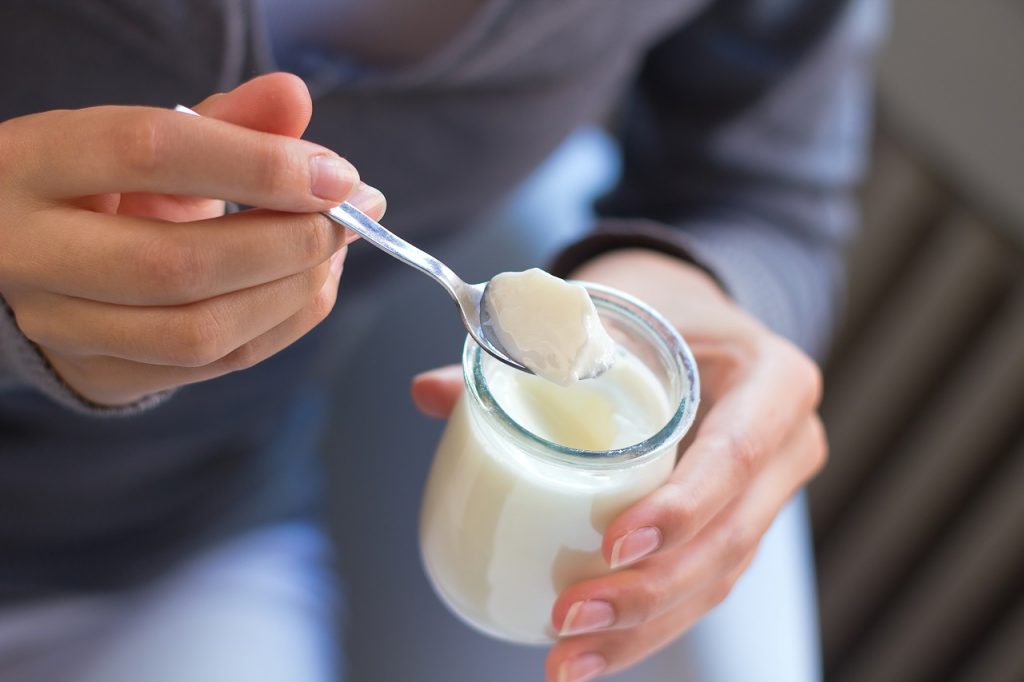
Many of you must have heard about lactose intolerance. When somebody has this condition, milk falls in the list of “don’t” for them. It is a very common digestive problem where the body is unable to digest lactose, a sugar mainly found in milk & most dairy products. What it means is that your body does not have sufficient amounts of the digestive enzyme ‘Lactase’ to break down milk sugar. Lactose free milk is free of these carbs that cause discomfort while providing all the benefits of regular milk.

What is Lactose Free Milk? 

Lactose free milk is commercially produced in such a way that it is free of lactose. For this, 3 methods are used:

  • Addition of lactase enzyme in the milk which pre digests or breaks lactose into simpler sugars. Thereafter, milk is pasteurized to deactivate lactase to increase milk’s shelf life.
  • Passing milk over lactase which is bound to a carrier. Using this method produces the same effect as above, but the enzyme is not present in the milk.
  • Mechanical removal of lactose through membrane fractionation & other ultrafiltration techniques while preserving normal flavor of milk.

With the first two methods, breakdown of lactose into simpler sugars gives milk a sweeter taste (as perceived by your taste receptors). But ultra-pasteurized milk tastes different (cooked flavor) due to heat applied during preparation. 

What Are the Pros and Cons? 

Now that you know what lactose free milk is, you might be wondering if it is good for you. Some reported benefits include: 

  • Prevents symptoms of lactose intolerance
  • Easy to digest
  • A little sweeter than regular milk
  • Good for bones as calcium & Vit D is the same as before. In fact, some manufacturers fortify it with extra calcium & Vit D
  • Low fat versions are good for heart health
  • Complete protein profile

Despite its benefits, there are also some cons to it:

  • Not suitable for people with dairy allergy
  • Not suitable for vegans
  • Technically it is a processed food as it is treated with heat & chemicals to make it safe for use
  • Sometimes sweeteners may be added by manufacturers
  • Presence of simpler sugars due to breakdown of lactose might increase the glycemic index of the product

Difference Between Lactose Free and Dairy Free Milk 

While these two sound similar, they actually aren’t. Despite being different from regular milk, lactose free milk is prepared from regular cow milk. Basically, it’s an animal product which still has proteins like whey & casein in it after removing lactose. On the other hand, dairy free milk is a plant based product, made using nuts, seeds, grains & legumes. These milk options are very popular among vegans or people with dairy allergy (immune system’s reaction to proteins in milk) to replace regular milk in different recipes. There is a wide array of dairy free alternatives available in the market these days such as rice milk, almond milk, coconut milk, oat milk, flax milk & soy milk.

So the final take away from lactose free vs dairy free is that something dairy free is automatically lactose free but not vice versa. Now that you know the difference, your choice will be dependent on your health and body! We hope this information helps you. If you have any queries, leave them in the comments section below! 

For more information and topics like these, check out Healthy Reads or speak to a certified expert by subscribing to GOQii’s Personalised Health Coaching here.

#BeTheForce 
  • « Previous Page
  • 1
  • …
  • 69
  • 70
  • 71
  • 72
  • 73
  • …
  • 265
  • Next Page »

Search

Recent Posts

  • Water Intake Pre, During and Post Workout
  • India Leads in Longevity: GOQii Sanjeevini Named Top 40 in $101M XPRIZE
  • The Importance Of Knowing If You’re Thirsty Or Hungry
  • Best Foods To Alleviate Irritable Bowel Syndrome
  • ALL ABOUT VERTIGO!

Stay Updated

Archives

  • December 2025 (9)
  • November 2025 (15)
  • October 2025 (20)
  • September 2025 (6)
  • August 2025 (6)
  • July 2025 (12)
  • June 2025 (18)
  • May 2025 (16)
  • April 2025 (23)
  • March 2025 (23)
  • February 2025 (22)
  • January 2025 (26)
  • December 2024 (26)
  • November 2024 (25)
  • October 2024 (22)
  • September 2024 (24)
  • August 2024 (31)
  • July 2024 (21)
  • June 2024 (26)
  • May 2024 (31)
  • April 2024 (27)
  • March 2024 (29)
  • February 2024 (26)
  • January 2024 (25)
  • December 2023 (15)
  • November 2023 (11)
  • October 2023 (20)
  • September 2023 (22)
  • August 2023 (20)
  • July 2023 (22)
  • June 2023 (24)
  • May 2023 (24)
  • April 2023 (24)
  • March 2023 (23)
  • February 2023 (20)
  • January 2023 (16)
  • December 2022 (12)
  • November 2022 (15)
  • October 2022 (15)
  • September 2022 (12)
  • August 2022 (10)
  • July 2022 (17)
  • June 2022 (11)
  • May 2022 (10)
  • April 2022 (6)
  • March 2022 (6)
  • February 2022 (13)
  • January 2022 (12)
  • December 2021 (7)
  • November 2021 (3)
  • October 2021 (6)
  • September 2021 (3)
  • August 2021 (8)
  • July 2021 (7)
  • June 2021 (15)
  • May 2021 (16)
  • April 2021 (10)
  • March 2021 (7)
  • February 2021 (4)
  • January 2021 (4)
  • December 2020 (3)
  • November 2020 (4)
  • October 2020 (10)
  • September 2020 (3)
  • August 2020 (3)
  • July 2020 (2)
  • June 2020 (4)
  • May 2020 (10)
  • April 2020 (12)
  • March 2020 (10)
  • February 2020 (4)
  • January 2020 (4)
  • December 2019 (3)
  • November 2019 (7)
  • October 2019 (5)
  • September 2019 (4)
  • August 2019 (9)
  • July 2019 (9)
  • June 2019 (11)
  • May 2019 (4)
  • April 2019 (9)
  • March 2019 (8)
  • February 2019 (9)
  • January 2019 (8)
  • December 2018 (9)
  • November 2018 (3)
  • October 2018 (3)
  • September 2018 (5)
  • August 2018 (10)
  • July 2018 (6)
  • June 2018 (13)
  • May 2018 (8)
  • April 2018 (18)
  • March 2018 (9)
  • February 2018 (8)
  • January 2018 (15)
  • December 2017 (12)
  • November 2017 (19)
  • October 2017 (13)
  • September 2017 (15)
  • August 2017 (4)
  • July 2017 (8)
  • June 2017 (7)
  • May 2017 (6)
  • April 2017 (8)
  • March 2017 (6)
  • February 2017 (7)
  • January 2017 (9)
  • December 2016 (10)
  • November 2016 (7)
  • October 2016 (7)
  • September 2016 (7)
  • August 2016 (11)
  • July 2016 (9)
  • June 2016 (9)
  • May 2016 (12)
  • April 2016 (17)
  • March 2016 (17)
  • February 2016 (8)
  • January 2016 (6)
  • December 2015 (2)
  • November 2015 (9)
  • October 2015 (7)
  • September 2015 (9)
  • August 2015 (11)
  • July 2015 (9)
  • June 2015 (12)
  • May 2015 (9)
  • April 2015 (13)
  • March 2015 (8)
  • February 2015 (5)
  • January 2015 (12)
  • December 2014 (14)
  • November 2014 (11)
  • October 2014 (6)
  • September 2014 (13)
  • August 2014 (12)
  • July 2014 (6)
  • June 2014 (2)
  • May 2014 (7)
  • April 2014 (5)

From “Laddu Nawin” to Fit and Fierce: How a 25-Year-Old Insurance Advisor Shed 20 Kilos and Gained His Life Back

When 25-year-old Nawin Yadav from Hyderabad walked into his office every morning, he carried more than just his files and policy papers. He had the weight of fatigue, sluggish energy, and an ever-growing belly that was becoming the butt of jokes. “People … [Read More...]

“I’ve Challenged Myself to Live 100 Years” – The Story of Chandubhai Savani’s Second Chance at Life

At 67, most people start slowing down. Not Chandubhai Savani. A resident of Surat, Chandubhai, thought life was on track. “My life was going well till I had my bypass surgery,” he says. That surgery, back in 2021, was a wake-up call.  Medication was routine, but exercise wasn’t. His diet? What he calls ‘normal.’ “I […]

From Shimla’s Slopes to Chandigarh’s Sidewalks: Surinder Kaur Bhalla’s Journey from Chaos to Control

Some journeys start with a plan. Others begin with a stumble literally. Surinder Bhalla, a government professional, born and raised in the scenic hill town of Shimla, had always lived a life of movement. “In Shimla, you walked everywhere,” she reflects. “Walking was never an exercise. It was just life.” But after shifting to Chandigarh, […]

Ananda Mukherjee Health Story

From Terminal Illness To Complete Wellness! Ananda Mukherjee Health Story

As we observe World Cancer Day under the powerful theme ‘United by Unique’ (2025-2027)**, we are reminded that every individual’s journey with cancer is distinct, yet united by shared resilience, hope, and the collective fight against this disease. This theme places people at the centre of care and their stories at the heart of the […]

  • HOME
  • HEALTHY LIVING
  • FITNESS
  • HEALTHY RECIPES
  • USER STORIES
  • KARMA
  • BUY GOQii

Copyright ©2016 GOQii