
GOQii

Blog

  • HOME
  • HEALTHY LIVING
  • FITNESS
  • HEALTHY RECIPES
  • USER STORIES
  • KARMA
  • BUY GOQii

Search Results for: weight loss

February 5, 2024 By GOQii 8 Comments

Burn Belly Fat With Proper Nutrition

nutrition to burn belly fatBelly fat! A large section of people in this world are obsessed with their body and more so belly fat. They might be pushing themselves with exercise or following a particular diet plan but are still unable to rid themselves of it. The reasons behind not being able to burn belly fat may be excessive use of sugar and fats. This in turn results in weight gain through development of fats around different parts of the body.

Among all body parts, belly is the most affected area. This is because of the fats. The belly grows quickly and leads to increased health problems. Studies have shown that the human body reacts to increased levels of sugar. Generally, 15 grams of sugar is recommended and not more than that. The question is, can a change in diet impact the belly and other body fats? Let’s explore!

6 Nutritional Tips To Help You Burn Belly Fat

  1. Reduce Sugar Intake: Reduction in our daily sugar intake should be at a recommended level of 15 grams. This is one of the most effective steps in reducing belly fat through nutrition. Excess of sugar intake is one of the biggest reasons for obesity and diabetes in the U.S.
  2. Avoid Processed Food: Consumption of processed food items is one of the sources of excessive sugar and fat intake. Try to prepare your food with your hands if you are aware of the ingredients which will be used. Carefully read ingredients used in processed food before you consume them.
  3. Reduce Bad Carbohydrates: Reduction of carbohydrates is another step to reduce belly fat without exercise. Particularly, avoid consuming fizzy drinks. This is one of the sources of high bad carbohydrates.
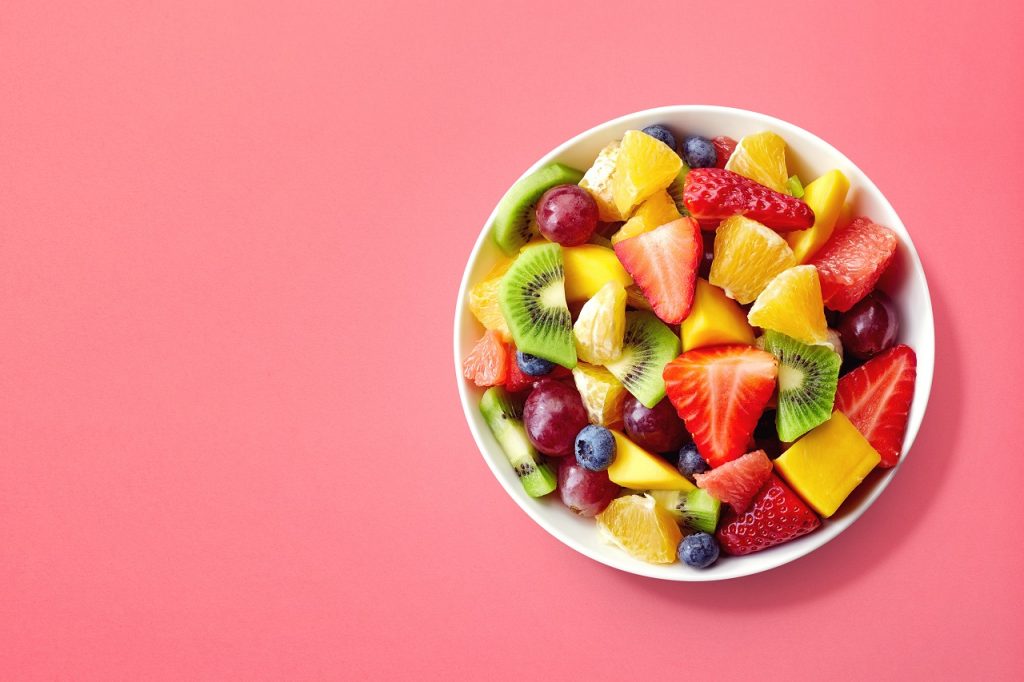
  4. Increase Intake of Fiber: Increased intake of fiber will constraint your need for carbohydrates. Having more of veggies and fruits will help you with good carbs and avoid the intake of bad carbs.
  5. Eat Raw Vegetables: Eating half cooked or raw vegetables helps you reduce your belly fat. Vegetables are the best solution to fiber requirement. During the day take healthy carbohydrates and at night eat a good meal consisting of proteins/fiber and less carbs.
  6. Know What to Eat: It is essential that you are aware of what you eat. For example, you can do some research about food items that have rich sources of fibre and healthy carbohydrates. You can then add them to your diet.

We hope this article on how to burn belly fat helps you! Remember that it will only work if you are disciplined and follow the routine religiously. Otherwise, no matter how hard you try, there won’t be any significant change for the better. For more on fat and weight loss, check out Healthy Reads or ask a GOQii Coach directly by subscribing for Personalised Health Coaching here.

#BeTheForce
January 27, 2024 By Trishala Chopra 1 Comment

How much strength training you should do?

strength training

In my previous article, I mentioned about how much cardio you should do? In that article, I have mentioned about 3 components of exercise: –

Cardio

Strength training

Flexibility

So, after writing about cardio exercises and how much one should be doing it, the next logical question which comes to the mind is how much strength training you should do?

When we talk about cardio, it becomes a bit easy to answer the question HOW MUCH? Because we can measure it in time but when we apply this question to strength training it becomes a bit tricky.

When people exercise, not everyone does it in the same way. Some people who exercise for 25 minutes are actually working out more than someone who does it for an hour.

When someone tells me that they exercise for 1.5 hours in the gym, my next question to them is – how can you do that?

So, this 1.5 hours includes 30 minutes of the workout, 15 minutes of phone checking session, 10 minutes of MIRROR SELFIES, 10 minutes of water break and some talks here and there.

This isn’t 1.5 hours of gym.

So, if I answer the question saying you can do strength training for 1 hour that won’t be fair.

When we talk about strength training in sports science,

How much? Means total volume per session.

How is this total volume per session calculated?

Number of sets x Number of repetitions x Weight in pounds

For example: –

Number of sets = 3

Number of repetitions= 10

Weight (60kg) = 132 pounds

Let’s put these values in the formula mentioned above: –

3x10x132 = 3960 pounds (1796 kg)

This means that the answer for how much strength training you should do?

Is 1796 kg for that particular workout?

I know, this was extremely technical for you and I don’t even want you to understand that because except the trainer, nobody actually even thinks about it.

So, my whole point is, do not quantify exercises in the terms HOW MUCH. The answer could be as tricky as the example mentioned above!

You should always focus on the following points when you talk about strength training exercises.

(1) What is your goal?

  • Same way as the cardio works, strength training to depends upon your goal. For a person who has to make a record in activities which needs strength will have a different goal as compared to a one who has to run a marathon.

Please note: – Everybody requires all the 3 components of the exercise as mentioned in my previous article and also mentioned in the first paragraph. All the components have to be modified based on the GOAL of the individual.

I don’t want my readers to get bored with these scientific basics so I have tried to put some generic numbers depending upon different goals but it may vary from person to person.

GOAL How many times a week? How many exercises? How many sets? How many reps?
Endurance athlete in sports season  Once 10-12 1-2 3-5
Endurance athlete not in sports season Twice 4-10 2-4 5-15
Fat loss Thrice 3-8 3-7 6-20
Muscle gain 4-5 times 4-8 3-10 3-12
Bone-strengthening 3-4 times 3-7 3-8 5-12
Strength training 3-12 times (2 times a day might also be needed) 2-6 3-10 1-5


(2) What is your level?

  • You are a beginner if you have never done any strength training exercises.
  • You are a beginner if you are resuming your strength training exercises after a gap of 6-7 months.
  • You are a beginner if you are doing exercises regularly but yet not reached your desired results (which also means that you are not working out properly)
  • You can do advanced strength training exercises only after 6 months of proper form.

(3) What is your intensity?

  • Higher intensity, less frequency helps you a lot if you are planning to lose weight.
  • Higher intensity strength training exercises less frequently can give you better results than lower intensity strength training exercises every day.

(4) What is your body’s response?

  • This is perhaps the most important part when you exercise. It all depends upon your body’s response. It depends on your age, metabolism.
  • For someone who is exactly same like you, working out like you will have different results as compared to you.
  • All you should do is continue on the right path, trust your body and everything will fall into place.

I always tell,

“Workout for fitness and good health, weight loss will come as a gift to you”

I will soon be out with different strength training exercises for different levels

If you found these insights on strength training valuable and have more questions or thoughts to share, feel free to drop a comment below! For a deeper dive into optimising your fitness journey, explore further articles on Healthy Reads. For personalised guidance on optimizing your health, consider subscribing to GOQii’s Personalised Health Coaching here.

Your path to strength and fitness is unique – let’s make it extraordinary!

#BeTheForce 

January 24, 2024 By Palak Mittal Leave a Comment

5 Winter Fruits That Will Boost Your Immunity

winter fruitsAs winter sets in, the focus on fortifying our immunity becomes paramount. The cool breeze may bring a chill, but the seasonal shift offers an array of winter fruits that can naturally boost your immune system. Let’s explore these nutritional powerhouses and how they contribute to your well-being.

Why Do We Lose Immunity During Winter? 

There are a few reasons which contribute to compromised immunity during winter. These include: 

  • Inadequate sunlight which leads to Vitamin D deficiency
  • Cool air which troubles our respiratory tract by narrowing blood vessels in the body
  • Drop in temperature lowers the immune response
  • Lack of outdoor activities also triggers the multiplication of viruses as people live in close proximity.

Nutritional Winter Fruits To Build Immunity 

  1. Oranges: If you are an orange lover, then you might wait for winters for this particular fruit. Oranges being a citrus fruit, is not only juicy and pulpy, but is a good source of Vitamin C and calcium. It not only boosts immunity but helps in fighting cancer, improves skin and aids weight loss.
  2. Guava: is a crunchy, sweet and delicious fruit rich in Vitamin C. The fibre present in Guava helps in digestion and reduces constipation. Eating a guava on an empty stomach daily helps to clear bowels and aids weight loss. It fights against free radicals present in the body as well.
  3. Pears: This sweet light green coloured fruit which is white from the inside is not only sweet but juicy as well. It is rich in anti-inflammatory properties with the abundance of Vitamin C and E. People use pears for making jams and jellies too.
  4. Sweet Lime (Mosambi): it is a member of the citrus family like oranges. It is abundant in Vitamin C and it is advised to drink its unstrained juice to retain its fibre with no added sugar to get its maximum benefits. It helps in promoting immunity by fighting infections.
  5. Kiwi: is a sour and sweet fruit which has a juicy pulp inside. It is rich not only in Vitamin C but is an excellent source of potassium, Vitamin K, fibre and folate. It aids in digestion too.

We hope this article on 5 winter fruits helps you. Before you add any of these to your diet, do consult your doctor, nutritionist or dietitian. For more winter tips, check out Healthy Reads or reach out to our certified experts by subscribing to GOQii’s Personalised Health Coaching here.

Eat healthy and #BeTheForce 

January 7, 2024 By Unnati Chheda 2 Comments

Are Cruciferous Vegetables Bad For Thyroid?

cruciferous vegetables

Vegetables have always been considered healthy and they can be consumed by everyone. As vegetables are loaded with vitamins, minerals, antioxidants, fiber and the best part is they are low in calories as well, we assume that we can eat liberal amounts of this food group. But, have we ever thought that any of these vegetables can interfere or play around with our hormones as well? Yes, they do! Let’s talk about Cruciferous vegetables and how it impacts thyroid function. 

What Is Thyroid & How Does It Affect Our Health?

Thyroid hormones carry out a large number of functions in our body, like maintaining body temperature, regulating other body organs like the brain, heart and muscles as well as body metabolism which in turn regulates our body weight. The most common disorders related to the thyroid gland are hypothyroidism and hyperthyroidism.

  • Hypothyroidism: is a condition in which the thyroid gland is unable to produce a sufficient amount of thyroid hormones. One of the reasons for hypothyroidism is iodine deficiency. Iodine is required for synthesis of thyroid hormones, thus its deficiency can cause hypothyroidism. Lack of thyroid hormones leads to weight gain, feeling lethargic, constipation, hair loss, impaired memory and sensitivity to cold.
  • Hyperthyroidism: is a condition in which there is increased production and release of thyroid hormones. Excess of thyroid hormones leads to weight loss, restlessness, irritability, hair fall, muscle weakness and intolerance to heat.

How Do Cruciferous Vegetables Affect Thyroid? 

Cruciferous, also known as Brassica vegetables, come from the plant family known as Cruciferae or Brassicaceae. Most commonly consumed cruciferous vegetables include  broccoli, brussel sprouts, cabbage, cauliflower, collard greens, kale, mustard greens, turnips, bok choy, Chinese cabbage, radish, watercress, rutabagas, spinach and lettuce. These nutrient packed vegetables are loaded with Vitamin A, Vitamin C, Vitamin K and they are also good sources of antioxidants and fiber. These vegetables are beneficial for weight loss, fighting cancers and reducing inflammation. But, when we talk about thyroid, it has a negative role to play with respect to hypothyroidism.

Goitrogens are naturally occurring chemicals found in cruciferous vegetables when consumed in raw form. They are healthy and vitamin rich. But, if you have a thyroid condition, you should be aware of it. Goitrogens in cruciferous vegetables interfere with thyroid function by reducing the body’s ability to use iodine. As discussed earlier, our body needs iodine for production of thyroid hormones, hence, iodine deficiency can lead to hypothyroidism. Consumption of cruciferous vegetables increases the symptoms of hypothyroidism and people suffering from this condition should  avoid consuming cruciferous vegetables.

But, in the case of hyperthyroidism, they have a positive role to play by inhibiting the production of thyroid hormone and keeping it in check. So people suffering from hyperthyroidism can consume cruciferous vegetables without restrictions.

You Can Still Enjoy Them With Small Adjustments 

Or we can say we can minimise the negative effects of cruciferous vegetables and even people suffering from hypothyroidism can consume them in moderation. Just follow these simple tips:

  • Cooking cruciferous vegetables, instead of consuming them raw, helps in reducing the levels of goitrogens. Cooking methods like steaming, blanching and fermenting can be used.
  • Increasing iodine intake by adding iodine-rich sources like seafood, eggs, dairy products and iodized salt (less than half a teaspoon of iodized salt can fulfill our daily iodine requirement).
  • Increasing selenium intake as selenium helps in removing free radicals generated in the thyroid gland, preventing any damage to the thyroid gland. Some of the selenium-rich sources include brazil nuts, fish, meat, sunflower seeds, tofu, baked beans, portobello mushrooms, whole grain pasta and cheese.

Please Note: Even after having cooked goitrogens in the diet, if it gets difficult to balance your thyroid condition, you may have to cut out cruciferous vegetables from your diet. It is  better to consult your doctor, nutritionist or dietitian to make sure your diet is well balanced. Apart from avoiding cruciferous vegetables, maintaining an active lifestyle, a protein and fiber rich diet will help us boost metabolism and shed down extra weight gained due to hypothyroidism.

We hope this article was informative and helps you. To know more about how to manage thyroid issues with lifestyle changes, speak to an expert by subscribing for GOQii’s Personalised Health Coaching here.

#BeTheForce 

Disclaimer: The information provided in this blog is for general awareness and educational purposes only. It is not intended to replace professional medical advice, diagnosis, or treatment. Always consult a qualified healthcare provider for personalised medical guidance or concerns related to your health.

  • « Previous Page
  • 1
  • …
  • 32
  • 33
  • 34
  • 35
  • 36
  • …
  • 103
  • Next Page »

Search

Recent Posts

  • 10 Tips for a Blissful Night Sleep
  • World Liver Day 2026: Solid Habits, Strong Liver
  • Prebiotics and Probiotics: What’s the Difference?
  • Social Health and Longevity: Why Relationships Matter as Much as Diet
  • Top 10 Foods For Diabetics: What to Eat to Manage Blood Sugar

Stay Updated

Archives

  • April 2026 (15)
  • March 2026 (18)
  • February 2026 (14)
  • January 2026 (14)
  • December 2025 (19)
  • November 2025 (15)
  • October 2025 (20)
  • September 2025 (6)
  • August 2025 (6)
  • July 2025 (12)
  • June 2025 (18)
  • May 2025 (16)
  • April 2025 (22)
  • March 2025 (28)
  • February 2025 (22)
  • January 2025 (25)
  • December 2024 (22)
  • November 2024 (23)
  • October 2024 (21)
  • September 2024 (23)
  • August 2024 (30)
  • July 2024 (21)
  • June 2024 (25)
  • May 2024 (30)
  • April 2024 (27)
  • March 2024 (27)
  • February 2024 (24)
  • January 2024 (21)
  • December 2023 (14)
  • November 2023 (10)
  • October 2023 (19)
  • September 2023 (22)
  • August 2023 (18)
  • July 2023 (22)
  • June 2023 (23)
  • May 2023 (24)
  • April 2023 (21)
  • March 2023 (23)
  • February 2023 (19)
  • January 2023 (15)
  • December 2022 (11)
  • November 2022 (15)
  • October 2022 (15)
  • September 2022 (12)
  • August 2022 (10)
  • July 2022 (17)
  • June 2022 (11)
  • May 2022 (10)
  • April 2022 (6)
  • March 2022 (6)
  • February 2022 (13)
  • January 2022 (11)
  • December 2021 (7)
  • November 2021 (3)
  • October 2021 (6)
  • September 2021 (3)
  • August 2021 (8)
  • July 2021 (7)
  • June 2021 (15)
  • May 2021 (16)
  • April 2021 (10)
  • March 2021 (7)
  • February 2021 (4)
  • January 2021 (4)
  • December 2020 (3)
  • November 2020 (4)
  • October 2020 (10)
  • September 2020 (3)
  • August 2020 (3)
  • July 2020 (2)
  • June 2020 (4)
  • May 2020 (10)
  • April 2020 (12)
  • March 2020 (10)
  • February 2020 (4)
  • January 2020 (4)
  • December 2019 (3)
  • November 2019 (7)
  • October 2019 (5)
  • September 2019 (4)
  • August 2019 (9)
  • July 2019 (9)
  • June 2019 (11)
  • May 2019 (4)
  • April 2019 (8)
  • March 2019 (8)
  • February 2019 (9)
  • January 2019 (8)
  • December 2018 (9)
  • November 2018 (3)
  • October 2018 (3)
  • September 2018 (5)
  • August 2018 (10)
  • July 2018 (6)
  • June 2018 (13)
  • May 2018 (8)
  • April 2018 (18)
  • March 2018 (9)
  • February 2018 (8)
  • January 2018 (15)
  • December 2017 (12)
  • November 2017 (19)
  • October 2017 (13)
  • September 2017 (15)
  • August 2017 (4)
  • July 2017 (8)
  • June 2017 (7)
  • May 2017 (6)
  • April 2017 (8)
  • March 2017 (6)
  • February 2017 (7)
  • January 2017 (9)
  • December 2016 (10)
  • November 2016 (7)
  • October 2016 (7)
  • September 2016 (7)
  • August 2016 (11)
  • July 2016 (9)
  • June 2016 (9)
  • May 2016 (12)
  • April 2016 (17)
  • March 2016 (17)
  • February 2016 (8)
  • January 2016 (6)
  • December 2015 (2)
  • November 2015 (9)
  • October 2015 (7)
  • September 2015 (9)
  • August 2015 (11)
  • July 2015 (9)
  • June 2015 (11)
  • May 2015 (9)
  • April 2015 (13)
  • March 2015 (8)
  • February 2015 (5)
  • January 2015 (12)
  • December 2014 (14)
  • November 2014 (11)
  • October 2014 (6)
  • September 2014 (13)
  • August 2014 (12)
  • July 2014 (6)
  • June 2014 (2)
  • May 2014 (7)
  • April 2014 (4)

From “Laddu Nawin” to Fit and Fierce: How a 25-Year-Old Insurance Advisor Shed 20 Kilos and Gained His Life Back

When 25-year-old Nawin Yadav from Hyderabad walked into his office every morning, he carried more than just his files and policy papers. He had the weight of fatigue, sluggish energy, and an ever-growing belly that was becoming the butt of jokes. “People … [Read More...]

“I’ve Challenged Myself to Live 100 Years” – The Story of Chandubhai Savani’s Second Chance at Life

At 67, most people start slowing down. Not Chandubhai Savani. A resident of Surat, Chandubhai, thought life was on track. “My life was going well till I had my bypass surgery,” he says. That surgery, back in 2021, was a wake-up call.  Medication was routine, but exercise wasn’t. His diet? What he calls ‘normal.’ “I […]

From Shimla’s Slopes to Chandigarh’s Sidewalks: Surinder Kaur Bhalla’s Journey from Chaos to Control

Some journeys start with a plan. Others begin with a stumble literally. Surinder Bhalla, a government professional, born and raised in the scenic hill town of Shimla, had always lived a life of movement. “In Shimla, you walked everywhere,” she reflects. “Walking was never an exercise. It was just life.” But after shifting to Chandigarh, […]

Ananda Mukherjee Health Story

From Terminal Illness To Complete Wellness! Ananda Mukherjee Health Story

As we observe World Cancer Day under the powerful theme ‘United by Unique’ (2025-2027)**, we are reminded that every individual’s journey with cancer is distinct, yet united by shared resilience, hope, and the collective fight against this disease. This theme places people at the centre of care and their stories at the heart of the […]

  • HOME
  • HEALTHY LIVING
  • FITNESS
  • HEALTHY RECIPES
  • USER STORIES
  • KARMA
  • BUY GOQii

Copyright ©2016 GOQii