GOQii

Blog

  • HOME
  • HEALTHY LIVING
  • FITNESS
  • HEALTHY RECIPES
  • USER STORIES
  • KARMA
  • BUY GOQii

Search Results for: weight loss

August 20, 2014 By Luke Coutinho Leave a Comment

Use this tool to eat Right and Lose Weight

portion-control
The concept of weight gain and weight loss will always remain the same, irrespective of any new theories on molecular science and diet, blood group diets, fad exercise programs, restrictive diets etc.

‘ Your body will only use how much it needs of the food you eat, for it’s functions Anything extra will get stored away, leading to possible fat gain’.

If you are very hungry, and your only option is a slice of pizza, you should eat it. Your body will break it down for the energy it needs.

What it may not be able to do is break down a couple of slices of pizza, with a portion of pasta and a tiramisu. It may if you’ve just burnt like 1500 cals and your body is craving replenishment of energy.

It is all about controlling your food portions. How much is enough for your body?

Only you can tell by being aware. Eating 2-3 rotis at night or at lunch is probably out of habit. It’s what you have done since you were growing up. But the situations are different. You ate more when you were probably more active and younger with a quicker metabolism.

Things change. Everything changes, including the way your body works and breaks down food, year on year.

What if your body really can do with just 1 roti instead of 3?

What if your body can do with a small scoop of ice cream instead of a large or super-sized portion?

What if you really don’t need 6 small meals in a day?

What if you could still enjoy your dessert or piece of cake, but share it, so you don’t get into a deprivation mode?

Most humans eat more than their bodies require. Especially with the massive choice of culinary delights available, the eye appealing desserts, the way food is plated etc…it works on our minds to a level that we crave it. And that’s OK. I love good food too, who doesn’t.

The problem is, we eat too much of it and there reaches a point when the body does not know what to do with the crazy amounts of food we eat, so when you see your belly/tummy, mid riff, waist starting to expand, that’s your body telling you, ‘ you are eating too much’  OR

‘ Your not exercising sufficiently, your not using all this excess energy that you are feeding me ‘

And what takes months or even years to develop into abdominal fat, as humans we always want things to happen for us quickly. Instant gratification, Instant results, and then we get crazy and desperate to lose that tummy, choosing options that can create more harm than good for the other parts of our body.

We get into intensive exercises, and damage our knees and backs..we get on crazy diets and lose a little weight along with bone density, and key nutrients.

PORTION CONTROL is difficult, yet the easiest way to lose weight, keep it off and moreover, it’s a lifestyle change, something that can change this whole obesity epidemic. We all struggle with food. This may be the solution to eating our favorite food, yet controlling the portions and being fair to our bodies.

When my friend Vishal Gondal brought back a portion control plate from the U.S  to show the entire GOQii team, I had a look at it and realized, this is what India needs.

Such a simple tool that will teach people how to eat, How much to eat without feeling deprived.

It can teach children all about the right portions that they should serve themselves, and I envision families using this portion control plate to serve themselves and build a culture of eating clean and right.

I used one for a month, serving myself everyday using this portion plate and at first I thought the quantity was too less, but quickly figured I was eating more than I needed.  I used a 1 cup portion serving for a few days and then cut back to a half cup serving at dinner.

Like all habits, it took a few days getting used to, but all I can say now is, I am eating lesser for sure and I don’t feel hungry after doing this.

It beats all fat loss pills, which anyway never work. This teaches you to eat the right way and anything that works towards making a shift in your lifestyle, is worth it, is sustainable and is the right way to go.

Once you get into the habit of controlling your portions and knowing how much your body really needs, you then begin to automatically apply the same when you eat out.

You can try this simple yet effective tool to change the way you eat and control or lose weight.

Moreover, using this will ensure you eat a balanced meal of carbs, protein, fats and veggies.

Get it at: http://purenutrition.co.in/meal-measure.html

April 19, 2026 By GOQii Leave a Comment

World Liver Day 2026: Solid Habits, Strong Liver

Your liver is the ultimate multitasker. It performs over 500 vital functions every single day—from filtering out toxins to breaking down food and storing energy. But because it is so resilient, it rarely complains when things go wrong, which means liver health is often ignored until a serious issue arises.

This World Liver Day (April 19th), the global theme is “Solid Habits, Strong Liver.” It carries a powerful message: you don’t need extreme detox diets or expensive supplements to protect your liver. In fact, up to 90% of liver diseases can be prevented simply by building steady, everyday habits.

Here are the four pillars of liver health you can start building today to prevent conditions like metabolic dysfunction-associated steatotic liver disease (MASLD).

The 4 Habits That Build a Strong Liver

  1. Eat a Liver-Friendly Diet

What you put on your plate is the most direct lever you have over your liver health. A balanced diet rich in whole grains, fresh vegetables, and lean proteins gives your liver the fuel it needs. On the flip side, ultra-processed foods and refined sugars contribute to fat buildup around the organ. By focusing on whole foods, you can naturally manage fatty liver disease and protect your metabolism.

  1. Stay Physically Active

A sedentary lifestyle is one of the biggest drivers of liver issues today. Physical activity isn’t just about weight loss; it helps your body use energy more efficiently and prevents fat from accumulating in your liver. Whether it’s hitting 10,000 steps a day, cycling, or dancing, moving consistently reduces insulin resistance and keeps your liver strong.

  1. Limit Your Alcohol Intake

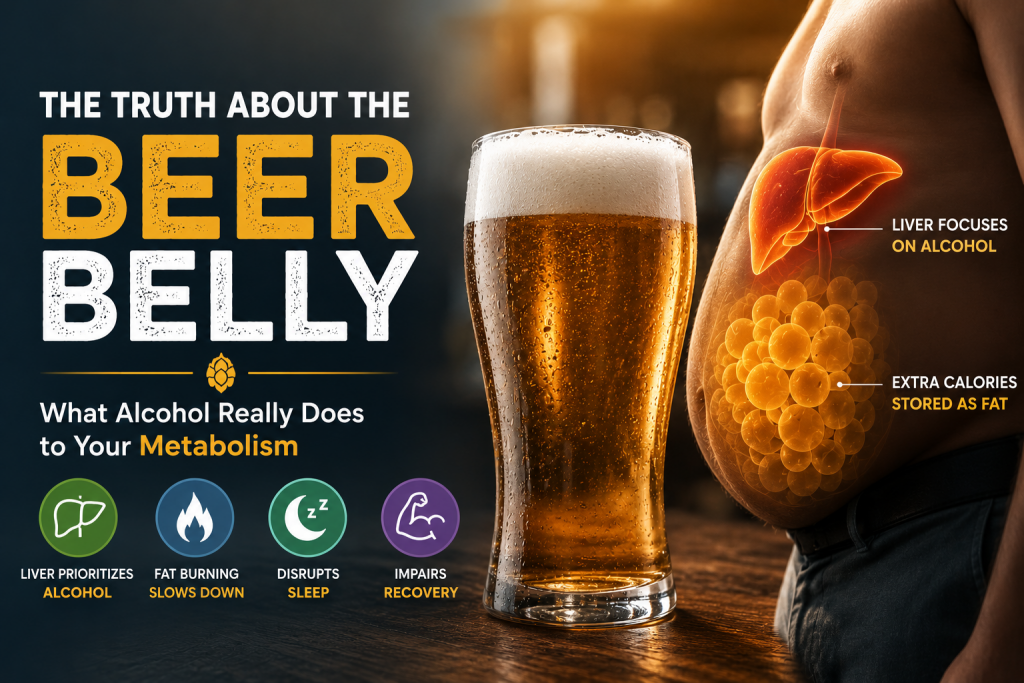
Alcohol is processed directly by the liver. Over time, excessive drinking causes inflammation and lasting damage (like cirrhosis). One of the most effective ways to protect this vital organ is by cutting back. When you reduce or eliminate alcohol, you give your liver the time and space it needs to perform its natural regenerative and detoxifying work.

  1. Prioritize Regular Screenings

The most dangerous thing about liver disease is its “silent” nature. In the early stages, liver damage usually has zero symptoms. You might feel totally fine while your liver is struggling. This is why regular preventive health checkups and Liver Function Tests (LFTs) are crucial especially if you have risk factors like diabetes, obesity, or a family history of liver problems.

Frequently Asked Questions (FAQs)

  1. What does the “silent nature” of liver disease mean?
    Liver disease is often called a “silent” illness because it rarely shows physical symptoms (like fatigue, jaundice, or abdominal pain) until the damage is severe. Routine blood tests are the only reliable way to catch issues early.
  2. Can the liver actually repair itself?
    Yes! The liver is incredibly resilient and is the only organ capable of regenerating itself. If you catch liver stress early and stick to solid lifestyle habits, the liver can often repair mild damage and reverse conditions like early-stage MASLD.
  3. What is MASLD?
    MASLD stands for Metabolic dysfunction-Associated Steatotic Liver Disease (previously known as fatty liver disease). It occurs when excess fat builds up in the liver of people who drink little to no alcohol. It is primarily driven by poor diet, a lack of exercise, and metabolic conditions like Type 2 Diabetes.

Start Building Solid Habits Today

Your liver supports you every single day; it is time to return the favour. Consistent, small actions lead to a stronger, healthier liver.

To better manage your daily routines with the right guidance and motivation from certified experts, subscribe to GOQii’s Personalised Health Coaching here.

#WorldLiverDay2026 #SolidHabitsStrongLiver #BeTheForce

Disclaimer: The information provided in this article is for educational and general informational purposes only. It is not intended to serve as professional medical advice, diagnosis, or treatment. Always consult with your physician, hepatologist, or a certified GOQii health professional before making any significant changes to your diet or lifestyle, or if you suspect you may have a liver condition.

April 15, 2026 By Sunita Arora Leave a Comment

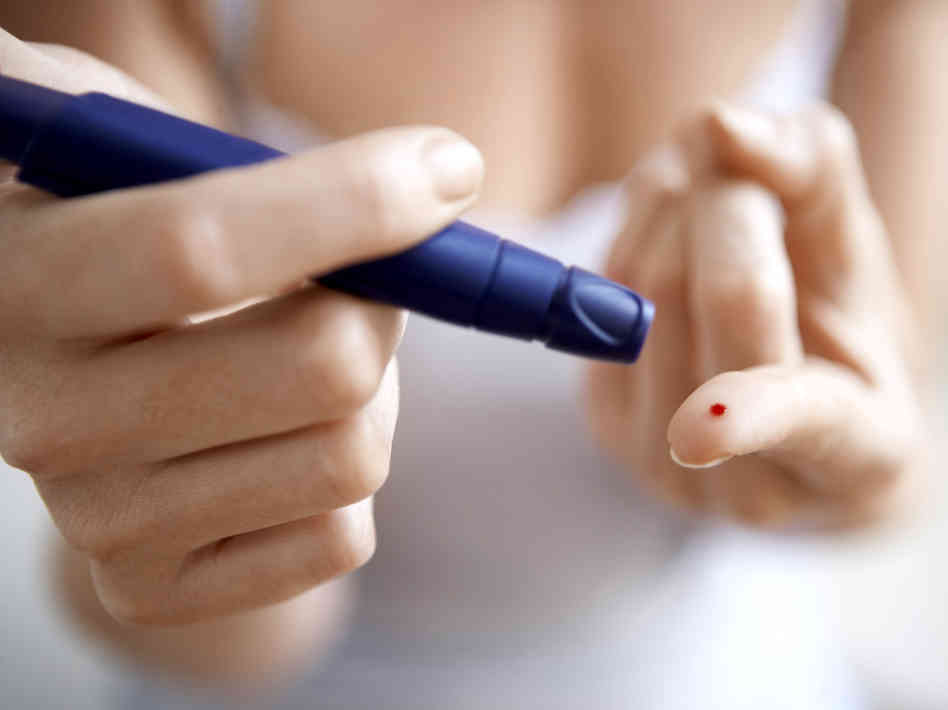
Top 10 Foods For Diabetics: What to Eat to Manage Blood Sugar

Foods For DiabeticsYour food choices matter a lot when you are managing diabetes. While it is difficult to find single foods that completely prevent diabetes complications like heart disease, kidney issues, or sudden sugar spikes, there are powerful, nutrient-dense foods that can help you reduce your overall carbohydrate intake and keep your blood sugar in check.

Let’s take a look at the top 10 dietary additions that can make a massive difference in your daily diabetes management.

Top 10 Foods For Diabetics 

  1. Cinnamon
    This fragrant golden spice helps in controlling sugar, cholesterol, and triglyceride levels in Type 2 Diabetes. It adds a natural, warm flavour to food and can easily be sprinkled on tea, coffee, oatmeal, and smoothies. Studies have shown that just ¼ teaspoon of cinnamon daily can improve fasting blood sugar and boost insulin sensitivity.
  2. Extra Virgin Olive OilExtra-virgin olive oil contains antioxidants called polyphenols which are extremely beneficial for heart health. Olive oil is one of the best sources of MUFA (Monounsaturated Fatty Acids) when it comes to managing diabetes. Several studies have shown that MUFAs help keep blood sugar in check by lowering insulin resistance. It also keeps you full, minimizes spikes, and aids in the absorption of vital nutrients. A healthy daily intake is about 1-2 tsp (5ml-10 ml).
  3. Nuts
    Nuts are the ultimate snacking food for managing diabetes because they are delicious, satisfying, and highly nutritious. Nuts like walnuts, almonds, cashews, and pistachios are a boon because they are low in digestible carbohydrates but high in protein and healthy fats. This unique macronutrient profile helps stabilize blood sugar and reduce LDL (bad) cholesterol. Aim for a small handful (approx. 20-30 gm) daily, but be sure to avoid heavily salted or roasted-in-oil varieties.
  4. Beans
    Beans are complex carbohydrates loaded with fiber and rich in protein, which gives you a prolonged feeling of satiety. They are inexpensive, easily available, and incredibly versatile. Having beans in your diet regularly can control blood sugar and lower blood pressure. You can add approximately one bowl (25-30 gm raw) daily to your salads, soups, or vegetable curries to help regulate your levels.
  5. Quinoa
    Quinoa is considered a complete protein because it contains all nine essential amino acids needed to build muscle, and it is rich in minerals such as iron and magnesium. This protein-rich whole grain is a fantastic substitute for white rice. Because it is rich in fiber, it digests slowly, preventing sudden blood sugar spikes. Taking 20-30 gm of quinoa daily whether in a salad or mixed with vegetables is highly effective for both sugar control and weight loss.
  6. Fenugreek Seeds
    Fenugreek seeds are widely known for their effectiveness in traditional diabetes management. They are incredibly rich in soluble fiber, which lowers blood sugar levels by slowing down the digestion and absorption of carbohydrates. Studies suggest a daily dose of about 10 gm of fenugreek seeds, soaked overnight in water, helps significantly in controlling Type 2 Diabetes.
  7. Oatmeal
    Oatmeal is one of the best breakfast foods as it easily fits into any healthy meal plan. Oats have a low glycemic index and are packed with fiber, doing a miraculous job of regulating blood sugar while providing steady energy. Steel-cut or rolled oats (approx. 20-30 gm daily) made with low-fat milk or cooked with vegetables are the best choice, as they are the least processed.
  8. Garlic
    Garlic is a potent herb that helps reduce inflammation, blood sugar, and LDL cholesterol in people living with Type 2 Diabetes. It is also known to reduce blood pressure and boost overall immunity. You can crush 1-2 cloves of raw garlic and consume them with water early in the morning, or simply use them generously in your daily cooking.
  9. Turmeric
    Turmeric is a powerful spice with numerous health benefits. It contains an active compound called curcumin, which lowers inflammation, reduces blood sugar, and specifically benefits kidney and heart health in diabetics. As a staple in Indian cuisine, it is easy to include. Adding ¼ to ½ tsp in warm water or milk can boost immunity and help regulate your levels.
  10. Chia seeds
    Chia seeds are a powerhouse of nutrients and an absolutely wonderful food for managing diabetes. They are exceptionally high in viscous fiber, which lowers blood sugar and helps maintain a healthy weight by keeping you full for hours. They also decrease blood pressure and systemic inflammation. Try adding 10 gm of soaked chia seeds daily to your smoothies, shakes, or a bowl of fresh curd.

Frequently Asked Questions (FAQs)

1. Can I eat all 10 of these foods every day?
While all these foods are excellent for managing diabetes, portion control is key. You don’t need to eat all 10 every single day. Instead, focus on incorporating a variety of them into a balanced weekly diet plan to get a wide range of nutrients without exceeding your daily caloric limits.

2. Are oats good for diabetes, and does the type of oat matter?
Yes, oats are great for diabetes, but the type matters significantly. Steel-cut oats and rolled oats are complex carbohydrates that digest slowly. Avoid highly processed, sugary instant oatmeal packets, as these will cause rapid spikes in your blood sugar.

3. Should I consult a doctor before adding supplements like fenugreek or cinnamon?
Absolutely. If you are already on diabetes medication or insulin, adding potent natural remedies like fenugreek or high doses of cinnamon can sometimes cause your blood sugar to drop too low (hypoglycemia). Always consult your doctor or health coach before making concentrated dietary changes.

We hope incorporating these 10 foods helps you make a wonderful and positive shift toward a healthier life. (Note: Always consult with your doctor, nutritionist, or dietitian before drastically altering your diet.)

For more articles on managing your health, check out our Healthy Reads on Diabetes.

Managing diabetes is easier when you don’t have to do it alone. For the right guidance and daily motivation from certified experts, subscribe to GOQii’s Personalised Health Coaching here.

#BeTheForce 

Disclaimer: The information provided in this article is for educational and general informational purposes only. It is not intended to serve as professional medical advice, diagnosis, or treatment. Always consult with your physician or a certified GOQii health professional before making any drastic changes to your diet, especially if you are on diabetes medication.

March 24, 2026 By GOQii Leave a Comment

Sustaining the “GLP-1 Glow”: Nutrition for Skin and Tissue Elasticity

While genetics certainly play a role, your daily lifestyle and nutrition are the primary drivers of how your skin handles this massive physical transformation.

The Science of Skin Elasticity

Your skin relies on two main structural proteins: Collagen (which provides firmness and structure) and Elastin (which provides bounce and flexibility).

When we lose weight rapidly, the subcutaneous fat “padding” underneath the skin disappears quickly. If the body doesn’t have the right raw materials to actively repair and tighten the skin’s scaffolding, we see what the media has dubbed “Ozempic face” or general loose skin.

However, when you are on GLP-1 therapy (or any accelerated weight loss journey), you have a unique opportunity to support your skin from the inside out. By focusing heavily on nutrient density, you can maintain that healthy “GLP-1 glow” even as the weight drops away.

Your Skin-Support Protocol

Here are the four non-negotiable nutritional pillars to keep your skin tight, hydrated, and glowing:

  1. Hydration (Beyond the Glass) Skin elasticity requires deep “internal moisture.” This doesn’t just mean drinking litres of plain water; it means eating hydrating foods. Cucumbers, watermelon, and oranges provide structured water and are packed with Vitamin C—a crucial biological co-factor required for your body to produce collagen.
  2. Amino Acid Loading Remember the concept of the “Protein Ceiling”? This is exactly where it helps your skin. Collagen is made entirely of amino acids (specifically glycine, proline, and hydroxyproline). If you consistently hit your daily protein targets, you are literally providing the bricks needed to rebuild your skin’s foundation. (Note: Be sure to hyperlink “Protein Ceiling” to your previous GOQii blog!)
  3. The Power of Omega-3s Think of healthy fats as a natural lubricant for your skin cells. Omega-3s found in wild salmon, walnuts, chia, and flaxseeds keep your skin barrier incredibly strong. They help lock in moisture and prevent that dull, “sallow” look that can sometimes accompany severe calorie deficits.
  4. Vitamin C and Antioxidants Rapid weight loss causes your body to process a lot of cellular waste, which can temporarily increase oxidative stress. Loading up on colourful berries and dark leafy greens helps neutralise the “free radicals” that actively break down collagen.

The GOQii Pro-Tip: Do not skip your daily moisturiser or sunscreen, but remember that 90% of your skin’s health actually happens in the gut. A high-protein, antioxidant-rich, whole-food diet is the absolute best anti-ageing serum money can buy.

#BeTheForce

Frequently Asked Questions (FAQs)

  1. Can diet and nutrition really tighten loose skin after rapid weight loss? While severe cases of loose skin may eventually require medical intervention, nutrition plays a massive, non-negotiable role in improving tissue elasticity. By consistently consuming sufficient protein, omega-3 fatty acids, and vitamin C, you provide your body with the exact raw materials it needs to rebuild collagen and elastin fibres naturally from the inside out.
  2. Do GLP-1 medications directly cause “Ozempic face” and skin sagging? No, the medications themselves do not directly damage your skin or cause “Ozempic face.” The sagging is simply a physical result of rapid fat loss. When the subcutaneous fat (the padding beneath the skin) diminishes much faster than the skin can naturally shrink, it leads to a hollowed or loose appearance. Prioritising a nutrient-dense protocol helps counteract this effect by strengthening the skin’s structural scaffolding.
  3. How long does it take for skin elasticity to improve during a weight loss programme? Skin is a living, regenerating organ, and its standard cellular turnover cycle takes roughly 28 to 42 days. However, rebuilding deep structural collagen takes more time. If you strictly follow a hydration and high-protein protocol, you can expect to see noticeable improvements in skin bounce, hydration, and firmness within 3 to 6 months of consistent healthy habits.

Disclaimer: GOQii is committed to providing accurate, up-to-date, and comprehensive health information. This article is intended for informational purposes only and should not be used as a substitute for professional medical advice, diagnosis, or treatment. Always consult a qualified healthcare professional before starting or changing any medication. Individual responses to treatment may vary.

  • « Previous Page
  • 1
  • …
  • 12
  • 13
  • 14
  • 15
  • 16
  • …
  • 103
  • Next Page »

Search

Recent Posts

  • 10 Tips for a Blissful Night Sleep
  • World Liver Day 2026: Solid Habits, Strong Liver
  • Prebiotics and Probiotics: What’s the Difference?
  • Social Health and Longevity: Why Relationships Matter as Much as Diet
  • Top 10 Foods For Diabetics: What to Eat to Manage Blood Sugar

Stay Updated

Archives

  • April 2026 (15)
  • March 2026 (18)
  • February 2026 (14)
  • January 2026 (14)
  • December 2025 (19)
  • November 2025 (15)
  • October 2025 (20)
  • September 2025 (6)
  • August 2025 (6)
  • July 2025 (12)
  • June 2025 (18)
  • May 2025 (16)
  • April 2025 (22)
  • March 2025 (28)
  • February 2025 (22)
  • January 2025 (25)
  • December 2024 (22)
  • November 2024 (23)
  • October 2024 (21)
  • September 2024 (23)
  • August 2024 (30)
  • July 2024 (21)
  • June 2024 (25)
  • May 2024 (30)
  • April 2024 (27)
  • March 2024 (27)
  • February 2024 (24)
  • January 2024 (21)
  • December 2023 (14)
  • November 2023 (10)
  • October 2023 (19)
  • September 2023 (22)
  • August 2023 (18)
  • July 2023 (22)
  • June 2023 (23)
  • May 2023 (24)
  • April 2023 (21)
  • March 2023 (23)
  • February 2023 (19)
  • January 2023 (15)
  • December 2022 (11)
  • November 2022 (15)
  • October 2022 (15)
  • September 2022 (12)
  • August 2022 (10)
  • July 2022 (17)
  • June 2022 (11)
  • May 2022 (10)
  • April 2022 (6)
  • March 2022 (6)
  • February 2022 (13)
  • January 2022 (11)
  • December 2021 (7)
  • November 2021 (3)
  • October 2021 (6)
  • September 2021 (3)
  • August 2021 (8)
  • July 2021 (7)
  • June 2021 (15)
  • May 2021 (16)
  • April 2021 (10)
  • March 2021 (7)
  • February 2021 (4)
  • January 2021 (4)
  • December 2020 (3)
  • November 2020 (4)
  • October 2020 (10)
  • September 2020 (3)
  • August 2020 (3)
  • July 2020 (2)
  • June 2020 (4)
  • May 2020 (10)
  • April 2020 (12)
  • March 2020 (10)
  • February 2020 (4)
  • January 2020 (4)
  • December 2019 (3)
  • November 2019 (7)
  • October 2019 (5)
  • September 2019 (4)
  • August 2019 (9)
  • July 2019 (9)
  • June 2019 (11)
  • May 2019 (4)
  • April 2019 (8)
  • March 2019 (8)
  • February 2019 (9)
  • January 2019 (8)
  • December 2018 (9)
  • November 2018 (3)
  • October 2018 (3)
  • September 2018 (5)
  • August 2018 (10)
  • July 2018 (6)
  • June 2018 (13)
  • May 2018 (8)
  • April 2018 (18)
  • March 2018 (9)
  • February 2018 (8)
  • January 2018 (15)
  • December 2017 (12)
  • November 2017 (19)
  • October 2017 (13)
  • September 2017 (15)
  • August 2017 (4)
  • July 2017 (8)
  • June 2017 (7)
  • May 2017 (6)
  • April 2017 (8)
  • March 2017 (6)
  • February 2017 (7)
  • January 2017 (9)
  • December 2016 (10)
  • November 2016 (7)
  • October 2016 (7)
  • September 2016 (7)
  • August 2016 (11)
  • July 2016 (9)
  • June 2016 (9)
  • May 2016 (12)
  • April 2016 (17)
  • March 2016 (17)
  • February 2016 (8)
  • January 2016 (6)
  • December 2015 (2)
  • November 2015 (9)
  • October 2015 (7)
  • September 2015 (9)
  • August 2015 (11)
  • July 2015 (9)
  • June 2015 (11)
  • May 2015 (9)
  • April 2015 (13)
  • March 2015 (8)
  • February 2015 (5)
  • January 2015 (12)
  • December 2014 (14)
  • November 2014 (11)
  • October 2014 (6)
  • September 2014 (13)
  • August 2014 (12)
  • July 2014 (6)
  • June 2014 (2)
  • May 2014 (7)
  • April 2014 (4)

From “Laddu Nawin” to Fit and Fierce: How a 25-Year-Old Insurance Advisor Shed 20 Kilos and Gained His Life Back

When 25-year-old Nawin Yadav from Hyderabad walked into his office every morning, he carried more than just his files and policy papers. He had the weight of fatigue, sluggish energy, and an ever-growing belly that was becoming the butt of jokes. “People … [Read More...]

“I’ve Challenged Myself to Live 100 Years” – The Story of Chandubhai Savani’s Second Chance at Life

At 67, most people start slowing down. Not Chandubhai Savani. A resident of Surat, Chandubhai, thought life was on track. “My life was going well till I had my bypass surgery,” he says. That surgery, back in 2021, was a wake-up call.  Medication was routine, but exercise wasn’t. His diet? What he calls ‘normal.’ “I […]

From Shimla’s Slopes to Chandigarh’s Sidewalks: Surinder Kaur Bhalla’s Journey from Chaos to Control

Some journeys start with a plan. Others begin with a stumble literally. Surinder Bhalla, a government professional, born and raised in the scenic hill town of Shimla, had always lived a life of movement. “In Shimla, you walked everywhere,” she reflects. “Walking was never an exercise. It was just life.” But after shifting to Chandigarh, […]

Ananda Mukherjee Health Story

From Terminal Illness To Complete Wellness! Ananda Mukherjee Health Story

As we observe World Cancer Day under the powerful theme ‘United by Unique’ (2025-2027)**, we are reminded that every individual’s journey with cancer is distinct, yet united by shared resilience, hope, and the collective fight against this disease. This theme places people at the centre of care and their stories at the heart of the […]

  • HOME
  • HEALTHY LIVING
  • FITNESS
  • HEALTHY RECIPES
  • USER STORIES
  • KARMA
  • BUY GOQii

Copyright ©2016 GOQii