GOQii

Blog

  • HOME
  • HEALTHY LIVING
  • FITNESS
  • HEALTHY RECIPES
  • USER STORIES
  • KARMA
  • BUY GOQii

Search Results for: tea recipe

September 3, 2024 By Sheryl Afonso Leave a Comment

What’s Good For Health: Packaged Cereals or a Traditional Indian Breakfast?

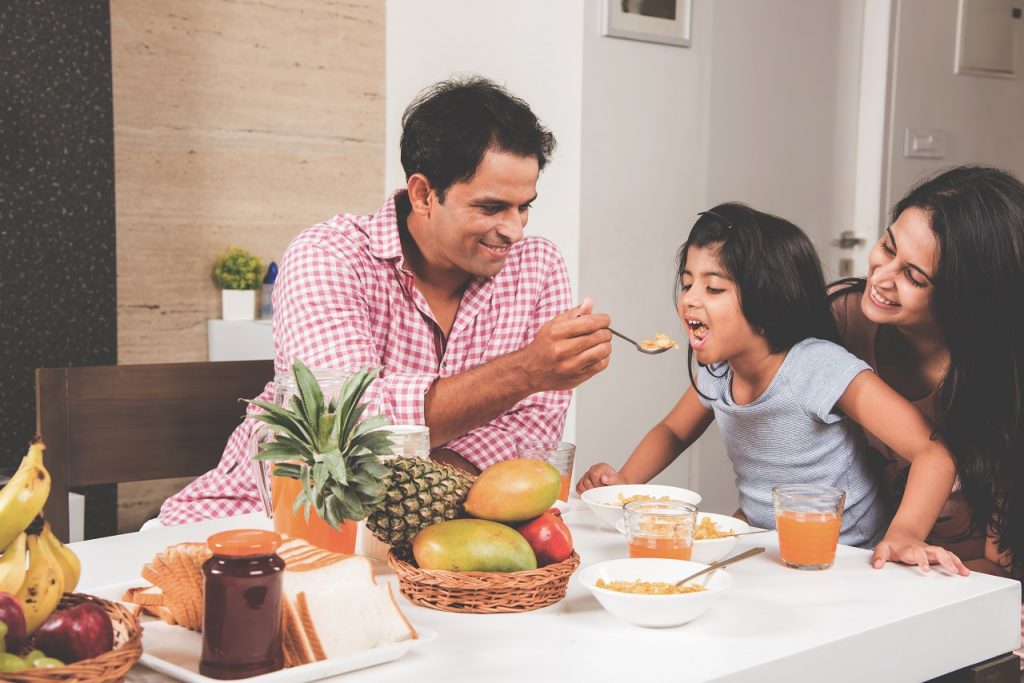
traditional indian breakfastThe global food industry has made preparing meals a breeze. No longer do families need to stress about time-consuming, skillful cooking and the intricate assembling of cereals, pulses, veggies, spices, and herbs to put on a wholesome meal on the table. The array of packaged breakfast cereals available in supermarkets has spoiled us for choice in terms of variety and taste. There’s one for each day of the week and plenty to choose from for special occasions when friends stay over too! Gone are the days when you had to slog it out in your kitchen – chopping, slicing, dicing, soaking, grinding, mixing, fermenting, steaming, and plating – not only to satiate hungry tummies but also to earn compliments on your culinary skills! Oats, muesli, wheat flakes, corn flakes, oatmeal, Weetabix, rice krispies, and the like have replaced uttapams, poha, upma, sabudana khichdi, theplas, appams, chillas, paniyarams, dalia, teezan, and other wholesome delights in Indian homes. 

Why Shouldn’t You Opt For Packaged Cereals? 

While “time is of essence” is the mantra that dual-income families often use to justify their breakfast choice, long-term health is an unconscious sacrifice they may be making. Here’s why breakfast cereals may not deliver all that the package label promises:

  1.  Refined Grains: Refining is an industrial polishing process that cereals undergo to extend their shelf life. It strips away the nutrient-rich bran and germ portions of the cereal, leaving you with a grain that’s missing essential B-vitamins, fibre, magnesium, and vitamin E. 
  2. Sugar overload: The addictive taste of breakfast cereals often comes from added sugar. A quick glance at the ingredient list will show that sugar is frequently the second or third ingredient. Starting your day with a sugar-laden breakfast can cause your energy levels to crash within an hour, leading to early snacking, overeating, and potential weight issues.
  3. Misleading labels: Terms like “low-fat,” “multigrain,” “added bran,” “fortified with vitamins,” and “whole wheat” can be misleading. Each of these terms may hide the fact that the cereal has been stripped of nutrition and then minimally replenished. For example, a “low-fat” option may actually be a “high-carbohydrate” disaster, and “multigrain” may be just a blend of refined grains.

Nutritionists and researchers emphasize the benefits of breakfast, including weight management, improved concentration at school and work, better academic performance, healthier food choices throughout the day, and superior nutritional status.

These outcomes are enhanced when you follow established nutritional guidelines of complex carbohydrate-protein-fat combination meals to start your day. However, commercial breakfast cereals often lack dietary fiber – a complex carbohydrate that keeps you full longer, reduces cholesterol absorption, and prevents spikes in blood glucose levels. The preservatives, colors, flavors, and additives in these packaged boxes bring their own set of concerns.

Why Should You Opt for a Traditional Indian Breakfast? 

A traditional Indian breakfast, on the other hand, offers good-quality complete protein through cereal-pulse combination items (dosas, idlis), fiber (carrots and beans added to upma), healthy monounsaturated fats (groundnuts in poha and sabudana khichdi), iron and calcium (ragi in teezan), and probiotics (dhokla, idlis, and lassi/curd with parathas). The spices used in these dishes are increasingly recognized for their health benefits and contribute antioxidant and anti-inflammatory properties.

Tempted nutritionally? So, what’s stopping you from exploring the myriad ways to tickle your family’s taste buds by whipping out your grandma’s recipe and, in the process, living as robustly as she did? While time constraints may make you hesitant to switch to a healthier Indian breakfast menu, don’t be disheartened—planning is all it takes to sneak in a nutritious meal at the start of your day! Make a menu plan for the next day or the week ahead, and you’ll be on your way to a healthier you in no time! It’s worth the effort. Desi is the way to go… Breakfast like a king!

We hope this article helps you switch to a healthy traditional Indian breakfast! If you enjoyed reading this article, let us know in the comments below. For more on nutrition, check out Healthy Reads.

To get these nutritional tips or recipes directly from your GOQii Coach, subscribe for Personalised Health Coaching here.

Eat healthy and #BeTheForce 
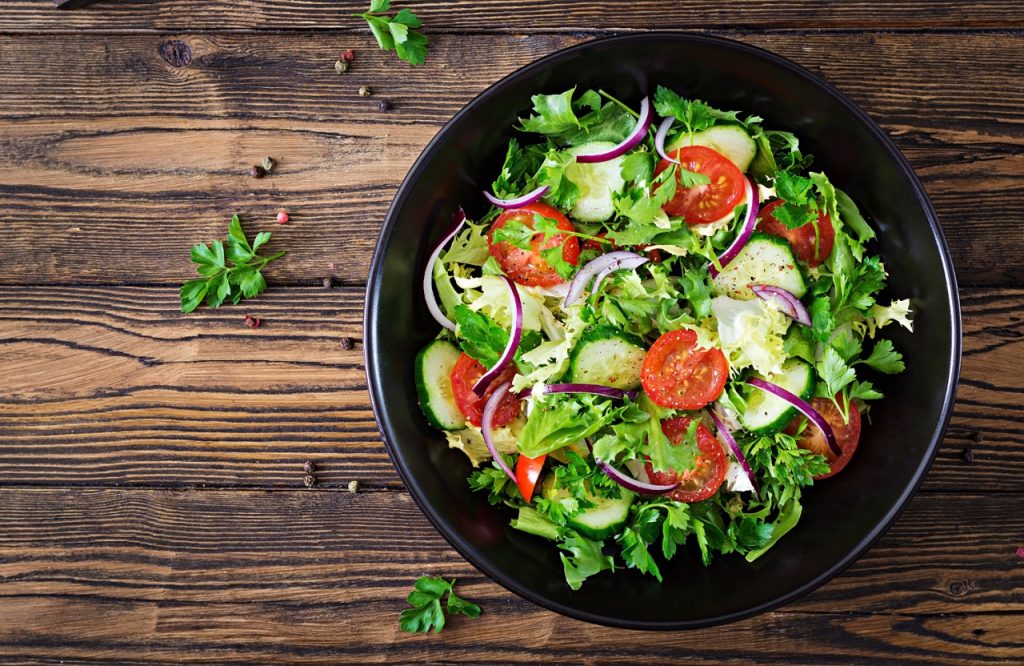
August 15, 2024 By Trupti Hingad Leave a Comment

A Fusion of Taste & Health: Exotic Salads for you to try.

रोजाना एक कटोरी सलाद खाने के स्वास्थ्य लाभ

This Independence day let’s get healthy and try out some of these power packed nutrient salads. Why are salads important and what are its health benefits is nicely described in this blog https://goqii.com/blog/health-benefits-of-eating-a-bowl-of-salad-daily/.

Salad or veggies is the most important part of the meal platter. You cannot afford to skip if you want to get your daily dose of micronutrients. But, it is so boring and monotonous to cut slices of cucumber, tomato and onion and have it daily. There are various veggies available which you can twist and turn and make your salad interesting and colourful and tasty too. Wondering how? Keep reading.

Here I am listing some tasty salads with amazing dressings

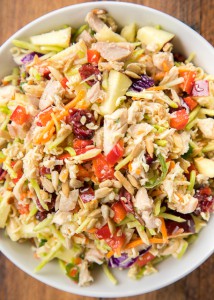
  1. CRUNCHY MUNCHY SALAD
Crunchy Munchy Salad

Crunchy Munchy Salad

Ingredients:

Wheat/Oat Flakes – ½ bowl

Baby Corn – 5-6 in no

Bell Peppers (3 coloured) – ½ bowl

Lettuce – 2 leaves

Pomegranate – ¼ bowl

Seasoning

Lime juice – 2-3 tap

Salt – according to taste

Chaat Masala – According to taste

Method

Roast the oats a bit. Then mix all ingredients with the seasoning. Toss well and serve.

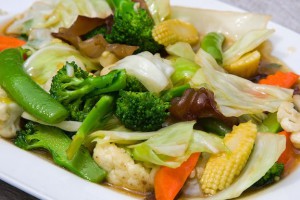
  1. DETOX SALAD
Detox Salad

Detox Salad

Ingredients:

Broccoli – ½ bowl florets

Carrot – ½ bowl juliennes

Bell Pepper – ¼ bowl juliennes (red, yellow, green)

Baby Corn – 4-5 in no diced finely

Cherry tomatoes – ¼ bowl or regular tomatoes

Red Cabbage- ½ bowl finely chopped

Zucchini (yellow) – ¼ bowl sliced

Alfa Alfa sprouts – 2 Tbsp (for garnishing)

Seasoning:

Vinegar – 2 tsp

Red Chilli Flakes – 1 tsp

Salt – according to taste

Flax seeds – coarsely pounded 2 tsp

Walnuts – coarsely pounded 3-4 in nos

Method:

Toss all ingredients with seasoning in a bowl.

Refrigerate for ½ an hour & serve.

  1. SPROUTED METHI SALAD
sprouted-methi-seed-salad-recipe.1024x1024

Sprouted Methi Salad

Ingredients:

Sprouted Methi Seeds – ½ cup

Pomegranate – ¼ cup

Cucumber – 1 in number diced

Carrot – 1 in number diced

Capsicum – ½ each diced (3 coloured)

Tomato – 1 in number chopped

Spring Onion – 1 stalk finely chopped

Seasoning:

Chaat Masala – ¼ tsp

Lemon Juice – ½ lemon

Salt – according to taste

Method:

Add all ingredients in a salad bowl. Add seasoning to the same. Toss well. And Serve.

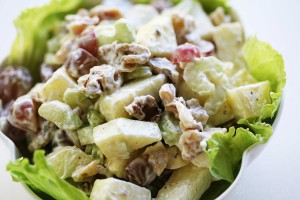
  1. WALDORF SALAD
waldorf-salad-horiz-b-1500

Waldorf Salad

Ingredients

10-12 cup Walnuts halves
2 tsp Flax Seeds
½ cup low-fat Yogurt
1 stick finely chopped Parsley
1 stick finely chopped Celery
1 teaspoon honey
2 leaves of Ice berg Lettuce chopped
2 large crisp Apples
Freshly ground black pepper
¼ cup Golden Raisins
½ Lemon, juiced
Method

Cut apple into chunks. Add all ingredients in a salad bowl. Toss all the ingredients. Refrigerate for 30-45 mins and serve.

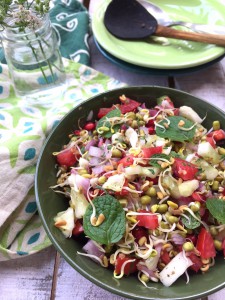
  1. BEAN SALAD WITH PROBIOTIC DRESSING
Bean Salad with Pro-biotic dressing

Bean Salad with Pro-biotic dressing

Ingredients

Bean Sprouts – 1 cup

Fresh Pomegranate – ¼ cup kernels

Cucumber – 1 in number (diced)

3 coloured Bell Pepper – ½ each (diced)

Tomatoes – 1 in number (diced)

Dressing:

Curd – ½ cup

Honey – 1 tsp

Olive Oil – ½ tsp

Flax Seeds – 2 tsp (coarsely crushed)

Chaat Masala – ½ tsp

Salt – if required

Method:

For dressing: Whip all ingredients together with a fork. Add other ingredients in a bowl. Add the dressing and toss well. Refrigerate & serve on a bed of lettuce.


  1. TANGY TROPICANA


Tangy Tropicana

Tangy Tropicana

Ingredients:

Pineapple – 3 fresh slices (diced)

Cherry Tomatoes- 6-8 in numbers

Red, Yellow & Green Bell Peppers – ½ each cut into juliennes

Lettuce – 2 leaves chopped

Walnuts – 2 in no chopped

Seasoning:

Lime juice – ½ lemon

Honey – ½ tsp

Ginger – grated a small piece

Salt – As per taste

Black Pepper Powder – As per taste

Method:

Soak grated ginger, lemon juice & honey together

Add all veggies & walnuts in a salad bowl

Add the dressing prepared, salt & pepper

Toss well

Serve chilled

What are you waiting for? Get healthy-dress up your meal platter with the above colourful veggie mixes!

We hope these exotic salads inspire you to add a healthy and colorful twist to your meals this Independence Day! If you try any of these recipes, share your experience in the comments below. For more nutritious recipes and tips, check out Healthy Reads or speak to a certified expert by subscribing to GOQii’s Personalised Health Coaching here.

#BeTheForce

August 1, 2024 By Saba Mirza 2 Comments

6 Ways To Keep Your Kids From Falling Sick During Monsoon

keep kids from falling sick

You can’t deny the fact that children love the monsoon. The sheer joy of getting drenched or playing a game of football on a mucky field is an out of the world experience for them. Whereas for parents, it brings in a little worry. How can you keep your kids from falling sick during monsoons?

During this season, you can often find an increased rush at a pediatrician’s clinic and pharmacies while attendance at school slowly drops. Many new parents aren’t aware that with a few disciplinary measures and conscious effort, we can keep our kids from falling sick and enjoy the monsoon to the fullest.

Tips To Keep Kids From Falling Sick During Monsoon

Here are a few simple yet effective measures and home remedies to help you keep your kids from falling sick.

1. Keep Them Hydrated

Frequent intake of water is needed to flush the toxins accumulated in the body out. Ensure that your kids are drinking clean, filtered water. Contaminated water is the most common reason for monsoon infections. Keep their sippers and water bottles ready with boiled or filtered water well within their reach. If the weather is cold, encourage them to drink lukewarm water as cold water can cause mucosal spam in the respiratory muscles which can make it prone to various respiratory disorders like throat infections, cold, cough, etc.

2. Appropriate Clothing and Footwear

Plan their outfits according to the weather. For instance, during humid days, make them wear loose cotton clothes. This will help their skin breathe without obstructing sweat glands. On cold, rainy days, warm clothing is a must. For a rainy outing, apart from an umbrella and a raincoat, don’t forget to make them wear knee or calf-length gumboots which can prevent their feet from catching infections from collected rainwater on the road or the park.

3. Keep Your House Free of Mosquitoes

Along with netting your windows and doors, ensure that you avoid any kind of water logging or storage in and around your house. This includes swimming pools, flowerpots, coolers, etc. Accumulated water is the most common breeding ground for mosquitoes. This can help your kid steer clear of dengue and malaria which are common during monsoons.

4. Nutritious, Well-Balanced Meals and Healthy Snacks

Restrict the intake of street food as much as possible. Not just street food but also ordering from restaurants as rampant incorporation of infected vegetables or infected water are very high during this season. These are primary sources of illnesses during monsoon. Give your kids fresh home-cooked food and nutritious monsoon snacks such as steamy masala corn, roasted groundnuts, sandwiches, etc. You can also opt for healthy snacking options designed specifically for kids from the GOQii Health Store within the GOQii App.

5. Maintain Personal Hygiene

Regular baths, cutting nails, keeping yourself as well as the kids dry and cleaning/washing the hands before eating are basics. Apart from that, keep the house clean and sanitized at all times. These small measures go a long way in keeping monsoon bacteria and viruses away!

6. Boost Immunity With Superfoods

Include Vitamin C rich food daily in your kid’s routine. Squeeze a lemon in their curries or snacks. Give them steamed/stir-fried sprouted pulses as snacks. Make their meals and snacks vibrant i.e. colourful veggies such as cucumber, carrot, tomatoes and seasonal fruits for antioxidant power! Antioxidants in these will help destroy harmful toxins accumulated in the body. More colour in food means higher detoxification rate and a stronger defense against infections.

Instead of getting attracted towards commercial probiotics, look for the richest probiotic in your kitchen. Give them curd along with meals. Blend it to make Lassi or a smoothie with fruits. Don’t forget to incorporate Turmeric Milk before bed-time as Turmeric is an effective anti-inflammatory agent and an immunity booster.

Ginger, a naturally potent antibiotic and antiviral, is very effective in fighting the infections of the gut such as Typhoid. Give it mixed with honey or boiled in water with Tulsi (Holy Basil) and mint leaves. Asafoetida (Hing) is also very effective in strengthening gut health and treating different gastrointestinal infections. Add it to Pulses (Dal), curries or while cooking vegetables.

We hope these tips to keep your kids from falling sick this monsoon were helpful! Do you have special remedies you use to help your kids recover or stay healthy? Share your thoughts in the comments below!

To help your child get healthier and monitor their vitals on the go, you can opt for the GOQii Smart Vital Junior. It helps you track their vitals, step count, sleep patterns, etc. and you also get a personal coach who can monitor these activities and suggest changes. Explore all the features of the Smart Vital Junior here.

#BeTheForce

July 27, 2024 By Shaeba Shaikh 1 Comment

5 Foods You Should Avoid Eating During Monsoons

5 Foods You Shouldn't Eat During Monsoons

There are many foods out there that seem like an ideal fit for monsoons! Samosas, Pakodas, a hot cup of tea or roasted corn on the cob can all seem a little too tempting when it rains. While there are many foods you should eat during the rainy season, there are some you should definitely avoid at all costs.

Top 5 Foods You Should Avoid Eating During Monsoons

  1. Fried Foods: Munching on hot fried foods while binge watching you favorite show to the sound of rain outside might seem like a good idea but is it? Be it Pakodas, Puris, Fryums or Fritters, deep fried foods need to be avoided at all costs in this weather. The reason being that these foods take longer for digestions, to break down and thereby, they make a person extremely sluggish – something you don’t want this season. Try this recipe instead!
  2. Green Leafy Vegetables: If you’re wondering why something considered healthy like green leafy vegetables are on this list, you’re in for a surprise! Although rich in dietary fiber, magnesium, zinc and iron, etc., green leafy vegetables are a breeding ground for bacteria that thrive in humid weather. These bacteria can cause various illnesses and diseases. If you must eat leafy vegetables, cleaning, seeping it in salt water, washing it and cooking it will ensure that it is good for eating.
  3. Seafood: This is more from the ecological perspective than causing illnesses. The rainy season marks the beginning of the breeding season for fishes. Hence, it is better to avoid them during this time of the year to ensure that their population remains stable.
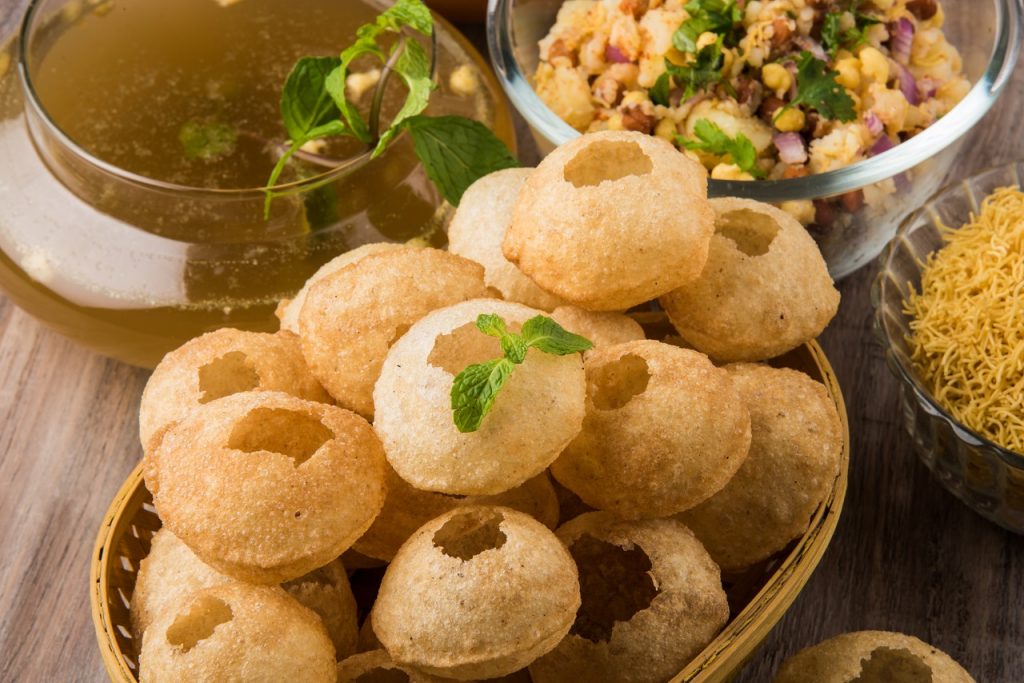
  4. Street Food: Apart from causing discomfort to the stomach on any given day, street food such as the famed pani puri, dahi puri, sev and bhel puri need to be strictly avoided. This is because the water that is used may be contaminated with bacteria/bacterial spores that thrive during this season causing more stomach infections than usual! If you must eat chaat, try this healthy recipe for sev puri!
  5. Milk: Raw/ unpasteurized milk can be a home for E.Coli, a bacterium that causes many food borne illnesses. It is better to have it boiled to prevent any bacterial growth.

To ensure you’re at the best of your health, these are the top 5 foods you should avoid eating during monsoons! Was this article helpful? Let us know your thoughts in the comments below!

Find more monsoon health tips here or speak to an expert by subscribing to GOQii’s Personalised Health Coaching here.

#BeTheForce

  • « Previous Page
  • 1
  • …
  • 11
  • 12
  • 13
  • 14
  • 15
  • …
  • 31
  • Next Page »

Search

Recent Posts

  • Water Intake Pre, During and Post Workout
  • India Leads in Longevity: GOQii Sanjeevini Named Top 40 in $101M XPRIZE
  • The Importance Of Knowing If You’re Thirsty Or Hungry
  • Best Foods To Alleviate Irritable Bowel Syndrome
  • ALL ABOUT VERTIGO!

Stay Updated

Archives

  • December 2025 (9)
  • November 2025 (15)
  • October 2025 (20)
  • September 2025 (6)
  • August 2025 (6)
  • July 2025 (12)
  • June 2025 (18)
  • May 2025 (16)
  • April 2025 (23)
  • March 2025 (23)
  • February 2025 (22)
  • January 2025 (26)
  • December 2024 (26)
  • November 2024 (25)
  • October 2024 (22)
  • September 2024 (24)
  • August 2024 (31)
  • July 2024 (21)
  • June 2024 (26)
  • May 2024 (31)
  • April 2024 (27)
  • March 2024 (29)
  • February 2024 (26)
  • January 2024 (25)
  • December 2023 (15)
  • November 2023 (11)
  • October 2023 (20)
  • September 2023 (22)
  • August 2023 (20)
  • July 2023 (22)
  • June 2023 (24)
  • May 2023 (24)
  • April 2023 (24)
  • March 2023 (23)
  • February 2023 (20)
  • January 2023 (16)
  • December 2022 (12)
  • November 2022 (15)
  • October 2022 (15)
  • September 2022 (12)
  • August 2022 (10)
  • July 2022 (17)
  • June 2022 (11)
  • May 2022 (10)
  • April 2022 (6)
  • March 2022 (6)
  • February 2022 (13)
  • January 2022 (12)
  • December 2021 (7)
  • November 2021 (3)
  • October 2021 (6)
  • September 2021 (3)
  • August 2021 (8)
  • July 2021 (7)
  • June 2021 (15)
  • May 2021 (16)
  • April 2021 (10)
  • March 2021 (7)
  • February 2021 (4)
  • January 2021 (4)
  • December 2020 (3)
  • November 2020 (4)
  • October 2020 (10)
  • September 2020 (3)
  • August 2020 (3)
  • July 2020 (2)
  • June 2020 (4)
  • May 2020 (10)
  • April 2020 (12)
  • March 2020 (10)
  • February 2020 (4)
  • January 2020 (4)
  • December 2019 (3)
  • November 2019 (7)
  • October 2019 (5)
  • September 2019 (4)
  • August 2019 (9)
  • July 2019 (9)
  • June 2019 (11)
  • May 2019 (4)
  • April 2019 (9)
  • March 2019 (8)
  • February 2019 (9)
  • January 2019 (8)
  • December 2018 (9)
  • November 2018 (3)
  • October 2018 (3)
  • September 2018 (5)
  • August 2018 (10)
  • July 2018 (6)
  • June 2018 (13)
  • May 2018 (8)
  • April 2018 (18)
  • March 2018 (9)
  • February 2018 (8)
  • January 2018 (15)
  • December 2017 (12)
  • November 2017 (19)
  • October 2017 (13)
  • September 2017 (15)
  • August 2017 (4)
  • July 2017 (8)
  • June 2017 (7)
  • May 2017 (6)
  • April 2017 (8)
  • March 2017 (6)
  • February 2017 (7)
  • January 2017 (9)
  • December 2016 (10)
  • November 2016 (7)
  • October 2016 (7)
  • September 2016 (7)
  • August 2016 (11)
  • July 2016 (9)
  • June 2016 (9)
  • May 2016 (12)
  • April 2016 (17)
  • March 2016 (17)
  • February 2016 (8)
  • January 2016 (6)
  • December 2015 (2)
  • November 2015 (9)
  • October 2015 (7)
  • September 2015 (9)
  • August 2015 (11)
  • July 2015 (9)
  • June 2015 (12)
  • May 2015 (9)
  • April 2015 (13)
  • March 2015 (8)
  • February 2015 (5)
  • January 2015 (12)
  • December 2014 (14)
  • November 2014 (11)
  • October 2014 (6)
  • September 2014 (13)
  • August 2014 (12)
  • July 2014 (6)
  • June 2014 (2)
  • May 2014 (7)
  • April 2014 (5)

From “Laddu Nawin” to Fit and Fierce: How a 25-Year-Old Insurance Advisor Shed 20 Kilos and Gained His Life Back

When 25-year-old Nawin Yadav from Hyderabad walked into his office every morning, he carried more than just his files and policy papers. He had the weight of fatigue, sluggish energy, and an ever-growing belly that was becoming the butt of jokes. “People … [Read More...]

“I’ve Challenged Myself to Live 100 Years” – The Story of Chandubhai Savani’s Second Chance at Life

At 67, most people start slowing down. Not Chandubhai Savani. A resident of Surat, Chandubhai, thought life was on track. “My life was going well till I had my bypass surgery,” he says. That surgery, back in 2021, was a wake-up call.  Medication was routine, but exercise wasn’t. His diet? What he calls ‘normal.’ “I […]

From Shimla’s Slopes to Chandigarh’s Sidewalks: Surinder Kaur Bhalla’s Journey from Chaos to Control

Some journeys start with a plan. Others begin with a stumble literally. Surinder Bhalla, a government professional, born and raised in the scenic hill town of Shimla, had always lived a life of movement. “In Shimla, you walked everywhere,” she reflects. “Walking was never an exercise. It was just life.” But after shifting to Chandigarh, […]

Ananda Mukherjee Health Story

From Terminal Illness To Complete Wellness! Ananda Mukherjee Health Story

As we observe World Cancer Day under the powerful theme ‘United by Unique’ (2025-2027)**, we are reminded that every individual’s journey with cancer is distinct, yet united by shared resilience, hope, and the collective fight against this disease. This theme places people at the centre of care and their stories at the heart of the […]

  • HOME
  • HEALTHY LIVING
  • FITNESS
  • HEALTHY RECIPES
  • USER STORIES
  • KARMA
  • BUY GOQii

Copyright ©2016 GOQii