
GOQii

Blog

  • HOME
  • HEALTHY LIVING
  • FITNESS
  • HEALTHY RECIPES
  • USER STORIES
  • KARMA
  • BUY GOQii

Search Results for: protein

October 17, 2024 By GOQii Leave a Comment

How to Break the Cycle of Adrenal Stress?

adrenal stressWhen it comes to stress, we often talk about work pressure, personal issues or chronic disease. But there are other elements that influence stress as well. For instance, in your experience, have there been times when you constantly feel tired but can’t explain why? You feel overwhelmed by situations you could handle easily? Do you find yourself drained of energy you may have enjoyed once upon a time? Have you struggled to get out of bed in the mornings even after sleeping for long hours? If this sounds familiar, there is a chance that you are suffering from something called ‘Adrenal stress” or “Adrenal Fatigue”. Simply put, your adrenal glands may be under-performing. All that chronic stress you have been masterfully coping with has finally caught up! Your adrenal glands are responsible for supporting you and sustaining a level of vigilance. Adrenal Stress happens when they show signs of strain.

Is this a death sentence? No! But it is a sign of imbalance. Chronic stress is a part of life. But if left unchecked and unassuaged for too long, it can lead to hormonal depletion, exhaustion, and adrenal fatigue.

Adrenal Glands and Stress

To understand the above, we need to understand how health and metabolism are affected by hormones. One of the glands that play an important role in metabolism is the adrenal cortex. The adrenal cortex gland releases hormones which are vital for biological function. To be more specific, there are two parts which release hormones – Adrenal Cortex and Adrenal Medulla. Adrenal cortex hormones regulate sodium levels, salt, and balances blood volume which directly affects blood pressure.

Another hormone (Cortisol) regulates metabolic rate of carbohydrate, proteins, and fat. It also regulates immune responses. It is responsible for suppressing inflammatory reactions. So it is a potent anti-inflammatory hormone. Finally, the adrenal glands are best known for secreting the hormone adrenaline, which rapidly prepares your body for action in a stressful situation.

When you are stressed, the hormones of the adrenal medulla are released after the sympathetic nervous system is stimulated. The adrenal medulla helps you deal with physical and emotional stress. You want these responses to happen. From an evolutionary perspective, it’s part of why we have survived for so long as a species.

If you encounter a stressful situation, you want your body to fire up stress hormones to feed you energy and adrenaline. You WANT to be able to run from a potential threat or beat it back. The problems come in when you have that relatively high level of stress but then don’t actually end up using that extra energy in the form of movement.

Adrenal Stress, Belly Fat and Weight Gain

During times of stress, there are actual physiological changes that happen in our body. Most of them are helpful for our survival (such as in the situation described above). But, if we continue to experience stress and we don’t actually end up running from our perceived threat or beating it back, those stress hormones increase our blood sugar (in an effort to give us energy) which then requires insulin to bring it back down.

In the short term, it feels like an energy crash. In the long term, it can lead to weight gain. When the adrenal glands are overworked, the body prepares itself by storing fat. We crave food, indulge in binge eating and we gain weight.

Adrenal imbalance causes a number of issues, including the abdominal fat deposition. When we have long term stress, both insulin and cortisol remain elevated in the blood, and the extra glucose is stored as fat–mostly in the abdomen. Studies suggest that fat cells have receptors for the stress hormone cortisol, and there are more of these receptors in our abdominal fat cells than anywhere else in our bodies. Moreover, belly fat is an active tissue, which responds to stress by depositing more fat. This cycle can not end until a step is taken to tackle the root cause of stress.

How to Break The Cycle

  • Go Easy On Food: Eating small and frequent meals helps cortisol balance the blood sugar and take off some stress. Cortisol counterbalances the action of insulin. Under stress when cortisol levels are elevated, it results in a perpetual need for insulin. Eventually, our bodies can develop resistance to it. Hence the name “insulin resistance”. In other words, our body can become less sensitive to insulin, forcing it to produce more for the same effect. If it stops to work altogether, that keeps glucose levels high in the blood.
  • Time to Eat: Our body has circadian rhythms which work closely with cortisol, which is highest in the morning and gradually declines throughout the day. When we eat we elevate our cortisol, so it is best to start heavy with breakfast and go light post evening. Heavy evening meals are the prime reason for an expanding waistline. A Higher waistline is associated with metabolic and lifestyle disease.
  • Unplug: Give time to yourself. Unplug means a disconnect from cell phones, laptops, work, any digital devices. Take out sometime which you spend only with your thoughts. It makes you realize your priorities and your goals better.
  • Sleep: As this gland also controls our circadian rhythms, it is responsible for our sleep cycle. Good 8 hours of sleep will make you take fewer calories through the day. Lack of sleep also makes one drowsy and ends in low energy levels creating stress. Maintain an 8 hour sleeping time for the body to regenerate.
  • Workout: Exercise is the best remedy to reduce stress by releasing pent up energy. As stated earlier, the whole reason our bodies respond to stress by producing more cortisol is so that we have energy available to spend. Having more energy isn’t a bad thing if you actually use it.

The best way to reduce stress levels is to have fun! Having fun and laughing should become one of your top priorities in life! It has multiple benefits, one of them being stress relief. Looking at the day ahead, ask yourself what is that one thing you can do for your body to support your adrenal glands? Then ask yourself how you can set aside some time for fun!

Want to know more about managing stress? Check out Healthy Reads or get expert advice directly from a GOQii Coach by subscribing for Personalised Health Coaching here.

#BeTheForce

Disclaimer: The information provided in this blog is for general awareness and educational purposes only. It is not intended to replace professional medical advice, diagnosis, or treatment. Always consult a qualified healthcare provider for personalised medical guidance or concerns related to your health.
October 12, 2024 By Nisha Rashmi 2 Comments

Osteoarthritis: Causes, Symptoms & Tips For Prevention

Osteoarthritis Arthritis is common and most people are aware of this medical condition. Among all types of Arthritis, Osteoarthritis is the most common form. It is a non-inflammatory degenerative condition of joints, characterized by degeneration of articular cartilage and formation of new bone that is called Osteophytes.

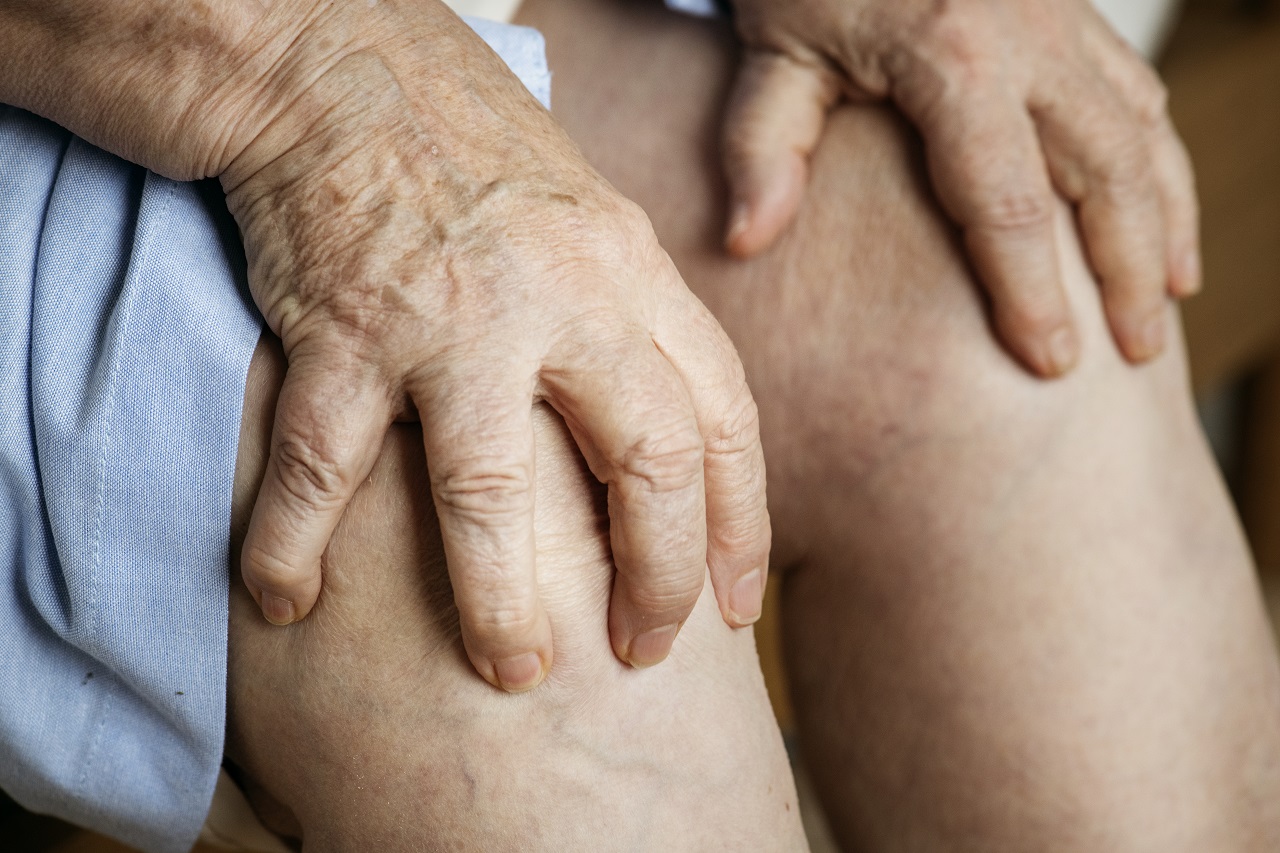
Osteoarthritis can affect any joint in the body, though it most commonly affects joints in the hands, hips, knees and spine. It typically affects just one joint, though in some cases, such as with finger arthritis, several joints can be affected. Osteoarthritis gradually worsens with time, and no cure exists. But osteoarthritis treatments can relieve pain and help you to remain active. Taking steps to actively manage this condition may help patients gain control over the pain.

Symptoms of Osteoarthritis  

Osteoarthritis symptoms often develop slowly and worsen over time. Signs and symptoms include:

  • Pain in a joint during or after use, or after a period of inactivity
  • Tenderness in the joint when you apply light pressure
  • Stiffness in a joint that may be most noticeable when a patient wakes up in the morning or after a period of inactivity
  • Loss of flexibility may make it difficult to use the joint
  • Grating sensation when moving the joint
  • Bone spurs, which appear as hard lumps, may form around the affected joint
  • Swelling in some cases

Unless one has been injured or has placed unusual stress on a joint, it’s uncommon for Osteoarthritis symptoms to affect jaw, shoulder, elbows, wrists or ankles.

What Cause This Condition?

Osteoarthritis occurs when the cartilage that cushions the ends of bones in the joints deteriorates over time. The smooth surface of the cartilage becomes rough, causing irritation. Eventually, if the cartilage wears down completely, patient may be left with bone rubbing on bone — causing the ends of the bones to become damaged and the joints to become painful. It isn’t clear what causes osteoarthritis in most cases. Researchers suspect that it’s a combination of factors, including being overweight, the aging process, joint injury or stress, heredity, and muscle weakness.

Risk Factors that increase risk of osteoarthritis include:

  • Old age: This condition typically occurs in older adults. People under 40 rarely experience it
  • Sex: Women are more likely to develop this condition, though it isn’t clear why
  • Bone deformities: Some people are born with malformed joints or defective cartilage, which can increase the risk of this condition
  • Joint injuries: Injuries, such as those that occur when playing sports or from an accident, may increase the risk
  • Obesity: Carrying more body weight places more stress on weight-bearing joints, such as knees. But obesity has also been linked to an increased risk of osteoarthritis in the hands, as well.

How Can You Prevent It? 

Osteo Arthritis 2

1. Diet

Avoid processed and sugary foods and drinks, eat more fruits and vegetables. Foods rich in antioxidants help in decreasing pain and inflammation. Also include food rich in Omega-3 Fatty Acids. Olive Oil helps in preventing inflammation. Eating fruits rich in Vitamin C helps in building collagen and connective tissue. Examples are citrus fruits, strawberries, red peppers and cabbage. Try some of these foods:

  1. Bananas and Plantains are high in magnesium and potassium which increases your bone density. Magnesium is also known to alleviate symptoms of arthritis. So peel a banana or fry up some plantains!
  2. Blueberries also pack a walloping antioxidant punch! Antioxidants protect your body against inflammation and free radicals – molecules that can damage cells and organs. Pay special attention to blueberries. USDA researcher Ronald Prior, Ph.D., showed that a one-cup serving of Wild Blueberries had more antioxidant capacity than a serving of cranberries, strawberries, plums and raspberries.
  3. Salmon: Not only can Omega-3 found in fish significantly reduce joint pain and shorten the duration of morning stiffness, but studies, such as those reported in the American Journal of Clinical Nutrition, show that increased levels of Omega-3 fatty acids also have enabled people taking Non-Steroidal Anti-Inflammatory Drugs (NSAIDs) to reduce their dosage or discontinue use.
  4. Green Tea: Many studies have shown that green tea possesses anti-inflammatory properties. One study showed that mice predisposed to a condition similar to human osteoarthritis had mild arthritis and little evidence of cartilage damage and bone erosion when green tea polyphenols were added to their drinking water. Another study showed that when added to human cartilage cell cultures, the active ingredients in green tea inhibited chemicals and enzymes that lead to cartilage damage and breakdown.
  5. Vitamin C is important in the development of normal cartilage. A deficiency of Vitamin C might lead to the development of weak cartilage. In 2010, The Arthritis Research Institute of America, Inc. published an important article in the Journal Public Health Nutrition which suggested that Vitamin C supplementation may indeed be beneficial in preventing new cases of knee osteoarthritis.
  6. Soy protein, found in tofu, has been shown to reduce pain and swelling in chronic knee joint pain, not attributed to injury or rheumatoid arthritis. Results were found to be more beneficial for men than women. Tofu can be cubed and fried with noodles, or bought prepackaged as tofu pups or tofu burgers. There are even recipes that call for it in fruit smoothies!
  7. Peanut Butter: Vitamin B3, found in peanut butter, is a supplement that may help people with Osteoarthritis. One 1996 study (National Institutes of Health) showed that taking Vitamin B3 was more effective than a placebo in improving flexibility and reducing inflammation.
  8. Whole Grain Breads and Cereals: In one placebo controlled trial, those with rheumatoid arthritis (and by extension osteoarthritis) had less disability, morning stiffness, and pain when they took high doses of pantothenic acid (Brewer’s Yeast) daily.
  9. Lobster is an excellent source of Vitamin E. Vitamin E may be the key to fighting arthritis-like damage. According to a study from the University of North Carolina at Chapel Hill School of Medicine, Vitamin E (also known as alpha tocopherol) and other naturally occurring antioxidants in the diet appear to protect against knee Osteoarthritis.
  10. Pineapple: For years, professional coaches have recommended pineapple to athletes to help heal sports injuries. That’s because a key enzyme in pineapple called bromelain, which helps reduce inflammation.

Apart from the food recommendations above, ensure that you maintain an active lifestyle. To understand what workouts or exercises you can implement in your daily routine, speak to a certified expert from GOQii by subscribing for Personalised Health Coaching here.

Though Osteoarthritis is a chronic disorder, you can prevent it or if you have it already, you can live in a better way by managing it with proper lifestyle habits. Prevention is always better than cure. So let’s concentrate on exercises as well as healthier food options. Ultimately, eating right, exercise and living a healthy life style can prevent most ailments.

You can explore some healthy habits by checking out Healthy Reads for more articles such as these. Do leave your thoughts in the comments below!

#BeTheForce

Disclaimer: The information provided in this blog is for general awareness and educational purposes only. It is not intended to replace professional medical advice, diagnosis, or treatment. Always consult a qualified healthcare provider for personalised medical guidance or concerns related to your health.

October 8, 2024 By Jigna Sheth 1 Comment

Foods To Eat During Navratri For Better Immunity

navratri fastingNavratri is one of the most celebrated festivals in India and the ways of celebrating it are different in each part. In North and Western India, 9 days of fasting is kept. In Southern India, fasting is not strictly followed but food is made omitting onion and garlic. In Bengal and other parts of Eastern India, along with fasting, Durga Puja is celebrated on a large scale. Also, the much awaited Gujarati special Dandiya and Garba is celebrated during Navratri. Navratri fasting rules vary in all the communities.

Along with fasting, it’s important to keep an eye on our immunity to ensure we stay healthy. Below is a list of foods that can be consumed during Navratri and will help in boosting immunity at the same time.

Foods For Immunity During Navratri Fasting 

Below is a list of foods which can be consumed during Navratri and will help in boosting immunity at the same time.

  1. Water chestnut flour (Singhare ka atta): Singhara is very beneficial because it has refreshing properties. It is rich in protein, iron and magnesium. It has antioxidant properties, treats urine infection, cures indigestion and nausea, relieves cough, helps to combat hypertension, improves the blood and is beneficial for the skin and hair. 
  2. Special rice for fasting made with Millets (Sama ke chawal): It is high in calcium, potassium, digestible fiber, phosphorus and amino acids. Sama Rice is gluten free and has less calories and sugar. Hence, it can be consumed by a diabetic person. It is also a rich source of minerals and vitamins, providing essential ingredients.
  3. Buckwheat flour (Kuttu ka atta): It is a rich source of B Vitamins which improve the skin health and overall functioning of organs. It is immensely rich in fiber – which is extremely important for cleansing the digestive tract. Rich in essential fatty acids, kuttu helps maintain blood pressure and cholesterol levels. To avoid any side effects because of its warm potency, add curd to its flour.
  4. Amaranth Flour (Rajgira ka atta): It is the only grain which contains Vitamin C. It is full of antioxidants, Vit E, Protein, Iron, magnesium, phosphorus and potassium. Has twice the amount of calcium as milk, thereby reducing the risk of osteoporosis. It is good for Diabetes and improves Cholesterol levels.
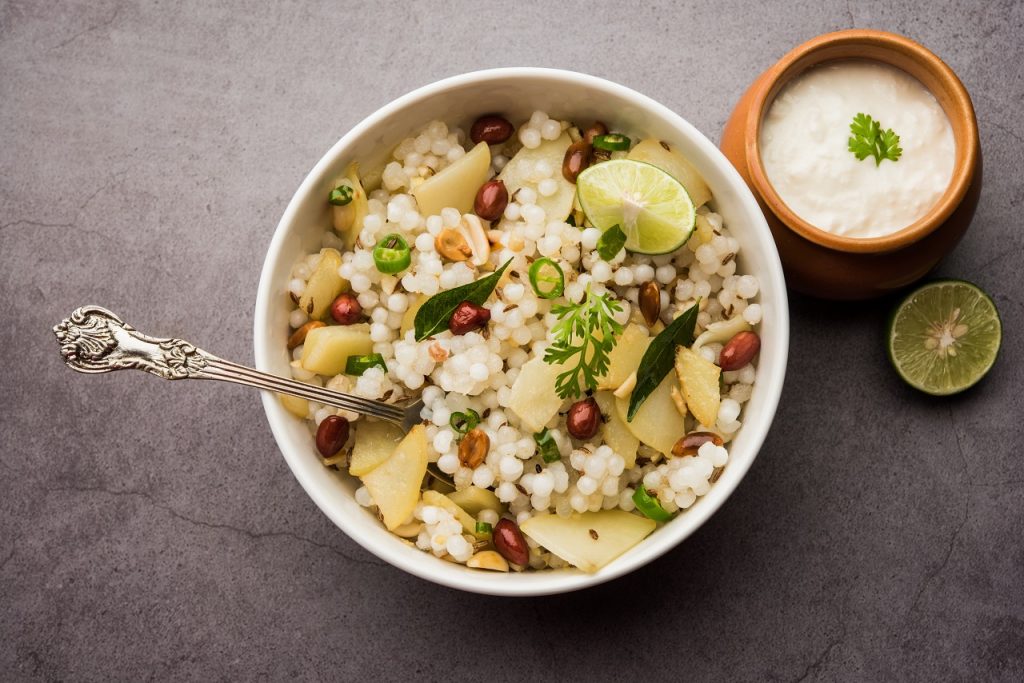
  5. Sago (Sabudana): contains an abundance of Calcium and Vitamin K in it. These two contents make it the perfect food for maintaining bone health and building muscle. It helps in treating anemia and controlling High blood pressure. It is a great source of energy, that is why most of the people opt for it during fasting.
  6. Lotus seeds (Makhana): are low in calories and high in fiber. That’s why it is recommended for diabetic patients too. It regulates appetite, controls untimely cravings, improves gut health, and has an anti-ageing effect. 
  7. Colocasia (Arbi): It is rich in Fiber, has anti-cancer properties and reduces risk of heart health. They are an excellent source of Vitamin C and promote eye health. Helps in delaying the aging process, improves the skin and reduces fatigue.
  8. Nuts and seeds: are an amazing source of many nutrients. Loaded with antioxidants, contain good fats and are rich in fiber. Just a handful of them provide a punch of vitamins, minerals and fats, all of which work together to improve overall health. Include flaxseeds, pumpkin seeds, sunflower seeds, peanuts, cashews, etc. but avoid salted or masala variants and do not consume them if you have allergies to nuts.
  9. Milk, curd and yoghurt: Low fat dairy products cut calories, saturated fat and cholesterol, while protein, calcium, and most other vitamins and minerals remain high in them. It is a good source of Vitamin D. It improves both Dental and Bone health. A glass of plain milk is equivalent to one small meal.
  10. Seasonal fruits: are naturally low in fat, sodium, and calories. Neither of them have cholesterol. They are packed with fiber and micronutrients. They are a good source of antioxidants and Vitamin C – which means better immunity! 
  11. Coconut water and fresh lime water: are the best way to prevent dehydration and are nutrient dense at the same time. They are low in calories, high in Potassium, Calcium and Magnesium. They are energy boosters and a great source of Vitamin C.
  12. Sendha namak ( Rock Salt) and Arrowroot flour: Rock salt provides all the essential trace minerals and greatly improves the body’s immune system. It helps in stabilizing blood pressure because of low sodium content. Arrowroot is a gluten free, powerhouse of B Vitamins and it improves digestive health.
  13. Spices and herbs: vary in all the households. Black pepper powder, coriander leaves, green chillies, shredded coconut flakes can be used to maintain good health! 

Before trying the above food, remember that portion control is a must. Too much of anything can have a negative impact even if that food is good for you. Don’t indulge and overeat. Avoid deep frying completely. Shallow frying or pan frying is still permissible. The best method of preparing these foods is steaming, roasting, sauteing and grilling! 

We hope this article on Navratri fasting foods helps you make smarter choices and eat healthy! For more special Navratri articles and recipes, check out Healthy Reads or you can speak directly to a GOQii Coach by subscribing for Personalised Health Coaching here.

#BeTheForce 

October 4, 2024 By Anusha Subramanian Leave a Comment

A ‘Smile’ a day keeps the ‘Blues’ away

The benefit of smiling is a subject which isn’t discussed much. You might be wondering, how a smile can have an impact on your health, considering that it is just an expression you make. Today, we are going to find out how a smile can bring about a change in our lives and how it contributes to our well being.


  1. Mood Enhancer:

Did you know that smiling releases endorphins into the brain? Endorphins fight pain and stress just like morphine and other painkillers. They boost your mood and take your mind away from whatever it is that’s distracting you. The best part is that it is totally free of cost, nobody can charge for cracking a smile. So stop investing in drugs and smile more often, for a free of cost mood enhancer.

  1. Heart Friendly:

Are you someone who has a history of heart diseases? Is your blood pressure high? If yes, smiling is an excellent companion for you. Studies show that smiling reduces the heart rate and helps the body to relax. This enables the heart to work without putting much strain. So smile more often and be the proud owner of a healthy heart.

  1. Productivity Accelerator:

Ever wondered why those silly internet memes or funny videos between work, helps you relax and work faster later on? You smile when you see them and it accelerates your productivity. Smiling more often is believed to increase your productivity at work or any other areas of life. Are you someone who enjoys whistling while you work? This is very similar. Now you know what to do when you feel like you are slowing down.

  1. Induces Empathy:

We find ourselves in embarrassing situations on a regular basis. Whether you are at home or work, these situations are always lurking in every corner. The first response to an embarrassing moment is a smile. This helps in breaking the ice and makes others be more lenient about what they think of you, thereby inducing a sense of empathy in them.

  1. Natural Painkiller:

As I mentioned earlier, smiling releases endorphins into the brain which helps in reducing the sensation of pain and also lifting our mood. The next time you hurt yourself, try to keep a smile on your face and the pain will start reducing.

  1. Builds Immunity:

Smiling helps the body to relax and this helps the immune system to react better when invaders come knocking at the door. Add some smile to your daily dose of proteins and vitamins, for a strong immunity system.

  1. Lasting Longevity:

Taking all the above factors into consideration, we can easily conclude that people who smile more, live longer because it reduces stress, helps your heart and does much more in keeping you healthier for a longer time. Smile more and live longer!

In summary, the impact of a smile is truly remarkable. It serves as a natural mood enhancer, contributes to heart health, boosts productivity, fosters empathy, acts as a natural painkiller, strengthens immunity, and even promotes longevity. So, make it a daily practice to curve those lips upwards. A smile a day not only keeps the blues at bay but could also be your recipe for a healthier, happier life!

#BeTheForce

Disclaimer: The information provided in this blog is for general awareness and educational purposes only. It is not intended to replace professional medical advice, diagnosis, or treatment. Always consult a qualified healthcare provider for personalised medical guidance or concerns related to your health.

  • « Previous Page
  • 1
  • …
  • 51
  • 52
  • 53
  • 54
  • 55
  • …
  • 152
  • Next Page »

Search

Recent Posts

  • World AMR Awareness Week 2026: when you need antibiotics, and simple steps to prevent AMR
  • PCOS: diet, exercise and the myths to stop believing
  • Cholesterol numbers explained: LDL, HDL and triglycerides
  • International Men’s Day 2026: why men’s health is everyone’s business
  • World COPD Day 2026: Short of Breath? Think COPD – Why Early Diagnosis Matters

Stay Updated

Archives

  • November 2026 (21)
  • October 2026 (23)
  • September 2026 (5)
  • August 2026 (8)
  • July 2026 (24)
  • June 2026 (22)
  • May 2026 (20)
  • April 2026 (24)
  • March 2026 (18)
  • February 2026 (14)
  • January 2026 (14)
  • December 2025 (19)
  • November 2025 (14)
  • October 2025 (17)
  • September 2025 (6)
  • August 2025 (5)
  • July 2025 (9)
  • June 2025 (18)
  • May 2025 (16)
  • April 2025 (22)
  • March 2025 (25)
  • February 2025 (21)
  • January 2025 (25)
  • December 2024 (21)
  • November 2024 (21)
  • October 2024 (15)
  • September 2024 (22)
  • August 2024 (27)
  • July 2024 (14)
  • June 2024 (23)
  • May 2024 (26)
  • April 2024 (27)
  • March 2024 (27)
  • February 2024 (23)
  • January 2024 (21)
  • December 2023 (14)
  • November 2023 (10)
  • October 2023 (18)
  • September 2023 (20)
  • August 2023 (16)
  • July 2023 (16)
  • June 2023 (21)
  • May 2023 (20)
  • April 2023 (19)
  • March 2023 (23)
  • February 2023 (19)
  • January 2023 (15)
  • December 2022 (11)
  • November 2022 (15)
  • October 2022 (15)
  • September 2022 (12)
  • August 2022 (9)
  • July 2022 (17)
  • June 2022 (11)
  • May 2022 (10)
  • April 2022 (6)
  • March 2022 (6)
  • February 2022 (13)
  • January 2022 (11)
  • December 2021 (7)
  • November 2021 (3)
  • October 2021 (6)
  • September 2021 (3)
  • August 2021 (8)
  • July 2021 (7)
  • June 2021 (15)
  • May 2021 (16)
  • April 2021 (10)
  • March 2021 (7)
  • February 2021 (4)
  • January 2021 (4)
  • December 2020 (3)
  • November 2020 (4)
  • October 2020 (10)
  • September 2020 (3)
  • August 2020 (3)
  • July 2020 (2)
  • June 2020 (4)
  • May 2020 (10)
  • April 2020 (12)
  • March 2020 (10)
  • February 2020 (4)
  • January 2020 (4)
  • December 2019 (3)
  • November 2019 (7)
  • October 2019 (5)
  • September 2019 (4)
  • August 2019 (9)
  • July 2019 (9)
  • June 2019 (11)
  • May 2019 (4)
  • April 2019 (8)
  • March 2019 (8)
  • February 2019 (9)
  • January 2019 (8)
  • December 2018 (9)
  • November 2018 (3)
  • October 2018 (3)
  • September 2018 (5)
  • August 2018 (10)
  • July 2018 (6)
  • June 2018 (13)
  • May 2018 (8)
  • April 2018 (17)
  • March 2018 (9)
  • February 2018 (8)
  • January 2018 (15)
  • December 2017 (12)
  • November 2017 (19)
  • October 2017 (13)
  • September 2017 (15)
  • August 2017 (4)
  • July 2017 (8)
  • June 2017 (7)
  • May 2017 (6)
  • April 2017 (8)
  • March 2017 (6)
  • February 2017 (7)
  • January 2017 (9)
  • December 2016 (10)
  • November 2016 (7)
  • October 2016 (7)
  • September 2016 (7)
  • August 2016 (11)
  • July 2016 (9)
  • June 2016 (9)
  • May 2016 (12)
  • April 2016 (17)
  • March 2016 (17)
  • February 2016 (8)
  • January 2016 (6)
  • December 2015 (2)
  • November 2015 (9)
  • October 2015 (7)
  • September 2015 (9)
  • August 2015 (11)
  • July 2015 (9)
  • June 2015 (11)
  • May 2015 (9)
  • April 2015 (13)
  • March 2015 (8)
  • February 2015 (5)
  • January 2015 (12)
  • December 2014 (14)
  • November 2014 (11)
  • October 2014 (6)
  • September 2014 (13)
  • August 2014 (12)
  • July 2014 (6)
  • June 2014 (2)
  • May 2014 (7)
  • April 2014 (4)

From Burnout to Balance: How Dr. Ranjit Reclaimed His Health

Dr Ranjit Bhatt has spent years tending to others. A practising doctor in Odisha, his days were packed with patients, surgeries, and emergencies. From the outside, it looked like a life lived in service. But on the inside, something wasn’t right. “I had no … [Read More...]

From Shimla’s Slopes to Chandigarh’s Sidewalks: Surinder Kaur Bhalla’s Journey from Chaos to Control

Some journeys start with a plan. Others begin with a stumble literally. Surinder Bhalla, a government professional, born and raised in the scenic hill town of Shimla, had always lived a life of movement. “In Shimla, you walked everywhere,” she reflects. “Walking was never an exercise. It was just life.” But after shifting to Chandigarh, […]

“I’ve Challenged Myself to Live 100 Years” – The Story of Chandubhai Savani’s Second Chance at Life

At 67, most people start slowing down. Not Chandubhai Savani. A resident of Surat, Chandubhai, thought life was on track. “My life was going well till I had my bypass surgery,” he says. That surgery, back in 2021, was a wake-up call.  Medication was routine, but exercise wasn’t. His diet? What he calls ‘normal.’ “I […]

Ananda Mukherjee Health Story

From Terminal Illness To Complete Wellness! Ananda Mukherjee Health Story

As we observe World Cancer Day under the powerful theme ‘United by Unique’ (2025-2027)**, we are reminded that every individual’s journey with cancer is distinct, yet united by shared resilience, hope, and the collective fight against this disease. This theme places people at the centre of care and their stories at the heart of the […]

  • HOME
  • HEALTHY LIVING
  • FITNESS
  • HEALTHY RECIPES
  • USER STORIES
  • KARMA
  • BUY GOQii

Copyright ©2016 GOQii