GOQii

Blog

  • HOME
  • HEALTHY LIVING
  • FITNESS
  • HEALTHY RECIPES
  • USER STORIES
  • KARMA
  • BUY GOQii

Search Results for: protein

December 13, 2015 By Parwage Alam 2 Comments

The Best Post-Run Recovery Foods

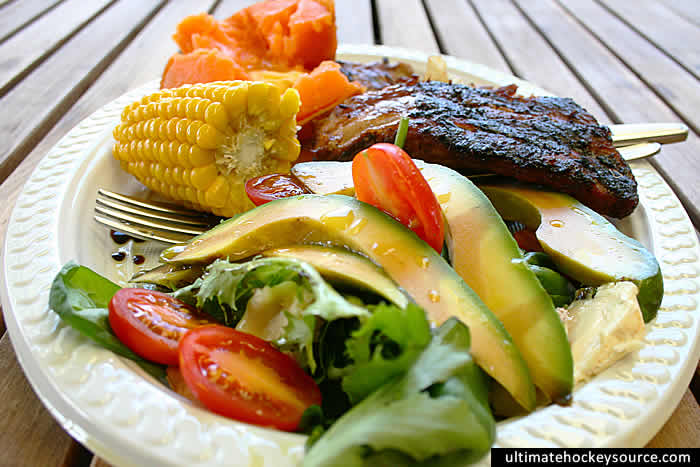
healthy_food_zps7b67d197

All athletes plan their routine, in terms of their exercise, nutrition; practice sessions all of this is done to get the best results from his/her body. While you might get the expected results with your performance but, that certainly does not mean that your body is also getting the expected nutrition. In fact, some of the best athletes and more recently we have come across cases of regular marathon runners fainting or blacking out during the run or after the run. This situation occurs due to nutrition imbalance in body.

To be healthy we have to take care of our meals throughout the day. Similarly, we have to take care of our post run meals as well to recover our body. By eating the right foods at right times your body will recover and be able to perform the way you want it to. So if you are a runner or planning to run you need to be aware of what exactly you should be eating before, during and after your running events. This is important so that you are able to keep your body in optimal condition.

So let’s understand more about this.

  1. Some basics before your run: If you are planning to jog no longer than 40 or 50 minutes at a relaxed pace, a glass of water might be all that’s needed ahead of time—provided you have had a decent dinner the night before. But, if the previous night’s meal wasn’t filling or if you ate it early, downing some orange juice or a banana will replace glycogen stores in your muscles to wave off sluggishness. If you’re heading out in the afternoon, have a snack with about 50 grams of carbs in it—like yogurt and a granola bar—an hour or two before hand
  2. Post run, our body requires lot of different nutrition, so let’s divide into different category – PROTEIN, CARBS, ELECTROLYTES AND ANTIOXIDANTS.
  • Protein: Protein is the best resource to repair your body. It repairs muscle damage, diminishes the effects of cortisol—the so-called “stress” hormone that breaks down muscle—and, when taken with carbohydrates it speeds your body’s ability to replenish its glycogen stores, your all-important energy source for those long runs during marathon season. So post run your Protein ratio should be 1:4 which means 1 gram of protein for every 4 gram of CARBS
  • Carbs: Carbohydrates or carbs as is known commonly are body’s main fuel source, and are stored as glycogen in the muscles and liver, so eating carbs shortly after your workout helps optimize your body’s recovery. And it is during this time that your muscles are most receptive to rebuilding your glycogen reserves.
  • Electrolytes and Antioxidants: Electrolytes are minerals in our blood and other body fluids like Calcium, Chloride, Magnesium, Phosphorous, Potassium, Sodium, etc that carry an electric charge. It also affects the percentage of water in our body, the acidity of our blood (pH), our muscle functionality, and other important processes. While running, we sweat a lot and we lose electrolytes when we sweat. So we really have to replace our sweat by drinking fluids that contain electrolytes.

The techniques we can use

The fastest recovery techniques post training is rehydration, glycogen resynthesis and protein and antioxidant supplementation. These techniques replenish our muscle fuel supplies, hasten the repair of muscle damage and combat free radical formation in our cells.

Having said all of the above now it’s time for me to provide you with some resources for the post recovery foods that can help to replenish your body with the vital nutrients discussed above.

At first you start restoring the fluids in the body after your long run – the quick fixes for this are sports drink, lemon water or some plain water. However, the recovery process does not stop here so we have some specific foods that can help you to restore your body in recovery.

  • Salmon
  • Cherries
  • Kale
  • Oatmeal
  • Greek yogurt
  • Banana
  • Skim Milk
  • Chicken
  • Hummus
  • Green Tea
  • Tomatoes
  • Lean beef
  • Turkey breast
  • Sports/Energy bar
  • Whole-Wheat Pasta
  • Berries
  • Fruit Juice
  • Low-fat cottage cheese
  • Eggs
  • Almonds or other nuts
  • Vegetables

Its recommended to have your post run meal within an hour or so, but incase if it is not possible then you can go for the following options, which will help you to sustain for some time:

  • Have an apple which will give you some energy and raise your glucose level to sustain.
  • Protein bars, Protein shake with the combination of milk or water, whatever is convenient for you.
  • Banana is really good option to get quick energy.
  • Have Bread with some peanut butter.
  • My Favorite – Chocolate Milkshake.
  • Hummus and carrots
  • Some Greek yogurt.

As we love running and it’s a part of our lifestyle, routine and our health journey, so we really need to take care of the hard impact of it on our body. To continue our journey with running and healthy lifestyle we need to give appropriate rest and relaxation after every run and make sure that our body recovers completely after a every rigorous workout/running.


November 30, 2015 By Hetal Chheda 2 Comments

Lactose Intolerance among children and food substitutes that help

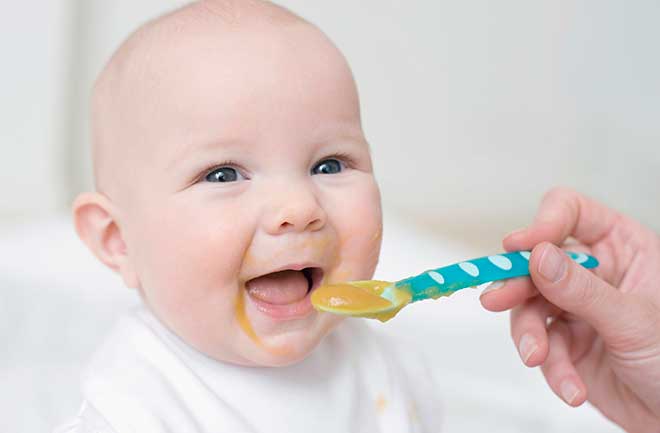
mothers-giving-infants-solid-food-too-early-130325

Lactose Intolerance is a bigger problem than the letters in the word itself. Now this is a condition in which the body has a hard time digesting milk sugar (lactose), a natural sugar found in milk and dairy products.

There is an enzyme called lactase which is produced in the small intestine. This breaks down the sugar lactose present in milk and other dairy products. Kids who are lactose intolerant have less or no production of this enzyme LACTASE.

How will a little baby or a toddler explain that, ‘Mom, I can’t digest your breast feed or the top milk that you are feeding me’. Along with the child it is too much of a challenge firstly for the mother that her child cannot digest milk. Milk is usually the food for first 6 months in any child’s life.

WHAT ARE THE SYMPTOMS

  1. Unexplained crying,
  2. Abdominal/Lower belly pain
  3. Loose or foamy stools/diarrhea
  4. Gurgling sound in the tummy
  5. nausea,
  6. bloating,
  7. flatulence

STEPS TO BE TAKEN

  1. ELIMINATE

Parents should systematically eliminate milk and other dairy products from their child’s diet. Avoidance is the best treatment.

  1. REINTRODUCE

The dairy products like yogurt and cheese can be reintroduced overtime. The symptoms post introduction should be noticed. If there is no problem other milk products and diluted milk can be introduced. If there are negative symptoms then stop immediately.

  1. UNDERSTAND

Some kids can tolerate small amounts of milk products or certain types of milk products without problems while others cannot tolerate even little.

HOW TO MEET THE CALCIUM REQUIREMENTS

A big challenge for people whose kids are lactose-intolerant is learning how to eat to avoid discomfort and to get enough calcium for healthy bones.

Although it is definitely possible for children to get the calcium they need for strong bones without dairy.

Broccoli, brussels sprouts, dried figs, and sardines are among the most calcium-rich non-dairy foods, Other foods that contain good amount of calcium are Tofu, sesame seeds, ragi, almonds, Moong, kidney beans, urad dal, Chana, Amaranth and curry leaves.

Try and add one of these food items in every meal.

LITERAL MILK SUBSTITUTES FOR OVER 6 MONTH OLDS

  • YOGURT

If a child is lactose intolerant, there are chances that he/she is partially intolerant and in some cases may be able to digest yogurt. This is because yogurt has active bacterial cultures and also has less lactose as compared to milk. Yogurt may cause less bloating because much of the lactose has already been broken down by its ‘good’ bacteria.

  • SOY MILK

The immediate option for a child with lactose intolerance is soy milk. Some kids may reject it initially due to its taste but eventually get used to it. Do not opt for the flavoured versions instead go for natural.

However, if your child has a milk allergy which is different from lactose intolerance he or she may also be allergic to soy milk. Avoid using soy milk as a substitute for anyone with a milk allergy.

  • OTHER KINDS OF MILK

Goat, sheep, cow and Buffalo milk doesn’t help a child’s symptom because all milk from mammals contains lactose. However, for kids who don’t enjoy drinking soy milk there are some more options. Almond milk, which is loaded with magnesium and vitamin E. Rice milk, has almost no saturated fat and plenty of vitamin B12. Coconut milk, tastes creamy like cow’s milk. Other vegetable milks include oat and cashew. The only drawback is that these milks don’t work well with cooking.

·         CHEESE

Fermented cheeses have less lactose than other dairy products so a child may be able to tolerate them. It is a very good source of calcium and protein as well.  Examples of hard or aged cheeses that are low in lactose are Swiss, Parmesan, and blue cheese. Now days, it is easy to find these cheese in metro cities.

INFANTS

For infants with lactose intolerance, formulas that contain no lactose can be used. Similac is an example of a milk-based formula that contains corn-syrup solids rather than lactose as its carbohydrate calorie source. Many soy-protein formulas also do not contain lactose and are suitable for lactose intolerant infants.

HIDDEN LACTOSE FOODS-WATCHOUT

If the child craves for ice cream parents generally substitute with sherbet. Ready-made sherbet does contain some dairy, but it’s a low-lactose food, Sherbet is a good example of a hidden source of lactose because you probably don’t think of it as a dairy product.

Other hidden sources of lactose include ready to eat soups, salad dressings, and processed breakfast foods. There is always a way out. A child can grow very normally without having milk in his/her diet. A mother will just have to substitute by providing foods rich in proteins and calcium that can completely substitute milk.

October 1, 2015 By Payal Choudhury 10 Comments

15 things you did not know about Fenugreek “Methi’

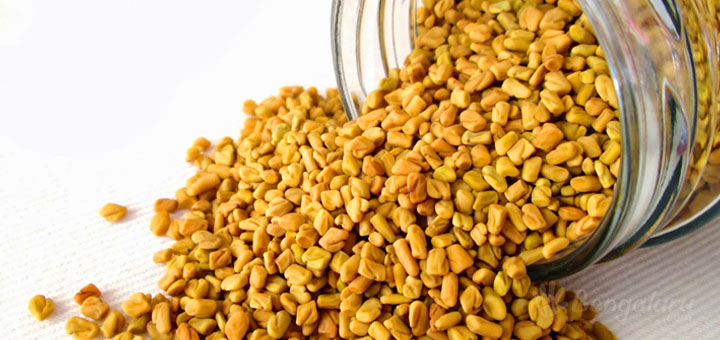
fenugreek

We are all aware Fenugreek right? Wondering what is Fenugreek? It’s nothing but, Methi in Hindi Fenugreek (Trigonella foenum graecum) is native to southern Europe and Asia and is an erect annual herb with white flowers and hard, yellowish brown and angular seeds.

Fenugreek seeds and leaves are strongly aromatic and flavourful. Seeds are bitter in taste but lose their bitterness if roasted slightly. They are rich in vitamins such as thiamine, folic acid, riboflavin, niacin, vitamins A, B6, and C, and are a storehouse of minerals such as copper, potassium, calcium, iron, selenium, zinc, manganese, and magnesium. Fenugreek leaves are a rich source of vitamin K as well.

Several human intervention trials have also shown that fenugreek seeds positively affect metabolic health. Fenugreek seeds have a slightly bitter taste when raw, but when they are sprouted, the flavour becomes pungently sweet, adding a unique taste to salads and other foods.

Methi or fenugreek seeds and leaves form an important ingredient in Indian households. It is used in almost every Indian preparation like dal, paratha or curry. But, what we might not know is that methi is a rich reservoir of medicinal properties that imparts many health benefits. Here are some ways which reflects the benefits of fenugreek.

  1. Lowers blood cholesterol

Fenugreek helps to reduce cholesterol level, especially that of low density lipoprotein (LDL). They are known to be rich source of steroidal saponins that prevent the absorption of cholesterol and triglycerides.

  1. Reduces risk of heart disease

Due to the presence of galactomannan, fenugreek plays a key role in maintaining a good heart. It also contains high amount of potassium that counters the action of sodium to help control heart rate and blood pressure.

  1. Controls blood sugar levels

A Diabetic must include methi (either in the form of seeds or leaves) in their diet. Because galactomannan, a natural soluble fibre present in fenugreek slows down the rate of sugar absorption into blood. It also contains amino acid responsible for inducing the production of insulin.

  1. Aids digestion

As fenugreek is rich in fibre and antioxidants, it helps in flushing out harmful toxins from the body and thus, aids digestion. In some cases, fenugreek tea is used to relieve indigestion and stomach pain.

  1. Helps counter acid reflux or heartburn

One teaspoon of fenugreek seeds in our food can be an effective remedy for acid reflux or heartburn. Mucilage of fenugreek seeds coat the lining of the stomach and intestine and soothe irritated gastrointestinal tissues. Before consuming, we can soak the methi seeds in water to make their outer coat mucilaginous.

  1. Helps you lose weight

Include fenugreek in our weight loss diet by chewing soaked methi seeds in the morning on an empty stomach. The natural soluble fibre in the fenugreek can swell and fill the stomach thereby suppressing our appetite and aiding in weight loss goals.

  1. Remedy for fever and sore throat

Fenugreek when taken with a teaspoon of lemon and honey can work wonders to reduce fever by nourishing the body. The soothing effect of mucilage in fenugreek also helps in relieving cough and pain from sore throat.

  1. Increases breast milk production in lactating women

Fenugreek ranks high among the ‘must haves’ for nursing mothers. This is due to the presence of diosgenin in the spice which increases milk production in lactating mothers. Fenugreek is used as a galactagogue by nursing mothers to increase inadequate breast milk supply.

9. Induces and eases child birth

Fenugreek has been known to be helpful in inducing childbirth by stimulating uterine contractions. It also reduces labour pain. But, here’s a word of caution. Excess intake of fenugreek seeds during pregnancy could be a reason of miscarriage or premature childbirth.

  1. Helps reduce menstrual discomfort

Fenugreek contains compounds like diosgenin and isoflavones with oestrogen-like properties which helps reduce symptoms like discomfort and menstrual cramps associated with PMS. These compounds also ease menopausal symptoms like hot flashes and mood fluctuations. Women are more prone to iron deficiency during adolescence (initiation of menstrual periods), during pregnancy and breastfeeding. Therefore including green leafy veggies like fenugreek (methi) in their diet can supply a good amount of iron. But, make sure to add tomatoes or potatoes to the preparations to enhance the iron absorption.

  1. Helps prevent colon cancer

The fibre content (saponins, mucilage, etc.) of fenugreek binds to toxins in the food and flush them out. This in turn helps to protect the mucus membrane of the colon from cancer.

  1. Helps soothe skin inflammation and reduce scars

While Vitamin C acts as a powerful antioxidant, fenugreek also contains anti-inflammatory compounds that aid in the treatment of various skin problems like burns, boils and eczema. The seeds are known to help in getting rid of scars.

14 Helps treat skin problems

Fenugreek or methi can be used in face packs to help prevent blackheads, pimples, wrinkles, etc. Washing your face with water boiled with fenugreek seeds or applying a paste of fresh fenugreek leaves for twenty minutes on your face can work wonders for your skin.

15 Can resolve hair problems

Using fenugreek as a part of your diet or as a paste to directly apply on your hair makes your hair shiny and black. Massaging your head everyday with boiled fenugreek seeds soaked overnight in coconut oil can be an excellent remedy for thinning of hair and hair fall.

To de-stress, here is a homemade remedy:

Fenugreek Seed Tea

1. Lightly crush a teaspoon of fenugreek seeds.

2. Soak them in a cup of freshly boiled water and steep it for 1 to 3 hours. (The longer you steep, higher the benefits).

3. Strain the tea, add honey and lemon to taste and drink it hot or cold. You can add tea leaves or other herbs too for different flavour.


September 29, 2015 By Ashwinkumar Rahate 3 Comments

Best Foods for Pregnant Women

alimentation-grossesse


(adsbygoogle = window.adsbygoogle || []).push({});

During pregnancy body goes through many changes which include physiological, hormonal-both physical as well as emotional changes. It is extremely important to focus on the right food intake. The requirement of Macronutrients (Protein, Carbohydrates, Fats, water) Micronutrients (vitamins and minerals)

Eggs

Eggs are one of the best foods during pregnancy. It consist essential nutrients. Pregnant woman can get good amount of protein with essential amino acids, essential fats, Vitamins like A, D and some B complex, Minerals like zinc, selenium  which are required for pregnancy.

Fat Free Milk

Milk contains calcium as well as vitamin A and D. During pregnancy body requires more calcium. The requirement is almost two times more as compared to regular intake. Instead of regular milk, non fat skimmed milk will be good option.

Cereals

Whole grain cereals in the breakfast are one of the best choices during the pregnancy. Whole grain cereals are rich in complex carbohydrates as well as directory fibres. Complex carbohydrates absorbed slowly and directory fibres improve the digestion. It will help to improve the mood.


(adsbygoogle = window.adsbygoogle || []).push({});

Oatmeal

Oatmeal is one of the best sources for good amount of complex carbohydrates, folic acid and Iron as well as directory Fibres. Regular intake of Oatmeal controls the cholesterol levels, and blood pressure.

Bananas

Bananas are rich source of potassium. It is also one of the best sources for Vitamin B6, Vitamin C as well as fibre. Regular intake of Banana will help to lower the blood pressure, help to produce red blood cells, lower the stress levels and many more benefits


(adsbygoogle = window.adsbygoogle || []).push({});

A pregnant woman can improve her nutritional intake with the above mentioned foods intake as these will help in keeping the Mom and the baby healthy during pregnancy.


  • « Previous Page
  • 1
  • …
  • 134
  • 135
  • 136
  • 137
  • 138
  • …
  • 149
  • Next Page »

Search

Recent Posts

  • 7 Reasons Why Pulses Are Good For You!
  • How Exercise Impacts Mental Health
  • Dussehra 2026: 10 Unhealthy Habits to Leave Behind
  • 5-Minute Healthy Snacks for Work & Home
  • Meal Prepping for Work: Healthy Lunch Ideas That Keep You Energised

Stay Updated

Archives

  • October 2026 (15)
  • September 2026 (5)
  • August 2026 (8)
  • July 2026 (25)
  • June 2026 (22)
  • May 2026 (20)
  • April 2026 (24)
  • March 2026 (18)
  • February 2026 (14)
  • January 2026 (14)
  • December 2025 (19)
  • November 2025 (15)
  • October 2025 (20)
  • September 2025 (6)
  • August 2025 (5)
  • July 2025 (9)
  • June 2025 (18)
  • May 2025 (16)
  • April 2025 (22)
  • March 2025 (25)
  • February 2025 (21)
  • January 2025 (25)
  • December 2024 (22)
  • November 2024 (22)
  • October 2024 (15)
  • September 2024 (22)
  • August 2024 (27)
  • July 2024 (15)
  • June 2024 (23)
  • May 2024 (26)
  • April 2024 (27)
  • March 2024 (27)
  • February 2024 (23)
  • January 2024 (21)
  • December 2023 (14)
  • November 2023 (10)
  • October 2023 (18)
  • September 2023 (20)
  • August 2023 (16)
  • July 2023 (16)
  • June 2023 (21)
  • May 2023 (20)
  • April 2023 (19)
  • March 2023 (23)
  • February 2023 (19)
  • January 2023 (15)
  • December 2022 (11)
  • November 2022 (15)
  • October 2022 (15)
  • September 2022 (12)
  • August 2022 (9)
  • July 2022 (17)
  • June 2022 (11)
  • May 2022 (10)
  • April 2022 (6)
  • March 2022 (6)
  • February 2022 (13)
  • January 2022 (11)
  • December 2021 (7)
  • November 2021 (3)
  • October 2021 (6)
  • September 2021 (3)
  • August 2021 (8)
  • July 2021 (7)
  • June 2021 (15)
  • May 2021 (16)
  • April 2021 (10)
  • March 2021 (7)
  • February 2021 (4)
  • January 2021 (4)
  • December 2020 (3)
  • November 2020 (4)
  • October 2020 (10)
  • September 2020 (3)
  • August 2020 (3)
  • July 2020 (2)
  • June 2020 (4)
  • May 2020 (10)
  • April 2020 (12)
  • March 2020 (10)
  • February 2020 (4)
  • January 2020 (4)
  • December 2019 (3)
  • November 2019 (7)
  • October 2019 (5)
  • September 2019 (4)
  • August 2019 (9)
  • July 2019 (9)
  • June 2019 (11)
  • May 2019 (4)
  • April 2019 (8)
  • March 2019 (8)
  • February 2019 (9)
  • January 2019 (8)
  • December 2018 (9)
  • November 2018 (3)
  • October 2018 (3)
  • September 2018 (5)
  • August 2018 (10)
  • July 2018 (6)
  • June 2018 (13)
  • May 2018 (8)
  • April 2018 (17)
  • March 2018 (9)
  • February 2018 (8)
  • January 2018 (15)
  • December 2017 (12)
  • November 2017 (19)
  • October 2017 (13)
  • September 2017 (15)
  • August 2017 (4)
  • July 2017 (8)
  • June 2017 (7)
  • May 2017 (6)
  • April 2017 (8)
  • March 2017 (6)
  • February 2017 (7)
  • January 2017 (9)
  • December 2016 (10)
  • November 2016 (7)
  • October 2016 (7)
  • September 2016 (7)
  • August 2016 (11)
  • July 2016 (9)
  • June 2016 (9)
  • May 2016 (12)
  • April 2016 (17)
  • March 2016 (17)
  • February 2016 (8)
  • January 2016 (6)
  • December 2015 (2)
  • November 2015 (9)
  • October 2015 (7)
  • September 2015 (9)
  • August 2015 (11)
  • July 2015 (9)
  • June 2015 (11)
  • May 2015 (9)
  • April 2015 (13)
  • March 2015 (8)
  • February 2015 (5)
  • January 2015 (12)
  • December 2014 (14)
  • November 2014 (11)
  • October 2014 (6)
  • September 2014 (13)
  • August 2014 (12)
  • July 2014 (6)
  • June 2014 (2)
  • May 2014 (7)
  • April 2014 (4)

From Burnout to Balance: How Dr. Ranjit Reclaimed His Health

Dr Ranjit Bhatt has spent years tending to others. A practising doctor in Odisha, his days were packed with patients, surgeries, and emergencies. From the outside, it looked like a life lived in service. But on the inside, something wasn’t right. “I had no … [Read More...]

From Shimla’s Slopes to Chandigarh’s Sidewalks: Surinder Kaur Bhalla’s Journey from Chaos to Control

Some journeys start with a plan. Others begin with a stumble literally. Surinder Bhalla, a government professional, born and raised in the scenic hill town of Shimla, had always lived a life of movement. “In Shimla, you walked everywhere,” she reflects. “Walking was never an exercise. It was just life.” But after shifting to Chandigarh, […]

“I’ve Challenged Myself to Live 100 Years” – The Story of Chandubhai Savani’s Second Chance at Life

At 67, most people start slowing down. Not Chandubhai Savani. A resident of Surat, Chandubhai, thought life was on track. “My life was going well till I had my bypass surgery,” he says. That surgery, back in 2021, was a wake-up call.  Medication was routine, but exercise wasn’t. His diet? What he calls ‘normal.’ “I […]

Ananda Mukherjee Health Story

From Terminal Illness To Complete Wellness! Ananda Mukherjee Health Story

As we observe World Cancer Day under the powerful theme ‘United by Unique’ (2025-2027)**, we are reminded that every individual’s journey with cancer is distinct, yet united by shared resilience, hope, and the collective fight against this disease. This theme places people at the centre of care and their stories at the heart of the […]

  • HOME
  • HEALTHY LIVING
  • FITNESS
  • HEALTHY RECIPES
  • USER STORIES
  • KARMA
  • BUY GOQii

Copyright ©2016 GOQii



