
GOQii

Blog

  • HOME
  • HEALTHY LIVING
  • FITNESS
  • HEALTHY RECIPES
  • USER STORIES
  • KARMA
  • BUY GOQii

Search Results for: protein

July 19, 2026 By GOQii Leave a Comment

National Ice Cream Day: A Guide to Mindful & Healthy Indulgence

The Big Question: Can you enjoy your favourite ice cream without compromising your health or fitness goals?

Every year, on the third Sunday of July, ice cream lovers around the world celebrate National Ice Cream Day. Whether it’s a classic scoop of vanilla, decadent chocolate, fruity sorbet or a nostalgic local favourite, ice cream has long been associated with celebrations, childhood memories and simple moments of joy.

For many people, however, enjoying dessert often comes with a side of guilt especially if they’re trying to lose weight, manage diabetes or simply eat healthier. The good news? You don’t have to choose between complete restriction and overindulgence. By making mindful choices and understanding how your body responds to sweet treats, you can celebrate National Ice Cream Day while staying on track with your health goals.

Can Ice Cream Be Part of a Healthy Diet?

Yes, in moderation. Ice cream isn’t a “health food,” but it doesn’t have to be completely off-limits either.

Like many treats, its impact depends heavily on your portion size, how often you eat it, the type of ice cream you choose, your overall eating pattern, and your physical activity levels. A balanced lifestyle isn’t built on one dessert—it reflects the choices you make consistently over time.

Why Is Ice Cream So Easy to Overeat?

Ice cream combines sweetness, creaminess and fat in a way that’s highly enjoyable for many people. These qualities activate the brain’s reward pathways, making it easy to go back for “just one more scoop.”

At the same time, many commercial ice creams are high in added sugars and saturated fats. Eating large portions, particularly on an empty stomach may lead to a larger rise in blood glucose compared with eating dessert after a balanced meal. Understanding these factors can help you enjoy ice cream more consciously instead of eating it mindlessly.

What Does Ice Cream Actually Provide?

Although often considered an indulgence, dairy-based ice cream can contribute small amounts of calcium, protein, vitamin B12, and phosphorus.

However, these nutrients should be viewed alongside its sugar, saturated fat and calorie content. For everyday nutrition, whole foods such as milk, yoghurt, fruits and nuts remain much better sources of these essential nutrients.

5 Smart Ways to Enjoy Ice Cream Mindfully

  1. Serve a Sensible Portion

Avoid eating directly from the tub. Instead, scoop a serving into a small bowl. A typical serving is about ½ cup (65–75 g), although this varies between brands. Using a bowl makes portion sizes easier to recognise and helps prevent accidental overeating.

  1. Enjoy It After a Balanced Meal

Rather than eating ice cream on an empty stomach, enjoy it after a meal that contains protein, fibre, and healthy fats. This combination helps slow down digestion and reduces rapid changes in blood glucose levels compared with eating a dessert alone.

  1. Eat Slowly

Slow down and savour every bite. Avoid eating while watching television or scrolling through your phone. Mindful eating helps you appreciate flavour and texture while giving your body’s hunger and fullness signals time to work.

  1. Choose Toppings Wisely

Toppings can quickly add extra sugar and calories. Swap the sugary additions for nutrient-dense options:

  • Skip: Chocolate syrup, caramel sauce, and crushed cookies.
  • Choose: Fresh berries, chopped almonds, pistachios, and unsweetened cocoa nibs. These options add texture and nutrients without excessive added sugar.
  1. Read the Nutrition Label

Not all ice creams are the same. Always compare the added sugar, calories, saturated fat, protein, and serving size. Sometimes a premium ice cream contains two to three times the calories of a lighter option.

Healthier Frozen Dessert Alternatives

If you’d like to enjoy something frozen more often, consider these nutrient-rich alternatives:

Dessert Main Ingredients Why You’ll Love It
Banana Nice Cream Frozen bananas blended with a splash of milk or plant-based drink. Naturally sweet, creamy and rich in potassium.
Greek Yoghurt Popsicles Greek yoghurt blended with fresh berries. Higher in protein and contains probiotics.
Frozen Greek Yoghurt  Bark    Greek yoghurt topped with fruit and nuts. Crunchy, refreshing and protein-rich.
Fresh Fruit Sorbet Frozen mango, watermelon or berries. Naturally sweet and hydrating.
Berry Smoothie Bowl Frozen berries, yoghurt and seeds. Fibre-rich and packed with antioxidants.

Can People with Diabetes Enjoy Ice Cream?

People living with diabetes don’t necessarily have to avoid ice cream altogether. Smaller portions, occasional consumption and including dessert as part of a balanced meal may help reduce large blood glucose fluctuations. It’s always best to discuss individual dietary choices with your healthcare provider or registered dietitian.

A Simple Trick to Support Blood Sugar

One simple habit that may help after enjoying dessert is taking a 10–15 minute walk. Light physical activity after meals encourages muscles to use glucose for energy and supports healthy blood sugar management.

Healthy eating isn’t defined by one dessert or one day. Enjoying a scoop of ice cream on National Ice Cream Day won’t undo months of healthy habits, just as one healthy meal won’t transform your health overnight.

The key is balance. Enjoy your favourite flavour, savour it mindfully, keep portions reasonable and return to your usual healthy eating pattern afterwards. Consistency not perfection is what supports long-term health.

Pro Tip: Love desserts but want to stay on track? Use the GOQii App to log your meals, monitor your activity and build healthier habits over time. Your GOQii Personalised Health Coach can help you enjoy your favourite foods while creating a nutrition plan that’s realistic, sustainable and tailored to your goals.

Frequently Asked Questions (FAQs)

  1. Can I eat ice cream if I’m trying to lose weight?

Yes. Weight management depends on your overall calorie intake and lifestyle. An occasional small serving of ice cream can fit into a balanced eating plan.

  1. What is banana “nice cream”?

Banana nice cream is a dairy-free frozen dessert made by blending frozen ripe bananas until smooth. You can customise it with cocoa powder, berries or nut butter.

  1. Is sugar-free ice cream healthier?

Not always. While sugar-free varieties may contain less added sugar, some products include sugar alcohols or artificial sweeteners that may cause digestive discomfort in some individuals. Always read the nutrition label.

  1. Is frozen yoghurt healthier than ice cream?

Sometimes. Frozen yoghurt may contain more protein and less fat, but many commercial varieties are still high in added sugar. Compare nutrition labels before choosing.

  1. What’s the best way to reduce a sugar spike after dessert?

Eating dessert after a balanced meal, practising portion control and taking a short walk afterwards may help support a healthier blood glucose response.

#BeTheForce

Disclaimer: This article is intended for educational purposes only and should not replace personalised medical or nutrition advice. If you are living with diabetes, insulin resistance or another metabolic condition, consult your physician or a registered dietitian before making significant dietary changes.

July 16, 2026 By Neha Goyal 1 Comment

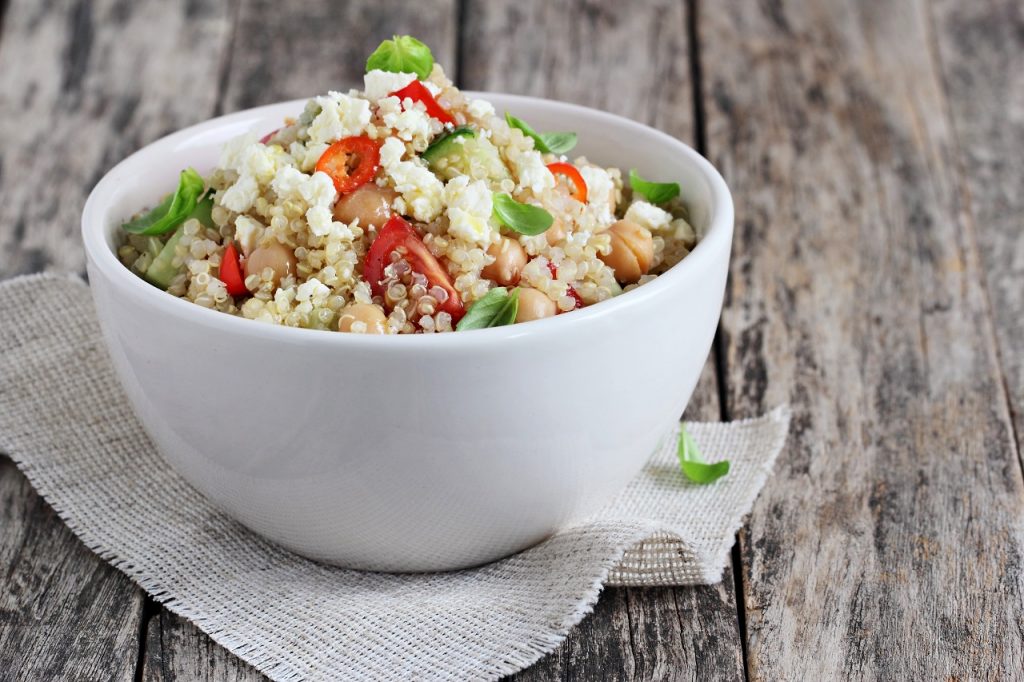
Healthy Eating: The Power-Packed Quinoa Chickpea Salad

quinoa chickpea saladThe Big Question: Have you ever eaten a salad for lunch, only to feel hungry again a couple of hours later?

Not all salads are created equal. While bowls filled with leafy greens and vegetables are rich in vitamins and minerals, they may not always provide enough protein, fibre and complex carbohydrates to keep you satisfied for long.

The key to a truly nourishing salad is balance. This Quinoa Chickpea Salad combines whole grains, legumes and colourful vegetables to create a wholesome meal that’s rich in plant-based protein, dietary fibre and essential nutrients. Whether you’re looking for a healthy lunch, a post-workout meal or a quick dinner, this recipe delivers sustained energy without feeling heavy.

Why This Salad Works

A balanced meal should nourish your body, keep you satisfied and provide steady energy throughout the day. This recipe combines ingredients that complement each other nutritionally.

Ingredient Nutritional Benefit
Quinoa Provides complex carbohydrates, fibre and all nine essential amino acids.
Chickpeas Rich in plant protein, fibre and iron.
Fresh Vegetables    Add vitamins, minerals, antioxidants and crunch.
Lemon Juice Adds freshness and may help improve iron absorption from plant foods.
Ghee or Olive Oil Provides healthy fats that support the absorption of fat-soluble vitamins.

The combination of protein, fibre and healthy fats helps slow digestion, supporting satiety and more stable energy levels.

Why You’ll Love This Recipe

  • Rich in plant-based protein
  • High in dietary fibre
  • Naturally gluten-free (when prepared with certified gluten-free quinoa)
  • Meal-prep friendly
  • Colourful, fresh and satisfying
  • Ready in around 30 minutes

Recipe Overview

Category Details
Preparation Time    15 minutes
Cooking Time 15 minutes
Total Time 30 minutes
Serves 2
Difficulty Level Easy

Ingredients

Ingredient Quantity
Quinoa ⅓ cup
Chickpeas (Kabuli Chana) ½ cup (boiled)
Garlic 1 tsp (finely chopped)
Capsicum ¼ cup (finely chopped)
Onion ¼ cup (finely chopped)
Cucumber 1 medium (diced)
Tomato 1 medium (diced)
Green chilli 1 tsp (finely chopped, optional)
Fresh coriander 4 tbsp (chopped)
Ghee (or Extra Virgin Olive Oil) 1 tsp
Cumin seeds ¼ tsp
Turmeric powder ¼ tsp
Asafoetida (Hing) A pinch
Water ½ cup
Lemon juice 1 tsp
Salt To taste

How to Prepare

  1. Prepare the Quinoa: Rinse the quinoa thoroughly under running water to remove its natural coating (called saponin), which can leave a slightly bitter taste. Soak it for 30–60 minutes before cooking.
  2. Temper the Spices: Heat the ghee (or olive oil) in a deep pan. Add cumin seeds. Once they begin to crackle, add hing and chopped garlic. Sauté for about 30 seconds until fragrant.
  3. Cook the Quinoa: Add water and bring it to a boil. Stir in the salt, turmeric, and quinoa. Cover and cook over medium-low heat for about 10–12 minutes until the water is absorbed and the grains become fluffy. Allow it to cool.
  4. Assemble the Salad: In a large bowl, combine the cooked quinoa, boiled chickpeas, onion, capsicum, cucumber, tomato, green chilli, and fresh coriander. Add lemon juice and gently toss until everything is evenly mixed. Serve immediately.

Approximate Nutrition (Per Serving)

Nutrient Approximate Amount
Calories 300 kcal
Protein 12 g
Carbohydrates 40 g
Dietary Fibre 10 g
Fat 9 g

Values are approximate and may vary depending on ingredient brands and serving sizes.

Make It Your Own

This salad is easy to customise. Try adding:

  • Grilled paneer for extra protein
  • Tofu for a vegan version
  • Avocado for healthy fats
  • Pumpkin or sunflower seeds for crunch
  • Baby spinach or rocket leaves
  • Roasted sweet potato
  • Pomegranate seeds for natural sweetness

Meal Prep & Storage Tips

This salad is ideal for meal prep:

  • Store in an airtight container in the refrigerator for up to 2 days.
  • Keep the lemon juice separate if preparing ahead to maintain freshness.
  • Allow refrigerated quinoa to return to room temperature before serving for the best texture.

Pro Tips

  • Rinse the Quinoa Well: Removing saponins helps eliminate bitterness.
  • Use Leftover Chickpeas: Cooking chickpeas in batches makes weekday meal preparation much faster.
  • Add Fresh Herbs Just Before Serving: Fresh coriander and lemon juice brighten the flavours and maintain freshness.
  • Don’t Overcook the Quinoa: Perfectly cooked quinoa should be fluffy rather than mushy.

Who Can Enjoy This Salad?

This recipe is suitable for:

  • Busy professionals
  • Students
  • Fitness enthusiasts
  • Vegetarians
  • People looking to increase fibre intake
  • Meal-prep lovers

Individuals with kidney disease or specific dietary restrictions should consult their healthcare provider or dietitian regarding portion sizes and protein intake.

Healthy eating doesn’t have to be complicated. A balanced salad should leave you feeling nourished, satisfied and energised—not searching for snacks an hour later.

By combining quinoa, chickpeas and fresh vegetables, this recipe provides a wholesome mix of plant-based protein, dietary fibre and complex carbohydrates that can support sustained energy and overall wellbeing. Simple ingredients, prepared thoughtfully, can transform an ordinary salad into a complete meal.

Pro Tip: Looking for personalised nutrition guidance? Track your meals, water intake and daily habits on the GOQii App. Your GOQii Personalised Health Coach can recommend meal plans based on your health goals, activity levels and dietary preferences. Explore even more healthy recipes and practical nutrition tips—all in one place.

Frequently Asked Questions (FAQs)

  1. Is quinoa healthier than rice?

Both can be part of a healthy diet. Quinoa contains more protein and fibre than white rice, making it a nutrient-dense option for many meals.

  1. Can I make this salad ahead of time?

Yes. Store it in an airtight container in the refrigerator for up to two days. Add lemon juice just before serving for the freshest flavour.

  1. Is this recipe suitable for weight management?

This salad is rich in protein and fibre, which may help improve satiety as part of a balanced eating pattern. Weight management depends on your overall diet, physical activity and lifestyle.

  1. Can I add other vegetables?

Absolutely. Carrots, spinach, roasted sweet potato, avocado, beetroot and broccoli all work well in this recipe.

#BeTheForce 

Disclaimer: This recipe is intended for educational purposes only and should not be considered personalised nutrition advice. Nutritional requirements vary from person to person. Consult a qualified healthcare professional or registered dietitian for dietary guidance tailored to your individual health needs.

July 10, 2026 By Luke Coutinho 8 Comments

Heal Naturally From Monsoon Illnesses: A Scientific Guide to Seasonal Recovery

heal naturally The Big Question: Why does a sudden change in seasonal weather trigger a wave of respiratory virals, and how can we use our body’s built-in immune mechanics to heal rapidly without over-relying on antibiotics?
With the monsoons here in full swing, most of us worry about catching an infection. As the weather shifts, atmospheric humidity spikes, creating an ideal environment for airborne viruses to stabilize and replicate. The resulting wave of colds, fevers, virals, and sore throats becomes widespread.

A strong, highly responsive immune system is your primary defense line, allowing you to recover quickly and often without the need for heavy suppressive medications. The lower your baseline immunity, the longer the internal healing process stalls, frequently forcing you to resort to antibiotics for secondary bacterial infections. Understanding how to support your biology naturally can accelerate your recovery and strengthen your long-term immune resilience.

The Biology of Seasonal Sickness and Healing

When an airborne viral pathogen enters your respiratory tract, your immune system initiates a highly coordinated defense response. Your body deliberately elevates its core temperature—resulting in a fever—to create an environment where viruses cannot easily replicate, while simultaneously ramping up the production of white blood cells.

During this active immune phase, your body undergoes an acute shift in energy allocation. If you work with these natural defense mechanisms rather than suppressing them immediately with over-the-counter medications, your body can clear the infection cleanly and build robust, long-term immune memory.

6 Proactive Natural Remedies to Accelerate Recovery

  1. The Anti-Inflammatory Phytonutrient Concoction

Nature provides incredibly powerful antiviral and antibacterial compounds within common spices. When compiled correctly, these bio-active ingredients work together to soothe irritated mucous membranes, thin out thick mucus, and block viral replication pathways.

  • The Pathogen-Defense Pathway: Spiced Concoction ⇒ Suppresses Viral Pathogens ⇒ Thins Stubborn Mucus ⇒ Soothes Irritated Respiratory Tract.
  • The Healing-Energy Pathway: Mindful Appetite Rest ⇒ Lowers Digestive Demands ⇒ Redirects Cellular Energy ⇒ Accelerates Immune Recovery.
  • The Herbal Recipe: Take a 1-inch piece of fresh mashed ginger, 1 crushed garlic clove, 3 whole black peppercorns, 2 cloves, 2 cardamoms, and a small cinnamon stick. Boil these ingredients in filtered water until the liquid reduces to half. Strain the mixture into a cup and stir in a teaspoon of raw organic honey once it cools slightly. Drink this warm concoction two to three times a day during acute symptoms.
  1. Respect Your Body’s Natural Fasting Signals

When you fall sick, you will often notice a sudden, sharp decline in your appetite. This is a deliberate, protective biological response. Digesting complex, solid food requires an immense amount of cellular energy.

By naturally lowering your appetite, your brain’s hypothalamus redirects that vital energy away from your digestive tract and routes it entirely toward your immune system to repair cells and fight off pathogens. Listen to your body: avoid forcing heavy meals if you do not feel hungry, and wait until your appetite naturally begins to return.

  1. Maintain Core Body Temperature and Block Thermal Shocks

Vascular constriction occurs when your skin is exposed to sudden cold drops or damp drafts, which can reduce the circulation of protective white blood cells to your upper respiratory tract.

  • The Healthier Habit: Keep your body consistently warm by wearing dry clothing and putting on cotton socks, even while resting in bed. When stepping out into the damp evening air, ensure your head and chest are well covered to prevent sudden changes in body temperature from chilling your airways.
  1. Continuous Warm Hydration

Sipping on hot liquids throughout the day serves as a highly effective mechanical therapy for a congested respiratory system. Warm fluids—whether plain boiled water, herbal teas, or clear vegetable broths—help thin out stubborn mucus blockages, keep your throat tissues hydrated, and flush cellular waste smoothly out of your system.

  1. Maximize Deep Oxygenation Through Breathwork

Most seasonal viruses and anaerobic germs thrive in stagnant, low-oxygen cellular environments. Deep, deliberate diaphragmatic breathing is an excellent natural way to alter your internal chemistry.

By consciously expanding your lung capacity through structured deep breathing exercises multiple times a day, you significantly increase oxygen delivery to your cells, creating an unfavorable environment for multiplying germs.

  1. Protect Absolute Physical Rest

Deep, uninterrupted rest is the ultimate natural cure. When your body is completely at rest, your system can optimize its production of cytokines—specialized signaling proteins that target and destroy viral infections. True cellular healing cannot occur if you try to push through seasonal exhaustion. Honor your body’s call to slow down and sleep.

The Seasonal Illness Recovery Matrix

Active Symptom Profile The Subconscious Lifestyle Mistake The Targeted Natural Alternative
Acute Sore Throat & Congestion Drinking iced water; ignoring environmental drafts. Phytonutrient Decoction: Warm ginger, garlic, and peppercorn infusion to clear pathways.
Loss of Appetite & Nausea Forcing heavy, calorie-dense meals during a fever. Mindful Fasting: Rest the digestive tract; prioritize warm broths until hunger returns.
Chills & Body Aches Staying in damp clothes; exposing extremities to cold. Thermal Protection: Wear warm socks and keep your head covered during damp evenings.

Sickness as an Immune Reboot

It can actually be beneficial to experience a mild seasonal illness once in a while. A minor viral challenge serves as a necessary workout for your immune system. It prompts your bone marrow to replenish its supply of red and white blood cells, updates your antibody library, and sharpens your overall immune response.

Stay positive, keep your spirits high, and trust that your body is executing the exact internal protocols it needs to recover and grow stronger.

True wellness is built by listening to and supporting your body’s natural healing design, rather than forcing it to adapt to a hectic schedule. Seasonal monsoon illnesses are highly treatable when approached with patience, thermal care, targeted botanical infusions, and deep physical rest. By avoiding the immediate use of unprescribed antibiotics and allowing your immune system to do its job naturally, you build a foundation of true, lasting health. Protect your body, rest deeply, and let your natural defenses thrive!

Pro Tip: Navigating seasonal recovery is much easier when you can track your health parameters in real-time. Use the GOQii App to log your symptoms, monitor your daily water intake, and track your restorative sleep cycles. You can seamlessly share this health profile with your GOQii Personalised Health Coach to receive customized lifestyle guidance, recovery meal plans, and immune-support protocols tailored perfectly to your unique body composition!

Frequently Asked Questions (FAQs)

  1. Why does my appetite naturally drop when I catch a monsoon viral fever?

Your appetite decreases during a viral infection because your immune system releases inflammatory signaling proteins called cytokines. These proteins signal your brain to downregulate hunger, shifting your body’s energy consumption away from the energy-heavy process of digestion and redirecting it entirely toward fighting off the virus.

  1. How do the ingredients in the ginger-garlic concoction help treat a sore throat?

Ginger contains gingerol, a powerful compound that reduces tissue inflammation and eases throat pain, while garlic contains allicin, a potent antimicrobial that helps fight respiratory pathogens. Together with the warming effects of black pepper and cloves, this infusion helps break down thick mucus, increases local blood circulation, and forms a protective soothe over irritated airways.

  1. Is it safe to take antibiotics immediately when a monsoon cold or fever starts?

No, taking antibiotics at the immediate onset of a cold or flu is ineffective and can be counterproductive. Colds, flu, and typical monsoon fevers are caused by viral pathogens, and antibiotics are designed to target bacteria exclusively. Misusing antibiotics kills off your beneficial gut microbes—which make up 70% of your immune system—and can contribute to global antibiotic resistance.

  1. Why is keeping my feet warm with socks emphasized during a viral recovery?

Keeping your feet warm helps maintain your core body temperature and prevents sudden, reflexive blood vessel constriction in your upper respiratory tract. Protecting your body from temperature drops ensures that your blood circulation remains active, allowing white blood cells to travel efficiently to your respiratory tissues to fight the infection.

#BeTheForce

Disclaimer: This article is intended for educational and informational purposes only. It is not intended to replace professional medical advice, clinical diagnosis, or personalized treatment plans. Always consult a qualified healthcare provider immediately if your fever remains exceptionally high, if symptoms worsen after 5 days, or if you experience severe difficulty breathing.

July 7, 2026 By GOQii Leave a Comment

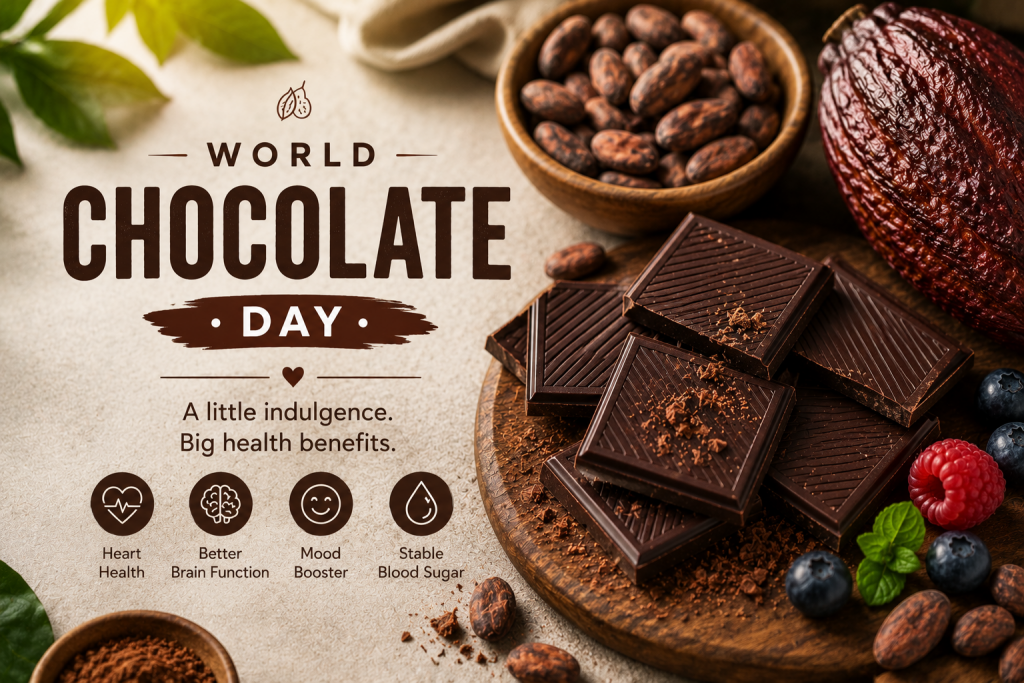
World Chocolate Day: Dark Chocolate Benefits & Why It’s the Healthier Choice

The Big Question: Can one of the world’s most beloved indulgence habits actually be transformed into a powerful tool for cardiovascular, cognitive, and metabolic protection?


Chocolate is one of the world’s most loved treats. Whether it’s a small post-meal indulgence or a festive gift, it’s hard to resist its rich flavor and comforting appeal. But did you know that not all chocolate is created equal? While chocolates loaded with sugar and unhealthy fats should be enjoyed occasionally, high-quality dark chocolate—made with a high percentage of cocoa—offers several health benefits when eaten in moderation.

This World Chocolate Day, celebrate mindfully by learning why dark chocolate can be a smarter choice for your heart, brain, and overall well-being.

What Makes Dark Chocolate Different?

The biggest difference between dark chocolate and regular milk chocolate lies in its core cocoa content. Dark chocolate typically contains 70% or more cocoa solids, making it exceptionally rich in naturally occurring plant compounds called flavanols. These unique antioxidants help protect your cells from oxidative stress and support several important vascular and neurological functions in the body.

  • The Mindful Cacao Loop: ≥ 70% Dark Cacao ⇒ Stimulates Nitric Oxide Production ⇒ Dilates Arteries ⇒ Lowers Blood Pressure naturally.
  • The Destructive Sugar Loop: Refined Sugar Confection ⇒ Spikes Insulin Levels ⇒ Elevates Cortisol Release ⇒ Promotes Visceral Fat Storage.

Milk chocolate, on the other hand, usually contains very low amounts of cocoa and is diluted with high levels of refined sugar, milk solids, and added processed fats. This combination significantly reduces or eliminates many of the structural health benefits found in raw cocoa. The higher the cocoa percentage, the lower the added sugar, and the greater the potential health benefits.

4 Main Health Benefits of Dark Chocolate

  1. Supports Heart Health and Circulation

Dark chocolate is rich in flavanols that help support healthy blood circulation by encouraging blood vessels to relax. Research suggests that regularly consuming small amounts of flavanol-rich dark chocolate as part of a balanced diet can help maintain healthy blood pressure and support general cardiovascular health.

Additionally, these active antioxidants help protect LDL (“bad”) cholesterol from oxidation—a primary chemical factor linked to arterial plaque formation and heart disease.

  1. Improves Blood Flow and Brain Function

Your brain depends on a steady, high-volume supply of oxygen and nutrients to perform at its best. Clinical studies suggest that the flavanols found in cocoa improve blood flow directly to the brain, which supports memory, focus, and overall mental performance.

Dark chocolate also contains small amounts of natural stimulants like caffeine and theobromine. Theobromine acts as a gentle stimulant that expands blood vessels rather than constricting them, providing a smooth, lasting boost in daytime alertness without the sudden jitters or intense energy crashes associated with strong coffee.

  1. Can Help Boost Your Mood Naturally

Ever wondered why a square of chocolate provides instant comfort during a stressful day? Dark chocolate contains naturally occurring compounds that stimulate the release of feel-good neurotransmitters in the brain, including endorphins (the body’s natural pain relievers).

It also serves as an excellent source of magnesium, an essential mineral that regulates normal nerve function, balances cortisol production, and supports muscle relaxation, creating a deeply satisfying and mindful eating experience.

  1. Supports Healthy Blood Sugar and Weight Management

Although chocolate is traditionally associated with weight gain, high-cocoa dark chocolate is vastly different from sugary confectionery items. Because it contains minimal sugar and a surprisingly high amount of dietary fiber, a small serving is highly satiating.

The natural polyphenols in dark cacao help enhance insulin sensitivity, allowing your cells to clear glucose efficiently out of your bloodstream. When enjoyed as part of a balanced lifestyle, dark chocolate satisfies sweet cravings very quickly, preventing the impulsive overeating triggered by blood sugar crashes.

The Cacao vs. Confection Metabolic Matrix

Chocolate Variant Type    Core Cacao Percentage    Primary Endocrine Focus            Long-Term Health Outcome
High-Quality Dark 70% to 90% Cacao Stimulates nitric oxide; enhances cellular insulin sensitivity. Lowers arterial blood pressure and supports cognitive function.
Standard Milk 10% to 30% Cacao Causes steep blood glucose spikes; promotes insulin resistance. Accelerates visceral fat storage and triggers systemic inflammation.
Commercial White 0% Cacao Solids Delivers empty calories from refined sugar and industrial fats. Stalls weight loss efforts and increases tooth decay risks.

How Much Dark Chocolate Is Healthy?

When it comes to dark chocolate, more is not automatically better. For most healthy adults, a daily portion of 20–30 grams (around 2–3 small squares) is the ideal therapeutic dose to enjoy as part of a balanced diet.

When reviewing options, select chocolate bars that feature:

  • At least 70% cocoa solids or higher.
  • Cacao, cocoa mass, or cocoa liquor listed as the very first ingredient on the label.
  • Minimal added sugars and no artificial preservatives or industrial trans-fats.

Simple and Healthy Ways to Use Dark Chocolate

You do not have to eat dark chocolate exclusively on its own. Boost its fiber and protein content by pairing a melted or grated square with these nutritious whole foods:

  • Shaved over high-fiber overnight oats or healthy millets.
  • Swirled into a bowl of probiotic-rich Greek yogurt or fresh curd.
  • Paired with a handful of raw almonds or walnuts for an anti-inflammatory snack.
  • Dipped alongside fresh, antioxidant-dense berries or banana slices.
  • Blended smoothly into your home-cooked breakfast smoothies or chia puddings.

Who Should Limit Chocolate Consumption?

While dark chocolate is safe and health-promoting for the vast majority of people, certain individuals should modify or limit their intake:

  • Migraine Sufferers: Chocolate contains tyramine and beta-phenylethylamine, which can serve as a trigger for specific individual migraines.
  • GERD / Severe Acid Reflux: Cacao can relax the lower esophageal sphincter, potentially worsening nighttime acid reflux symptoms.
  • Caffeine Sensitivity: Those with extreme sensitivities to stimulant compounds should monitor their evening intake to protect their sleep cycles.

Chocolate does not have to be off-limits to live a vibrant, healthy lifestyle. Choosing a small portion of high-quality dark chocolate instead of highly processed sugary treats allows you to enjoy a delicious indulgence while benefiting from naturally occurring antioxidants, magnesium, and active plant flavanols. This World Chocolate Day, celebrate mindfully. Savor every bite, choose quality over quantity, and remember that healthy eating is about smart balance—not total deprivation!

Pro Tip: Successfully incorporating mindfully portioned treats into your health routine is easy when you track your daily choices. Use the GOQii App to log your meals, balance your macronutrient distributions, and monitor your physical activity. You can share this baseline health overview with your GOQii Personalised Health Coach to design a customized lifestyle plan that satisfies your cravings while keeping you cleanly on the path toward your weight loss and longevity goals!

Frequently Asked Questions (FAQs)

  1. Is dark chocolate genuinely healthier than standard milk chocolate?

Yes, absolutely. Dark chocolate contains a much higher percentage of raw cocoa solids, meaning it delivers a dense volume of health-boosting flavanols and magnesium with very little sugar. Milk chocolate is largely made of refined sugars, milk powders, and processed fats, which cause rapid insulin spikes and lack the beneficial plant compounds.

  1. How much dark chocolate can I safely consume on a daily basis?

A serving of 20–30 grams (roughly 2–3 small squares) is generally considered the optimal moderate portion for most healthy adults. Since chocolate is structurally calorie-dense due to its natural cocoa butter fats, keeping your portion controlled allows you to gain the antioxidant benefits without creating a caloric surplus.

  1. What specific percentage of cocoa should I look for on the ingredient label?

Always look for dark chocolate with 70% cocoa or higher. Choosing bars in the 70% to 85% range ensures that you maximize the active plant polyphenols and cardiovascular benefits while keeping the added refined sugar content to an absolute minimum.

  1. Can dark chocolate actively help improve my heart health?

Yes. Clinical evidence indicates that the abundant flavanols in dark chocolate support healthy blood circulation by encouraging the endothelial lining of your blood vessels to relax and dilate. When consumed in moderation as part of an active lifestyle, it helps maintain healthy blood pressure and protects circulating cholesterol from inflammatory oxidation.

#BeTheForce

Disclaimer: This article is intended for educational and informational purposes only. It is not intended to replace professional medical advice, clinical diagnosis, or personalized dietary treatment. Always consult your primary care physician or a registered dietitian before making alterations to your regular nutrition plan, especially if you manage an underlying gastrointestinal issue, severe migraines, or chronic metabolic disorders.

  • « Previous Page
  • 1
  • …
  • 8
  • 9
  • 10
  • 11
  • 12
  • …
  • 149
  • Next Page »

Search

Recent Posts

  • 7 Reasons Why Pulses Are Good For You!
  • How Exercise Impacts Mental Health
  • Dussehra 2026: 10 Unhealthy Habits to Leave Behind
  • 5-Minute Healthy Snacks for Work & Home
  • Meal Prepping for Work: Healthy Lunch Ideas That Keep You Energised

Stay Updated

Archives

  • October 2026 (15)
  • September 2026 (5)
  • August 2026 (8)
  • July 2026 (25)
  • June 2026 (22)
  • May 2026 (20)
  • April 2026 (24)
  • March 2026 (18)
  • February 2026 (14)
  • January 2026 (14)
  • December 2025 (19)
  • November 2025 (15)
  • October 2025 (20)
  • September 2025 (6)
  • August 2025 (5)
  • July 2025 (9)
  • June 2025 (18)
  • May 2025 (16)
  • April 2025 (22)
  • March 2025 (25)
  • February 2025 (21)
  • January 2025 (25)
  • December 2024 (22)
  • November 2024 (22)
  • October 2024 (15)
  • September 2024 (22)
  • August 2024 (27)
  • July 2024 (15)
  • June 2024 (23)
  • May 2024 (26)
  • April 2024 (27)
  • March 2024 (27)
  • February 2024 (23)
  • January 2024 (21)
  • December 2023 (14)
  • November 2023 (10)
  • October 2023 (18)
  • September 2023 (20)
  • August 2023 (16)
  • July 2023 (16)
  • June 2023 (21)
  • May 2023 (20)
  • April 2023 (19)
  • March 2023 (23)
  • February 2023 (19)
  • January 2023 (15)
  • December 2022 (11)
  • November 2022 (15)
  • October 2022 (15)
  • September 2022 (12)
  • August 2022 (9)
  • July 2022 (17)
  • June 2022 (11)
  • May 2022 (10)
  • April 2022 (6)
  • March 2022 (6)
  • February 2022 (13)
  • January 2022 (11)
  • December 2021 (7)
  • November 2021 (3)
  • October 2021 (6)
  • September 2021 (3)
  • August 2021 (8)
  • July 2021 (7)
  • June 2021 (15)
  • May 2021 (16)
  • April 2021 (10)
  • March 2021 (7)
  • February 2021 (4)
  • January 2021 (4)
  • December 2020 (3)
  • November 2020 (4)
  • October 2020 (10)
  • September 2020 (3)
  • August 2020 (3)
  • July 2020 (2)
  • June 2020 (4)
  • May 2020 (10)
  • April 2020 (12)
  • March 2020 (10)
  • February 2020 (4)
  • January 2020 (4)
  • December 2019 (3)
  • November 2019 (7)
  • October 2019 (5)
  • September 2019 (4)
  • August 2019 (9)
  • July 2019 (9)
  • June 2019 (11)
  • May 2019 (4)
  • April 2019 (8)
  • March 2019 (8)
  • February 2019 (9)
  • January 2019 (8)
  • December 2018 (9)
  • November 2018 (3)
  • October 2018 (3)
  • September 2018 (5)
  • August 2018 (10)
  • July 2018 (6)
  • June 2018 (13)
  • May 2018 (8)
  • April 2018 (17)
  • March 2018 (9)
  • February 2018 (8)
  • January 2018 (15)
  • December 2017 (12)
  • November 2017 (19)
  • October 2017 (13)
  • September 2017 (15)
  • August 2017 (4)
  • July 2017 (8)
  • June 2017 (7)
  • May 2017 (6)
  • April 2017 (8)
  • March 2017 (6)
  • February 2017 (7)
  • January 2017 (9)
  • December 2016 (10)
  • November 2016 (7)
  • October 2016 (7)
  • September 2016 (7)
  • August 2016 (11)
  • July 2016 (9)
  • June 2016 (9)
  • May 2016 (12)
  • April 2016 (17)
  • March 2016 (17)
  • February 2016 (8)
  • January 2016 (6)
  • December 2015 (2)
  • November 2015 (9)
  • October 2015 (7)
  • September 2015 (9)
  • August 2015 (11)
  • July 2015 (9)
  • June 2015 (11)
  • May 2015 (9)
  • April 2015 (13)
  • March 2015 (8)
  • February 2015 (5)
  • January 2015 (12)
  • December 2014 (14)
  • November 2014 (11)
  • October 2014 (6)
  • September 2014 (13)
  • August 2014 (12)
  • July 2014 (6)
  • June 2014 (2)
  • May 2014 (7)
  • April 2014 (4)

From Burnout to Balance: How Dr. Ranjit Reclaimed His Health

Dr Ranjit Bhatt has spent years tending to others. A practising doctor in Odisha, his days were packed with patients, surgeries, and emergencies. From the outside, it looked like a life lived in service. But on the inside, something wasn’t right. “I had no … [Read More...]

From Shimla’s Slopes to Chandigarh’s Sidewalks: Surinder Kaur Bhalla’s Journey from Chaos to Control

Some journeys start with a plan. Others begin with a stumble literally. Surinder Bhalla, a government professional, born and raised in the scenic hill town of Shimla, had always lived a life of movement. “In Shimla, you walked everywhere,” she reflects. “Walking was never an exercise. It was just life.” But after shifting to Chandigarh, […]

“I’ve Challenged Myself to Live 100 Years” – The Story of Chandubhai Savani’s Second Chance at Life

At 67, most people start slowing down. Not Chandubhai Savani. A resident of Surat, Chandubhai, thought life was on track. “My life was going well till I had my bypass surgery,” he says. That surgery, back in 2021, was a wake-up call.  Medication was routine, but exercise wasn’t. His diet? What he calls ‘normal.’ “I […]

Ananda Mukherjee Health Story

From Terminal Illness To Complete Wellness! Ananda Mukherjee Health Story

As we observe World Cancer Day under the powerful theme ‘United by Unique’ (2025-2027)**, we are reminded that every individual’s journey with cancer is distinct, yet united by shared resilience, hope, and the collective fight against this disease. This theme places people at the centre of care and their stories at the heart of the […]

  • HOME
  • HEALTHY LIVING
  • FITNESS
  • HEALTHY RECIPES
  • USER STORIES
  • KARMA
  • BUY GOQii

Copyright ©2016 GOQii

