GOQii

Blog

  • HOME
  • HEALTHY LIVING
  • FITNESS
  • HEALTHY RECIPES
  • USER STORIES
  • KARMA
  • BUY GOQii

Search Results for: portion control

November 14, 2024 By Jigna Sheth 13 Comments

Manage Diabetes With These Lifestyle and Nutritional Tips

By this point, we are all well aware of the silent killer known as Diabetes. It is the leading cause of blindness, kidney failure, neurological and cardiovascular disorders. Diabetes Mellitus is a condition in which our body’s ability to utilize glucose from the blood lowers down. It is a disorder of carbohydrate metabolism characterized by impaired ability of the body to produce or respond to insulin. Glucose is the main source of energy to the body’s cells and insulin is a hormone (which is produced by pancreas) that controls the level of glucose in the blood.

Types of Diabetes

  1. Type 1 Diabetes referred to as Insulin Dependent Diabetes Mellitus, is a condition in which the pancreas produce little or no insulin. Such individuals require daily insulin injections. This type of diabetes generally affects children or adolescents.
  2. Type 2 Diabetes referred to as Non-Insulin Dependent Diabetes Mellitus, is a condition in which the insulin production may be normal or even high but the insulin produced is not as effective as normal insulin. This type of diabetes generally affects overweight or obese adults.
  3. Gestational Diabetes develops during pregnancy and usually disappears after giving birth. Women with Gestational Diabetes are at a higher risk of developing Type 2 Diabetes later in life.

Factors Which Cause Diabetes

In order to manage Diabetes or eliminate it from our lives, we must understand the factors that cause it.

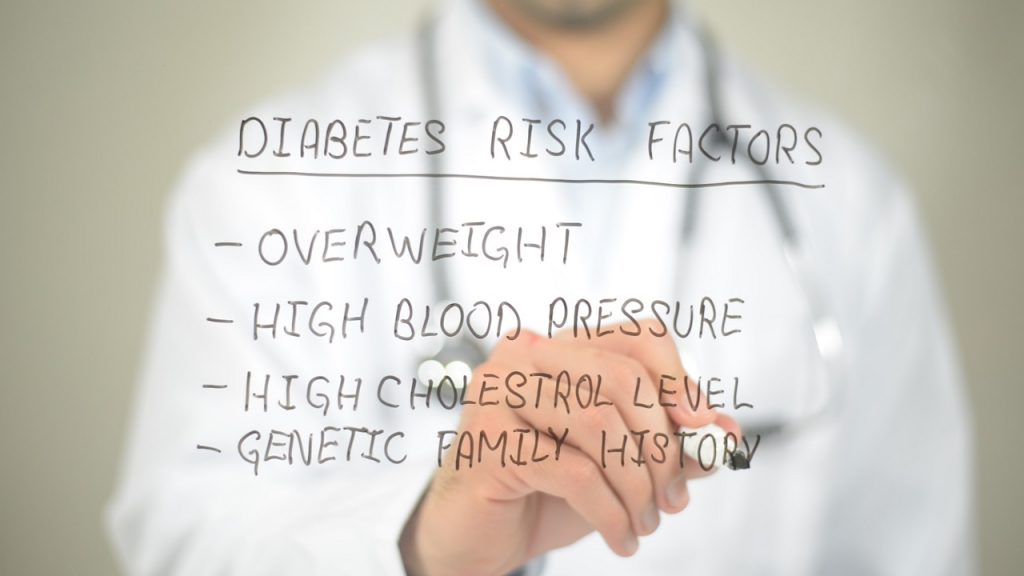
  • Obesity: Being overweight or obese has been identified as the number one risk factor for Diabetes. In fact, 80% of people diagnosed with Type 2 Diabetes are overweight.
  • Cigarette Smoking: Cigarette smoke elevates the level of inflammation in your body. This increases the risk of diabetes in smokers as opposed to non-smokers. Smoking can also elevate the level of blood glucose in your body and hence, worsen your insulin resistance.
  • Physical Inactivity: It can increase your risk of diabetes, even if you are not overweight or obese. On the other hand, in case you are overweight or obese – physical activity can help you reduce your risk of diabetes.

Tips to Manage Diabetes

  • Medication: The first line of action to treat Type 2 diabetes is anti-diabetic medications, and/or oral or IV insulin administration. Generally, insulin therapy is prescribed for type 1 diabetes. However, only medicines will not be able to control your diabetes. There are several other attached conditions, which we will discuss further.
  • Quality Sleep: Sleep is extremely important to effectively manage diabetes. Reduced sleep or insomnia can result in hormone fluctuations which in turn leads to a spike in the blood glucose levels, leading to weight gain.
  • Regular Examination: If possible, monitor blood glucose levels regularly in order to ensure that everything is under control. Medication, stress, physical activity, other illnesses and the foods we eat can all impact our blood glucose levels.
  • Stress Management: Physical or mental stress can aggravate diabetes. The degree at which stress impacts our blood glucose levels varies from one person to another. Studies show that almost all kinds of stress leads to a blood sugar spike.
  • Regular Exercise: It not only has a multifold impact on controlling and even reversing diabetes, but also helps in burning fat and maintaining an optimum weight. Practicing any kind of exercise for at least thirty minutes a day can improve insulin sensitivity, help in maintaining blood glucose levels and even diminish the risk of developing heart diseases. Brisk walking, running, cycling, dancing, swimming and biking are some of the recommended exercises that can elevate heart rate and control diabetes.
  • Quit Smoking: Smoking increases the risk of diabetes as it narrows blood vessels, raises blood glucose levels and leads to inflammations.

Nutritional Strategy to Manage Diabetes

Try these nutritional tips and strategies to manage Diabetes effectively

  • The distribution of carbohydrates, fats and protein in the diet should be such that it maintains blood glucose and reduces the risk of cardiovascular diseases
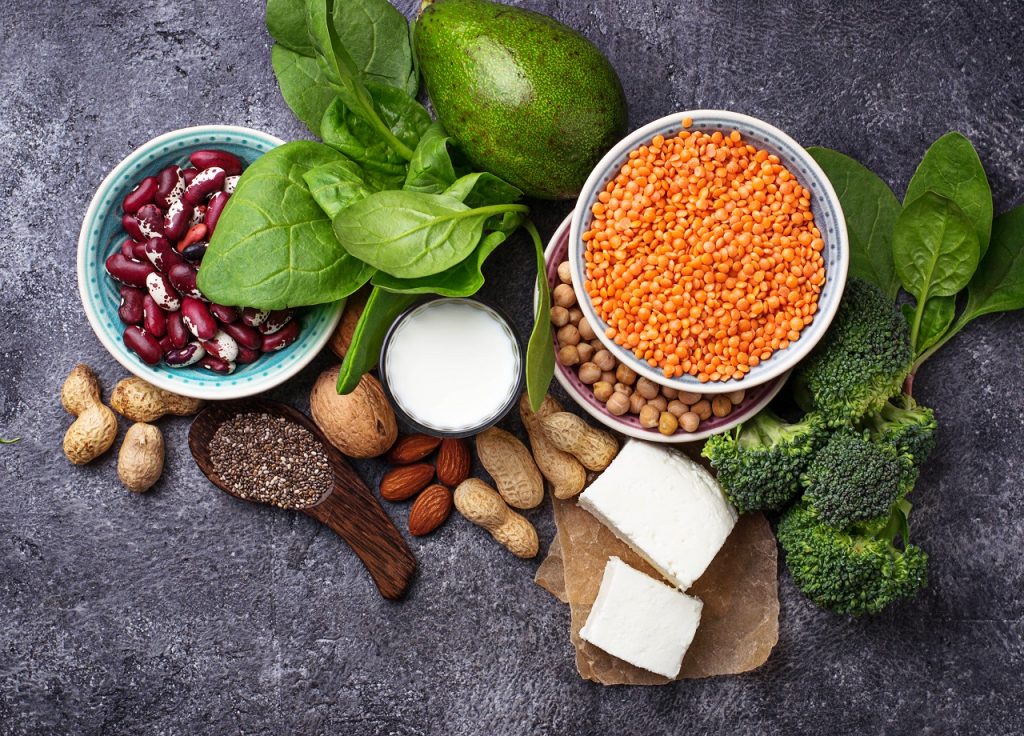
  • Replacing saturated fat with healthy fats such as avocados, nuts and olive oil can reduce insulin resistance and consume lean proteins.
  • Take small frequent meals at regular intervals. Avoid large jumbo-sized meals.
  • Keep a watch on portion size as having too much food can also lead to weight gain and related problems.
  • 1 tsp of overnight soaked Fenugreek seeds or Fenugreek powder should be consumed every day in the morning or can be added with food.
  • Consume more complex carbohydrates than simple sugars as they breakdown and release glucose slowly in the bloodstream.
  • Fiber rich food like whole fruits, whole cereals, whole pulses, salads, sprouts, and green leafy vegetables to be added to the daily diet. Be sure to pick whole fruits over juices.
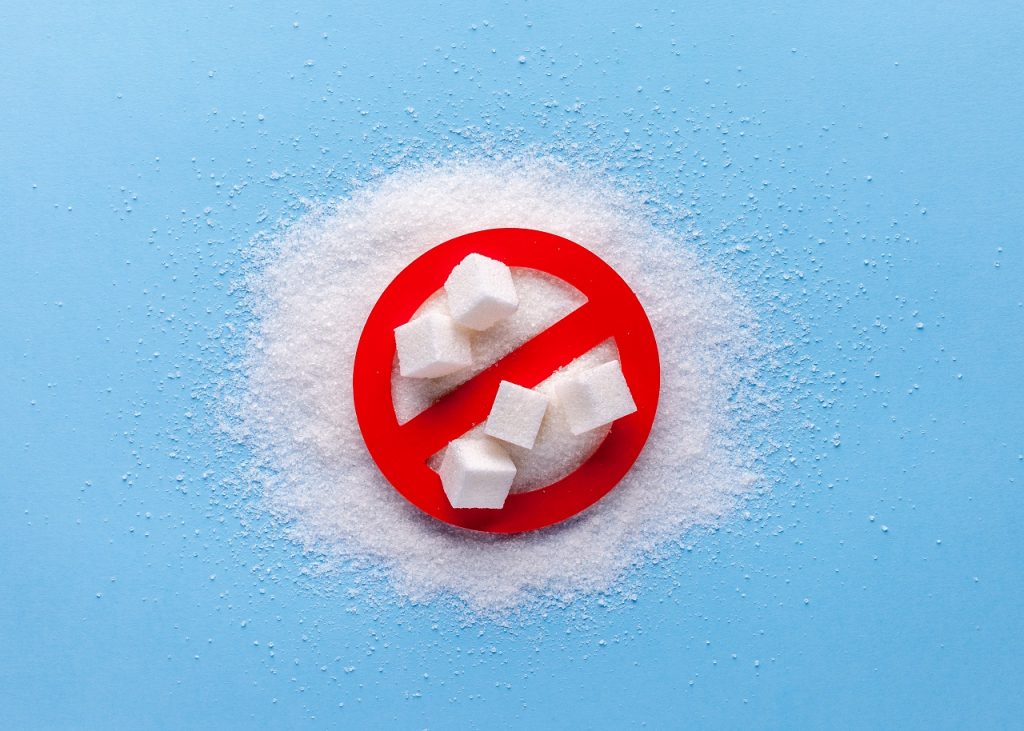
  • Avoid prepackaged, processed and sugar sweetened beverages completely.
  • Recent study shows consumption of Moringa Leaves, fruits, seeds or powder lowers Blood Sugar levels which in turn helps in reducing Cardiovascular Diseases. Roots of Moringa are to be avoided because of the toxic content.
  • Glycemic Index (GI) of foods is important in deciding whether to include them in the diet or not. Low GI foods are to be consumed to maintain blood glucose levels.

Food Selection As Per Glycemic Index

Food Groups Foods With Low GI

(Permitted in prescribed amount)

Foods With High GI

(To be restricted)

Cereals Whole wheat flour, wheat bran, Pearl Millet (bajra), Sorghum (jowar), oats, Finger Millet (ragi), Cracked Wheat (dalia), brown rice, barley, whole wheat pasta, multigrain & whole wheat bread. Polished rice, white bread, Sago, All purpose flour, noodles, pasta, corn flakes, puffed rice.
Pulses All pulses can be consumed moderately. –
Vegetables Green leafy vegetables, tomatoes, cucumber, radish, cauliflower, broccoli, cabbage, mushroom, onion, green beans, carrot, green peas, capsicum, gourds, etc. Potato, Beetroot, sweet potato, yam, pumpkin, colocasia (arbi).
Fruits Apple, guava, orange, sweet lime, peach, papaya, pineapple, pomegranate, muskmelon etc. Dates, watermelon, plum, grapes, banana, sapodilla, mango, custard apple, canned fruits.
Nuts & oil seeds All nuts & oil seeds can be consumed but in moderate proportion. –
Milk & milk products Skim milk, cow’s milk, curd, buttermilk. Buffalo milk, full fat milk, cheese, cream.
Fats & oils MUFA-PUFA-SFA in the ratio 1:1:1 to be consumed but not more than 4 tsp/day.

MUFA- groundnut, mustard, linseed, olive, rice bran oil

PUFA- sunflower, safflower, soyabean, corn oil

SFA- Clarified Butter (ghee), butter, coconut oil

Hydrogenated Vegetable Oil (Vanaspati), Margarine, Mayonnaise.
Sugars – Sugar, honey, jaggery, sugarcane.
Snacks & desserts Roasted bengal gram (chana), makhana, popcorn (low fat), American corn, air fry snacks, steamed snacks. Ice cream, cold drink, pastries, patties, waffles, doughnuts, potato wafers, muffins, all fried and baked items

Diabetes is a disease which can be controlled if we are fully aware of its complications and by following strict dietary and lifestyle protocol. Our priority should be to monitor blood glucose, blood pressure and cholesterol levels and ensure they are in control on a periodic basis to avoid complications in the future.

We hope this article helps you make a shift to a healthier lifestyle and manage diabetes effectively! Leave your thoughts in the comments below! For more articles on managing Diabetes, check out Healthy Reads.

For further guidance and motivation by certified experts, join the GOQii Diabetes Care program. It’s India’s only diabetes program that is driven by Smart Science and Personal Coaching to improve Fasting Blood Sugar (FBS), Postprandial Blood Sugar (PP), and reduce HbA1c levels. You can subscribe here.

#BeTheForce

October 18, 2024 By Navnee Garg 3 Comments

When Not Eating Becomes a Disease: What Anorexia Really Does to You or Someone You Love

Anorexia Nervosa

Following healthy habits is good. It’s always nice to have a plan for healthy eating and follow it steadily with discipline. But what happens when you overindulge in a dieting plan? As we all know, anything in excess is bad and the same goes for dieting or having an unhealthy obsession with losing weight which may make one do things that can cause more damage than good. Having said that, I’d like to highlight an eating disorder that I recently came across called Anorexia Nervosa.

What is Anorexia Nervosa?

Anorexia Nervosa is an eating disorder which is characterized by low body weight, fear of gaining weight, and a distorted perception of weight. This means that despite having normal body weight, these people feel that they are overweight, or even if they will eat a bite extra, they feel that they will suddenly gain weight. So they prefer being on a very low calorie diet, prefer restricted foods, focusing excessively on the portion they eat. They also try to control their weight by vomiting after eating, or misusing laxatives, diet aids, diuretics or even enemas. At times, they also try to lose weight by excessive exercising just post consuming meals.

Nervosa is not about calorie counting, it is more about one’s psychological aspect which can be extremely dangerous or even life threatening to try to cope up with emotional distress. Anorexic people often tend to equate thinness with self worth.

What Are The Symptoms?

The most evident physical symptom of Nervosa is Starvation, and let us not confuse it with conscious eating. Apart from it, it also includes some emotional and behavioural issues which include unrealistic perception of one’s own body in terms of being fat or fear of gaining weight.

It is difficult to notice the signs and symptoms among the people, but there are few alarming signs which can be noticed by near and dear ones like low body weight, or thin appearance, abnormal blood counts, fatigue, dizziness, and insomnia, thinning of hair, blue discoloration of fingers, irregular bowel movements, irregular heart rhythms, and dehydration.

Also some emotional and behavioural symptoms would include:

  • Skipping meals or refusing to eat
  • Making excuses like denial for hunger, or unwell
  • Avoiding to eat in public
  • Social withdrawal
  • Irritability and Insomnia

Diagnosis 

Though it is difficult to diagnose Anorexia Nervosa at an early stage, the American Psychiatric Association’s (APA’s) Diagnostic and Statistical Manual of Mental Disorders has set diagnosis criteria for people prone to being Anorexic.

  1. Restricted calorie intake as per the requirement of the body in terms of age, height, gender and physical health.
  2. Misconception of being overweight, despite being actually underweight.
  3. A full medical history can also help to reach the outcome

Treatment and Recovery

Treatment includes some medications, nutritional counseling, psychotherapy and family counseling as well which would depend on one’s level of being anorexic. Generally people refuse to accept that they fall in the category but a proper counseling session can help one recover soon.

There is no harm in Being Picky about putting food in your mouth, but this should be done in certain limits by working on calorie counting, or choosing the healthiest option and not in excessive fear to gain weight. The body needs fuel as well to work its system out. The correct way to lose weight is by eating healthy and exercising regularly, and not “DIETING”. Long term anorexia nervosa can lead to serious medical issues like low bone density, anemia, or some gastrointestinal issues as well.

So, if you feel any such symptoms, or you know someone prone to it, do share the article with them, and we at GOQii are always there to help you recover in whatever best way possible.

Did you find this article helpful? Do leave your thoughts and queries in the comments below and do share it on the GOQii Arena in the GOQii app with your friends! 

#BeTheForce 

Disclaimer: The information provided in this blog is for general awareness and educational purposes only. It is not intended to replace professional medical advice, diagnosis, or treatment. Always consult a qualified healthcare provider for personalised medical guidance or concerns related to your health.

August 25, 2024 By Neha Goyal 1 Comment

5 Healthy Recipes For Janmashtami

healthy janmashtami recipes Janmashtami marks the birth of Lord Krishna. It is celebrated all over India with vigor and zeal. Devotees of Lord Krishna observe a fast and offer Puja to the Lord. Most people observe a fast religiously without even drinking a single drop of water while others do the same with various considerations. So, here are a few Healthy Janmashtami Recipes for people who observe the Phalahar kind of fast, while keeping healthy eating in mind.

1. Sago Uttapam

Ingredients:

  • Soaked Sago (Sabudana) – ½ cup
  • Water Chestnut Flour (Singhara Atta) – ½ cup
  • Curd – ½ cup
  • Boiled Potato, Chopped Tomato – 1 each
  • Grated Carrot – ½ cup
  • Grated Paneer – ½ cup
  • 2 Green Chilies chopped
  • Ginger (grated) – ½ inch
  • Chopped Coriander Leaves
  • Ghee or Coconut Oil – 1 tbsp
  • Sea Salt to taste

Method:

  1. Grind sago, boiled potato & curd together in a blender.
  2. Mix Singhara Atta into this & make a smooth batter. You can mix water to adjust consistency of this batter. Let it rest for 15 minutes.
  3. Now add salt in the batter & heat a nonstick pan. Pour few drops of oil/ghee on pan & spread Uttapam batter in desired thickness.
  4. Sprinkle vegetables and grated paneer over Uttapam & let it cook from one side. After few minutes, flip it & let it cook from another side as well.
  5. Your healthy Uttapam is ready.

2. Creamy Coconut Chutney

Ingredients:

  • Fresh Grated Coconut – 1 cup
  • Roasted Peanuts – ¼ cup
  • Sea Salt to taste
  • 3-4 Green Chilies
  • Chopped Coriander Leaves – ¼ cup
  • Curry Leaves – 10 to 12
  • Hung Curd – 2 to 3 tbsp
  • Water as required

Method:

  1. Blend all the ingredients in a mixer until you get a smooth paste
  2. Add 2-3 tbsp of water at a time
  3. Your creamy coconut chutney is ready to have with the Uttapam

3. Fruity Delight

Ingredients:

  • Low Fat Hung Curd – 1 cup
  • Pomegranate Seeds – ½ cup
  • Fruits (Banana, Apple, Pear) – 1 of each
  • Pineapple – ½ cup
  • 10-12 Cashews
  • Cardamom Powder – ¼ tsp
  • Honey – 2 tbsp (optional)

Method:

  1. First chop banana, apple, pear & cashews & keep aside
  2. Whisk hung curd with cardamom powder & honey in a bowl
  3. Add all fruits & chopped cashews
  4. Keep in fridge for half an hour before serving

4. Carrot and Dates Kheer

Ingredients:

  • Skimmed Milk – 1 glass
  • 2-3 Dates (chopped)
  • 4-5 chopped Cashew
  • Grated Carrot – 2 tbsp
  • 1 pinch Cardamom Powder

Method:

  1. Boil milk in a deep pan & add dates & carrot
  2. In another pan dry roast cashews & keep aside
  3. Let the milk simmer at low flame till it reduces to half. Keep stirring in between
  4. Let it cool a little & then add cardamom powder & roasted cashew. Serve warm

5. Paneer Rolls

Ingredients:

  • 2 Boiled & Grated Potato
  • Grated Paneer – 2 cups
  • 1 Green Chili Chopped
  • Chopped Ginger – ½ tsp
  • Black Pepper Powder – ½ tsp
  • 7-8 Raisins Chopped
  • Cardamom Powder – ½ tsp
  • Chopped Coriander Leaves – 2 tbsp
  • Salt to taste
  • 2 tsp Ghee

Method:

  1. Take boiled potato & paneer in a bowl. Add green chili, ginger, black pepper powder, raisins, cardamom powder, coriander leaves & salt.
  2. Mix all ingredients well and make a dough.
  3. Make rolls of desired size out of dough & keep aside.
  4. Heat a nonstick pan & grease it with some ghee. Now place the rolls in pan & fry till they get golden brown.
  5. Keep turning them a little so they cook evenly. Serve hot.

Highlights of the Healthy Janmashtami Recipes

  • All the recipes have a good mix of carbohydrate, protein & healthy fats.
  • Fruits, dry fruits or veggies provides vitamins & minerals.
  • Preparing all these recipes this Janmashtami can make a complete thali with variety of flavors.

Do try these healthy recipes & enjoy a guilt free feast on Janmashtami in controlled portions. Do tell us which one you liked the most in the comments below! To get these Healthy Recipes directly from your GOQii Coach, subscribe to Personalised Health Coaching here.

#BeTheForce
August 17, 2024 By Trupti Hingad Leave a Comment

Sweet Corn: A perfect healthy snack

It’s the monsoon season, and one of the best snack during this time is roasted whole corn with a dash of lime, red chilli powder, and salt. For Mumbaikars, it’s a must have known as ‘Bhuta’.

Roasted corn is a healthier snack compared to fried fries, samosas or other unhealthy options typically chosen during the rainy season. So why is corn healthy? You will be surprised to know that this small kernel of corn is packed with nutrients and is a perfect snack to boost overall health.

Corn is rich in fibre and low in carbohydrates. A cup of sweet corn provides 3.5 grams of dietary fibre, keeping you full and aiding in with weight loss, making it a perfect mid-snack for weight watchers.

Yes! Even diabetics can enjoy it in controlled portions. Corn offers a source of complex carbs, providing your body with long-lasting fuel. Being a starchy food, corn’s carbs are broken down slowly, preventing sudden spikes or drops in blood sugar levels.

During monsoon, the digestive system tends to gets sluggish. The soluble fibre in corn keeps our gut healthy and helps prevent colon cancer too. Insoluble fibre prevents constipation and other intestinal problems by promoting soft and bulky stool that moves easily through the intestines.

Corn is a rich source of B complex vitamin, which increase mental ability and boosts memory. Its also a good source of Vitamin C, Niacin, Thiamine, Folate, and Potassium, which help prevent heart disease, hypertension, and lowers bad cholesterol.

corn1Colourful Corn Cob

This tiny food is loaded with Phytonutrients such as carotenoids, lutein and zeaxanthin, responsible for its bright yellow colour, which improves eye health. Corn is packed with minerals like phosphorous, magnesium, manganese, zinc, iron, copper, and the trace mineral selenium.

Corn has good protein content, containing all amino acid except lysine and isoleucine. Make a corn salad with tofu or cheese or add some nuts, eggs or lentils to make it a complete protein snack.

Corn is rich in antioxidants, phenolic compounds, and ferulic acid, which have the capability to fight tumours in the breast and liver.

corn bhel

Corn Bhel

If you suffer from celiac disease or are gluten intolerant, corn is a safe vegetable for you to eat. It is naturally gluten-free, making it a great substitute for other ingredients.

Besides enjoying corn on the cob, steamed or roasted, try corn bhel, corn pizza, corn patties, baked corn, corn biryani or corn frankies.

Too lazy or in hurry? Just toss steamed corn kernels in an olive oil-salt-pepper-herbs dressing and enjoy it as you watch the rain go pitter-patter on the windows.

Word of caution

Remember, while sweet corn is a healthy treat, corn slathered in butter and doused in salt is not a healthy option.

So go ahead and enjoy this guilt-free snack!

We hope this article helps you. Do you have a favorite way to enjoy sweet corn? Share it with us in the comments below! For more tips on healthy snacking and nutrition, speak to a certified expert by subscribing to GOQii’s Personalised Health Coaching here.

#BeTheForce 

  • « Previous Page
  • 1
  • …
  • 20
  • 21
  • 22
  • 23
  • 24
  • …
  • 32
  • Next Page »

Search

Recent Posts

  • India Leads in Longevity: GOQii Sanjeevini Named Top 40 in $101M XPRIZE
  • The Importance Of Knowing If You’re Thirsty Or Hungry
  • Best Foods To Alleviate Irritable Bowel Syndrome
  • ALL ABOUT VERTIGO!
  • PCOS and Anxiety: Discover Relief with the 54321 Technique

Stay Updated

Archives

  • December 2025 (8)
  • November 2025 (15)
  • October 2025 (20)
  • September 2025 (6)
  • August 2025 (6)
  • July 2025 (12)
  • June 2025 (18)
  • May 2025 (16)
  • April 2025 (23)
  • March 2025 (23)
  • February 2025 (22)
  • January 2025 (26)
  • December 2024 (26)
  • November 2024 (25)
  • October 2024 (22)
  • September 2024 (24)
  • August 2024 (31)
  • July 2024 (21)
  • June 2024 (26)
  • May 2024 (31)
  • April 2024 (27)
  • March 2024 (29)
  • February 2024 (26)
  • January 2024 (25)
  • December 2023 (15)
  • November 2023 (11)
  • October 2023 (20)
  • September 2023 (22)
  • August 2023 (20)
  • July 2023 (22)
  • June 2023 (24)
  • May 2023 (24)
  • April 2023 (24)
  • March 2023 (23)
  • February 2023 (20)
  • January 2023 (16)
  • December 2022 (12)
  • November 2022 (15)
  • October 2022 (15)
  • September 2022 (12)
  • August 2022 (10)
  • July 2022 (17)
  • June 2022 (11)
  • May 2022 (10)
  • April 2022 (6)
  • March 2022 (6)
  • February 2022 (13)
  • January 2022 (12)
  • December 2021 (7)
  • November 2021 (3)
  • October 2021 (6)
  • September 2021 (3)
  • August 2021 (8)
  • July 2021 (7)
  • June 2021 (15)
  • May 2021 (16)
  • April 2021 (10)
  • March 2021 (7)
  • February 2021 (4)
  • January 2021 (4)
  • December 2020 (3)
  • November 2020 (4)
  • October 2020 (10)
  • September 2020 (3)
  • August 2020 (3)
  • July 2020 (2)
  • June 2020 (4)
  • May 2020 (10)
  • April 2020 (12)
  • March 2020 (10)
  • February 2020 (4)
  • January 2020 (4)
  • December 2019 (3)
  • November 2019 (7)
  • October 2019 (5)
  • September 2019 (4)
  • August 2019 (9)
  • July 2019 (9)
  • June 2019 (11)
  • May 2019 (4)
  • April 2019 (9)
  • March 2019 (8)
  • February 2019 (9)
  • January 2019 (8)
  • December 2018 (9)
  • November 2018 (3)
  • October 2018 (3)
  • September 2018 (5)
  • August 2018 (10)
  • July 2018 (6)
  • June 2018 (13)
  • May 2018 (8)
  • April 2018 (18)
  • March 2018 (9)
  • February 2018 (8)
  • January 2018 (15)
  • December 2017 (12)
  • November 2017 (19)
  • October 2017 (13)
  • September 2017 (15)
  • August 2017 (4)
  • July 2017 (8)
  • June 2017 (7)
  • May 2017 (6)
  • April 2017 (8)
  • March 2017 (6)
  • February 2017 (7)
  • January 2017 (9)
  • December 2016 (10)
  • November 2016 (7)
  • October 2016 (7)
  • September 2016 (7)
  • August 2016 (11)
  • July 2016 (9)
  • June 2016 (9)
  • May 2016 (12)
  • April 2016 (17)
  • March 2016 (17)
  • February 2016 (8)
  • January 2016 (6)
  • December 2015 (2)
  • November 2015 (9)
  • October 2015 (7)
  • September 2015 (9)
  • August 2015 (11)
  • July 2015 (9)
  • June 2015 (12)
  • May 2015 (9)
  • April 2015 (13)
  • March 2015 (8)
  • February 2015 (5)
  • January 2015 (12)
  • December 2014 (14)
  • November 2014 (11)
  • October 2014 (6)
  • September 2014 (13)
  • August 2014 (12)
  • July 2014 (6)
  • June 2014 (2)
  • May 2014 (7)
  • April 2014 (5)

From “Laddu Nawin” to Fit and Fierce: How a 25-Year-Old Insurance Advisor Shed 20 Kilos and Gained His Life Back

When 25-year-old Nawin Yadav from Hyderabad walked into his office every morning, he carried more than just his files and policy papers. He had the weight of fatigue, sluggish energy, and an ever-growing belly that was becoming the butt of jokes. “People … [Read More...]

“I’ve Challenged Myself to Live 100 Years” – The Story of Chandubhai Savani’s Second Chance at Life

At 67, most people start slowing down. Not Chandubhai Savani. A resident of Surat, Chandubhai, thought life was on track. “My life was going well till I had my bypass surgery,” he says. That surgery, back in 2021, was a wake-up call.  Medication was routine, but exercise wasn’t. His diet? What he calls ‘normal.’ “I […]

From Shimla’s Slopes to Chandigarh’s Sidewalks: Surinder Kaur Bhalla’s Journey from Chaos to Control

Some journeys start with a plan. Others begin with a stumble literally. Surinder Bhalla, a government professional, born and raised in the scenic hill town of Shimla, had always lived a life of movement. “In Shimla, you walked everywhere,” she reflects. “Walking was never an exercise. It was just life.” But after shifting to Chandigarh, […]

Ananda Mukherjee Health Story

From Terminal Illness To Complete Wellness! Ananda Mukherjee Health Story

As we observe World Cancer Day under the powerful theme ‘United by Unique’ (2025-2027)**, we are reminded that every individual’s journey with cancer is distinct, yet united by shared resilience, hope, and the collective fight against this disease. This theme places people at the centre of care and their stories at the heart of the […]

  • HOME
  • HEALTHY LIVING
  • FITNESS
  • HEALTHY RECIPES
  • USER STORIES
  • KARMA
  • BUY GOQii

Copyright ©2016 GOQii